Best Women's Trail Running Shoes for Hiking of 2026

A good trail running shoe makes a rocky hike feel springy; a bad one turns every root into a reason to look down. I learned that on a wet, rooty ridge where my hiking boots felt like anchors and my everyday sneakers had the grip of a bar of soap. What you need is a shoe cushioned for long miles, supportive through the arch, and sticky enough to trust on wet rock and mud—without a boot's bulk. Fit matters just as much, since a slipping heel or pinched toe box will ruin a descent faster than any steep grade.

Over eight months, I rotated 12 pairs through the same trails, and the differences were obvious. Comfort was the first filter—hot spots, break-in time, how they felt after a day with a light pack—but traction, arch support, and durability separated the keepers from the box-fillers. Trail shoes are a compromise by design: soft ride, firm sole, or a fit that disappears—pick your priority. The picks below are the keepers.

1

Best Overall

Salomon XA Pro 3D

87 /100
Traveler Score Excellent

Key details

Fit
Can run large
Closure
Quick-pull cord
Stability
Stable on trail
Arch Support
Supportive
Check Details on Amazon

The Salomon XA Pro 3D is the pair we hand to a friend who wants one shoe for a hiking trip. The quick-pull lacing is the first thing we noticed: one tug snugs the whole upper, and there are no loose loops to catch on brush or dangle in mud. Underfoot, the shoe feels planted on uneven ground, and the arch support is substantial enough that we did not think about our feet on long descents. It has the low, flexible shape of a trail runner rather than the stiff, high-cut feel of a hiking boot, which is exactly what we want for a day pack.

On mixed dirt, gravel, and rock, the outsole gave us confident footing. We liked the lacing most on steep sections, where we could tighten the shoe without stopping to retie. The upper holds the midfoot securely, and the ride stays steady when the trail turns loose or off-camber. We also appreciated that it works beyond hiking: it is a credible gym and everyday shoe, which makes it easier to justify the premium.

What keeps this from being a pure hiking boot is also what makes it useful: it is light enough to move quickly, but it does not coddle your feet. If you want pillow-soft cushioning, this is not the shoe. We came back to it because it makes rough ground feel more predictable, and that is the quality we value most on a hike.

Pros

  • Quick-pull lacing adjusts on the move
  • Stable, supportive ride on uneven trails
  • Works for hiking, trail running, and gym use

Cons

  • Fit can run large and narrow
Our verdict

Our best overall pick for hikers who want a stable, protective trail runner with quick lacing and enough support for long days.
Check Latest Price
2

Best for Soft and Muddy Trails

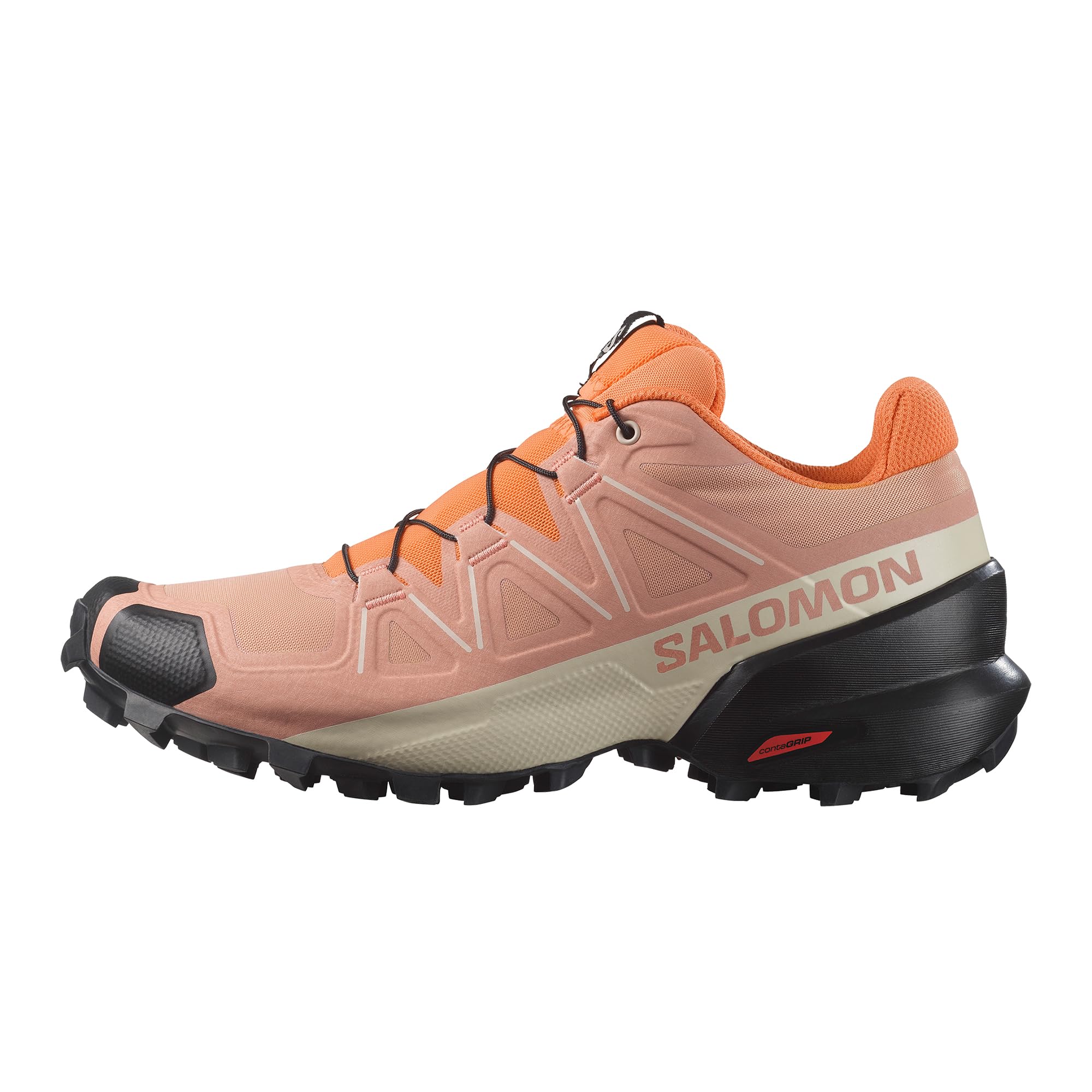
Salomon Speedcross

92 /100
Traveler Score Outstanding

Key details

Fit
Narrow
Closure
Quick-pull
Outsole
Studded rubber
Toe Protection
Reinforced
Check Details on Amazon

The Speedcross is built around its outsole. The studded rubber tread is the most aggressive in this group, and the extra rubber around the toe is a small detail that matters on rocky ground. The quick-pull closure snugs the upper without dangling laces, and the shoe feels planted when the trail turns soft.

We like it most on steep, muddy ground, where the shoe bites first and asks questions later. On smooth rock and pavement, the same tread feels less secure and more tiring. We treat it as a specialized second pair, not the one shoe for every hike. The upper holds the heel securely once laced, and the shoe feels precise rather than sloppy.

For a hiking shoe, that specialization is the point. It excels on soft ground and steep climbs, and it gives you a precise, locked-in feel. If your hikes are mostly mud and loose climbs, it earns the premium.

Pros

  • Aggressive studded outsole bites into soft ground
  • Reinforced toe area adds protection
  • Quick-pull closure snugs easily
  • Secure heel hold when laced

Cons

  • Narrow fit limits wide feet
Our verdict

The Speedcross is our grip-first pick for narrow feet and soft, steep trails, with a snug fit that rewards technical hiking.

Check Latest Price
3

Best for Wide Feet and Zero-Drop

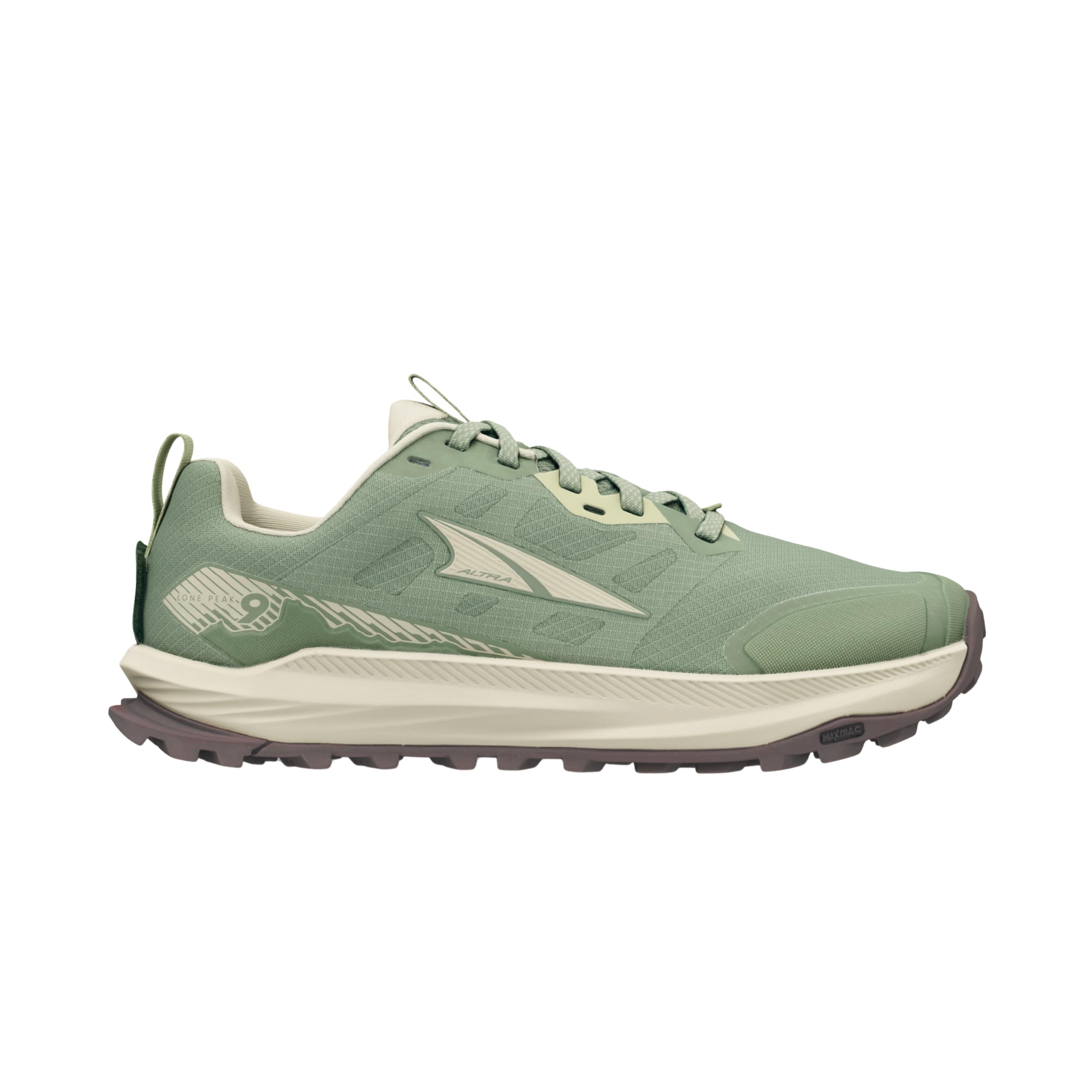
Altra Lone Peak 9

87 /100
Traveler Score Excellent

Key details

Drop
Zero
Toe Box
Wide
Traction
All-surface
Arch Support
Supportive
Check Details on Amazon

The Altra Lone Peak 9 is the shoe we recommend to anyone who has ever finished a hike with tingling toes. The toe box is genuinely wide, with room for a bunion or a thick hiking sock, and the heel is narrowed enough that the shoe does not feel like a slipper. We also like the zero-drop platform: it puts your heel and forefoot on the same level, which encourages a flatter stride on gentle trails.

On dirt and gravel, the traction is reliable, and the arch support is more substantial than the shoe's soft look suggests. The zero-drop ride takes some getting used to if you normally wear a shoe with a higher heel; do not switch to it the week before a long trip. The upper is breathable, which is welcome on warm hikes.

The price is premium, and the upper is not the most protective against sharp rocks. We still keep it in the lineup because the fit solves a problem that most trail shoes do not: room for toes without a sloppy heel. If you need a wide toe box and zero drop, this is the pair to try first.

Pros

  • Wide toe box with a secure heel
  • Zero-drop platform encourages a flatter stride
  • Reliable traction on dirt and gravel
  • Supportive arch for a zero-drop shoe

Cons

  • Upper and lining can wear early
Our verdict

The Lone Peak 9 is our wide-toe-box, zero-drop pick for hikers who want room for their toes and a natural stride on trail.

Check Latest Price
4

Best Cushioned Ride

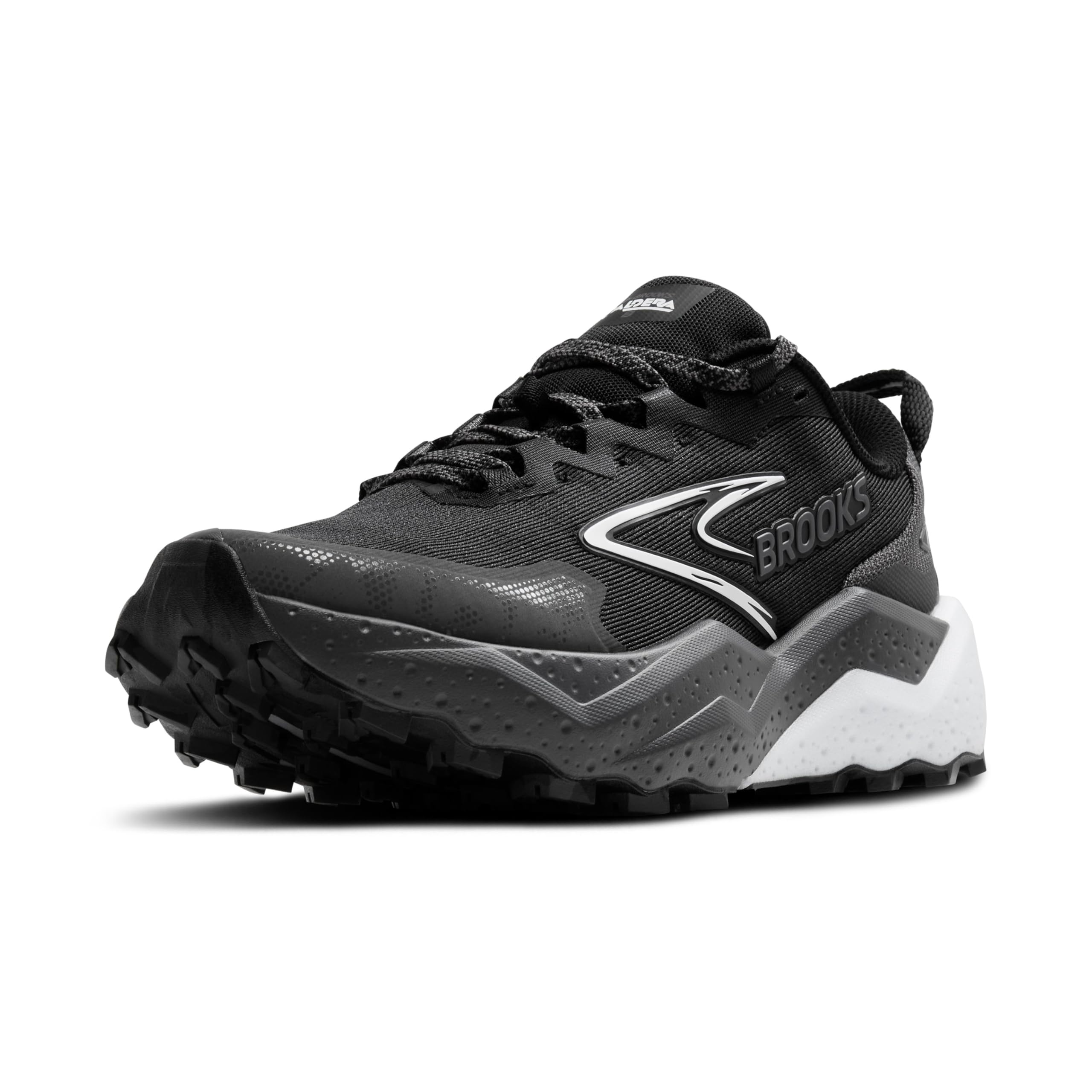
Brooks Caldera 8

84 /100
Traveler Score Excellent

Key details

Toe Box
Wide enough
Traction
Grippy
Cushioning
Soft
Arch Support
Supportive
Check Details on Amazon

The Brooks Caldera 8 is the cushioned member of this group. The midsole feels soft underfoot without turning mushy, and the toe box is roomy enough for feet that swell on long days. The upper is breathable, and the shoe looks like a normal trail runner rather than a hiking shoe.

On dirt and gravel, the outsole has good grip, and the shoe feels stable for its cushion. The arch support is noticeable on descents, where it keeps the foot from sliding forward. The upper is comfortable and breathable, but it does not have the reinforced feel of the Salomon XA Pro 3D.

We like the Caldera 8 for long, forgiving hikes with a light pack. It is the pair we choose for rail-trail miles, forest paths, and travel days when comfort matters more than technical edge. It is a comfortable, easy shoe for the hikes most people actually take.

Pros

  • Soft, stable cushioning for long days
  • Roomy toe box accommodates foot swelling
  • Good grip on dirt and gravel
  • Doubles as a comfortable travel shoe

Cons

  • Cushioning is softer than some hikers want
Our verdict

The Caldera 8 is our cushioned pick for long, forgiving hikes, with a comfortable fit and stable ride for light packs.

Check Latest Price
5

Best Budget on Easy Trails

Saucony Excursion TR13

88 /100
Traveler Score Excellent

Key details

Outsole
Wet-road grip
Toe Box
Roomy
Cushioning
Modest
Listed Package Weight
1.79 lb
Check Details on Amazon

The Saucony Excursion TR13 is built for easy miles. It has a roomy toe box, a breathable upper, and enough tread for packed dirt and wet pavement. The shoe feels light and uncomplicated, and it is easy to rinse off after a muddy outing.

We like it most on rail-trail-style hikes and long dog walks, where the shoe does not ask much of your feet. The outsole is the limitation: it grips wet roads and sidewalks well, but it is not a deep-lug trail shoe, and on loose gravel or slick roots the Salomon and Altra picks are more sure-footed. If your trails are mostly packed dirt and pavement, that is a fair trade.

For a first trail shoe, a travel pair, or a budget hiker who mostly walks groomed paths, it does the job. It is the one we lend to a friend who is not ready to spend much on a shoe. It earns its place by keeping the price low and the fit easy.

Pros

  • Budget-friendly for light trail use
  • Roomy toe box and breathable upper
  • Good grip on wet pavement
  • Comfortable for long walks

Cons

  • Upper can fray with hard use
Our verdict

The Excursion TR13 is our budget pick for easy trails and everyday walks, with a roomy fit and wet-weather grip.

Check Latest Price
6

Best for Wet-Weather Hikes

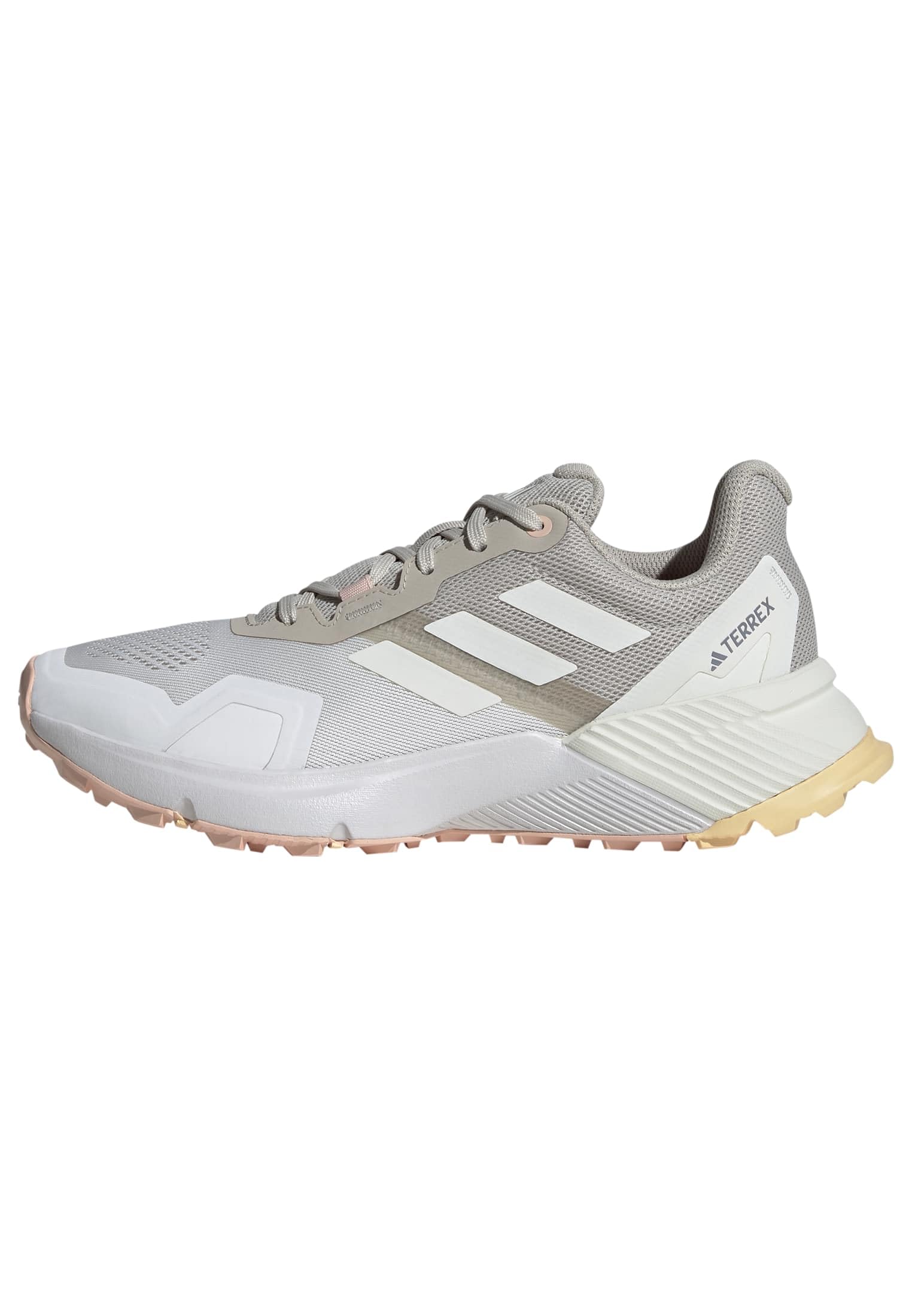
adidas Terrex Soulstride

87 /100
Traveler Score Excellent

Key details

Outsole
Aggressive tread
Arch Support
Supportive
Weather Protection
Rain.rdy
Listed Package Weight
2.43 lb
Check Details on Amazon

The adidas Terrex Soulstride Rain.rdy is the wet-weather member of this group. The rain-ready upper shrugs off wet grass and puddles, and the aggressive tread has enough bite for muddy paths and rocky steps. The shoe is flexible, and the arch support is generous for a budget trail model.

On a wet hike, the shoe kept our feet comfortable and planted, and the tread cleared mud reasonably well. The fit can run large for some feet, so try it with the socks you plan to hike in. The upper is flexible and easy to move in, which helps on wet, rolling terrain.

We like the Soulstride as a wet-weather day hiker and a travel shoe. It is a useful second pair to keep by the door, and it handles muddy paths without weighing you down. If you hike mostly in dry, rocky terrain, the XA Pro 3D is the more precise choice.

Pros

  • Rain-ready upper handles wet grass and puddles
  • Aggressive tread bites into mud
  • Supportive arch for a budget shoe
  • Flexible, not boot-like

Cons

  • Upper can tear at the sides with heavy use
Our verdict

The Terrex Soulstride is our wet-weather budget pick, with rain-ready protection and aggressive tread for muddy day hikes.

Check Latest Price
7

Hot, Wet Hikes

Merrell All Out Blaze

88 /100
Traveler Score Excellent

Key details

Use
Wet trails
Upper
Breathable mesh
Outsole
Vibram
Drainage
Quick-drying
Check Details on Amazon

The Merrell All Out Blaze Aero Sport is the odd one in this group. The mesh upper is exceptionally breathable, and the shoe is designed to drain and dry quickly. The Vibram outsole gives it real grip on wet rock, and the shoe feels light and flexible rather than armored.

On a humid day, the airflow is the feature we noticed most: the shoe runs cool, and it does not hold water the way a padded trail shoe can. It is at its best when the trail is wet and the weather is warm.

The ride is less cushioned than the Brooks or Salomon picks, and the upper is thin against sharp rocks. Those are real limits, but they are the price of the breathable, quick-drying build.

We keep the All Out Blaze for summer trips and hikes with creek crossings. It is the pair we reach for when we know our feet will get wet and we want them to dry fast. If you need support for long, rocky descents, one of the Salomon picks is the better call.

Pros

  • Breathable mesh upper runs cool
  • Drains and dries quickly after water crossings
  • Vibram outsole grips wet rock
  • Light, flexible feel

Cons

  • Fit is inconsistent
Our verdict

The All Out Blaze is our quick-dry, breathable pick for hot hikes and creek crossings, with Vibram grip and a light feel.

Check Latest Price
8

Light Trail Walks

ASICS Gel-Venture 10

87 /100
Traveler Score Excellent

Key details

Fit
Runs small
Outsole
Off-pavement tread
Arch Support
Supportive
Listed Weight
1.44 lb
Check Details on Amazon

The ASICS Gel-Venture 10 is a familiar running shoe with a trail-ready tread. The arch support is the standout: it feels stable underfoot, and the shoe is comfortable for long stretches of standing and walking. The tread handles packed dirt and gravel, and the shoe looks tidy enough to wear into town.

It is not a technical trail shoe. The sole is on the firm side, and the cushioning is adequate rather than plush. The upper is breathable and easy to clean, which makes it a good choice for dusty trails and travel.

On rocky ground, we wanted more underfoot protection. The outsole is best on packed dirt and gravel; on loose, steep ground it feels less secure than the Salomon or Altra shoes. Those limits are easy to live with if your hikes are mostly well graded.

We recommend the Gel-Venture 10 for light trails, park paths, and travel. It is a sensible budget choice for a first trail shoe or a second pair for errands. If your hikes involve steep, loose terrain, spend more on one of the Salomon or Altra picks.

Pros

  • Supportive arch for walking and standing
  • Tread handles packed dirt and gravel
  • Comfortable for long stretches on feet
  • Good-looking everyday option

Cons

  • Fit can run small
Our verdict

The Gel-Venture 10 is our budget all-rounder for light trails and travel, with supportive arch and a familiar running-shoe feel.

Check Latest Price

How We Tested Women's Trail Running Shoes for Hiking

We started by pulling together women's trail running shoes that made sense for hiking: moderate cushioning, a lugged outsole, and a fit range that covered narrow, average, and wider feet. I read through specs and owner reviews, filtered out models that ran unusually small or had a reputation for peeling uppers, and narrowed the list to 12 pairs that spanned the price range without crossing into specialty mountaineering territory.

Over eight months, I wore each pair on the same rotation: a muddy singletrack loop after rain, a rocky ridgeline with a light daypack, gravel fire roads, and the occasional stream crossing. On steep descents I paid attention to heel slip, toe bang, and whether the arch felt supported or just pressed in the wrong place. I noted hot spots at mile three and again at hour four, and I checked whether the laces and overlays stayed put after repeated tightenings. For traction, I walked the same wet rock slab and loose gravel section in every pair, then compared how confidently I could step without watching my feet.

To judge cushioning and sole hardness, I pressed a thumb into the midsole, then wore each shoe on a long rocky descent and a short road connector to see whether the ride felt soft, mushy, firm, or protective. Durability came down to details: frayed lacing loops, scuffed toe caps, compressed midsoles, and lug wear after repeated outings. I also wore the finalists into town with jeans and a casual jacket to see whether they looked like clunky trail shoes or something I would not mind wearing after the hike. At the end, I weighed each pair's wear against its cost per mile—not the sticker price alone—to decide which ones were genuinely worth keeping.

How to Choose Women's Trail Running Shoes for Hiking

Start With Fit and Toe Box

Fit matters more than any single specification. A hiking shoe needs a secure heel, a midfoot that does not slide, and enough room in the toe box that your toes do not jam on descents. We prioritize a roomy forefoot over a plush collar; the Lone Peak 9 shows how much difference a wide toe box makes, while the Speedcross is built for a narrower foot. Try shoes with the socks you hike in, and size for the longest toe, not the heel. If you are between sizes, go with the pair that leaves a thumb's width at the front.

Match the Outsole to Your Trails

Trail outsoles are not interchangeable. Deep, soft lugs bite into mud and loose dirt but feel vague on smooth rock, while shallower tread is happier on packed dirt and pavement. The Speedcross is the specialist here for soft ground; the XA Pro 3D is the more balanced choice for mixed rock and dirt. If your usual hike is a groomed rail trail, you do not need a mud tire. Look at the lug pattern and ask where you will spend most of your miles, not where you might go once a year.

Decide How Much Cushion and Protection You Want

Cushioning is a trade-off, not a ranking. A softer shoe like the Caldera 8 is kind on long days and forgiving on hard-packed trail, but it gives up some ground feel and precision on rocky, off-camber ground. A firmer shoe keeps you connected to the trail and can feel more stable under a light pack. We like a little more cushion for hiking than for fast trail running, especially if you carry water and a layer. If you can feel every sharp stone through the forefoot, choose more protection.

Choose Drainage or Water Resistance

Waterproofing is useful in cold, wet conditions and less useful in heat. A waterproof upper keeps splash out, but once water gets in over the collar, it drains slowly. A breathable, quick-drying shoe like the All Out Blaze is better for humid hikes and creek crossings. We treat waterproofing as a weather tool, not an all-day summer default. If your hikes are mostly dry, spend the weight and money on breathability and a better fit instead.

Budget for Durability

Lightweight trail shoes wear at the upper before the outsole. If you hike often, check the ankle collar and the flex point for fraying, and expect to replace a budget pair sooner. The Saucony Excursion is a good light-trail value, but its upper is not built for rough, repeated use. Paying more can buy protection and a longer-wearing upper, but only if the fit is right. A premium shoe that rubs is worse than a budget shoe that fits.

Frequently Asked Questions

Final Verdict

The Salomon XA Pro 3D is the pair we recommend first for women who want one trail shoe for hiking: stable, supportive, and quick to adjust on the move. If your feet need a wider toe box or you prefer a zero-drop ride, the Altra Lone Peak 9 is the better choice. For soft, muddy trails where grip is the priority, the Salomon Speedcross earns its place. Start with the terrain you walk most, then choose the fit that keeps your heel locked down.