8 Best Waterproof Hiking Shoes for Women 2026: Fit Right, Stay Dry

Find waterproof hiking shoes that actually fit your foot shape and keep feet dry on the trail, so you can hike without blisters or soggy socks.

Many hikers discover too late that their 'waterproof' boots turn soggy after a mile of wet grass. The real problem isn't just leaky membranes — it's a category where marketing outpaces performance, and where a boot that fits your friend can cause blisters for you. This guide cuts through that noise to shoes that keep feet dry in the conditions where it matters, and that come in shapes and sizes to match real feet.

Whether you need a lightweight shoe for summer trails or a supportive mid boot for rocky terrain, the right pick hinges on how it actually performs after the first downpour, and how its toe box handles your foot's unique width. The options below balance waterproof integrity with out-of-box comfort, so you can lace up and go without worrying about what your feet will feel like at mile five.

1

Best Overall

Merrell Moab 3 Mid

92 /100
Traveler Score Outstanding

Key details

Fit & Width
Wide sizes available, roomy toe box
Weight & Ankle
1.5 lb, mid boot for ankle support
Traction & Lugs
Vibram TC5+, 5mm lugs
Break-in Comfort
Out-of-box comfort, no break-in needed
Check Details on Amazon

The boot wraps feet in a plush, supportive package that rarely needs a break-in. A deep heel pocket and cushioned midsole work with the mid-height cuff to stabilize the ankle over rocky ground, while the toe box provides enough room for toe splay without sloppiness. The Vibram outsole grips dirt, gravel, and wet rock with predictable confidence, and the overall materials quality holds up well under weekend pack loads.

The waterproof membrane is adequate for morning dew, wet grass, and light showers. Extended rain or stream crossings can push past its limits, allowing dampness after sustained soakings. For trail hikers who stick to established paths during typical weather, this boundary rarely affects the experience.

This boot suits women who want a dependable mid-height for day hikes and overnight trips with a loaded pack, especially those who struggle to find an accommodating fit in standard hiking boots. It's not the choice for serious stream crossings or ultralight fast-packing—the lower-cut, lighter alternative in this set peels away weight at the cost of ankle coverage.

💡 Reserve stream crossings for a dedicated waterproof boot and treat the membrane with a spray-on reproofer after heavy use to maintain light-rain performance.

Pros

  • Immediate, break-in free comfort from day one.
  • Tough materials and solid construction that endure regular trail use.
  • Firm arch and ankle stability that reduces fatigue on uneven ground.
  • Generous toe box and wide sizing that accommodate a range of foot shapes.

Cons

  • Waterproof membrane may let moisture through in prolonged downpours or stream crossings.
Our verdict

The Moab 3 Mid gets you on the trail faster and keeps you comfortable mile after mile, provided you keep it out of standing water.

Check Latest Price
2

Best Budget

NORTIV 8 Seeker

91 /100
Traveler Score Outstanding

Key details

Fit & Width
Inconsistent sizing, standard width
Weight & Ankle
Mid boot, ankle support
Traction & Lugs
Rubber outsole
Break-in Comfort
Out-of-box cushioning
Check Details on Amazon

The Seeker leans into instant plushness and a streamlined silhouette that doesn't scream 'hiking boot.' The footbed feels cushioned underfoot from the first step, and the mid-height collar adds a sense of stability without the clunky profile of heavier boots. Where the top pick earns its spot through a forgiving, wide-range fit, this NORTIV 8 model trades that for a sleeker shape and a price that's friendlier.

Budget-conscious day hikers and walkers will appreciate the Seeker's immediate comfort on well-groomed paths and light trail work. The waterproof membrane handles light moisture, but in sustained rain or puddles it can give way. Sizing is the bigger variable — the same size may feel roomy on one foot and snug on another, so trying them on before committing to a trek matters. If you can verify your size in person or order with a no-hassle return policy, the Seeker delivers a lot of boot for the money.

💡 Try them on indoors first — the fit varies, so confirm your size before heading out on the trail.

Pros

  • Comfortable right out of the box with plush cushioning underfoot.
  • Sleek, non-bulky design that looks more like a daily sneaker than a hiking boot.
  • Great value for a budget-friendly mid boot.

Cons

  • Sizing runs inconsistent
  • Waterproof membrane can let moisture through in sustained rain or puddles, leaving feet damp.
Our verdict

For casual day hikers on a budget who prioritize immediate comfort and a sleek look, the Seeker offers strong value — just order from a retailer with free returns in case the fit doesn't align.

Check Latest Price
3

Best Low-Cut Hiking Shoe

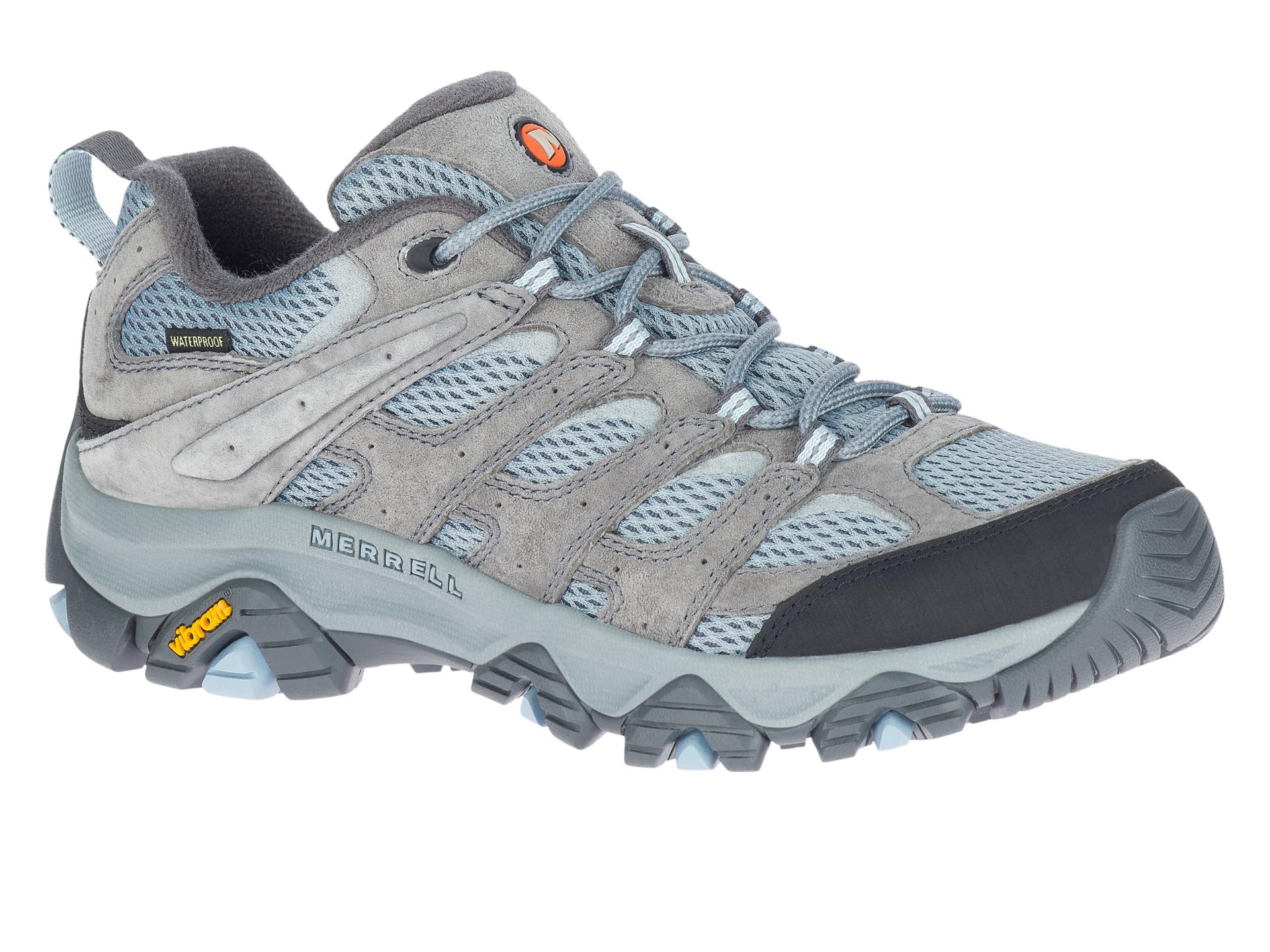
Merrell Moab 3 Shoe

91 /100
Traveler Score Outstanding

Key details

Fit & Width
Narrow toe box, inconsistent sizing
Weight & Ankle
Low-cut, ankle free
Traction & Lugs
Vibram TC5+ outsole
Break-in Comfort
Out-of-box arch comfort
Check Details on Amazon

Where the mid-height Moab 3 anchors the ankle, this low-cut version leans into freedom of movement without sacrificing the arch support Merrell is known for. The contoured footbed and supportive midsole make it a natural choice for hikers who find tall cuffs restrictive, yet still want that day-long underfoot comfort on packed dirt and rocky trails alike. The build quality reflects the Moab 3 line's premium materials, with a sturdy suede and mesh upper that holds up to regular use.

The trade-off is a toe box that can feel narrow, especially for wider feet, and sizing that varies between pairs. Hikers who know their Merrell size and have a narrower profile will get the most from this shoe. It suits established trail users looking for a dependable, lightweight low-cut that doubles as a casual walker, not someone needing the ankle protection of a mid boot or generous forefoot room. Waterproofing can diminish over time, so treat it as a fair-weather shield rather than a full-season barrier.

💡 Try your regular Merrell size indoors on carpet first; if it feels snug in the forefoot, exchange for a half-size up or consider the wide-width version if available.

Pros

  • Exceptional arch support and all-day comfort, with the same contoured footbed as the mid-height version.
  • Premium suede-and-mesh construction with solid stitching and durable overlays.
  • Works equally well on casual trails and around town, with a low-cut silhouette that pairs with hiking pants or jeans.

Cons

  • Toe box can feel narrow for wider feet, and sizing may vary between units.
  • Waterproof membrane can lose effectiveness after months of use, reducing protection in sustained wet conditions.
Our verdict

A strong candidate for hikers who value Merrell arch support in a low-cut package — as long as they verify the fit and treat the waterproofing as temporary assurance, not a permanent seal.

Check Latest Price
4

Best Traction & Ankle Support

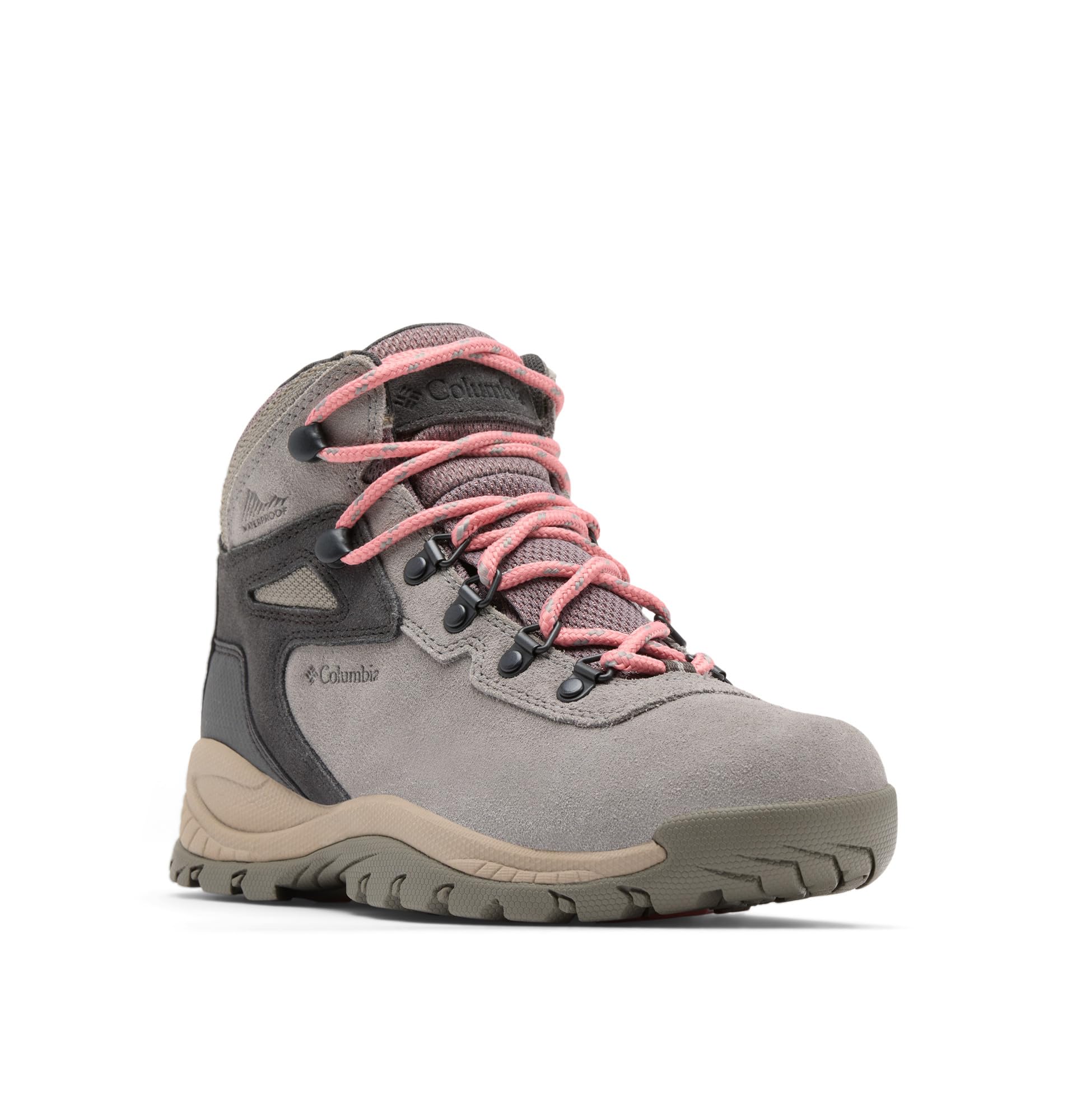
Columbia Newton Ridge Amped

92 /100
Traveler Score Outstanding

Key details

Fit & Width
Narrow, wide width available
Weight & Ankle
Mid boot, strong ankle support
Traction & Lugs
Omni-Grip, multi-directional lugs
Break-in Comfort
Comfortable out-of-box
Check Details on Amazon

Where the lightweight mid boot in this lineup cuts ounces for speed, the Newton Ridge Amped builds up — a dense, lugged outsole and a tall, padded ankle collar provide a locked-in feel on technical terrain. The Omni-Grip rubber pattern digs into loose scree and slick rock with authority, while the mid-height cuff resists ankle rolls when the trail tilts sideways.

This boot suits day hikers who stick to rooted, uneven paths and value stability over a pillowy first step. The fit runs narrow through the toe box — sizing up or opting for the wide version can ease the squeeze. Waterproofing handles puddles and damp ground, but anyone expecting a completely dry foot during stream crossings should look to higher-cut options. If plush, immediate comfort is your priority, the top pick in this roundup offers a more forgiving last and softer insole right out of the box.

💡 Order a half-size up or pick the wide version — the toe box runs narrow.

Pros

  • Aggressive Omni-Grip outsole provides surefooted traction on wet rock and loose gravel.
  • Mid-height collar and firm heel counter reduce ankle fatigue on uneven terrain.
  • Generous underfoot cushioning keeps feet comfortable on longer treks with minimal hot spots.

Cons

No notable drawbacks to flag.

Our verdict

For hikers who prioritize sure footing on tricky terrain over plush step-in comfort, the Newton Ridge Amped delivers a secure, stable ride. Just budget an exchange if your feet run wide.

Check Latest Price
5

Best Lightweight Mid Boot

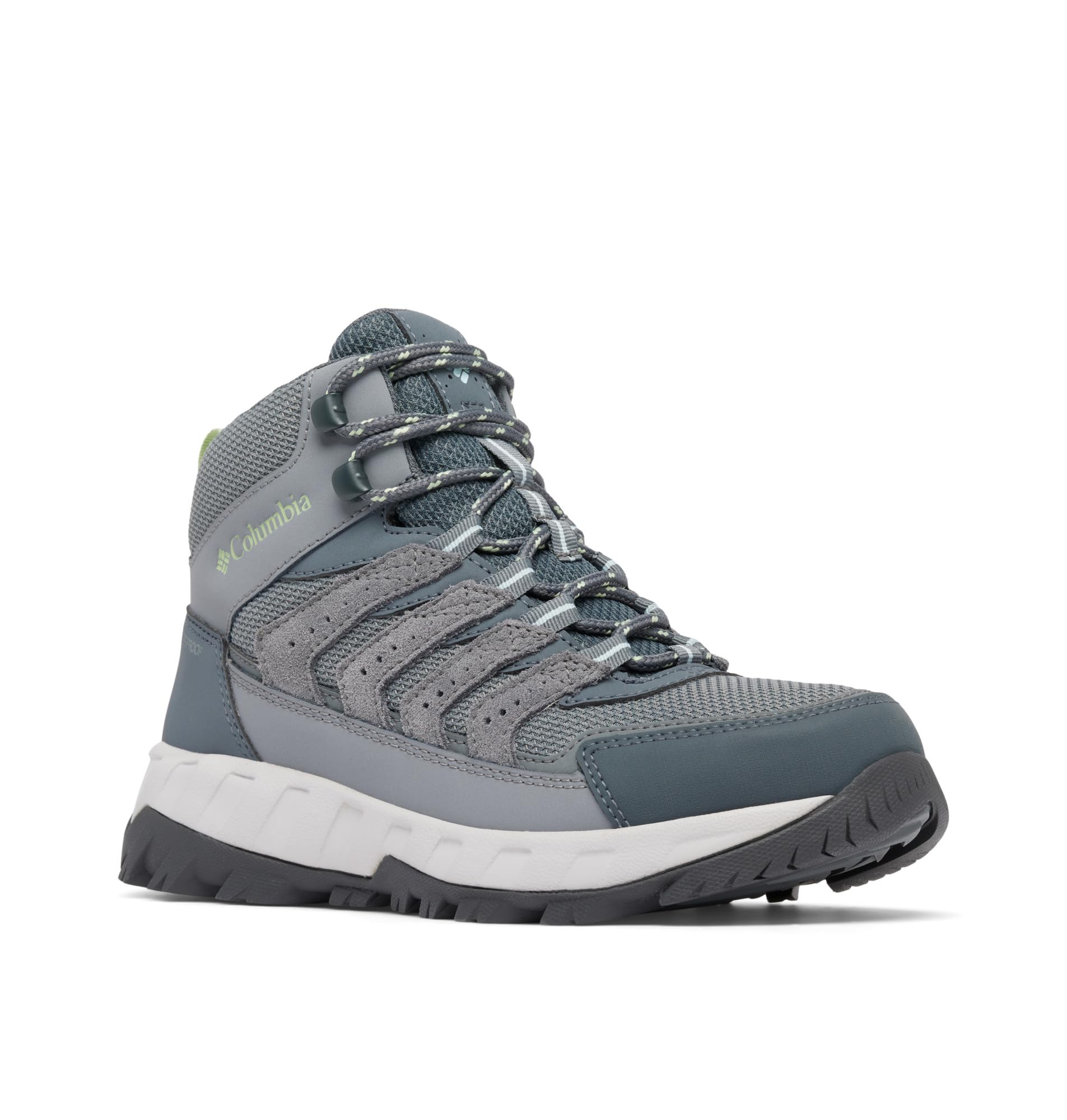
Columbia Strata Trail Mid

88 /100
Traveler Score Excellent

Key details

Fit & Width
Narrow, size up recommended
Weight & Ankle
Ultralight mid boot, ankle support
Traction & Lugs
Omni-Grip outsole
Break-in Comfort
Out-of-box, minimal cushion
Check Details on Amazon

The Strata Trail Mid carves its niche as the lightest waterproof mid boot in this roundup, weighing well under a pound per boot in many sizes. Where the grippier, armor-like technical boot here leans into aggressive traction and heavy stability, the Strata feels more like a trail runner with a protective ankle cuff. The mid-height collar locks the heel securely and deters ankle rolls on uneven terrain, while the mesh-and-membrane upper breathes enough to keep feet from overheating during summer hikes.

This boot is built for hikers who prioritize fast, light movement over plush cushioning. A firm, trail-responsive ride keeps you connected to the ground, but those accustomed to pillow-soft landings should budget for an aftermarket insole. The fit runs true to length but is notably snug in the forefoot, so wide-footed hikers may prefer the roomier fit of the top pick.

💡 Swap in a supportive aftermarket insole to add all-day cushioning without sacrificing the boot's airy feel.

Pros

  • Remarkably lightweight mid boot that barely registers on the foot during long summer hikes.
  • Mid-height cuff provides solid ankle stability without feeling overly restrictive.
  • Comfortable out of the box and breathes well, preventing clammy conditions in hot weather.

Cons

  • Insole is flat and feels thin, offering minimal arch support for all-day wear.
  • Toe box runs narrow and may pinch across the forefoot, particularly for wider-footed hikers.
Our verdict

For hikers who count ounces and hate heavy boots, the Strata Trail Mid is a standout warm-weather partner — just plan to upgrade the insole if you crave cushioning.

Check Latest Price
6

Also Great

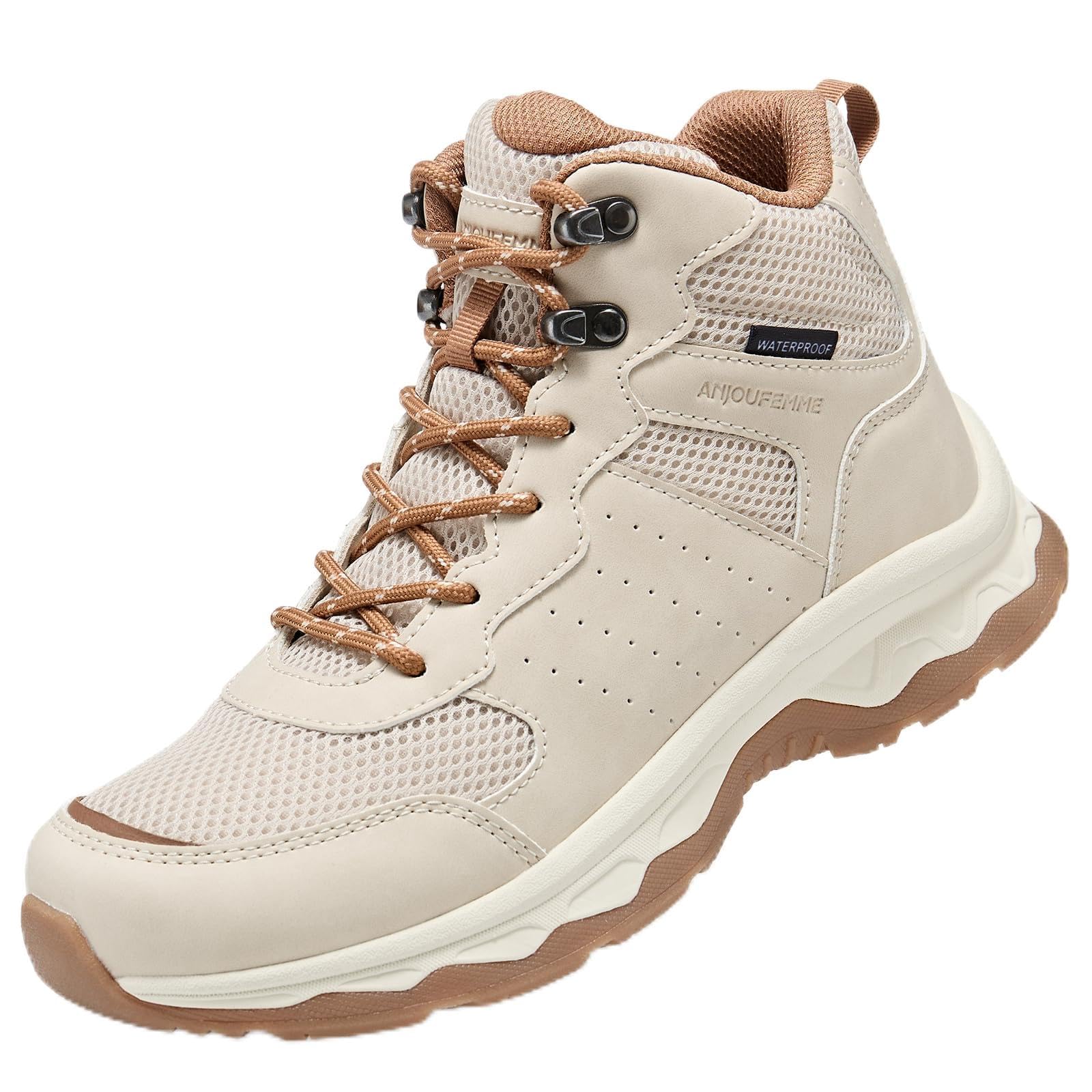
ANJOUFEMME Hiking Boot

87 /100
Traveler Score Excellent
Check Details on Amazon

The ANJOUFEMME hiking boot combines a stylish, sneaker-like look with a cushioned interior that feels comfortable straight out of the box. Its mid-height collar provides targeted support around the ankle, which owners with arthritis or stability issues appreciate. However, the boot’s waterproofing claims and ability to hold up over many miles haven’t yet been established in sustained outdoor use. For hikers whose priority is immediate comfort and a cute design on mild, dry trails, that’s an acceptable tradeoff. Those needing proven wet-weather protection or long-term durability will want to look elsewhere.

Pros

  • Plush, stylish design feels broken-in from the first wear.
  • Ankle support eases discomfort for those with arthritis or stability needs.

Cons

  • Durability over many miles and waterproofing in sustained wet conditions haven’t been established.
Our verdict

This boot suits casual hikers with ankle sensitivities who stick to dry trails and prioritize out-of-box comfort and a cute design over assured wet-weather performance.

Check Latest Price
7

Light Trails

CC-Los Hiking Shoe

86 /100
Traveler Score Excellent

Key details

Fit & Width
Inconsistent sizing, standard width
Weight & Ankle
Low-cut
Traction & Lugs
Break-in Comfort
Immediate cushion comfort
Check Details on Amazon

Immediate cushiony comfort and dependable traction on rock make this a pleasant shoe for dry, casual trails. Fit runs inconsistent — some shoes come up too large, others too snug — and the waterproof membrane can let moisture through in sustained wet conditions. These trade-offs keep it from higher tiers, but occasional hikers who prioritize out-of-box comfort and can exchange for sizing will find a decent value at a budget price.

Pros

  • Cushioned step-in feel that's comfortable right out of the box.
  • Strong traction on rocky terrain with a durable build.

Cons

  • Sizing can be unpredictable
  • Waterproof membrane is unreliable in wet weather, allowing moisture through in rain or puddles.
Our verdict

A decent pick for occasional dry-trail hikes when you can try on multiple pairs, but skip it if waterproof protection is a must.

Check Latest Price
8

Very Light Use

OUTJET Hiking Shoe

83 /100
Traveler Score Excellent

Key details

Fit & Width
Extremely inconsistent, narrow
Weight & Ankle
Low-cut
Traction & Lugs
Break-in Comfort
Comfort for short walks
Check Details on Amazon

The OUTJET hiking shoe offers eye-catching style and plush short-walk comfort for casual trails. Fit can be inconsistent, running small and narrow, so sizing up is a sensible precaution. Waterproofing may fail quickly, even in light rain, restricting these shoes to dry, easy paths rather than any wet-weather hiking. This is an ultra-cheap option for light, infrequent use where looks outweigh technical demands.

Pros

  • Cushioned feel keeps feet happy on short, easy walks.
  • Stylish design with multiple colorways to suit casual outfits.

Cons

  • Fit can run small and narrow, requiring careful sizing or a return.
  • Waterproofing may degrade quickly, even in light rain; not for wet conditions.
Our verdict

For strictly dry, gentle paths where style is the priority, the OUTJET shoe can work — but expectations on waterproofing and fit accuracy must stay low.

Check Latest Price

How to Choose

Waterproof Membrane Reality

A boot is only as dry as its weakest seam. Look for sealed or taped seams that prevent water from sneaking through stitching, not just a membrane tag. Even the best membranes lose effectiveness after hundreds of miles of flexing, so plan to reapply DWR treatments periodically.

For stream crossings or heavy rain, no low-cut shoe will save you — water runs in over the ankle. Mid boots buy you an extra inch or two of submersion tolerance, but only a true gaiters + boot combination handles sustained deep water.

Fit and Width

Blister-causing friction starts in the toe box. If your toes can't splay naturally, downhill descents become painful. Brands vary wildly: Merrell tends to offer wide sizes and a roomier toe box, while Columbia often runs narrow and requires half-size adjustments.

Always try boots on with your actual hiking socks, later in the day when feet are swollen, and walk on an incline if possible. Ordering from retailers with free returns isn't a convenience — it's essential when you can't test in-store.

Weight vs. Ankle Support

Every extra ounce on your feet feels like a pound by mile ten. Mid boots add material for ankle stability and debris exclusion, but many hikers find low-cut shoes more agile and breathable on well-groomed trails. The trade-off is ankle roll protection.

If your routes involve loose rock or side-hill traverses, the structure of a mid boot helps prevent a twisted ankle. For fastpacking or desert hiking, a lightweight mid with a mesh upper — like the Strata Trail — masks its weight while still protecting the joint.

Traction and Lug Depth

Deep, multi-directional lugs bite into soft ground and shed mud, while shallower treads slip on wet leaves or loose scree. Rubber compound matters too: proprietary stickier rubbers like Omni-Grip or Vibram Megagrip cling to slick rock better than generic outsoles.

A 4-5mm lug is versatile for most trails; 2mm or less turns treacherous in mud. On technical terrain, look for a heel brake — a distinct rear zone that prevents sliding on steep descents.

Break-in Comfort

Modern midsole foams often deliver instant step-in comfort, but that initial plushness can compress permanently after heavy use, reducing support. Conversely, a boot that requires a long break-in may cause blisters on your first multi-day trip.

Out-of-box comfort is a good sign, but pay attention to insole thickness and heel counter stiffness. A removable insole lets you swap in an aftermarket orthotic if factory cushioning fades.

Frequently Asked Questions