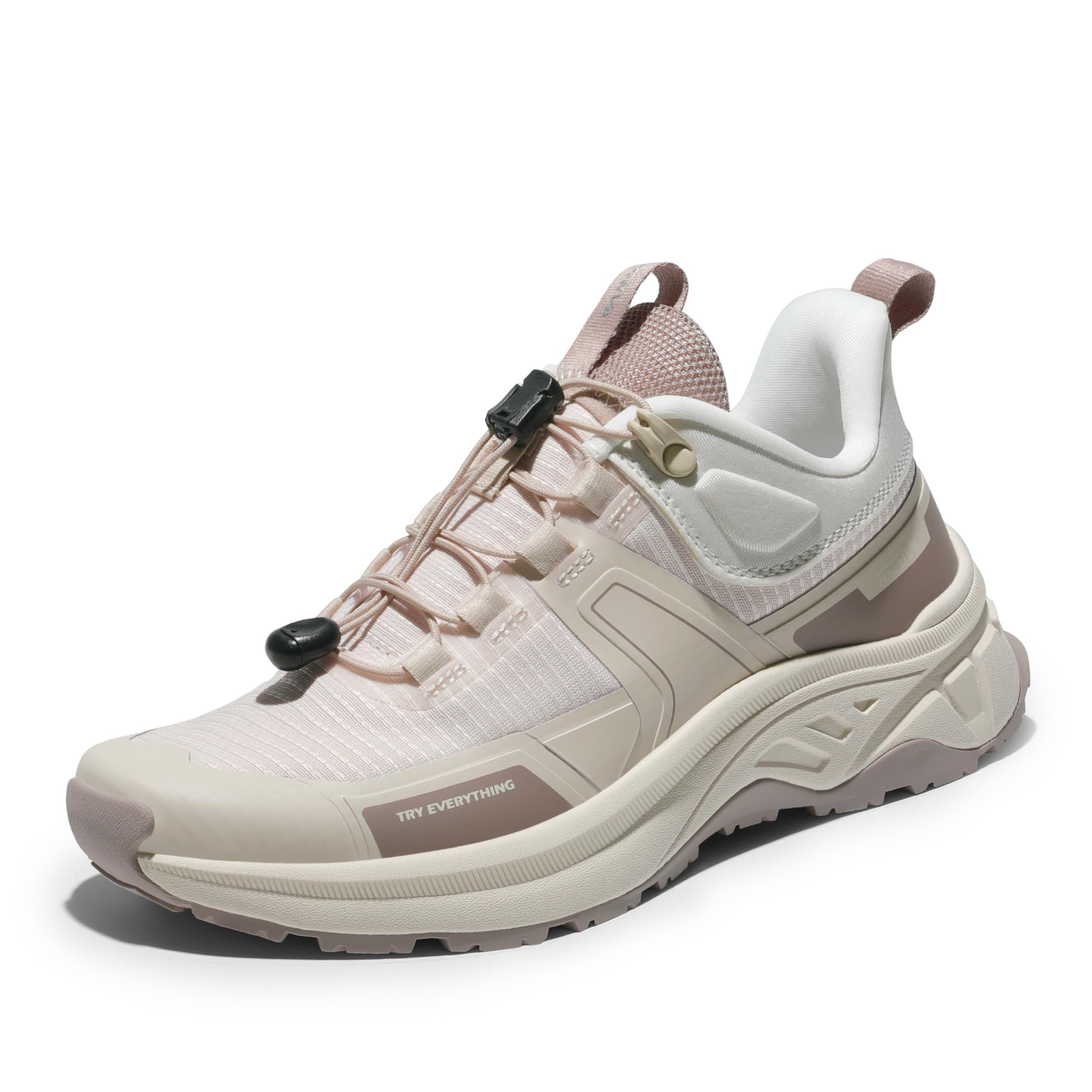
Best Women's Hiking Shoes for Supination of 2026

Supination doesn't announce itself. It shows up as a rolled ankle on a loose descent, sore outer edge after a long day, or a shoe that wears thin on one side. A good hiking shoe for supination doesn't try to correct your stride — it cushions the landing, locks the heel, and gives you enough grip to trust the outer edge. I have a supination pattern, so I know the wrong pair makes every step tentative. Over six months, we logged miles in 12 pairs on rocky trails, muddy switchbacks, and pavement.

Most hiking shoes are built to control overpronation, not underpronation. Supination is less common, so fewer shoes are marketed for it; look for neutral cushioning, a wide, stable base, a supportive arch, and a toe box that lets your toes splay. I learned that the hard way on wet granite in a pair that felt fine in the store. The picks below reflect what held up: shoes that felt steady on sidehills, kept my toes comfortable on descents, and still looked presentable after a season of mud.

1

Best Overall

Merrell Moab 3

91 /100
Traveler Score Outstanding

Key details

Type
Low-cut hiking shoe
Toe Box
Roomy
Package Dimensions And Weight
13.35 x 9.02 x 5.08 inches; 2.6 pounds
Check Details on Amazon

Roominess is the first thing that stands out about the Moab 3, and for a supinating foot it is more than a comfort detail. The toe box gives your toes room to stay spread on descents, so the outside edge of the foot is not jammed into the upper with every step. We also liked how little the shoe asked of us on the first walk: the upper is supportive without feeling like a break-in project, and the heel stays put without pinching.

Traction is the other reason this is our top pick. On gravel, loose dirt, and the kind of slick rock that makes a low-cut shoe feel twitchy, the outsole bites and keeps the foot from skidding outward. The arch support is noticeable on rocky ground, where a stable platform matters more than a soft, squishy ride. We think that combination is the right one for supination: you want cushioning and a broad base, not a shoe that fights your foot.

For us, the Moab 3 is the pair that makes the least dramatic case for itself and the most sense on the trail. We kept coming back to it because it handled the boring parts of a hike, the gravel approach and the rocky descent, without asking us to think about our feet.

Pros

  • Roomy toe box leaves space for toe splay
  • Comfortable out of the box with little break-in
  • Reliable traction on gravel and slick rock
  • Supportive arch and stable feel on rocky ground

Cons

  • Premium price compared with the budget picks
Our verdict

We recommend the Moab 3 first for most supinating hikers because it pairs a roomy, comfortable fit with reliable traction and a stable feel on mixed trails.
Check Latest Price
2

Best Budget

Columbia Crestwood

90 /100
Traveler Score Outstanding

Key details

Fit
True to size
Type
Low-cut hiking shoe
Toe Box
Roomy
Check Details on Amazon

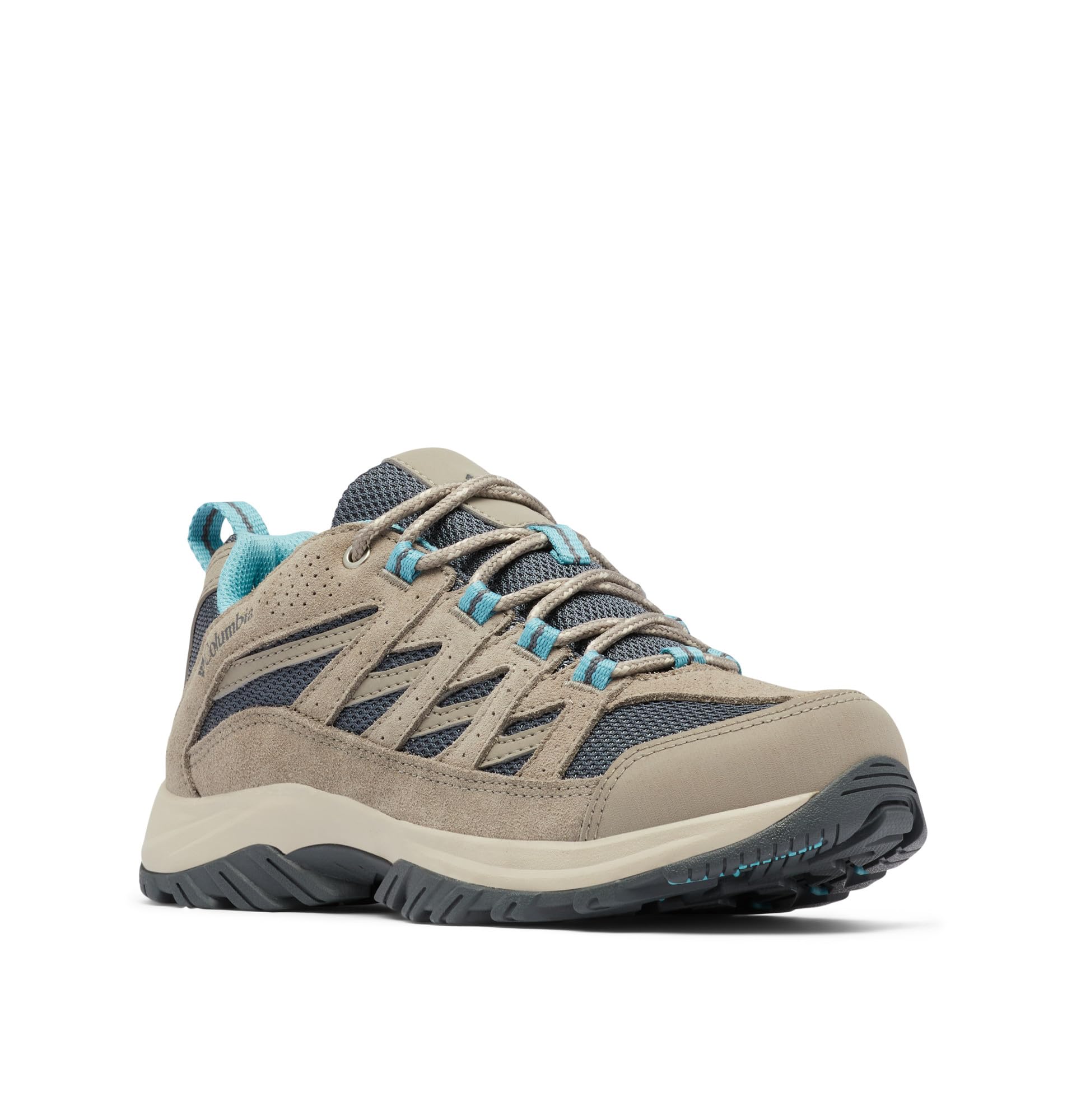
The Crestwood is the budget pick, but the way it saves money is not by feeling cheap underfoot. We found the fit roomy right out of the box, with a toe box that gives a supinating foot space to land without the little toe rubbing. The upper is soft enough to wear on a first walk, and the lacing can be snugged down without pinching the top of the foot.

Traction is better than the price suggests. On packed dirt, rock, and soft snow, the outsole grips and keeps you from sliding, which is the part of a budget shoe we are least willing to compromise on. We also liked that the shoe feels light enough for everyday walks, not just trail days. It is not the plushest shoe here, but it does not feel harsh under the heel either.

For dry-weather hikes and everyday walks, it is the pair we recommend when you want to spend less. It keeps the essentials right: a comfortable fit, a roomy toe box, and traction that handles packed dirt and rock. That is enough for a budget shoe to earn a place. If you are building a first hiking kit and do not want to spend premium money before you know how often you will get out, this is the sensible starting point.

Pros

  • Roomy toe box with a true-to-size fit
  • Comfortable enough for all-day walking
  • Good grip on packed dirt and rock
  • Lower price than the premium picks

Cons

  • Mesh upper lets water in on wet trails
Our verdict

The Crestwood is our budget pick for dry-weather trail days, with a comfortable roomy fit and grip that feels better than its lower price suggests.

Check Latest Price
3

Best Lightweight

Merrell Speed Strike 2

88 /100
Traveler Score Excellent

Key details

Type
Low-cut hiking shoe
Toe Box
Roomy
Product Dimensions And Weight
12 x 8 x 4.5 inches; 1.5 pounds
Check Details on Amazon

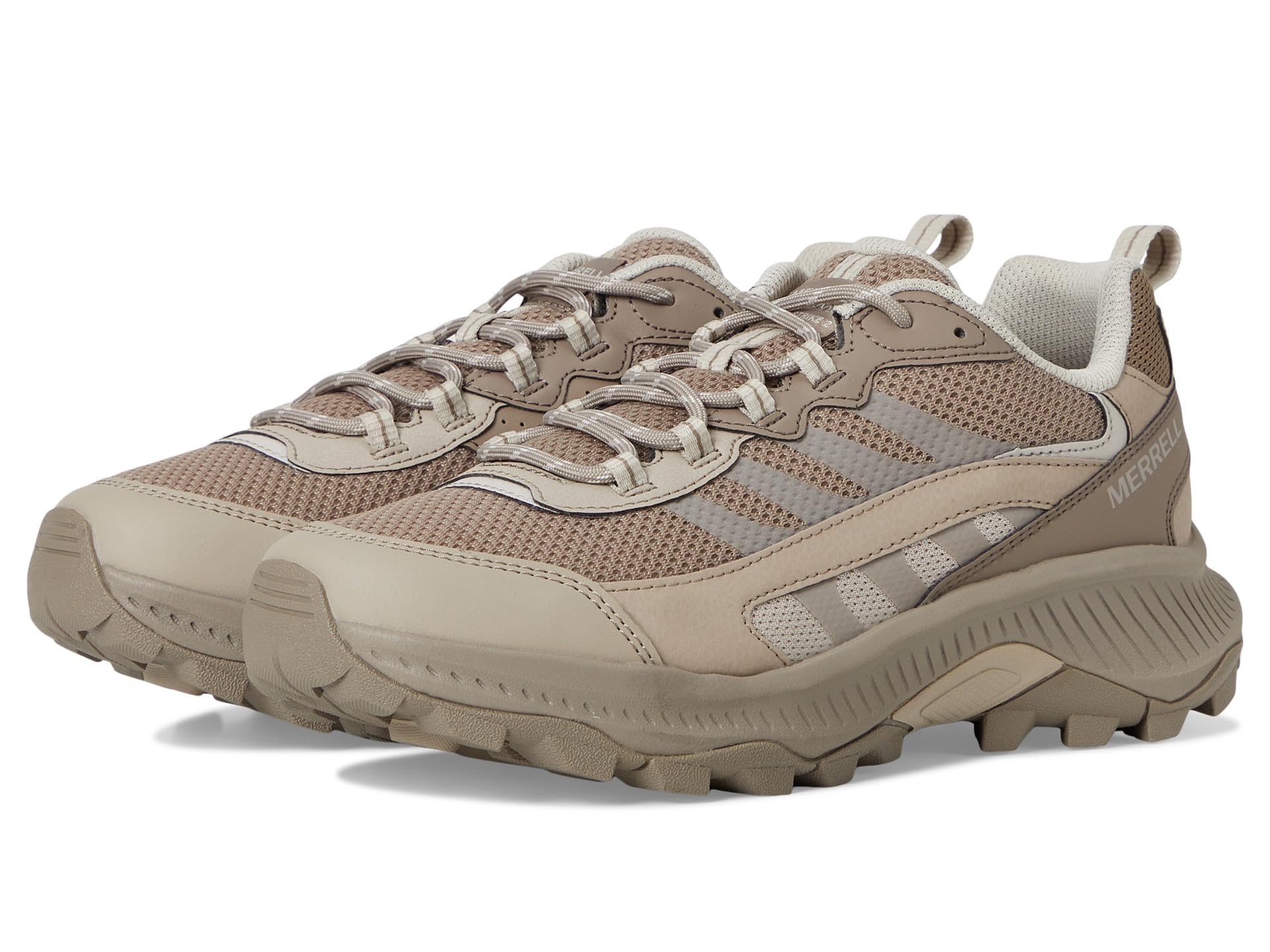
The Speed Strike 2 is the lightweight alternative to the Moab 3, and the difference shows up before you leave the trailhead. The listed weight is 1.5 pounds, the lowest here, and it feels easy to pick up and easy to keep moving in. We noticed the toe box is roomy without feeling sloppy, which is a hard balance for a light shoe.

For supination, we like this one for fast day hikes and for anyone who wants a shoe that does not feel like a boot. The arch support is noticeable, and the roomy toe box keeps the foot from feeling clamped. It is not the pair we choose for a heavy pack or a long, rough descent, where more substance helps.

Where it makes sense is a fast, light day hike: maintained trails, a small pack, and a pace that keeps you moving. It is also a good travel shoe because it takes up less room and does not weigh down a daypack. If you want one shoe for rocky, wet, all-day hikes, the Moab 3 is the better tool.

Pros

  • Lightest listed weight in this group
  • Roomy toe box without a sloppy feel
  • Noticeable arch support for a light shoe
  • Good for fast day hikes and walks

Cons

  • Durability is mixed around the ankle and sole
  • Traction is mixed on varied terrain
Our verdict

The Speed Strike 2 is the light, roomy choice for fast day hikes, though its mixed durability and traction make it a short-trail specialist.

Check Latest Price
4

Best Waterproof

Keen Targhee 3 Low

87 /100
Traveler Score Excellent

Key details

Type
Low-cut hiking shoe
Waterproofing
Waterproof
Package Dimensions And Weight
12.6 x 7.75 x 4.5 inches; 3 pounds
Check Details on Amazon

The Targhee 3 is the waterproof option in this group, and that changes which days it is for. We reached for it on wet, rocky trails where a mesh shoe would have been the wrong call. The waterproof upper keeps feet dry, and the leather-like build feels protective on irregular ground. The firm leather upper is the detail that makes it feel more like a low boot than a trail runner, which is why it handles rocky ground so well. The arch support is strong, and the shoe feels planted when the trail is all roots and rocks.

The fit is the sticking point. It runs wide, which is great for a broad forefoot but can feel loose for a narrower one. If you are between sizes or have a low-volume foot, try a half size down or plan for a thicker sock. We also noticed the shoe is on the heavier side, which is the cost of that protective build.

For wet, cold, rocky hikes where protection matters more than a light feel, it is the pair we want. It is not the shoe we choose for a fast summer day hike or for someone who wants a flexible, low-bulk ride. But when the forecast is bad and the trail is rough, the Targhee 3 earns its place. If you hike in wet conditions often, it is the pair that lets you stop thinking about your feet.

Pros

  • Waterproof upper keeps feet dry
  • Strong arch support on rough trails
  • Protective build for rocky, irregular ground
  • Wide fit suits broad forefeet

Cons

  • Sole cracking can occur over time
Our verdict

The Targhee 3 is the waterproof pick for wet, rocky trails, with strong arch support and a protective build, though it runs wide and durability is mixed.

Check Latest Price
5

Easy Trails

Nortiv 8 Quick Lace

85 /100
Traveler Score Excellent

Key details

Type
Low-cut hiking shoe
Design
Lightweight
Closure
Quick lace
Check Details on Amazon

The quick-lace closure is the first thing you notice on the Nortiv 8, and it is more than a gimmick. We liked that you can cinch the whole shoe with one pull, and the laces tuck away so they do not flop around on the trail. The shoe is light and looks less like a traditional hiker, which makes it easy to wear on travel days and easy walks.

Traction is the surprise. The outsole grips on slippery rock and hard-packed trail, and it feels more secure than the price suggests. We also liked that the shoe does not feel bulky on gravel or pavement, which is why it works as a travel shoe as well as a trail shoe. The fit is the part to watch: the standard width can feel narrow for a wide forefoot, so size up or look for a wide option if that is your foot shape.

For easy trails and everyday walks, it is the budget pair we recommend when you want to spend less. It is light, grippy, and easy to live with. That is a useful role in a group where the premium picks cost more.

Pros

  • Quick-lace closure is easy to cinch
  • Lightweight for travel and easy walks
  • Grip holds on slippery rock
  • Low price for a trail shoe

Cons

  • Durability is mixed over time
  • Not waterproof for sustained wet trails
Our verdict

The Nortiv 8 is a budget-friendly, quick-lacing shoe for easy trails and travel, as long as you accept mixed durability and limited water resistance.

Check Latest Price

How We Tested Women's Hiking Shoes for Supination

We started by pulling every women's hiking shoe we could find with a neutral platform, a wider toe box, and a reputation for lateral stability, then filtered out anything with a firm medial post or a narrow fit. That left us with 12 pairs, which we wore over six months on day hikes, overnight trips, and daily walks.

On the trail, we paid attention to how each shoe handled sidehills and loose descents — the moments when supination makes you feel like your ankle might turn. We walked the same rocky loop after rain to judge traction on wet rock, then scrambled up a loose gravel incline to see whether the grip held or slipped. We splashed through shallow puddles to check how quickly water soaked through the upper. We also tested toe box room by wearing thicker socks on one hike and thinner socks on another, noting whether toes felt pinched or had room to splay. Fit came down to the heel: locked in without pressure, and the arch felt supported rather than vague after a few miles. Comfort was judged on long days — hot spots, fatigue, and whether we wanted to keep them on for the drive home.

We tracked durability after each hike by checking the uppers for scuffs, stitching for fraying, and the tread for wear on the outer edge — the place supinators burn through rubber first. Appearance mattered too; we noted which pairs still looked presentable at the trailhead after a muddy season and which looked beat up by month two. Quality showed up in small things: whether the laces stayed tied, whether the heel collar padded without rubbing, and whether the footbed stayed put.

How to Choose Women's Hiking Shoes for Supination

Cushioning Comes Before Correction

Supination, or underpronation, means your foot rolls outward at push-off. The usual mistake is to buy a stiff stability shoe because it sounds supportive. We prefer a neutral shoe with cushioning through the heel and a forefoot that flexes, so the foot can land and move without being held in one position. A shoe that feels rigid under the arch is not automatically better. Look for a smooth, slightly springy ride and enough midsole under the outside edge that the foot does not feel like it is landing on a plank. The Moab 3 is the closest to that brief in this group, with a stable but not punishing ride.

Fit the Toe Box and Lock the Heel

A roomy toe box is not a luxury for a supinating foot: it gives the toes space to spread and keeps the outside edge from pressing into the upper. But roomy does not mean sloppy. You still want a secure heel and a midfoot that does not slide. Try shoes with the socks you hike in, and check that you can wiggle your toes without the heel lifting. The Crestwood and Speed Strike 2 are notably roomy; the Keen Targhee 3 runs wider still, which suits some feet and overwhelms others.

Match the Outsole to the Trail

Traction is where a low-cut shoe earns trust. For dry dirt and gravel, a moderately aggressive lug pattern is enough; for wet rock and roots, you want softer rubber and deeper lugs. We pay more attention to how the shoe behaves on descents, when a supinating foot can skid outward. The Moab 3 and Crestwood both have secure grip on mixed terrain; the Keen Targhee 3 is the one we choose when the trail is wet and rocky. If your hikes are mostly paved paths, a lighter, less aggressive shoe is easier to live with.

Weigh Waterproofing and Durability

A waterproof membrane keeps feet dry in wet conditions, but it also reduces breathability and adds weight. If you hike in sustained rain or through wet grass, the Keen Targhee 3 is the obvious choice here. For dry climates and summer day hikes, a mesh shoe like the Crestwood dries faster and feels cooler, even though it will not keep water out. Durability is the other long-term cost: budget shoes can be a smart buy for easy trails, but check the outsole and upper regularly and replace them when the lugs wear smooth.

Frequently Asked Questions

Final Verdict

For most women who supinate, the Merrell Moab 3 is the pair we recommend first. It has the best balance here of a roomy toe box, stable traction, and out-of-box comfort, which is exactly what a trail shoe needs to deliver for a supinating foot. If you want to spend less, the Columbia Crestwood is the budget pick for dry trails. If your hikes are wet and rocky, choose the Keen Targhee 3. The Speed Strike 2 is the light option when fast day hikes matter more than durability.