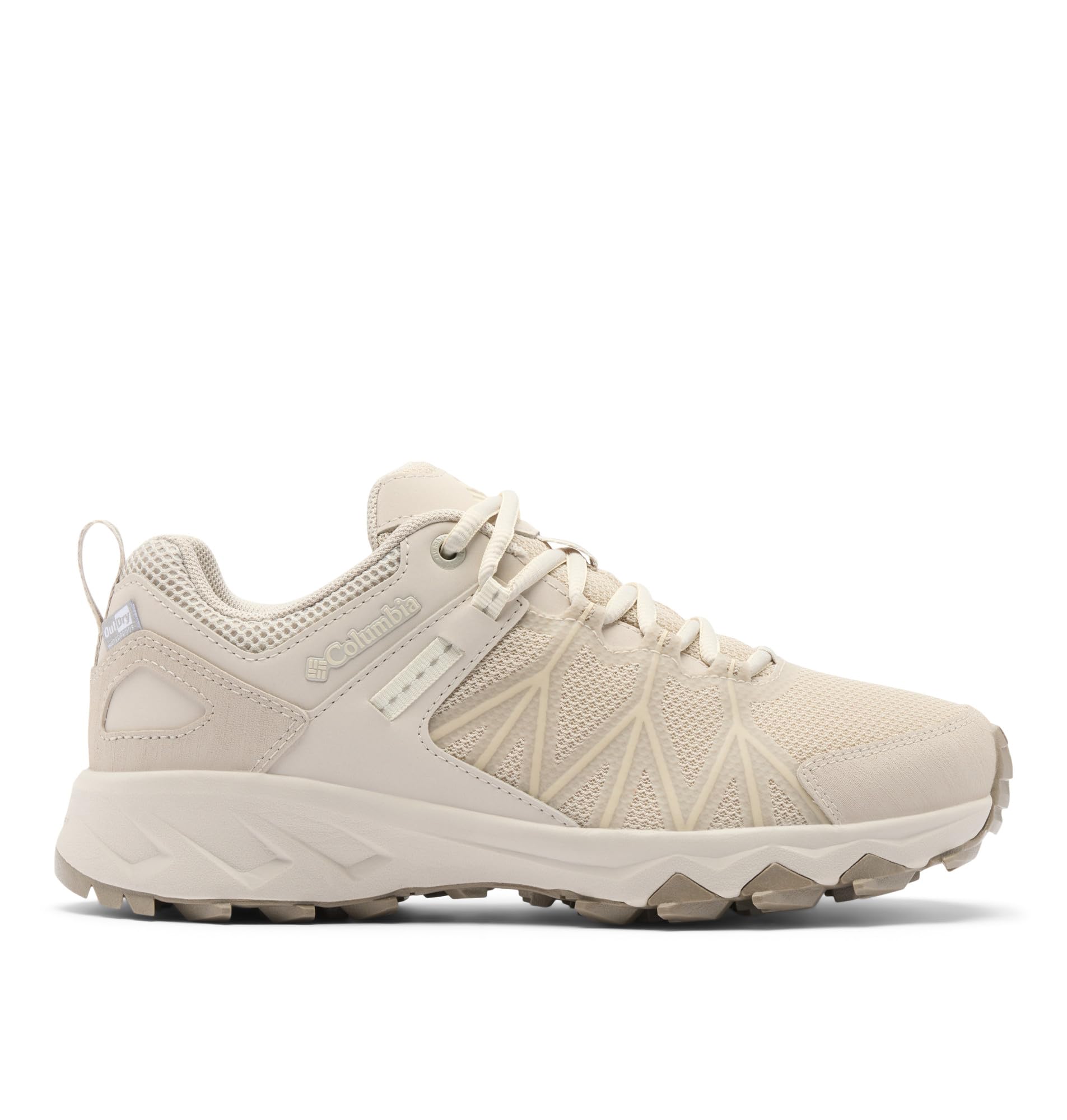
4 Best Women's Hiking Shoes for Bunions in 2026: Wide Toe Boxes

The best women's hiking shoes for bunions balance a roomy toe box, cushioning, and arch support so you can hike and travel all day without pinching toes.

Most hiking shoes squeeze the toes into a pointed shape, which is the last thing bunion-prone feet need. A shoe can have plenty of cushioning and still cause pain if the toe box narrows too quickly. The fix is to look past 'wide' labels and check the actual room across the forefoot.

Waterproofing adds cost, warmth, and stiffness without improving how a shoe fits a bunion. On dry trails, a non-waterproof or vented hiker is often lighter and more comfortable at a lower price. On wet trails, a waterproof version can keep the same foot-friendly fit if the shape is right.

This guide sorts picks by fit, support, and terrain so you can match a shoe to bunion pressure and the places you actually walk. A rounded toe box is the starting point, but arch support, outsole grip, and weight decide whether the shoe works for a day hike or a week of travel.

1

Best Overall

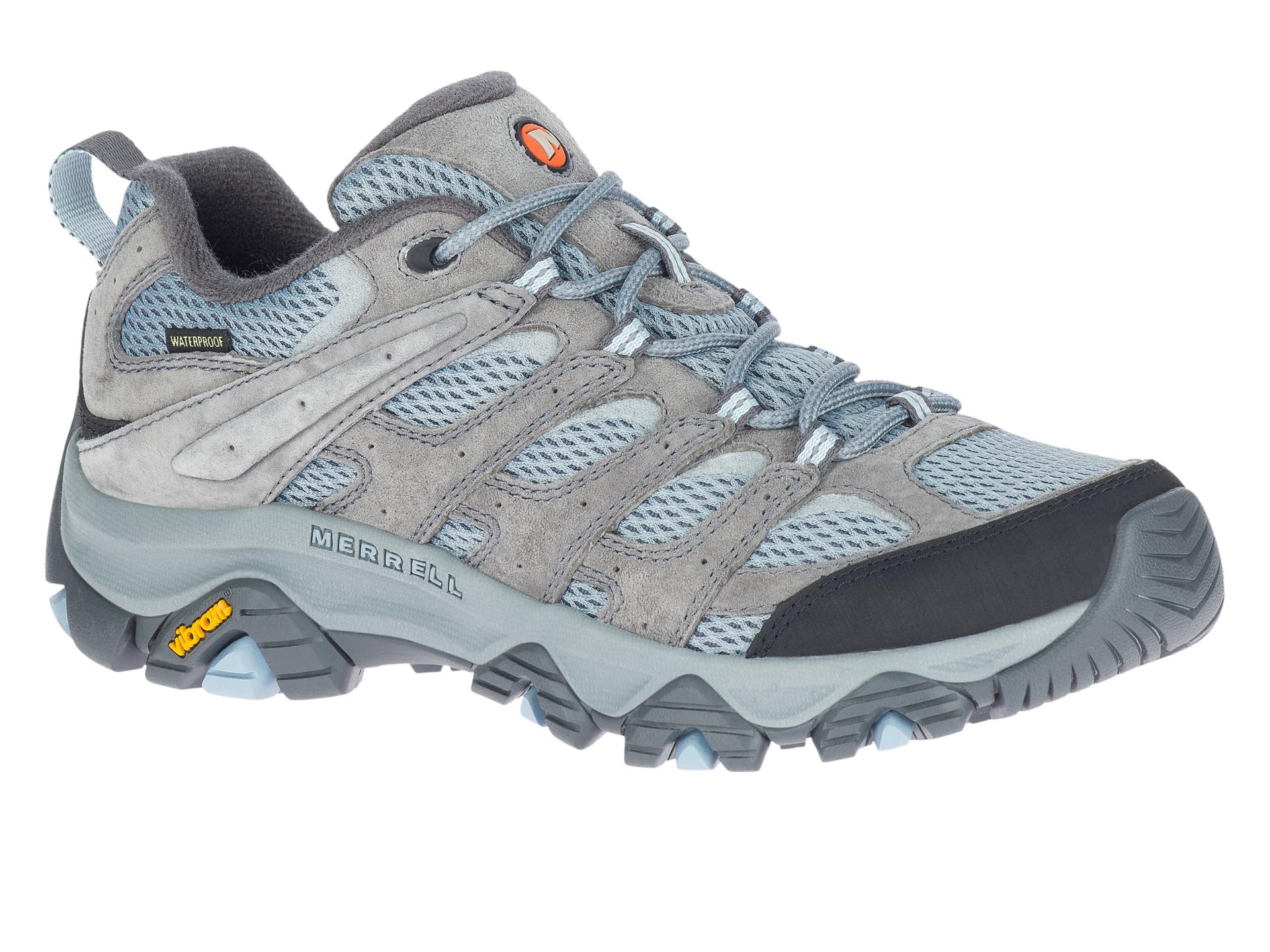
Merrell Moab 3

92 /100
Traveler Score Outstanding

Key details

Weight
Lightweight feel
Toe Box
Round, wide toe box
Arch Support
Strong arch support
Waterproofing
Non-waterproof
Check Details on Amazon

The Moab 3's rounded toe box gives the forefoot room to spread without forcing a wide-width purchase. That shape is the core of its bunion appeal: toes are not pinched, and the side of the foot is not pressed against the upper. Arch support holds through rocky climbs and long pavement miles, and there is no break-in period. Regular width leaves enough room for heavy socks and a bunion, while the outsole keeps a steady grip on loose rock.

This is a day hiker and travel shoe first: five-mile city walks, short rocky trails, and long weekends on mixed surfaces. Sizing can run small for some feet, so a half-size up may be needed; the regular width already fits bunion-prone forefeet without a wide-width return.

A two-week stretch of daily five-mile walks ended without blisters, and the shoe stays light enough to pack for travel. Traction handles loose rock and steep descents without drama, while the foam sole keeps its support over several hours of continuous wear. At a mid-range price, it delivers the fit and support that bunion-focused hikers can struggle to find.

Pros

  • Roomy rounded toe box fits bunion-prone feet without moving up to wide width.
  • Strong arch support holds on rocky climbs and long city walks, with no break-in period.
  • Mid-range price with a build that handles regular hiking and travel walking.

Cons

  • The mesh upper is not waterproof; rain and stream crossings will wet feet.
  • Some feet will find the toe length short; an exchange is a real possibility.
Our verdict

This is the first shoe to try for bunion-friendly hiking: roomy where feet need it, supportive from step one, and priced within reach.
Check Latest Price
2

Best Waterproof

Merrell Moab 3 WP

91 /100
Traveler Score Outstanding

Key details

Weight
Lightweight waterproof
Toe Box
Round, wide toe box
Arch Support
Strong arch support
Waterproofing
Waterproof membrane
Check Details on Amazon

The waterproof Moab 3 wraps the rounded, roomy toe box and the same arch support in a membrane that keeps wet trails and light rain from soaking through. For bunion-prone hikers, the familiar cushioned fit now extends to stream crossings and damp weather.

This version suits hikers who want one shoe for wet trails and city walking without giving up toe room. Fit consistency varies — some bunion-prone feet find the toe box too small while others size up — and the membrane can lose effectiveness over time, so trying on before a long hike is part of the purchase.

💡 Order through a return-friendly retailer and test around the house before wearing outdoors.

Pros

  • Waterproof membrane handles wet trails and light rain while keeping the Moab 3's rounded toe box.
  • Rounded toe box gives bunion-prone toes room, with arch support that helps flat feet.
  • Vibram outsole keeps grip on wet rock and muddy sections.

Cons

  • Budget-focused hikers who can accept a vented shoe are paying extra for wet-trail protection they may not need.
Our verdict

Premium-priced for hikers who need wet-trail protection without giving up the Moab 3's roomy forefoot and arch support.

Check Latest Price
3

Best Budget Hiker

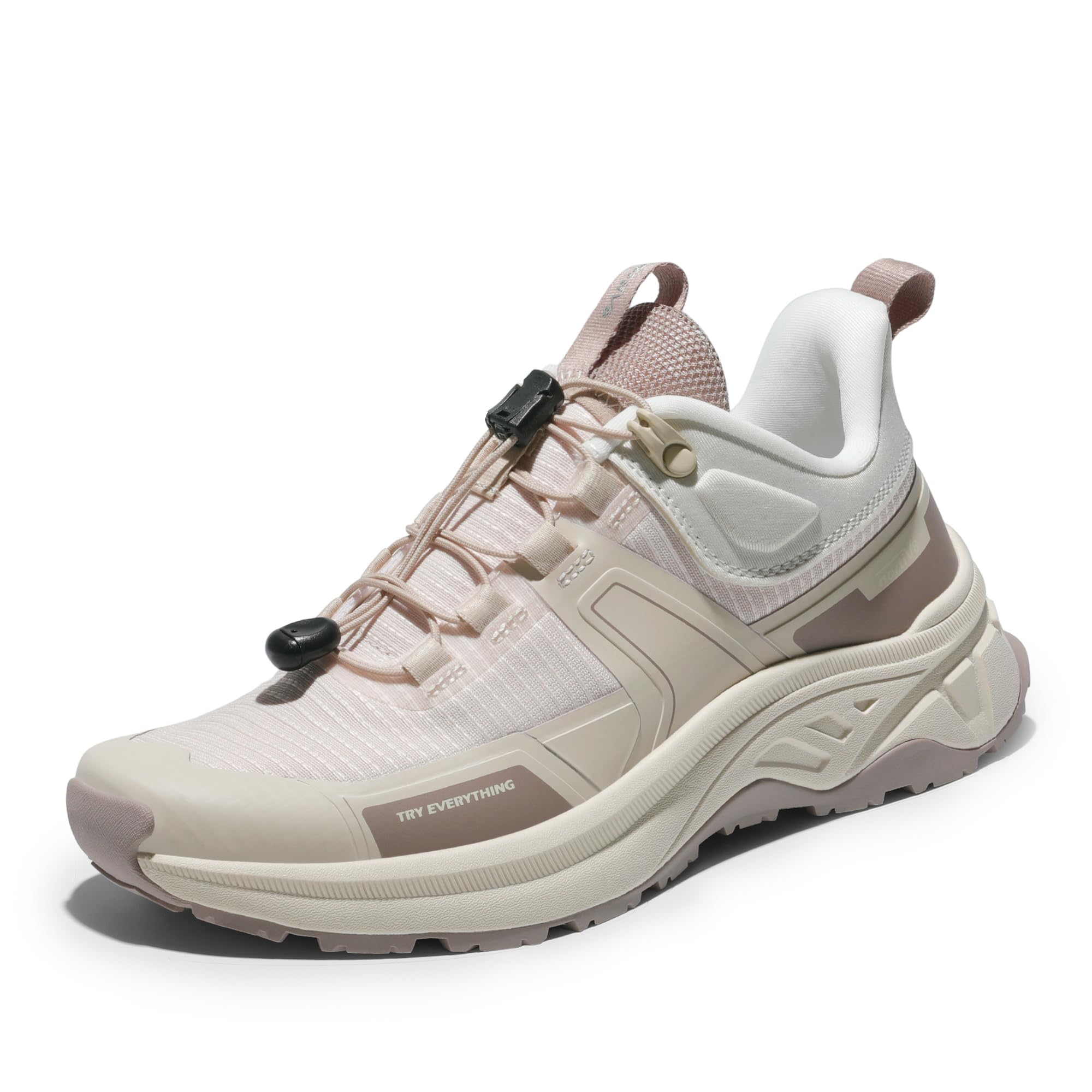
NORTIV 8 Quick Lace

87 /100
Traveler Score Excellent

Key details

Weight
Lightweight build
Toe Box
Arch Support
Waterproofing
Not waterproof
Check Details on Amazon

The NORTIV 8 keeps the entry price low while pairing a grippy outsole with a comfortable, blister-resistant fit for light trails. Its sleeker, lighter shape makes it a more travel-friendly alternative to the default bunion-friendly hiker — one that doesn't look like an orthopedic boot. Quick laces make on/off easy for airport days and short trips.

Best for budget-conscious hikers with bunion-prone feet who want room in the forefoot, stick to dry, well-maintained trails, and need a shoe that doubles as a travel sneaker. Durability varies between pairs, with some sole separation under heavier use, so treat it as a casual-use shoe rather than a backpacking workhorse.

💡 Use the quick-lace system to fine-tune forefoot pressure before deciding whether the fit works.

Pros

  • Comfortable, blister-resistant fit for casual and moderate hiking on easy trails.
  • Strong grip holds on slick rock and hard trail surfaces.
  • Sleek enough to double as an everyday travel walking shoe.

Cons

  • Water resistance is inconsistent; shallow puddles can soak socks, so keep to dry trails.
  • Toe-box fit can run wide for some feet and too snug for others; be ready for possible exchanges.
Our verdict

For bunion-prone hikers on dry, casual trails, this is a budget-friendly pair that delivers comfort, grip, and style.

Check Latest Price
4

Lightweight Wet-Trail Traveler

Columbia Peakfreak II

90 /100
Traveler Score Outstanding

Key details

Weight
Lightweight waterproof
Toe Box
Average width fit
Arch Support
Ortholite footbed
Waterproofing
Outdry waterproof
Check Details on Amazon

The Peakfreak II Outdry pairs Columbia's Outdry membrane with a light, cushioned build, so wet trails don't force a heavy boot. Unlike the top pick's dry-trail focus, this shoe handles streams and rain while staying responsive for long travel days, with no break-in period. That waterproofing holds up in stream crossings and steady rain, and the Ortholite cushioning keeps impact comfortable over the miles.

For bunion-prone hikers, this is a wet-trail travel shoe rather than a dedicated wide-width fit; wider forefeet may need to size up. The light construction favors day hikes and multi-day travel over sustained heavy loads.

Pros

  • Keeps feet dry on wet trails without the weight of a waterproof boot.
  • Comfortable on long multi-day itineraries with no blisters.
  • Sturdy feel and secure support for a lightweight hiker.

Cons

  • For hikers with broad forefeet, no dedicated wide-width version is available.
Our verdict

For bunion-prone hikers whose trips include stream crossings and rain, this shoe keeps feet dry without the weight of a conventional waterproof boot.

Check Latest Price

How to Choose

Toe Box Shape

Choose a shoe with a rounded forefoot that gives your toes room to spread, rather than simply ordering a 'wide' label. Many wide-width shoes widen the heel and midfoot but still taper at the toes, which can keep pressing the bunion. Look at the silhouette from above and check that the little toe has clear space beyond the upper's seam.

This becomes critical on descents, where the foot slides forward and the toe box is the only thing separating the bunion from hard pressure.

Arch Support

Arch support stabilizes the foot and limits overpronation, which can shift body weight onto the bunion joint. A flat footbed lets the arch collapse, forcing the big toe joint to absorb more force on uneven ground.

The trade-off is stiffness: a rigid shank gives support but can feel harsh under the heel in the first few miles. Choose support that matches your arch height, not just the stiffest insole.

Outsole Traction

Lugs are the mechanical grip between you and the trail. Widely spaced, aggressive lugs bite into dirt and rock but feel catchy on pavement; shallow lugs roll smoothly on hard paths but slip on wet stone.

For travel, a middle ground works best: enough bite for packed trails and enough flat contact for city sidewalks and museum floors.

Weight and Feel

Every ounce on your foot multiplies with each step over a long day. A heavy shoe increases fatigue and changes your gait, which shifts where pressure lands on the bunion.

Lightweight models use thinner uppers and lower-profile midsoles, trading some rock protection and durability for a lighter step. Match weight to the terrain you actually walk, not to the number in the spec sheet.

Waterproofing

Waterproof membranes block water from outside, but they also trap heat and moisture from inside. Feet sweat inside a sealed upper, and that moisture softens skin and can increase friction near a bunion.

For dry trails, waterproofing buys a warmer foot and a higher price with no fit benefit. For wet grass, stream crossings, or rain, a membrane is the difference between a dry sock and a long, cold day.

Frequently Asked Questions