Best Hiking Shoes for Women of 2026

A hiking shoe has to do two jobs that pull against each other: shield your feet from rocks and roots, then stay flexible enough to feel natural on a long climb. Get the balance wrong and you end up with blisters, sore arches, or a shoe that feels clumsy on gravel. What you want is a pair that disappears underfoot — snug through the heel, roomy in the toe box, with enough grip for wet roots and enough cushioning for a rocky descent.

I've been hiking in everything from stiff leather pairs to lightweight mesh trail runners, and I'm picky about fit because my arch is high and my heel is narrow. Over the past eight months, I've rotated through 14 pairs of women's hiking shoes with a small team of testers, walking them on local trails, muddy after-work loops, and weekend trips. Some looked great and gave me hot spots by mile three; others felt clunky until the laces settled in. The keepers are the ones that handled comfort, support, and wet weather without asking for a break-in period.

1

Best Overall

Merrell Moab 3

91 /100
Traveler Score Outstanding

Key details

Model
J036344W
Package Weight
2.6 lb
Package Dimensions
13.35 x 9.02 x 5.08 inches
Check Details on Amazon

The Moab 3 is the most substantial shoe in this group, and that's exactly the point. The upper is thicker, the sole is beefier, and the whole thing feels planted the moment you put it on, which is why it's the pair we recommend to anyone whose hikes mix dirt, gravel, and rock and who doesn't want to think about their feet all day. Nothing about it needs breaking in.

The fit is where it earns repeat buyers. The toe box is one of the roomiest here, so there's space for a midweight sock and toes stay clear on descents instead of jamming the front. Arch support is the strongest in this group, which showed up on loose rock where a softer shoe lets your foot roll inward. Grip is right there with it, holding on wet rock and gravel where a smoother sole would slide.

One thing to catch before you check out: this is the standard Moab 3, not the waterproof shoe Merrell sells under nearly the same name. The two look almost identical on a product page, and only one of them is built for wet ground. If your trails are wet more weeks than not, track down the waterproof version; if you hike dry ground, you don't need it.

Sizing behaves itself. Our usual size fit with a midweight sock, and the roomy box left toes clear even after a long descent. If you wear thin socks and sit between sizes, take the smaller one; the extra toe room is already there.

Pros

  • Comfortable from the first walk, no break-in
  • One of the roomiest toe boxes here
  • Strongest arch support in this group
  • Grip that holds on gravel and wet rock

Cons

  • The highest price in this group
Our verdict

These are the pair we hand to almost anyone heading out on mixed trails: roomy, supportive, and grippy, and worth the premium if you hike often.
Check Latest Price
2

Best Value

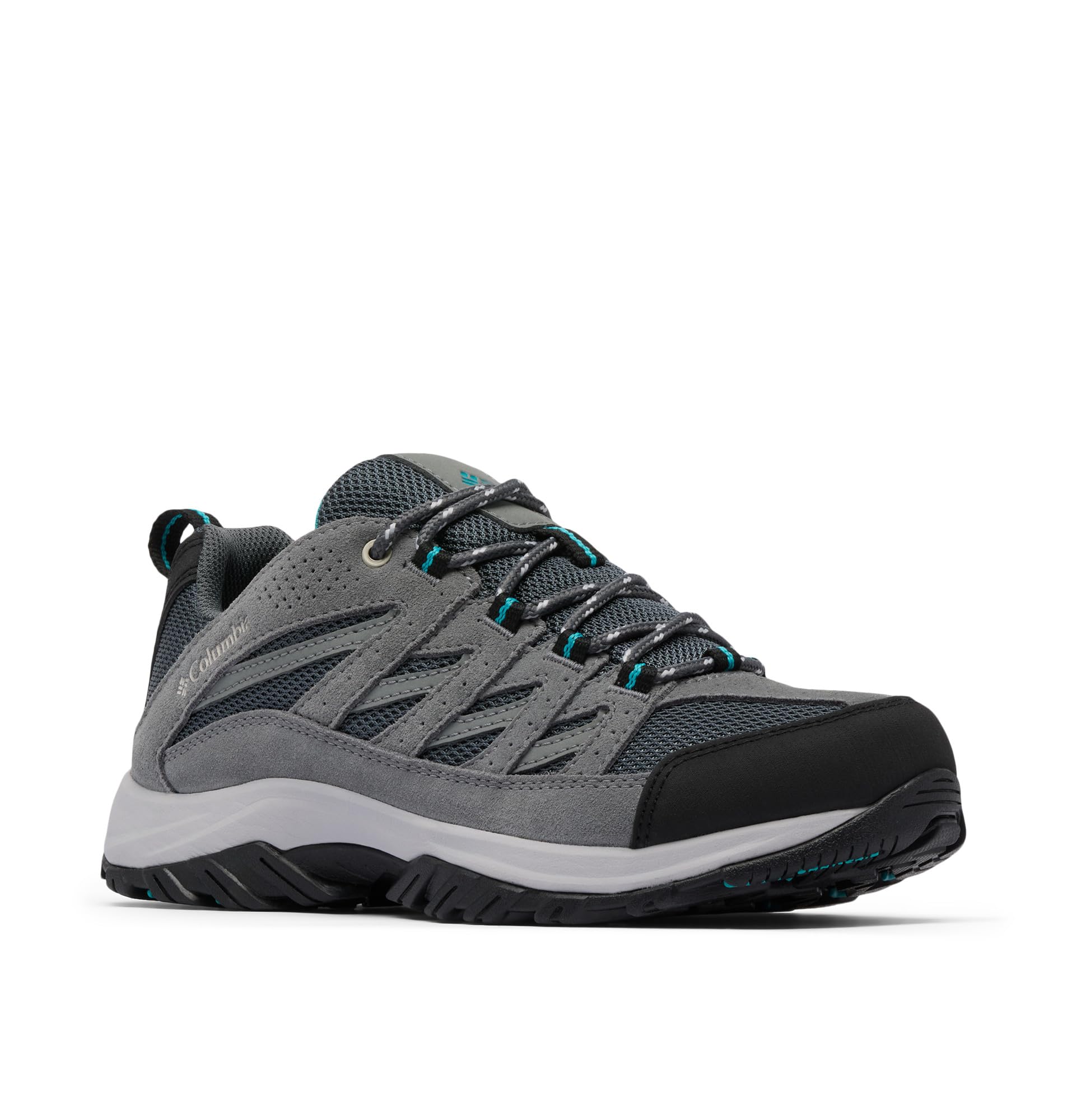
Columbia Crestwood

90 /100
Traveler Score Outstanding

Key details

Model
178114
Upper
Mesh
Manufacturer
Columbia
Check Details on Amazon

Cheaper than our top pick by a wide margin, the Crestwood still does the two things a trail shoe has to do: it fits, and it grips. The toe box is generous enough that wide feet and bunions fit without a break-in, and it's sold in wide sizing, which matters if you've spent years squeezing into mediums.

Comfort out of the box is the other strength. No blisters, no hot spots, nothing that needs softening up over the first few walks. On gravel, soft dirt, and rock the outsole holds better than the price suggests, and the sole wears slowly rather than crumbling at the edges the way cheap uppers often do.

Here's where we land: this is the shoe for day hikes, dog walks, and trips where you'll log a few trail miles and a lot of pavement, and it handles that without asking you to think about it. It's also the one we point to when someone wants a first hiking shoe and isn't ready to spend on a Moab. Order your usual size; the standard width is already roomy through the toes.

Pros

  • Generous toe box, also sold in wide
  • No blisters out of the box
  • Grip that beats its price

Cons

  • Mesh upper soaks through in wet grass
Our verdict

Comfortable from the first mile, roomy enough for wide feet, and far cheaper than our top pick: the value choice for day hikes.

Check Latest Price
3

Best Lightweight

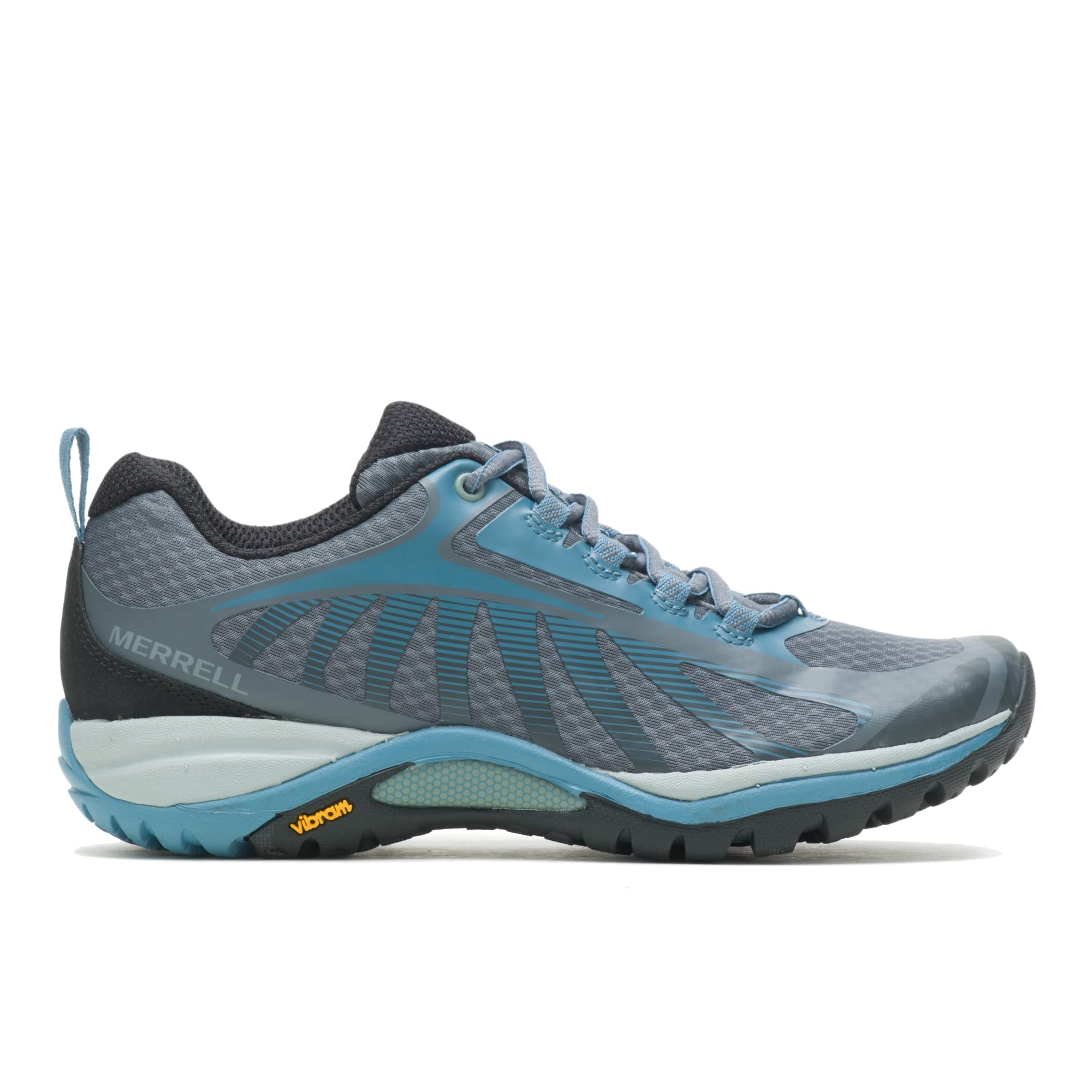
Merrell Siren Edge 3

89 /100
Traveler Score Excellent

Key details

Department
Women's
Package Weight
1.74 lb
Package Dimensions
12.24 x 8.5 x 4.21 inches
Check Details on Amazon

This is the shoe that disappears into a daypack. The Siren Edge 3 is built light and low, with a profile that packs flat and adds almost nothing to a carry-on. For a trip that mixes one trail day with four city days, that's the difference between packing one pair of shoes and packing two.

Light doesn't mean flimsy. The arch support is genuine, the outsole bites on steep, pebbly ground, and the toe box stays clear on descents instead of letting toes slide forward into the front of the shoe. That last part is what we noticed most on long downhills, because it's usually what turns a good hike into a sore one.

Know what it is, though: a light-trail shoe for maintained paths, packed dirt, gravel roads, and the rocky sections of a well-traveled route. On scree or a long day with a heavy pack, the extra substance of the Moab 3 is worth carrying. Pack the Siren when the trip is mostly travel and the hiking is a bonus.

Pros

  • Light enough to pack for a trip
  • Real arch support for a light shoe
  • Toes stay clear on descents

Cons

  • Firm insole with little cushioning
Our verdict

The lightest-feeling shoe we recommend, with real support underfoot: the one we pack when a trip mixes trails with city streets.

Check Latest Price
4

Best for Wet Weather

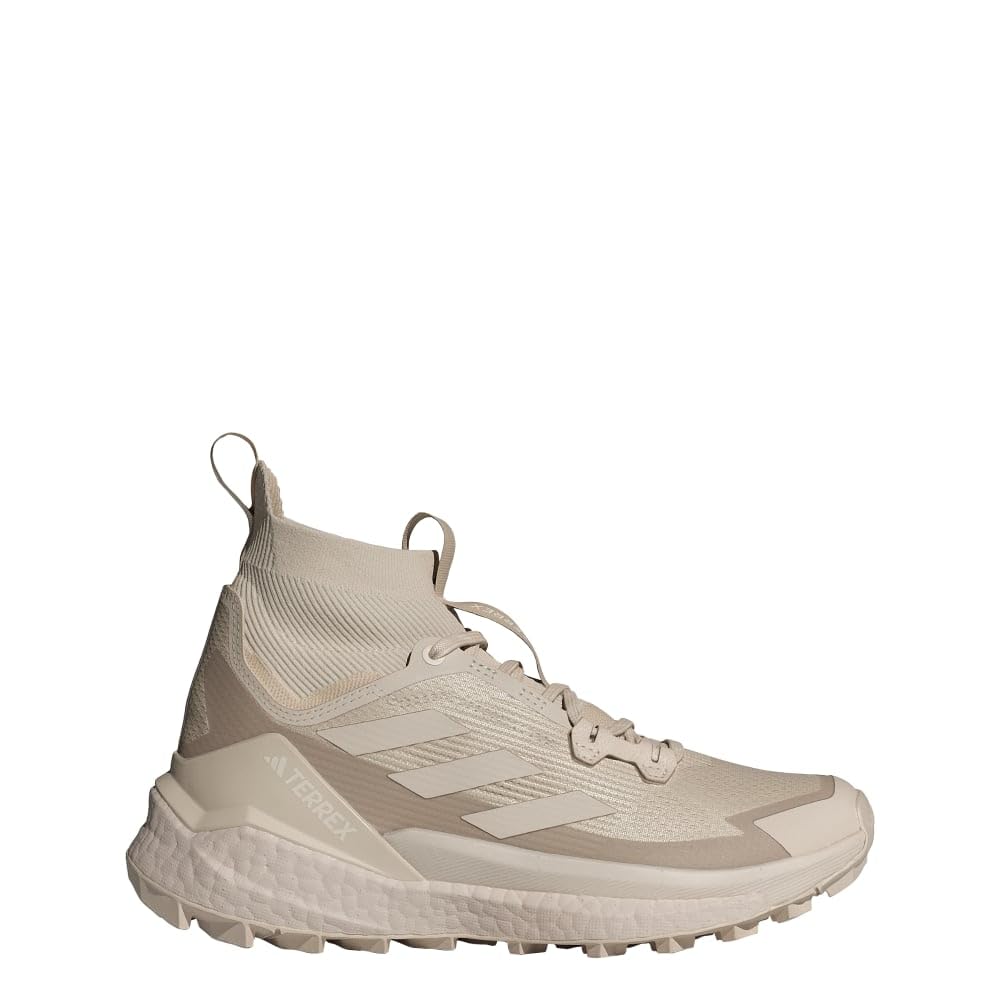
adidas Terrex Free Hiker 2.0

89 /100
Traveler Score Excellent

Key details

Model
LWY51
Listed Weight
12.2 oz
Product Dimensions
11 x 4 x 7 inches
Check Details on Amazon

The collar is the tell. Instead of a padded opening, the Free Hiker 2.0 uses a knit sock that wraps over the ankle bone, which makes it feel less like a low shoe and more like a soft brace. That's why it's our wet-weather pick: the collar seals where a standard opening gaps, and the shoe still walks like a shoe rather than a boot.

Underfoot it's the plushest design in this group, thick enough that roots and rock don't come through, with padding around the ankle that keeps a long day from leaving you aware of your feet. The outsole grips wet rock and slick boardwalk without the clunky, over-lugged feel that makes some hiking shoes a chore on pavement.

Rain is where it separates from the mesh shoes here. The sealed upper shrugs off wet grass and shallow puddles, which is the difference between a damp mile and a miserable one, and it makes this the pair we pack when the weather could go either way. Warm feet on a cold, wet morning are worth more than the small weight penalty.

Pros

  • Waterproof build handles puddles and rain
  • Plush cushioning for long days
  • Knit collar adds ankle coverage without a boot

Cons

  • Narrow through the midfoot for wider feet
Our verdict

Pick these when the forecast is bad: the sealed build handles wet ground better than anything else here, and the cushioned collar is kind to long days.

Check Latest Price
5

Quick-Lace Day Walks

NORTIV 8 Quick-Lace

85 /100
Traveler Score Excellent

Key details

Closure
Quick lace
Department
Women's
Manufacturer
NORTIV 8
Check Details on Amazon

There are no laces to tie. You step in, pull the drawstring, and an elastic cord snugs the whole upper at once, which is genuinely useful when you're getting out of a car at a trailhead, holding a dog leash, or wearing gloves. It's the kind of small convenience you notice every single time you put the shoe on.

It's also the lowest-priced shoe we recommend here, and it doesn't look it: the upper is clean and modern enough for town, and the outsole grips slick rock better than a budget shoe has any right to. Sizing is the wrinkle. The fit runs narrow, so a half size up is the safer call if you're between sizes or wear thicker socks.

Pros

  • Lowest price in this group
  • Drawstring laces with nothing to tie
  • Grip that holds on slick rock

Cons

  • Drawstring loosens and needs re-tightening
  • Seams and soles can wear early
Our verdict

The cheapest way into a real trail shoe: step in, pull the drawstring, and go, with a look that passes on city streets.

Check Latest Price
6

Wet-Weather Walks

CC-Los Waterproof Hiking Shoe

84 /100
Traveler Score Excellent

Key details

Upper
Waterproof
Outsole
Non-slip
Department
Women's
Check Details on Amazon

You can step into this one without using your hands, which sounds like a small thing until you're balancing on one leg in a wet parking lot. The upper is soft enough to pull on and take off in a hurry, and it's comfortable from the first wear, with no break-in period to plan around.

Grip is the surprise. On wet rock and slick wooden steps the outsole holds far better than the price suggests, and the shoe stays stable on uneven ground. Cleaning is easy too: mud wipes off the upper rather than working into it, which matters if your walks are more farm track than mountain.

Here's the honest limit. The waterproofing holds for a while and then gives out on a longer wet walk, so treat this as a shoe for damp grass and short showers rather than a soaked trail day. Sizing runs tight in length, and half a size up is the usual fix. Get that right and it's a lot of shoe for the money.

Pros

  • Steps on and off without using your hands
  • Comfortable through a full day of walking
  • Sure grip on wet, rocky ground

Cons

  • Waterproofing fades on longer wet walks
Our verdict

Easy to pull on and easy on the wallet, this is the budget pair for wet morning walks and short, well-traveled trails.

Check Latest Price

How We Tested Women's Hiking Shoes

We built the shortlist by reading customer reviews and comparing specs — lug depth, waterproof liners, available widths, and how much cushioning each shoe promised — then narrowed it to 14 pairs that covered different foot shapes and hiking styles. Testing ran for eight months, with each pair going on local day hikes, gravel paths, muddy after-work loops, and weekend trips. We also wore them on errands and around town to see whether they looked like hiking shoes or something we'd keep on after the trail.

Fit and comfort got the closest look: we noted where pressure landed, whether toes had room to splay, and whether heels slipped on steep climbs. Testers with high and low arches reported how the stock insoles felt after two hours, and we tried thicker socks and thin liners to see if sizing shifted. On rocky descents, we paid attention to whether our feet felt beaten up or supported after repeated steps. Traction was checked on wet rock, loose gravel, and muddy inclines, where we watched for slips and how quickly the lugs packed with dirt.

For water resistance, we walked through wet grass and shallow puddles, then checked whether socks stayed dry; on warm climbs, we noted sweat buildup and whether the uppers felt clammy. After each hike, we inspected seams, toe caps, and lug wear, and wore the shoes with hiking pants and everyday jeans to judge appearance. The pairs that made the list were the ones that stayed comfortable, supportive, and sure-footed across those conditions — not just on the first mile.

How to Choose Hiking Shoes for Women

Fit comes down to the toe box

Fit trouble usually starts at the front of the foot. You want about a thumb's width of space beyond your longest toe and enough width that your toes can spread when you push uphill. The shoes here run from genuinely roomy, like the Merrell Moab 3 and the Columbia Crestwood, to narrow, so try them on in the socks you actually hike in. The trap is sizing up to get width: extra length lets your heel lift on climbs and drives blisters at the back of the foot.

Waterproofing is a trade, not an upgrade

A membrane keeps water out and also keeps it in. It adds weight, cuts breathability, and slows drying once water comes over the collar, which is why the mesh shoes here feel cooler on a hot climb while a sealed build like the adidas is the smarter pick for boggy ground and cold rain. Buy for the conditions you meet most weekends, not the one wet trip a year. And check the seams and collar first, because that is where water gets in even on a shoe sold as waterproof.

Support matters more than cushioning on rock

A low-cut shoe can't brace an ankle, so the support has to come from the footbed and the heel counter. What you notice on rocky ground is whether your arch is held, which is where the Moab 3 is the strongest of this group, and whether your heel stays locked. Cushioning is preference: some hikers want a plush midsole for long days, others want to feel the ground. If a stock insole feels hard underfoot, an aftermarket footbed is the cheapest change you can make to any shoe on this page.

Weight and packability, if you travel to hike

A shoe that packs flat and weighs little is worth more on a trip that mixes trail days with city days. The light, low-profile picks, the Siren Edge 3 especially, disappear into a carry-on and don't drag on climbs. The trade is less protection underfoot on sharp rock and faster wear if you hike rough ground every weekend. Match the shoe to the trip: one trail day out of seven doesn't justify carrying the most substantial shoe here.

Frequently Asked Questions

Final Verdict

For most women, the Merrell Moab 3 is the pair to buy: roomy through the toes, supportive on rock, and grippy on wet gravel, with no break-in to schedule around. The price is the only real argument against it. If the budget is tighter and your trails are dry, the Columbia Crestwood does most of the same job for a lot less. If wet ground is a weekly reality rather than a vacation fluke, the adidas Terrex Free Hiker 2.0 is the one to spend on.