Best Lightweight Hiking Shoes for Women of 2026

A lightweight hiking shoe is a bet: you trade some armor for less weight, and if the fit is wrong, you feel it on every descent. What you actually want is a shoe you forget about — one that keeps your toes off the front on steep downhills, holds your heel steady on loose gravel, and still has enough cushioning to carry a daypack without your arches filing a complaint. When that clicks, your feet finish as fresh as your legs do.

Over the past eight months, I've logged miles in twelve different pairs, from barely-there mesh to stiffer, burlier models, and my teammates have worn them on their own trails too. Here's what nobody tells a first-time buyer: the best-reviewed shoe in the world will blister you if the heel is too wide for your foot. Fit beats features, and a pair that fits well but grips only so-so will serve you better on most day hikes than a spec-sheet winner that rubs your arch wrong. The picks below are the ones that earned a permanent spot by my door.

1

Best Overall

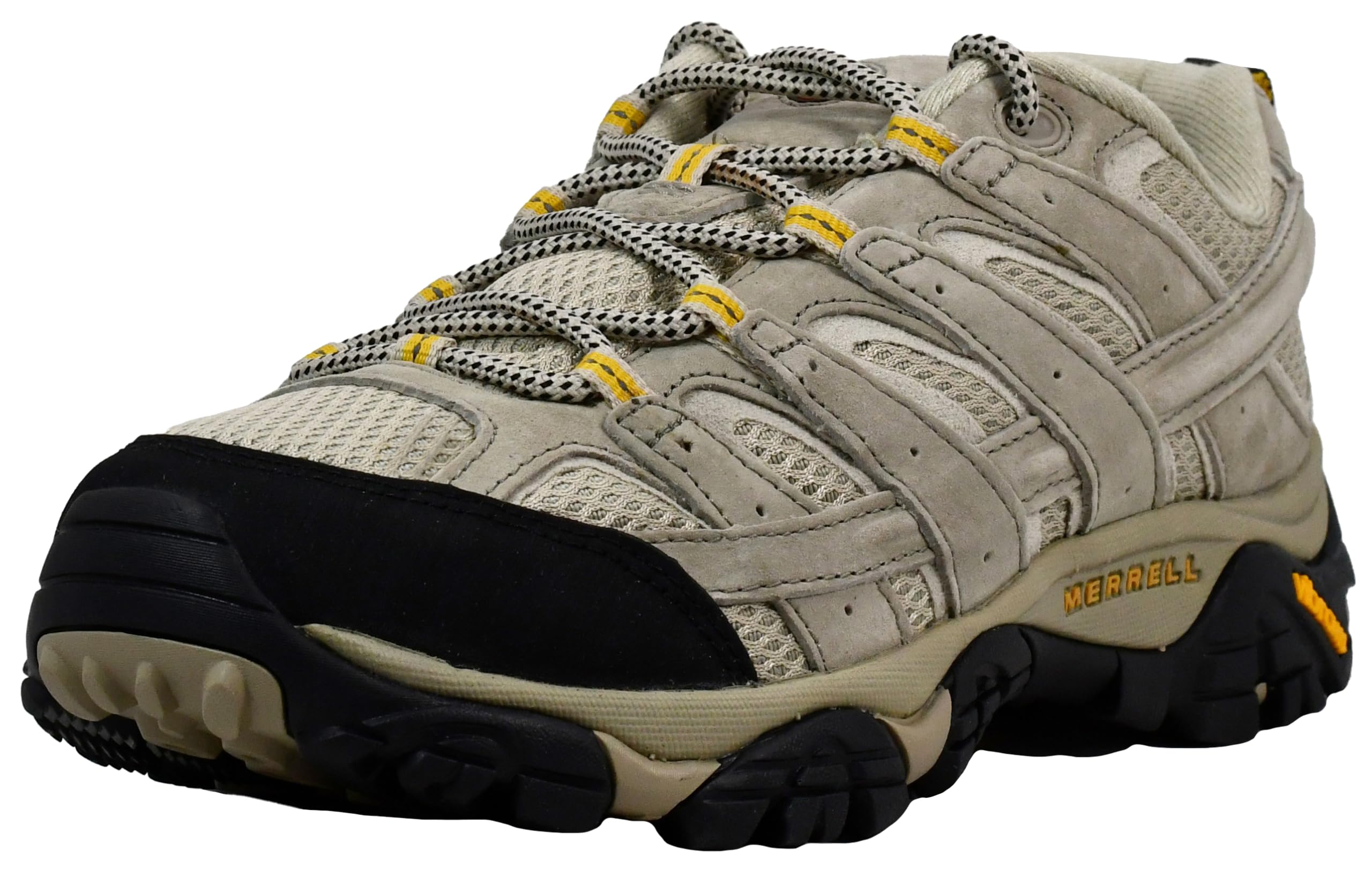
Merrell Moab 2 Vent

91 /100
Traveler Score Outstanding

Key details

Upper
Ventilated
Widths
Standard and wide
Insoles
Removable
Check Details on Amazon

Start with the Moab 2 Vent if you want a hiking shoe you do not have to think about. It is the low-cut, ventilated member of Merrell's long-running Moab family, and it is the pair we reached for most often when a day mixed dirt road, rocky singletrack, and a long hot climb. It felt worn in from the first lace-up, with no stiff collar and no rubbing at the ankle.

Fit is a large part of why it takes the top spot. The shoe runs true to size, and the line includes wide widths, which is the fix when your usual size pinches across the toes. The toe box is the one place to be deliberate: a wider forefoot can feel the edges of it, so try the wide before deciding the model is not for you. The footbed lifts out, so an orthotic or a thicker insole drops straight in.

On the trail this is the supportive end of lightweight. There is enough structure to stop your foot rolling on loose rock, and the arch support is real rather than decorative, the kind you notice most on a long descent. It is not the lightest shoe here; the Siren Edge 3 is the one to look at if low weight is the priority. What the Moab buys with that extra substance is a planted, steady feel and a shoe that still feels supportive at hour six.

The ventilated upper is why we kept choosing these for hot, dry days: it breathes, and after a stream crossing it dries faster than a waterproof shoe will. If your trips are mostly damp and shoulder-season, the KEEN Targhee 3 Low further down is the better answer. For the money, nothing else here covers as much ground.

Pros

  • Comfortable from the first mile, no break-in
  • Ventilated upper breathes and dries fast
  • Supportive arch and stable on rough trail
  • Wide widths and a removable footbed

Cons

  • Ventilated upper is not waterproof
Our verdict

We tell most women to start here: it is the most complete light hiker in this group, comfortable from the first mile and steady on rough ground.

Check Latest Price
2

Best for High Arches

KEEN Voyageur

91 /100
Traveler Score Outstanding

Key details

Insoles
Removable
Outsole
Heavy-duty tread
Toe Box
Wide
Check Details on Amazon

The Voyageur is the pair we point to when someone mentions orthotics, a high instep, or an arch that complains by the third mile. KEEN builds it wide and stable, with a roomy toe box and a footbed that lifts out so a prescription insert drops in without a fight.

That is why we rate it so highly despite the premium price. It is the most supportive shoe here for a foot that wants structure, and it manages that without feeling like a boot: the tread is aggressive enough for loose gravel and wet roots, and the shoe holds its shape when you are traversing a slope instead of rolling over the edge.

What the money buys is time. A pair in regular weekend use holds up over several seasons rather than one, and the removable footbed means fresh cushioning without a new shoe. That combination is hard to find at the light end of this category, and it is the reason this one stays in the top tier.

Pros

  • Removable footbed takes custom orthotics
  • Wide, stable platform with genuine arch support
  • Tread grips rock and wet roots
  • Holds up over multiple seasons

Cons

  • Runs large; size down if between sizes
  • Wide platform is too much shoe for narrow feet
Our verdict

Buy the Voyageur if you wear orthotics or have high arches and want one supportive shoe that lasts several seasons.

Check Latest Price
3

Best Value

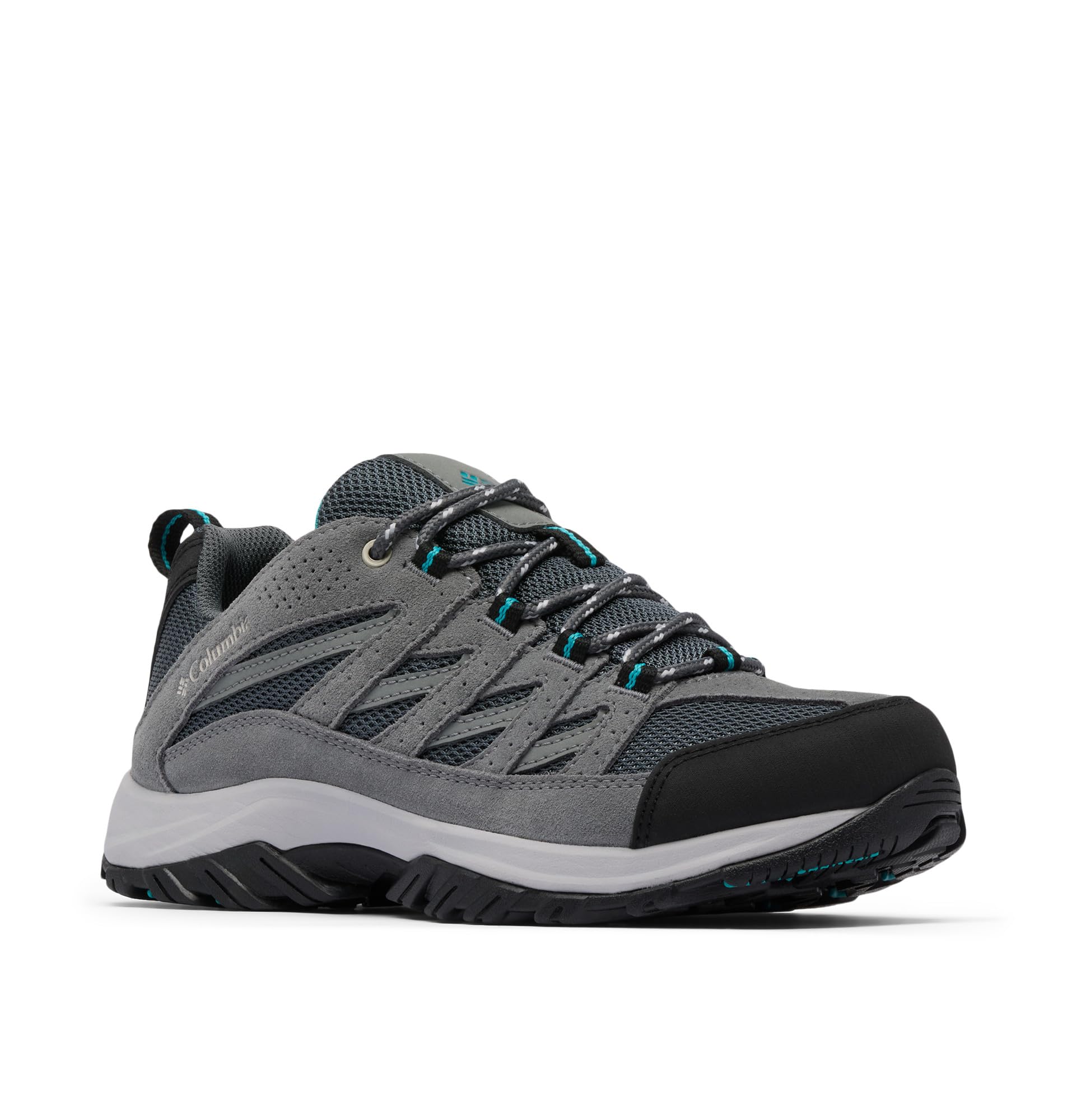
Columbia Crestwood

90 /100
Traveler Score Outstanding

Key details

Upper
Mesh
Widths
Standard and wide
Toe Box
Roomy
Check Details on Amazon

The Crestwood does most of what the Moab 2 Vent does, and for a lot of walkers that is the entire argument. Room is the first thing it gets right: the toe box is generous, wide sizes exist, and the shoe is comfortable from the first wearing with no break-in at all.

The surprise is the grip. The outsole holds on rock and packed dirt well enough that we stopped worrying about it on gravel descents, and the shoe is lighter and more flexible than the Merrell, which makes it a pleasant companion on flat, fast paths and long pavement walks.

Where it gives ground to the top pick is underfoot structure on rough, rocky ground; for a rooty, boulder-strewn trail the Moab's more substantial build is the safer call. As a first hiking shoe, an everyday walker, or a second pair that lives in the car, it is the value buy on this list.

Pros

  • Roomy toe box with wide sizes available
  • Comfortable from the first wearing
  • Grip holds on rock and packed dirt
  • Light and flexible for flat, fast paths

Cons

  • Mesh upper lets water through quickly
Our verdict

We point budget-minded walkers to the Crestwood: roomy, comfortable immediately, and grippy enough for real trails at a friendly price.

Check Latest Price
4

Best Lightweight Feel

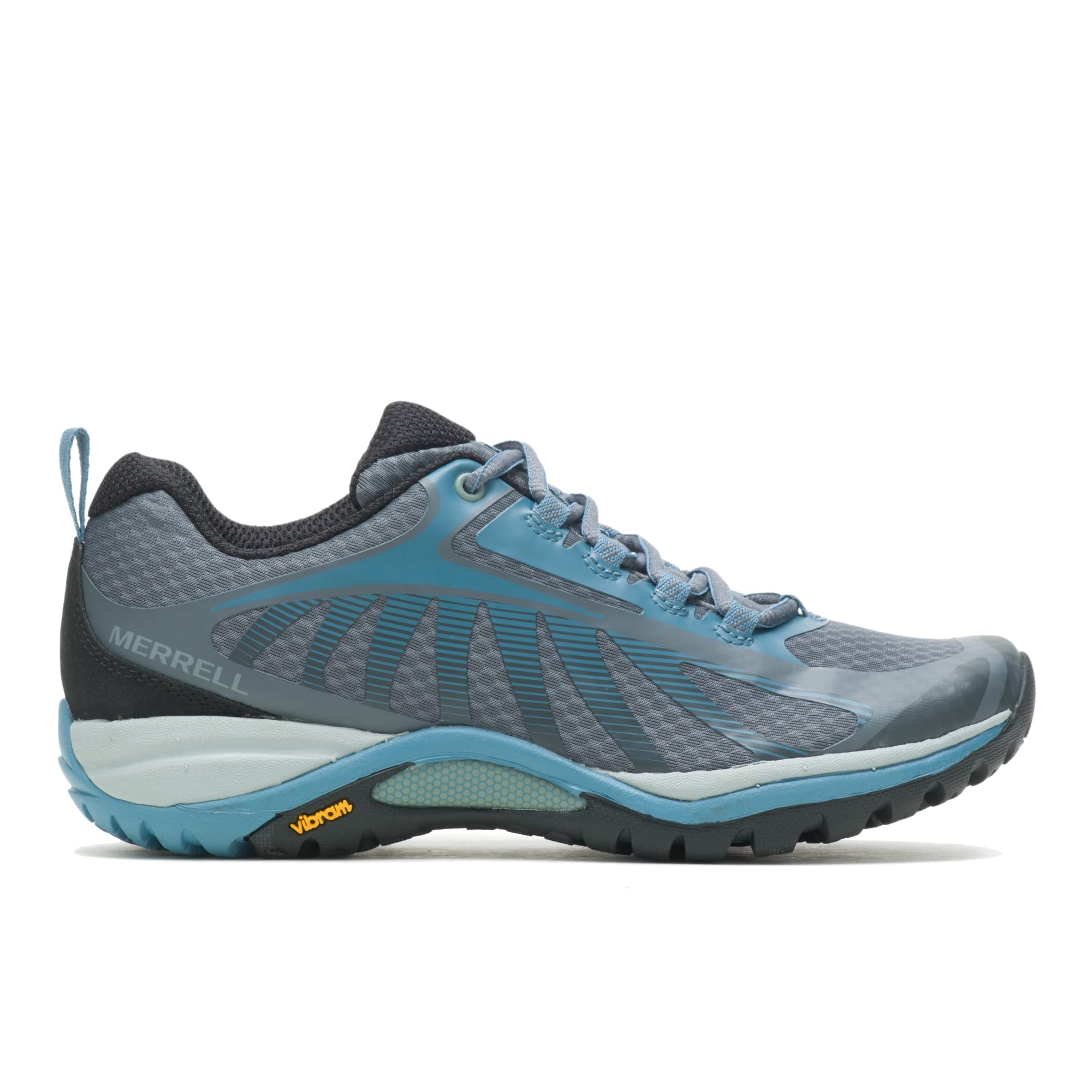
Merrell Siren Edge 3

89 /100
Traveler Score Excellent

Key details

Build
Lightweight
Insoles
Removable
Outsole
Vibram
Check Details on Amazon

Weight is the whole point of the Siren Edge 3, and it is the pair that disappears on your feet: low to the ground, soft through the collar, and noticeably less shoe in your hand than the Moab. On a warm morning with a light pack, that is exactly the right feeling.

Pebbles and hardpack are where the Vibram outsole earns its keep. It bites on loose gravel, holds on steep descents, and rolls smoothly enough that we happily wore these on the road walk to the trailhead and on a day of city sightseeing. Few shoes here cross over that well.

The shape is the other reason these work: no heel slip, no pressure across the instep, and a collar that needs no breaking in. Where they sit on this list is the light, fast end, a shoe for quick day hikes, travel, and any trip where you are counting grams rather than carrying a heavy pack.

Pros

  • Barely-there weight on long climbs
  • Vibram outsole grips loose rock and gravel
  • Smooth enough for pavement and travel
  • Removable footbed takes your own insole

Cons

  • Firm insole with little built-in cushioning
Our verdict

For fast day hikes and trips where weight matters, the Siren Edge 3 is the pair we take; just plan on a cushier insole for long descents.

Check Latest Price
5

Budget First Pair

NORTIV 8 Quick Lace

85 /100
Traveler Score Excellent

Key details

Type
Low-cut hiking shoe
Build
Lightweight
Closure
Quick-pull cord
Check Details on Amazon

A pull cord instead of laces is the first thing you notice: cinch it, tuck the loop, and go. On a cold morning with gloves on, or with a dog lead in one hand, that is a small convenience we came to appreciate more than we expected.

At the budget end of this list, it earns its place on grip and looks rather than on longevity. The outsole handles slick rock and packed trail honestly, the shoe is light enough to forget on a two-hour hike, and it reads as a sneaker rather than a technical hiker, which is why we kept a pair by the door for dog walks and errands.

Think of it as the second pair: the one that lives in the car, goes on the trip where shoes might get ruined, or gets lent to a friend who hikes twice a year. It is a lot of shoe for the least money here, and it asks you to accept that it will not be the pair you are still wearing years from now.

Pros

  • Pull-cord lacing is fast to cinch
  • Light, sneaker-like feel on short hikes
  • Outsole grips slick rock and packed trail
  • Sneaker looks rather than technical styling

Cons

  • Wears out faster than the pricier picks here
  • Runs narrow through the forefoot
Our verdict

The NORTIV 8 is the cheap second pair we keep by the door for short hikes and errands, not the shoe we plan a long trip around.

Check Latest Price
6

Wet, Muddy Trails

KEEN Targhee 3 Low WP

87 /100
Traveler Score Excellent

Key details

Upper
Leather
Height
Low cut
Waterproofing
Waterproof
Check Details on Amazon

The Targhee 3 Low is the wet-weather pick: waterproof leather that keeps water out of stream crossings, wet mud, and long days of drizzle, in a low-cut shape that stays on the shoe side of the boot line.

Rocky, irregular trail is where the support shows up. The shoe holds its shape, keeps your foot from sliding sideways on off-camber ground, and gives you real arch support without the break-in a leather hiker usually asks for. Where comfort can go wrong is at the toe, where the reinforcement rubs on some feet, so try it on carefully if your toes are long.

It is the pair we take when the forecast is bad and leave at home when it is not, because the waterproof build runs warm and it is not the lightest shoe here. Think of it as a specialist: the one that saves a trip rather than the one you wear every weekend.

Pros

  • Waterproof upper keeps feet dry in rain and mud
  • Strong arch and lateral support on rocky trail
  • Comfortable from the box for a leather hiker

Cons

  • Toe cap and sole can crack with hard use
  • Runs wide, so narrow feet will swim
Our verdict

This is our wet-weather pick: keep the KEEN Targhee 3 Low for rainy, muddy trips where a waterproof leather shoe earns its place in the bag.

Check Latest Price

How We Tested the Best Lightweight Hiking Shoes for Women

We built the shortlist from spec sheets first, narrowing by listed weight, lug depth, and whether a shoe comes in more than one width. Anything that existed in only a single last, or that crept up into hiking-boot weight, got cut. That left twelve pairs from brands we already trust on trail, plus a few that kept surfacing in customer reviews for fit and arch support. We ordered them in our own sizes and split them among testers with narrow, average, and wide forefeet.

Each pair went into rotation for the full eight months, on everything from after-work loops to long days above treeline. On the first wear we walked a few miles in thin socks, then repeated it in thick wool socks, and we ran up and down a flight of stairs to see whether a heel lifted. On descents we watched whether toes jammed the front of the shoe and whether they had room to splay in the toe box. Testers with high arches reported back after rocky downhills, which is where a weak insole announces itself.

Traction got graded on wet rock slabs, loose gravel, and a muddy climb, and we noted which outsoles slid before we did. For water resistance, we walked through dewy grass and shallow creek crossings, then timed how long each pair took to dry. Cushioning was judged over back-to-back days with a loaded pack, not a single stroll. After roughly 50 miles in each pair, we checked lugs for rounding, uppers for creasing at the flex point, and seams for fraying — that wear pattern is what tells you whether a cheaper shoe is actually the better value.

How to Choose Lightweight Hiking Shoes for Women

What Lightweight Really Means

In this category, lightweight comes mostly from height and construction rather than a number on a scale: a low-cut shoe with a thinner upper and less midsole is lighter than a boot, and that is where nearly all the saving lives. A lighter shoe is easier on your legs over a long day, but the trade is protection underfoot when the trail turns sharp and rocky.

Buy for your longest regular hike, not your shortest. If most outings are two to four hours on maintained trail, the Merrell Siren Edge 3's low weight is a straight win. If you are out all day on rock and roots, the extra substance of the Moab 2 Vent is worth carrying.

Ventilated or Waterproof

Mesh and ventilated uppers breathe and dry fast, which makes them the better choice for summer, hot climates, and trips where your feet will get wet anyway: a soaked mesh shoe is dry by morning, a soaked waterproof shoe often is not. Waterproof shoes earn their keep in cold rain, wet mud, and shoulder-season trips where staying dry beats staying cool.

Do not assume a shoe is waterproof because the page looks outdoorsy. The Columbia Crestwood is a mesh shoe, and wet grass gets through it. Decide by your typical forecast, not by the product photography.

Fit, Toe Box, and Orthotics

Shoes are fitted, not sized. Leave about a thumb's width between your longest toe and the front of the shoe while standing, because feet slide forward on descents. If your forefoot is wide or you have a bunion, look for a model sold in wide widths, as the Moab 2 Vent and the Crestwood are, rather than sizing up: extra length makes the heel sloppy without giving your toes any more room.

If you wear orthotics, check that the footbed lifts out before you order. The KEEN Voyageur's does, and a wider, deeper shoe takes an insert more gracefully than a snug one.

Traction and Underfoot Feel

Lug depth and rubber compound matter more than the name on the sole. Deep, widely spaced lugs clear mud; a sticky compound holds on smooth rock; a shallow, dense pattern rolls better on pavement and gravel paths. Match the tread to the terrain you walk most, then accept the compromise elsewhere.

Underfoot, decide between cushioning and a firm, grounded ride. A soft midsole is kinder on long descents but wobblier on side slopes, while a firm one like the Siren Edge 3's transmits more of the trail. Try the shoe on a hard floor: if you feel every edge through the sole, it will be unforgiving on rock.

How Much Shoe You Need to Buy

The step from budget to midrange buys materials that hold their shape and soles that do not wear through in a season. The step from midrange to premium buys support and, in the Voyageur's case, several seasons of use rather than one. If you hike a few times a year, a budget pair is a rational buy as long as you accept replacing it sooner. If shoes are a weekly habit, spend once.

Frequently Asked Questions

Final Verdict

The Merrell Moab 2 Vent is the pair we recommend to most women buying a first or only pair of lightweight hiking shoes: comfortable from the first mile, supportive on rough ground, breathable enough for summer, and priced sensibly for what it does.

Two alternatives change the answer. If you wear orthotics or need a wide, stable platform, the KEEN Voyageur is worth the premium. If wet weather is the norm rather than the exception, take the waterproof KEEN Targhee 3 Low and leave the mesh shoes at home.