7 Best Lightweight Hiking Shoes 2026: Light Options That Support

Find lightweight hiking shoes that don't weigh you down or fall apart. This guide cuts through marketing hype to match you with the right shoe for your trail style.

The term 'lightweight' gets thrown around liberally in hiking shoes, but many pairs marketed as such still tip the scales at over 1.5 pounds per shoe. The real trade-off is between shedding ounces and keeping the support and durability that keeps you on the trail without regrets.

Newer models like the Columbia Peakfreak II push weight down with advanced waterproof membranes, but they lack the long-term track record of classics like the Merrell Moab 3, which carries a few extra ounces but has proven its comfort over millions of miles. Your choice comes down to whether you value proven reliability or the lightest possible build for fast day hikes.

This guide focuses on matching your hiking style to the shoe that actually delivers on its weight promise — without leaving you stranded by sole separation or poor fit.

1

Best Overall

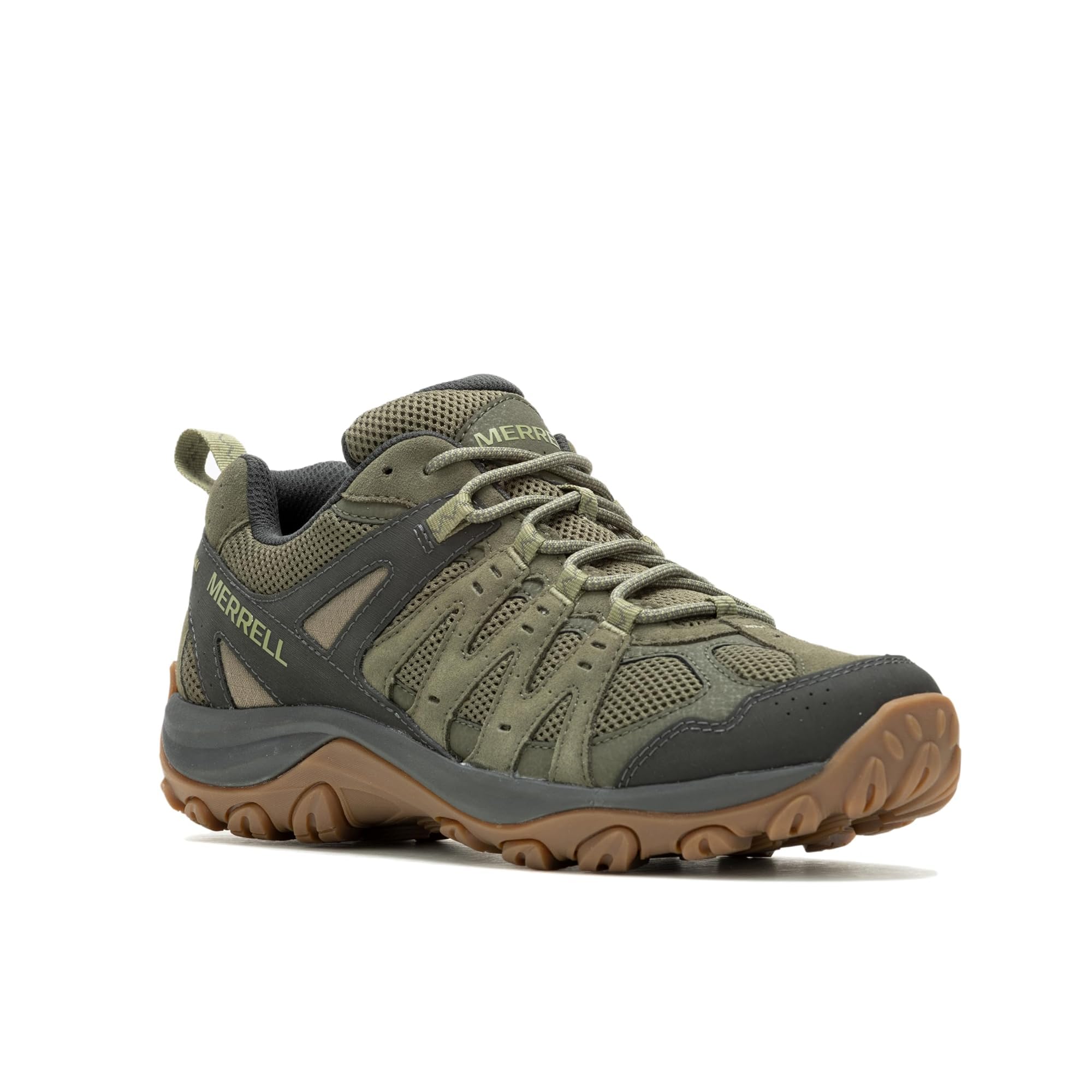
Merrell Moab 3

93 /100
Traveler Score Outstanding

Key details

Fit
Narrow toe box
Waterproofing
Outsole Traction & Durability
Vibram
Check Details on Amazon

The Moab 3's upper and midsole require no break-in period, providing immediate comfort on the trail. The Vibram outsole grips well across rock, dirt, and wet surfaces, offering confidence on varied terrain.

It delivers good arch and heel support for moderate loads. That said, the fit runs narrow for some; hikers with very wide feet may find KEEN more accommodating. A minority of owners report the outsole can separate after moderate use — worth checking the glue seam. This shoe is best for day hikes and light backpacking where weight is less critical than all-day comfort.

💡 Storing the boots in a cool, dry environment and allowing them to dry completely between uses can help extend the outsole bond.

Pros

  • No break-in period needed
  • Stitching and materials hold up well over time.
  • Good arch and heel support for all-day wear.

Cons

  • Fit can be narrow for some foot shapes
  • Occasional sole separation or premature wear noted after moderate use.
Our verdict

A dependable all-rounder for hikers who want immediate comfort and solid grip without the hype — just confirm the fit and keep an eye on the outsole bond.
Check Latest Price
2

Best Lightweight Performer

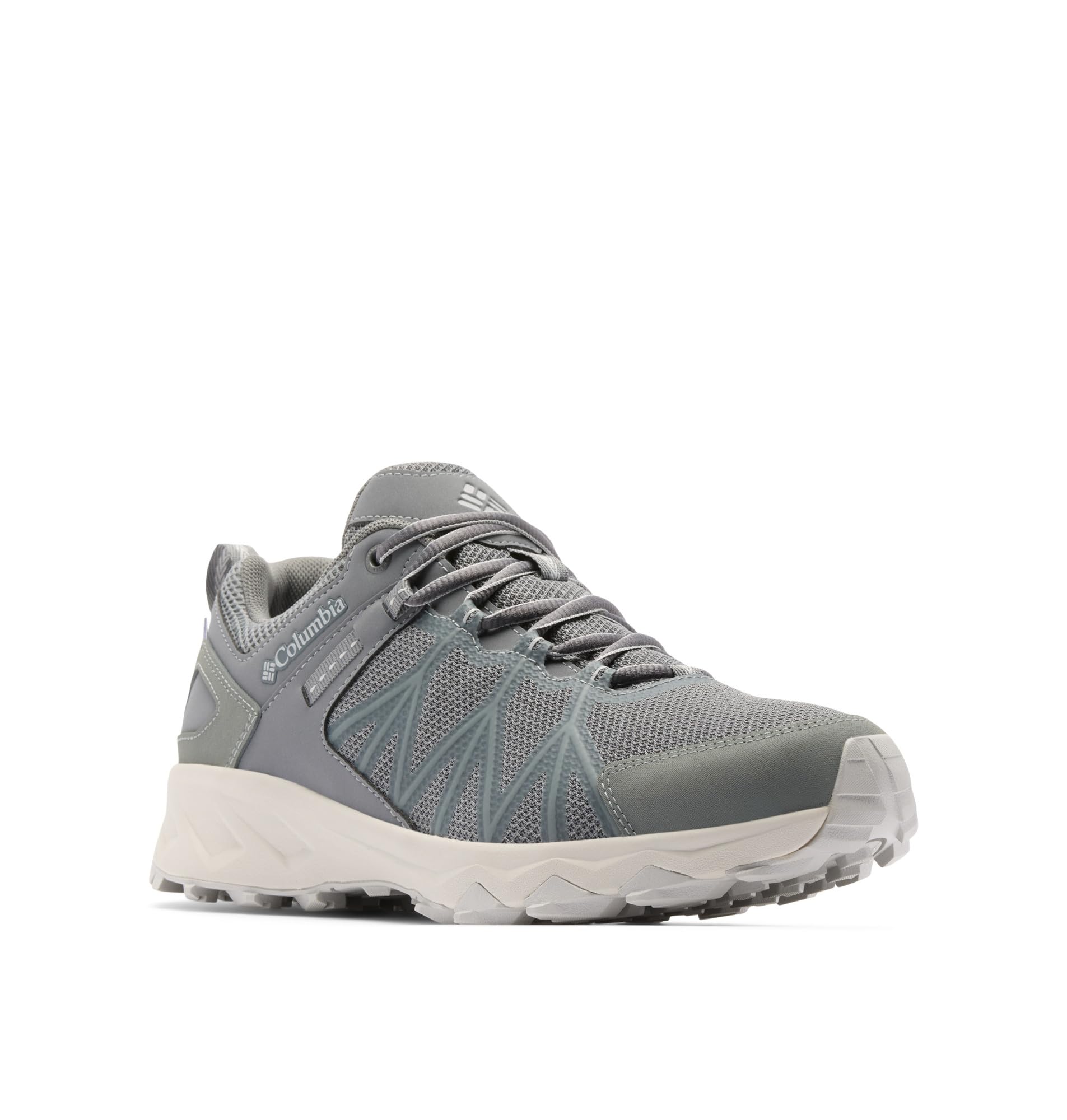
Columbia Peakfreak II

93 /100
Traveler Score Outstanding

Key details

Fit
Waterproofing
Yes (Outdry)
Outsole Traction & Durability
Rubber outsole
Check Details on Amazon

Weighing notably less than most trail shoes, the Peakfreak II pairs a comfortable, immediate fit with effective Outdry waterproofing for day hikes. Its recent release means fewer shoes have been put through heavy, long-term use, so those who plan to log many miles may want to consider an option with a longer track record. Best for hikers who prioritize lightweight and waterproof performance for shorter trips and are comfortable with a newer model.

💡 After wet hikes, rinse the Outdry membrane and let it air dry fully to help maintain its waterproof properties.

Pros

  • Comfortable from first wear with minimal break-in needed.
  • Well-constructed using quality materials.
  • Effective waterproofing keeps feet dry on wet trails.

Cons

  • Waterproofing can lose effectiveness over time in some cases.
Our verdict

For day hikers who want a lightweight, waterproof shoe without a heavy break-in, the Peakfreak II is a strong contender — just keep expectations on long-term mileage in check.

Check Latest Price
3

Best Budget Waterproof

Columbia Transverse Wp

92 /100
Traveler Score Outstanding

Key details

Fit
Narrow fit
Waterproofing
Yes (brand claim)
Outsole Traction & Durability
Non-marking rubber
Check Details on Amazon

The Columbia Transverse Hike Waterproof delivers an impressive mix of waterproofing and light weight at a budget-friendly price — a rare combination. The tradeoff comes in two areas: the fit runs narrow, which can be problematic for wider feet, and the waterproof membrane may lose effectiveness after several months of use. This shoe suits day hikers who want consistent wet-weather performance without spending much, and who don't need heavy-duty durability or a roomy toe box.

💡 If you need a wider fit, look for the wide version or consider sizing up.

Pros

  • Very comfortable for the price
  • Effective waterproofing keeps feet dry on wet trails
  • Lightweight build reduces fatigue on day hikes

Cons

  • Narrow fit may be tight for hikers with wider feet
  • Waterproof membrane can lose effectiveness after months of use
Our verdict

A budget-friendly waterproof hiking shoe that works well for occasional day hikes in wet conditions, provided you don't have wide feet.

Check Latest Price
4

Best Non-Waterproof Value

Merrell Accentor 3

89 /100
Traveler Score Excellent

Key details

Fit
Roomy toe box
Waterproofing
No
Outsole Traction & Durability
Not Vibram
Check Details on Amazon

The Accentor 3 shares the same roomy toe box and all-day comfort that make the Moab line popular, but sheds the waterproofing and about $40 from the price. It's a practical choice for trail day hikes and light backpacking where the forecast stays dry. The sole is noticeably firmer than plush hiking shoes — a tradeoff that improves ground feel on rocky trails but may feel stiff to those used to thick cushioning. This is a shoe for dry conditions; in wet grass or puddles the standard upper can absorb moisture quickly.

💡 If you prefer softer cushioning, swapping in a thicker aftermarket insole can help tailor the feel.

Pros

  • Good overall build quality with solid stitching and materials
  • Comfortable for full-day wear right out of the box
  • Accurate fit with generous toe box that accommodates wider feet

Cons

  • Cushioning feels firm underfoot, which may not suit those seeking plush step-in comfort
Our verdict

For dry-trail day hikers who value fit and economy over all-weather capability, the Accentor 3 offers solid performance at a practical price.

Check Latest Price
5

Best Casual Lightweight

Skechers Go Walk Outdoor

91 /100
Traveler Score Outstanding

Key details

Fit
Narrow, order up
Waterproofing
Water-repellent
Outsole Traction & Durability
Goodyear rubber
Check Details on Amazon

The Skechers Go Walk Outdoor is the lightest shoe here at 2 lbs per pair, with an Air-Cooled Memory Foam insole delivering immediate comfort and a slip-on design that makes travel effortless. However, the narrow fit, limited durability under regular use, and reduced grip on wet surfaces mean this is best suited for casual walking, urban exploring, and light trails rather than technical hiking.

💡 The slip-on design works best with thin socks — thick socks may make the narrow fit feel tighter.

Pros

  • Extremely comfortable for walking
  • Good quality for the price
  • Easy slip-on convenience

Cons

No notable drawbacks to flag.

Our verdict

If you prioritize featherlight comfort and easy on/off over trail grip and long-term durability, this is a smart choice for travel and daily walks.

Check Latest Price
6

Wide Feet

KEEN Targhee 3 Low

89 /100
Traveler Score Excellent

Key details

Fit
Wide toe box
Waterproofing
Yes (KEEN.Dry)
Outsole Traction & Durability
Check Details on Amazon

The KEEN Targhee 3 Low offers a roomy toe box and effective waterproofing that suits hikers with wide feet or toe issues. However, sole separation can occur, and waterproofing may degrade over time, making this a better choice for occasional use rather than daily trail pounding.

Pros

  • Reduces foot fatigue on long hikes
  • Generous toe box accommodates wide feet and toe splay

Cons

  • Sole separation can reduce the shoe's lifespan for frequent users
Our verdict

Best for hikers with wide feet who need comfort and waterproofing for weekend trips, not for heavy, daily use.

Check Latest Price
7

Budget Hiking

NORTIV 8 Low Top WP

86 /100
Traveler Score Excellent

Key details

Fit
Inconsistent sizing
Waterproofing
Yes (claimed)
Outsole Traction & Durability
Slip-resistant rubber
Check Details on Amazon

The NORTIV 8 offers the lowest price among waterproof hiking shoes with decent moisture protection and a look that works for casual wear. Sizing can be inconsistent (some find it large, others narrow), and the weight is higher than expected for a lightweight shoe. These factors make it suitable for occasional use or budget buyers who prioritize cost over performance.

Pros

  • Comfortable for the price
  • Waterproofing handles light rain and puddles.

Cons

  • Sole separation or lace fraying has been noted in some units over time.
Our verdict

Best for hikers on a tight budget who need waterproofing for light rain and casual wear, and are willing to accept potential sizing and durability trade-offs.

Check Latest Price

How to Choose

Weight

A shoe advertised as 'lightweight' may still weigh over 1.5 pounds per shoe. The actual weight determines how much energy you burn per step, especially on longer hikes. Lighter shoes (under 1 lb per shoe) often use thinner midsoles and less rubber, reducing padding and durability.

For day hikes and fastpacking, a sub-1.5 lb shoe is sufficient. For backpacking with heavy loads, expect a weight penalty of 0.5 to 1 lb per shoe for the added support and cushioning.

Waterproofing

Waterproof membranes like Gore-Tex or Outdry keep feet dry in rain and puddles, but they trap moisture inside during warm weather, increasing sweat buildup. The membrane also degrades over time, especially if the shoe is frequently soaked and dried. A DWR spray can extend the life, but eventually all membranes will leak.

If you hike in consistently wet conditions, waterproofing is worth the trade-off. For dry climates or summer hikes, a non-waterproof shoe dries faster and breathes better.

Outsole Traction and Durability

The outsole rubber compound and tread pattern determine grip on different surfaces. Vibram outsoles are known for durability and grip on mixed terrain, while generic rubber often wears faster and loses traction on wet rocks. Deeper lugs provide better bite on loose soil but can feel grabby on hardpack.

For trail hiking, a shoe with a Vibram or Goodyear outsole typically lasts longer and performs more consistently. Budget options with basic rubber may be adequate for well-groomed paths but will slip on steep, wet terrain.

Fit

Toe box width and heel hold are the two critical fit factors. A roomy toe box allows toes to splay naturally, reducing blisters on descents, but too much width can cause heel slip and instability. A narrow heel cup locks the foot in place but can pinch if it's too tight.

Your foot shape determines the ideal fit. Hikers with wide feet or bunions should prioritize a shoe with a generous toe box (like KEEN or Merrell Accentor), while narrow-footed hikers will benefit from models like the Columbia Transverse that run slim.

Support Level

Support comes from the midsole density, shank stiffness, and heel counter. Lightweight shoes often use softer foam that compresses quickly, offering less arch support and impact protection for heavy loads. This is fine for day hikes under 10 miles, but beyond that, your feet will fatigue faster.

If you carry a pack over 20 pounds or have flat feet, look for a shoe with a denser midsole and a shank for torsional rigidity. These features add weight but prevent foot fatigue and reduce the risk of ankle rolls on uneven terrain.

Frequently Asked Questions