9 Best Underwater Camera for Travel 2026: Action Cam or Point-And-Shoot?

Find your best underwater camera for travel: action cams for video and battery, or point-and-shoots for macro and zoom. Which fits your snorkeling adventures?

Travel snorkelers often find themselves torn between a dedicated waterproof point-and-shoot for stills and an action camera for video. Marketing suggests any 'waterproof' camera will handle the ocean, but reality is tougher: seals fail from sand, batteries drain faster than expected, and budget 4K claims often deliver upscaled blur.

This guide cuts through that noise, matching cameras to how you actually travel. Whether you spend hours photographing tiny reef details with a macro lens or just want smooth videos of your kids splashing, the right pick exists. We examined waterproof depth, stabilization, battery life, and the critical maintenance habits that keep cameras alive, so you can pack with confidence.

1

Best Overall

DJI Osmo Action 5 Pro

93 /100
Traveler Score Outstanding

Key details

Zoom Type
Digital
Waterproof Depth
20m
Check Details on Amazon

The Osmo Action 5 Pro’s 1950mAh battery stretches to four hours of continuous 4K recording, roughly double what its predecessor managed, while 360° HorizonSteady locks the horizon level through full rotations — no other action camera pairs this kind of endurance with full-frame horizon correction. The 1/1.3-inch sensor with 13.5-stop dynamic range captures natural colors and impressive low-light detail, keeping underwater scenes vibrant even at dusk. 4K/120fps recording and D-Log M color profile give editors plenty of latitude for slow motion or color grading.

At 20 meters, the IP68 waterproof rating means you can snorkel or dive without a separate housing, and the dual OLED touchscreens stay bright and responsive in direct sun. Subject tracking reliably follows a moving diver or fish, and voice commands let you start recording without fumbling with wet hands. The quick-release magnetic mount system flips between horizontal and vertical in seconds, feeding social clips with no reframing hassle.

Travel filmmakers who need all-day battery and snorkelers requiring reliable waterproofing will find the Action 5 Pro fits the brief. The fixed wide-angle lens keeps distant subjects small — if you want to zoom in on wildlife or fine reef textures, a dedicated underwater compact with optical zoom, like the OM System TG-7, will serve better. Vloggers get subject tracking and effortless vertical mounting, though the onboard 47GB storage fills after about 40 minutes of 4K/120fps footage, so a microSD card is a practical necessity for longer trips.

💡 A microSD card is advisable for multi-day trips — 47GB onboard storage fills in about 40 minutes of 4K/120fps footage.

Pros

  • 4K footage boasts accurate colors and impressive low-light clarity
  • 360° HorizonSteady stabilization keeps the horizon level through full camera rotations, producing remarkably smooth handheld video.
  • Battery life reaches up to four hours, easily lasting a full day of intermittent snorkeling and sightseeing without swapping packs.
  • Dual OLED touchscreens respond quickly even with wet fingers, while voice commands allow hands-free recording in gloves or underwater housing.

Cons

  • Fixed wide-angle lens cannot zoom in on distant subjects
Our verdict

For snorkelers and travel videographers who value all-day battery and horizon-level footage over long-zoom reach, the Action 5 Pro is the action camera to beat.

Check Latest Price
2

Best Rugged Point-And-Shoot for Stills

OM System TG-7

85 /100
Traveler Score Excellent

Key details

Zoom Type
Optical 4x
Waterproof Depth
15m
Check Details on Amazon

Where the top pick delivers smooth 4K video and all-day endurance for continuous travel filming, the TG-7 turns reef exploration into a macro photography session. Its 4x optical zoom (25–100mm equivalent) and microscope mode let you fill the frame with a nudibranch or a coral polyp — subjects that remain tiny blobs on any action camera’s ultra-wide lens.

Double-locking battery and port hatches provide waterproofing to 15 meters without an external housing, and the shockproof, crushproof, freezeproof construction shrugs off drops on boat decks. The camera clips to a lifejacket or slides into a board shorts pocket, always within reach. Image quality excels in macro scenarios, with sharp details and vivid colors that bring coral patterns to life; the 12MP sensor limits cropping latitude, but that trade-off is well understood by reef photographers.

Adventure divers and macro-obsessed snorkelers who value optical zoom and pinpoint focus will find the TG-7 indispensable. Those who prioritize smooth stabilization and all-day shooting should look to the top pick instead. Battery life is short by action-camera standards, making a spare essential for full-day outings. Occasional power-on glitches or unexplained battery drain have been noted, so testing the camera thoroughly before a trip is a sensible step.

💡 Before any trip, run the TG-7 through a full charge and shallow-water test to confirm the dual-lock hatches are sealed and the battery holds charge — catching early glitches at home avoids disappointment on the reef.

Pros

  • Sharp macro details and vivid colors reveal coral textures and tiny sea life with striking clarity.
  • 15m waterproofing with double-locking hatches holds up reliably during dives and snorkeling.
  • Shockproof, crushproof, freezeproof body survives drops, rough boat rides, and freezing conditions.
  • Compact, pocketable design clips to a lifejacket or fits in swim trunks for go-anywhere travel.

Cons

  • 12MP sensor limits cropping flexibility and large-print output compared to modern smartphones.
  • Battery life is short for full-day snorkel outings, often requiring a spare battery.
  • Some units may exhibit an inability to power on or rapid battery drain after limited use, particularly after water exposure.
Our verdict

If your underwater adventures center on tiny, intricate subjects that demand optical zoom and a bright lens, the TG-7 is a dedicated macro tool that no action camera can replicate — just pack a spare battery and verify the camera before departure.

Check Latest Price
3

Best Budget Action Camera

AKASO Brave 4

89 /100
Traveler Score Excellent

Key details

Zoom Type
Digital 5x
Waterproof Depth
40m (housing required)
Check Details on Amazon

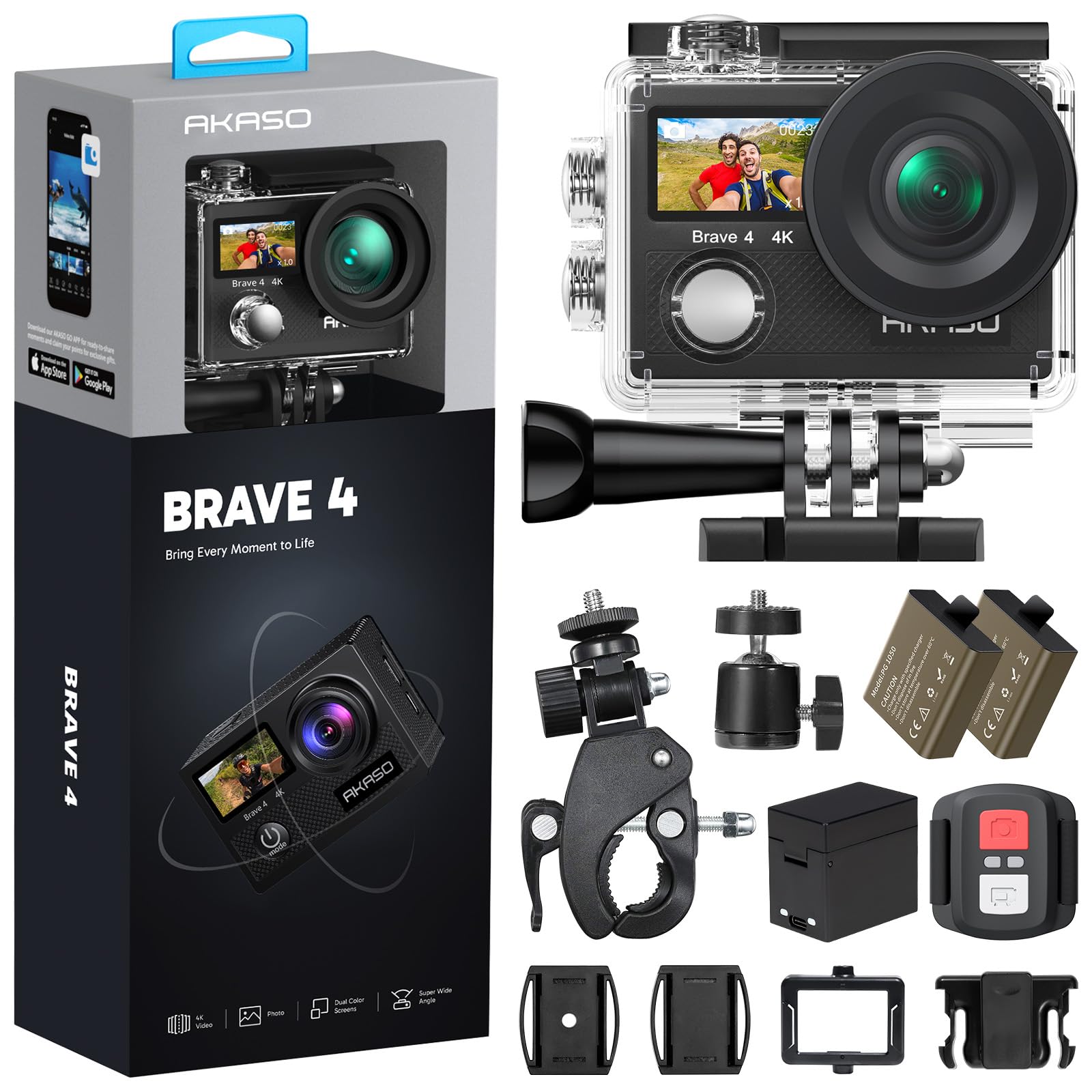
The AKASO Brave 4 bundles 4K video with electronic stabilization and a vast accessory kit — two batteries, remote, waterproof housing, and multiple mounts — into a package that costs less than a single mount from premium brands. This alone makes it the practical entry point for anyone curious about underwater filming without a financial gamble.

Electronic image stabilization smooths out bumps while snorkeling or biking, and in bright daylight the footage looks crisp enough for family memories and social sharing. The 20MP sensor captures details that satisfy casual users, though the 4K output is softer than what flagship cameras produce — fine textures like coral branches lose some edge definition. For a camera that sits in a snorkel vest pocket, this tradeoff is easy to live with.

This camera suits budget-conscious travelers, families handing a tough camera to kids, and first-timers testing action-cam waters. The housing is rated to 40 meters — far deeper than recreational snorkeling requires. The main boundary: one battery lasts about 90 minutes, so the included spare becomes essential for full-day adventures. Swapping takes seconds, but it is a rhythm to plan for.

💡 Bring the spare battery for any outing beyond an hour — swapping takes seconds and doubles your recording time.

Pros

  • Exceptional value packs 4K EIS video, two batteries, and a full mount kit for a fraction of the typical cost.
  • Video is crisp in good light, and electronic stabilization works well for handheld and snorkeling shots.
  • Simple menu structure makes operation straightforward, even for users new to action cameras.
  • Sturdy waterproof housing and the second battery let you start recording underwater right out of the box.

Cons

  • Battery life per charge is around 90 minutes; extended outings will require swapping to the included spare.
  • 4K footage lacks the crisp detail of premium models, appearing softer when viewed on large displays.
Our verdict

The Brave 4 is the wallet-safe action camera that lets you shoot first and ask questions later — ideal for vacations, pool days, and first forays into underwater video, as long as you keep that second battery charged.

Check Latest Price
4

Best Budget Dual-Screen Selfie Camera

YISENCE 4K 64MP

79 /100
Traveler Score Very Good

Key details

Zoom Type
Digital 16x
Waterproof Depth
5m
Check Details on Amazon

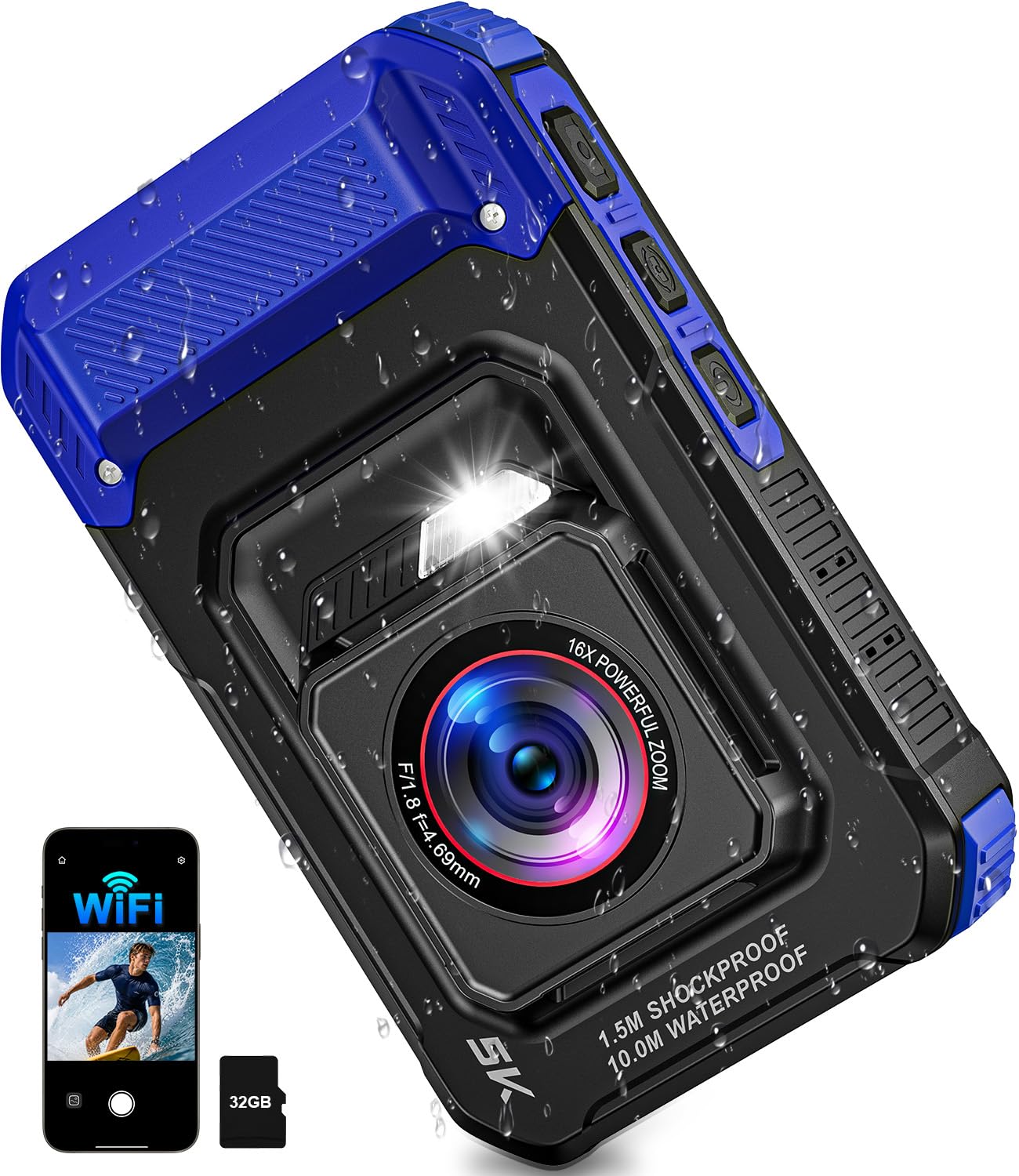
The YISENCE 4K 64MP stands apart with a front-facing screen that makes framing snorkeling selfies effortless, paired with an included 32GB microSD card so you can start shooting straight out of the box. Above and below water, photos come out clear and vibrant, especially in good light. Autofocus locks quickly, and the dual-screen design appeals to kids and beginners who want to see themselves while recording. The camera's compact size slips into a pocket or beach bag, and its straightforward controls keep the experience light and fun rather than technical.

This camera fits families and travelers who need an affordable, dead-simple way to grab vacation memories in shallow water — think pool days, snorkeling in calm seas, or water parks. It is not built for diving deeper than 5 meters, nor does it deliver the smooth stabilization or true 4K detail found in pricier action cams. Battery charging can be temperamental; some units stop accepting a charge after a few cycles, so it is wise to power it up and down at home a few times before you pack. If your trip hinges on flawless reliability or you want to film continuously at depth, the top pick or a dedicated compact will serve you better.

Pros

  • Clear, vibrant photos and video in good light, both above and below the surface.
  • Waterproofing that works well for snorkeling and beach days when the seal is closed tightly.
  • Extremely simple operation, making it accessible for kids and first-time users.
  • Compact, lightweight design that's easy to toss in a bag for travel and family outings.

Cons

  • Despite proper sealing, occasional reports of water entering the camera mean you should inspect the seal before each submersion.
Our verdict

If you need a no-fuss selfie camera for pool and shallow-water fun, the YISENCE 4K delivers where it counts, but test the battery before your trip to avoid surprises.

Check Latest Price
5

Best Value Mid-Range Action Cam

DJI Osmo Action 4

93 /100
Traveler Score Outstanding

Key details

Zoom Type
Digital
Waterproof Depth
18m
Check Details on Amazon

The Action 4 uses the same 1/1.3-inch sensor and RockSteady 3.0+ stabilization as the 5 Pro, yet costs significantly less. That means crisp 4K120fps footage, 10-bit D-Log M for grading, and impressive low-light performance that makes reef colors pop at snorkeling depths.

Waterproof to 18 meters without a housing, the camera slips into a pocket and mounts quickly with the magnetic quick-release system. Front and rear touchscreens simplify framing for selfie-style vlogging, and the horizon-leveling keeps the shot level even when tumbling through waves.

This makes it ideal for snorkelers, kayakers, and travel vloggers who prioritize image quality and stabilization over all-day battery life. The listed 160 minutes applies to 1080p with screen off — in 4K you'll get closer to 90 minutes, and shooting 4K120fps under tropical sun may cause temporary thermal shutdown. If you need hour-long 4K120 rolls or all-day event coverage, the 5 Pro's 4-hour stamina and better heat management are a better fit.

💡 To stretch your shooting day, carry a spare battery and use 4K60 in direct sun — the camera stays cooler and avoids thermal pauses.

Pros

  • Larger 1/1.3-inch sensor captures vibrant colors and detail in low light, even at snorkeling depths.
  • Magnetic quick-release mount and dual touchscreens make switching between mounts and framing effortless.
  • RockSteady 3.0+ and HorizonBalancing keep footage smooth and level through sudden movement.
  • Mid-range pricing undercuts flagship rivals while matching their core imaging capabilities.

Cons

  • Real-world 4K recording lasts about 90 minutes, far less than the 160-minute spec.
  • Filming 4K120fps in direct sun can trigger a thermal shutdown until the camera cools.
Our verdict

For snorkelers and travelers who want top-tier stabilization and sensor quality without paying for marathon battery life, the Action 4 is the smartest value in DJI's action camera line.

Check Latest Price
6

Feature-Rich Budget

YAXTIFIU 5K 96MP

87 /100
Traveler Score Excellent

Key details

Zoom Type
Digital 16x
Waterproof Depth
10m
Check Details on Amazon

The front and rear screens make framing selfies and vlogs underwater effortless, while the 33-foot depth rating exceeds most snorkeling needs. Color reproduction is vibrant and images look sharp on small screens, but the 5K video is interpolated from a lower sensor resolution, reducing fine detail in complex reef scenes or large prints. The 16x zoom is digital only, stretching pixels and softening distant subjects quickly. For casual memory capture and immediate sharing, these tradeoffs keep cost low without sacrificing dual-battery convenience and an included 32GB card.

Pros

  • Sharp, vibrant underwater photos and videos with accurate colors, even without post-processing.
  • Intuitive menus and controls help beginners start shooting right away, no complex setup required.
  • Lightweight body, two batteries, and a preinstalled 32GB card support all-day snorkeling trips without extra purchases.

Cons

  • 5K video is upscaled from a lower native resolution, so fine textures may appear softer than on native-5K cameras.
  • The 16x zoom is digital only, meaning distant subjects lose sharpness quickly when magnified.
Our verdict

A practical choice for snorkelers and travelers who want worry-free selfies, a bundled memory card, and dual-battery endurance — understanding that the video sharpness won't match cameras with native 5K sensors or optical zoom.

Check Latest Price
7

Budget Snorkeling

YEEIN 4K 48MP

80 /100
Traveler Score Excellent

Key details

Zoom Type
Digital
Waterproof Depth
5m
Check Details on Amazon

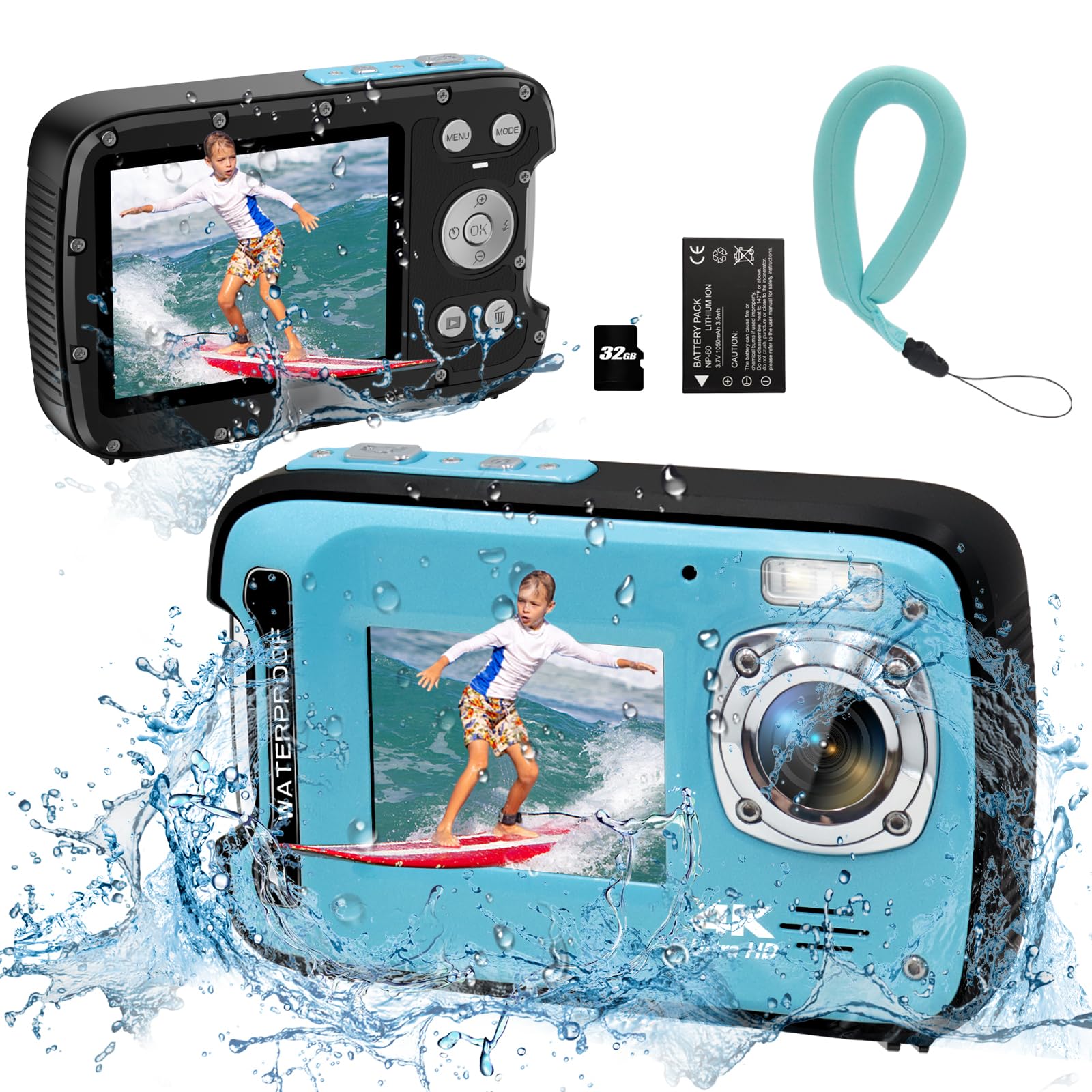
At the pool or beach, the included floating strap and preloaded 32GB card mean you start shooting right away. Dual screens and autofocus simplify selfies for kids, and the waterproof seal stays secure during snorkeling. Image sharpness is slightly soft, and the 5m depth rating keeps it firmly in shallow water. Battery reliability can be hit-or-miss, with occasional failures to hold a charge after limited use — testing before a trip catches any issue early.

💡 Before a trip, charge and discharge the battery a couple of times to catch any unit that may fail to hold a charge.

Pros

  • Records clear 4K video and sharp 48MP stills, especially impressive for the price
  • Waterproof seal stays secure during snorkeling, with no leaks at shallow depths
  • Compact, lightweight body with included floating strap keeps the camera safe and easy to handle in water

Cons

  • Image sharpness is slightly soft, which may disappoint if you plan to crop or print large photos
  • Battery may fail to hold a charge after a few cycles, so pre-trip testing is advised
Our verdict

For families who want a dedicated, ready-to-go waterproof camera for pool days and snorkeling trips — and can accept slightly soft image quality and the need to verify the battery before traveling — this is a budget-friendly way to capture underwater memories without worrying about losing the camera.

Check Latest Price
8

Creative Night

GoPro LIT Hero

85 /100
Traveler Score Excellent

Key details

Zoom Type
Digital
Waterproof Depth
5m
Check Details on Amazon

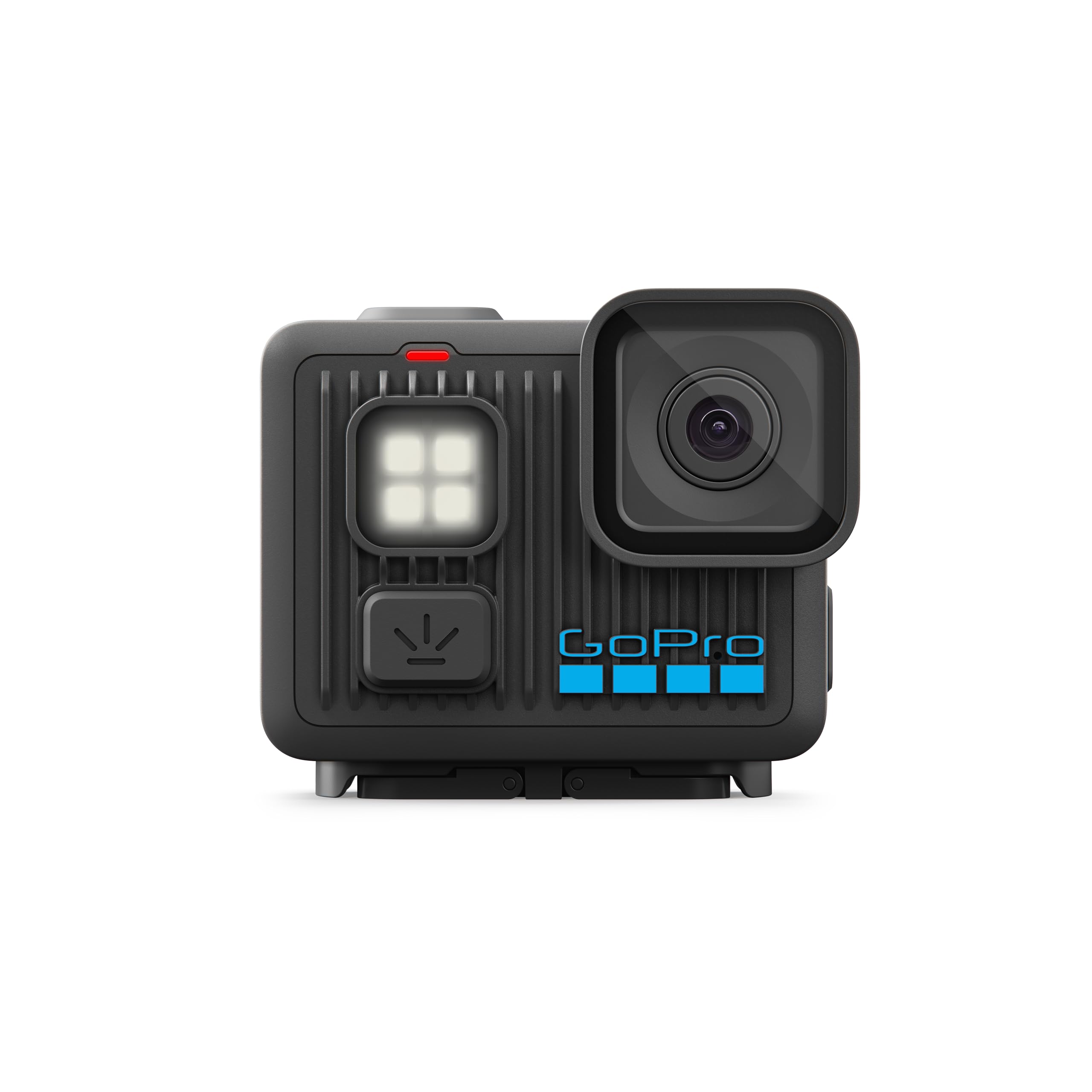
The built-in light with three brightness levels distinguishes the LIT Hero for shooting in dark spots — think caves, night swims, or dim party scenes. Crisp 4K60 video and HyperSmooth stabilization keep footage steady in bright light. The camera is exceptionally compact at 93g and easy to handle. The tradeoff: battery life is short, draining fast even without the light, so recording is limited to quick clips. Its 5m waterproof rating works for poolside fun and shallow dips, but it falls short for snorkeling trips where longer sessions and deeper submersion are expected.

💡 Keep a power bank handy and switch off the light when not needed to stretch recording time — it's designed for short, deliberate clips rather than continuous filming.

Pros

  • Compact and lightweight at 93g
  • Built-in light with 3 brightness levels for hands-free illumination in dark scenes.
  • 4K60 video with HyperSmooth stabilization for smooth, detailed footage in bright conditions.

Cons

  • Battery drains quickly, even when the light isn't in use
Our verdict

For poolside clips and impromptu night shots where you can recharge between takes, the LIT Hero adds creative flair. But if you're primarily snorkeling on a trip, the battery and depth limitations point toward an action camera built for longer dives.

Check Latest Price
9

Pro Stills

Sony RX0 II

80 /100
Traveler Score Excellent

Key details

Zoom Type
None
Waterproof Depth
10m
Check Details on Amazon

The RX0 II houses a stacked 1-inch sensor that produces stills rivaling mirrorless cameras, all in a body under 4.2 ounces. The 10-meter waterproof rating covers most snorkeling depths, but the camera’s short battery life and slow autofocus quickly surface as barriers. Video recording caps around 35 minutes per charge, and the contrast-detect AF can hunt in dynamic underwater scenes, missing candid marine moments. Paired with a fixed 24mm f/4 lens that lacks optical zoom, this tiny powerhouse serves a narrow professional niche: staged stills in controlled environments, not grab-and-go travel. For the snorkeler seeking all-day reliability, these trade-offs push it out of the everyday kit.

Pros

  • 1-inch sensor delivers stills sharpness and dynamic range on par with larger mirrorless cameras.
  • Ultra-compact, rugged build slips into a pocket for travel and handles splashes or quick submersion.

Cons

  • In dynamic underwater scenes, autofocus can hunt, missing fleeting marine life.
  • Video recording depletes the battery in around 35 minutes—short for a snorkeling outing without spare power.
Our verdict

This becomes a justifiable choice only for professional shooters who plan stationary underwater stills using external power and a focus-pulling rig—not for spontaneous snorkel trips. For everyone else, the battery and autofocus hurdles push it out of the running.

Check Latest Price

How to Choose

Waterproof Depth Without a Housing

A depth rating like 15m sounds reassuring, but it's tested in fresh water under controlled conditions. In the ocean, salt, sand, and sudden temperature shifts degrade seals over time. For snorkeling, a 5m rating covers most surface use, but free-diving or strong currents can push you deeper, making 15m a safer margin.

The real safeguard is the battery door: a single grain of sand on the gasket can let water in. Rinse the seal area with fresh water after each dive, dry it completely, and relubricate the O-ring occasionally. Cameras that require a separate housing, like many budget action cams, add an extra layer of protection but also another seal to maintain.

Image Stabilization: EIS vs. Optical

Electronic Image Stabilization (EIS) crops the sensor and uses software to smooth footage, which works well on action cameras with fast processors like DJI's RockSteady. Without stabilization, underwater videos look jittery and disorienting. Optical stabilization, found in some rugged point-and-shoots, physically shifts the lens or sensor and preserves detail better, but it's rare in compact waterproof cameras.

If you primarily shoot video while snorkeling or moving, a camera with proven EIS is non-negotiable. For stills only, stabilization matters less, but you'll still want it for any handheld clips.

Battery Life: 4K's Hidden Drain

Advertised battery figures often assume 1080p recording at 30fps with screen off. Shooting 4K60fps can cut that time by half or more, especially in cold water. A camera promising '160 minutes' may deliver only 80 minutes of real 4K footage. That's enough for a morning snorkel session if you power off between clips, but not for all-day use.

Always carry at least one spare battery. Budget cameras with shorter runtimes under 60 minutes can still work for casual use if you swap batteries quickly, but for travel, look for models that consistently deliver 90+ minutes of 4K recording.

Optical Zoom vs. Digital Zoom

Optical zoom uses lens elements to magnify the subject, keeping resolution intact. Digital zoom simply crops and enlarges the image electronically, which reduces detail and introduces blur — exactly what you don't want when trying to capture a shy fish. For close-up coral or wildlife shots, optical zoom (even 4x) is dramatically better than any digital zoom.

Action cameras rely on digital zoom or none at all, making them less suited for distant subjects. If you often frame tight shots of marine life, a point-and-shoot with optical zoom is the smarter pick.

Sensor Size and Real Resolution

Sensor size matters more than megapixels. A 12MP image from a 1-inch sensor captures far more light and detail than a 48MP shot from a tiny 1/2.3-inch sensor, especially in murky water. Many budget cameras advertise high megapixel counts through interpolation — software upscaling that creates soft, artificial-looking files.

Look for the actual sensor model or size if disclosed. Action cameras with 1/1.3-inch sensors (like DJI's) and compact cameras with 1-inch sensors outperform those with generic '64MP' claims by a wide margin. For travel, a true 12–20MP sensor with good low-light performance beats an interpolated 64MP every time.

Frequently Asked Questions