9 Best Travel Camera for Beginners in 2026: Real Optical Reach

The best travel camera for beginners depends on one spec: optical zoom. See which compact and mirrorless picks fit your trips and budget.

Many beginner travel cameras lean on huge megapixel counts and 4K/8K labels, but the numbers that matter on the road are optical zoom and sensor size. A small sensor with digital-only zoom will soften distant shots and struggle after sunset, no matter how impressive the box looks.

The real trade-off for travelers is between pocketability and reach. A compact superzoom pulls in faraway wildlife and concert stages, while an interchangeable-lens camera offers better image quality and room to grow but starts with a short kit lens. Matching that choice to the way you travel matters more than chasing the highest number in the spec sheet.

This guide sorts those options by what matters on a trip: genuine zoom reach, low-light performance, dependable autofocus, and a battery kit that lasts through a day out.

1

Best Overall

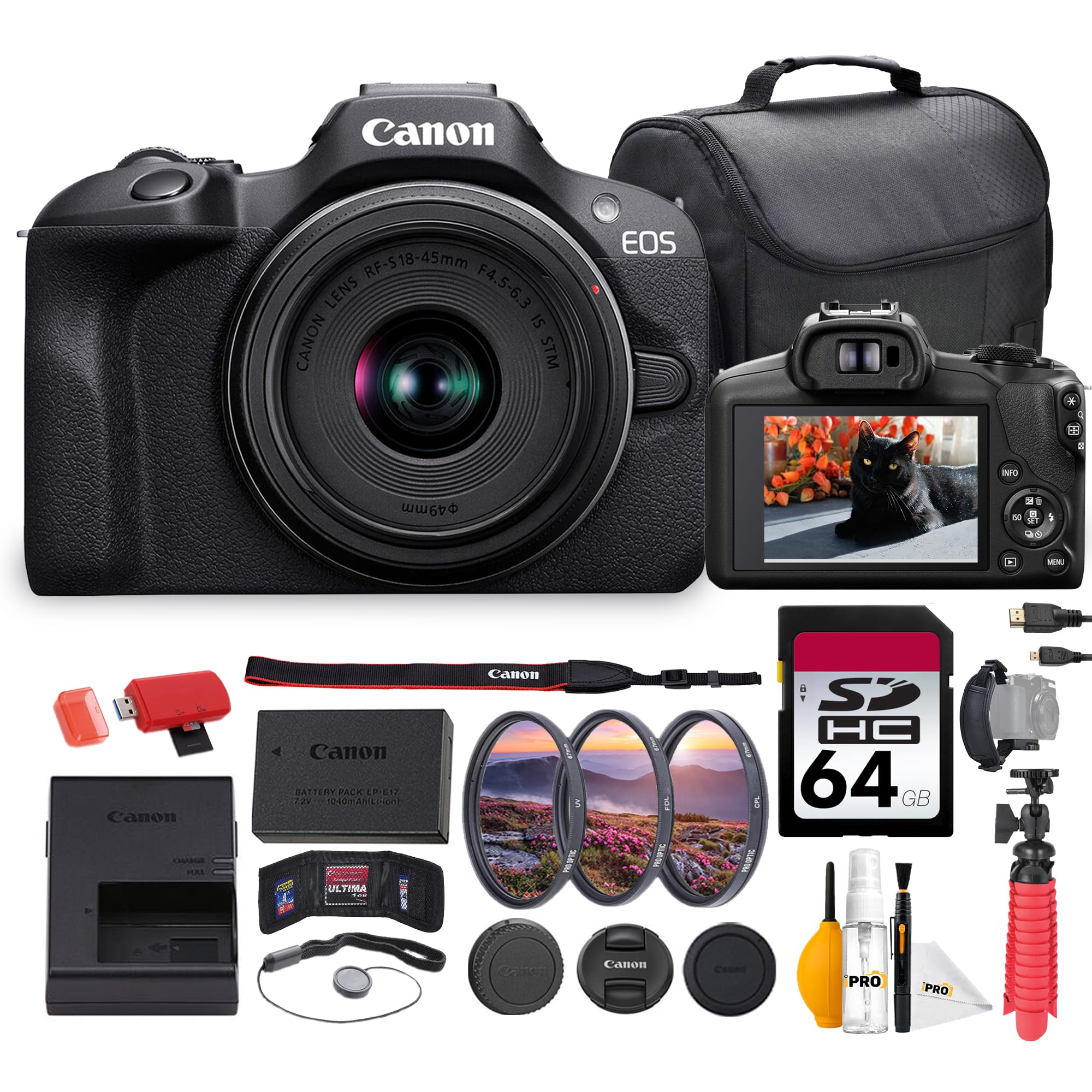
Canon EOS R100

89 /100
Traveler Score Excellent

Key details

Autofocus
Dual Pixel CMOS AF
Sensor Size
APS-C CMOS
Optical Zoom
18-45mm kit lens
Controls & Kit
Mode dial, Wi-Fi
Check Details on Amazon

The R100 separates itself from the compact travel cameras in this comparison on image quality alone. Its 24.2MP APS-C sensor captures sharp, vibrant images, and the depth in those photos is something the small-sensor pocket zooms cannot match. Dual Pixel CMOS AF keeps faces in focus during candid family moments, and the bundled RF-S 18-45mm IS STM lens provides optical stabilization for handheld shots around town. That pairing of a large sensor and a real lens mount is what makes the R100 a strong entry point rather than a casual compact.

Beginner controls do not feel like a step down. The menu system is organized for someone moving up from a phone, primary controls sit on the top deck, and the Wi-Fi app transfers images to a phone quickly for sharing. The body is light enough for a full day in a crossbody bag, which is the first thing a travel photographer notices after carrying a larger DSLR kit. The 18-45mm zoom covers the normal wide-to-short-telephoto range that handles rooms, streets, and family snapshots without forcing you to change lenses every few minutes.

The bundle matters because it is not just a camera body. With the RF-S 18-45mm IS STM included, plus Wi-Fi and Bluetooth, the R100 arrives as a complete kit at an entry-level price. That makes it a different animal from a fixed-lens compact: the body is worth upgrading around, and the initial spend goes to the sensor and autofocus rather than accessories you will replace later. New owners can start shooting the same day and add lenses when the need actually appears, which keeps the first camera purchase simple.

This camera fits beginning travel and family photographers who want a real lens mount, do not need pocket-size carry, and plan to keep the same system as skills grow. Travelers whose main subjects are distant wildlife or concerts should look at the long-reach superzoom in this set instead. For cafés, city walks, and family gatherings, the R100 produces images a phone would need heavy processing to match, and its simple controls keep the focus on taking photos rather than managing settings.

Pros

  • APS-C sensor delivers sharp, vibrant images with depth that small-sensor compacts cannot match.
  • Menus and controls suit first-time interchangeable-lens shooters with clear labels and logical grouping.
  • Complete kit means the first shoot happens right out of the box.
  • Light body is easy to carry through airports and walking tours.

Cons

  • 4K recording crops the sensor's full width, so wide-angle video requires more distance from the subject.
  • The 18-45mm kit lens gives about 3x optical zoom; wildlife and concert seating call for a telephoto or a superzoom.
Our verdict

The R100 makes the jump from phone photography feel natural: the sensor and autofocus handle the heavy lifting, leaving you to frame shots.

Check Latest Price
2

Best Travel Superzoom

Panasonic LUMIX TZ99

85 /100
Traveler Score Excellent

Key details

Autofocus
Contrast AF
Sensor Size
1/2.3-inch BSI CMOS
Optical Zoom
30x optical
Controls & Kit
Tilt touchscreen
Check Details on Amazon

The Panasonic LUMIX TZ99 packs a 30x Leica optical zoom — 24mm wide to 720mm telephoto — into a body that slips into a jacket pocket. Travelers who would otherwise carry a bag of lenses can cover wide landscapes, distant wildlife, and concert stages with one camera.

The zoom range is why this camera gets chosen for a day bag on travel days. At 720mm, subjects that are invisible to a standard kit lens fill the frame, and the optical stabilizer keeps handheld shots steady enough to use. The 4K/30p video records the same long reach for concert clips without a separate zoom lens. For that reach, the premium price makes sense compared with adding a super-telephoto lens to a mirrorless kit.

The TZ99 is for daylight travelers who plan to shoot from a distance and want one pocket camera instead of a camera bag. Those needs become obvious on long-haul trips where packing space decides what gets carried. It is not a low-light or phone-replacement camera: the menu feels dated, and photos at ordinary focal lengths can look less impressive than a modern phone. That tradeoff is easier to accept when your subject is 720mm away.

Pros

  • 30x optical zoom covers 24mm wide to 720mm telephoto, so far-off subjects fill the frame without extra lenses.
  • Compact body and optical stabilization make handheld telephoto practical for full-day trips and concerts.
  • Premium-priced body delivers a zoom range that would otherwise require multiple interchangeable lenses to match.

Cons

  • New users may need an online manual nearby because the menu is dated and not self-explanatory.
  • At ordinary focal lengths, a modern phone can produce smoother-looking photos than the TZ99's small sensor.
Our verdict

The TZ99 is the pocket camera that gets you to 720mm when the alternative is a bag of lenses.

Check Latest Price
3

Best for Vlogging

Sony ZV-1F

90 /100
Traveler Score Outstanding

Key details

Autofocus
Eye AF and tracking
Sensor Size
1-inch CMOS
Optical Zoom
None
Controls & Kit
Touchscreen, mic jack
Check Details on Amazon

The ZV-1F is the video-first alternative to the top mirrorless pick in this roundup. Its 1-inch sensor turns out sharp 4K footage with pleasing colors, and the flip screen plus Eye AF keep a face in focus while the camera is held at arm's length. That combination makes solo vlogging feel less like a technical exercise and more like pressing record. For a travel camera, that is a meaningful difference: the strongest feature is not a lens you swap but a setup that stays out of your way.

It suits a traveler who films themselves and close surroundings rather than a buyer who needs one camera for wildlife and landmarks. No optical zoom and short battery life force compromises on all-day travel shooting, so the right owner is someone who prefers a fixed wide angle and packs a spare battery. Touchscreen menus keep the operation simple for a first-time creator.

The three-capsule directional microphone captures solo speech clearly, and the compact body slips into a carry-on pocket. For face-forward video and casual close-range photos, the ZV-1F delivers a real image-quality step up from tiny-sensor travel compacts. It is less about covering every scene and more about making the scenes you do shoot look better.

💡 Carry a spare battery when the plan includes a full day of 4K clips.

Pros

  • 1-inch sensor and 4K video produce sharp footage with pleasing colors for solo creator work.
  • Flip screen and Eye AF keep face-forward recording in focus at arm's length.
  • Touchscreen menus and simple controls are easy for a beginner to follow.

Cons

  • Battery life is short for all-day travel shooting; a spare is the practical workaround.
  • The fixed 20mm lens has no optical zoom; 4x digital zoom only softens distant subjects.
Our verdict

Solo travelers who want to document themselves in motion will get more from this than from a small-sensor superzoom with more reach.

Check Latest Price
4

Best DSLR Starter Kit

Canon EOS Rebel T7

91 /100
Traveler Score Outstanding

Key details

Autofocus
9-point AF
Sensor Size
APS-C CMOS
Optical Zoom
18-55mm kit lens
Controls & Kit
Mode dial, bundle
Check Details on Amazon

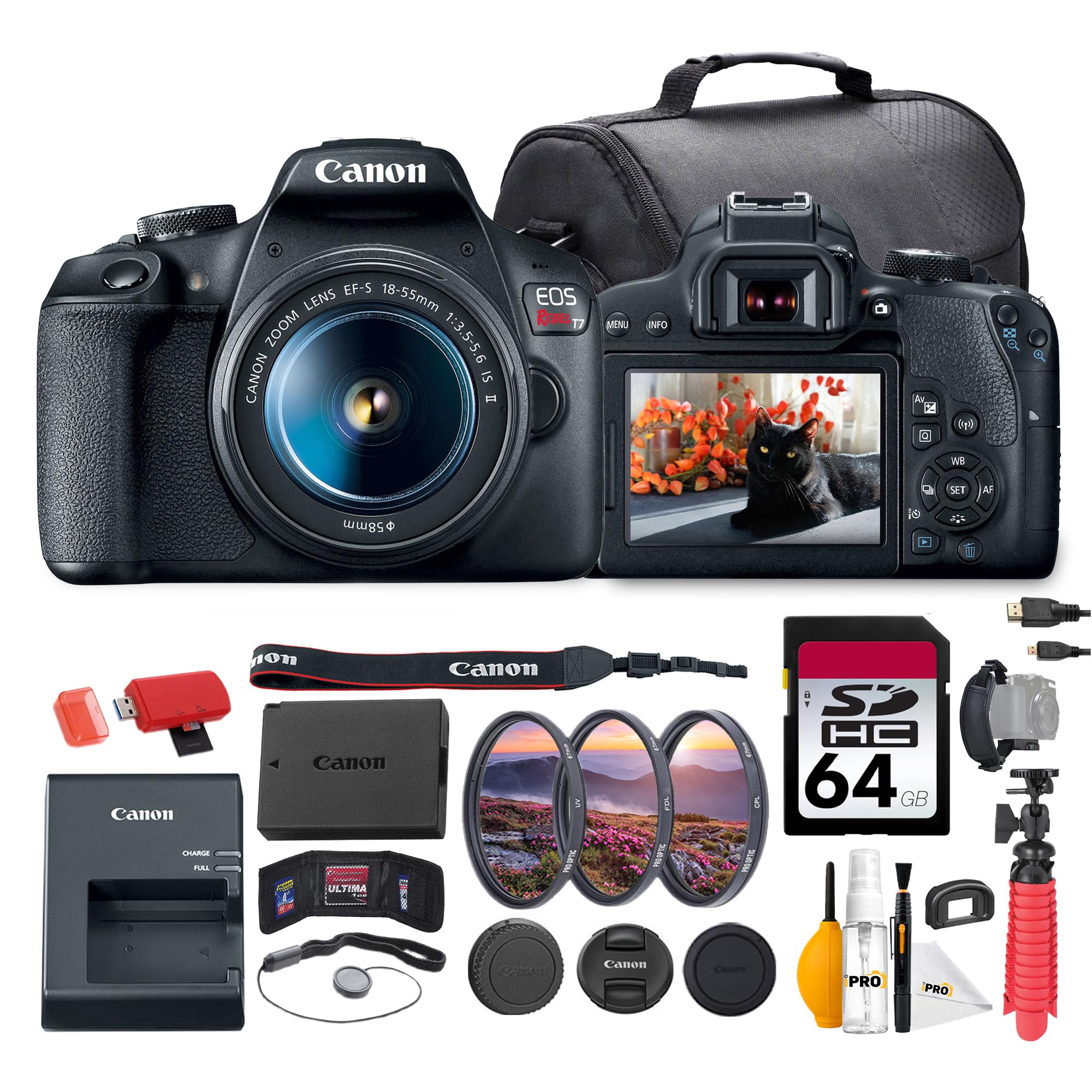
The Rebel T7 bundle delivers a classic DSLR experience: an APS-C sensor, an optical viewfinder, and an 18-55mm image-stabilized kit lens in a single package. The direct through-the-lens framing and comfortable grip are what the slimmer mirrorless alternative in this comparison does not quite replicate.

Still photos from the 24.1MP sensor are well suited to family travel, with natural daylight color and enough detail for prints. The kit lens's optical zoom and stabilization cover everyday subjects from group shots to moderate close-ups while the auto mode keeps the controls approachable for a first-time DSLR owner.

The bundle's practical value shows before the first shoot: the box includes the basics needed to start, reducing accessory shopping for a new owner. A simple auto mode handles daily travel scenes without menu hunting, which is the main ask for a family photographer who is just learning.

This is for the traveler who values classic DSLR handling and wants an optical viewfinder along with a familiar grip. The older 9-point autofocus and Full HD video mark the boundary: moving subjects can challenge AF, and 4K is not available. Some kit versions also pair this body with an external flash that may not fire, so confirm the package contents before relying on it.

Pros

  • APS-C sensor with the 18-55mm stabilized lens produces clean daylight travel photos.
  • Bundle includes starter essentials, so a first DSLR owner can begin shooting without extra accessory orders.
  • Auto mode and basic menu layout keep the learning curve mild for novice family photographers.
  • Sturdy body and useful accessories make this a dependable entry-level travel kit.

Cons

  • The premium price asks for a bigger upfront commitment than a basic compact travel camera.
  • The DSLR body and 18-55mm lens occupy more bag space than slimmer mirrorless alternatives.
Our verdict

The Rebel T7 bundle is the choice for a novice traveler who wants an optical viewfinder and room to grow into manual controls without paying for mirrorless features they will not use.

Check Latest Price
5

Best Budget Creator Bundle

Tecglem DC226 8K

90 /100
Traveler Score Outstanding

Key details

Autofocus
Autofocus
Sensor Size
1/4-inch CMOS
Optical Zoom
None
Controls & Kit
Two batteries, charging stand
Check Details on Amazon

The Tecglem DC226 is the fullest budget bundle in this group, packaging dual lenses, two batteries, a charging stand, a 32GB card, and a lens hood together. That makes it a natural first camera for a teen vlogger or beginner travel shooter who wants to start recording without buying accessories. The 3.2-inch touchscreen keeps the learning curve low, and the included memory card means the first purchase after the camera is already handled.

In good daylight, the 88MP sensor turns out sharp 8K video and clear stills for social posts and short travel edits. WiFi transfers to a phone are quick, which keeps the workflow simple when you want to post from the road. A spare battery extends a day of sightseeing, and the included second lens and lens hood add framing variety without needing extra bags. For family events and close-range travel clips, the bundle is ready when the moment is.

This is the right fit for beginner creators who keep shots close to mid-range and shooting hours on the sunny side of the day. The 8K/88MP style marketing overstates reach and low-light ability, so treat this as a daytime close-range starter rather than a long-reach travel camera. Anyone planning evening walks or faraway subjects should compare the long-zoom compact or the mirrorless top pick in this set. For a family gathering, a weekend trip, or a teenager's first vlog, the kit covers the basics.

💡 Stepping closer to a subject keeps more detail than relying on the 16x digital zoom.

Pros

  • Sharp 8K video and clear stills in good light, right out of the box.
  • Touchscreen setup and menu navigation are simple enough for a beginner.
  • Feature set feels generous for a budget-priced camera, with dual lenses, WiFi, and the full accessory kit.
  • Two batteries, charging stand, 32GB card, and lens hood cover the basics before the first outing.

Cons

  • Night and indoor shots can look soft on the 1/4-inch sensor; this is a daylight-first camera.
  • The 16x zoom is digital, so distant subjects lose detail and there is no true telephoto reach.
Our verdict

This is the budget kit to start with when your travel days are bright and your subjects are close; everything needed to shoot is in the box.

Check Latest Price
6

Best Budget Selfie/Vlog Camera

AUREAPIX DC105 8K

88 /100
Traveler Score Excellent

Key details

Autofocus
Autofocus
Sensor Size
1/2.3-inch CMOS
Optical Zoom
None
Controls & Kit
Flip screen, WiFi
Check Details on Amazon

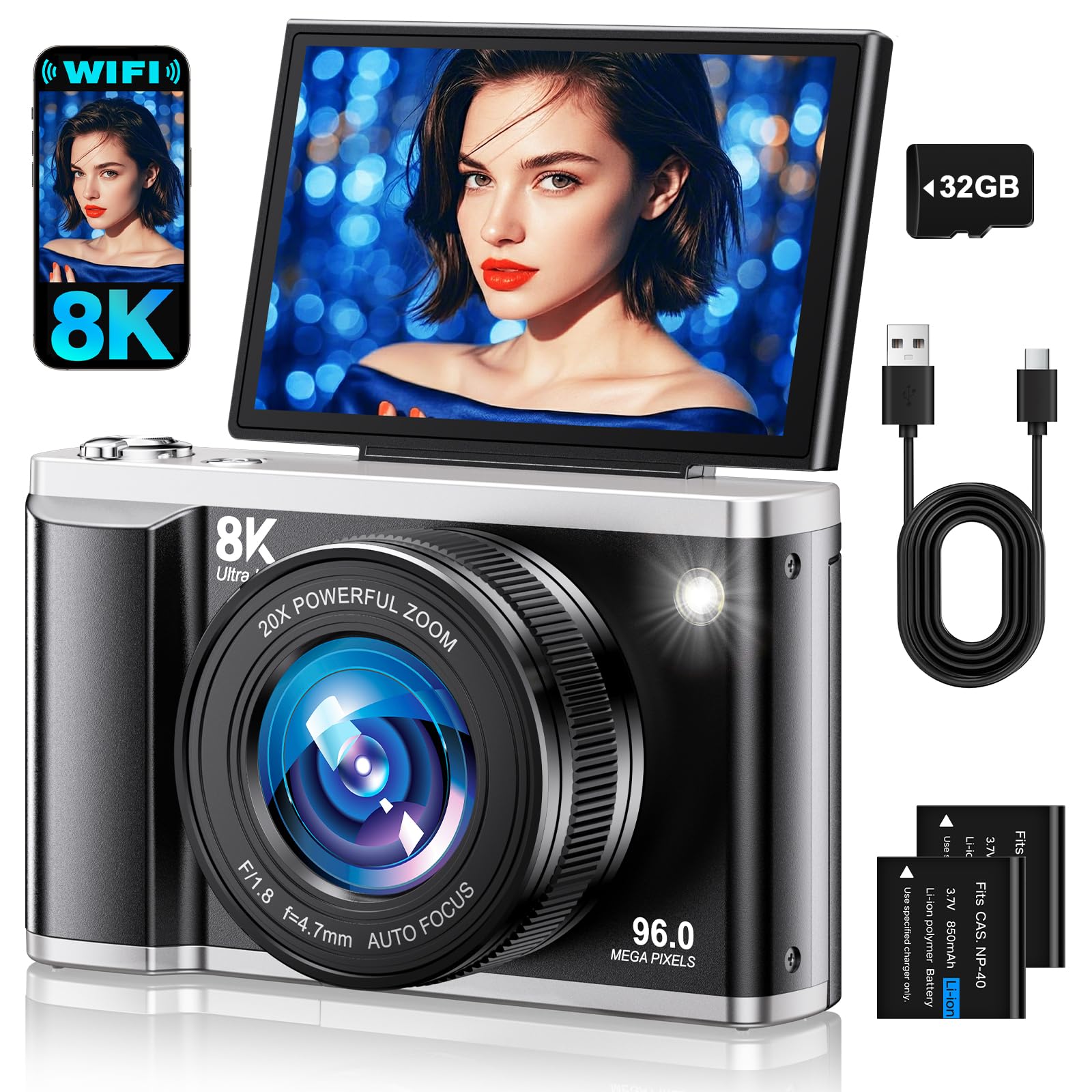
The AUREAPIX DC105 8K stands out in this budget travel set for its 3.5-inch 180-degree flip screen, WiFi transfer, and light body. The menu is easy to follow without prior camera experience, which lowers the barrier for a first-time user. For selfie-style travel frames, the flip screen makes it a simpler pick than the richer accessory bundle in this comparison.

Daylight photos and clips come out sharp and clear, with enough detail for social uploads. The 96MP and 8K labels sit on a 1/2.3-inch CMOS sensor, so the practical ceiling is close-to-mid-distance scenes in good light. The body stays easy to carry through a full day of walking, which matters more than extra lenses for this kind of kit.

No optical zoom and modest low-light shots mean this is a daytime travel camera for teens and beginner content creators who want selfies, vlogs, and quick WiFi sharing without a bag of gear. It fits budget travel kits where the day is spent outdoors or in well-lit spaces. Buyers who need optical reach or dependable night scenes should look at the optical-zoom compacts or mirrorless options in this guide.

Pros

  • Daylight images come out sharp and clear for social-ready travel shots.
  • Setup and menu navigation are simple for a first-time owner.
  • Priced well below interchangeable-lens kits while covering the basics.
  • Light body is easy to carry through a full day of sightseeing.

Cons

  • Low-light shots stay modest; daylight or well-lit interiors give the best results.
  • The 20x zoom is digital, so distant subjects lose detail compared with optical reach.
Our verdict

Pack this for selfie-first travel days where the gear stays light and the phone stays in the bag.

Check Latest Price
7

Tight-Budget Beginners

Duluvulu DC101 4K

87 /100
Traveler Score Excellent

Key details

Autofocus
Autofocus
Sensor Size
1/3-inch CMOS
Optical Zoom
None
Controls & Kit
Two batteries, SD card
Check Details on Amazon

The Duluvulu DC101 4K is a low-price entry kit with two batteries, an SD card, and a carry bag, so first-time travelers can start shooting immediately. It captures sharp, clear daytime photos and 4K video, while digital stabilization keeps casual handheld clips steady and simple controls let a teen learn without a manual.

The 16x zoom is digital on a fixed lens, so distant travel subjects such as architecture details or wildlife can soften as you push in; keep expectations at close range in good light. That all-digital zoom is what keeps it behind budget compacts with true optical reach, but for close-range daytime snapshots and spontaneous vlogs, the kit still makes sense.

Pros

  • Sharp, clear daytime photos and 4K video for the price, with simple controls a beginner can learn quickly.
  • Simple operation straight out of the box, so a novice can set up and capture their first clips without a steep learning curve.
  • Lightweight body makes it easy to carry through a full day of sightseeing.

Cons

  • Low-light indoor shots can look soft compared with a modern phone.
  • Distant subjects lose detail because the 16x zoom is digital only, not optical.
Our verdict

A sensible entry kit for budget-conscious beginners who plan to shoot close-range daytime travel moments.

Check Latest Price
8

Budget Beginners

TEFTYMON DC101 4K

84 /100
Traveler Score Excellent

Key details

Autofocus
Autofocus
Sensor Size
1/3-inch CMOS
Optical Zoom
None
Controls & Kit
Flip screen, two batteries
Check Details on Amazon

This TEFTYMON kit leads with 4K video, a 180-degree flip screen, WiFi transfer, and two batteries, and the controls are easy enough for a first camera owner. It produces clean clips and sharp stills in good light, which suits casual family travel and teen vlogging. The 16x zoom is digital, so far subjects lose detail; for a travel search built around optical reach, this is a close-range daylight starter, not a telephoto companion. It remains a cost-effective entry point for creators who stay close to their subject.

Pros

  • Clear 4K clips and sharp stills for a budget compact, especially in daylight.
  • Control layout is approachable for a first camera owner.
  • Two included batteries cover a full day of casual shooting.

Cons

  • Dim rooms and night scenes trail a current phone's night mode.
  • Fixed-lens design leaves no room to add a real telephoto later.
Our verdict

Use it as a budget 4K starter for daytime vlogs and close-range family travel; skip it when the itinerary depends on zooming into distant scenery.

Check Latest Price
9

Selfie Beginners

Zostuic DC325 8K

89 /100
Traveler Score Excellent

Key details

Autofocus
Autofocus
Sensor Size
1/2.4-inch CMOS
Optical Zoom
None
Controls & Kit
Dual screens, spare battery
Check Details on Amazon

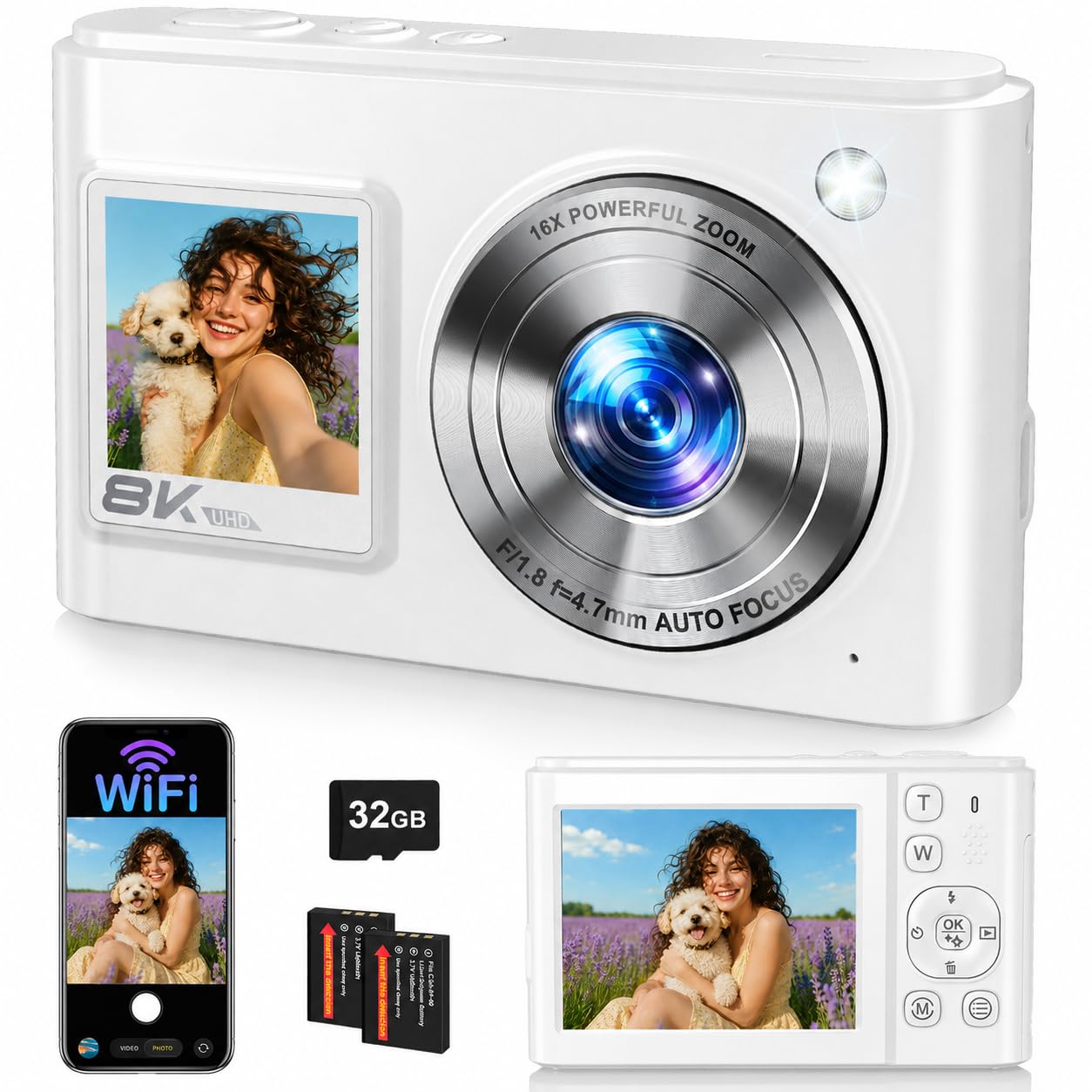
The Zostuic compact keeps travel basics simple: sharp, colorful daytime photos, easy controls, and a front screen for framing selfies. The included spare battery plus WiFi transfer add convenience for a light carry-on. It sits below the top travel picks because the 16x zoom is digital only, so distant landmarks stay soft, and the small sensor keeps low-light scenes modest. Selfie-focused beginners on a budget will feel at home here; travelers relying on reach or evening shooting should look at an optical-zoom compact or an entry mirrorless instead.

Pros

  • Front and rear screens make selfie framing much easier than a phone camera.
  • Comes with a spare battery and WiFi, so day trips get backup power and quick transfers.
  • Simple menus keep first-time travel users from digging through settings.

Cons

  • Indoor evening shots look soft, so low-light travel scenes are a stretch.
  • 16x digital zoom loses detail at a distance, making far landmarks blurry.
Our verdict

For daytime travel selfies and front-screen vlogging on a budget, this compact does the job; anyone who needs optical zoom for distant scenes should choose a model with a true zoom lens.

Check Latest Price

How to Choose

Optical Zoom Reach

Optical zoom physically moves lens elements to magnify the scene before light hits the sensor. Digital zoom crops the center of the image and enlarges the remaining pixels, so distant subjects lose fine detail.

A long zoom usually means a smaller sensor, which matters at dusk. In daylight it is fine; at night it gets grainier. If wildlife and concerts matter, prioritize optical reach; otherwise a short kit zoom works.

Sensor Size and Low Light

Sensor size determines how much light each pixel can collect. A 1-inch or APS-C sensor captures noticeably cleaner evening shots than a 1/2.3-inch sensor, even when the megapixel count is lower.

Budget listings lean on big megapixel labels, but those numbers do not add light-gathering area. Daytime travelers can get away with a small sensor; anyone planning museums, night markets, or sunrise lookouts should choose the larger sensor.

Autofocus Speed

Autofocus speed matters when you are moving through a crowd or handing your camera to a stranger for a group shot. Eye-detection autofocus locks onto faces and keeps a walking subject sharp without manual focus practice.

The practical difference is in the system, not the sticker. Many budget compacts list autofocus but use slow contrast detection that hunts in dim light, while a mirrorless camera with phase-detect or Dual Pixel AF tracks movement more predictably outdoors and indoors.

Image Stabilization

Image stabilization reduces blur from small hand movements at slower shutter speeds. Optical stabilization fixes the image before capture; digital stabilization crops the frame afterward and can soften the result.

A traveler photographing a cathedral interior without a tripod needs that optical help. It also steadies walking video. If a camera has no stabilization at all, plan to brace against walls or use a mini tripod.

Controls and Battery Kit

Clear controls get the camera used; a cluttered menu ends up parked in the hotel room. Look for a mode dial, a flip screen, and a simple menu structure that matches how you shoot.

Battery kits are part of the same decision. Some cameras drain fast with WiFi and 4K, so a bundle with a spare battery removes the everyday hassle. If the camera relies on AA batteries, expect inconsistent run times and carry extra.

Frequently Asked Questions