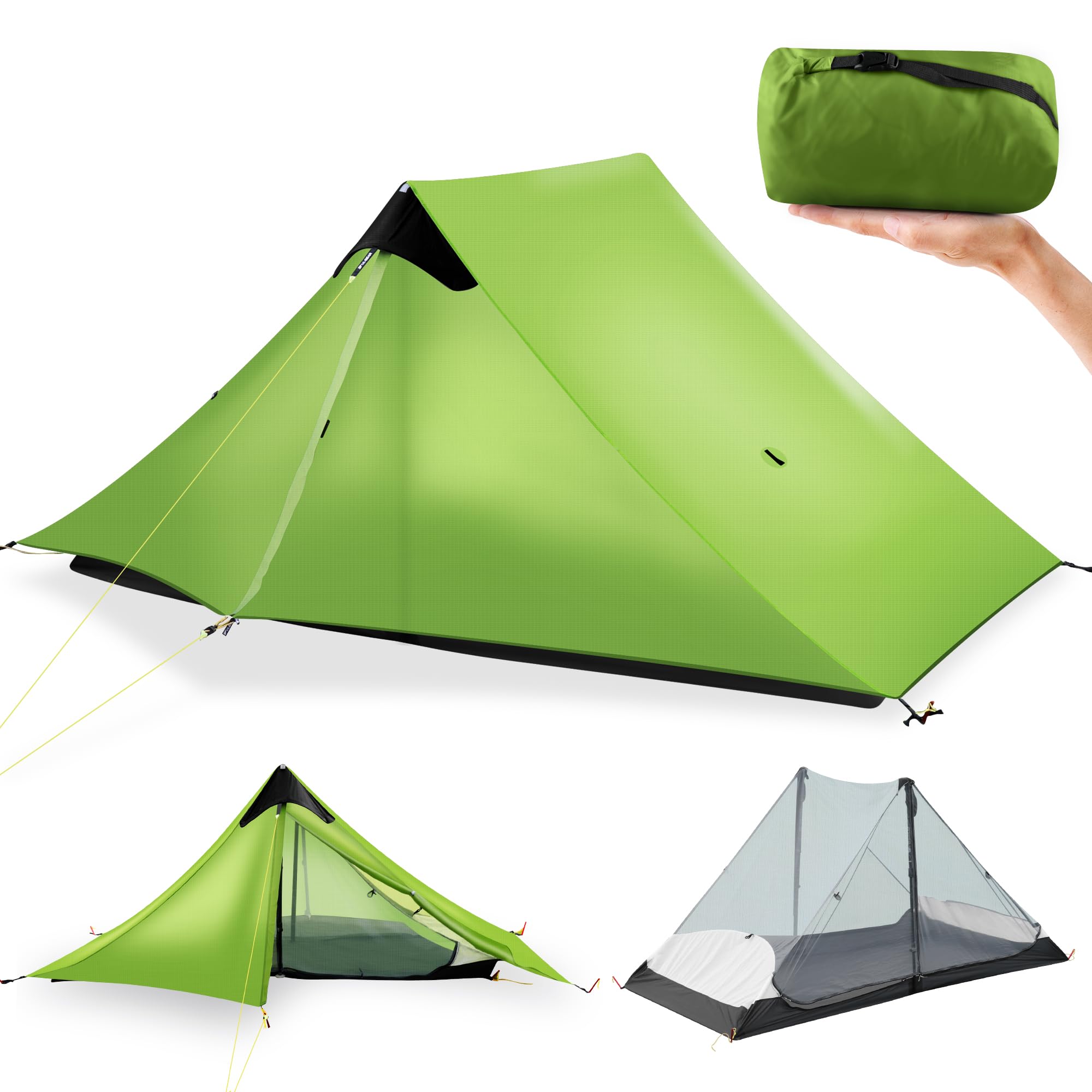
9 Best Ultralight Backpacking Tent of 2026: True Sub-3-Lb Picks

Find an ultralight backpacking tent that actually hits sub-3-lb trail weight and fits how you travel, not just one labeled ultralight.

The word 'ultralight' is applied to 4- and 5-lb tents as often as to true sub-3-lb shelters. For a traveler, the only number that matters is trail weight: what the packed tent actually weighs with stakes, stuff sack, and any included footprint. Marketing language alone is not a usable spec.

The trade-off is real: every saved ounce tends to cost interior space, ventilation, or setup convenience. Trekking-pole shelters cut the most weight but assume you already carry poles and have time to practice. Freestanding domes are easier to manage but usually heavier for the same comfort.

A 2.3-lb solo shelter and a 4.7-lb two-person tent are different tools. The right choice depends on whether you sleep alone, split the load with a partner, or want room for gear โ€” and comparing trail weight across those use cases is the fastest way to avoid a miss.

1

Best Overall Ultralight
Naturehike Star Trail UL

83 /100
Traveler Score Excellent

Key details

Packed Size
17.7 x 5.1 in
Setup Style
Freestanding, 2-pole
Interior Size
86.6 x 59.1 in
Rain Protection
Fly 1500mm / floor 3000mm
Check Details on Amazon

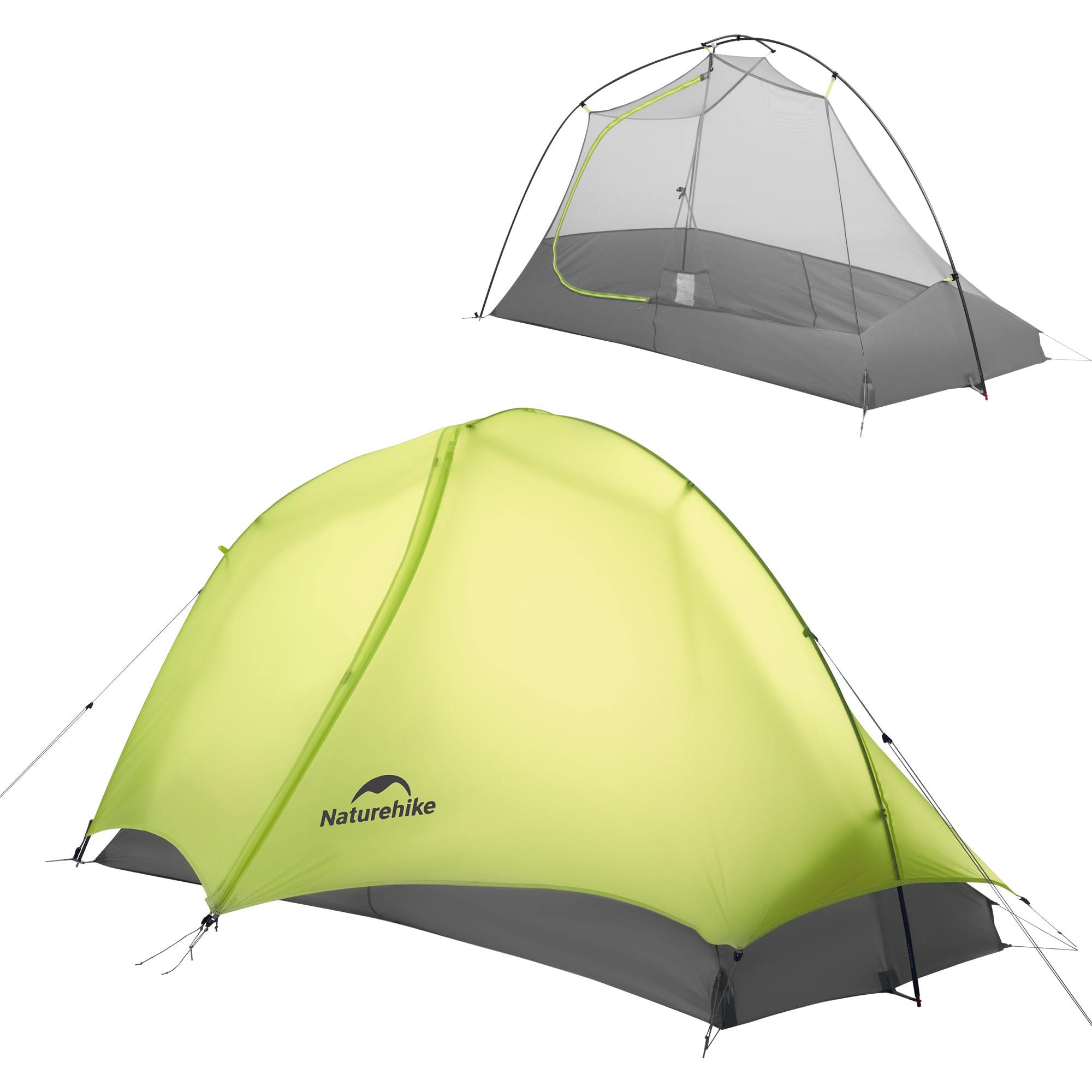
The Star Trail gets the ultralight math right: the full freestanding tent, poles included, weighs 2.3 lb and packs down to 17.7 x 5.1 inches. That places it under the 3-lb cutoff that separates true ultralight shelters from lightweight ones, and it does so without trekking-pole construction or a bivy-style squeeze. The 2.3-lb figure covers the complete kit, not just the fly and body, so the weight on the spec sheet is the weight you carry. Few listings in this category can make that claim with a full two-pole frame.

On trail, the Star Trail handles blustery ridgelines and overnight rain without sagging or letting moisture through. The 1500mm fly is not a heavy-storm rating, but paired with the 3000mm floor it covers the weather most 3-season backpackers hike in. The aluminum poles keep the structure stable in gusty conditions, and the compact packed size makes it a natural bikepacking shelter that fits where many dome tents will not. A solo hiker can slide it into a main pack compartment beside food and layers without reworking the whole load.

Setup rewards a little practice rather than demanding it. After a couple of tries, the pitch goes quickly, and because the frame is freestanding you can shift the tent to a better patch of ground before staking. That matters on rocky and hard-packed campsites where a trekking-pole shelter would fight you. If the first corner lands on a root, rotate the whole tent a few inches and get a better anchor.

Priced in the mid-range for ultralight gear, the Star Trail undercuts the usual premium for a sub-3-lb tent while keeping a full freestanding frame and aluminum poles. It is a cost-effective way into true ultralight camping without the boutique price, and the 59.1-inch floor width gives an average-size sleeper room for a wide pad with a little space to spare.

This is a true 1P shelter, and couples with a shared sleep system should look at the larger options in this set. For solo thru-hikers, bikepackers, and 3-season campers who pack by volume and weight, it lands in the right spot. Average-size adults will fit comfortably; taller or larger users should treat the 86.6 x 59.1-inch floor and tapered walls as the limit. Humid-climate hikers should account for condensation in their packing list. Those tradeoffs are easy to accept when the whole shelter weighs less than a loaded water bottle.

๐Ÿ’ก On humid nights, crack the fly door on the lee side to keep air moving without letting rain in.

Pros

  • Whole tent, poles included, weighs 2.3 lb
  • Packed size fits easily in a backpack or on a bike, leaving room for other gear.
  • Pitch is intuitive once learned, with a freestanding two-pole frame.
  • Held up in wind and rain on trail, with a 1500mm fly and 3000mm floor.
  • Mid-range price for the ultralight category, undercutting premium rivals.

Cons

  • The rainfly lacks a top vent, so humid nights can leave condensation inside.
  • The interior is snug for taller or larger users, and the vestibule leaves limited gear room.
Our verdict

For solo hikers and bikepackers who count ounces, the Star Trail delivers a true sub-3-lb freestanding tent that packs small and keeps the price within reach.

Check Latest Price
2

Best Budget Ultralight Solo

Clostnature Solo Ultralight

89 /100
Traveler Score Excellent

Key details

Packed Size
15 x 5.1 in
Setup Style
Freestanding, 2-pole
Interior Size
86.6 x 32 in
Rain Protection
PU 5000mm
Check Details on Amazon

A solo shelter that pitches fast with two aluminum poles and a clip-and-hook frame, the Clostnature keeps freestanding convenience affordable. First-time backpackers get an easy setup without the premium price usually attached to that convenience.

This tent fits budget solo hikers, scouts, and first-time backpackers who want a freestanding shelter at an entry-level price. The spec sheet lists a 4.2-lb minimum trail weight while the marketing bullet says 2.97 lb, so treat it as a lightweight freestander rather than a strict ultralight; buyers chasing a true sub-3-lb number will find that in the slimmer option in this set.

The 5000mm PU-rated floor and fly handle wet weather, and the freestanding frame holds its shape in gusty conditions once staked. Packed size is 15 x 5.1 inches, so it fits inside most packs without dominating the main compartment.

Stitching and pole hubs feel more substantial than the price suggests, which gives it a durable, multi-day character. The two-pole geometry stays taut in wind, a trait that is not guaranteed at this price. For first-timers, that means a tent that behaves predictably without demanding careful handling.

Pros

  • Fast freestanding setup with two aluminum poles and clip-and-hook attachment.
  • Stripped configuration is light enough for weekend backpacking.
  • Stitching, pole hubs, and fabric feel above the budget price point.
  • Freestanding geometry handles multi-day trips and gusty conditions once staked.

Cons

  • Mesh and zippers can show assembly flaws on arrival.
  • The 32-inch-wide floor can feel tight for broad-shouldered or tall users.
  • The full kit weighs around 4 lb, heavier than the ultralight positioning implies.
Our verdict

For budget-conscious solo backpackers who value an easy pitch and a sturdy feel, this is the low-stress freestanding pick.

Check Latest Price
3

Premium Ultralight Bikepacker

Big Agnes Copper Spur

87 /100
Traveler Score Excellent

Key details

Packed Size
13.5 x 6 in
Setup Style
Freestanding, DAC poles
Interior Size
20 sq ft
Rain Protection
Nylon ripstop
Check Details on Amazon

The Copper Spur HV UL holds a 2 lb 5 oz trail weight while keeping the packed length at 13.5 inches, a combination aimed squarely at riders who need a freestanding shelter that disappears into a frame bag. DAC Featherlite NSL poles deliver stable geometry without adding bulk, and the tent stands apart from the slimmer option in this set by prioritizing bike-specific packability over the lowest possible total ounces.

The 20 sq ft interior is organized enough to feel larger than its footprint, with storage placements that keep small gear away from the sleeping area. The freestanding frame allows the tent to be moved and leveled before staking, which matters on the irregular ground where bike trips end. For riders, the short pole and sack length is the defining trait: it tucks into frame bags and panniers without forcing you to strap a long bundle across the seat pack.

Buyers here are bikepackers, motorcycle campers, and solo travelers who want a premium long-term shelter and accept a higher price in exchange for compact packed length. The snug stuff sack rewards a patient roll, so plan a few extra minutes at breakdown. Budget buyers and anyone expecting a true two-person interior will be better served by a wider, less specialized silhouette.

๐Ÿ’ก Fold the inner and fly separately when packing, and give the poles their own moment to settle; the short sack rewards a deliberate hand.

Pros

  • True ultralight trail weight with freestanding DAC poles keeps the shelter below the 3-lb backpacking threshold.
  • Short 13.5-inch packed length tucks into frame bags and panniers, which is the core need for bikepackers.
  • Roomy-feeling interior with organized storage makes the solo space comfortable for long tours.

Cons

  • After a long ride, the compact stuff sack asks for a careful roll and a few extra minutes.
  • The premium price sits well above budget ultralight options, so it makes sense mainly for committed travelers.
Our verdict

For anyone who carries gear on two wheels and wants a sub-3-lb freestanding shelter, the Copper Spur HV UL makes packed length the priority without treating weight as an afterthought.

Check Latest Price
4

Trekking-Pole Ultralight Value

FBSPORT Lanshan UL

84 /100
Traveler Score Excellent

Key details

Packed Size
โ€”
Setup Style
Trekking-pole A-frame
Interior Size
โ€”
Rain Protection
Fly 5000mm / floor 6000mm
Check Details on Amazon

The Lanshan is a genuine ultralight trekking-pole shelter at roughly 2.2 lb once you add your own poles, and it reaches that weight without high-end fabrics or a premium price. Packed size is small enough to ride inside a backpack, and the A-frame layout goes up quickly after the pole positions and stake points become familiar. Hikers who already own poles get the biggest payoff: maximum weight savings for a mid-range outlay.

Storm performance is more assured than the feathery build implies, with a 5000mm fly and 6000mm floor holding up during exposed camps in wind and rain. The value story stays intact next to heavier budget domes, since the Lanshan saves roughly two pounds on trail while remaining in reach for budget ultralight buyers.

The right buyer is a minimalist solo hiker who already carries trekking poles and wants a genuine sub-3-lb shelter without paying for premium ultralight fabric. Expect to practice the pitch before a trip, keep vents open on humid nights, and treat the floor as one adult plus gear rather than a full two-person tent. For that buyer, those boundaries translate into a compact, storm-worthy shelter at an accessible price.

๐Ÿ’ก Do one backyard dry run with the trekking poles you plan to carry, so the A-frame pitch feels automatic.

Pros

  • Trims shelter weight to roughly 2.2 lb when paired with trekking poles you already own.
  • Packs down compact enough to stow inside a backpack rather than on the outside.
  • A-frame setup becomes quick once the pole and stake positions are committed to memory.
  • Storm durability holds up in wind and rain for the weight class.

Cons

  • In humid weather, condensation can leave the inner tent damp unless vents are kept open.
  • Requires trekking poles and a practice pitch before the non-freestanding setup feels natural.
  • The floor is roomy for one adult plus gear, but two adults will feel snug side by side.
Our verdict

For solo trekkers who already own poles, the Lanshan is the lightest mid-range shelter in this set without sacrificing storm coverage.

Check Latest Price
5

Budget 2P Campers

Clostnature 2P Lightweight

92 /100
Traveler Score Outstanding

Key details

Packed Size
16.5 x 5.9 in
Setup Style
Freestanding, 2-pole
Interior Size
86.6 x 59 in
Rain Protection
PU 5000mm
Check Details on Amazon

The Clostnature 2P is the budget dome to beat when floor space and access matter more than pack weight. Its 86.6 x 59-inch floor and twin doors give two campers their own entry, and clip-and-hook poles make setup quick. Aluminum poles add stability in gusty sites. The 5000mm rain rating and coated fabric hold up in three-season weather, which suits scout trips and short backpacking routes. The trail weight is the boundary keeping this out of the sub-3-lb ultralight class; splitting the shelter between two packs keeps the weight realistic for the budget camper this dome serves.

Pros

  • Twin doors and vestibules let two campers enter and stow gear without climbing over each other.
  • Clip-and-hook pole attachment sets up fast in wind or drizzle, so bad-weather pitches are brief.
  • Good build quality and materials for the price, with a 5000mm rain rating that handles real weather.

Cons

  • Stock stakes can bend in hard or rocky ground; replacing them removes the concern.
  • A 4.52-lb trail weight places this in lightweight territory, not the sub-3-lb ultralight class this buyer wants.
Our verdict

Best for budget campers who value a spacious two-person dome and will split the carry weight; strict ultralight buyers should keep looking.

Check Latest Price
6

Couples Splitting Weight

Naturehike Mongar 2P

89 /100
Traveler Score Excellent

Key details

Packed Size
19.7 x 5.9 in
Setup Style
Freestanding, 3-pole
Interior Size
82.7 x 53.2 in
Rain Protection
Fly/floor 4000mm
Check Details on Amazon

Spacious floor and a three-pole freestanding frame make this a comfortable double-wall 2P shelter at a mid-range price. The 4000mm fly/floor rating keeps wet weather outside, and the 82.7 x 53.2-in floor works for two sleepers or one person plus gear. It is a lightweight 2P tent at 4.73 lb, not a sub-3-lb ultralight, so couples splitting the carry get a fair per-person load while solo ultralight hikers should pass. The side vestibules are compact for two large packs, and the stock stakes can bend in hard ground; replacing the stakes is a small upgrade.

Pros

  • Spacious 82.7 x 53.2-in floor gives two sleepers room to move, or one person room to spread out with gear.
  • Double-wall build with 4000mm fly/floor protection keeps the sleeping area dry in heavy rain.
  • Freestanding three-pole frame sets up quickly and holds its shape in wind.

Cons

  • Stock stakes can bend in hard ground; swapping in stronger pegs is a cheap fix.
  • Side vestibules are compact; two people with large packs have to stage gear carefully.
Our verdict

The right fit is a couple that values interior space and wet-weather confidence over the last pound.

Check Latest Price
7

Budget Solo Campers

KAZOO Ultralight Solo

86 /100
Traveler Score Excellent

Key details

Packed Size
20 x 6 in
Setup Style
Freestanding, 1-pole
Interior Size
83 x 36 in
Rain Protection
3000mm
Check Details on Amazon

The KAZOO is an easy-pitching, freestanding solo dome that pairs a recycled fabric body with an accessible price. Entry-level backpackers and scouts will appreciate how fast it goes up and how it undercuts costlier alternatives. The 3.3-lb trail weight is reasonable for a budget tent but not genuinely ultralight, which is the main reason it sits below the stricter picks in this roundup. The 83 x 36 in floor limits interior space for taller users, so keeping gear inside means careful packing. For a fair-weather first tent, the KAZOO works; for a serious sub-3-lb backpacking kit, it doesn't.

Pros

  • Single-pole setup gets a solo dome standing quickly for first-time campers.
  • Build quality matches the budget price, so entry-level buyers get a usable shelter.
  • At 3.3 lb, the trail weight is manageable for beginner backpackers.

Cons

  • No true vestibule means wet or bulky gear has no covered spot outside the tent.
  • Water resistance and hardware durability can vary between units, so a weather check before longer trips is worthwhile.
Our verdict

For first-time solo backpackers who prioritize recycled fabric and an easy pitch, the KAZOO fits โ€” as long as expectations stay at entry level.

Check Latest Price
8

Budget Trekking-Pole Hikers

Underwood Trekking 2P

82 /100
Traveler Score Excellent

Key details

Packed Size
14 x 5.5 in
Setup Style
Trekking-pole A-frame
Interior Size
87 x 59 in
Rain Protection
PU 5000mm
Check Details on Amazon

The Underwood Aggregator 2P is a budget trekking-pole A-frame with a 3.2-lb trail weight and a packed size of 14 x 5.5 in. The 87 x 59-in floor gives two adults, or one adult with kids, enough space to sleep without crowding.

That weight places it just above the strict sub-3-lb ultralight cutoff, and the pole-only build means it only suits hikers who already carry sticks or trekking poles and will not stand on its own. The use-case boundary, rather than any construction flaw, is why it trails the lighter trekking-pole shelter in this guide. Scouts and minimalists on a strict budget will accept the extra ounces.

Pros

  • Set up is quick once trekking poles are in hand.
  • Build quality is higher than the entry-level price implies.
  • Great value for a two-person trekking-pole shelter.

Cons

  • Zippers can be vulnerable and need careful handling to keep working.
  • In sustained rain, water resistance can be inconsistent; seam sealing helps.
Our verdict

For a stripped-down kit where pack volume matters more than the last few ounces, the Aggregator is the budget pick.

Check Latest Price
9

Starter Solo Campers

Underwood 1P Solo

86 /100
Traveler Score Excellent

Key details

Packed Size
15 x 5.1 in
Setup Style
Freestanding, 2-pole
Interior Size
86.6 x 31.8 in
Rain Protection
PU 5000mm
Check Details on Amazon

The Underwood is an entry-level freestanding shelter with two aluminum poles and a packed size of 15 x 5.1 inches. Zippers move cleanly and the 5000mm floor and fly provide wet-weather protection for occasional use. The interior and vestibule are compact, so gear storage is limited to overnight essentials rather than a full backpacking kit. At 4.2 lb trail weight, it misses the strict sub-3-lb ultralight intent and will feel heavy on longer backpacking days; large adults may also find the 31.8-inch floor snug. That tradeoff is acceptable for youth trips, scout outings, or first-time campers who prioritize low cost and simple setup over grams.

Pros

  • Good overall construction and strong zippers for a budget tent.
  • Quick setup with two aluminum poles and a compact packed size.
  • Light enough for short backpacking trips.

Cons

  • Compact interior and vestibule limit gear storage to overnight essentials.
  • At 4.2 lb trail weight, it is a lightweight shelter rather than an ultralight one.
Our verdict

For youth and scout trips or short overnights where low cost and easy setup come first, the Underwood is a reasonable starter tent.

Check Latest Price

How to Choose

Trail vs Packed Weight

Trail weight often excludes stakes, the stuff sack, and sometimes the footprint, so a tent can look ultralight on paper and heavier on your back. For a 2-person model, the gap can easily reach a pound once extras are added. Weigh the full kit at home once, then compare that number against your base-weight budget.

Manufacturers also differ on whether to include pole bags and guylines, so compare actual packed weights rather than trusting the biggest font.

Interior Dimensions

Floor width decides whether two adults can actually sleep side by side. Many 2P tents are 50โ€“53 inches wide, which fits two pads with little shoulder clearance. For solo use, an 86-inch length works for most 6-foot sleepers, but wide shoulders demand checking peak height and wall angle too.

Tapering at the feet can reduce usable length even when the spec looks generous.

Setup Style

Freestanding tents can be picked up and moved before staking, which helps on hard or rocky ground. Trekking-pole tents save 1โ€“2 lb by using your hiking poles for structure, but they cannot stand alone and need practice to pitch tautly.

A backyard test pitch before a trip removes most of the frustration.

Rain Protection

A higher hydrostatic head rating means more resistance to water pressure; 3000mm handles normal rain, while 5000mm adds margin for storms. Rainfly coverage and vents matter just as much, because a fully enclosed fly without a top vent traps condensation.

Even a high rating won't help if seams are unsealed, so treat seam sealing as part of rain protection.

Packed Size

Packed length matters for bikepackers and small packs: 13โ€“15-inch bundles fit frame bags, while 17โ€“20-inch bundles usually strap outside. A smaller tent footprint also means less vestibule storage, so decide whether gear sleeps inside or outside.

If you carry a bear canister or a large pack, vestibule space becomes as important as the packed dimensions.

Frequently Asked Questions