7 Best Ultralight 1-Person Tent 2026: True Sub-2.5-Lb Picks

Find a genuine ultralight 1 person tent that stays near 2 lb once stakes, footprint, and stuff sack are packed — without sacrificing a dry night of sleep.

A tent can say ultralight on the box and still weigh 3.8 lb once the stakes, footprint, and stuff sack are inside your pack. For solo hikers counting ounces, the label matters less than the fully packed weight and the setup style that weight requires.

Genuine sub-2.5-lb solo shelters come in two forms: freestanding tents with included poles that cost a bit more, and trekking-pole shelters that save ounces but need poles and practice to pitch. Both work; the right choice depends on whether you already carry poles and how often you camp on rock or platforms.

This guide sorts the field by actual trail weight, usable floor length, and the trade-offs that surface after a few rainy nights — so you can match the shelter to your hiking style instead of fighting it.

1

Best Overall

Naturehike Star Trail

83 /100
Traveler Score Excellent

Key details

Setup Type
Freestanding, aluminum poles
Floor & Height
86.6 x 59.1, 45.3
Size & Inclusions
Footprint included
Waterproof Rating
1500mm fly / 3000mm floor
Check Details on Amazon

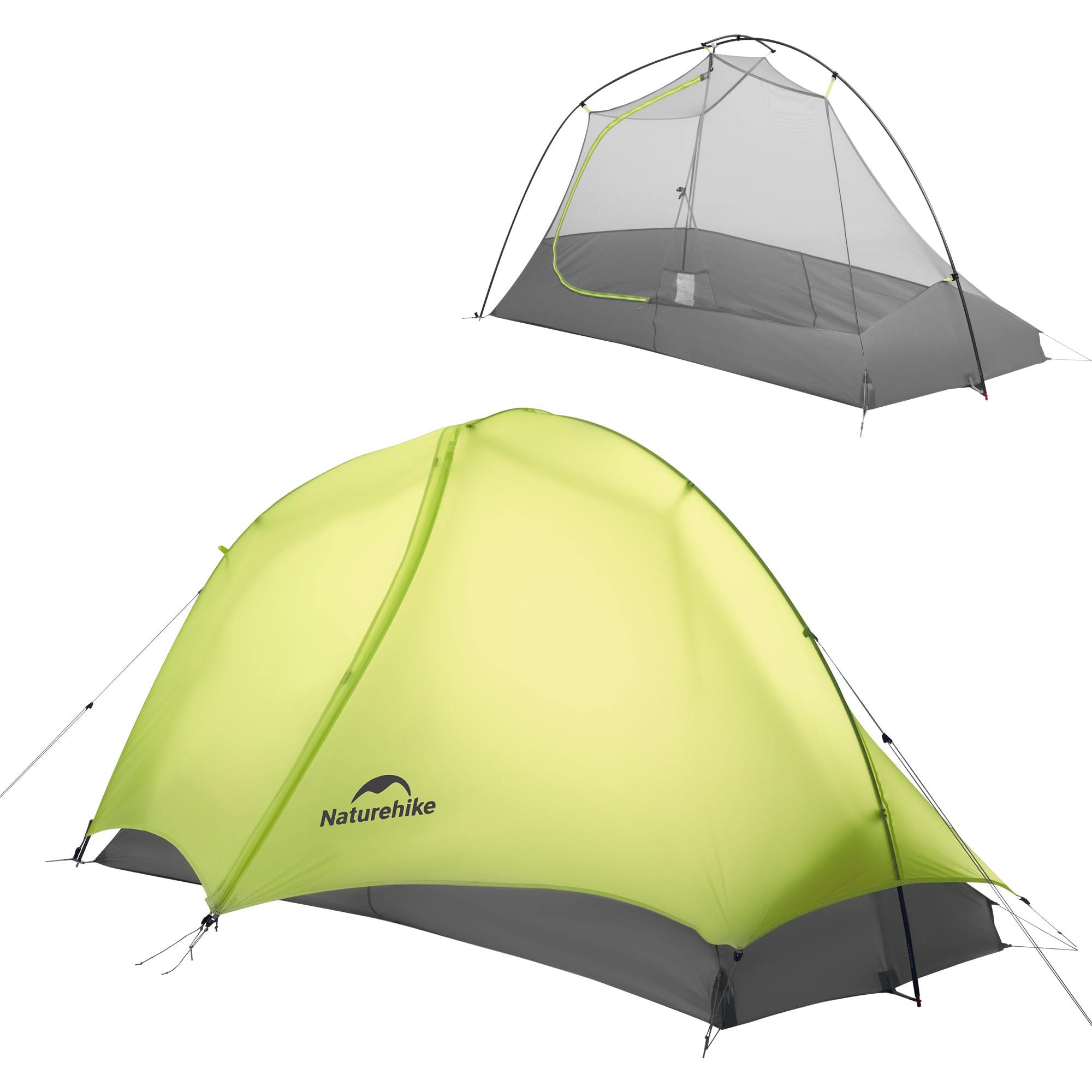
At 2.3 lb trail weight, the Star Trail clears the loose ultralight solo threshold while remaining fully freestanding. That matters for hikers who do not want a shelter that depends on finding the correct stake angle for trekking poles. Two aluminum poles pitch it in about three minutes, and the 86.6-by-59.1-inch floor leaves a 6-foot hiker room to stretch out — a rare fit in this weight class. It is the only tent in this comparison that pairs a sub-2.5-lb carry weight with freestanding poles.

Water resistance is credible for the weight. The 1500mm fly has kept occupants dry through three consecutive rainy trail nights, and the 3000mm floor handles wet ground without damp socks. The included footprint adds a second layer of protection for hard-use campsites. At 45.3 inches, the peak height is enough to sit up and change layers without crouching, and the low profile holds its shape in gusty wind.

The Star Trail is aimed at solo ultralight backpackers and thru-hikers around 6 ft tall who want a genuine ultralight shelter without a trekking-pole commitment. The floor length is the main draw for taller hikers, yet the packed volume stays small enough for a frameless pack. At 59.1 inches wide, a wide sleeping pad leaves enough room to move without pressing against the walls. The rainfly has no top vent, so calm, humid nights can leave condensation on the inner walls; a breezy ridge or leaving the door cracked reduces that effect. Gear storage is the other boundary: a big pack or extra gear will not fit beside the sleeping pad, so bulky items belong in the limited vestibule or under a pack cover.

The tradeoff against the lighter trekking-pole shelter in this set comes down to what you already carry. That shelter saves a few ounces only if you hike with poles; the Star Trail's included aluminum poles work on hard-packed ground, tent platforms, and uneven pads where a trekking-pole anchor is difficult to set. The mid-range price undercuts dedicated ultralight shelters with similar specs, and the included footprint removes a separate purchase. Strict budget buyers will find cheaper entry-level options elsewhere in this set, but those options trade up to more pounds for the money saved. For hikers who value a self-supporting pitch more than the last couple of ounces, that is the decisive difference.

💡 On still, humid nights, crack the door or pitch in a light breeze to manage condensation.

Pros

  • Carries a genuine 2.3-lb trail weight without sacrificing a freestanding frame.
  • The long floor fits a 6-foot hiker comfortably, which is rare in solo tents.
  • Sets up in about three minutes with the included aluminum poles.
  • Handles three-day rain stretches and damp ground with ratings that match its class.
  • Included footprint and aluminum poles make the mid-range price a fair trade.

Cons

  • Limited vestibule space leaves bulky gear outside or under a cover.
  • Rainfly has no top vent; condensation can build on humid, windless nights.
Our verdict

For solo hikers who want a genuine ultralight load without the trekking-pole commitment, the Star Trail is the shelter to pack.
Check Latest Price
2

Ultralight Trekking-Pole Pick

MIER Lanshan 1P

85 /100
Traveler Score Excellent

Key details

Setup Type
Trekking-pole shelter
Floor & Height
49.2 peak
Size & Inclusions
12.6 x 4.7 x 5.5
Waterproof Rating
5000mm fly / 6000mm floor
Check Details on Amazon

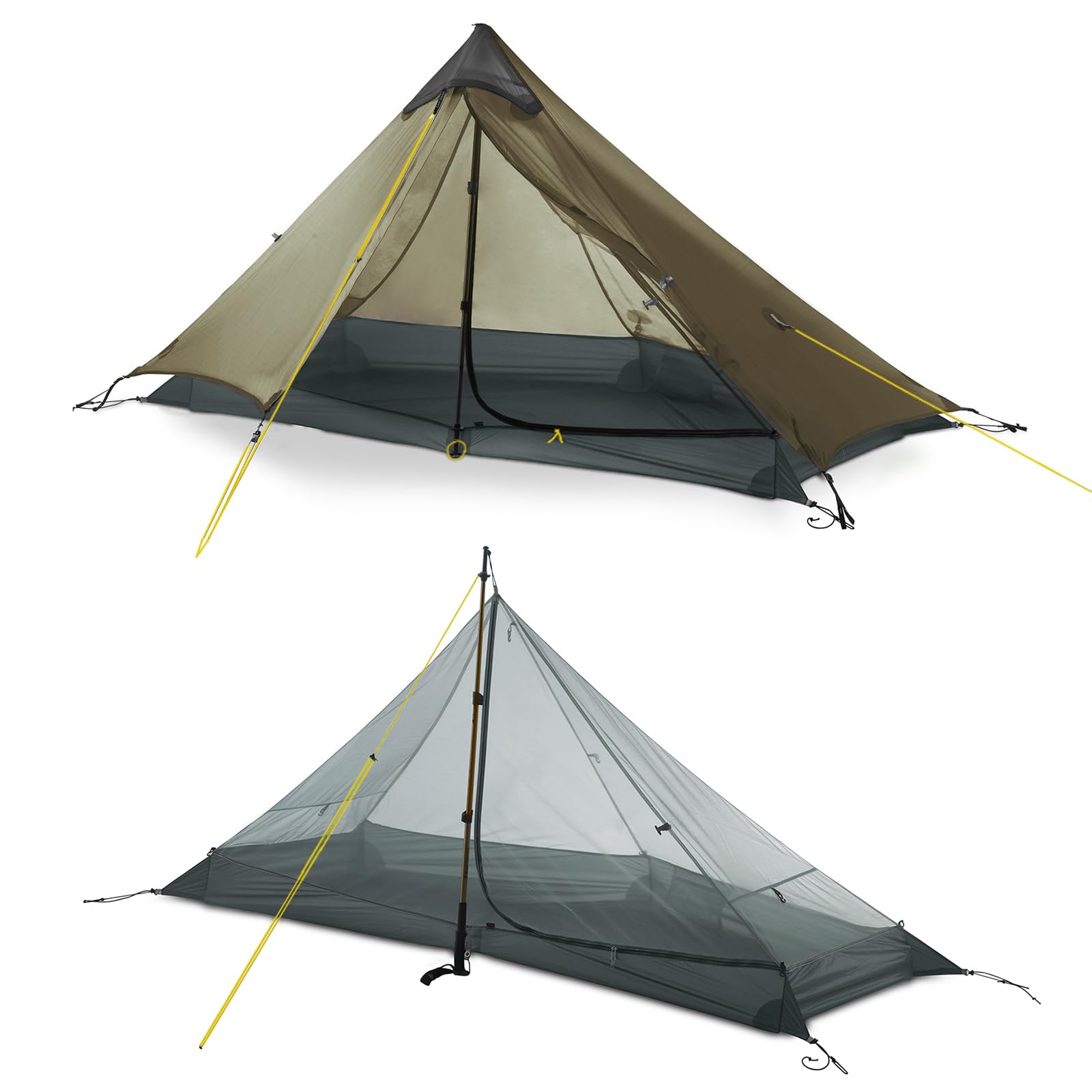
At 2.1 lb, the Lanshan 1P is the lightest shelter in this set, and the high-mesh canopy gives warm-weather hikers airflow other lightweight solo tents do not match. Fabric and hardware feel more substantial than the mid-range price suggests.

The 49.2-inch peak gives enough sitting headroom for average-sized solo hikers, and the 12.6-inch packed length fits inside a pack rather than hanging off the outside. The fly packs into a compact bundle that is easy to stash in a side pocket.

Pitching needs a trekking pole: one pole lifts the head end, and the corners require deliberate stake placement. The first attempt can be confusing, but the sequence becomes routine after a few practice pitches. A clean, taut setup handles wind well.

This tent works best for gram-conscious backpackers who already carry trekking poles and value ventilation over quick setup. Those wanting a freestanding pitch should look at the freestanding ultralight option in this set; the Lanshan is not freestanding, despite product details that can suggest otherwise. Water-resistance reports vary, so seam-sealing before wet trips is reasonable prep; larger sleepers will find the interior tight, but average-sized solo hikers get a livable space at a weight that keeps pack loads down.

💡 Practice the pitch once at home so the stake pattern is familiar before you need it in the field.

Pros

  • 2.1-lb base weight keeps solo pack loads genuinely light.
  • Fabric and hardware feel above the price point.
  • Cost-effective entry into a true ultralight solo shelter.
  • Holds up in wind and rain when pitched taut.

Cons

  • The 49.2-inch peak and single door feel snug for larger users.
  • Pitching requires a trekking pole and a patient first attempt.
  • Water protection can vary by pitch and may need seam-sealing before wet trips.
Our verdict

A mid-range price buys the lightest solo shelter in this comparison for trekkers who already carry poles.

Check Latest Price
3

Beginner Backpackers

Naturehike Cloud Up 1P

86 /100
Traveler Score Excellent

Key details

Setup Type
Freestanding, 1 pole
Floor & Height
Size & Inclusions
15.3 x 5.1 x 5.1
Waterproof Rating
4000mm+
Check Details on Amazon

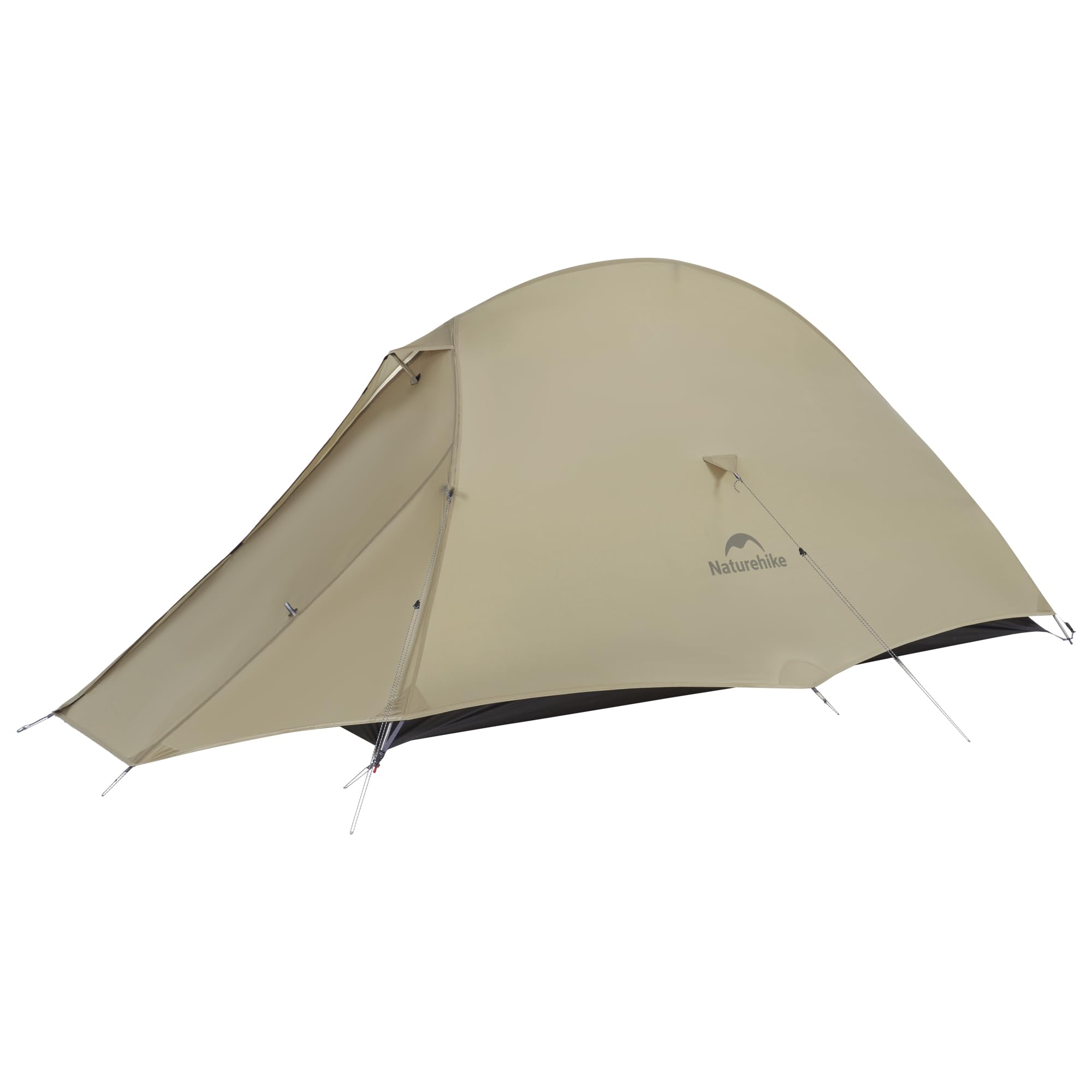
The Cloud Up 1P is the easiest freestanding setup in this set: one aluminum pole, a frame that stands on its own, and enough interior space for a 25-inch pad plus gear. It also comes in well below the price of true ultralight shelters. The 3.6-lb total weight is the boundary: it misses the sub-2.5-lb ultralight threshold, so beginner backpackers and casual solo campers get the value. On rocky or compacted sites, the soft stakes and lightweight floor/fly need a careful pitch, which keeps it on established campsites more than alpine boulder fields.

Pros

  • One-pole freestanding pitch goes up quickly without trekking-pole fiddling.
  • Interior fits a 25-inch sleeping pad with room left for gear.
  • Budget-friendly price with construction that suits entry-level backpackers.

Cons

  • The door opening is compact, so taller or broader hikers may find entry a squeeze.
  • Airflow is limited in calm, humid weather.
Our verdict

This is the budget fallback for solo campers who want a simple, roomy freestanding tent without spending premium money.

Check Latest Price
4

Bikepackers, Moto Campers

Featherstone UL Obsidian

87 /100
Traveler Score Excellent

Key details

Setup Type
Freestanding, aluminum poles
Floor & Height
81 x 38.4, 45
Size & Inclusions
Footprint included
Waterproof Rating
2000mm hydrostatic head
Check Details on Amazon

The Featherstone UL Obsidian is the roomiest freestanding solo option in this set, with a real vestibule and enough interior space to keep a packed backpack out of the sleeping area. The separately listed 3.8-lb item weight sits next to the 3 lb 3 oz trail figure, so confirm the exact variant before relying on the lighter spec. The wide floor and 45-inch peak give solo campers space to sit up and organize gear, while the aluminum-pole pitch suits motorcycle and bikepacking trips that need quick setup. This is a comfortable middle-ground shelter for hikers who treat the 2-lb ultralight target as a preference rather than a requirement.

Pros

  • Freestanding aluminum poles and color-coded hubs make setup quick, even after a long ride.
  • Real vestibule and wide floor give solo campers covered gear storage and room to move.
  • Bathtub floor and 2000mm hydrostatic head handle three-season rain when pitched taut.

Cons

  • Trail weight and item weight conflict, so verify the exact variant before trusting the lighter figure.
  • Listed at 3 lb 3 oz, it misses the 2-lb-class ultralight target; strict ultralight hikers need a lighter shelter.
Our verdict

Choose it for motorcycle or bikepacking trips where gear storage and no-fuss pitching beat a lower trail weight; weight-focused solo hikers should start with the 2.3-lb freestanding model.

Check Latest Price
5

Budget Beginner Hikers

Clostnature 1P Tent

92 /100
Traveler Score Outstanding

Key details

Setup Type
Freestanding, 2 poles
Floor & Height
86.6 x 31.9
Size & Inclusions
Waterproof Rating
PU5000
Check Details on Amazon

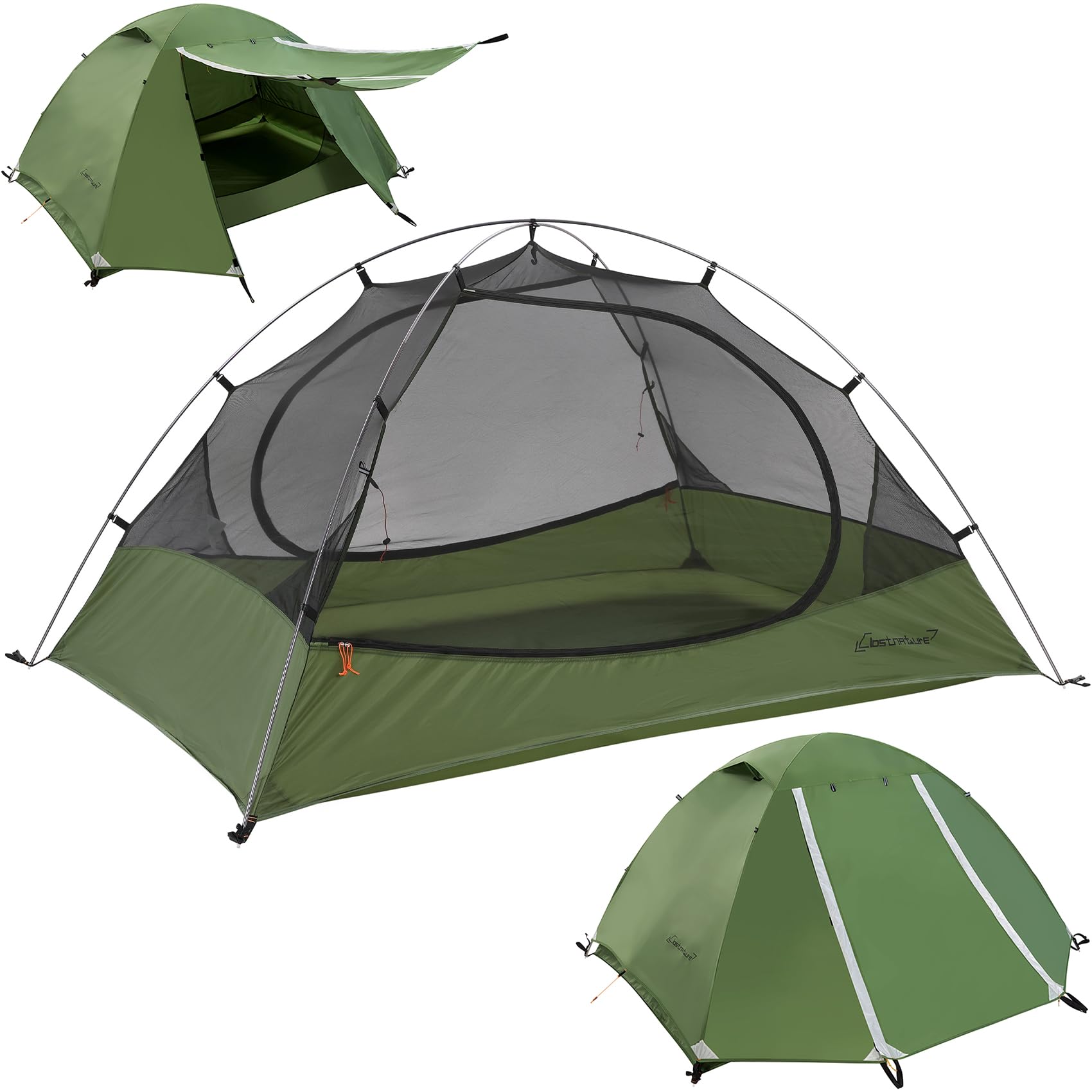
The Clostnature 1P gets the essentials right for a budget solo shelter: two doors, an easy freestanding pitch, and an interior long enough for a 6 ft 2 in sleeper. Weather resistance depends on a taut pitch and sealed seams, and occasional pole or zipper issues have been noted. This is not a strict ultralight tent, so it is not among the 2 lb solo picks here; the packed weight and unit-to-unit consistency are the limiting factors. For a first-time solo backpacker focused on budget and ease, the two vestibules and fast setup make the extra poundage a fair trade.

Pros

  • Two-door freestanding design with an aluminum-pole pitch that goes up quickly.
  • Interior fits a 6 ft 2 in sleeper with a little room to spare.
  • Budget price makes it an easy first step into solo backpacking.

Cons

  • The included stakes can bend in hard ground; swapping them for stronger pegs is a low-cost fix.
  • Fully packed weight sits at 3.85 lb, well above the 2 lb solo target.
Our verdict

For a beginner who wants a low-cost, easy-pitching solo tent and can live with the extra weight, this is the practical starter choice before investing in a true ultralight shelter.

Check Latest Price
6

Eco-Conscious Campers

KAZOO 1P Tent

86 /100
Traveler Score Excellent

Key details

Setup Type
Freestanding, 1 pole
Floor & Height
83 x 36 x 40
Size & Inclusions
Waterproof Rating
3000mm
Check Details on Amazon

The KAZOO 1P wraps GRS-certified recycled polyester around a single aluminum pole, so the tent stands on its own after a straightforward pitch and gives new backpackers an easy first solo shelter. At 3.3 lb, it misses the strict sub-2.5-lb solo ultralight target, so weight-focused hikers should keep looking. Water resistance can vary from one pitch to the next, and the lack of a true vestibule means wet gear shares the sleeping area on damp trips. That keeps it in the budget tier: a recycled, easy-pitch tent for casual fair-weather solo camping.

Pros

  • Single-pole freestanding pitch gets first-time backpackers set up without fuss.
  • GRS-certified recycled polyester gives the budget price an uncommon eco angle.
  • Build quality suits a casual solo tent at this price.

Cons

  • With regular backpacking use, mesh and strap wear can show up sooner than on higher-priced shelters.
  • On uneven or rocky ground, the aluminum pole can bend under load.
Our verdict

Buy it for casual solo trips where setup simplicity and a recycled build are the priorities.

Check Latest Price
7

Casual Campers

Underwood Aggregator 1P

86 /100
Traveler Score Excellent

Key details

Setup Type
Freestanding, 2 poles
Floor & Height
86.6 x 31.8 x 35.8
Size & Inclusions
15 x 5.1 x 5.1
Waterproof Rating
PU5000 fly
Check Details on Amazon

The least expensive option in this set pairs a simple freestanding frame with sturdy zippers and a floor that feels less cramped than the price implies. That makes it a sensible starter shelter for teens, families, or short hike-in trips. At 4.2 lb, though, it is the heaviest tent here, and the 'ultralight' label does not match the solo ultralight intent. For weight-sensitive hikers or long-distance backpackers, the budget lightweight favorite in this set is a better use of pack space.

Pros

  • Strong zippers and tidy finishing hold up well for light-duty trips.
  • No-fuss freestanding pitch with two aluminum poles gets campers inside quickly.
  • The empty floor feels more generous than the budget price suggests.

Cons

  • With a sleeping pad and pack, the one-person floor can feel tight.
  • The 'ultralight' label overstates how suitable this is for multi-day carry.
Our verdict

For a first tent, a family spare, or a short walk to a campsite, this budget shelter makes sense; anyone building a multi-day solo kit should give the pack space to a lighter option.

Check Latest Price

How to Choose

Trail Weight vs Packed Weight

Manufacturers often quote minimum trail weight: tent body, fly, and poles only. Footprint, stakes, and stuff sack can add 0.5–1 lb to your pack.

That gap matters most on multi-day trips, where every ounce multiplies across miles. Weigh the full kit before you trust the label, and compare packed weight when deciding between two shelters.

Freestanding vs Trekking-Pole Setup

Freestanding tents hold their shape with included poles, which makes them easy to pitch on rock, sand, or wooden platforms. The trade-off is extra pole weight and packed volume.

Trekking-pole shelters use your hiking poles as the main support, saving 0.5–1 lb, but they need firm soil for stakes and a practiced pitch. If you don't already hike with poles, the weight savings disappear once you buy dedicated support poles.

For established tent pads or alpine rock, a freestanding tent is usually the better tool. For forest-floor camps where stakes bite well, a trekking-pole shelter rewards the extra setup time.

Floor Length and Peak Height

Floor length determines whether you sleep straight or diagonally; peak height determines whether you can sit up to change layers. A 6-foot hiker needs roughly 85 inches of floor length and about 40 inches of peak height to avoid touching mesh at both ends.

Wide sleeping pads also eat into usable width. A tent listed at 38 inches wide fits a 25-inch pad, but a wider pad presses against the walls and wicks condensation onto the sleeping bag.

Fly and Floor Waterproof Rating

Waterproof ratings measure hydrostatic head: the pressure water can push through before the fabric wets out. A 1500mm fly is enough for most 3-season rain, while a 4000mm floor gives more margin against pooling groundwater.

Ratings are only part of the story. Seam sealing, taut pitching, and site choice determine whether water enters at the corners or stays outside. A sagging fly can seep at the seams even with a high rating.

Packed Size and Inclusions

Packed size affects how the tent fits inside or attaches to your pack. A 15-inch-long tube is common; shorter, wider bundles fit better inside a horizontal pack pocket.

Check what the price includes: poles, stakes, footprint, and stuff sack. A footprint included in the sale saves money and simplifies weight math, while a trekking-pole shelter without poles only works if you already carry them.

Frequently Asked Questions