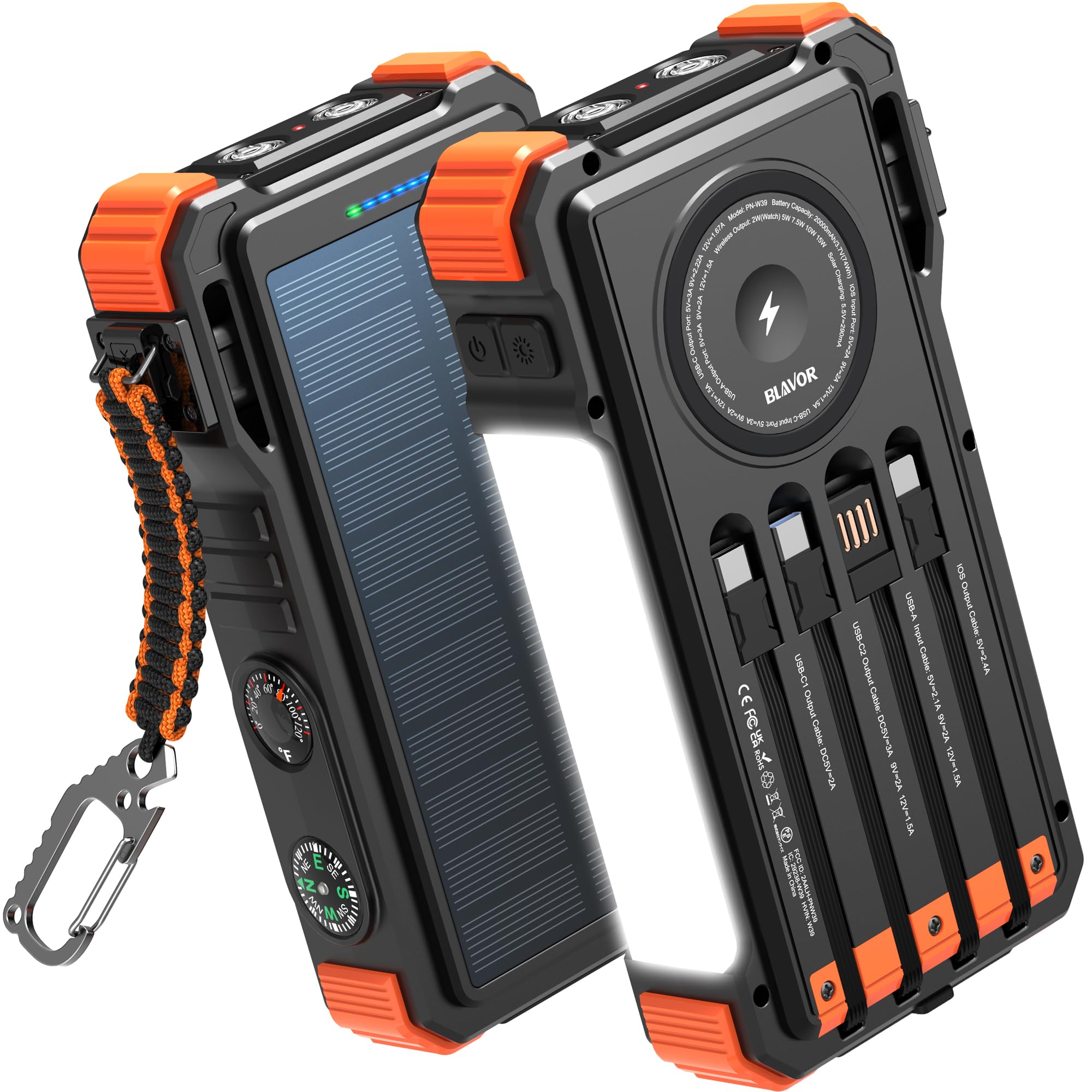
Best Overall for Backpacking
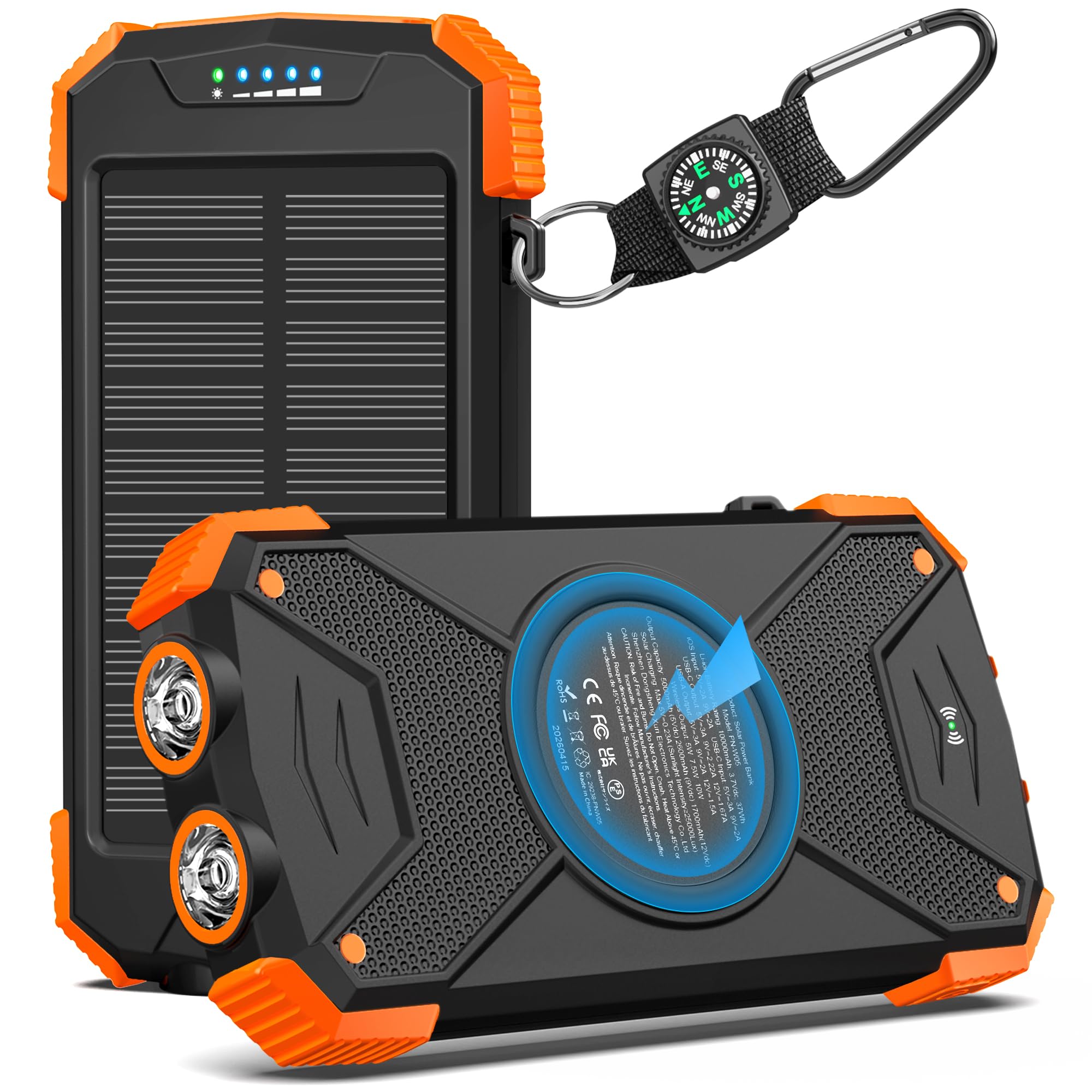
BLAVOR 10000mAh Solar
Key details
- Weight
- 263 g
- Capacity
- 10000 mAh
- Solar Panel
- Integrated panel
- Ports and Cables
- USB-A, USB-C, wireless
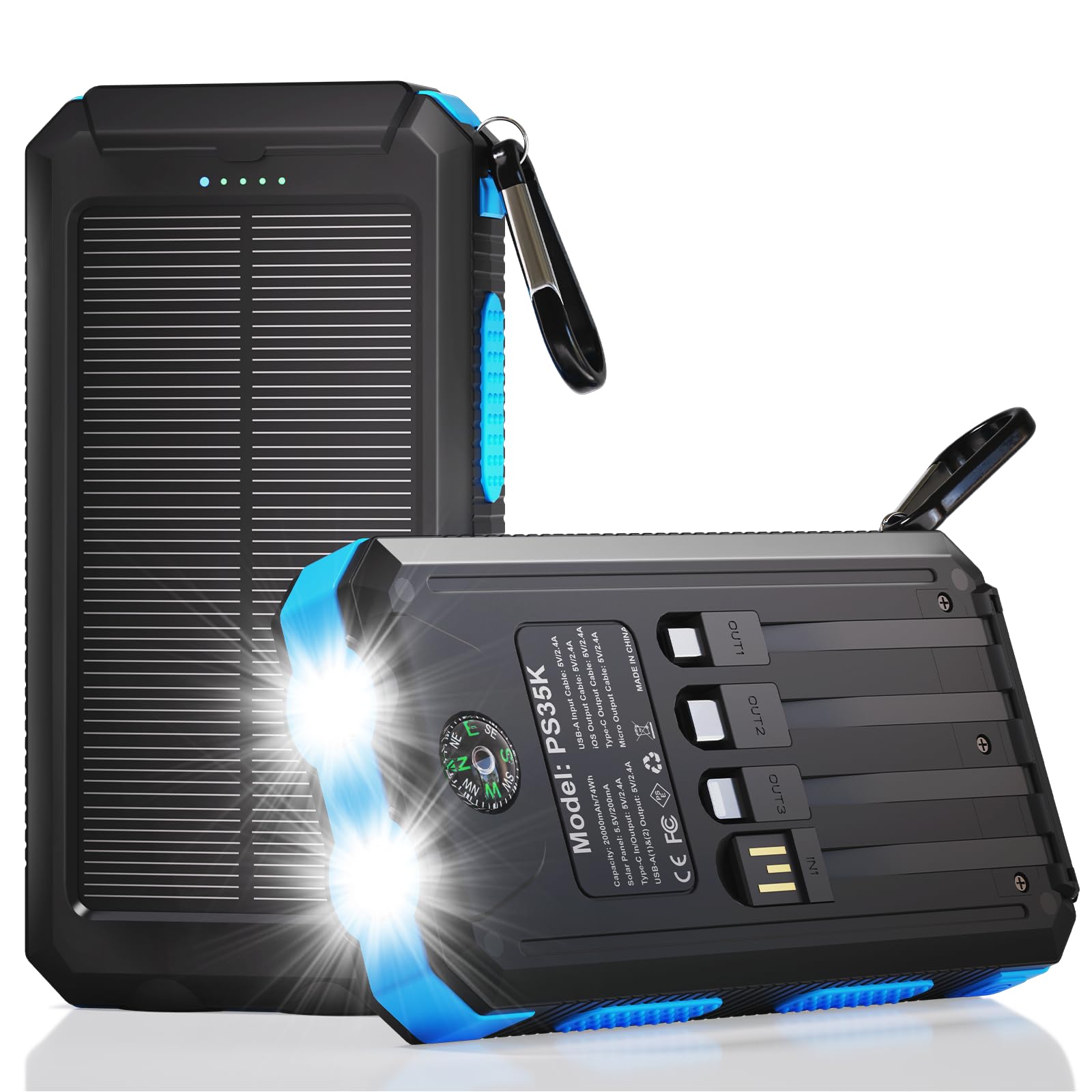
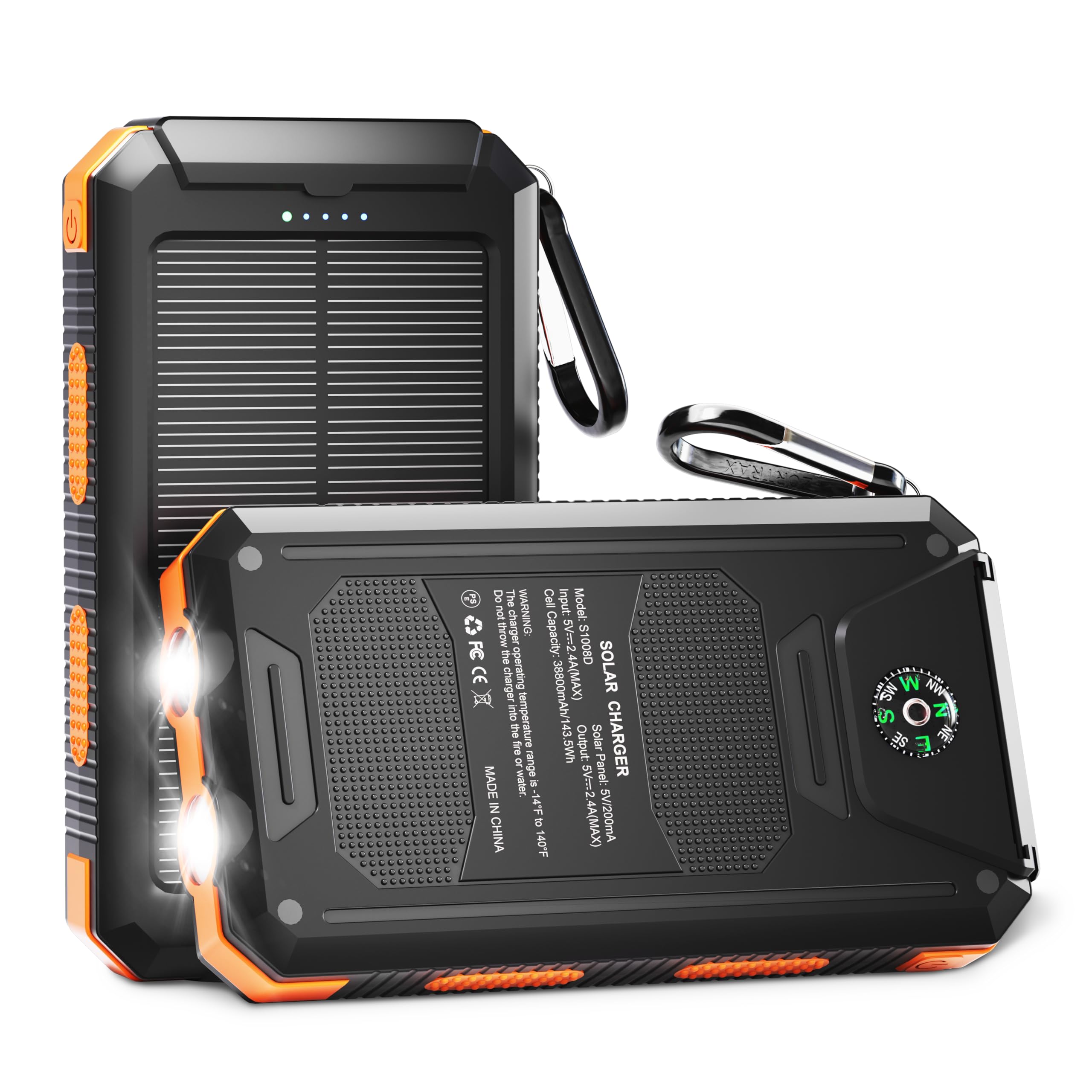
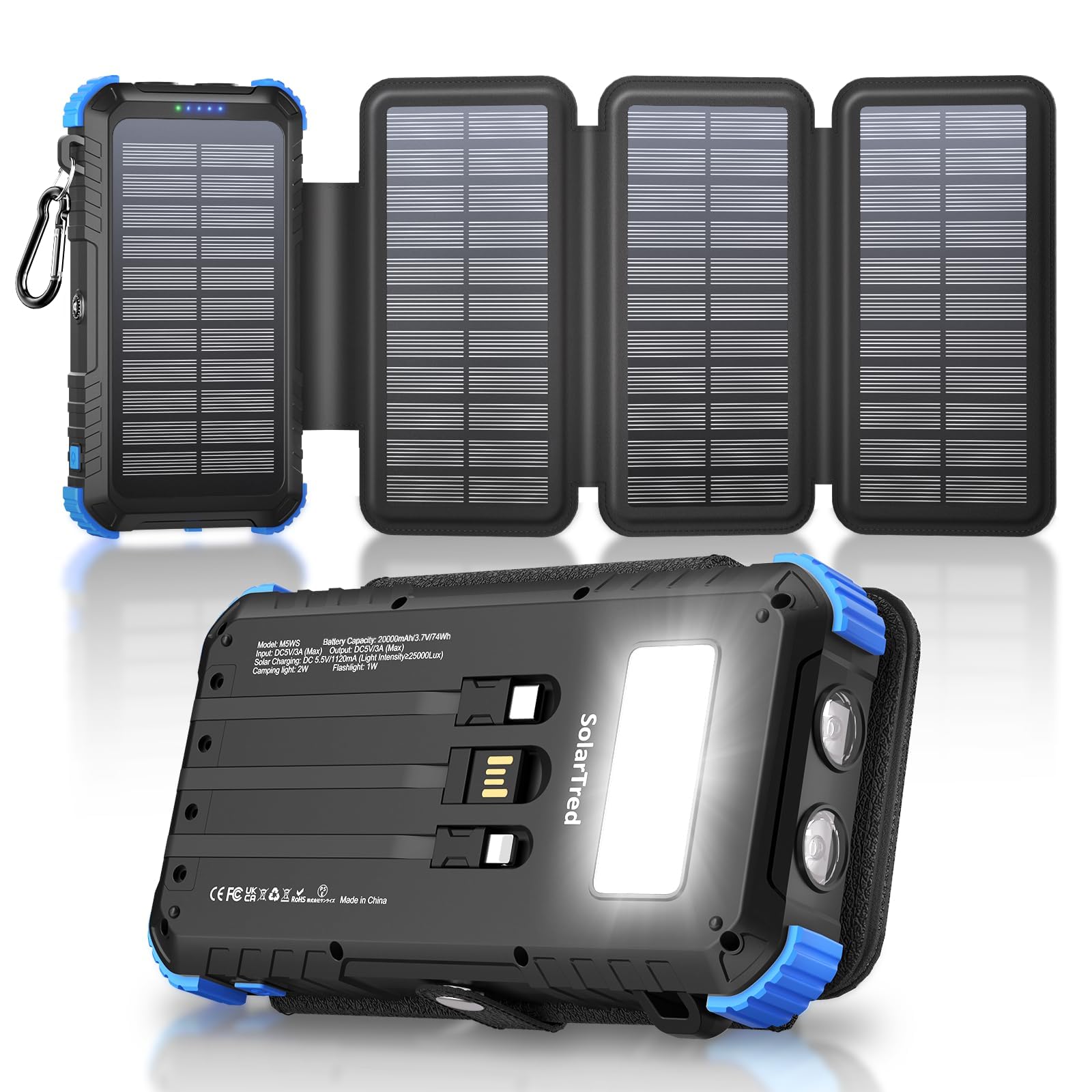
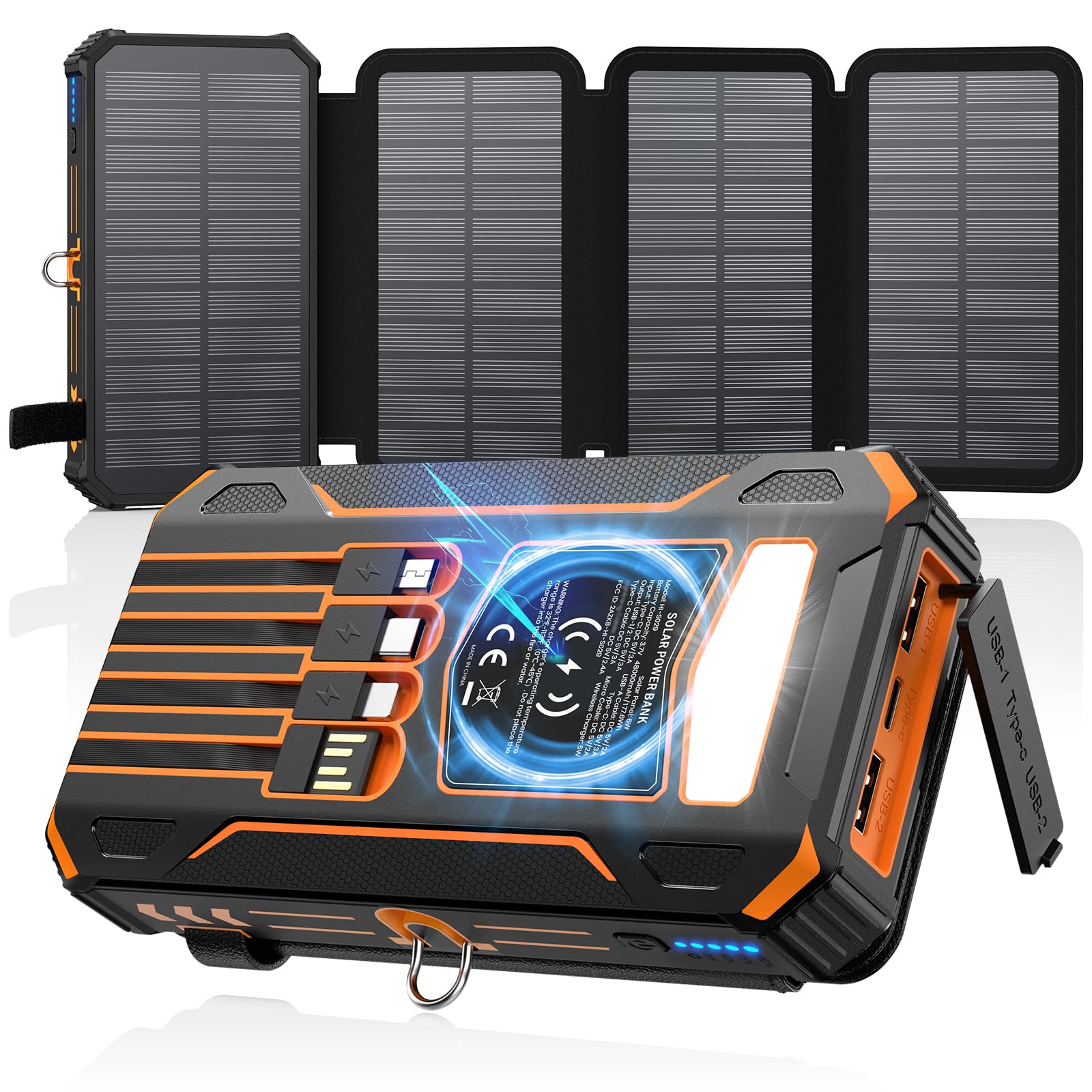
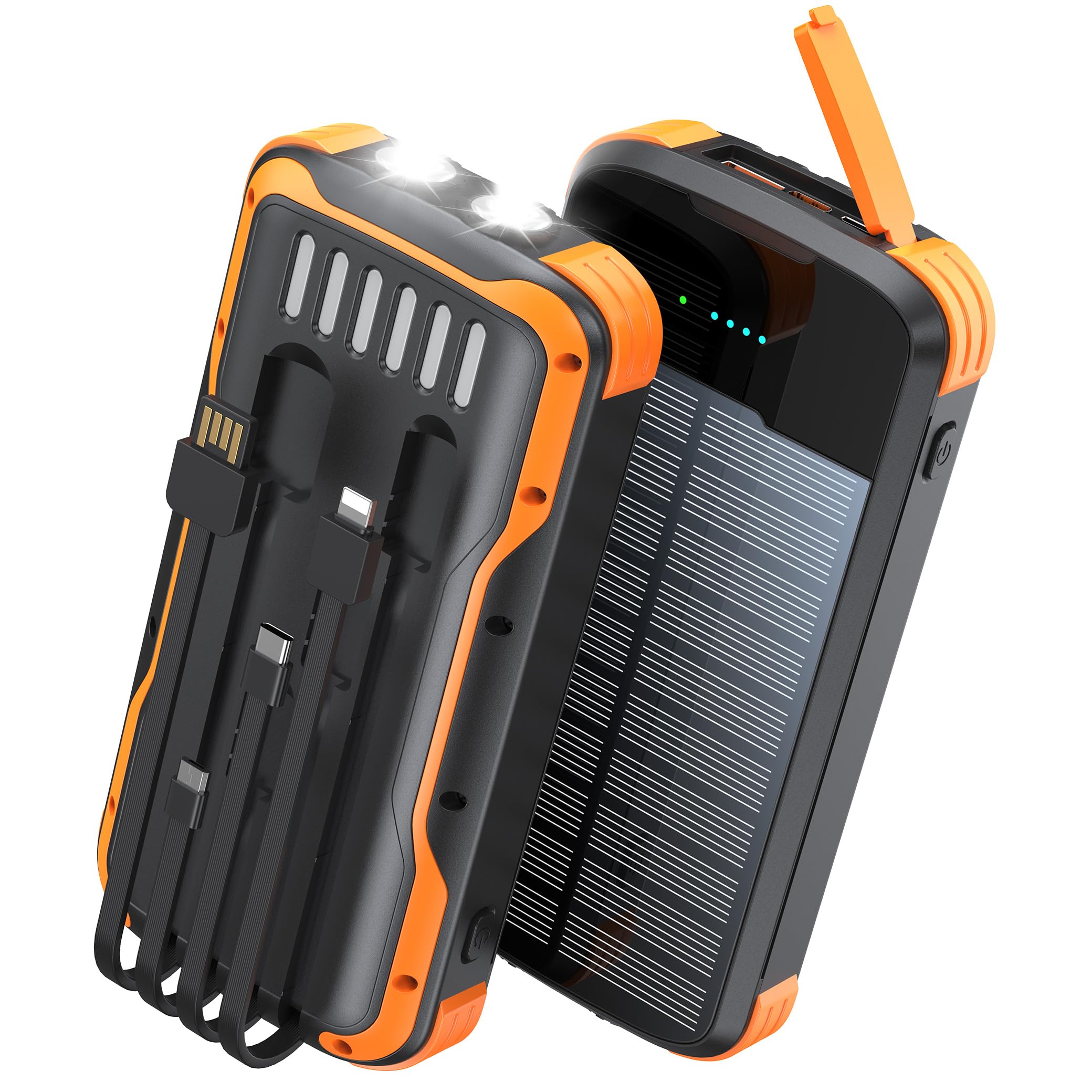
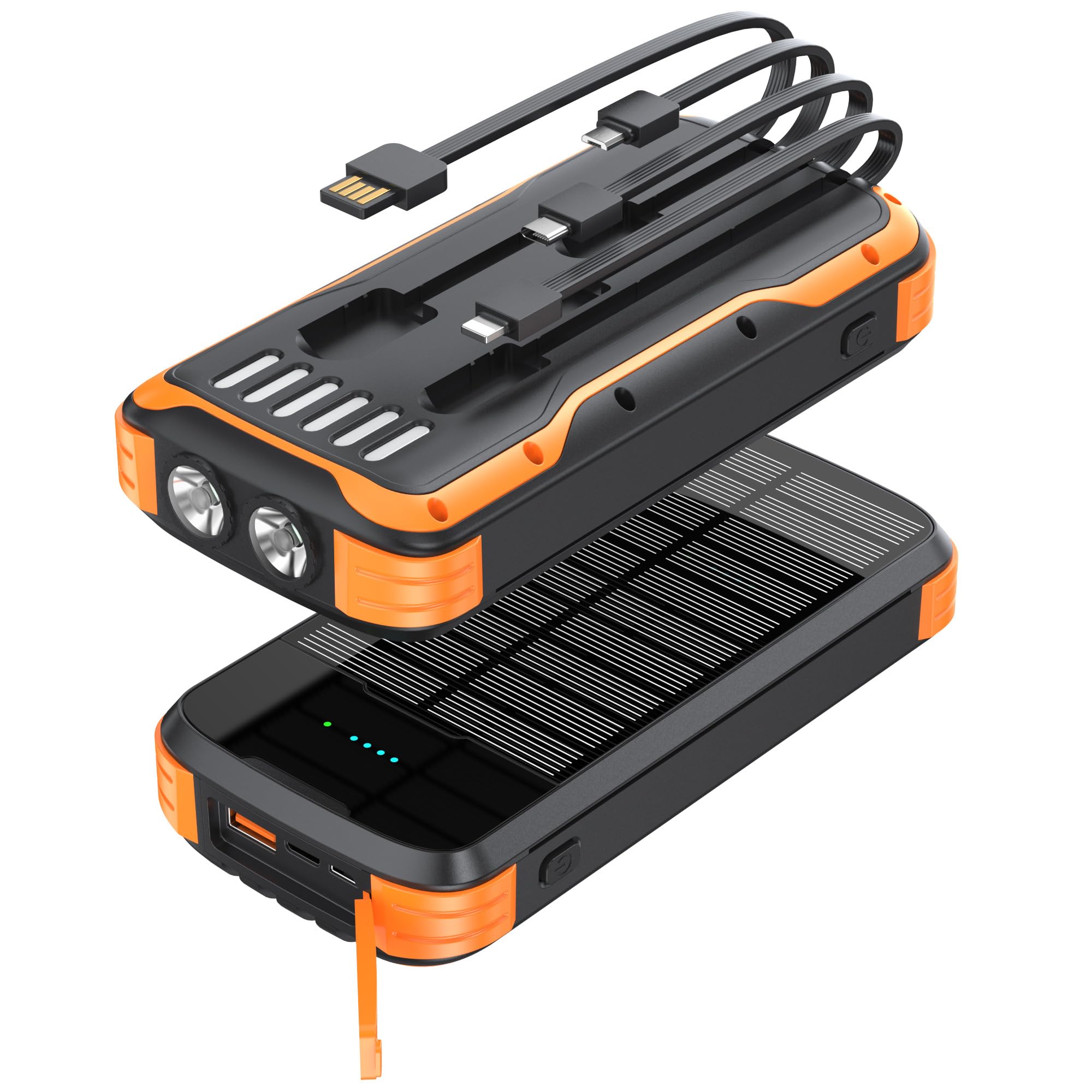
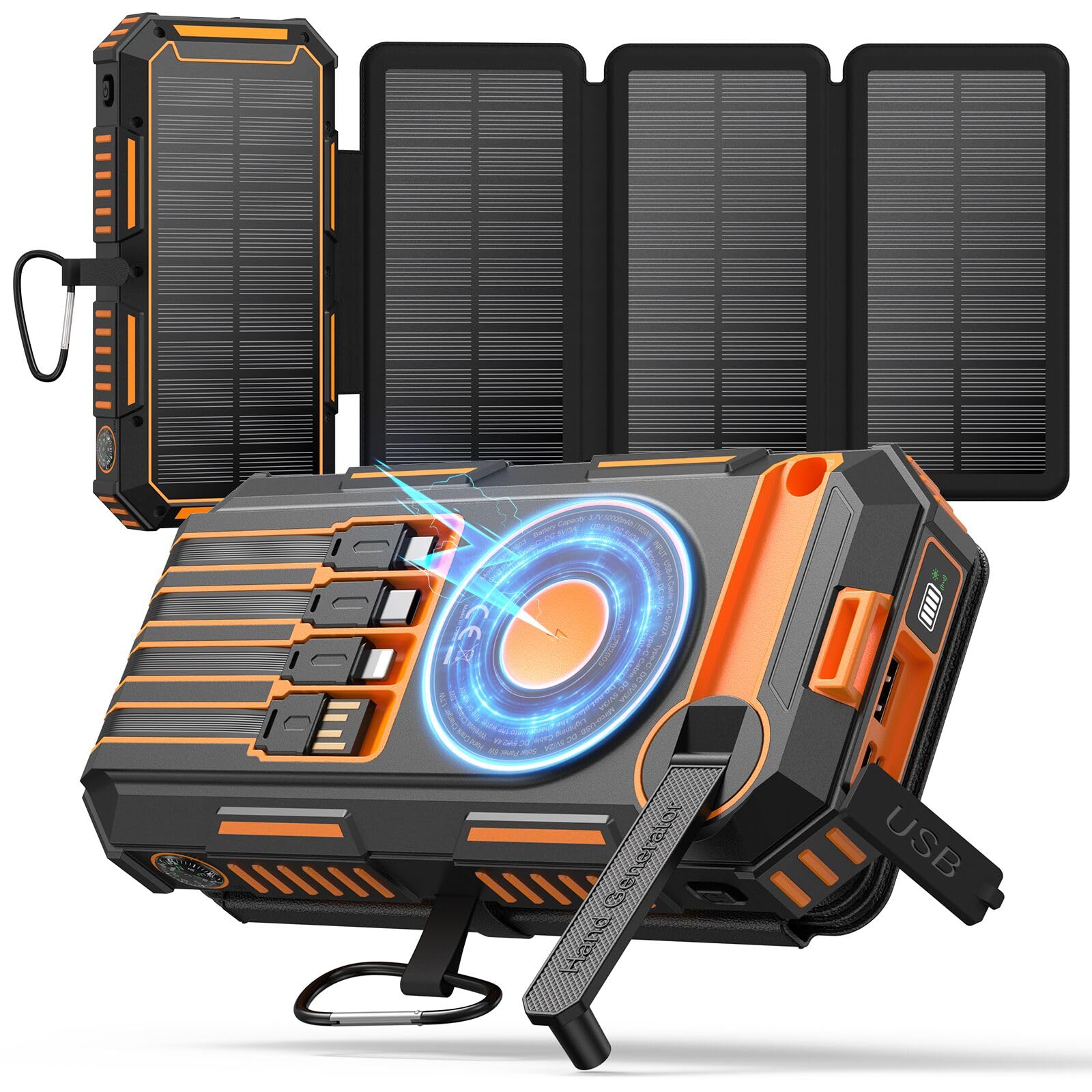
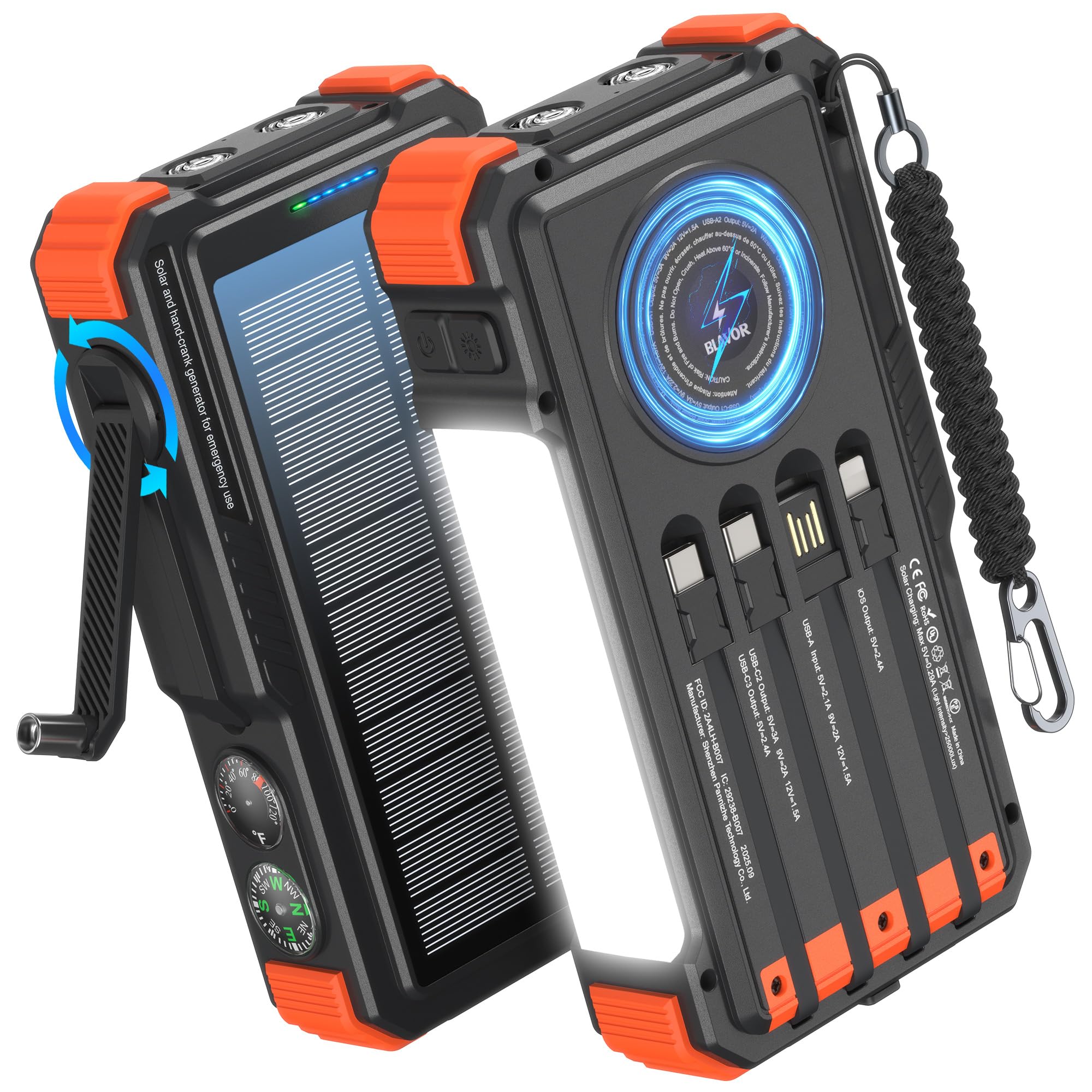
At 263g, the BLAVOR 10,000mAh is one of the lightest ways to carry a spare phone charge on a trail. The USB-C port accepts a 20W fast feed, and a single full charge covers two to three typical phone recharges before the pack itself needs another session. Wireless output removes the cable for compatible phones, while the USB-A port handles older gear. The 10,000mAh capacity sits in a practical middle ground for solo hikers who want backup power without a brick in the pack.
The integrated dual flashlight brings a working camp light without requiring a separate headlamp. The carabiner clip doubles as a compass and attaches to a pack strap without adding bulk. An IPX5 seal keeps light rain off the USB ports, so the battery can ride on the outside of a pack. For the weight, the feature set is complete: flashlight, wireless pad, compass, and rain resistance all ride on the same frame.
This is for ultralight backpackers on short trips, or for daily-carriers who want a small battery that covers a day of phone use. Treat it as a plain power bank and pre-charge it from USB before leaving. It is not for long off-grid stretches where solar charging is critical, or for groups charging multiple devices over several days. A 10,000mAh cell handles a weekend of solo phone and headlamp charging, but a tablet or second phone will drain it before the second night. If your pack already has a dedicated charging brick, this slips into a side pocket without forcing a gear reshuffle.
Against other solar-panel banks in this price tier, the BLAVOR wins on weight, not sun harvesting. As a plain power bank, it competes with non-solar ultralight options while adding the flashlight, wireless pad, and compass carabiner for the same carry weight. The solar label may attract attention, but the product earns its place on a pack because it is small, light, and charges phones without fuss. That combination gives it a clear role in a backpacking kit: a pre-charged reserve that takes up almost no room and covers a short trip. For the money, it is a low-risk addition to a day pack or first-aid kit.
💡 Plan to charge the pack from a wall outlet before heading out; the 10,000mAh cell is best used pre-charged.
Pros
- Weighs 263g and fits in a pants pocket, making it a natural ultralight trail companion.
- USB-C input refills from a wall outlet, and a single charge covers two to three phone recharges.
- Dual flashlight and compass carabiner add camp utility without extra weight.
- Wireless charging removes a cable for compatible phones, with USB-A as a fallback.
Cons
- Solar panel produces negligible charge in direct sun; plan on wall-charging before you go.
- Durability can vary between units; in some cases the battery may stop accepting a charge after a few months.
For a solo hiker on a short trip, this is the lightest way to carry a spare phone charge plus a flashlight, wireless pad, and compass without a weight penalty.