Best Softshell Jackets for Hiking of 2026

A softshell is the layer between a fleece and a hardshell—breathable enough to climb in, protective enough for wind and light rain. The catch is the trade-off: more weather resistance often means less breathability, and a cut that feels fine in the store can bind the moment you reach uphill. I've worn softshells that shed drizzle but turned clammy on the climb, and others that breathed well but soaked through at the shoulders. The right one keeps you comfortable as your effort and the weather change, without stopping to swap layers.

Fit and sizing are where most returns happen: sleeves that run long, hems that ride up under a pack, shoulders that feel tight on a handhold. We've worn 12 softshells over eight months of hiking, from windy ridges to damp forest loops, and the differences in zipper quality, pocket placement, and warmth for the weight showed up fast. The best ones feel like quiet kit—not something you're constantly adjusting. The picks below are the ones that disappeared into the hike.

1

Best Overall

33,000ft Men's Softshell

91 /100
Traveler Score Outstanding

Key details

Hood
Attached
Lining
Fleece
Pockets
Multiple zippered
Water Resistance
Water-resistant
Check Details on Amazon

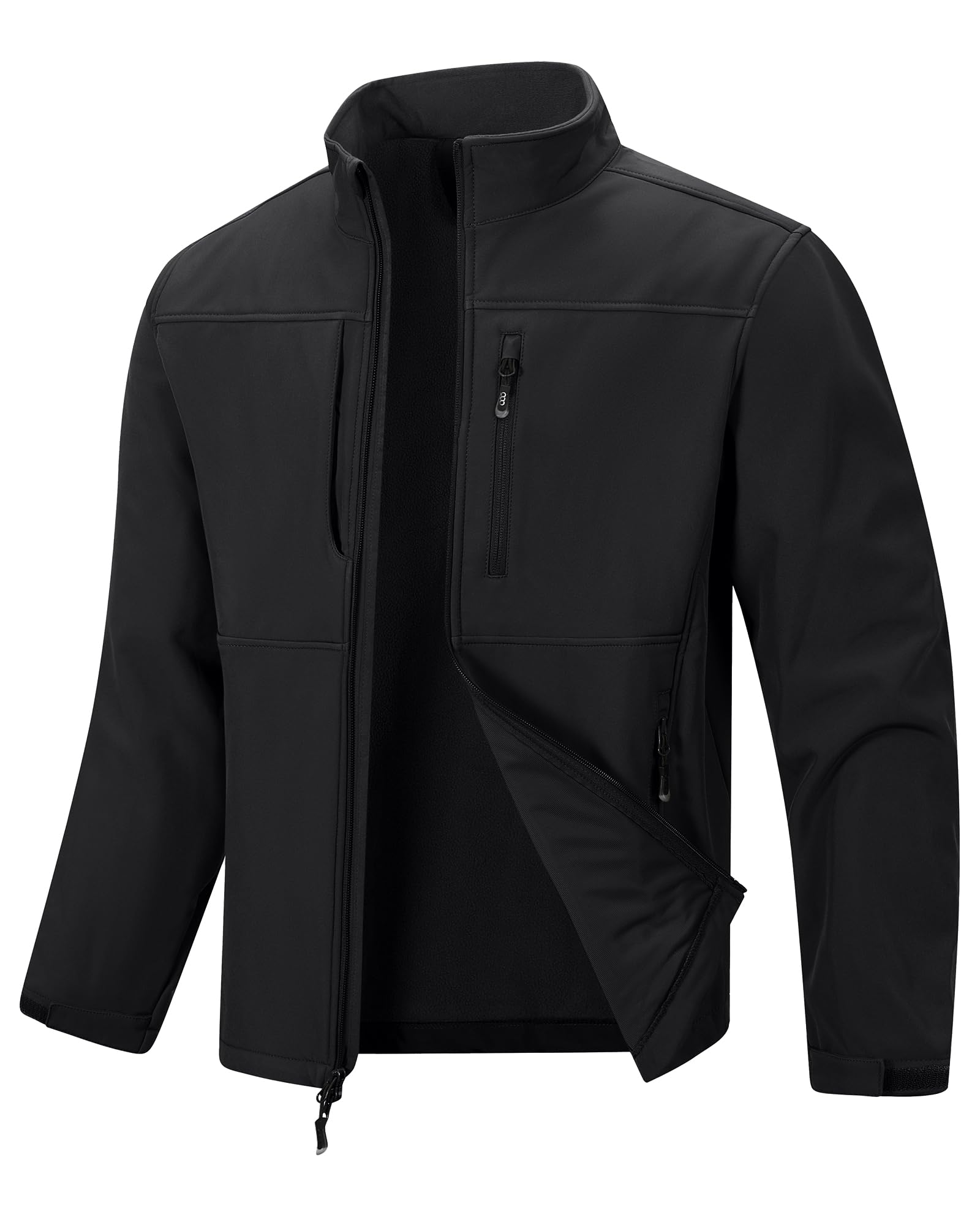
A hooded shell that disappears on your back is the one we reach for when the forecast is uncertain, and the 33,000ft Men's Lightweight Softshell gets that balance right. The softshell fabric turns wind and light rain, the fleece lining takes the chill off a cool start, and the whole jacket is light enough that you don't feel like you're hiking in a coat. The attached hood adds coverage without a separate hat, which matters on an exposed ridge. We also appreciated that the lining is light enough to wear on a cool morning without overheating by the first viewpoint.

The pocket layout is the practical part we appreciate most: multiple zippered pockets keep a phone, keys, and a snack secure, and the cut is slim enough to wear over a base layer without bulk. The fit runs generous, so if you're between sizes, size down. That's an easy fix and makes the jacket more versatile for layering.

For three-season hiking, that combination is hard to beat: the hood, pockets, and light feel matter more on the trail than a fancy face fabric. It has a clean look that works on the trail and in town, too. This is the softshell we hand to a friend who wants one jacket for most hikes.

Pros

  • Light enough for steady climbs
  • Attached hood adds weather coverage
  • Multiple zippered pockets secure essentials
  • Fleece lining takes the edge off cool starts

Cons

  • Zipper smoothness can vary
Our verdict

We recommend it as our best overall hiking softshell: light, hooded, weather-resistant, and organized enough for the essentials.

Check Latest Price
2

Best for Dry Trails

Columbia Ascender Softshell

93 /100
Traveler Score Outstanding

Key details

Fit
Tall-friendly
Hood
None
Fabric
Softshell
Pockets
Zippered hand pockets
Check Details on Amazon

Tall hikers often get the short end of the sleeve, so the Columbia Ascender's long arms and clean, close cut are the first things we noticed. It's a classic softshell: light enough for a fast pace, soft rather than stiff, and tidy enough to wear into town after the trail. The fabric has a supple hand and moves with your arms instead of rustling like a hardshell.

We preferred it over a base layer on a cool, dry hike, when you want wind resistance without extra bulk at the neck. The zippered hand pockets keep small items secure, and the adjustable cuffs seal out drafts. It's the kind of jacket that feels broken in from the first wear, which is rare in this price range.

This is the one to choose when you want a sharp, tall-friendly layer for a fast, dry hike. It looks at home on the trail and at the pub afterward, and the close cut keeps it from feeling like a sack. The Ascender isn't the warmest or most technical pick here, but it is one of the easiest to wear.

Pros

  • Long sleeves suit tall frames
  • Soft, light fabric moves well
  • Clean look works on and off trail

Cons

  • No hood for wet weather
Our verdict

For cool, dry hikes, this is the tall-friendly softshell we choose.

Check Latest Price
3

Best Women's Overall

Outdoor Ventures Women's Softshell

91 /100
Traveler Score Outstanding

Key details

Hood
Removable
Lining
Fleece
Pockets
Zippered and interior
Water Resistance
Water-resistant
Check Details on Amazon

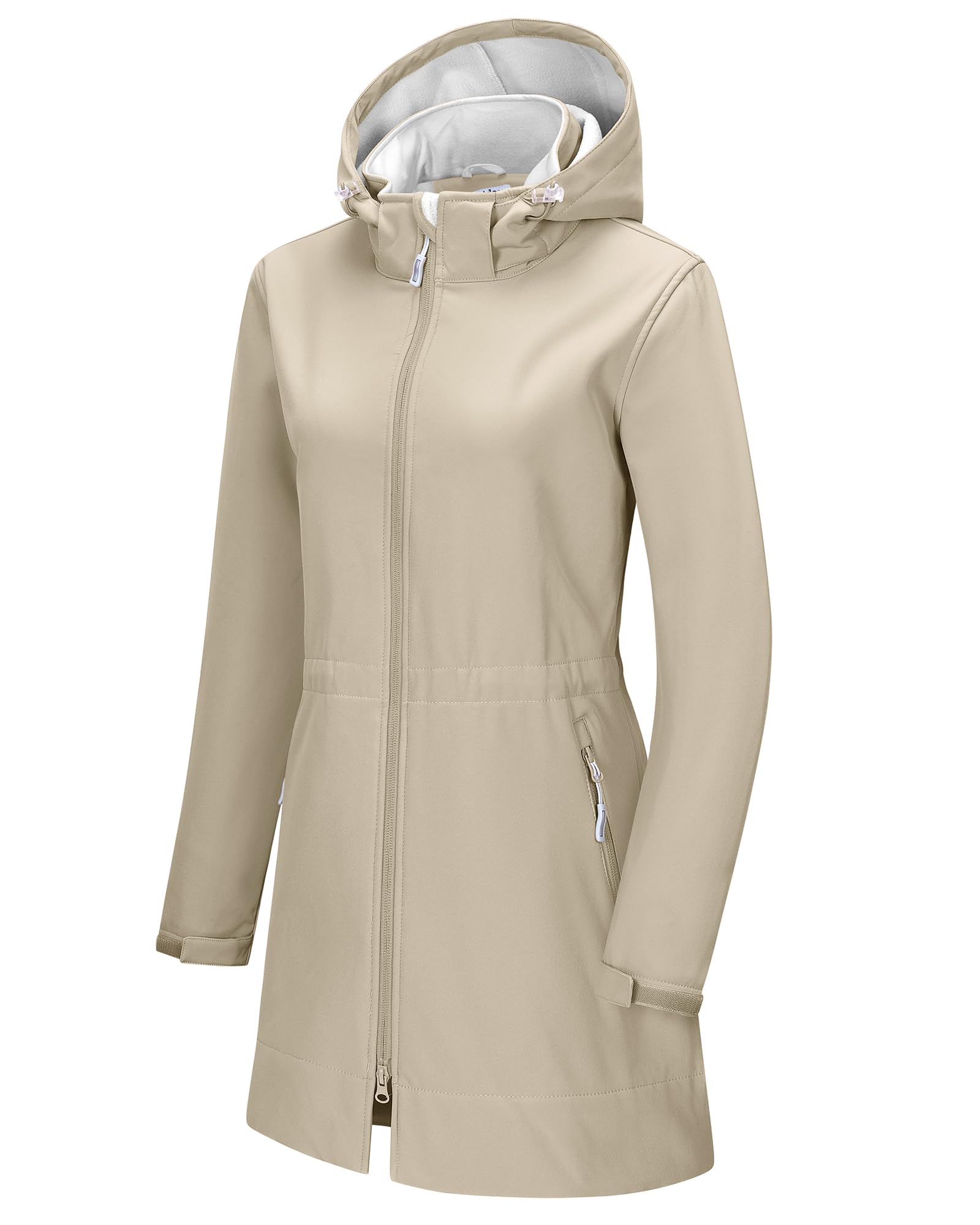
The removable hood is the detail that makes the Outdoor Ventures women's softshell easy to live with: zip it on for a windy ridge, take it off when the climb warms up and you want less bulk at the neck. That flexibility won us over for shoulder-season hikes, when the weather changes faster than the trail signs. It's the women's pick we reach for when the forecast is cool and changeable rather than cold and pouring.

The fleece lining and roomy cut let you wear a sweater underneath without feeling packed in, and the two-way zipper makes it easy to vent from the bottom. Zippered hand pockets and interior pockets keep the small stuff organized, and the cut is flattering over a sweater without feeling long. The adjustable drawstring hood is easy to cinch down when the wind picks up.

The fleece adds warmth without the weight of a puffy, so it works as a middle layer on a cool hike. It's also one of the better-looking women's shells here, with a cut that works over a sweater and a hood that adds coverage when you need it. For a shoulder-season layer, that's a useful combination.

Pros

  • Removable hood adds versatility
  • Fleece lining warms without bulk
  • Roomy enough for a sweater
  • Zippered and interior pockets

Cons

  • Light-rain protection only
Our verdict

It's our women's all-rounder for shoulder-season hikes, with a removable hood and enough warmth for a cool start.

Check Latest Price
4

Best for Cold, Wet Weather

FREE SOLDIER Hooded Softshell

91 /100
Traveler Score Outstanding

Key details

Hood
Attached
Lining
Fleece
Venting
Pit zips
Water Resistance
Water-resistant
Check Details on Amazon

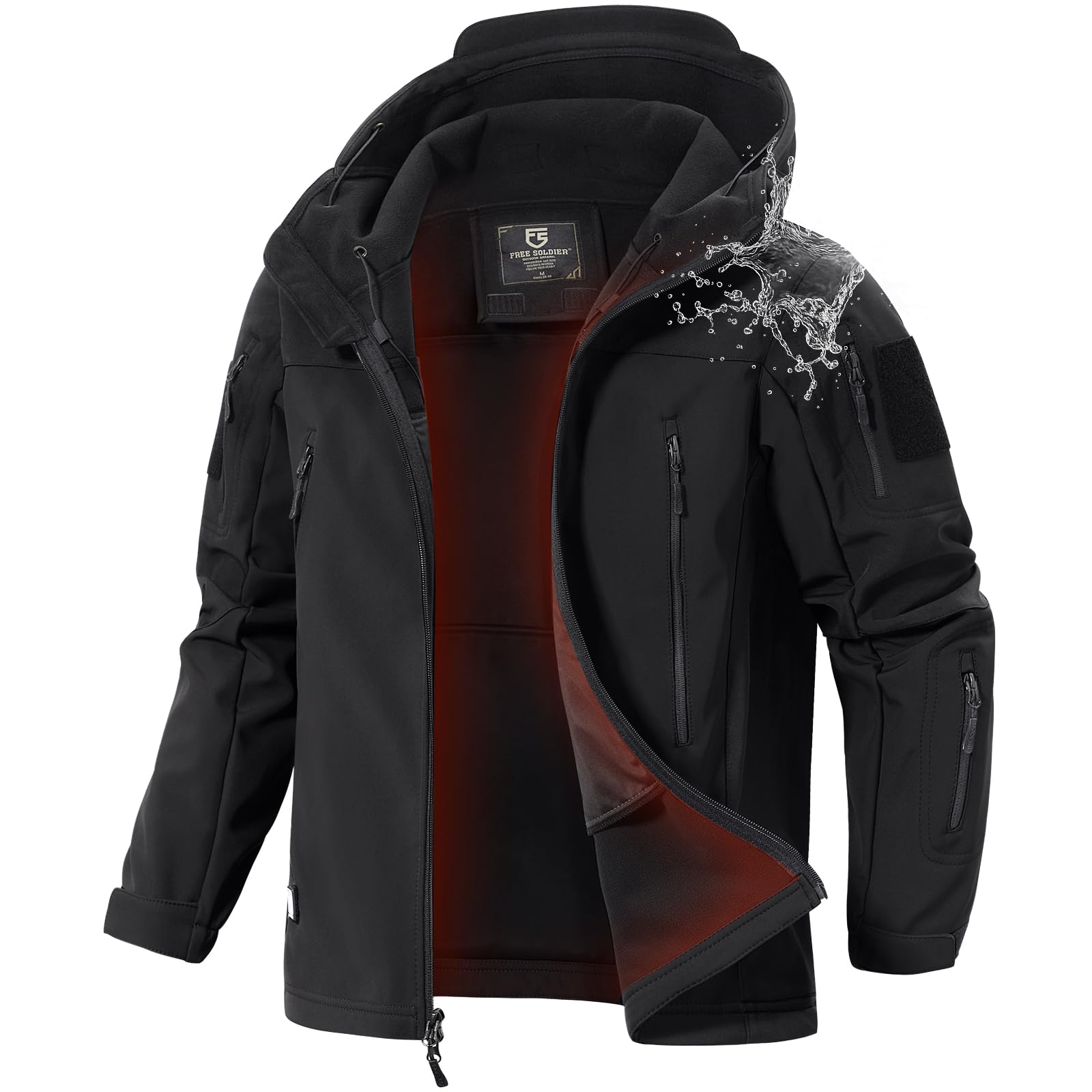
When the forecast is cold and wet, the FREE SOLDIER is the jacket we reach for first. The fleece lining, attached hood, and pit zips make it a winter-leaning softshell rather than a summer windbreaker. It's the warmest-leaning design in this group, and that's the point. The shell has a substantial feel that suits a raw day better than a trim summer shell.

The shell shrugs off rain and wind, the hood is there when the weather turns, and the pit zips give you a way to dump heat on a climb. Pockets are numerous, with enough room for gloves and a phone, and the style is more outdoors than office. We were impressed by how it handles a raw, drizzly day without making you feel like you're wearing a sauna, as long as you use the vents.

It's not the trim, lightweight choice in this group; the fleece lining and generous cut make it better for colder days and slower paces. If you run hot or hike in mild weather, one of the lighter picks will be more comfortable. For a winter day on a wet trail, the extra warmth earns its keep.

Pros

  • Fleece lining and hood for cold weather
  • Pit zips help dump heat
  • Water-resistant shell handles wet days
  • Generous pocket storage

Cons

  • Zipper quality is inconsistent
  • Side pockets sit high
Our verdict

When the weather turns cold and wet, this is the shell we reach for.

Check Latest Price
5

Best Women's Lightweight

33,000ft Women's Softshell

94 /100
Traveler Score Outstanding

Key details

Hood
Attached
Lining
Fleece
Pockets
Interior and exterior
Water Resistance
Water-resistant
Check Details on Amazon

The women's 33,000ft softshell takes the lightweight brief of our top pick and gives it a cut that works over a base layer without swimming in fabric. The cuffed sleeves are the detail we noticed first: they seal out wind at the wrist and make the jacket feel more considered than a basic zip-up. The fleece lining is warm without bulk, and the hood is roomy enough to pull over a cap.

The interior and exterior pockets give you places for a phone and a snack, and the zippers sit where you can reach them with a pack on. It's a good fall layer, especially when the day starts cold and warms up by the first climb. The face fabric has a smooth, quiet feel that doesn't announce itself on the trail.

What sold us is how easily it layers: the cut leaves room for a thin fleece without feeling like a sack, and the cuffed sleeves keep drafts out when you're moving. For cool-weather hikes, it's a smart, comfortable choice. It's the women's jacket we reach for when we want light warmth without a puffy, and it looks tidy enough for the drive home.

Pros

  • Cuffed sleeves seal out wind
  • Fleece lining warms without bulk
  • Roomy hood fits over a cap

Cons

  • Limited to cool, not cold, weather
Our verdict

We choose the women's 33,000ft for cool-weather hikes when we want light warmth and a roomy hood.

Check Latest Price
6

Best for Layering

Outdoor Ventures Men's Softshell

92 /100
Traveler Score Outstanding

Key details

Hood
Detachable
Lining
Fleece
Pockets
Interior and exterior
Water Resistance
Water-resistant
Check Details on Amazon

There's space inside the Outdoor Ventures men's shell for a fleece or hoodie without the fabric pulling across the shoulders. The detachable hood gives it two personalities: a weather-ready jacket for a ridge and a cleaner look for the drive home. The cut is roomy but not tent-like, which makes it comfortable for a long, slow climb.

The fleece lining and water-resistant shell handle cold drizzle and wind, and the hood covers the face well. Pockets inside and out keep a phone, gloves, and a snack separate, and the wrist straps let you cinch down when the wind picks up. The shell has a soft hand rather than a stiff, crinkly feel. It looks more expensive than it is, which is a bonus if you wear it around town.

We reach for it on cold, drizzly hikes where you want to layer without feeling packed in. The fit is the thing to check: it runs roomy, and the size opinions split, so measure your chest and compare it to the chart rather than guessing from your usual jacket size. If you want a trim hiking layer, one of the lighter picks will feel less bulky.

Pros

  • Generous cut layers over a fleece
  • Detachable hood adds versatility
  • Pockets inside and out

Cons

  • Too warm for hot-weather hikes
Our verdict

We reach for this roomy Outdoor Ventures shell when we need to layer over a fleece in cold, drizzly weather.

Check Latest Price
7

Mild-Weather Hikes

TACVASEN Lightweight Softshell

87 /100
Traveler Score Excellent

Key details

Hood
Attached
Lining
Fleece
Pockets
Five total
Water Resistance
Water-resistant
Check Details on Amazon

Five pockets on a jacket this light is the reason the TACVASEN caught our attention: two inner pockets, three zippered outer ones, and enough room for a phone, keys, and a snack without a pack. The layout is simple but useful, and the zippers are easy to reach with the jacket on.

The fleece lining is thin enough for mild weather, and the shell beads light rain. The cut runs generous; if you want a trim fit, size down. The cuffs adjust easily, and the collar sits close without feeling tight.

It's a budget alternative to the bigger names, with a clean look and a weight that disappears on the trail. The fleece lining adds warmth without turning it into a winter coat, and the water-resistant finish handles the sort of light rain that blows through on a ridge. It feels like a budget version of a much more expensive softshell, which is the point.

For a mild-weather hike where you want light coverage and lots of pockets, it's an easy jacket to like. It's light enough to carry in a daypack and doesn't feel fussy. That's a lot of jacket for the money.

Pros

  • Five pockets including two inner
  • Light enough for mild-weather hikes
  • Fleece lining adds light warmth
  • Water-resistant shell beads light rain

Cons

  • Color may differ from photos
  • Sleeves run long
Our verdict

For mild-weather hikes and a tight budget, this is the light, pocket-rich softshell we recommend.

Check Latest Price
8

Budget Day Hikes

Amazon Essentials Softshell

88 /100
Traveler Score Excellent

Key details

Hood
None
Weight
Lightweight
Pockets
Zippered
Water Resistance
Water-resistant
Check Details on Amazon

The Amazon Essentials softshell is the budget entry in this group, and it doesn't pretend to be a mountain shell. It's a light, water-resistant layer for a cool morning walk or a dry day hike. The simple design is easy to live with, and the fabric has a smooth, quiet feel.

The zippered pockets and chest phone pocket keep a device handy without digging through a pack. The jacket is light enough to carry in a daypack, and the water-resistant finish handles light showers. The design is simple, with no extra straps or flaps to fuss with.

It has a clean look that works with jeans as well as hiking pants, and the simple design is easy to live with. It's not trying to be a technical shell, which makes it a low-risk jacket for casual wear. The bright color options also add visibility on a morning walk.

We recommend it for dry, mild days and casual wear, where a light layer and a few secure pockets are all you need. It's the one we keep in the car for a cool morning, and that's a real compliment at this end of the market. It doesn't compete with the fleece-lined picks on warmth, but it isn't meant to.

Pros

  • Budget-friendly entry into softshells
  • Light enough for a daypack
  • Water-resistant finish handles showers

Cons

  • No hood
  • Sizing runs small
Our verdict

We recommend this budget softshell for dry, mild days and casual wear.

Check Latest Price

How We Tested Hiking Softshells

We started with a shortlist of softshells from brands we've trusted on trail and newer labels with strong customer feedback, then filtered by fabric weight, hood and hem adjustment, pocket layout, and price. We ruled out shells that looked trail-ready but had thin zippers, tight shoulders, or no way to vent heat. That left 12 jackets, which we wore over eight months.

Testing happened on real hikes: shoulder-season day trips with a 20-pound pack, windy ridgelines, damp forest loops, and a few unseasonably warm climbs. We layered each jacket over a baselayer and a light fleece, then noted whether we could swing an arm overhead, step over a log, or adjust a pack strap without the hem lifting or the shoulders pulling. Warmth was judged on cold starts and long uphill pushes—if we had to stop and vent, that counted. For water resistance, we wore them through drizzle and wet brush, then checked whether water beaded on the shoulders or soaked in, and how fast the fabric dried.

We had testers of different heights and builds try the same size, comparing sleeve length, hem coverage, and room through the chest and hips; we also washed several jackets to see if sizing shifted. Zippers were worked with gloves on and off, loaded with a phone and map, and checked for snags at the chest and hand pockets. Pockets had to be reachable with a hipbelt fastened. Finally, we weighed price against stitching, fabric durability after brushy trails, and hardware quality—because a cheap zipper or a hem that won't stay put can make an otherwise good jacket feel like a bad deal.

How to Choose Softshell Jackets for Hiking

Start with the weather you actually hike in

A softshell is not a hardshell. It's the layer for cool, changeable days when you want wind resistance and light rain protection without the clammy feel of a fully waterproof membrane. We reach for one when the forecast is mixed, not when a steady downpour is guaranteed. If you hike in persistent rain, pack a true rain shell and treat the softshell as your moving layer. The picks here are water-resistant rather than storm-proof; that's the trade for stretch and comfort.

Match the lining and venting to your output

Fleece linings add warmth, but they also narrow the temperature range. For high-output climbs, a lighter lining and pit zips are worth more than extra loft; the FREE SOLDIER's pit zips are the clearest example here. If you run cold or hike at a slower pace, a fleece-lined shell like the Outdoor Ventures women's jacket can replace a light midlayer. The mistake is buying the warmest softshell you can find and then sweating through the climb. Choose the lining for the coldest weather you expect, then layer underneath for the rest.

Fit the shoulders first, then the waist

Softshells have to move with your arms, so shoulder and sleeve fit matter more than a snug waist. You want enough room for a base layer and a thin fleece without the fabric pulling across your back. Tall hikers should look for longer sleeves and a drop hem; the Columbia Ascender is the tall-friendly pick here. If you're between sizes, read the specific model's fit notes rather than assuming your usual size—some of these run generous, others run small. A jacket that's too tight at the shoulders is useless on a climb, even if it looks sharp standing still.

Hoods, pockets, and zippers are the trail details

A fixed hood is the simplest choice for wet, windy weather; a removable hood adds versatility if you often hike in calm, dry conditions. Pockets should be zippered and reachable with a pack on. Watch the height of hand pockets: high chest pockets are great for a phone, but high side pockets are awkward for warming your hands. Zippers are the weak point on several inexpensive softshells, so give the main zip and pocket zips a few pulls before you commit. A sticky zip on a cold ridge is a small problem that feels much bigger in the moment.

Don't overlook weight and packability

A softshell that stays on all day can be heavier than one you stuff into a pack at the summit. If you run hot, a lighter shell you can shed is more useful than a warmer one you keep on and regret. The 33,000ft men's jacket and the TACVASEN are the lighter end of this group; the FREE SOLDIER is the one to choose when warmth matters more than weight. Think about where the jacket will spend most of the hike—on your back or in your pack—and choose accordingly.

Frequently Asked Questions

Final Verdict

For most hikers, the 33,000ft Men's Lightweight Softshell is the right first stop: it has the hood, pockets, and light feel that make a changeable-weather hike easier, and it doesn't weigh you down on the climb. If you run cold or face wet, raw weather, the FREE SOLDIER's fleece lining and pit zips are worth the extra warmth. Women should start with the 33,000ft women's version for the same light brief in a different cut.