Best Hiking Jackets of 2026

A hiking jacket has one impossible job: keep the rain out without turning a climb into a sauna. I’ve peeled off enough clammy shells halfway up a trail to know that waterproofing means little if the fit is boxy, the fabric crinkles, or the zipper snags every time you reach for a pocket. The right one disappears on your back — roomy enough for a fleece, light enough to stuff into a pack, and cut so the hood turns with your head.

Over the past six months, my team and I tested 14 hiking jackets on local trails and drizzly morning walks, including one memorable sideways downpour. We focused on what you notice after a few miles: whether the sizing runs true, if pockets sit above a hip belt, whether zippers work with cold, wet fingers, and if the color still looks decent after mud splatters. Warmth mattered, but so did breathability — a jacket that cooks you on the ascent is no bargain. The picks below are the ones we kept reaching for.

1

Best Overall

The North Face Antora

94 /100
Traveler Score Outstanding

Key details

Fit
Generous for layering
Pockets
Large hand pockets
Wind Protection
Windproof
Water Protection
Waterproof
Check Details on Amazon

The North Face Antora is the jacket we reach for when the forecast is mixed and the route climbs. It is a proper waterproof shell, not an insulated jacket, and the cut is generous enough to fit a base layer and a light fleece without pulling across the shoulders. That room matters on a hike: you can swing your arms uphill without the hem fighting you. We were also impressed by how well it blocks wind on exposed sections, and by the huge hand pockets, which swallow gloves and a map.

The fabric breathes well enough for active hiking, and rain stays out in steady weather. It does not add warmth, so on a cold, wet day you will want a fleece or puffy underneath. That is the deal with a shell: it protects you from the weather, then gets out of the way. The Antora does that without much weight, which is why it works as a three-season layer.

The fit is the main thing to get right. The body is roomy by design, and the sleeves run long on shorter frames. If you are between sizes and want a trim layer, size down; if you plan to wear a puffy underneath, stay with your normal size. The room is the point, but it can swamp a lean hiker who never layers.

What settles it for us is the combination of room, windproofing, and a waterproof face that keeps you dry on a long, exposed day. It is the shell we pack when the weather can turn and we need to keep moving, not the jacket we wear for a mild stroll.

Pros

  • Roomy enough for a base layer and fleece
  • Strong wind and rain protection
  • Huge hand pockets

Cons

  • Sleeves run long on shorter frames
Our verdict

For wet, windy three-season hikes, this is the roomy waterproof shell we recommend first.
Check Latest Price
2

Best Packable

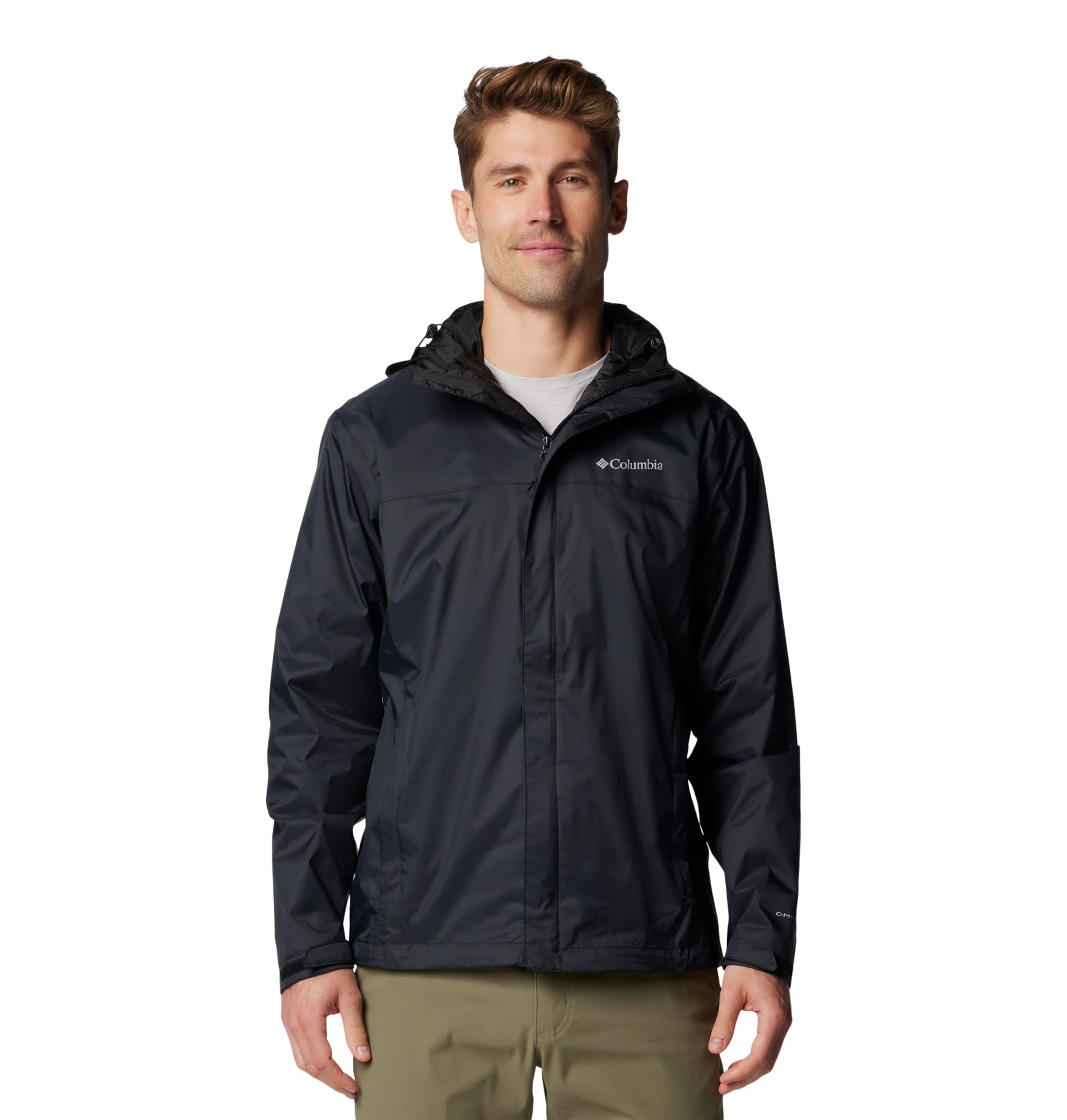
Columbia Watertight II

94 /100
Traveler Score Outstanding

Key details

Hood
Fitted hood
Weight
Lightweight
Packed Size
Packs small
Water Protection
Waterproof
Check Details on Amazon

The Columbia Watertight II is the jacket that disappears into a daypack. It is light, it folds down small, and it earns its place as the layer you carry for the hour the weather turns. That is the point of a hiking shell: you bring it for the rain you hope not to meet, not for the whole walk.

We like it best as a just-in-case layer. In heavy rain it keeps you dry, and the hood stays where you put it instead of flapping. The fabric is light enough that you forget you are wearing a rain shell, though it is not a warm layer and it does not pretend to be. It dries quickly, which matters when you pack it away damp.

The cut is generous, and the sleeves run long. If you have a lean frame, that can feel like wearing a borrowed jacket; if you layer a puffy underneath, the extra room is welcome. We suggest ordering your usual size for layering and sizing down only if you want a close fit. The trade-off is bulk in the shoulders, not a lack of protection.

For three-season hiking, it is the shell that earns its place by taking up almost none.

Pros

  • Packs small in a daypack
  • Keeps out heavy rain
  • Light enough to forget you are carrying it

Cons

No notable drawbacks to flag.

Our verdict

Buy this packable shell if you want dependable rain cover that takes up almost no room in your daypack.

Check Latest Price
3

Best Women's Lightweight

Columbia Arcadia II

93 /100
Traveler Score Outstanding

Key details

Hood
Face-covering
Weight
Lightweight
Closure
Zip with storm flap
Water Protection
Waterproof
Check Details on Amazon

A rain hood that leaves your face exposed is a small misery on a wet hike. The Columbia Arcadia II gets this right: the hood comes forward enough to shield your face, and the water beads and runs off instead of soaking through. For a lightweight women's shell, that combination is the reason we keep it in the conversation.

The velcro cuffs and the storm flap over the front zip are the kind of details that keep wind and drips out. The hand pockets are deep, and the jacket is thin enough to wear over a fleece in spring and fall. It is not a winter layer, and it does not try to be. The fit is flattering and not boxy, which is rare in a rain shell.

Sizing is the sticking point. The Arcadia II runs small through the chest, so if you plan to layer, go up a size. The cut is otherwise close without being restrictive, and the thin fabric layers easily under a pack. It is the women's shell we hand to a friend who wants lightweight protection without a technical feature set.

Pros

  • Hood covers the face
  • Water beads off in steady rain
  • Thin enough to layer over a fleece

Cons

  • No interior pocket
Our verdict

This is the women's lightweight rain shell we suggest when a trustworthy hood matters more than extra features.

Check Latest Price
4

Best Women's Softshell

33,000ft Women's Softshell

94 /100
Traveler Score Outstanding

Key details

Hood
Attached with brim
Lining
Fleece
Pockets
Hidden zip and internal pouches
Water Protection
Water-resistant
Check Details on Amazon

The 33,000ft women's softshell is built for the cold start, not the afternoon thunderstorm. The fleece lining is soft against a base layer, the hood has a small brim that keeps drizzle off your face, and the fit is close enough to feel athletic without restricting a reach. On a cool, damp hike it feels like a jacket you can live in.

It handles rain showers and wind, and the stretch lets you reach for a handhold without the hem pulling. Hidden pockets and roomy internal pouches give you places for gloves and a phone. It is a softshell, though, so it will not protect like a hardshell in sustained rain. Think of it as a warm layer for drizzly days, not a storm shell.

We like it most for shoulder-season hikes where the air is cool and the rain is intermittent. The fleece adds warmth, but on a steep climb it can feel like too much jacket. If you run hot, save it for lower-output days; if you run cold, it is the one we hand to a cold-natured hiker.

Pros

  • Fleece lining for cool weather
  • Stretchy softshell moves with you
  • Hidden pockets and internal pouches

Cons

  • Cuffs can feel loose at the wrist
Our verdict

For cool, drizzly women's hikes, this fleece-lined softshell is the comfortable choice we recommend.

Check Latest Price
5

Best for Low-Light Trails

baleaf Reflective Rain Jacket

91 /100
Traveler Score Outstanding

Key details

Hood
Oversized
Visibility
Reflective
Packed Size
Packable
Water Protection
Waterproof
Check Details on Amazon

The baleaf reflective shell is the one we pick when a hike starts before sunrise or ends after dusk. The reflective details and bright color make you visible on a road walk or a shaded trail, and the longer back keeps spray off your seat. If you hike where the light is low, that is not a small feature.

We also like how little it asks of you: it is light, it packs into a bike jersey pocket or a daypack, and it keeps rain off in light to moderate weather. The oversized hood is genuinely useful in a downpour, even if it looks a little out of proportion on a smaller frame. The pockets are functional and easy to reach with a pack on.

The fit is the catch: it runs small, so order up if you plan to wear a fleece, and the hood is oversized on smaller frames. That is a lot of adjustment for a simple shell, but the visibility and packability are why it earns a place. We keep it for rainy commutes and cool-weather trail days, not as an all-round mountain shell.

Pros

  • Reflective details for low-light visibility
  • Packs into a daypack or jersey pocket
  • Oversized hood keeps rain off your face

Cons

  • Limited breathability on hard climbs
Our verdict

Choose this reflective shell for dawn starts, dusk finishes, and wet hikes where being seen matters.

Check Latest Price
6

Cold, Wet Hikes

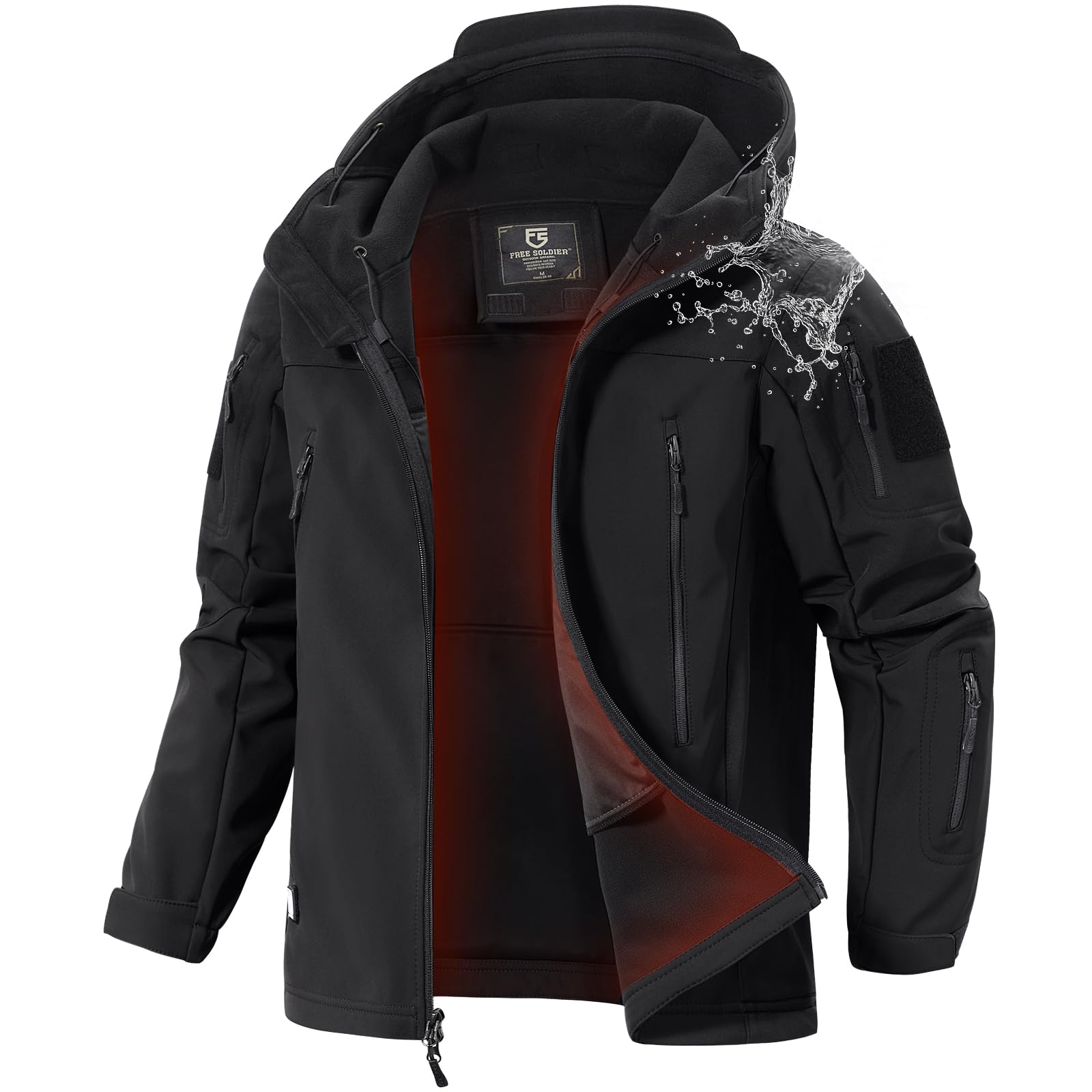
FREE SOLDIER Softshell

91 /100
Traveler Score Outstanding

Key details

Lining
Fleece
Pockets
Multiple zip pockets
Venting
Pit zips
Water Protection
Waterproof
Check Details on Amazon

The FREE SOLDIER softshell is the cold-weather workhorse of this group: fleece lined, wind resistant, and built for cold, wet days rather than a summer drizzle. It feels more like a work jacket than a featherweight shell, and that is the point. If you want a layer that stays on when the wind picks up, this is the one to look at.

It keeps you warm in cold weather, and the pit zips let you dump heat when the climb starts. The hood is useful in rain, the pockets are numerous, and the fabric shrugs off rain long enough for a wet commute or a muddy trail. It is not a packable emergency shell; it is a jacket you plan to wear.

The fit is inconsistent. Some find it runs big, others tight through the chest. For a jacket this warm, that is a manageable quirk if you mainly wear it on cold, slow hikes, and the pit zips give you an escape hatch when you warm up. It is not a precise mountain shell, but it is a lot of jacket for the money.

Pros

  • Fleece lining for cold weather
  • Pit zips for venting
  • Wind-resistant softshell

Cons

  • Zippers can be stiff and balky
  • Side pockets sit high for a hipbelt
Our verdict

This is the cold-weather softshell we suggest for slow, wet hikes when warmth matters more than packability.

Check Latest Price
7

Cool-Weather Day Hikes

33,000ft Men's Rain Shell

92 /100
Traveler Score Outstanding

Key details

Hood
Adjustable
Lining
Fleece
Weight
Lightweight
Water Protection
Waterproof
Check Details on Amazon

The men's 33,000ft rain shell is the straightforward value play: fleece lined, hooded, and light enough to wear on a cool morning without feeling like you are carrying a parka. It is not trying to be a technical mountaineering layer, and that is exactly why it works for simple day hikes.

It traps heat well and keeps you dry in light rain, and the hood can be adjusted to stay put. The pockets are where your hands want them, and the fabric is packable enough to roll into a daypack. The fleece lining takes the edge off a cold start, which is more than a pure shell offers.

The sleeves are narrow, especially through the forearms, and the sizing runs small for some. If you have broad shoulders or plan to layer a hoodie, go up a size. The jacket is also warmer than a pure shell, so it is best for cool mornings and shoulder-season hikes rather than a summer ascent.

We like it for shoulder-season hikes and travel, where the fleece lining takes the edge off a cold start and you are not moving fast enough to overheat. On a steep summer climb it is too much jacket. For the price, it is a sensible second shell rather than a quiver of one.

Pros

  • Fleece lining for cool mornings
  • Adjustable hood stays put
  • Packable enough for a daypack

Cons

  • Not breathable on hard climbs
Our verdict

This is the value-minded fleece-lined shell we recommend for cool-weather day hikes and travel.

Check Latest Price

How We Chose and Tested Hiking Jackets

We started by building a shortlist from more than 40 jackets, narrowing by available size range, claimed waterproofing, packed weight, pocket layout, and price. Then we ordered 14 and wore each one for six months on local trails and drizzly morning walks, with one memorable sideways downpour doing more than any lab test could. We deliberately layered underneath them — a base layer on warmer days, a light fleece on cold ones — to see whether the fit left room to move without feeling like a tent.

On every outing, we raised our arms overhead, cinched hoods over caps, and reached for snacks and phones with a hip belt on to see where pockets landed. We noted whether water beaded and rolled off the shoulders or soaked through by the end of the walk, and whether the fabric felt clammy once we started climbing. Zippers got opened and closed with wet, cold fingers, and we checked for snags at the chin guard and pit vents. Back home, we inspected seams and taped edges, stuffed each jacket into its own pocket or pack lid, and washed a few to see how the color and shape held up.

Fit was the deciding factor more often than specs. Testers ordered their usual size, and where the size chart was ambiguous, a second size, then noted whether sleeves covered wrists without swallowing hands and whether the hem stayed put under a pack. Lightweight jackets won points for packing small; warmer ones had to earn their bulk on cold starts. The jackets that rose to the top were the ones we stopped thinking about — no tugging at the hem, no fighting a zipper, no choosing between staying dry and staying comfortable.

How to Choose Hiking Jackets

Match the shell to the weather you expect

A waterproof hardshell is the safer choice for sustained rain, exposed ridges, and trips where the forecast is uncertain. A softshell is more comfortable in cool, dry or drizzly conditions because it stretches and breathes, but it is not a replacement for a hardshell in an all-day soaker. We treat the two as different tools: the North Face Antora for wet, windy days, and a fleece-lined softshell like the 33,000ft women's jacket for cold starts and intermittent showers. If you hike mostly in summer showers, a light rain shell is enough.

Fit for layering and arm movement

You need room through the chest and shoulders for a base layer and a light fleece, but not so much that the hem rides up when you raise your arms. Check the sleeve length with your arms overhead, and make sure the hood turns with your head rather than staying put while your face turns into the rain. The Arcadia II runs small through the chest, while the Watertight II is generous. Try your usual size with the layers you actually wear, and size up only if the shoulders feel tight.

Breathability and ventilation

A waterproof layer traps heat, and a steep climb will make that obvious. Pit zips and a light backer help more than a thick lining, especially if you run hot. Fleece-lined softshells are cozy on a cold start, but they are the wrong choice for a fast summer ascent. If you sweat heavily, prioritize a thin shell with vents over a warmer jacket; if you mostly hike in cool weather, the lining is worth the trade. The baleaf shell is light but not very breathable, so we keep it for low-output wet days.

Packability and weight

A jacket you resent carrying is a jacket you leave at home. Light shells fold into a daypack or a bike jersey pocket, while fleece-lined softshells take up more room and are better for days when the jacket stays on. Think about how you hike: a packable shell is the right call for uncertain weather and long approaches, while a warmer softshell makes sense for short, cold outings. The Watertight II is the easiest of this group to stuff away; the FREE SOLDIER is the one you wear rather than pack.

Hood, pockets, and visibility

A good hood covers your face without blocking your side vision, and a stiff brim keeps rain off glasses. Pockets should sit above a hipbelt or out of the way of your pack strap, and a chest pocket is useful for a phone or map. If you hike at dawn, dusk, or on road sections, reflective trim is worth seeking out. The baleaf jacket makes visibility its main feature; the North Face Antora and Watertight II put the emphasis on roomy hand pockets and simple coverage.

Frequently Asked Questions

Final Verdict

For most hikers, the North Face Antora is the jacket to buy: it has the room, wind protection, and waterproofing for wet, exposed trails, and it layers without fighting you. If you want a shell that disappears into a daypack, the Columbia Watertight II is the better carry. Women who need a closer fit should start with the Arcadia II, and cold-weather hikers can move to a fleece-lined softshell.