Best Waterproof Jackets for Hiking of 2026

A waterproof jacket that wets through is a special kind of betrayal. You feel the first cold spot between your shoulder blades, and the hike becomes a race back to the car. The right shell keeps rain out, lets steam escape, and packs small enough that you forget it's in your daypack. I've worn 12 hiking jackets through eight months of drizzle, downpours, and windy ridgelines, and the differences go beyond waterproof ratings.

What surprised me was how often a jacket that looked sharp and felt light in the store failed the simple stuff: a hood that couldn't be cinched one-handed, a zipper that caught, a cut that tightened across the shoulders under a fleece. Water resistance gets the headlines, but build quality, warmth, fit, and honest sizing are what make a shell worth carrying. Our testing notes are full of small verdicts on value, too—some jackets cost more because of details you feel, and some don't. Below are the ones that earned a place in my pack, from light summer shells to warmer three-season options.

1

Best Overall

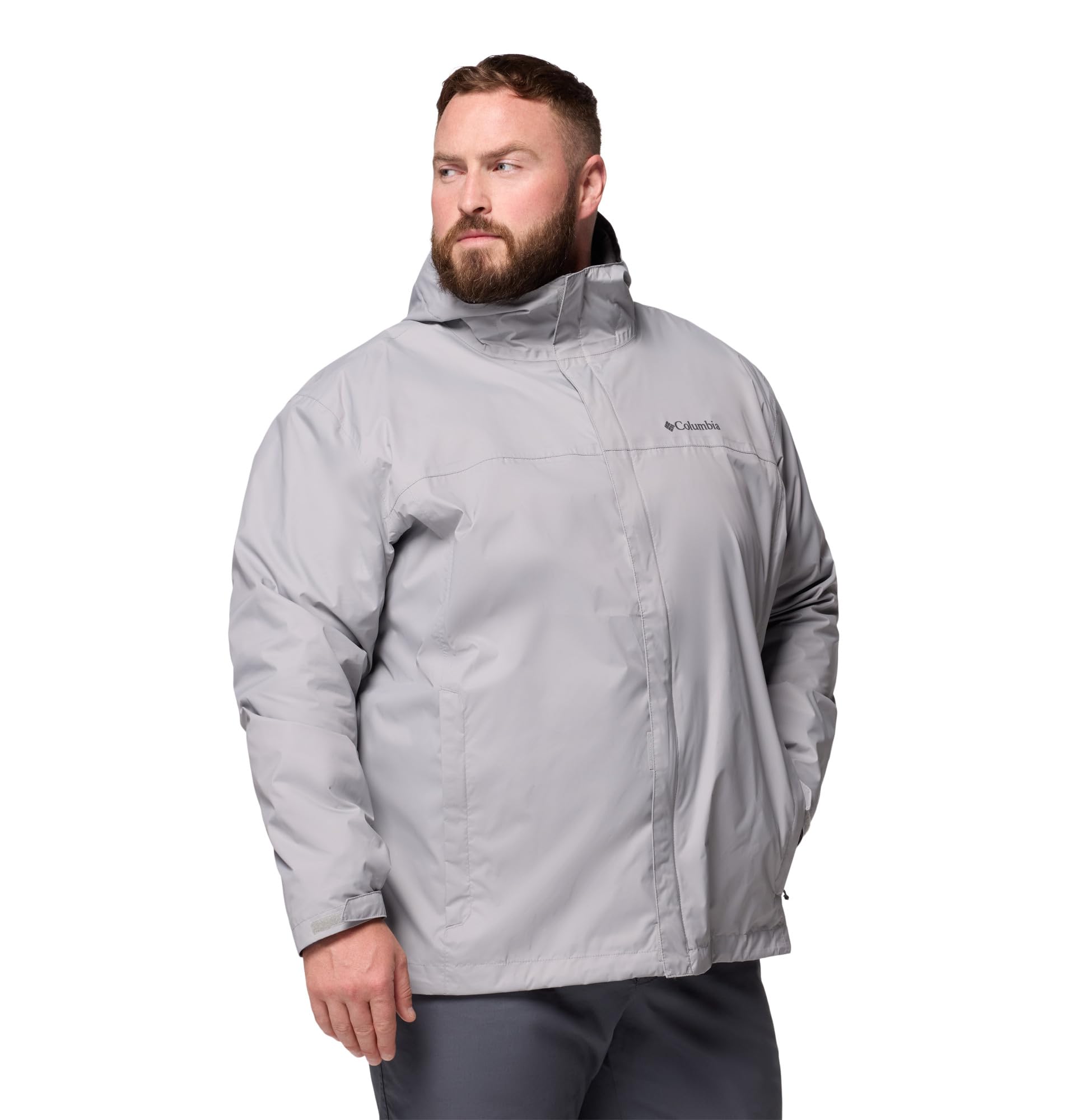
Columbia Watertight II

94 /100
Traveler Score Outstanding

Key details

Fit
Runs large
Weight
Lightweight
Packability
Packs into a daypack
Water Resistance
Waterproof
Check Details on Amazon

A hiking rain shell should disappear into your pack until the weather turns, then do its job without fuss. The Columbia Watertight II is the one we reach for first. It is light enough to forget in a daypack, packs down small, and has kept us dry through steady rain on exposed walks. The hood sits close around the face, and the front zip seals out drips without feeling stiff.

The jacket has a clean, uncluttered cut for hiking: no extra fabric flapping around your arms, and the shell moves with you on a climb. The zippered hand pockets keep a phone and keys secure, and the front zip seals out drips without feeling stiff. It is not a warm jacket on its own, so treat it as the outer layer and add insulation when the temperature drops.

The North Face Antora is the roomier alternative if you want more space for layers and bigger pockets. The Columbia is the better everyday hiking shell for most people because it is lighter and easier to pack, and it costs less than the premium picks here. If you want one rain jacket for three-season day hikes, start here.

Pros

  • Light and packable
  • Reliably dry in steady rain
  • Secure zippered pockets
  • Simple hood and trail-friendly cut

Cons

  • Runs large; size down for a close fit
Our verdict

We recommend the Watertight II as the best all-around hiking shell here: it is light, packable, and reliably dry in steady rain, with a simple cut that suits most three-season hikes.

Check Latest Price
2

Best for Layering

The North Face Antora

94 /100
Traveler Score Outstanding

Key details

Fit
Roomy for layering
Weight
Lightweight
Pockets
Large hand pockets
Water Resistance
Waterproof
Check Details on Amazon

The North Face Antora is the roomier alternative to our top pick, and that extra space is the reason to choose it. There is enough room for a fleece or light puffy underneath, and the cut leaves your arms free on steep climbs. The fabric feels light for a waterproof shell, and the jacket has a clean, uncluttered look that works on the trail and in town.

We prefer it when the forecast is cool and unsettled and we want to layer rather than carry a separate midlayer. The hand pockets are genuinely large—big enough for gloves, a map, or cold hands—and the hood adjusts down around a cap. Rain stays out in wet, windy weather, and the shell does not trap heat the way an insulated jacket can.

The jacket is not warm on its own, so plan to layer in cool weather. For a hike where you will be moving hard, the Columbia is the more packable shell. The Antora earns its place when room and pocket space matter more than shaving weight, and when you want a shell that can double as a travel jacket. It is a premium choice, but the extra fabric earns its keep in cold, wet weather.

Pros

  • Roomy for layering
  • Huge hand pockets
  • Lightweight waterproof shell

Cons

  • Sleeves run long
Our verdict

We choose the Antora when we want room for a midlayer and big, useful pockets; it is the better cold-weather layering shell here, provided the long sleeves suit you.

Check Latest Price
3

Best Women's Overall

33,000ft Women's Packable

92 /100
Traveler Score Outstanding

Key details

Pockets
Zippered hand and internal pockets
Packability
Packs into storage bag
Ventilation
Underarm vents
Water Resistance
Waterproof
Check Details on Amazon

The feature that sold us on the 33,000ft women's packable jacket is the pair of underarm vents. On a climb, they let you dump heat without stopping to take the shell off, which is exactly what a hiking rain jacket needs to do. The jacket is light, packs into its own storage bag, and has a hood that adjusts around the face.

The pockets are better than we expect on a packable shell: two zippered hand pockets plus an internal zipped pocket for a phone or keys. The cut is roomy enough for a hoodie underneath without feeling like a tent, and the length covers the hips. The storage bag is small, though refolding the jacket into it takes a few tries, especially when the shell is wet.

For women who hike in wet weather and want one shell for travel and day hikes, this is the strongest women's pick here. The vents make it the one we choose for a steady climb, and the packable size earns it a place in a carry-on. If you mainly need a jacket for road running, the baleaf shell's visibility is more useful.

Pros

  • Underarm vents for climbs
  • Packs into its storage bag
  • Zippered hand and internal pockets
  • Adjustable hood

Cons

  • Needs a midlayer in cool weather
Our verdict

We recommend the 33,000ft packable jacket as the strongest women's hiking shell here, thanks to its underarm vents, secure pockets, and small packed size.

Check Latest Price
4

Best for Running and Cycling

baleaf Men's Reflective

91 /100
Traveler Score Outstanding

Key details

Hood
Oversized
Visibility
Reflective details
Packability
Packable
Water Resistance
Waterproof
Check Details on Amazon

A wet commute or an evening run is a different test from a mountain hike. The baleaf men's reflective jacket is built for that kind of movement: it is light, packable, and covered in reflective details that show up in headlights. The hood is oversized enough to fit over a cap and still leave room to turn your head.

We reach for it when we want to be seen on a wet road or bike path. The reflective trim and high-visibility options are the reason it earns a spot, and the longer back hem keeps spray off your lower back. The zippered pockets are stormproof, and the chest pocket fits a large phone. The catch is breathability: the shell can get clammy on a hard climb, and there are no pit zips to dump heat. Size up if you want to layer a fleece underneath.

For hiking, the Columbia or North Face shells are more comfortable over a long day. The baleaf is the one to choose for running, cycling, and wet commutes where visibility matters more than ventilation. It is a focused piece of kit, and that focus is why it works.

Pros

  • Reflective visibility
  • Packable
  • Oversized hood

Cons

  • Hood runs large over a bare head
Our verdict

We reach for the baleaf reflective shell for wet runs and bike commutes, where its visibility and packable build matter more than breathability on a climb.

Check Latest Price
5

Best Budget Women's

Diamond Candy Women's

91 /100
Traveler Score Outstanding

Key details

Hood
Removable
Lining
Warm lining
Weight
Lightweight
Water Resistance
Waterproof
Check Details on Amazon

The Diamond Candy jacket is the lowest-priced women's shell in this group, and it shows in a few places—but not in the ways that matter most on a casual hike. The outer fabric shrugs off light rain, the lining adds a little warmth, and the hood is removable, which makes the jacket less fussy when the weather clears.

The cut runs small, especially through the shoulders and hips, so order a size up if you plan to wear a sweater underneath. The removable hood is a nice touch for travel, and the zippered pockets are deep enough for gloves and a phone. The lining is warm enough for a cool morning, and the jacket has a neat, unfussy shape that works in town.

We recommend it for budget-minded women who want a warm-lined rain jacket for short hikes, dog walks, and travel in cool weather. It is a comfortable, good-looking layer for cool days, and the removable hood makes it easy to pack. For a long, exposed hike, choose a more technical shell.

Pros

  • Warm lining
  • Removable hood
  • Deep zippered pockets
  • Budget women's option

Cons

  • Water resistance can falter in heavy rain
Our verdict

We recommend the Diamond Candy jacket for budget-minded women who want a warm-lined shell for short, cool-weather outings, not for long exposed downpours.

Check Latest Price
6

Best Women's for Travel

Outdoor Ventures Women's Packable

92 /100
Traveler Score Outstanding

Key details

Lining
Mesh lining
Pockets
Multiple zippered pockets
Packability
Packable
Water Resistance
Waterproof
Check Details on Amazon

A packable rain jacket earns its keep on a trip where the weather changes between breakfast and lunch. The Outdoor Ventures women's jacket is built for that kind of travel: it rolls up small, has a mesh lining that keeps the shell off your skin, and enough pockets to hold a phone, a map, and a transit card without digging through a daypack.

The hood adjusts well and the front zipper has a storm flap, two details that matter when rain is blowing sideways. The jacket is water-resistant enough for steady showers, and the mesh lining helps it feel less sticky than a basic coated shell. The outside pockets are zippered, and there is an internal pocket for valuables.

The fit runs small, especially across the chest, so try a size up if you want to layer a sweater. For travel, that is a manageable trade-off if you pack light; for a long hiking day, the 33,000ft shell's vents are more useful.

We recommend the Outdoor Ventures jacket for women who want a versatile travel shell that looks tidy in town and handles wet weather on easy hikes. It is not the most technical pick here, and the fit will not suit everyone. But as a jacket that lives in a carry-on and comes out for showers, it is the one we choose most often.

Pros

  • Strong shower protection
  • Packs small for travel
  • Multiple zippered pockets
  • Mesh lining

Cons

  • Sleeves run short on taller wearers
Our verdict

We choose the Outdoor Ventures jacket for women who want a packable travel shell with strong shower protection and useful pockets, as long as the small fit works.

Check Latest Price
7

Cold-Weather Hikes

33,000ft Women's Softshell

94 /100
Traveler Score Outstanding

Key details

Fit
True to size
Lining
Fleece
Pockets
Internal pockets
Wind Protection
Wind resistant
Check Details on Amazon

A softshell is not a rain shell, and the 33,000ft women's fleece-lined jacket is a good example of why that distinction matters. The outer fabric blocks wind and sheds light rain, while the fleece lining adds warmth on a cold, damp hike. It feels more like a cozy jacket than a crinkly emergency shell.

The cut is flattering and roomy enough for a base layer, and the sleeves have snug cuffs that keep cold air out. The hood has a small brim, which helps keep drizzle off your glasses. We noticed the pockets are generous, including internal pouches that swallow gloves and a hat. The fabric also stretches when you reach for a handhold, which makes it comfortable on scrambles.

We reach for this jacket on cold, mostly dry days when a waterproof shell would feel like overkill. It is not the one to pack for a long, exposed downpour; the softshell fabric is water-resistant rather than fully waterproof. If your hikes are wet and mild, choose the 33,000ft packable shell instead; if they are cold and breezy, this is the warmer layer.

Pros

  • Fleece lining adds warmth
  • Wind-resistant softshell
  • Generous internal pockets

Cons

  • Too warm for fast climbs in mild weather
Our verdict

We reach for the 33,000ft softshell on cold, breezy hikes when a waterproof shell would be overkill, but it is not the jacket for sustained rain.

Check Latest Price
8

Road Running

baleaf Women's Packable

91 /100
Traveler Score Outstanding

Key details

Hood
Roll-away hood
Visibility
High-visibility colors
Packability
Packable
Water Resistance
Waterproof
Check Details on Amazon

The first thing you notice about the baleaf women's packable jacket is the color. The fluorescent options are hard to miss, which is the point on a dark, wet road. The jacket is light enough to tie around your waist or stuff into a bike pocket, and the hood rolls up and secures with Velcro when you do not need it.

The pockets are useful for running and riding: two zippered hand pockets and a back pocket that converts into a stuff sack. The fabric keeps out rain and wind, and the high-visibility colors add a layer of safety without a separate vest.

Sizing is the weak point. The jacket runs inconsistently—some women find it true to size, others need to go up—and it is cut for movement rather than a close fit. It is a running shell, not an all-day hiking layer.

We recommend it for women who run, ride, or commute in wet weather and want to be seen. It is not the jacket we choose for a long hiking day, where the 33,000ft shell's vents make more sense. For a short, bright, rain-soaked outing, though, it does exactly what it should.

Pros

  • High-visibility colors
  • Roll-away hood
  • Converts to a stuff sack
  • Lightweight and packable

Cons

  • Not breathable for hard efforts
Our verdict

We recommend the baleaf women's shell for wet-weather runners and riders who want high visibility and a packable hood, not for long, sweaty climbs.

Check Latest Price

How We Tested the Best Waterproof Hiking Jackets

We started by pulling together a shortlist of 12 jackets from brands known for hiking shells, filtering by waterproof rating, weight, packed size, price, and the sizes actually available. I wore each one on local day hikes and longer weekend walks over eight months, often with a 20-pound pack, and handed a few to two colleagues of different builds so I could compare fit across shoulders, chests, and sleeves.

Water resistance got the hardest test: I wore each jacket through steady rain and drizzle, stood under a garden hose for ten minutes, and checked seams, hood brims, cuffs, and zippers for leaks. I also watched how the fabric beaded water after repeated wear and whether the hood stayed put in wind. For lightness and warmth, I weighed each jacket, stuffed it into its own pocket or pack, and layered it over a base layer and fleece on cool morning hikes, noting whether I felt clammy on the climb or warm at a windy lunch stop.

Fit and size were judged in motion, not in front of a mirror: I swung my arms, reached overhead, adjusted the hood with gloves on, and checked whether the hem rode up under a pack. I also wore each jacket around town to see how it looked with jeans and a daypack, because a good hiking shell shouldn't feel like a costume. At the end, I compared what each jacket delivered against what it cost, weighing build quality, comfort, and packed size against the money. The jackets below are the ones that held up across all of it.

How to Choose Waterproof Jackets for Hiking

Waterproof Protection and the Rain You Expect

Waterproof shells rely on a membrane or coating plus sealed seams to keep rain from reaching your layers. A water-resistant softshell or a coated fashion raincoat can handle drizzle and a short walk, but it is not the same promise when you are exposed on a ridge for hours. We start by asking how long the jacket will be in rain, not just whether the label says waterproof.

For multi-hour hikes in steady rain, look for a waterproof shell with taped or sealed seams and a hood that cinches around the face. For cold-weather walks and light showers, a water-resistant softshell can be enough. The 33,000ft softshell in this guide is that kind of jacket: warm and wind-resistant, but not the one we pack for an all-day downpour.

Ventilation Is Part of the Protection

Rain shells trap heat, and a jacket that keeps water out but leaves you soaked in sweat is not doing its job. Breathable fabrics help, but vents do more on a climb: underarm zips, chest vents, and a front zip you can crack open let hot air escape without exposing your core. We prioritize venting on any shell we plan to wear while moving uphill.

An insulated or fleece-lined jacket is warmer, but it limits how much you can regulate heat. For fast hiking in mild weather, choose an unlined shell with pit zips and wear a wicking base layer. Save the fleece lining for cold, slower days. A packable shell without vents is fine for commuting, but it can turn clammy on a long climb.

Fit, Hood, and Layering

Fit should leave room for a midlayer and full arm movement without so much excess fabric that the shell flaps in wind. Try the jacket on with the layers you plan to hike in, and check that the cuffs do not ride up when you reach overhead. A hood should cinch around the face, have a brim to keep drips off your glasses, and turn with your head rather than blocking your view.

Brand sizing varies enough that a medium in one shell can fit like a large in another. Pay attention to notes about running large or small, and do not assume you need to size up. A close-fitting shell is warmer and less noisy; a roomier one is better for layering. The right answer depends on whether you hike in a T-shirt or a puffy.

Packability, Pockets, and Travel

A shell that packs small is more likely to be in your daypack when the weather turns. Look at the packed size and weight, and think about where it will live: a stuff sack in the lid, a side pocket, or a bike jersey. For travel, a jacket that rolls into its own pocket and shakes out without heavy creases is easier to live with.

Pocket placement matters on the trail. Hand pockets should sit above a hip belt or be accessible with a pack on, and zippers keep keys and a phone secure. For travel, an internal pocket adds peace of mind. We look for zippered pockets over open ones, and we prefer a hood that stows or cinches rather than flapping loose.

Warmth and Visibility

An insulated or fleece-lined shell can replace a midlayer on cold hikes, but it is a poor choice for fast, mild-weather climbs. If you run hot, choose an unlined rain shell and carry a fleece; if you run cold, a lined softshell can be more comfortable. The 33,000ft softshell is the warm option here, while the Columbia and North Face shells are unlined layers.

For road running, cycling, and wet commutes, visibility is a safety feature. High-visibility colors and reflective details help drivers see you in rain and low light. A bright shell is not a substitute for lights, but it adds an easy layer of confidence. If you split your time between trails and roads, decide which use matters more before you buy.

Frequently Asked Questions

Final Verdict

Most hikers should start with the Columbia Watertight II. It is light enough to carry every day, packs small, and has a straightforward hood and pocket layout that works on the trail. The North Face Antora is the better choice if you want more room for layers and bigger pockets. Women who run hot on the climb should look at the 33,000ft packable shell for its underarm vents; for travel, the Outdoor Ventures jacket is the easier one to live with.