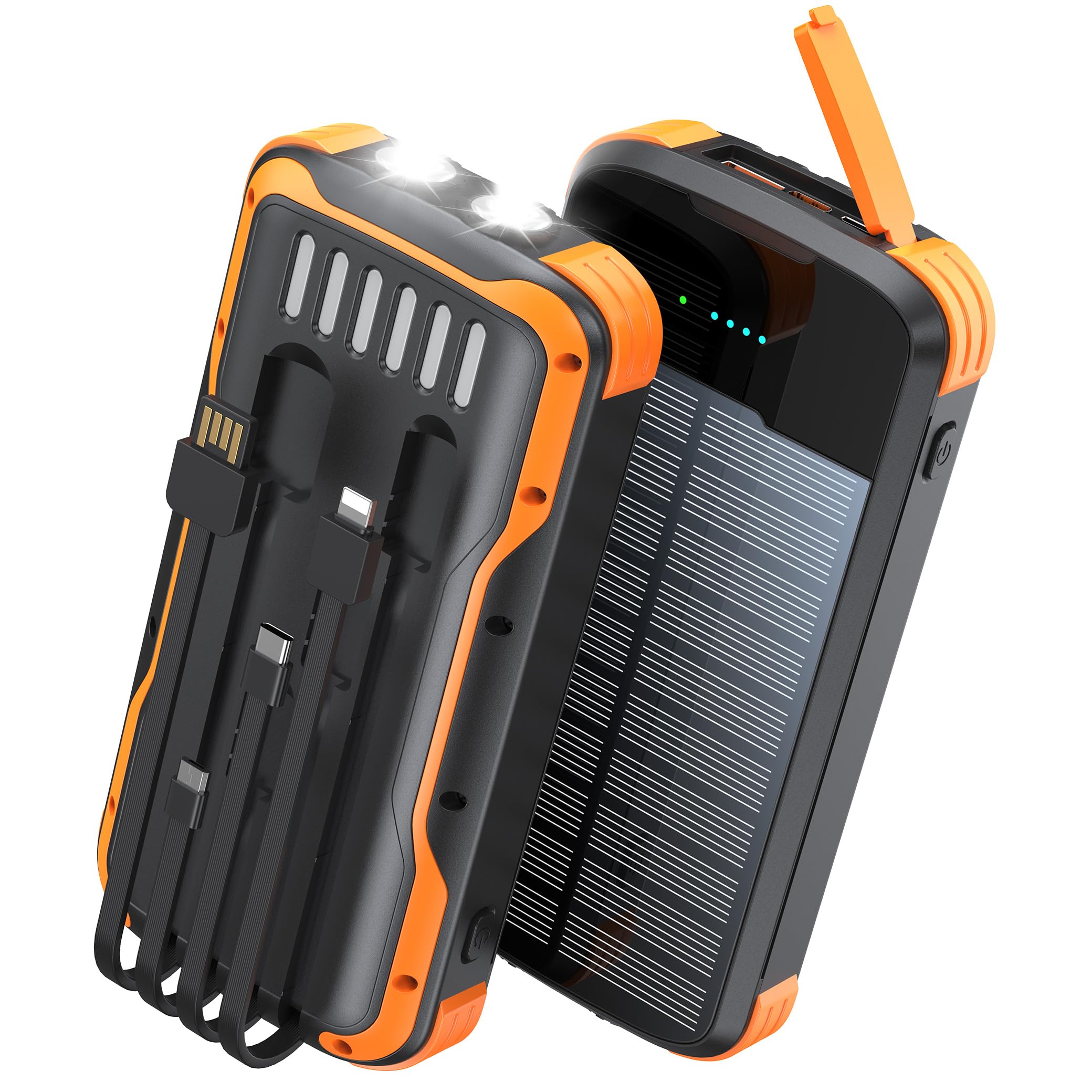
9 Best Power Bank for Camping in 2026: Dependable Outdoor Power

Find the best power bank for camping: weatherproof, fast-charging picks that hold up on real trips, with honest guidance on solar and capacity trade-offs.

Camping power banks sell two stories: huge capacity and solar panels. In practice, the mAh number tells you less than the weight on your pack and the wattage coming out of the USB-C port. Solar panels on portable banks trickle at best, so the bank's real job is to hold a charge before you leave and deliver it fast at night.

That changes the buying decision. A 50,000mAh brick will run a group for days, but it will also weigh over a pound and often can't fly. A rugged 15,000mAh bank with an IP rating and 30W output is easier to justify on a hike. The right choice comes down to how you camp — not the biggest number in the listing.

A bank that matches your trip type will charge once and stay useful; one chosen purely by mAh tends to stay home after the first carry.

1

Best Overall

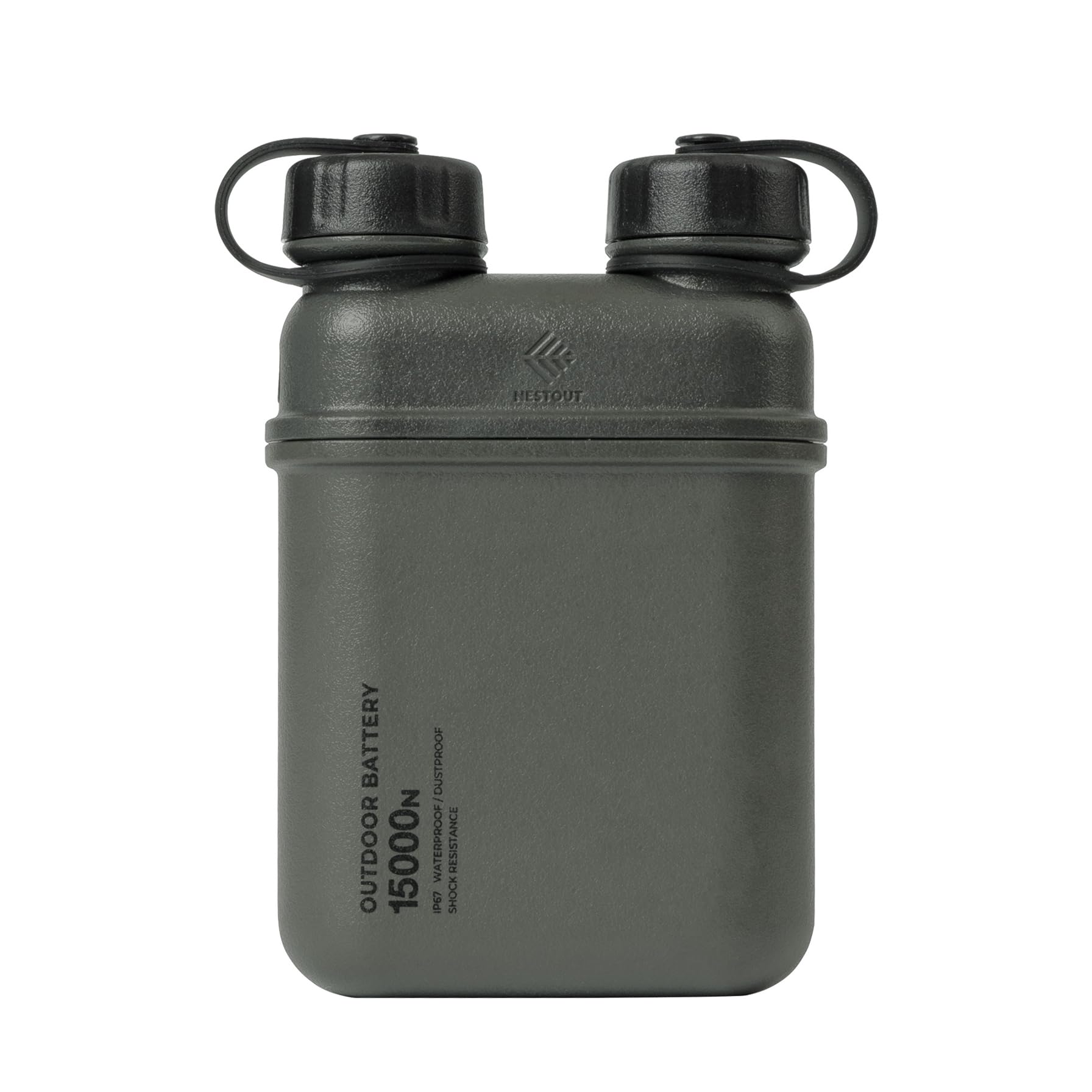
NESTOUT 15000mAh Rugged

90 /100
Traveler Score Outstanding

Key details

Weight
359 g
Capacity
15,000mAh
Durability
IP67, MIL-STD-810G
Fast Charging
32W USB-C PD
Check Details on Amazon

IP67 waterproofing, a MIL-STD-810G shockproof rating, and 32W USB-C PD output come in a 359 g body that slips into a backpack side pocket. The combination means a phone or action cam can be topped off at camp while the power bank sits through rain, dust, or a drop onto rock. At 359 g, the weight is noticeable on a scale but disappears in a loaded pack. It is the rare power bank built around outdoor conditions rather than desk-side convenience.

The ¼-20 tripod mount is a practical extra for outdoor photographers: the bank can sit under a camera in place of a light tripod or secure to a rig for time-lapse work. IP67 covers submersion, not just splashes, and the textured shell shrugs off knocks without a sleeve. Port covers keep the USB-C and USB-A connections clear of grit when the bank is packed loose.

This is for backpackers and hikers who top off a phone or action cam each night and want a bank that survives the trail. The 15,000mAh capacity is a personal-recovery tool, not a group supply; a weekend of charging multiple devices or a 20,000mAh+ reserve belongs to the larger banks in this guide. It also skips built-in solar and lantern features, so campers who want a single gadget for light and charging should consider one of the feature-dense options in this guide. Pair it with a 30W USB-C PD wall charger and the bank tops up overnight while your other devices charge.

The 32W USB-C PD output recovers a phone quickly and can top a small tablet at usable speed; the USB-A port handles older cables and accessories. That is not a laptop-charging bank, but for a phone, an action cam, a GPS unit, and a headlamp, it is enough. The USB-C port is bidirectional, so the same cable used for a phone can top up the bank before a trip. The charging board also behaves in the damp, dirty conditions where a travel bank would be left behind.

The premium price buys the outdoor integration: accessory mounts, a weatherproof shell, and a drop rating that budget banks leave out. NESTOUT's accessory ecosystem uses the same mounting points, so the bank can attach to gear rather than sitting loose in a pack. That is what separates it from the mainstream travel power bank in this guide.

Pros

  • Sealed, rugged shell feels solid in the hand without needing an extra case.
  • MIL-STD-810G drop rating stands up to falls on rock and hard trail use.
  • IP67 rating handles rain, splashes, and full submersion in fresh water.
  • 359 g bottle shape packs easily into a backpack pocket or bottle cage.
  • 32W USB-C PD and a ¼-20 tripod mount cover fast charging and outdoor camera rigs.

Cons

  • In some cases, standby drain is faster than expected, so check the meter before a trip.
  • Recharging the bank itself can be slow unless paired with a USB-C PD adapter.
Our verdict

For trail use, this is the portable bank to grab when weather and rough handling are the real variables. It charges the gear you carry and takes the abuse that comes with carrying it.

Check Latest Price
2

Best All-Rounder for Most Campers

Anker Zolo 20K

89 /100
Traveler Score Excellent

Key details

Weight
365 g
Capacity
20,000mAh
Durability
Fast Charging
30W USB-C PD
Check Details on Amazon

The Anker Zolo 20K supplies 30W USB-C PD from a 20,000mAh pack, and ActiveShield 2.0 tracks heat during long charging sessions. It carries 5,000mAh more than the top pick in this guide, with a lower price and nearly identical charging speeds. The 20,000mAh cell covers several full phone charges or a full weekend of evening top-ups for a family.

This is the bank for mainstream campers who drive to a site or keep gear in a tent, travelers who want one dependable pack for phones and tablets, and families who want simple high-speed charging without digging for extra cables. It lacks an IP rating and shockproof shell, so it is not built for heavy rain or drops; keep it inside a tent or pack rather than clipped to a backpack.

Recharging the bank itself takes a full night on a 20W USB-C PD adapter, which is typical for a 20,000mAh unit. The built-in USB-C cable handles modern phones, while the extra USB-C and USB-A ports cover older accessories with your own cables. For a family trip, that means one bank can keep two phones and a tablet alive without needing a second power brick.

Pros

  • 30W USB-C PD output tops up phones and small tablets quickly, with enough headroom for small laptops.
  • Build quality feels dense and substantial, with a premium shell that suits long-term travel use.
  • The 365g package slides into a daypack or camp bag easily despite its 20,000mAh capacity.
  • Fair mid-range price for the charging speed and capacity you get.

Cons

  • The built-in USB-C cable covers modern devices, but Lightning and micro-USB owners still need their own cable.
  • In a pants pocket, the 365g weight is noticeable; in a bag or pack it becomes a non-issue.
Our verdict

The Zolo 20K is the bank to grab when your priority is fast, high-capacity charging at a fair price.

Check Latest Price
3

Best Solar-Equipped Budget Pick

SolarTred 20000mAh Solar

92 /100
Traveler Score Outstanding

Key details

Weight
699 g
Capacity
20,000mAh
Durability
IP67, shockproof
Fast Charging
15W USB-C
Check Details on Amazon

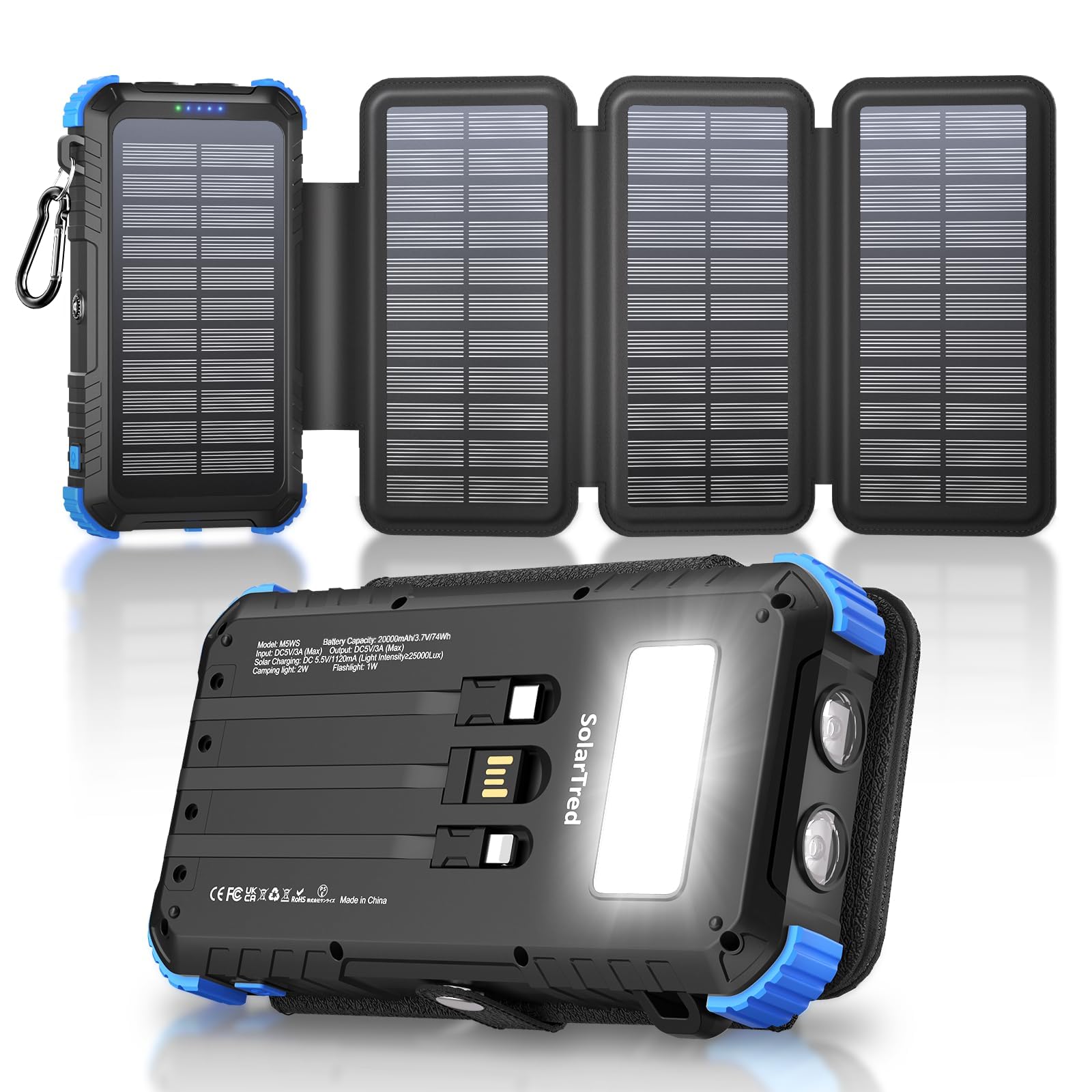
The SolarTred's four-panel solar array is the rare built-in solar feature that actually adds charge outdoors. Instead of padding the spec sheet with wireless charging and a lantern, it puts its effort into a rugged 20,000mAh body, IP67 waterproofing, and three built-in cables at a budget-friendly price.

This bank fits budget-conscious campers who want a rugged 20,000mAh backup for weekend trips, and families will appreciate the three built-in cables plus two USB-A and Type-C ports that remove the need to pack separate cords. The USB-C output tops out at 15W, so larger tablets and laptops charge slowly; phones and small tablets are the intended load.

Over a weekend of camping, the bank keeps phones topped up without needing a wall outlet between charges. The built-in cables are the standout convenience: three different connectors let a mixed-family campsite share one power bank without hunting for adapters. The four-panel array also adds useful charge when left in direct sun, making it a practical emergency backup rather than a decorative extra.

💡 During a multi-day trip, leave the bank flat in direct sun with panels facing upward whenever you are not actively charging from it.

Pros

  • Folded size and 699g weight make it easy to pack for car camping and emergency kits.
  • Phones charge quickly through the built-in cables, covering multi-day weekend trips without draining the bank.
  • IP67-rated shell feels solid and drop-resistant, taking rain and dust in stride.
  • The four-panel fold-out solar array measurably boosts charge outdoors, making it a functional emergency backup.

Cons

  • At 699g, it runs heavier than slimmer 15k banks; fine for car camping, less so for backpacking.
  • In direct sun, the solar array can add capacity slowly, so treat it as an emergency top-up rather than a full recharge.
Our verdict

This is the budget-friendly pick for campers who want a rugged 20,000mAh bank with built-in cables and solar that contributes in the field.

Check Latest Price
4

Best Power Bank + Lantern Combo

aswayke 20000mAh Rugged

86 /100
Traveler Score Excellent

Key details

Weight
1 lb
Capacity
20,000mAh
Durability
IP68, shockproof
Fast Charging
USB-C PD
Check Details on Amazon

The aswayke bundles a 420-lumen detachable lantern, IP68 waterproofing, and 20,000mAh USB-C PD into one rugged unit. No other bank in this set switches from charging to tent lighting without a separate case or headlamp. The lantern's five modes cover campsite lighting and a tripod-mounted fill light for photography. That IP68 rating is a real step up from the splash-resistant shells on typical travel banks. Compared to the slimmer rugged bank in this guide, it trades some compactness for a built-in light.

Charging speed holds up in use: USB-C PD tops off phones quickly, and 20,000mAh covers multiple overnights before the bank itself needs a wall outlet. The shockproof shell handles drops and weather, and the build quality matches what you would expect from tactical-grade gear. The included case keeps everything organized for emergency kits.

At one pound, this is heavier than a standalone 20k bank, so it fits tent camping, hunting camps, and emergency kits better than ultralight backpacking. The detachable lantern can sit loosely in its USB mount when the bank is jostled, so keep it upright or secure the lantern before moving gear. If your priority is shaving pack weight on trail miles, the lighter top pick in this guide is a better match.

💡 With two output ports, prioritize charging a phone and a small light; don't expect to fast-charge multiple devices at once.

Pros

  • IP68 waterproofing and shockproof shell handle rain, drops, and dusty campsites without extra gear for a multi-night outing.
  • Detachable 420-lumen lantern with five modes replaces a separate tent light and tripod fill light for photographers.
  • USB-C PD fast charging plus 20,000mAh capacity keeps phones and small devices topped up over multiple days.
  • Rugged build feels like tactical gear, with a case that keeps the bank and cables organized for emergency kits.

Cons

  • The detachable lantern can sit loosely in its USB mount when the bank gets jostled.
  • At one pound, the added heft is noticeable on long hikes or in a loaded pack.
Our verdict

For tent campers and emergency kits, the lantern-bank combo is worth the extra weight; trail hikers should go with the lighter top pick.

Check Latest Price
5

Best Maximum-Capacity Value

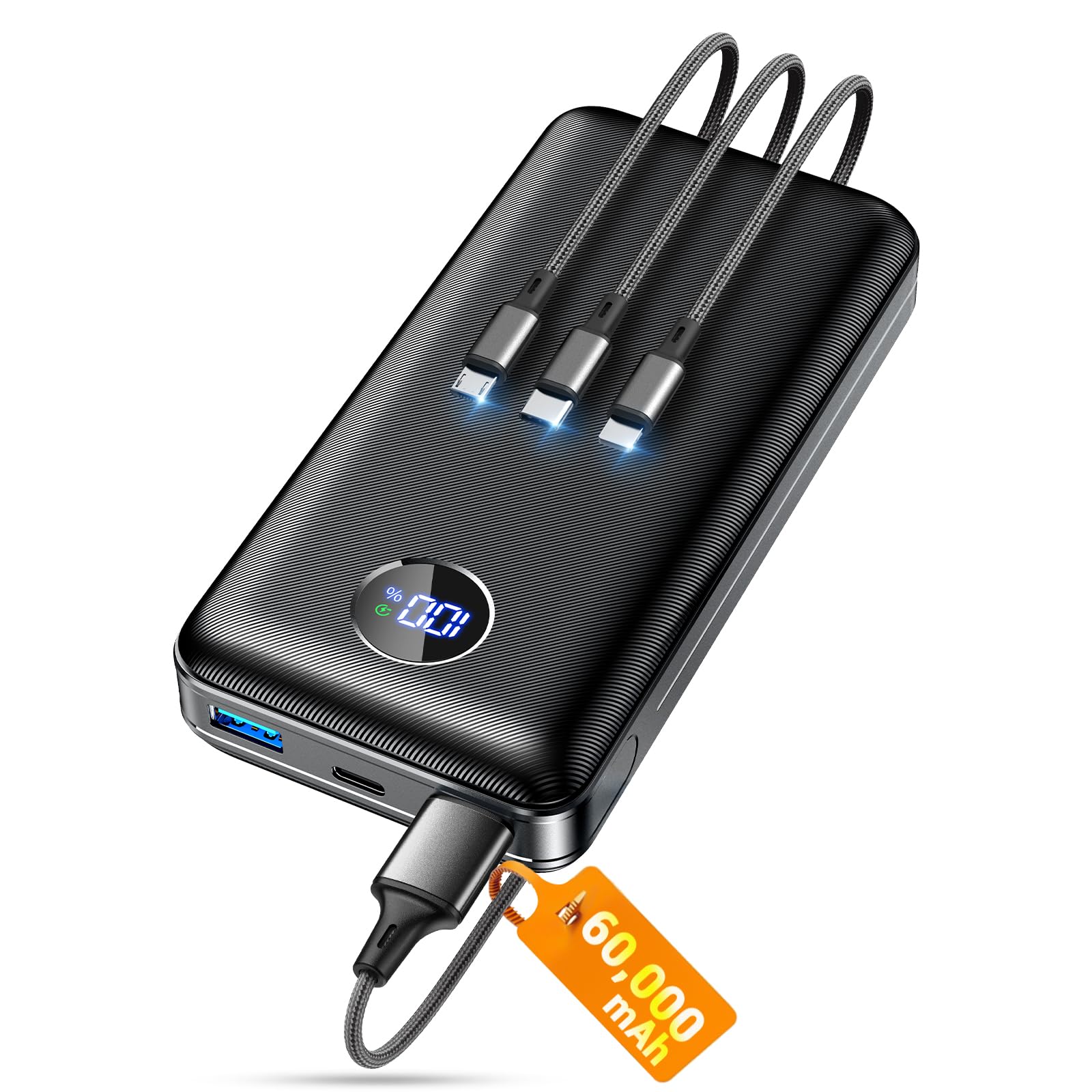
ZZI 60000mAh

88 /100
Traveler Score Excellent

Key details

Weight
15.36 oz
Capacity
60,000mAh
Durability
Fast Charging
22.5W PD/QC
Check Details on Amazon

The ZZI is the group-camp capacity play in this guide. Its 60,000mAh body and 22.5W PD output charge phones, tablets, and earbuds across three ports and a 3-in-1 cable, with an LED percentage display to plan the evening's charging. For multi-day off-grid use, that capacity edge is what separates it from the 50,000mAh cable-integrated option in the same budget tier.

Battery capacity holds for days, so a weekend campsite can draw from it without hunting for an outlet. With a full charge, the ZZI can handle several phone top-ups and a tablet before it needs its own recharge. The bundled 3-in-1 cable covers common connectors and reduces how many separate cords need to make the trip. The LED display updates as devices draw power, making it easy to track when the next full charge is due.

This suits car campers, RVers, off-grid group camps, and emergency kits where a heavy 15.36-ounce box lives at base camp rather than in a pack. It won't fly commercially in most cases, and the full recharge is an overnight commitment. Backpackers and anyone measuring pack weight per ounce should pass; that's what the slimmer outdoor-focused options in this guide are for.

Pros

  • Battery capacity holds for days, keeping a campsite powered across a full weekend.
  • Three ports plus the bundled 3-in-1 cable let several devices charge at once.
  • Sturdy feel and steady performance suit shared camp use without premium pricing.
  • LED percentage display shows exact remaining charge without needing an app.

Cons

  • Charging output can sit below the 22.5W maximum when several ports share the same charge pool.
Our verdict

For car campers and emergency kits, the ZZI delivers the most capacity per dollar in this guide; keep it at base camp and it becomes the group charger.

Check Latest Price
6

Group Campers

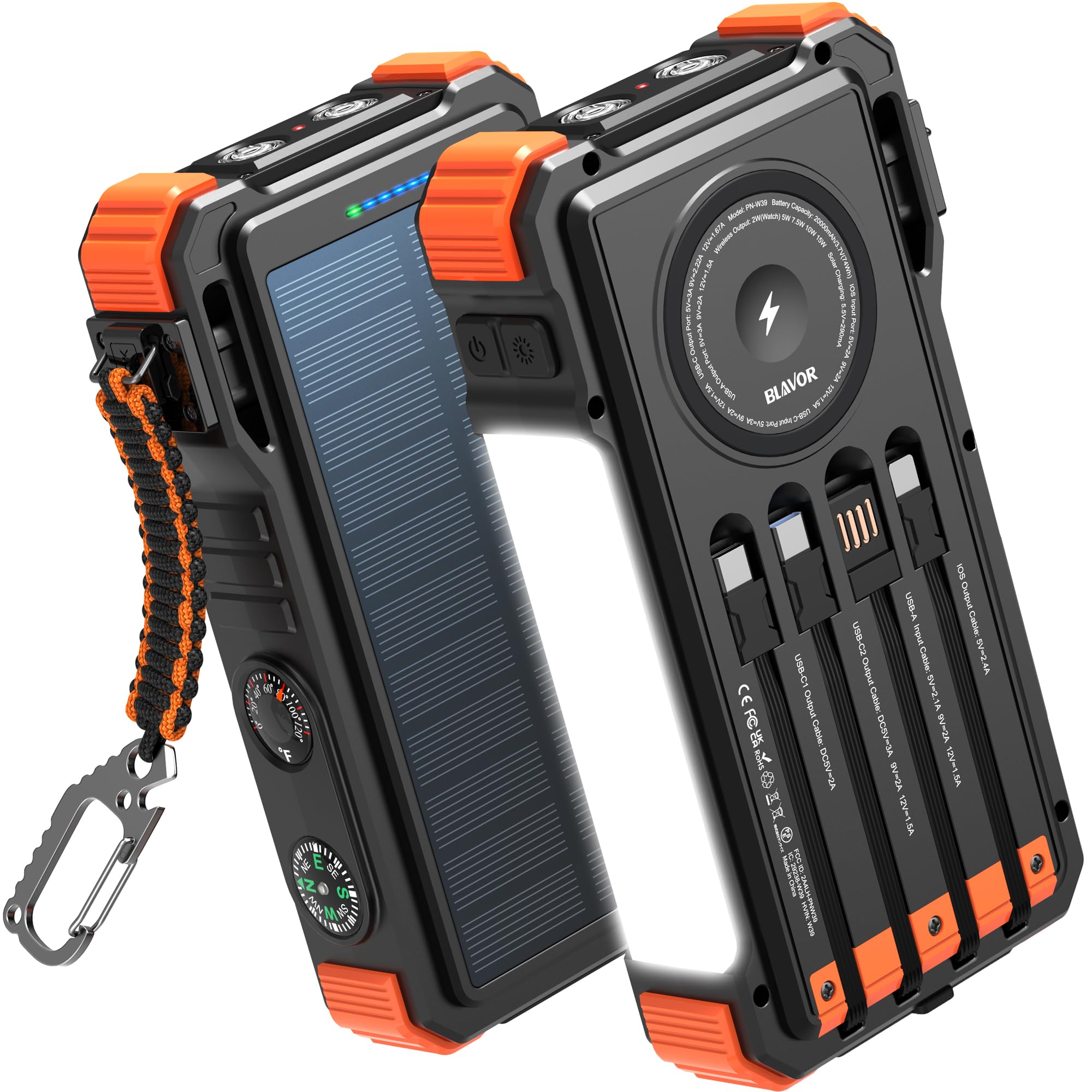
BLAVOR 20000mAh Solar

86 /100
Traveler Score Excellent

Key details

Weight
0.78 kg
Capacity
20,000mAh
Durability
Shockproof, water-resistant
Fast Charging
20W USB-C PD
Check Details on Amazon

The BLAVOR packs four built-in cables, three ports, wireless charging, and a flashlight/lantern/carabiner into one 20,000mAh shell — enough charging options to handle a group campsite without a cord tangle. The shockproof/water-resistant body and camping light make it a sensible emergency-kit addition. Solar output is a backup supplement at best, the 0.78kg weight is noticeable on a backpack, and port/wireless behavior can vary between units. That keeps it behind the rugged leaders, but for group car campers who want one box with broad compatibility, it has a clear niche.

Pros

  • Top up a phone, tablet, and earbuds at once through cables, ports, and wireless.
  • Flashlight, lantern, and carabiner make it useful beyond charging around camp.
  • Tough shell suits a camp bin or emergency kit without babying.

Cons

  • A day in direct sun won't recover meaningful capacity for a 20,000mAh bank.
  • At 0.78kg, it is heavy enough that backpackers will feel it on a multi-day carry.
Our verdict

For group car camping or an emergency kit where weight matters less than having every cable built in, this is a practical one-box answer. Keep a lighter bank for hiking legs.

Check Latest Price
7

Car Camping

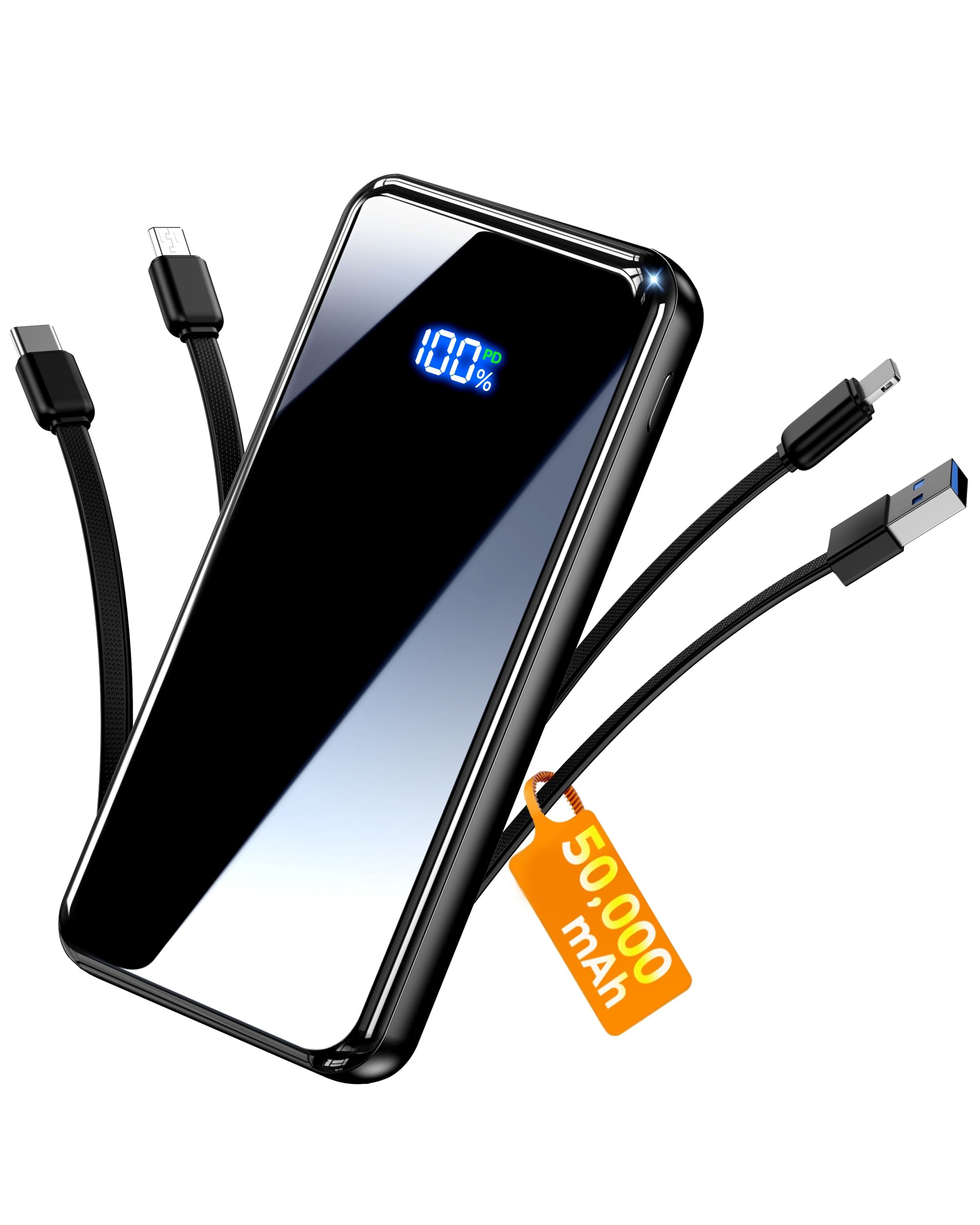
YILANS 50000mAh

89 /100
Traveler Score Excellent

Key details

Weight
1.1 lb
Capacity
50,000mAh
Durability
Fast Charging
22.5W PD/QC
Check Details on Amazon

The YILANS 50000mAh packs a substantial power reserve with four built-in cables, 22.5W PD/QC fast charging, and a budget price. For a family car-camping weekend or a multi-day home outage, it can keep several phones and tablets topped up without hunting for cords, and the LED percentage display removes guesswork about remaining charge.

The tradeoff is physical: it weighs 1.1 pounds, measures like a brick, and exceeds airline carry-on limits. Keep it in the trunk or the garage rather than a carry-on or hiking pack; the price per milliamp-hour is still hard to beat for that role. A larger-capacity group bank in this guide offers similar value with more headroom, which is why this lands as a niche pick.

Pros

  • Fast 22.5W charging with multiple ports and cables keeps several devices topped up at once.
  • Four built-in cables mean no separate cords to pack or lose on a group trip.
  • 50,000mAh capacity covers multiple days of charging, with a LED percentage display.

Cons

  • At 1.1 pounds and brick-sized, this is a trunk companion rather than a pocket or daypack bank.
  • It exceeds airline carry-on limits, so flying with it is not an option.
Our verdict

For anyone driving to a campsite or prepping the house for an outage, this bank delivers enough capacity and cable convenience for the price.

Check Latest Price
8

Car Campers

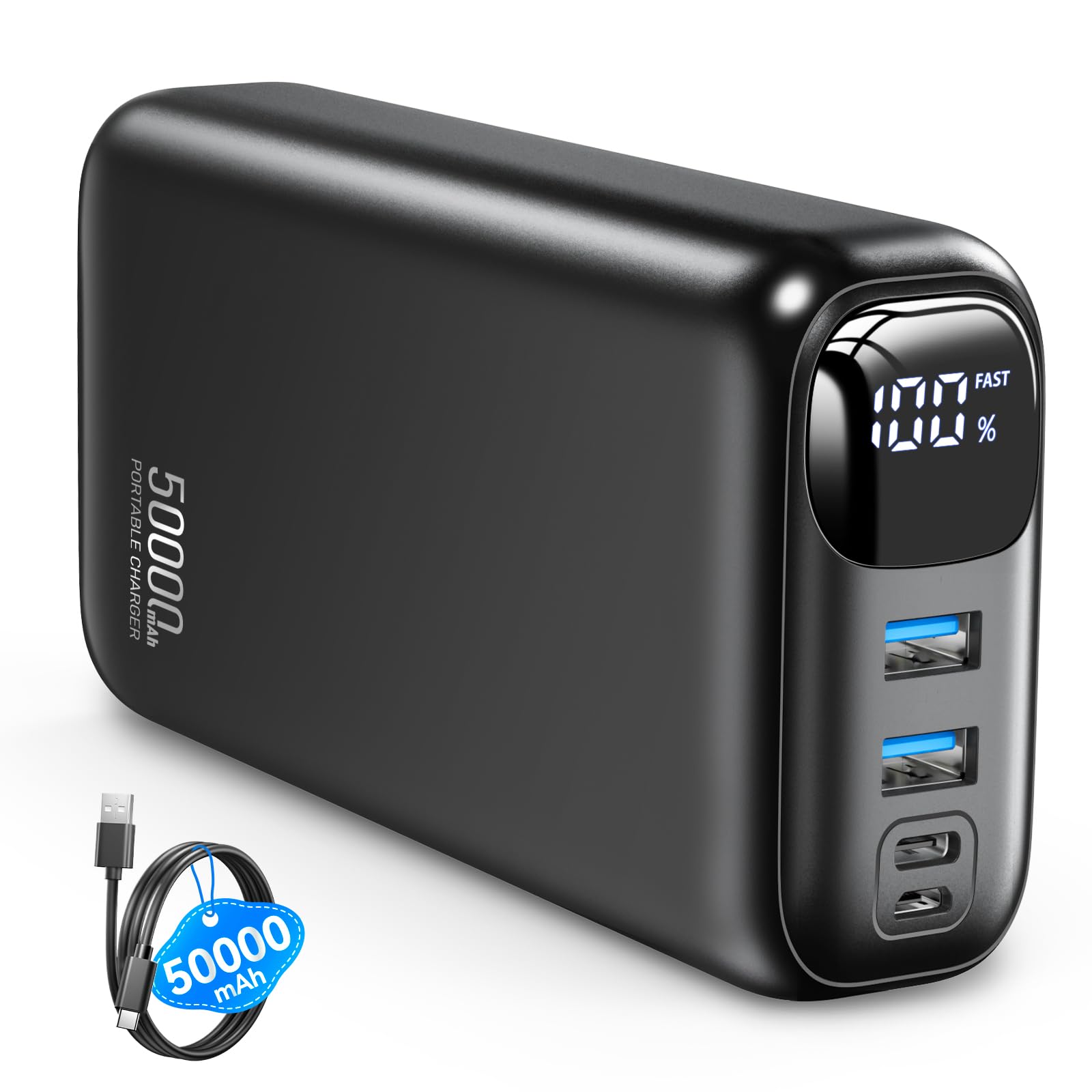
OHOVIV 50000mAh

88 /100
Traveler Score Excellent

Key details

Weight
613 g
Capacity
50,000mAh
Durability
Fast Charging
22.5W PD
Check Details on Amazon

At an entry-level price, this 50,000mAh bank delivers 22.5W USB-C PD for long car-camping stretches and home outage backup. That capacity will keep several phones, tablets, and small USB devices powered for days between charges. The honest tradeoff is a hefty frame and a recharge cycle that can run most of the day, which suits a trunk or closet better than a backpack. It undercuts comparable budget options on price per milliamp-hour, but it is not a category leader. The LED percentage display removes guesswork when the bank is running low.

Pros

  • Long runtime keeps phones and tablets powered through multi-day outages or car trips.
  • Three-port output lets a small group charge several devices before the bank needs a wall outlet.
  • Build quality holds up for the price, with a durable shell that suits regular handling.

Cons

  • Fewer built-in cables than other max-capacity budget banks, so cords need to be packed separately.
  • 22.5W PD is enough for phones but may not charge larger laptops.
Our verdict

Keep it in the car or emergency kit, and the capacity-per-dollar value is hard to match.

Check Latest Price
9

Group Camping

SOXONO 40000mAh Solar

84 /100
Traveler Score Excellent

Key details

Weight
1.2 lb
Capacity
40,000mAh
Durability
IP67, shockproof
Fast Charging
20W USB-C PD
Check Details on Amazon

The 40,000mAh capacity, IP67 shell, and dual flashlights make this a practical grab-and-go kit for car campers. The sealed body handles rain and dust without special treatment. Solar is backup-only; the bank itself needs wall power for a meaningful recharge. Charging consistency can vary between units, so I would test a new one before a multi-day trip. Light use can scuff the shell, which is a cosmetic rather than functional concern. That trade-off set keeps the price low, but it is an emergency option, not a dependable everyday pick.

Pros

  • Capable budget charger with enough power for phones and tablets.
  • Several cables and ports match phones, tablets, and other gear.
  • Compact enough for road trips and camp-site packing.

Cons

  • The built-in connectors can feel less robust than the outer shell.
  • At 1.2 lb, it is more at home in a car trunk than on a hiking pack.
Our verdict

For a roadside emergency kit or a weekend of car camping with AC access between trips, this is a lot of capacity for the money.

Check Latest Price

How to Choose

Capacity

Capacity is the headline number, but it describes energy stored, not energy delivered. Conversion losses and device charging curves mean a 20,000mAh bank usually delivers about 12,000-14,000mAh of usable charge.

Match capacity to your trip: 15,000mAh handles a phone and GPS for a weekend; 50,000mAh keeps a group car camp running. Bigger cells add weight, bulk, and recharge time.

Fast Charging

Fast charging comes from USB-C Power Delivery, and wattage sets the ceiling. A 20W bank charges phones at standard speed; a 30W bank also tops up a small laptop. High output drains the bank faster and generates heat, so thermal management matters.

For phones only, 20W is plenty. For tablets or laptops, choose 30W or higher.

Durability & IP Ratings

IP ratings define water and dust resistance: IP67 survives submersion in 1 meter for 30 minutes; IP68 extends that depth. An IP-rated bank handles rain, wet tables, and puddle drops.

Shock protection matters on rocky campsites. A MIL-STD-810G drop-rated bank survives being knocked off a boulder; a standard travel bank does not.

Built-in Cables and Ports

Built-in cables are the most useful convenience here: one less cord to lose and instant access for multiple devices. They also become the first failure point if the connector is loose or the cable is thin.

A bank with four cables is only useful if it charges several devices at once. Check the total output shared across ports.

Weight and Carry Size

A 20,000mAh bank weighs roughly 350-400g; a 50,000mAh bank can be 600g or more. On a pack, that difference equals a full water bottle.

For backpacking, every 100g matters. For car camping, weight is irrelevant.

Outdoor Extras

Solar, lanterns, flashlights, and tripod mounts are the extras that make a bank feel outdoor-ready. Solar is the weakest: a panel on a 20,000mAh+ bank produces a trickle, so treat it as an emergency supplement, not a recharge path.

A detachable lantern or flashlight adds real campsite value, but every extra adds weight and a moving part. A simple bank plus a headlamp is often the lighter setup.

Frequently Asked Questions