9 Best Power Bank for Backpacking 2026: Lightweight and Fast Charging Wins

Which power bank keeps your phone alive on the trail without weighing you down? We cut through the marketing hype to find the real balance of weight, capacity, and speed for backpackers.

Many backpackers fall for solar power banks that promise endless energy but deliver negligible gains in the field. After years of watching hikers overpack heavy bricks with useless solar panels, the lesson is clear: a lightweight 10,000mAh unit with fast USB-C charging often beats a heavier 20,000mAh model that can't charge your phone quickly.

The real trade-off isn't brand or price — it's deciding whether you need laptop power on the trail. If you're only charging a phone and maybe a camera, a sub-200 gram power bank that tops up your phone in 30 minutes beats a half-pound brick that takes three hours to recharge itself.

This guide helps you match your trip length and device load to the right weight class, so you pack power you'll actually use instead of dead weight.

1

Best Overall

INIU 45W 10000mAh

91 /100
Traveler Score Outstanding

Key details

Weight
6.4 oz
Capacity
10000mAh
Cable Type
Detachable
Fast Charging
45W
Check Details on Amazon

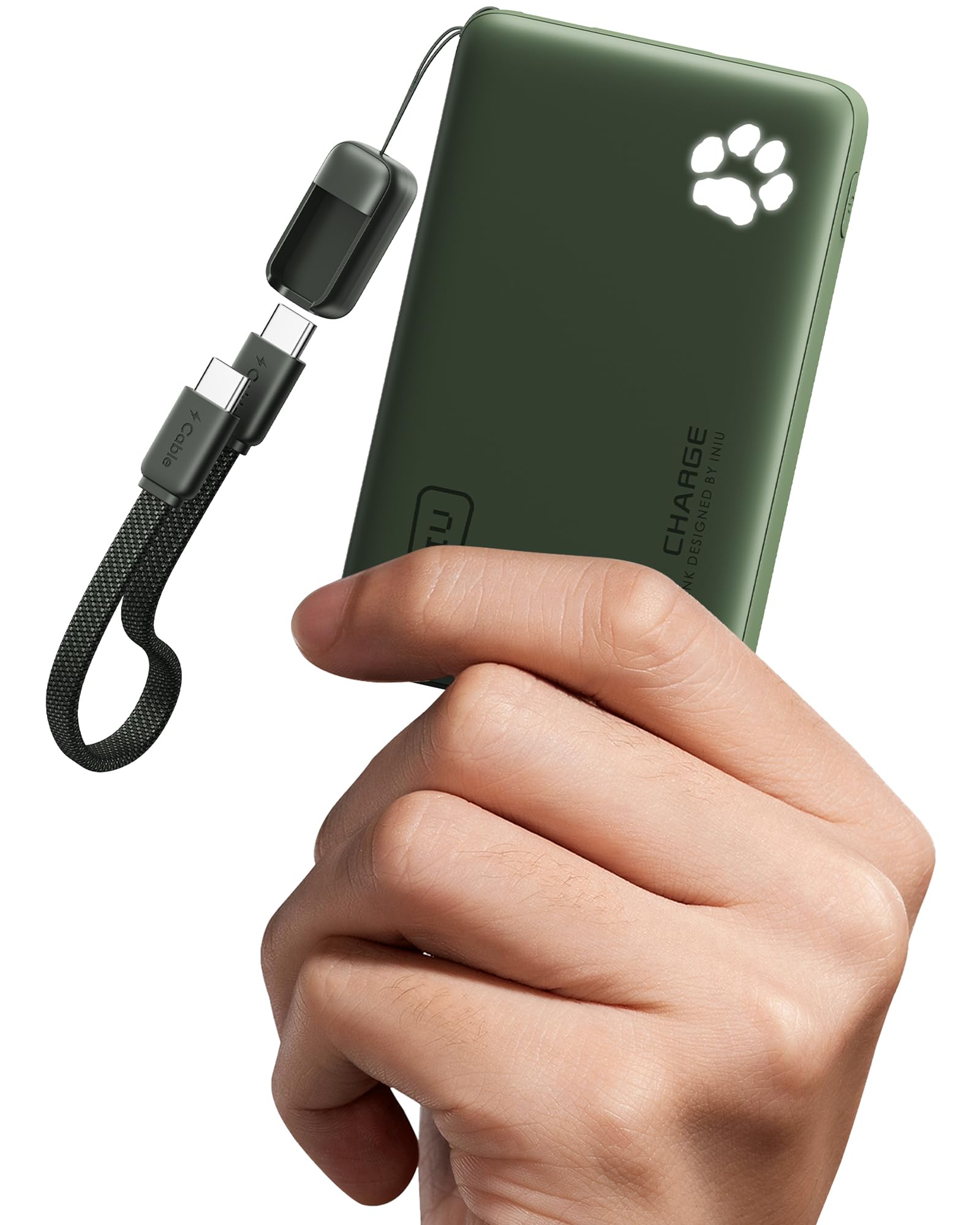
At 182 grams, the INIU 45W power bank is lighter than most 10,000mAh competitors while still pushing 45W USB-C output. The detachable cable keeps things tidy – no extra cord to stuff in a pocket. A built-in flashlight and TSA approval add convenience for travel.

Charging an iPhone 17 or Samsung S26 from near-empty to full takes under 40 minutes thanks to the 45W PD port. The compact slab slides into a hip belt pouch or shirt pocket easily, so it disappears in a pack. The detachable cable also works with other USB-C devices, reducing the need for multiple cords.

Ideal for ultralight backpackers and daily commuters who need one or two full phone charges between stops. The 10,000mAh capacity covers a day of moderate phone use, but multi-day trips will require recharging the power bank itself – it’s a better fit for short outings. Some units may stop charging after extended use; individual unit variance is possible, not a guarantee of trouble.

The INIU earns its top-pick status because it solves the classic backpacker dilemma: high charging speed in the lightest possible package. For the price, you get 45W output that rivals bulkier 20K models at half the weight. This is the power bank to grab for a weekend hike or a work commute where every gram counts.

Pros

  • Extremely compact at 182g
  • 45W fast charging tops up most phones in under an hour.
  • Detachable USB-C cable eliminates the need for a separate cord, reducing clutter.
  • Consistent charging output across various devices, from iPhones to Samsung phones.

Cons

  • Some units may stop holding a charge after several months of use.
Our verdict

For backpackers who want the lightest possible 45W power bank without sacrificing speed, the INIU 45W is the straightforward choice – just be aware of its capacity limits for longer trips.

Check Latest Price
2

Best High-Capacity Compact

INIU 20000mAh 65W

89 /100
Traveler Score Excellent

Key details

Weight
11.4 oz
Capacity
20000mAh
Cable Type
Detachable
Fast Charging
65W
Check Details on Amazon

At 11.4 ounces, this is the smallest 20,000mAh power bank tested — notably more compact than other laptop-capable 20K units. Its 65W USB-C PD output handles most laptops (MacBook, HP, etc.) and fast-charges phones from the same port. Compared to the ultraportable 10K top pick, it offers double the capacity and laptop charging, though at nearly twice the weight.

This suits backpackers who need to charge both a phone and a laptop on multi-day trips, or who want a single power bank for daily carry and travel. The tradeoff: at 11.4 oz it won't satisfy ultralight hikers aiming for sub-10 oz kits. Expect a slower self-recharge (overnight) and some units have shown performance degradation after months of regular use — factors that matter most for heavy, long-term users.

INIU backs the product with responsive customer support, which helps address any concerns that arise. For its size and capacity, the bank delivers consistent 65W output and a clear digital display — a capable choice when the weight penalty is acceptable.

💡 Keep it plugged in overnight – the self-recharge pace is leisurely.

Pros

  • Compact 20,000mAh capacity in a chassis smaller than many 10K units
  • 65W PD output charges laptops and phones at full speed from a single USB-C port
  • INIU provides responsive customer support and stands behind the product

Cons

  • Self-recharge takes several hours via USB-C
  • Some units can experience performance degradation after months of regular use
  • At 11.4 oz, it's heavier than ultralight 10K alternatives
Our verdict

A sensible middle-ground for backpackers who need laptop power and more than 10K capacity, but slower self-recharge and occasional longevity reports mean it fits best for moderate use with overnight charging.

Check Latest Price
3

Best with Built-In Cable

Anker Zolo 20000mAh 45W

91 /100
Traveler Score Outstanding

Key details

Weight
12.5 oz
Capacity
20000mAh
Cable Type
Built-in
Fast Charging
45W
Check Details on Amazon

For Samsung phone owners who want the fastest wired charging on the trail, this power bank delivers full Super Fast Charging 2.0 support at 45W — enough to top off a Galaxy S24 from near-empty in under an hour. The built-in USB-C cable is permanently attached, so you don't need to pack a separate cord or worry about leaving it behind. Anker's build quality holds up well to minor bumps, and the ActiveShield 2.0 temperature management keeps charging safe even during extended use.

That convenience comes at a cost in portability. At 12.5 ounces (354g) and a footprint larger than many 20,000mAh competitors, this isn't a pocket-friendly companion. It sits comfortably in a backpack side pocket or daypack but feels heavy in a jacket or shorts. The weight tradeoff is noticeable when every gram matters on a multi-day hike, but for car camping or base-camp charging, the added capacity and built-in cable are worthwhile.

This power bank suits Samsung users who carry a pack and want one less cable to remember. The built-in USB-C is a genuine convenience for travelers who frequent airports or shared charging stations. If your priority is shaving ounces for a lightweight backpacking setup, a smaller 10,000mAh option like the top pick will serve better. The Anker Zolo also works well for non-Samsung devices at 45W PD, but its specific edge is the Samsung 2.0 fast charging protocol.

💡 Keep the power bank in a secure pocket or pouch to avoid the built-in cable catching on gear when moving.

Pros

  • 45W output supports Samsung Super Fast Charging 2.0, charging Galaxy S-series phones rapidly
  • Built-in USB-C cable eliminates the need to carry an extra cord
  • ActiveShield 2.0 temperature regulation keeps charging safe during extended use
  • Solid Anker build quality with durable shell and cable strain relief

Cons

  • At 12.5 oz, it's heavier than many 20,000mAh power banks
  • Physical size is larger than competing 20K models, making it a poor fit for shallow pockets
Our verdict

If you carry a backpack, not a daypack, and own a Samsung phone, this Anker offers genuine convenience with its built-in cable and fast charging — just be ready to accept the extra ounces.

Check Latest Price
4

Best Rugged

ELECOM NESTOUT 15000mAh

90 /100
Traveler Score Outstanding

Key details

Weight
12.8 oz
Capacity
15000mAh
Cable Type
Standard ports
Fast Charging
32W
Check Details on Amazon

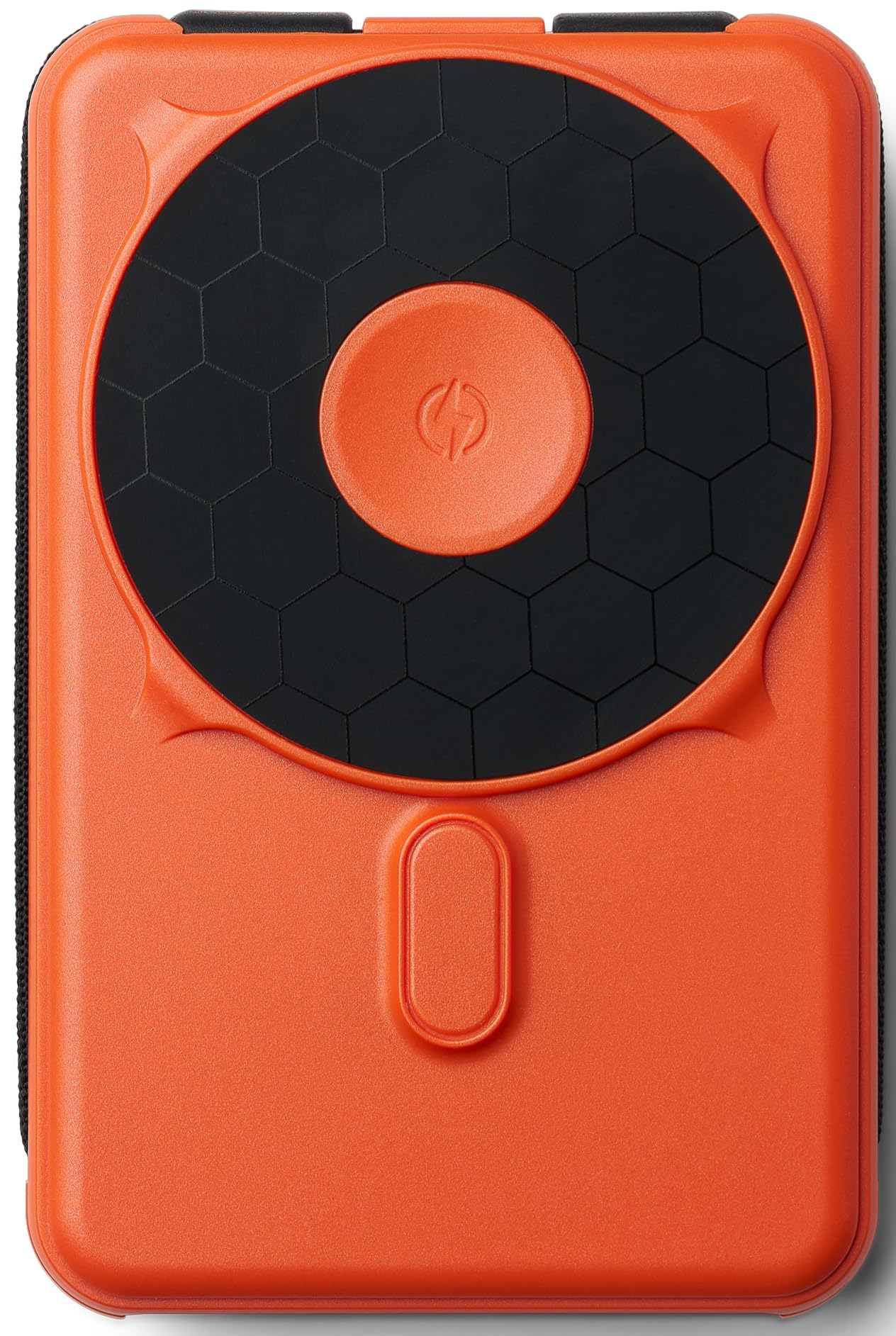
The ELECOM NESTOUT stands apart from lighter options with full IP67 waterproofing and shockproof construction that can handle submersion in one meter of water for 30 minutes. Its modular system supports snap-on accessories like a tripod mount and LED light, making it a versatile companion for backcountry photography or emergency kits.

The integrated tripod mount is a standout for outdoor photographers – pair it with a compact camera or phone to capture long-exposure shots without carrying extra gear. In cold and wet conditions, the power bank maintains output without shutting down, which many lightweight alternatives struggle with.

This power bank suits backpackers who prioritize weather resilience over weight savings. The 32W USB-C PD charges a phone at a moderate pace – expect a full refill in roughly 90 minutes for a typical smartphone. Some units have shown battery capacity loss over several months of heavy use, so checking return policies is wise if you plan to rely on it for multi-day trips.

💡 Store the modular accessories attached to the bank – they click on securely and reduce pocket clutter during transit.

Pros

  • IP67 waterproof and shockproof
  • Modular accessories (tripod, light) expand function beyond charging
  • Performs reliably in wet and cold outdoor conditions

Cons

  • Charging speed limited to 32W
  • Battery capacity may fade faster than expected in some units over months of use
Our verdict

If your backpacking route includes river crossings, monsoon rain, or cliffside drops, this power bank will outlast the competition – just don't expect speed or the lightest pack weight.

Check Latest Price
5

Most Compact Fast Charger

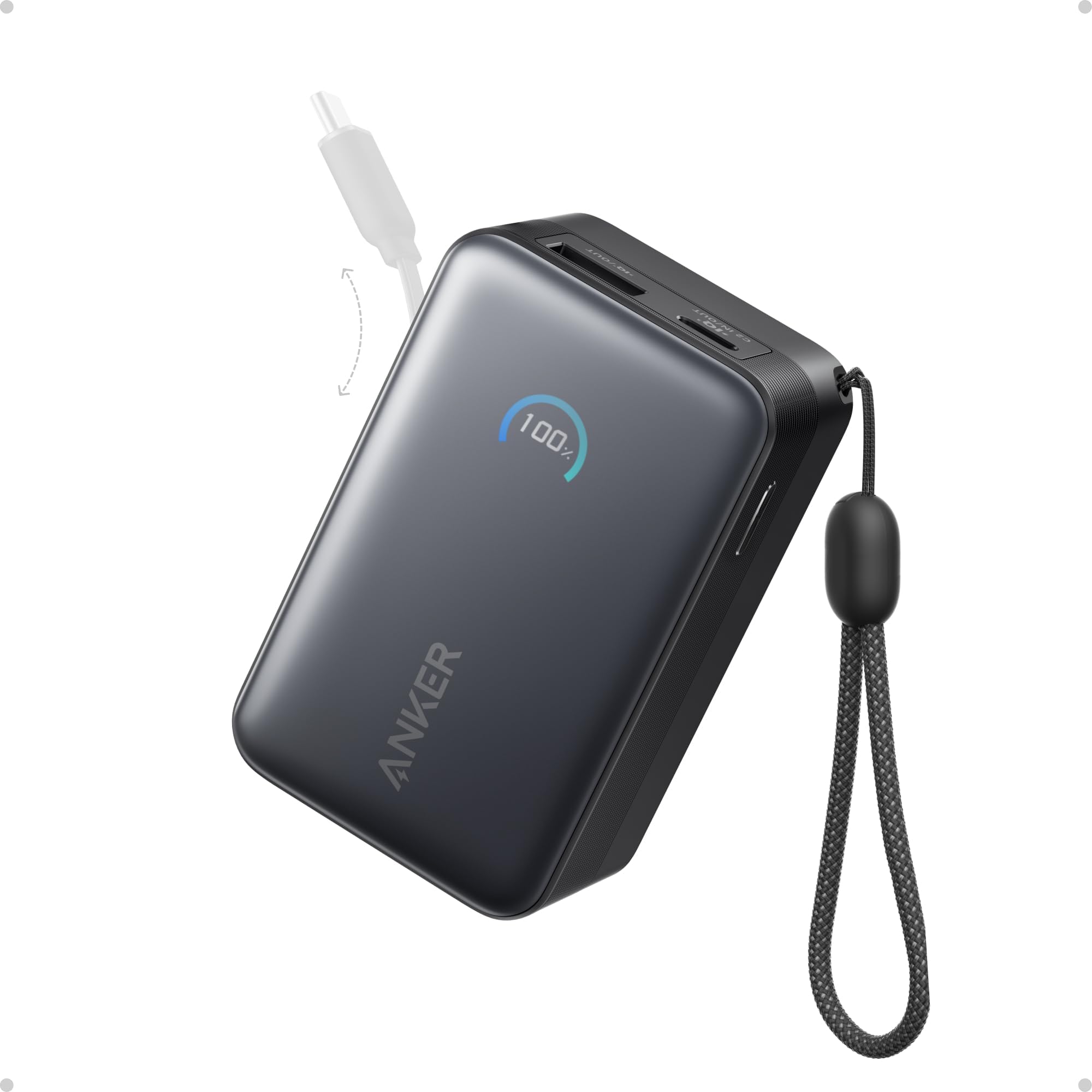
Anker Nano 10000mAh 45W

92 /100
Traveler Score Outstanding

Key details

Weight
8.2 oz
Capacity
10000mAh
Cable Type
Retractable
Fast Charging
45W
Check Details on Amazon

The Anker Nano’s standout feature is its built-in retractable USB-C cable — no separate cord to lose or pack separately. At 233g (8.2 oz), it’s still light enough for a jacket pocket, though notably heavier than the 182g top pick. The 45W output charges an iPhone 16 from empty to roughly 55% in 30 minutes, and the smart display shows remaining capacity at a glance.

This power bank suits style-conscious travelers who value convenience over minimum weight. The retractable cable is genuinely useful for daily carry or short trips where you’d rather not rummage for a cable. However, its 10,000mAh capacity delivers only about 1.5–2 full phone charges, and some units have shown faster capacity loss after several months of use — worth keeping an eye on. For multi-day backpacking where every gram counts, the lighter INIU with a detachable cable is a more pragmatic choice.

💡 Leave the cable retracted when not in use to avoid wear on the mechanism.

Pros

  • Built-in retractable USB-C cable eliminates the need to carry a separate charging cord
  • 45W output rapidly charges phones and tablets to usable levels in under 30 minutes
  • Compact and lightweight for a 10,000mAh with 45W
  • Smart display shows remaining battery percentage at a glance

Cons

  • Premium price for 10,000mAh
  • Battery capacity may degrade noticeably after several months of regular use, reducing total charge cycles
Our verdict

Pick the Anker Nano if the convenience of a retractable cable and polished design outweigh the higher cost and slightly heavier weight — for light packers who prioritize everyday ease, it’s a sensible choice.

Check Latest Price
6

Best Value 65W Power

NOBIS 20000mAh 65W

88 /100
Traveler Score Excellent

Key details

Weight
14.1 oz
Capacity
20000mAh
Cable Type
Standard ports
Fast Charging
65W
Check Details on Amazon

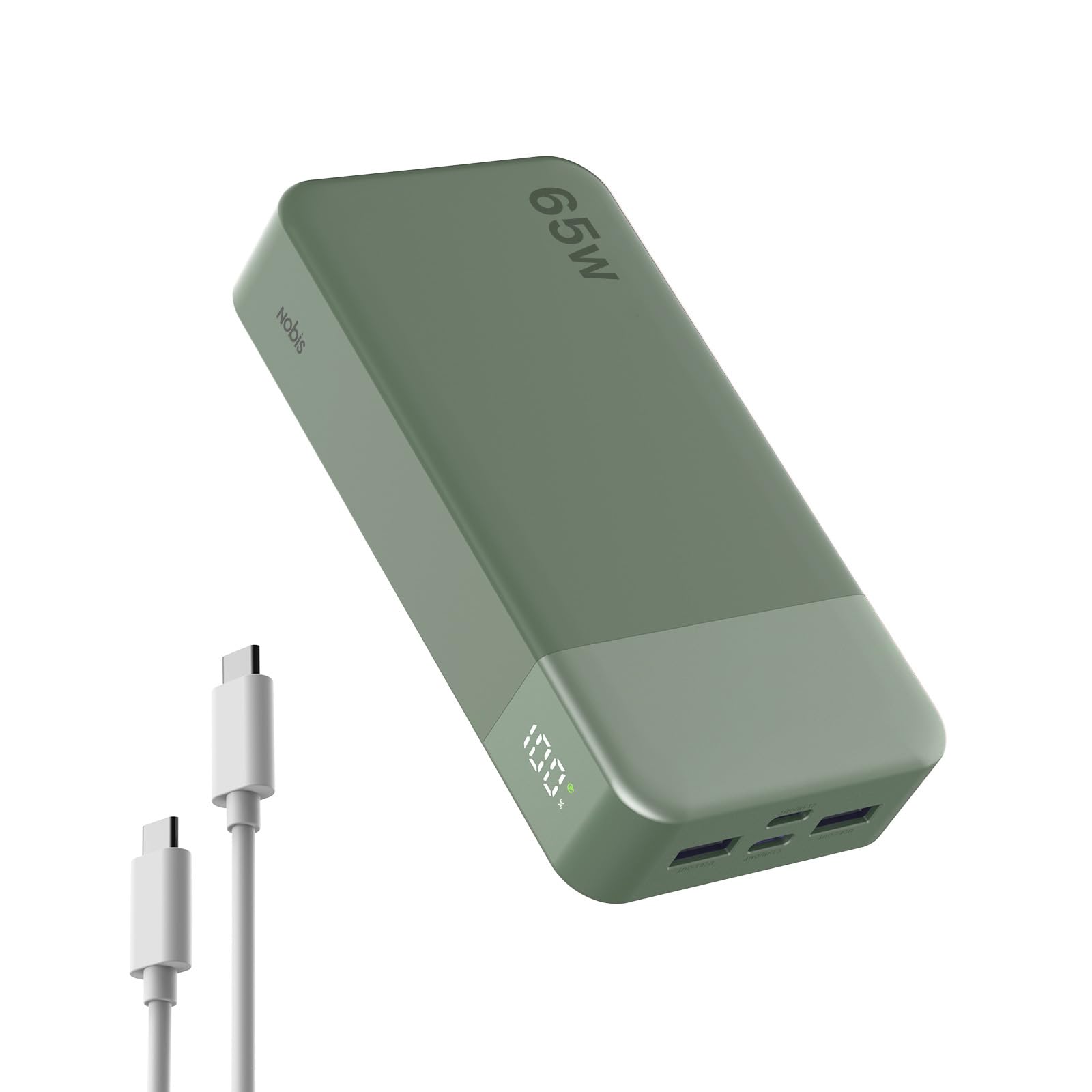
The NOBIS matches the 65W output of the slimmer 20K option in this set while adding two USB-A ports and costing significantly less. Its 65W USB-C PD charges laptops and phones at full speed, and the digital display shows remaining capacity at a glance.

Best for budget-minded travelers who need laptop charging and multiple device support without paying a premium. The 14.1 oz weight is the tradeoff — heavier than the compact 20K alternative, so pack it in your main bag rather than a hip pocket. Capacity holds well over multi-day trips, and the simultaneous charging works reliably with phones, tablets, and USB-C laptops.

💡 Store the NOBIS in your main bag compartment to balance the added weight against your other gear.

Pros

  • 65W USB-C PD charges laptops and phones quickly
  • Four ports (2C+2A) allow simultaneous charging of multiple devices
  • Battery holds charge well over days of intermittent use

Cons

  • At 14.1 oz, it’s heavier than many 20K power banks
Our verdict

A strong value for anyone who needs 65W laptop charging and four ports without spending top-dollar — just account for the extra weight.

Check Latest Price
7

Emergency Kit

BLAVOR Solar 10000mAh

88 /100
Traveler Score Excellent

Key details

Weight
7 oz
Capacity
10000mAh
Cable Type
Standard ports
Fast Charging
20W
Check Details on Amazon

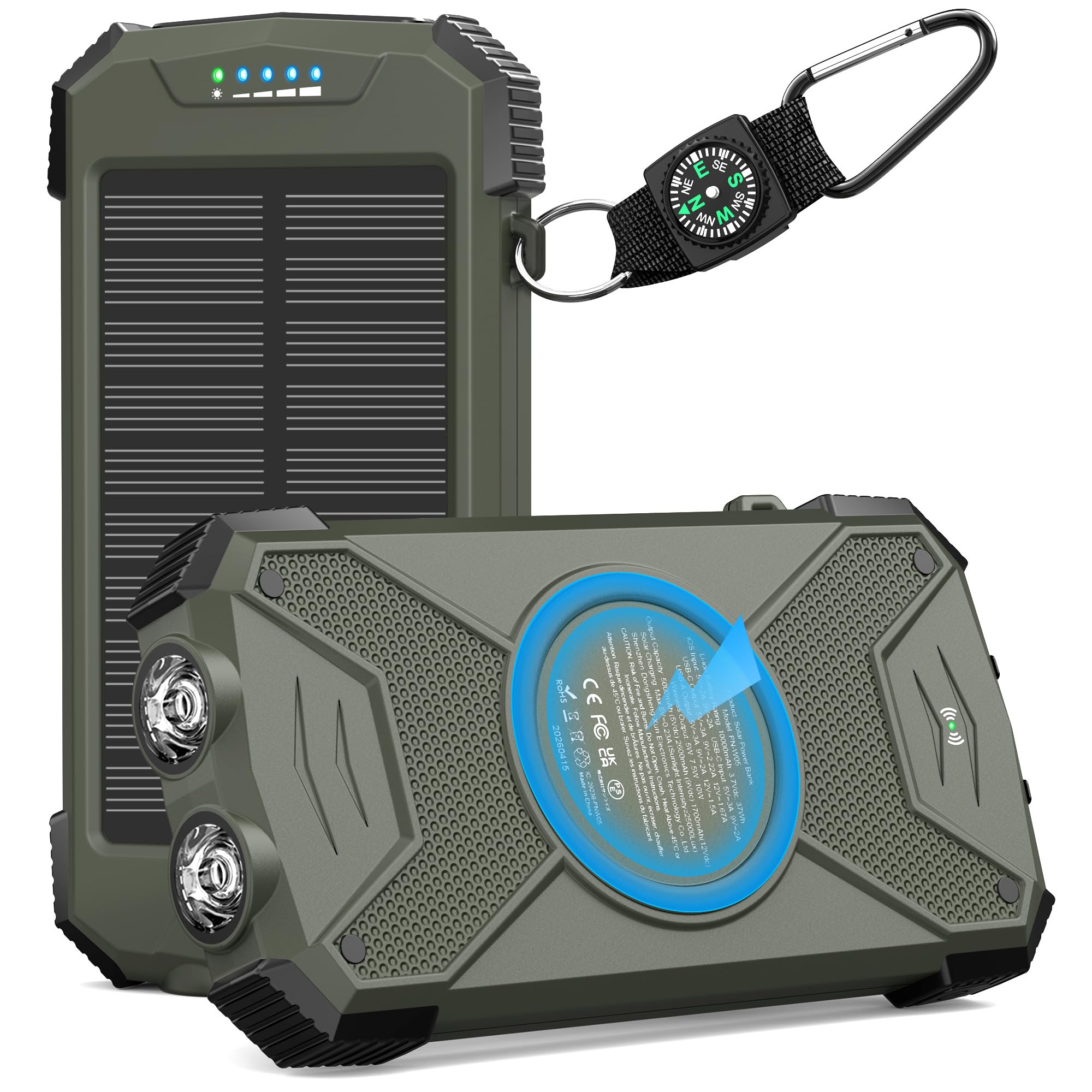
This power bank packs IPX5 water resistance and a compact 7-ounce body into a budget-friendly package, making it easy to toss into a car camping bin or emergency kit. The wireless charging pad works for quick phone top-ups, and the integrated dual flashlight adds utility around camp.

The solar panel is effectively non-functional – hours in direct sun deliver negligible charge, so treat this as a standard 10000mAh battery with a flashlight. Some units may stop charging reliably after a few weeks, which limits its use for multi-day backpacking where dependable recharging is critical.

Pros

  • Rugged IPX5 build withstands rain and dust, ideal for outdoor use
  • Lightweight at 7 oz, easy to pack without adding bulk
  • Wireless charging offers a convenient option for phones that support it

Cons

  • Solar charging is a gimmick
  • Charging performance may degrade; occasional units stop working within weeks
Our verdict

Keep this in your vehicle’s emergency bag or at a base camp where the flashlight and wireless charging add convenience, but only if you accept that the solar panel is decorative and reliability can be hit-or-miss.

Check Latest Price
8

Car Camping

BLAVOR Solar 20000mAh

87 /100
Traveler Score Excellent

Key details

Weight
27.5 oz
Capacity
20000mAh
Cable Type
Built-in cables
Fast Charging
20W
Check Details on Amazon

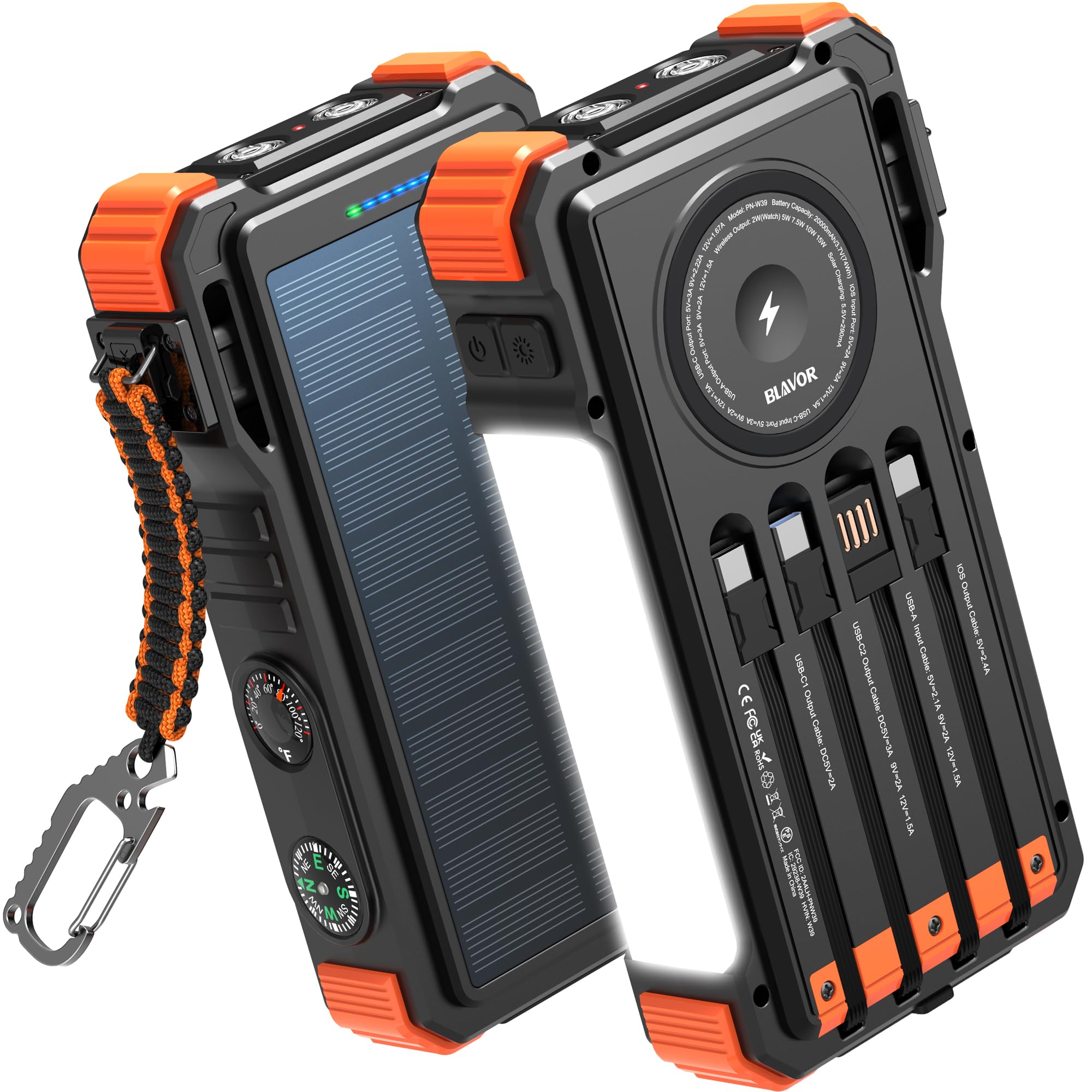
The BLAVOR Solar Power Bank can charge up to six devices simultaneously using its built-in cables, making it a practical hub at base camp. The integrated flashlight, compass, and carabiner add convenience for car camping or emergency kits. However, the solar panel provides negligible power in real conditions, and the 27.5 oz weight makes it impractical for backpacking. Charging speed is limited to 20W, which is slower than modern flagships, but for group trips where multiple phones need a top-up overnight, the multi-device capability offsets that pace. This is best left in the car or at a fixed camp rather than in a backpack.

Pros

  • Charges up to six devices at once using built-in cables
  • Integrated flashlight, compass, and carabiner add utility at camp

Cons

  • Solar panel delivers negligible power in real-world use
  • Weighs 27.5 oz (0.78 kg)
Our verdict

Keep this in the car or at base camp where weight doesn't matter and you need to keep a group's devices charged.

Check Latest Price
9

iPhone MagSafe

Ridge Magnetic 10000mAh

80 /100
Traveler Score Excellent

Key details

Weight
6.3 oz
Capacity
10000mAh
Cable Type
Built-in cables
Fast Charging
20W
Check Details on Amazon

The Ridge Magnetic Power Bank combines a strong MagSafe attachment with built-in USB-C and Lightning cables in a lightweight 180g package. The magnetic hold keeps the battery securely attached to an iPhone, and the digital display shows remaining charge at a glance. However, this model charges at only 20W, which is slower than many 10,000mAh competitors, and the premium price reflects style more than value. Some units may also show reduced battery capacity over time. This is a fine choice for daily commuters who want a sleek, pocketable charger, but backpackers needing fast top-ups or higher capacity should consider faster alternatives.

Pros

  • Compact 180g design with built-in USB-C and Lightning cables and wireless charging
  • Strong magnetic attachment keeps the power bank secure on an iPhone

Cons

  • Charging speed is limited to 20W, making it slower than many alternative 10,000mAh power banks
  • Premium price for a 10,000mAh capacity may not suit budget-focused buyers
Our verdict

This power bank fits iPhone users who value a sleek, pocketable design and magnetic convenience, but serious backpackers should look elsewhere for faster charging and lower cost.

Check Latest Price

How to Choose

Capacity

Capacity measured in mAh directly determines how many full charges you get. A 10,000mAh power bank typically charges a modern smartphone 2-3 times; 20,000mAh covers 4-6 charges. For a weekend trip with one phone, 10K is often enough. For multi-day treks or charging a camera, step up to 20K.

But higher capacity means more weight and size. The physical consequence: a 20K unit weighs roughly twice as much as a 10K. If you carry a 20K but only need 10K, you're hauling dead weight that could be food or gear. Match capacity to actual trip length.

Weight and Dimensions

Every ounce matters in a backpack. A 10K power bank under 7 ounces fits in a hip belt pocket or stuff sack. A 20K unit over 12 ounces starts to feel like a brick after a few miles. The hidden trade-off: manufacturers often list weight without cables or case, making the real carry weight higher.

For ultralight backpackers, a 10K with high power density is the sweet spot. For those who need laptop power, accept the weight penalty — but look for compact designs that use high-density cells to shrink the footprint.

Fast Charging Output

Fast charging wattage determines how quickly your devices recharge. 20W is standard for phones, 45W charges an iPhone to 50% in about 30 minutes, and 65W can power a laptop. The nuance: higher wattage requires bigger internal components, adding weight and sometimes heat.

For backpackers, 45W is the sweet spot — fast enough for quick top-ups without the bulk of a 100W power bank. If you only charge overnight, 20W is fine. But if you need midday phone refills, step up to 45W.

Cable Type

Built-in cables eliminate the need to carry a separate cord, which is convenient but introduces a wear point. Retractable cables are even more susceptible to failure after repeated use. Detachable cables let you replace a broken cord without discarding the entire power bank.

For backpacking, a detachable cable is more reliable in the long run. If you choose built-in, check that the cable is reinforced at the connection point. Some models use braided strain relief that lasts longer.

Ruggedness

Water and dust resistance (IP rating) matters only if you expect rain, river crossings, or dusty trails. IP67 means the unit can survive submersion in 1 meter of water for 30 minutes. Drop testing (MIL-STD) indicates it can handle falls from typical pack height.

The trade-off: rugged cases add weight and bulk. If you stay inside a tent during storms, a standard power bank in a dry bag is lighter. Only invest in rugged if your trail conditions demand it.

Frequently Asked Questions