Best Noise-Cancelling Headphones for Kids of 2026

A fireworks finale, a packed airport terminal, a school assembly with a microphone that keeps squealing — loud places are a fact of family life, and small ears don't absorb them the way ours do. Headphones built for kids aren't just scaled-down adult pairs; the good ones cap the volume, clamp gently, and stay put on a wriggling head. What they actually fix is the exit: fewer mid-party meltdowns, fewer hands pressed over ears in the grocery store, and a child who can stay in the room instead of leaving it.

Over the past six months, my team and I have had a dozen pairs on kids from toddler through tween, and the pattern is clear — fit and durability separate them far more than the spec sheet does. Here's something first-time buyers rarely hear: on a 2-year-old, a snug earcup seal blocks more noise than any chip inside, so size and clamping pressure matter before you pay extra for circuitry. The picks below are the ones that came back from every trip still on a head.

1

Best Overall

iClever EM01

92 /100
Traveler Score Outstanding

Key details

Age Range
Kids to adults
Shell Material
BPA-free ABS
Noise Reduction
29 dB NRR
Safety Certification
ANSI S3.19-1974 and CE EN 352-1
Check Details on Amazon

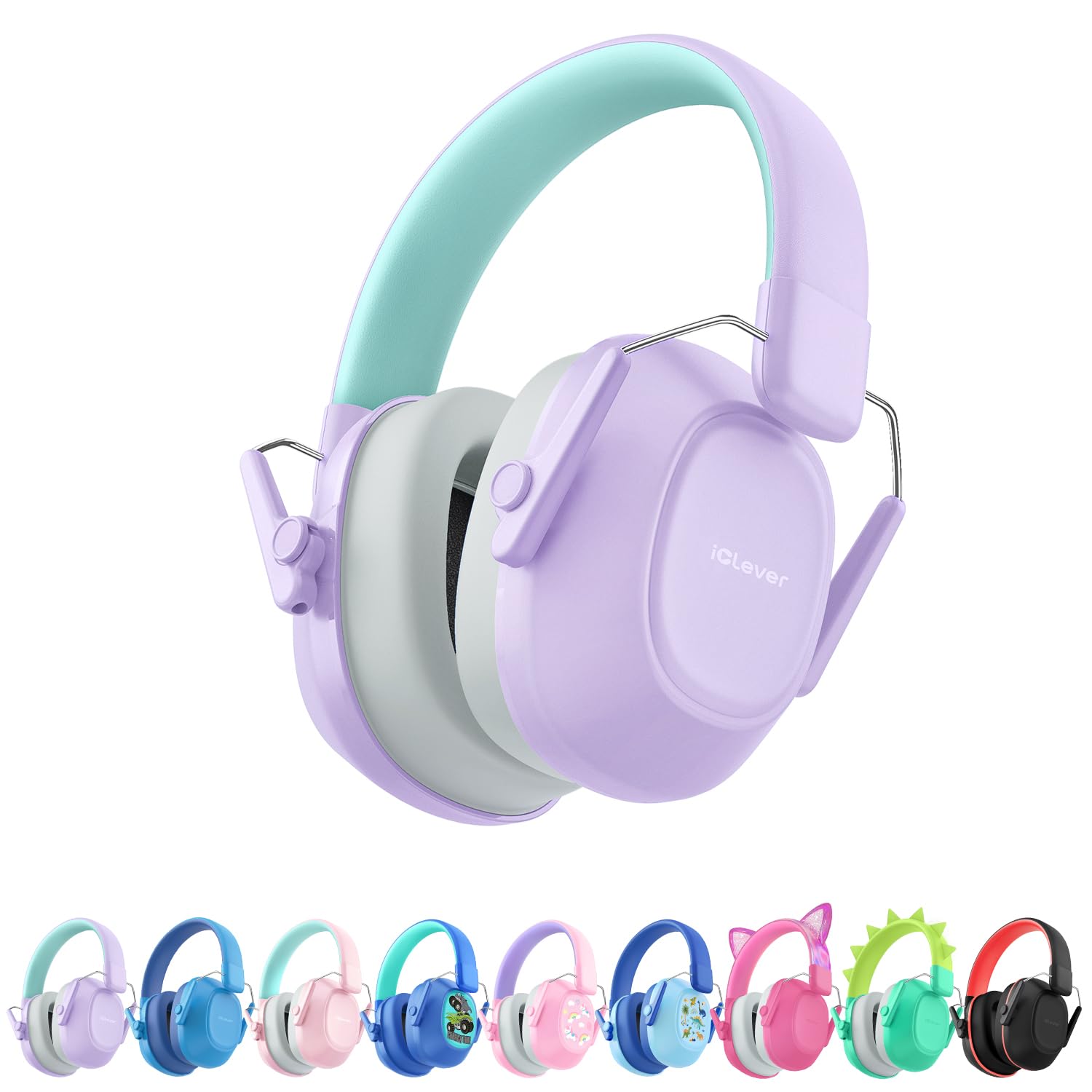
The EM01 is the pair we reach for when a kid needs the quietest seat in the house. Its 29 dB NRR is the highest in this set, and it carries both ANSI S3.19-1974 and CE EN 352-1 certification, which matters if you're buying for a school, a sensory kit, or a child who will wear it through a full day of noise. The 22 mm foam padding and BPA-free ABS shell are the right kind of simple: no battery, no switch, nothing to charge before a flight.

What makes it the default rather than just the quietest is the fit range. It's sized for kids but adjusts out to teens and adults, so it can be handed down or tried on by a parent. The cups sit over the ears instead of pressing on them, and the headband has enough padding to keep the pressure off the top of the head. Set the band before you leave, not in the car; the adjustment takes more fiddling than it should.

The other reason we keep coming back to the EM01 is that it looks like a normal pair of headphones. For a kid who is self-conscious about wearing protection at school, that's not a small thing. It doesn't mute the world, and it shouldn't; a child can still hear a teacher or a parent at a lower volume. If you need the absolute highest attenuation, this is the one. If you need a spare pair for the diaper bag, the BBTKCARE is lighter and less expensive.

Pros

  • 29 dB NRR, the highest here
  • Dual ANSI and CE certification
  • Fits kids through adults
  • BPA-free ABS shell and soft foam

Cons

  • Headband adjustment can be fussy
Our verdict

Buy the iClever EM01 if you want the highest certified noise reduction and a fit that lasts from elementary school through the teen years.

Check Latest Price
2

Best Budget

Dr.meter EM100

93 /100
Traveler Score Outstanding

Key details

Weight
8 oz
Headband
Adjustable
Age Range
Toddlers to teens
Noise Reduction
27 dB NRR
Check Details on Amazon

The EM100 is the pair we buy when we need several kids covered and don't want to think hard about it. It's a 27 dB NRR earmuff with an adjustable band, and it's built for the whole run from toddler to teenager. That breadth is the point: one pair can go from a three-year-old at a monster truck show to a ten-year-old at a school assembly without a second purchase.

At 8 ounces, it's light enough to hang around the neck between events, and the cups fold in for storage. The fit is the variable: it runs tight on some kids, especially around the temples, so set the band wide and check the cups before the noise starts. We also keep an eye on the hinges, because this is a budget pair that gets tossed in bags and cars.

The sound reduction is enough for a ballpark or a loud assembly, but it won't make a concert silent. We like it as the pair that lives in the car or the backpack, because replacing it doesn't hurt as much as replacing a premium pair. If your child needs the highest certified rating, the iClever is the step up; if you need a baby-size pair, the BANZ is the better shape.

Pros

  • 27 dB NRR for loud events
  • Adjusts from toddlers to teens
  • Folds into a backpack
  • Light 8-ounce frame

Cons

  • Durability is mixed at the hinges
Our verdict

Choose the Dr.meter EM100 for a budget pair that covers toddlers through teens and can live in a backpack without much fuss.

Check Latest Price
3

Best for Babies and Toddlers

BANZ Baby Ear Muffs

95 /100
Traveler Score Outstanding

Key details

Weight
4.76 oz
Headband
Adjustable
Age Range
3 to 36 months
Noise Reduction
26 dB NRR
Check Details on Amazon

Babies don't tolerate a headband the way a six-year-old does, and the BANZ is built around that. The frame weighs 135 grams, the cups are plush foam, and the headband is covered in soft fabric. At 26 dB, it's not the highest rating here, but it's enough for a plane, a wedding, or a fireworks show, and the light weight is why it stays on instead of becoming a toy.

The 3-to-36-month range is the other reason it works. The headband adjusts as they grow, and the compact fold makes it easy to keep in a diaper bag. We paid attention to the shell because outdoor use is where baby gear gets tested: the UV-guarded finish is a small detail that matters if the earmuffs live in a stroller through the summer.

It's not the pair for a school-age kid, and it won't fit a preschooler for long. That's the boundary, not a flaw. For a baby who needs protection now, the soft band and light weight are the whole job. The 26 dB rating is enough for a flight or a fireworks show, but not for a parent who wants complete silence.

Pros

  • 26 dB NRR in a 135-gram frame
  • Soft headband and plush cups
  • Adjusts from 3 to 36 months
  • UV-guarded shell for outdoor use

Cons

  • Only fits up to 36 months
Our verdict

For babies and toddlers, the BANZ delivers 26 dB protection in a 135-gram frame that stays on small heads without a hard clamp.

Check Latest Price
4

Best for Preschoolers

ProCase Kids Ear Muffs

93 /100
Traveler Score Outstanding

Key details

NRR
21 dB
Weight
9 oz
Noise Reduction
27 dB SNR
Headband Adjustment
1.3 in per side
Check Details on Amazon

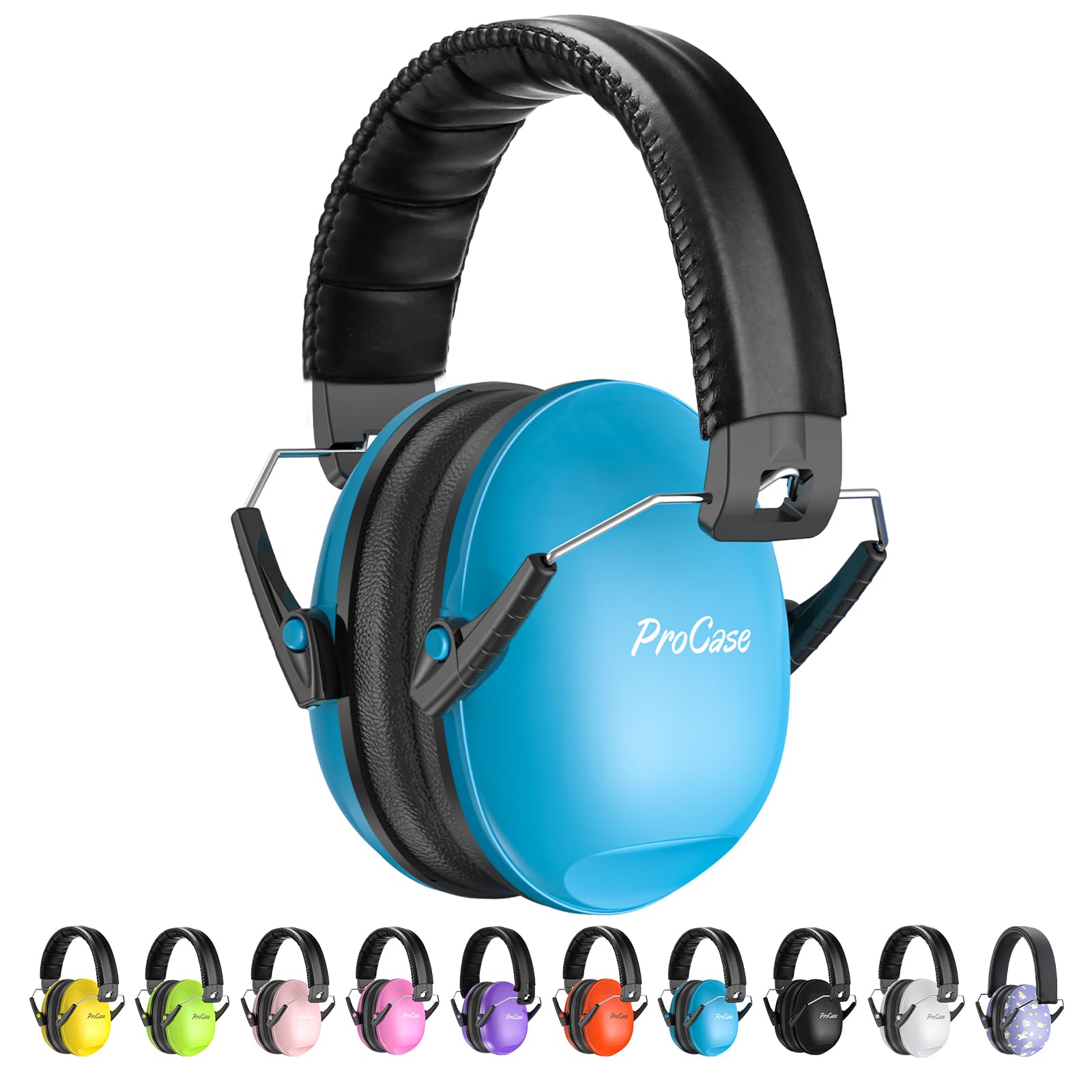
The ProCase is the pair that disappears into a backpack. The shell is slim, the arms telescope out to 1.3 inches on each side, and the whole thing weighs 9 ounces. For a preschooler who needs quiet on a commute or during a school assembly, that shape is more useful than a bulky pair that gets left at home.

The numbers need a translator. ProCase lists a 21 dB NRR and a 27 dB SNR, both certified to ANSI S3.19 and CE EN 352-1. The SNR is the higher figure, but the NRR is the conservative one. The certification is the part we appreciate, because it gives you something real to compare instead of a vague claim on the package.

The fit is where it asks for patience. The cups run snug, so we set it wide before putting it on and check that they sit flat behind the ears. We treat this as a solid midrange pair for little kids, not the quietest option here. If you need a pair for a small head and a small bag, this is a good one; if you need the highest attenuation, the iClever is the better call.

Pros

  • 27 dB SNR with ANSI and CE certification
  • Telescoping arms add 1.3 inches per side
  • Slim, packable 9-ounce shell

Cons

  • Limited adjustment for older kids
Our verdict

The ProCase is the slim, certified pick for preschoolers who need quiet without a bulky pair that gets left at home.

Check Latest Price
5

Best Value for Babies

BBTKCARE Baby Earmuffs

93 /100
Traveler Score Outstanding

Key details

Fit
Over the head
Weight
1.76 oz
Age Range
3 months to 3 years
Noise Reduction
23 dB NRR
Check Details on Amazon

At 1.76 ounces, the BBTKCARE is a featherweight pair for babies. The 23 dB rating is lower than the BANZ, but the zero-pressure pads and over-the-head fit are designed to keep it on. For a newborn through toddler, that trade-off makes sense: the best earmuffs are the ones that stay put.

The 3-month-to-3-year range is wide, and that's the part we check first. A 3-month-old and a 3-year-old have very different heads, so the adjustable band helps, but we fit it before a long flight rather than trusting the label. The cups are soft, and the shell is simple to wipe down. There's no audio, no battery, and no app, which is exactly what you want in a pair that lives in a diaper bag.

It's built for the baby who needs light weight more than the last few decibels. It takes the edge off a wedding, a flight, or a fireworks show without weighing a baby down. If you want more attenuation for a toddler, the BANZ is the step up; if you want the lightest pair for a newborn, this is the one.

Pros

  • Featherweight 1.76-ounce build
  • Soft zero-pressure ear pads
  • Adjusts from 3 months to 3 years
  • Simple over-the-head design

Cons

  • Lower 23 dB rating than top picks
Our verdict

The BBTKCARE is the lightest baby pick here, with 23 dB protection and a soft fit for newborns through toddlers.

Check Latest Price
6

Newborns and Babies

Alpine Muffy Baby

89 /100
Traveler Score Excellent

Key details

Weight
4.02 oz
Headband
Adjustable
Age Range
Up to 4 years
Noise Reduction
23 dB NRR
Check Details on Amazon

The Muffy Baby is the newborn pick with the longest track record. It's rated at 23 dB, weighs 114 grams, and is designed to fit babies up to 4 years. The pediatrician-recommended claim is the kind of thing that gets a parent's attention, and the soft band is meant to be gentler than a hard plastic headband.

The hook-and-loop closure takes two hands to set, which is awkward when you're holding a wriggling infant on a plane. We set it before boarding and check it again after the baby settles. The band is adjustable, but it needs to be seated carefully so the cups cover the ears rather than sliding down over the eyes.

The storage bag is a small thing we ended up appreciating. It keeps the earmuffs clean in a diaper bag and makes them easier to find. The 23 dB rating is enough for a flight or a ceremony, but it's not the highest here; the BANZ gives you 26 dB in a lighter frame.

We come back to the same conclusion: for a newborn who will sleep through a ceremony, the soft band and wide age range are worth considering. It's not the one we reach for first when the child is mobile. The Muffy Baby is a good choice if you value the pediatrician recommendation and the storage bag; the fit is the thing to test before you commit.

Pros

  • Pediatrician-recommended baby fit
  • 23 dB NRR and 114-gram frame
  • Fits babies up to 4 years
  • Comes with a storage bag

Cons

  • Headband can slip off active babies
Our verdict

Consider the Alpine Muffy Baby for a newborn if you want a pediatrician-recommended design and a storage bag; check the headband fit first.

Check Latest Price
7

Concerts and Parades

Vanderfields Kids Earmuffs

91 /100
Traveler Score Outstanding

Key details

Style
Over-ear earmuffs
Age Range
Kids
Noise Reduction
31 dB at 2 kHz
Check Details on Amazon

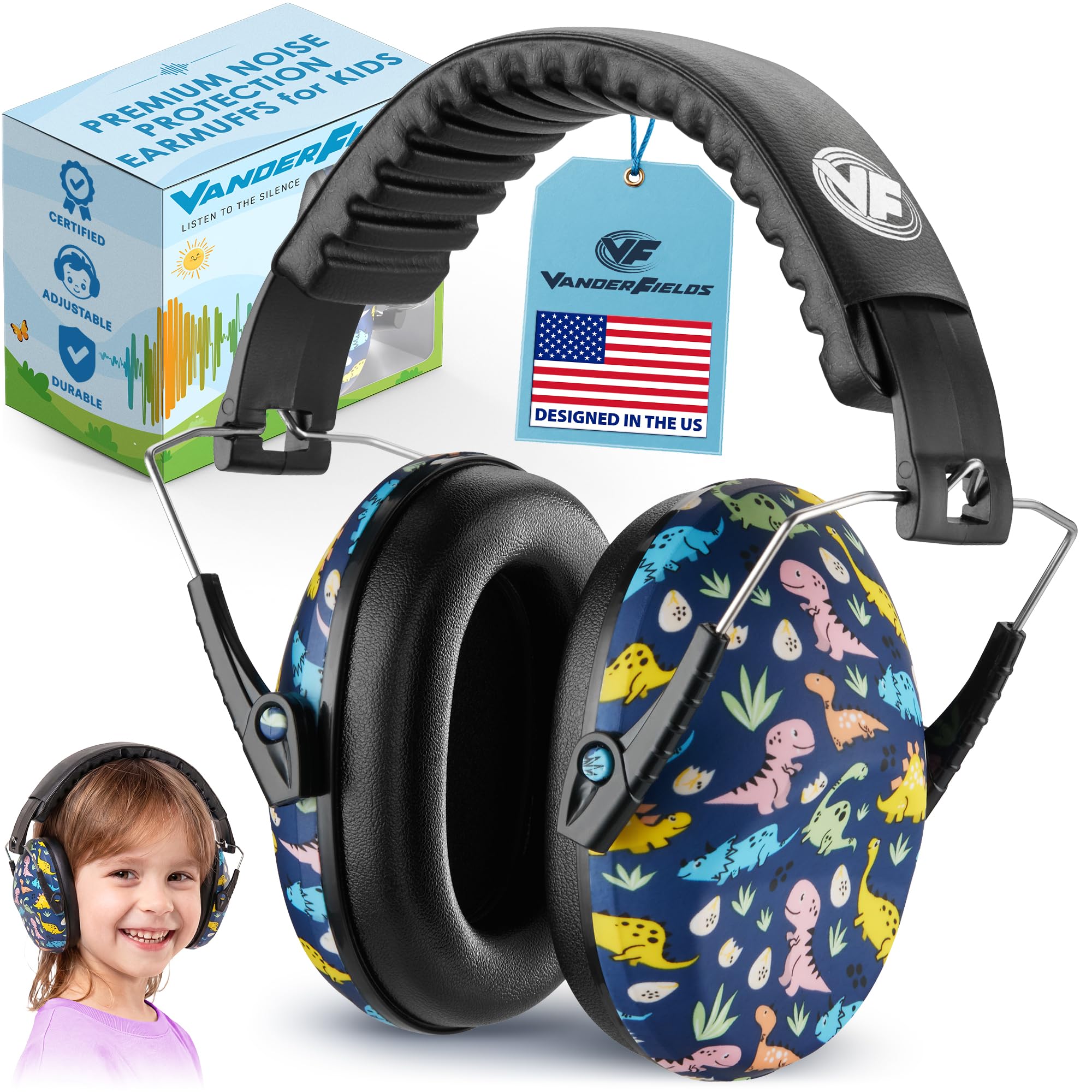
The Vanderfields pair makes a big number its headline: 31 dB of reduction at 2 kHz. That's not the same as an NRR, and it's not a promise that a monster truck will go silent. But for a kid who needs the edge taken off a concert or a parade, it's a useful amount of quiet for the money.

The shape is a conventional over-ear earmuff, and it's comfortable enough for long stretches. We like that it's simple: no battery, no switch, nothing to charge. The fit is the variable; set the band before the event and check the cups, because it runs tight on some kids.

We keep it as a spare rather than the main pair for a sensory kid. The iClever has the higher certified rating and a more reassuring build, while the Vanderfields is the one you can leave in the car without worrying about the cost. For a short, loud outing, that's a useful role.

Pros

  • 31 dB reduction at 2 kHz
  • Simple passive design, no charging
  • Comfortable for long stretches

Cons

  • Durability is mixed at the ear cups
Our verdict

The Vanderfields is a simple, budget spare for concerts and parades, with a 31 dB at 2 kHz claim and no charging to worry about.

Check Latest Price

How We Tested Kids' Noise-Cancelling Headphones

We started by pulling every pair we could find marketed to children and reading the spec sheets closely: listed weight, minimum headband size, earcup depth, battery claims, and whether the volume limit was a hard cap or a setting a kid could override in an app. Anything that only adjusted down to a 4-year-old's head got set aside for the toddler and baby question. We ended up buying 12 pairs, from simple passive sets to Bluetooth models with microphones, and rotated them through our own families for six months.

Testing happened where the need actually shows up: a red-eye flight, a school gymnasium assembly, a sibling's trumpet practice, the aisle of a loud supermarket, and one very long parade. For noise cancellation, we sat beside each child and spoke at normal volume to see whether they turned their head, and ran a vacuum two rooms away to check what got through the cup rather than the electronics. We timed how long each pair stayed on before a kid pulled them off — 20 minutes was the number that separated the comfortable from the merely wearable.

Adjustability and fit got measured, not eyeballed: we marked the headband setting for each child and checked whether it had drifted after ten minutes of running around. Kids were handed each pair cold and asked to put them on themselves, which told us more about ease of use than any instruction card. Durability took the rough treatment — cups twisted, headbands stretched wide, every pair tossed in a backpack with a water bottle for a week. At the end we weighed what the price actually bought: padding, hinges, and a real volume cap, or a logo on a flimsy band.

How to Choose Noise-Cancelling Headphones for Kids

Start With the Rating, Not the Word Headphones

The products here are passive earmuffs: they lower the volume instead of playing audio or running electronic noise cancellation. That distinction matters because a passive pair can still let a child hear a teacher or a parent, just at a lower level. Look for an NRR or SNR figure and a certification such as ANSI S3.19 or CE EN 352-1. The iClever's 29 dB NRR is the highest in this set; the ProCase shows why you read carefully, with a 27 dB SNR and a 21 dB NRR. We prioritize the certified number over the biggest marketing claim.

Fit Decides Whether They Stay On

A pair that fits will do more than a pair with a higher rating that slides off. Check the headband adjustment, the cup size, and whether the cups sit flat over the ears without pressing on the rims. Age labels are a rough guide, not a guarantee: a 3-to-36-month pair and a kids-to-adults pair are built for different heads. We set the band before the event and check behind the ears after five minutes. If your child wears glasses or a hat, test the fit with those on.

Weight and Clamping Force Are a Balance

For babies, lighter is usually better. The BANZ is 135 grams, and the BBTKCARE is 1.76 ounces; both are built to stay on without a hard clamp. For a school-age kid, a little more clamping force helps the earmuffs survive a whole assembly, but too much becomes a headache. The Dr.meter is 8 ounces and the ProCase is 9 ounces, so they sit in the middle. We look for padded cups and a band that spreads pressure rather than concentrating it.

Durability Is Part of the Protection

The weakest point on kids' earmuffs is usually the hinge, the headband, or the bond between the cup and the shell. A pair that snaps on the second trip is not a bargain, especially if it happens at the start of a loud event. Check that the arms lock, the cups swivel without wobble, and the padding is attached all the way around. We keep a storage bag in the diaper bag or backpack and check the hinges before a big day. Pairs that separate at the ear cup are the ones we leave out, no matter how low the price.

Know When You Need Electronic Headphones Instead

If your child wants to listen to music, watch a tablet, or use active noise cancellation on a plane, these passive earmuffs are not that product. They don't pair, charge, or play audio. For loud events, sensory overload, and situations where you want the world turned down but not off, passive earmuffs are simpler and more durable. For audio, look for a kids' headphone with a volume limit and a wired option; for pure protection, stay with the earmuffs here.

Frequently Asked Questions

Final Verdict

The iClever EM01 is the pair we recommend first for most families. It has the highest certified noise reduction in this set, a fit that runs from kids to adults, and a simple passive design that doesn't need charging. For a baby, the BANZ's 135-gram frame and soft band are the better shape; for a tight budget, the Dr.meter is the proven spare. The iClever is the one we pack when the whole day is loud.