9 Best Men's Winter Hiking Boots of 2026: Size Up for Winter Socks

Pick men's winter hiking boots that fit cold-weather trails and your foot shape, from budget ice-ready models to tall insulated boots for deep snow.

Winter hiking boots are judged on three things once the temperature drops: warmth, traction, and whether your feet stay dry after a few hours in snow. The trouble is that many 'waterproof' models perform well on a store floor and less well on a real trail, where seams, sole bonds, and lace hardware carry the load.

The weak points tend to show up in the same places regardless of price: seam separation, sole delamination, and eyelet hardware that gives out under stress. Insulation is rarely the problem. The practical fix is to match the boot to the conditions you actually hike in, not the marketing language on the box.

This guide sorts the options by use-case: budget trails, lightweight day hikes, deep snow, and mixed city-travel itineraries, so you can pick a pair that handles the specific combination of cold, wet, and traction you will meet.

1

Best Overall

NORTIV 8 TUNDRA

91 /100
Traveler Score Outstanding

Key details

Weight And Comfort
Lightweight, comfortable
Insulation / Warmth
Insulated, warm
Fit With Thick Socks
Room for thick socks
Seam And Sole Durability
Sole separation possible
Check Details on Amazon

The TUNDRA pairs effective insulation with snow-resistant construction and an easy, comfortable fit from the first wear. It covers the core winter-hiker essentials — warmth, weather protection, and room for thick socks — without demanding a premium investment. The materials and stitching feel more substantial than the price suggests, which keeps the boot comfortable through long days. The mid-cut shape handles cold-weather commutes, snow shoveling, and casual trail walks, and that balance of comfort and weather protection is rare at this price. It handles the season without the usual budget-boot compromises. There is no need to break in the boot before taking it on a full day outside.

On snow and packed trails, the boot keeps feet warm and dry through typical winter wear. The water resistance handles normal snow and slush, so feet stay dry during a full day of winter errands or a cold hike. The fit leaves enough space for a heavier sock without feeling sloppy, and comfort continues after hours of wear. Insulation holds up during stops as well as movement, which matters when standing around after a hike.

The TUNDRA suits budget-conscious winter hikers, commuters, and snow shovelers who need a warm, water-resistant boot for cold-weather duties. If the main goal is a winter boot for hiking, running errands, and clearing the driveway in cold, snowy conditions without spending into premium territory, this is the one to start with. Sole or back separation can appear after months of hard use, so treat it as a solid seasonal-to-multi-season option rather than a decade hiker. The entry-level price makes it practical as a go-to winter boot or a spare pair to keep in the car, especially for lighter hikers who stick to established trails and sidewalks. That utility-first approach is what budget buyers need.

💡 Order a half-size up if you plan to wear thick winter socks.

Pros

  • Comfort holds up through long winter wear, so the boot stays easy to keep on all day.
  • Insulation keeps feet warm in cold conditions, making it a solid choice for freezing commutes.
  • Snow and slush stay outside during normal winter walks and shoveling.
  • Entry-level pricing delivers a complete winter boot package.

Cons

  • The budget-oriented build uses utilitarian materials, so buyers expecting premium materials and precise craftsmanship will notice the difference.
  • In deep or prolonged wet snow, moisture can work through; packed trails and commutes are the safer match.
Our verdict

The TUNDRA gets the essential winter mix right — warmth, snow resistance, comfort, and price — for anyone who needs a cold-weather boot without a premium investment.
Check Latest Price
2

Best Lightweight Insulated

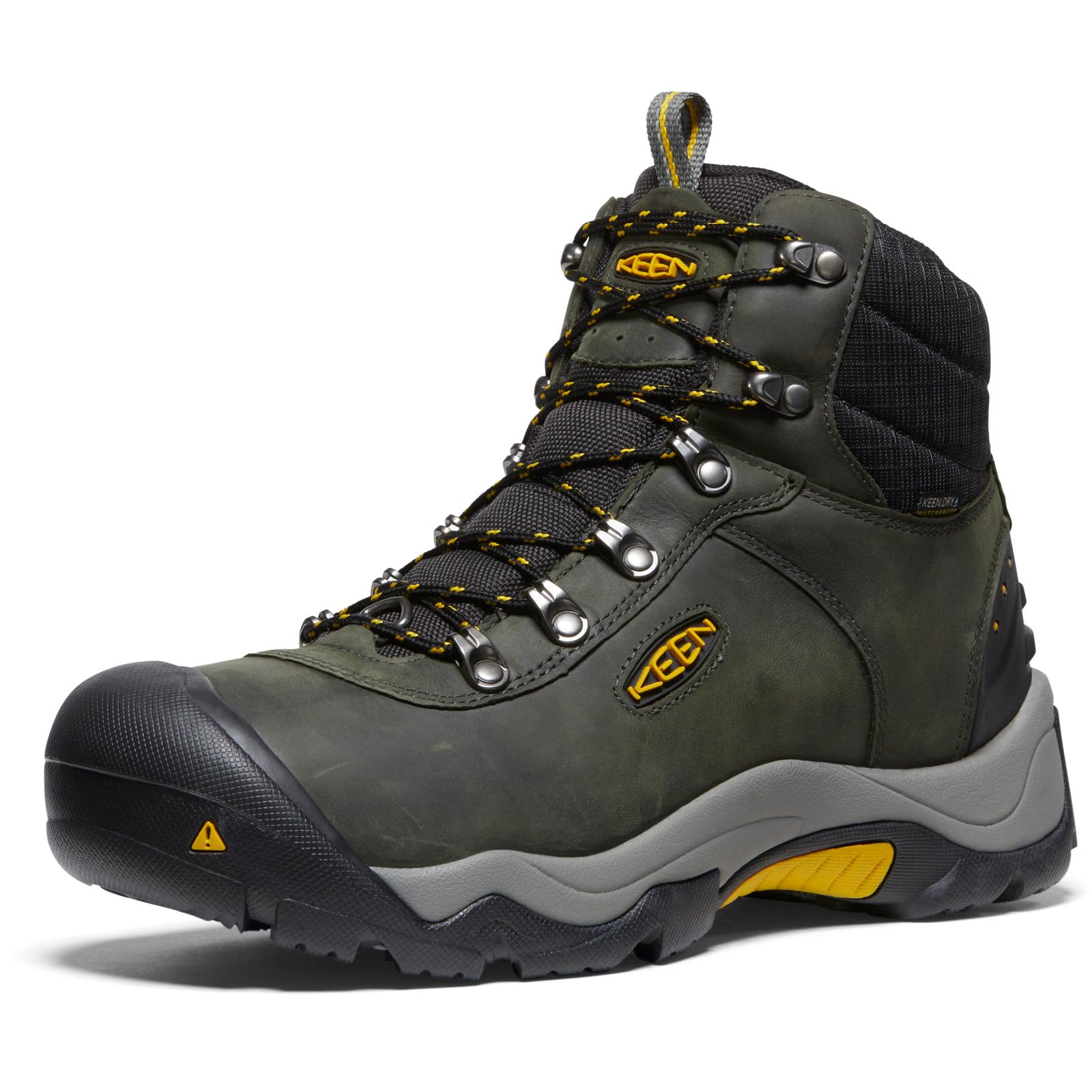
KEEN Revel III Mid

87 /100
Traveler Score Excellent

Key details

Weight And Comfort
Featherweight, comfortable
Insulation / Warmth
Insulated, warm
Fit With Thick Socks
Roomy toe box
Seam And Sole Durability
Lace hardware issues
Check Details on Amazon

The Revel III Mid is the lighter, more comfortable alternative to the taller Keen in this lineup, with a mid-height collar that stays out of the way on day hikes. The water-resistant build and insulation handle cold, snowy conditions without adding the heft of a deep-snow boot. Out-of-box comfort is the standout: the cushioned collar and roomy toe box make it easy to wear from the trailhead through the first miles.

Day hikers with wide feet will appreciate the generous toe box, and the warm lining suits cold-weather walks on snow or rain-soaked trails. The mid-height collar helps keep weight down, but deep-snow coverage belongs to the taller Keen in this lineup. Lace hardware can give under stress; if you pull the top hooks hard, plan for a quick replacement.

💡 Keep top-hook tension moderate to extend the life of the lace hardware.

Pros

  • Lightweight feel keeps an insulated boot easy on the feet for day hikes.
  • Out-of-box comfort comes from a cushioned collar and a roomy toe box.
  • Water-resistant build and insulation hold up in snow and rain on cold-weather trails.

Cons

  • Fit can run small or narrow for feet that need midfoot room, despite the generous toe box.
  • Lace hooks and eyelet hardware can give under stress; QC varies between pairs.
Our verdict

For cold-weather day hikes, the Revel III Mid pairs lightweight comfort with a roomy fit that wide-footed hikers can wear all day.

Check Latest Price
3

Best for Deep Snow & Serious Winter Hiking

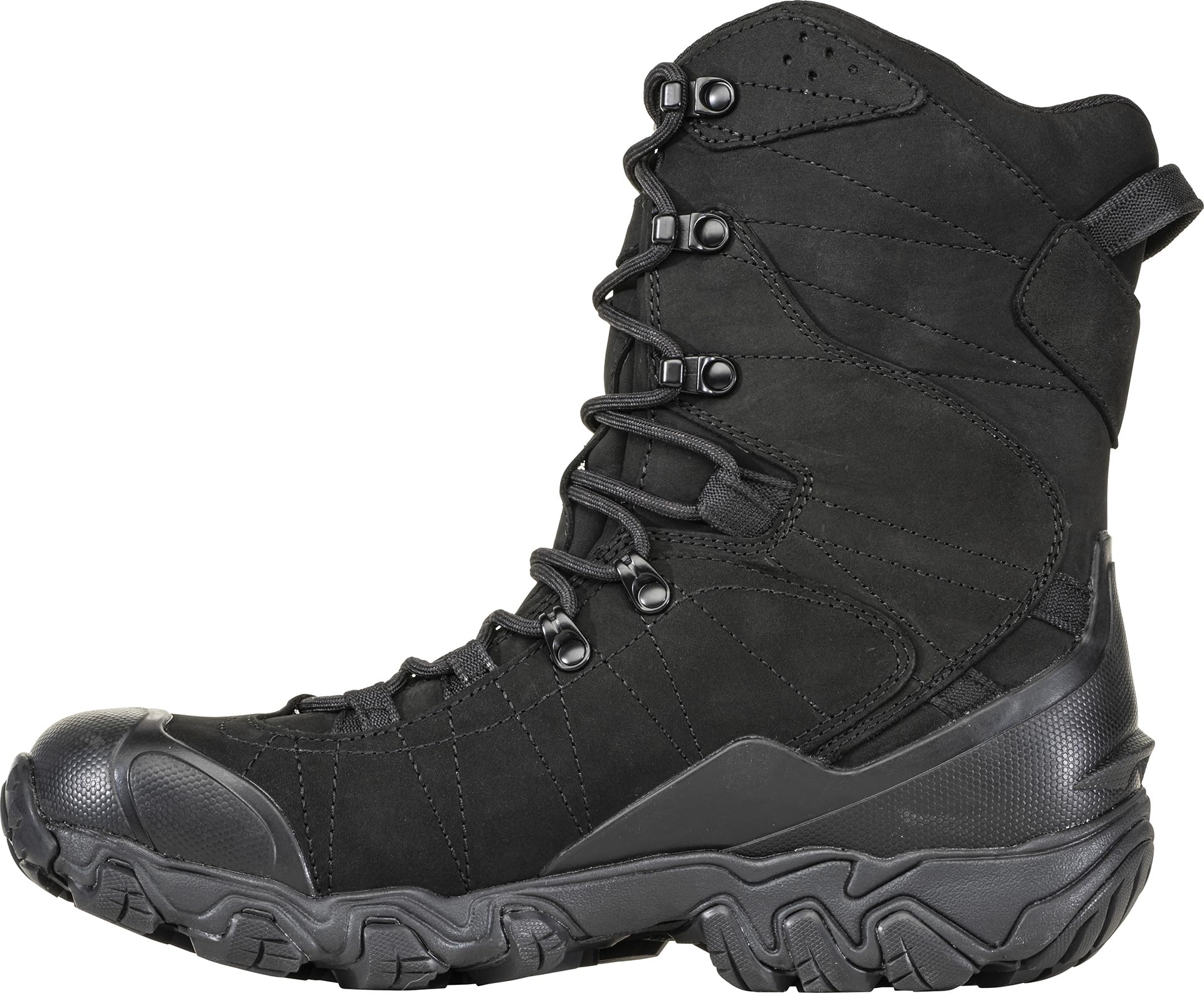
Oboz Bridger 10in

91 /100
Traveler Score Outstanding

Key details

Weight And Comfort
Comfortable out of box
Insulation / Warmth
Insulated
Fit With Thick Socks
Size up for socks
Seam And Sole Durability
Check Details on Amazon

The Bridger 10-inch B-DRY is the deep-snow boot in this set, with tall coverage, insulation, and a supportive footbed that holds up under a loaded pack. The B-DRY membrane sheds snow and slush on normal winter outings, and the high shaft keeps cold air off the lower leg. Compared with the polar-insulated Keen in this group, the Oboz feels stiffer underfoot and more planted on uneven, snow-covered ground.

This boot is for serious winter hikers, snowshoers, and cold-climate travelers who want tall protection and a durable, quality-first build rather than a lightweight city boot. It suits full days out in deep snow, where shaft height and insulation matter more than pack weight. Sizing runs small, so order up a half size, especially for thick winter socks; buyers between sizes who dislike ordering up should factor that in before committing.

💡 Pair this boot with the socks you intend to hike in when checking fit.

Pros

  • Tall 10-inch shell with insulation keeps snow out and feet warm in deep winter conditions.
  • Supportive footbed and ankle collar provide stable footing on uneven, packed snow.
  • Sturdy construction and quality materials take the strain of repeated winter hikes.

Cons

  • Between-size buyers who dislike ordering up will face a fit compromise.
Our verdict

For deep snow and snowshoeing, this tall insulated boot pairs strong warmth with a stable platform and a build that holds up through hard winter use.

Check Latest Price
4

Best Budget Ice Traction

XPETI Thermator

89 /100
Traveler Score Excellent

Key details

Weight And Comfort
No break-in needed
Insulation / Warmth
Insulated, warm
Fit With Thick Socks
Room to size up
Seam And Sole Durability
Stitching durability varies
Check Details on Amazon

The Thermator's non-slip outsole and insulation make it a solid budget winter hiker, with out-of-box comfort that skips the usual break-in period. On packed snow and ice, the grip holds its own against much pricier boots, and the mid cut adds ankle coverage without the weight of a tall snow boot. For cold day hikes, the warmth is enough to keep feet comfortable through the afternoon. That combination is hard to match at this level.

This fits light hikers and commuters who want a warm, easy boot for cold-weather day trails rather than rugged backcountry loads. Stitching and sole bonding can vary between individual pairs, so treat the Thermator as a seasonal-to-multi-season casual boot and inspect the construction early; for heavy pack miles, step up to a higher-cost model. For everyday winter walks and short trail loops, it covers the essentials without demanding a big investment.

Pros

  • Comfort holds up for long day hikes, so cold trails don't turn into a foot-sore slog.
  • Insulation keeps feet warm through cold winter conditions.
  • Traction on ice and packed snow clears the bar at a budget price.

Cons

  • The mid profile runs snug for wide-footed buyers; sizing up helps some, but a wider last would suit better.
  • Heavy rain or deep snow can push moisture through the upper; normal winter wetness is fine.
Our verdict

For packed snow and icy paths, the Thermator gives you warmth, grip, and comfort without a break-in period.

Check Latest Price
5

Best Winter Travel Versatility

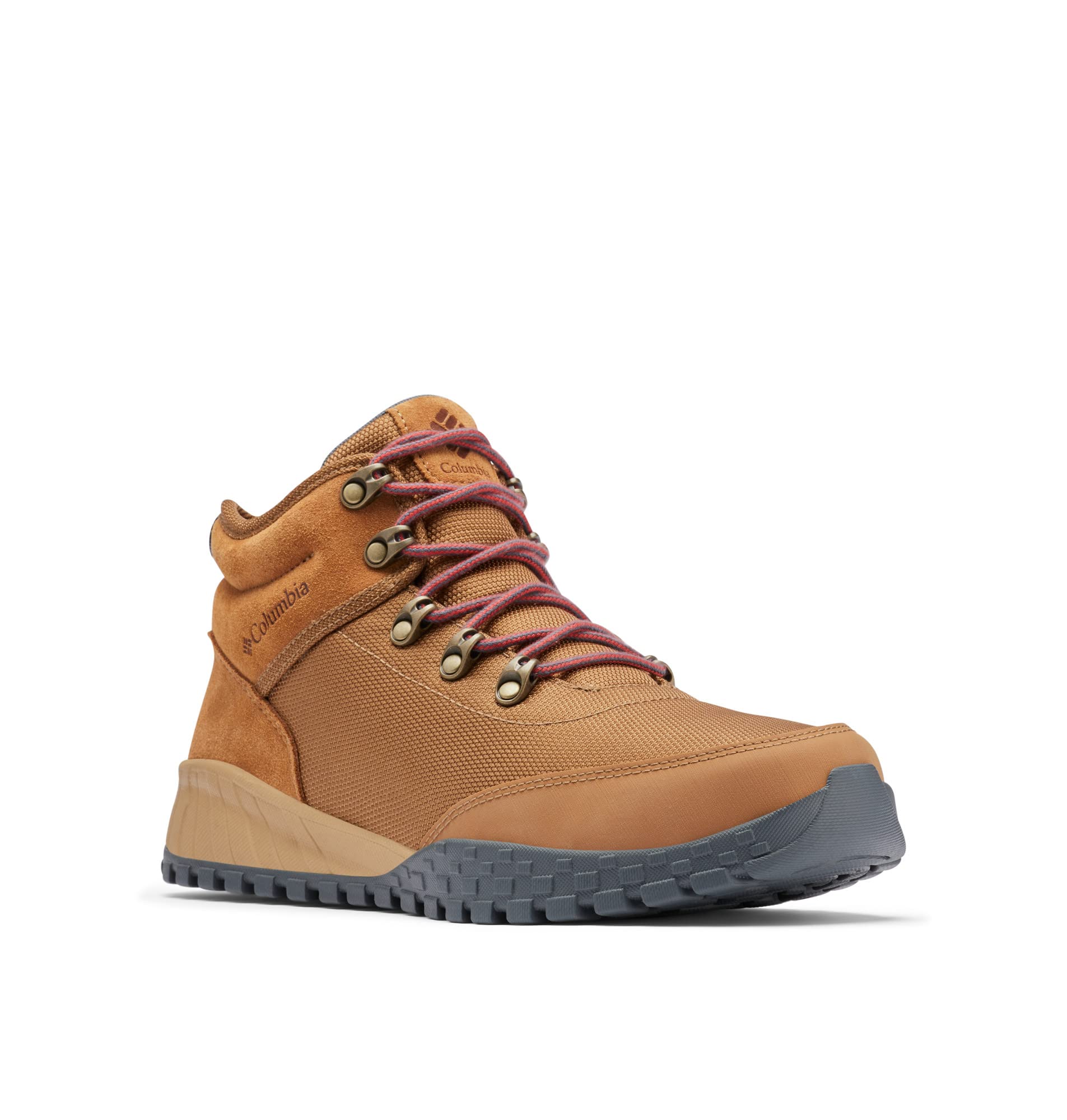
Columbia Fairbanks Mid

89 /100
Traveler Score Excellent

Key details

Weight And Comfort
Lightweight, comfortable
Insulation / Warmth
Fit With Thick Socks
Narrow toe box
Seam And Sole Durability
Seam/rivet issues
Check Details on Amazon

Columbia’s Fairbanks Mid is the lightweight winter boot that feels less like footwear and more like a sneaker with ankle support. It moves easily from city sidewalks to packed snow on easy trails, and the styling carries into casual winter outfits without looking like serious hiking gear. The cushioning stays lively over a full day of walking, and the mid cut offers enough coverage for slushy streets and light trail snow.

Buyers who want one boot for winter travel and moderate trail days will get the most from the Fairbanks; its comfort-first attitude works best under light loads and on shorter outings. Seam or rivet inconsistencies have been noted in harder use, so this stays a town-to-trail hybrid rather than a backcountry workhorse.

Pros

  • Sneaker-like cushioning keeps feet comfortable through long winter days
  • Lightweight build and clean silhouette work from trail to town
  • Build quality feels above its mid-range price

Cons

  • The toe box runs trim, so wide-footed hikers may need a half size up
  • Water resistance fades with repeated winter wear, so treat it as a slush guard rather than a wet-weather shell
Our verdict

For light winter trails and everyday cold-weather travel, the Fairbanks Mid offers comfort and style in a boot that actually gets worn; keep miles moderate and the fit in mind.

Check Latest Price
6

Best Stylish Winter City Boot

Helly Hansen Garibaldi V3

90 /100
Traveler Score Outstanding

Key details

Weight And Comfort
Light, sneaker-like feel
Insulation / Warmth
Faux-fur lined, warm
Fit With Thick Socks
Accurate size chart
Seam And Sole Durability
Check Details on Amazon

The Garibaldi V3 brings Scandinavian styling, faux-fur warmth, and a light, sneaker-like ride to winter city walking. It reads more like a lifestyle boot than a technical hiker, which suits anyone who wants cold-weather footwear that does not feel like a boot. The materials look and feel more expensive than the price tag suggests, and the soft collar keeps the ankle area comfortable on long strolls.

Follow the size chart and you get a comfortably snug fit with room for thick socks; the ride stays close to a normal shoe, so there is no clunky break-in period. This boot handles sidewalk commutes, packed-snow errands, and travel days where warmth matters more than aggressive tread. The sole provides adequate grip on snow-covered streets, though icy trail descents are not its focus. Keep it on streets and packed snow, where its light weight is an asset. For backcountry winter routes, a taller, stiffer boot is the better call.

Pros

  • Scandinavian styling that looks at home in city winter outfits
  • Faux-fur lining keeps feet warm without overheating on cold walks
  • Light, sneaker-like weight reduces fatigue on long city walks

Cons

  • Water resistance can vary between units, so wet trails and stream crossings are a gamble.
Our verdict

A warm, lightweight city boot with enough style to carry winter travel wardrobes.

Check Latest Price
7

Mild-Weather Hikers

Timberland Mt. Maddsen

91 /100
Traveler Score Outstanding

Key details

Weight And Comfort
Light for leather
Insulation / Warmth
Not insulated
Fit With Thick Socks
Wide sizes available
Seam And Sole Durability
Occasional seam separation
Check Details on Amazon

The Mt. Maddsen is a comfortable, waterproof leather hiker with wide-size availability and sensible mid-range value for everyday trails. It lacks insulation, so it suits brisk dry hikes and town wear rather than snow, ice, or deep-cold days. That boundary is why it sits below the insulated winter boots in this lineup. The leather build and light feel round out a boot best saved for days when the thermometer stays above freezing.

Pros

  • All-day comfort for long hikes and everyday wear.
  • Classic leather styling that works from trail to town.

Cons

  • Sizing can run differently for narrow or high-volume feet, so a test fit matters.
  • Waterproofing holds in normal wet conditions, but deep puddles can push water over the upper.
Our verdict

If your winter hiking stays on dry, above-freezing trails, the Mt. Maddsen works well; for colder, snowier conditions, choose an insulated winter hiker.

Check Latest Price
8

High Ankle Coverage

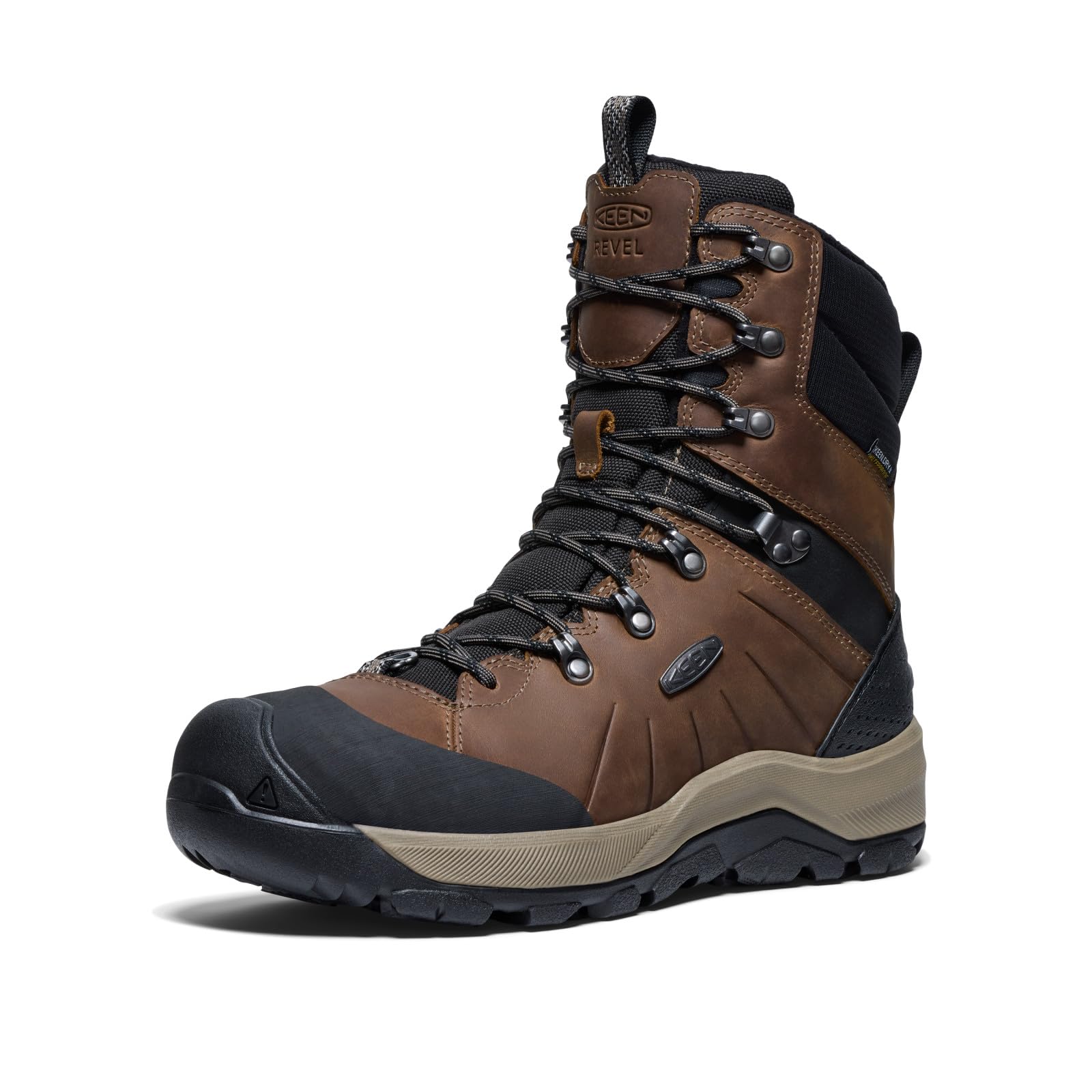
KEEN Revel IV High Polar

88 /100
Traveler Score Excellent

Key details

Weight And Comfort
Comfortable, high cut
Insulation / Warmth
Polar insulation
Fit With Thick Socks
Narrow for wide feet
Seam And Sole Durability
Lace/stitch issues
Check Details on Amazon

The Revel IV High Polar is a tall, polar-insulated boot with good snow-and-ice grip and all-day comfort for cold hikes. It fits normal-to-narrow feet; the toe box runs tighter than the Revel III, so wide-footed hikers should pass. Warmth depends on activity and cold tolerance, and lace hardware can be inconsistent at this premium price. That keeps it behind the Oboz for deep-snow work and makes it a high-coverage option for Keen loyalists.

Pros

  • Build quality reads as premium from first wear.
  • Comfort holds up through full winter hikes.

Cons

  • Stitching can show wear sooner than the premium price suggests.
Our verdict

For a normal-width foot and a winter routine built around snowy trails, this high-cut Keen offers the coverage and cold-weather comfort that make the premium price easier to accept.

Check Latest Price
9

Casual Snow Use

EYUSHIJIA Snow Boot

86 /100
Traveler Score Excellent

Key details

Weight And Comfort
Soft, comfortable
Insulation / Warmth
Warm in cold
Fit With Thick Socks
Careful sizing needed
Seam And Sole Durability
Sole separation common
Check Details on Amazon

EYUSHIJIA's snow boot brings soft comfort and a clean street-style look to an entry-level price, which is its main draw. The waterproof claim is not dependable: damp snow and slush can get through, and sole separation can occur after regular wear. Treat it as a casual cold-weather boot, not a trail boot. For light snow, paved sidewalks, and short commutes, it feels like a bargain.

Pros

  • Soft, comfortable build for all-day casual wear in cold conditions.
  • Street-style silhouette that reads as far more expensive than its budget price.

Cons

  • Sizing can run inconsistently for certain foot shapes; check the measurement guide before ordering.
Our verdict

This works best for budget-focused buyers who want a stylish cold-weather boot for neighborhoods and short errands.

Check Latest Price

How to Choose

Insulation / Warmth

Insulation works by trapping still air close to your foot. A thick lining keeps you warmer when standing still, but it also traps heat during uphill climbs, and sweaty feet cool down fast once you stop. For day hikes, a midweight insulated boot is usually the better balance.

Waterproofing Reliability

Waterproofing is a system of membrane, seam tape, and collar height, not a single coating. A boot can resist light snow and still leak when you step into a drift above the ankle or flex a sealed seam. That is why tall boots and well-taped seams matter more than the waterproof label.

Snow And Ice Traction

Snow and ice grip comes from lug pattern and rubber compound, not from tread depth alone. Softer compounds hold ice but wear quickly on bare rock, while harder compounds last longer and slide more on packed snow. If your route includes icy sections, an aggressive outsole is worth more than extra insulation.

Fit With Thick Socks

Thick winter socks add real volume inside the boot, and a snug fit cuts circulation and makes feet feel colder. Most winter boots run narrow through the toe box, so ordering a half-size up is the cheapest fix. The test is simple: no heel lift when you climb, but enough room to wiggle your toes.

Seam And Sole Durability

A boot's life is decided by seams, sole bonds, and lace hardware, not by the upper material. Temperature swings and repeated flexing make these weak points separate over time. Reinforced stitching and a protective rand slow that process, which is why a more expensive boot often reaches a second season without rebuild.

Weight And Comfort

Every extra ounce is carried with each step, and a stiff boot forces your ankle to work harder on uneven terrain. Light, sneaker-like boots are ideal for short trails and travel, while heavier, taller boots give more support for loaded winter hikes. Pick based on the distance and pack weight you actually carry.

Frequently Asked Questions