9 Best Winter Hiking Boots of 2026: Which Actually Keep Your Feet Warm and Dry

Find winter hiking boots that stay warm, dry, and durable without breaking the bank – for travelers who hike in snow.

Many winter hiking boots marketed as waterproof lose their seal after one season, and insulation ratings are rarely clear. Travelers often end up with cold, wet feet on a trip, stuck with boots that promised more than they delivered.

The real challenge is balancing price with longevity. Budget boots can be warm and comfortable out of the box, but construction quality varies widely. The sweet spot for most occasional winter hikers is a boot that works from day one and doesn't fail mid-hike.

This guide focuses on boots that deliver on their promises for the typical winter day hike or snowshoe – whether that's extreme cold protection, lightweight packing, or reliable traction on ice. No single boot does it all, but understanding the trade-offs helps you choose the right one for your winter plans.

1

Best Overall

XPETI Thermator

89 /100
Traveler Score Excellent

Key details

Height
Mid-rise 5-6 in
Traction
Aggressive lugs for ice
Insulation
200g Thinsulate
Waterproof
Proprietary membrane
Check Details on Amazon

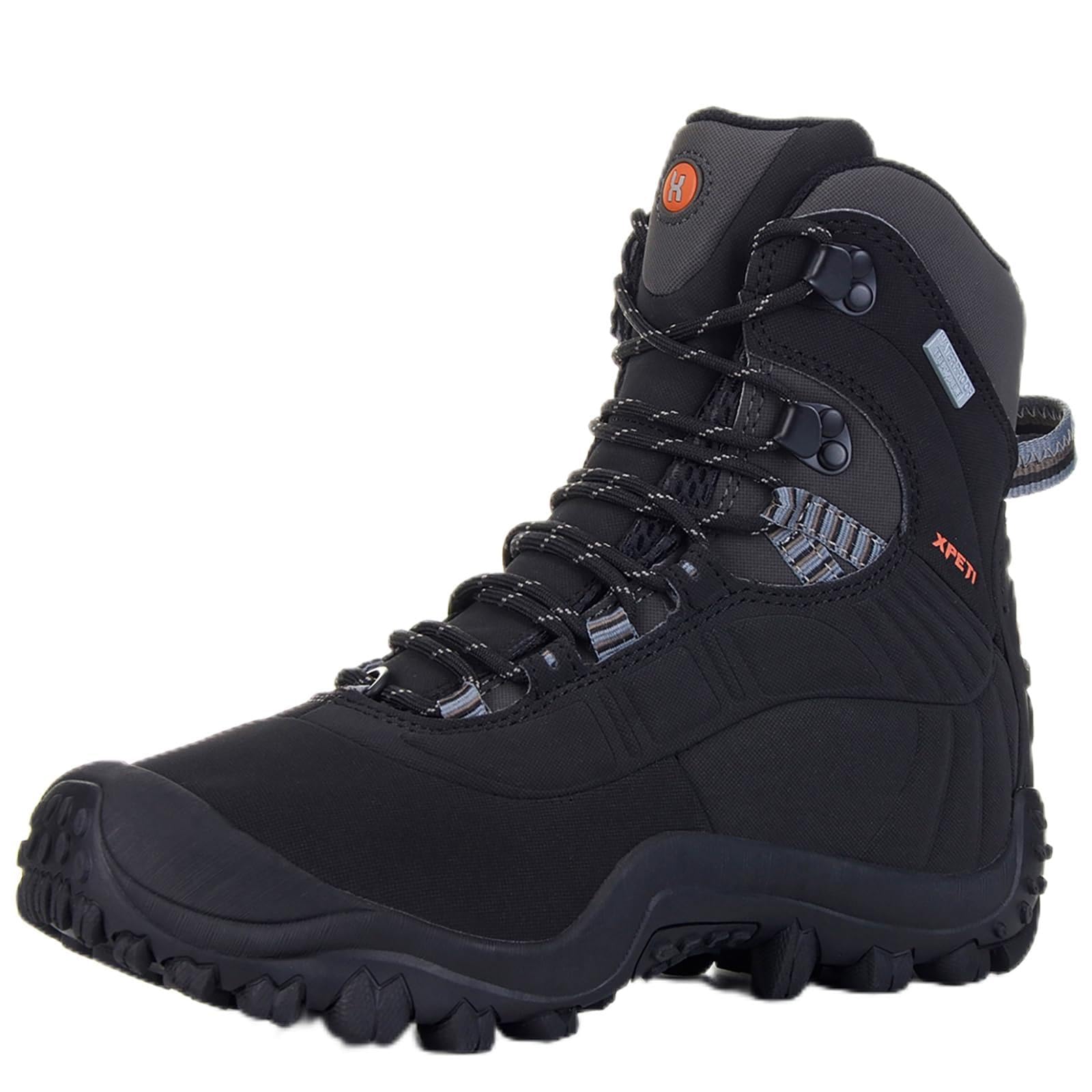
The XPETI Thermator stands out among budget winter hikers for its immediate comfort and confident traction on ice. Most buyers find the boot comfortable straight out of the box with no break-in period, and the aggressive rubber outsole grips well on packed snow and icy patches. The proprietary waterproof membrane holds up for several hours in rain or light snow, which fits well for day hikes and urban commutes.

This boot is best suited for day hikers, commuters, and budget-conscious travelers who encounter snow and ice on well-maintained trails or sidewalks. However, the 200g Thinsulate insulation and mid-rise height mean it is not intended for multi-day backpacking trips or extended exposure below 0°F. And while the boots work well out of the box, some units may develop stitching or sole separation within the first few months – a tradeoff for the lower price point.

💡 Inspect stitching periodically and avoid overloading the boots with heavy packs; they perform best for moderate, regular use rather than expedition loading.

Pros

  • Comfortable fit with no break-in needed for most hikers.
  • Aggressive rubber lugs provide solid grip on icy trails and packed snow.
  • Waterproof membrane keeps feet dry during rain and light snow for several hours.

Cons

  • For hikers expecting multi-season longevity, stitching and sole separation may occur within months of regular use.
  • The 200g Thinsulate insulation handles most winter conditions, but extended exposure below 0°F may require thicker socks or supplemental insulation.
Our verdict

For day trips and winter commutes, the XPETI Thermator delivers impressive grip and out-of-box comfort at a budget-friendly price – just keep expectations for multi-season longevity in check.
Check Latest Price
2

Best for Extreme Cold

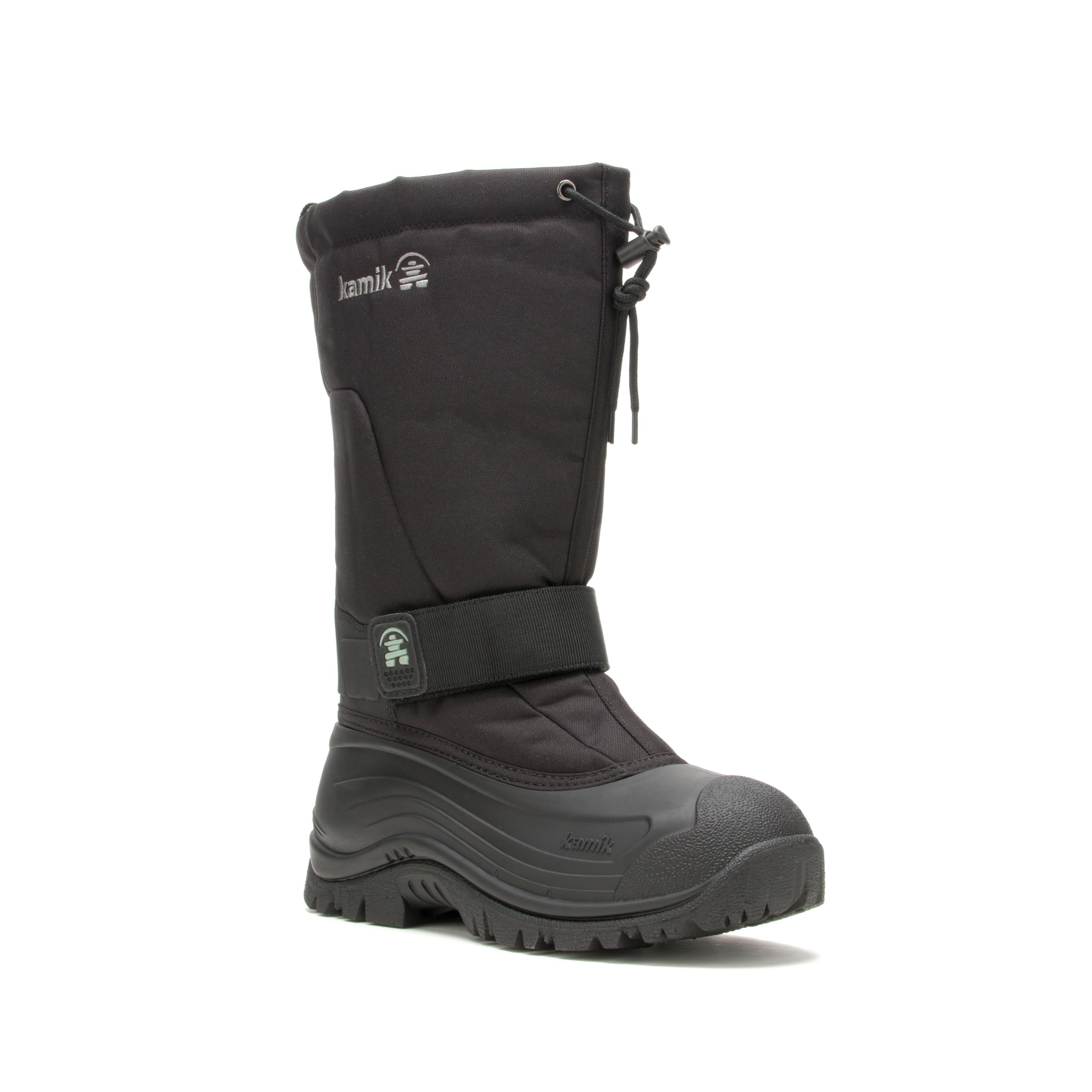
Kamik Greenbay 4

91 /100
Traveler Score Outstanding

Key details

Height
Mid-calf 7-8 in
Traction
Traction grip
Insulation
Waterproof
Synthetic upper, rubber shell
Check Details on Amazon

The Kamik Greenbay 4 delivers exceptional warmth in extreme cold, with a thermal guard liner rated to -40°C and a slip-on design that makes getting in and out fast. Its rubber-shell construction and mid-calf height keep snow out effectively. However, the boot runs small and narrow — sizing up one to two sizes is necessary for most feet, and those with wide feet should look elsewhere. This is a focused tool for deep-cold activities like snowmobiling or stationary use, not a daily driver for casual walks.

💡 Order at least one full size up, especially if you plan to wear thick socks.

Pros

  • Exceptional warmth in extreme cold
  • Very easy to put on and take off
  • High build quality with rubber shell and synthetic upper resists snow and moisture.

Cons

  • Fit runs small and narrow, requiring sizing up one to two sizes.
  • Inner lining may break down with heavy use over months.
Our verdict

For extreme cold without constant movement, the Greenbay 4 is hard to beat – just plan to size up significantly.

Check Latest Price
3

Best Women's Winter Boot

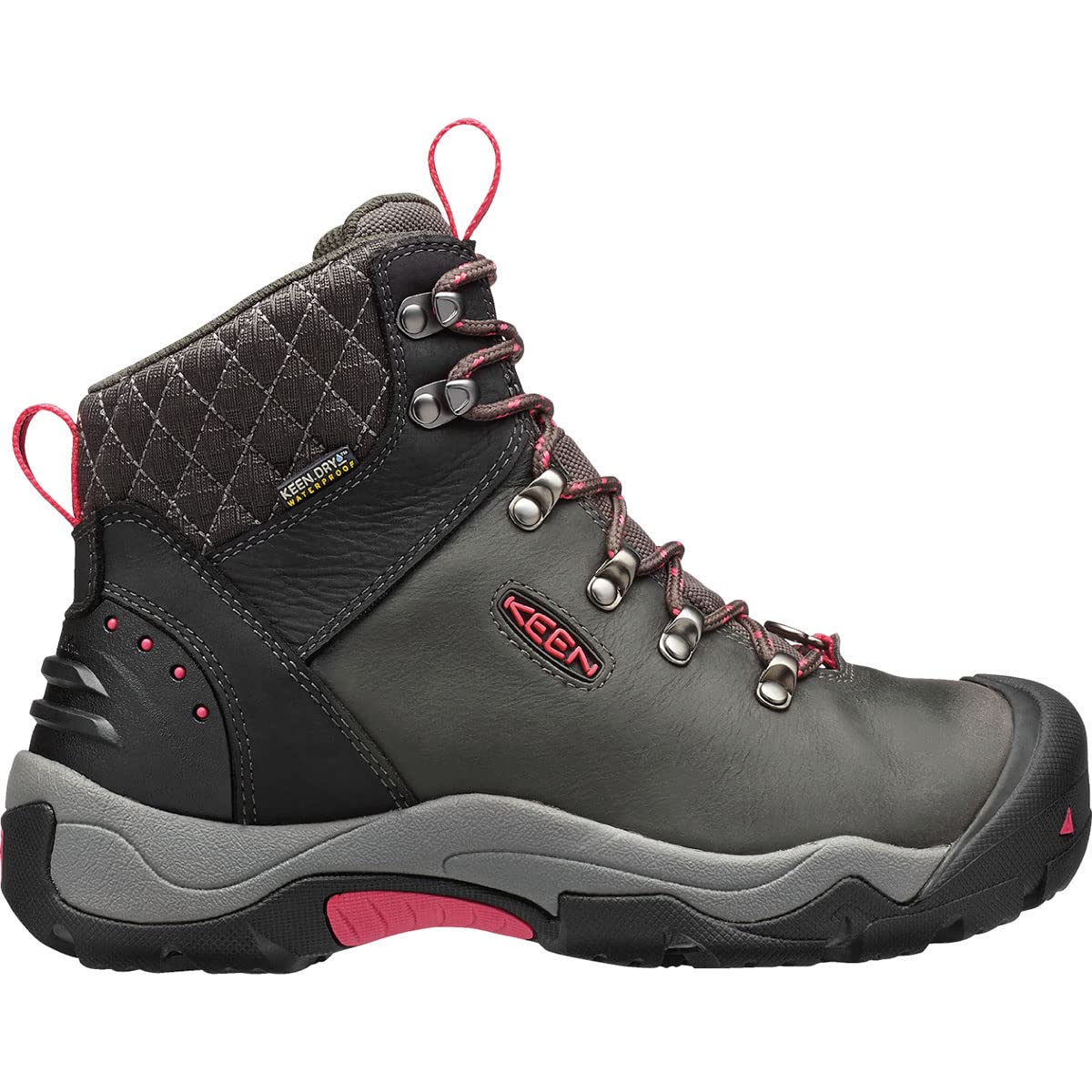
KEEN Revel III

90 /100
Traveler Score Outstanding

Key details

Height
Mid 6 in
Traction
Multi-directional lugs
Insulation
200g
Waterproof
KEEN membrane
Check Details on Amazon

The Revel III requires no break-in period and its wide toe box comfortably accommodates orthotics and thick socks. The waterproof membrane and 200g insulation keep feet dry and warm in typical winter conditions. This design makes it an ideal winter hiking boot for women with wide feet or who use orthotic inserts. However, the boot runs small in length — plan to order a half to full size up. It offers good ankle support and warmth for snowshoeing and cold-weather hikes, but is not suited for extreme cold below -20 degrees Fahrenheit or for narrow feet.

💡 Order a half to full size up to accommodate thick socks and orthotics.

Pros

  • No break-in needed
  • Roomier fit for wide feet and thick socks.

Cons

  • Sizing runs small
Our verdict

For women with wide feet who prioritize comfort over extreme cold performance, this boot is a solid winter hiker despite the sizing quirk.

Check Latest Price
4

Lightweight & Stylish

XPETI Crest Thermo

90 /100
Traveler Score Outstanding

Key details

Height
Mid 6 in
Traction
Multi-directional lugs
Insulation
Waterproof
Proprietary membrane
Check Details on Amazon

The XPETI Crest Thermo slips on without break-in and weighs under two pounds per boot — a rare combination for a waterproof, insulated mid-cut hiker. Its sleek design and high perceived quality make it a natural fit for urban winter walks and light trail days where you want to pack light and look good.

This boot is for travelers or casual hikers who value weight and appearance over expedition-level grip or warmth. It runs comfortably all day, and the thermo liner handles most winter conditions (a wool liner helps in deep cold). But durability can be an issue: sole separation has been noted within the first month, so it’s not suited for regular off-trail use or buyers expecting years of service.

💡 Kept dry and off sharp rocks, the Crest Thermo can last a season or two — treat the waterproof membrane gently.

Pros

  • Extremely lightweight at under two pounds
  • No break-in needed; comfortable from the first step with a stylish look.

Cons

  • In a few cases, the sole can separate within the first month of use
Our verdict

A great choice for lightweight, stylish winter footwear if you stick to maintained trails and town use, but not for rugged terrain or long-term reliability.

Check Latest Price
5

Premium High-Cut Insulation

Oboz Bridger 10"

91 /100
Traveler Score Outstanding

Key details

Height
10 in high cut
Traction
High-traction rubber
Insulation
200g
Waterproof
B-DRY membrane
Check Details on Amazon

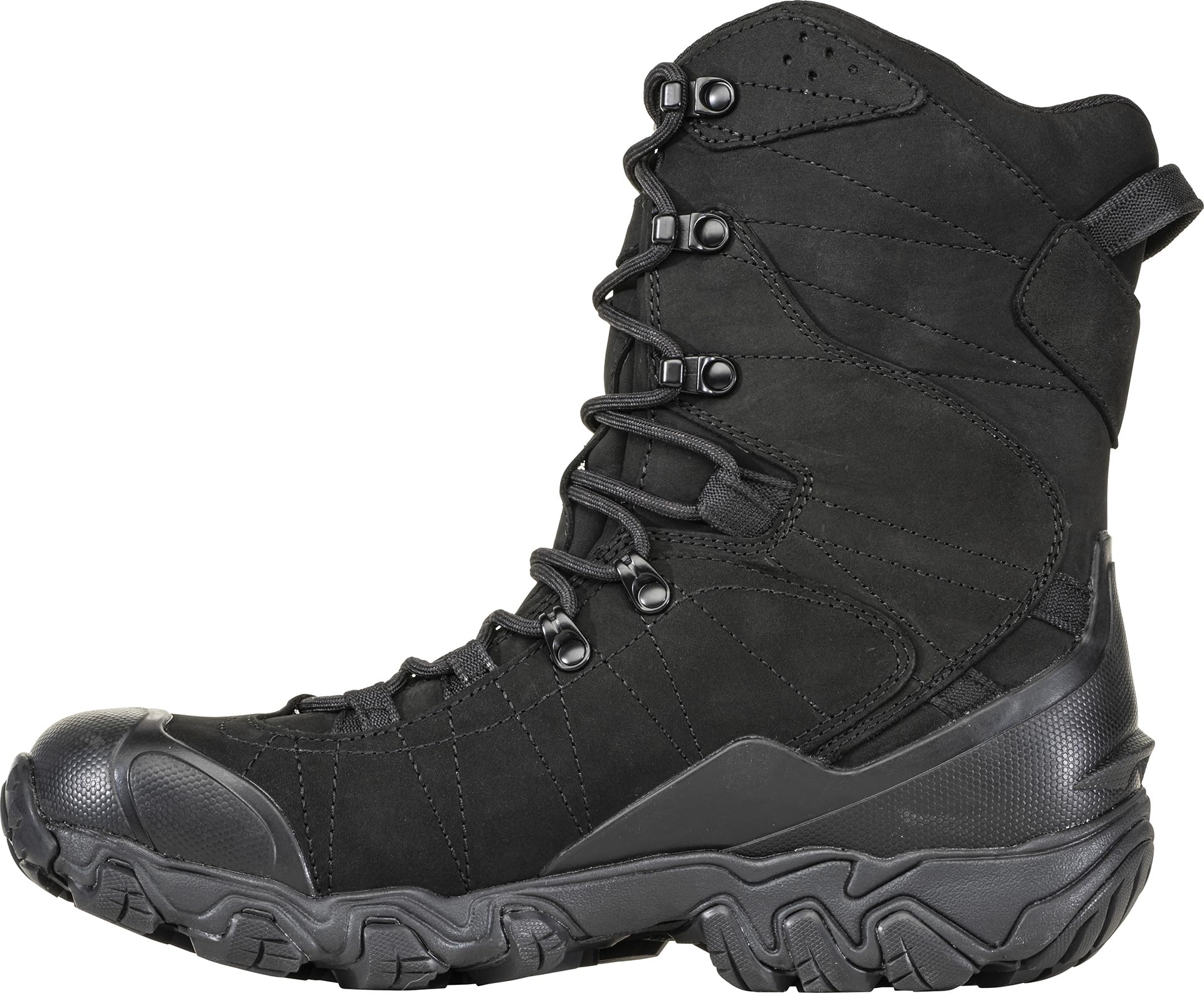
The Oboz Bridger 10 pairs a 10-inch collar with 200g insulation and a B-DRY membrane to keep snow out and warmth in during deep-winter hikes. The high cut delivers the kind of ankle support that snowshoers and hikers carrying heavy packs will appreciate, right out of the box. This boot is built for serious cold: tested in subzero conditions, the insulation and waterproofing hold up well. The tradeoff is weight — it's a substantial boot — and the sizing is unpredictable: some need to go up a full size. Occasional reports of sole separation after moderate use suggest checking the glue seam early.

💡 Order a full size up and test the fit with the socks you'll wear on trail.

Pros

  • Substantial warmth and waterproofing for subzero winter conditions
  • Solid build quality and comfort with no break-in period
  • High ankle support and stability for snowshoeing and heavy loads

Cons

  • Sizing can be inconsistent
  • Sole separation may occur after moderate use in some cases
Our verdict

For hikers who regularly trudge through deep snow and need the extra ankle support, the Oboz Bridger delivers — just budget time to dial in the size and inspect the sole early on.

Check Latest Price
6

Budget Snow Hikes

NORTIV 8 TUNDRA

91 /100
Traveler Score Outstanding

Key details

Height
Mid-calf 6-7 in
Traction
Multi-directional tread
Insulation
Waterproof
Sealed construction
Check Details on Amazon

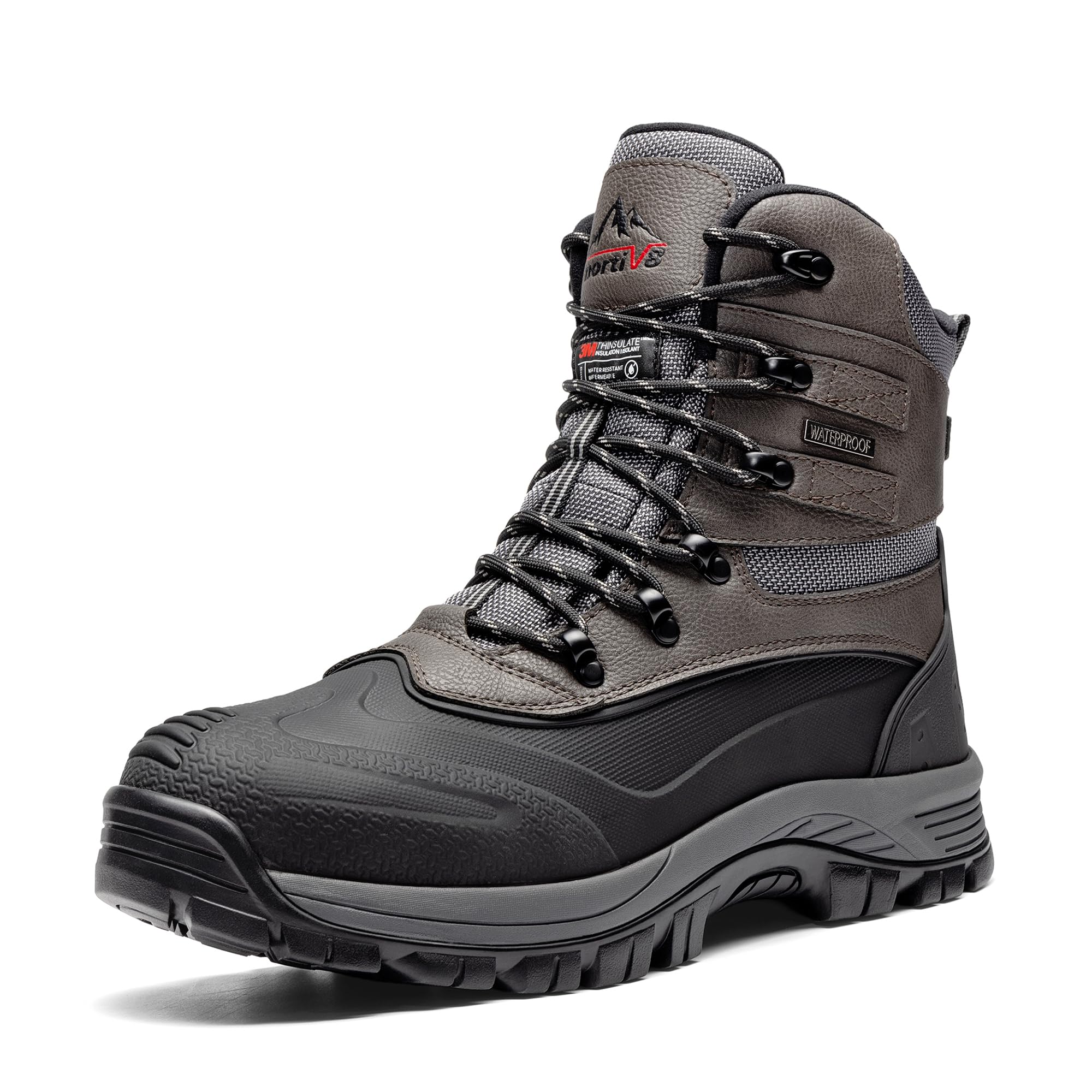
The NORTIV 8 TUNDRA provides impressive warmth and water resistance for its low cost, making it a good option for occasional snow hikes and daily winter walks. However, durability issues such as sole separation or back panel detachment mean it's best reserved for light use, and the XPETI Thermator offers better traction and consistency for similar money.

Pros

  • Effective insulation for cold weather.
  • Comfortable for all-day wear in cold conditions.

Cons

  • Sole separation or back panel detachment may occur in some units.
Our verdict

Best for budget buyers needing a warm, waterproof boot for occasional snow use, where replacing after a season is acceptable.

Check Latest Price
7

Budget Winter Walk

NORTIV 8 BRIGADE

89 /100
Traveler Score Excellent

Key details

Height
Mid 6-7 in
Traction
Multi-directional tread
Insulation
Waterproof
Sealed build
Check Details on Amazon

This boot delivers solid warmth and a roomy fit for thick socks at a low price, making it a practical choice for casual winter walking and snow shoveling. However, compared to top picks in this set, it falls short due to hardware issues — lace hooks and eyelets can pull out under stress, limiting its reliability for frequent or rough use.

Pros

  • Keeps feet warm in freezing temperatures and cold rain.
  • Roomy interior accommodates thick socks comfortably.

Cons

  • Lace hooks and eyelets may pull out under stress.
Our verdict

A solid choice for budget-conscious users who need a warm, roomy boot for light winter chores and can accept occasional hardware issues.

Check Latest Price
8

Narrow Feet, Budget

XPETI Women's Thermator

87 /100
Traveler Score Excellent

Key details

Height
Mid-high 5-6 in
Traction
Multi-directional lugs
Insulation
200g Thinsulate
Waterproof
Proprietary membrane
Check Details on Amazon

This boot delivers solid warmth and traction for winter walks at a budget-friendly price. The narrow fit suits slim feet well. However, durability concerns—sole separation and liner bunching—can appear in some units, which keeps it from matching the long-term reliability of the KEEN Revel III.

Pros

  • Provides noticeable warmth and comfort for the price.
  • Offers reliable water resistance and traction on snowy surfaces.

Cons

  • Sizing may run small, so ordering a size up is worth checking.
Our verdict

A viable option for women with narrow feet on a budget who are willing to size up and accept that long-term durability is not guaranteed.

Check Latest Price
9

Mountaineering, Hunt

Kenetrek Mountain Extreme 400

91 /100
Traveler Score Outstanding

Key details

Height
10 in high cut
Traction
K-10 high-traction
Insulation
400g
Waterproof
Breathable membrane
Check Details on Amazon

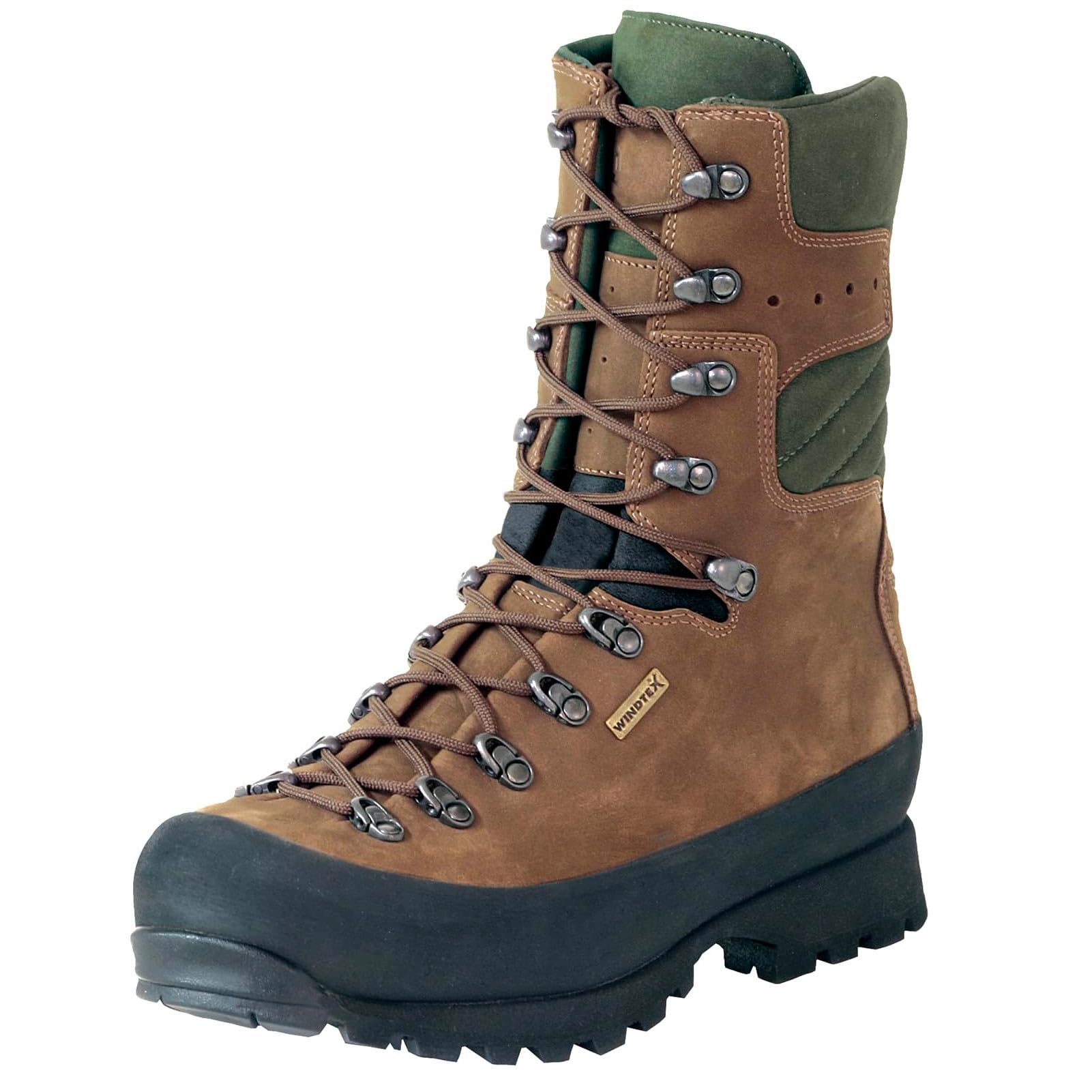
Full-grain leather, resoleable construction, and 400g insulation – the Mountain Extreme 400 is a premium expedition boot built for decades of hard use. Its high price, stiffness, and weight put it in a category for serious mountaineers; casual hikers should look elsewhere.

Pros

  • Full-grain leather and resoleable design extend lifespan
  • Excellent ankle support for steep, uneven terrain

Cons

  • Premium pricing limits appeal to budget-conscious buyers
Our verdict

For alpine hunters and mountaineers who need a boot that lasts a decade and can be resoled, the Mountain Extreme 400 is a worthy investment; everyone else will find better value elsewhere.

Check Latest Price

How to Choose

Insulation Weight

Insulation is measured in grams (e.g., 200g, 400g). A 200g boot works well for active hiking in 20°F conditions because body heat and movement supplement the insulation. A 400g boot is better for static activities like ice fishing or extreme cold below -20°F, but adds bulk and reduces breathability.

If you hike at a steady pace, 200g is usually enough. If you stand around in sub-zero temps, go for 400g or more. Boots without stated insulation grams often use generic liners that may not deliver consistent warmth.

Waterproof Membrane

Waterproof membranes vary in durability. Branded systems like B-DRY (Oboz) or KEEN membrane are bonded and last longer. Budget 'sealed construction' boots often rely on a sprayed coating that degrades with salt and mud exposure. Once the coating fails, the boot leaks.

Breathability also matters: a non-breathable boot traps sweat, which then freezes and makes feet cold. Look for boots that explicitly state a waterproof/breathable membrane for all-day comfort in snow.

Outsole Traction

Traction on ice and snow depends on lug pattern and rubber compound. Multi-directional lugs handle mixed conditions, while aggressive V-shaped lugs bite into soft snow. Softer rubber grips better on ice but wears faster on pavement.

For icy trails, boots with specialized ice-traction rubber (like the XPETI Thermator) offer peace of mind. On packed snow, standard multi-directional tread suffices. Avoid shallow, close-set lugs that clog with snow.

Boot Height

Mid-cut boots (5-6 inches) are lighter and more flexible, ideal for day hikes and groomed trails. High-cut boots (8-10 inches) provide ankle support for uneven terrain and keep snow out when postholing.

The trade-off: higher boots are stiffer and heavier, requiring more break-in. If you stick to maintained trails or urban winter walks, mid-cut is sufficient. For deep snow or off-trail hiking, tall boots are worth the extra weight.

Frequently Asked Questions