9 Best Winter Hiking Gloves of 2026: Warmth and Touchscreen Without the Bulk

Which winter hiking gloves keep your hands warm, let you use your phone, and don't soak through? The best picks balance dexterity, insulation, and water resistance for cold-weather hikes.

Most winter gloves marketed for hiking are actually ski gloves with inflated temperature ratings and waterproof claims that vanish in wet snow. Sizing is a gamble, touchscreen fingers stop working after a few washes, and seams often rip before the season ends. The challenge isn't finding a warm glove—it's finding one that works on the trail without forcing you to choose between dexterity and dryness.

That trade-off between maximum warmth and the ability to use your phone or adjust gear is real. Some gloves nail insulation but block touchscreens entirely; others offer reliable screen response but let cold air in. This guide focuses on gloves that actually suit the hiking experience—where you need grip, breathability, and a fit that doesn't slide around when you're gripping trekking poles or scrambling over rocks.

1

Best Overall Winter Hiking Glove
ihuan Waterproof Ski Gloves

89 /100
Traveler Score Excellent

Key details

Touchscreen
Yes
Water Resistance
Coating
Check Details on Amazon

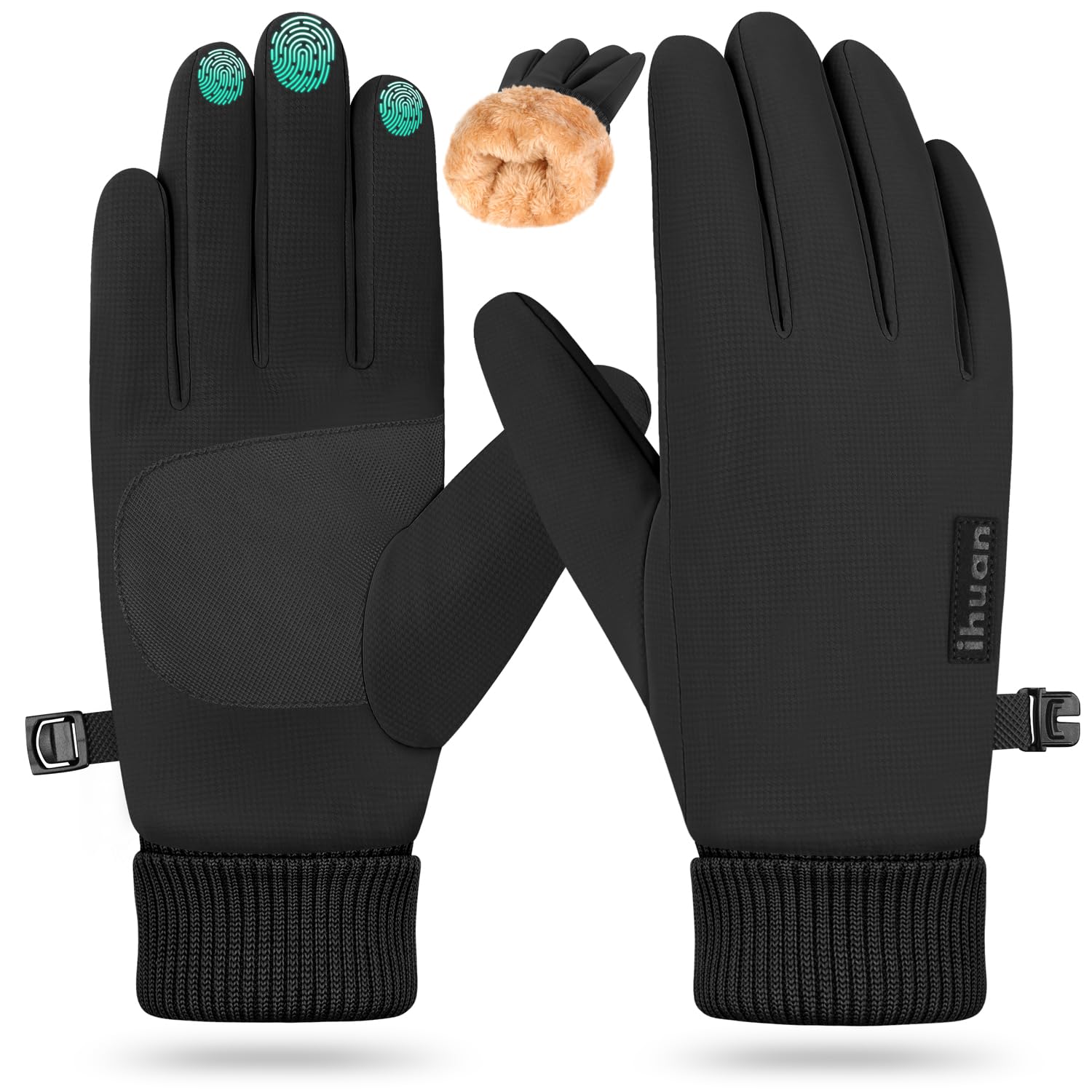
The ihuan Ski Gloves hold warmth comfortably in the 20-32°F range, with a soft fleece lining that feels good against the skin even during extended wear. Touchscreen fingertips respond accurately for quick phone navigation without removing the glove. The microfiber leather palm offers solid grip on hiking poles and icy surfaces, while the water-resistant coating shrugs off light snow and brief drizzle.

This glove fits winter hikers who need a single versatile pair for near-freezing trails, driving, and general cold weather. Ordering up one size addresses the snug factory fit, and the touchscreen means no need to bare fingers for phone use. Not designed for extreme cold below 10°F or full immersion in wet snow, but for typical winter hiking conditions it is a capable and affordable option. Few gloves offer this combination of features at a similar price.

💡 Order one size up to ensure a comfortable fit.

Pros

  • Effective warmth for most winter hikes
  • Soft fleece lining keeps hands comfortable over long periods
  • Touchscreen fingertips work without removing gloves

Cons

  • Sizing can run small; consider ordering up one size for a comfortable fit
  • Wrist area is not sealed against water; deep snow or prolonged rain can lead to wet hands
Our verdict

A simple size adjustment transforms this glove into a well-rounded winter hiking companion for a budget-friendly price.

Check Latest Price
2

Warmth Champion

Tough Outdoors Ski Gloves

93 /100
Traveler Score Outstanding

Key details

Touchscreen
No
Water Resistance
Claimed
Check Details on Amazon

These gloves deliver outstanding insulation and solid water resistance for dry, frigid conditions, making them a top contender for warmth on a budget. The generous fit works well with liners but can feel sloppy for smaller hands, and there is no touchscreen capability — you will need to remove them to use your phone. Durability reports are mixed, so they suit occasional use rather than daily abuse.

💡 If you have smaller hands, consider sizing down or layering a liner for a snugger feel.

Pros

  • Excellent warmth for sub-freezing hikes
  • Good water resistance holds up in dry snow
  • Budget-friendly price for the level of insulation

Cons

  • No touchscreen compatibility
  • Sizing runs generous; small-handed users may find the fit too roomy
Our verdict

A solid warmth-first choice for hikers who prioritize cold protection over phone access and can work with a roomier fit.

Check Latest Price
3

Best Value

TRENDOUX 3M Thinsulate

91 /100
Traveler Score Outstanding

Key details

Touchscreen
Yes
Water Resistance
Coating
Check Details on Amazon

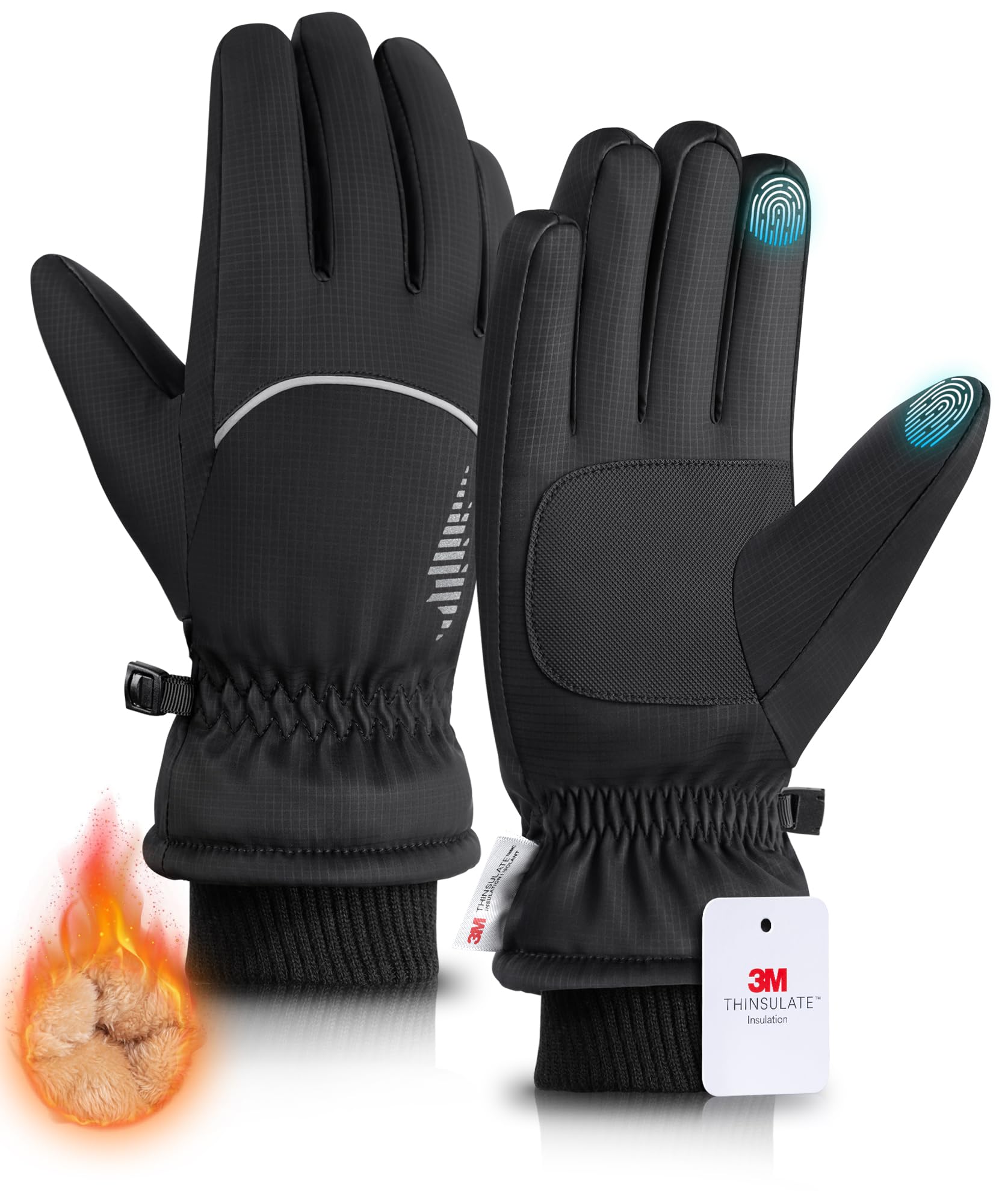
The TRENDOUX uses 3M Thinsulate to deliver a strong warmth-to-weight ratio that feels lighter on the hands than its price suggests. In dry cold, the insulation holds up well for commuting and light hiking. The reinforced digital grip palms provide good traction on poles or icy surfaces, and the touchscreen layer works for quick phone checks. That said, the water-repellent coating handles light snow but can struggle in wet snow or prolonged rain — once saturated, warmth drops noticeably. Below 20°F, some users find the insulation insufficient for stationary activity. Sizing runs slightly small, so ordering up is wise.

💡 Order one size up for a better fit, especially if layering with a liner.

Pros

  • Excellent warmth-to-weight ratio keeps hands warm without bulk.
  • High-quality build and materials at a budget-friendly price.
  • Comfortable flexible fit with good dexterity for everyday use.

Cons

  • Water resistance is limited; the coating can struggle in wet snow or rain.
  • Below 20°F, insulation may not keep hands warm during inactive periods.
Our verdict

A solid choice for dry winter days and moderate activity where budget matters — but not the glove for wet snow or deep cold.

Check Latest Price
4

Hiking-Specific Design

ihuan Hiking Gloves

89 /100
Traveler Score Excellent

Key details

Touchscreen
Yes
Water Resistance
Seams leak
Check Details on Amazon

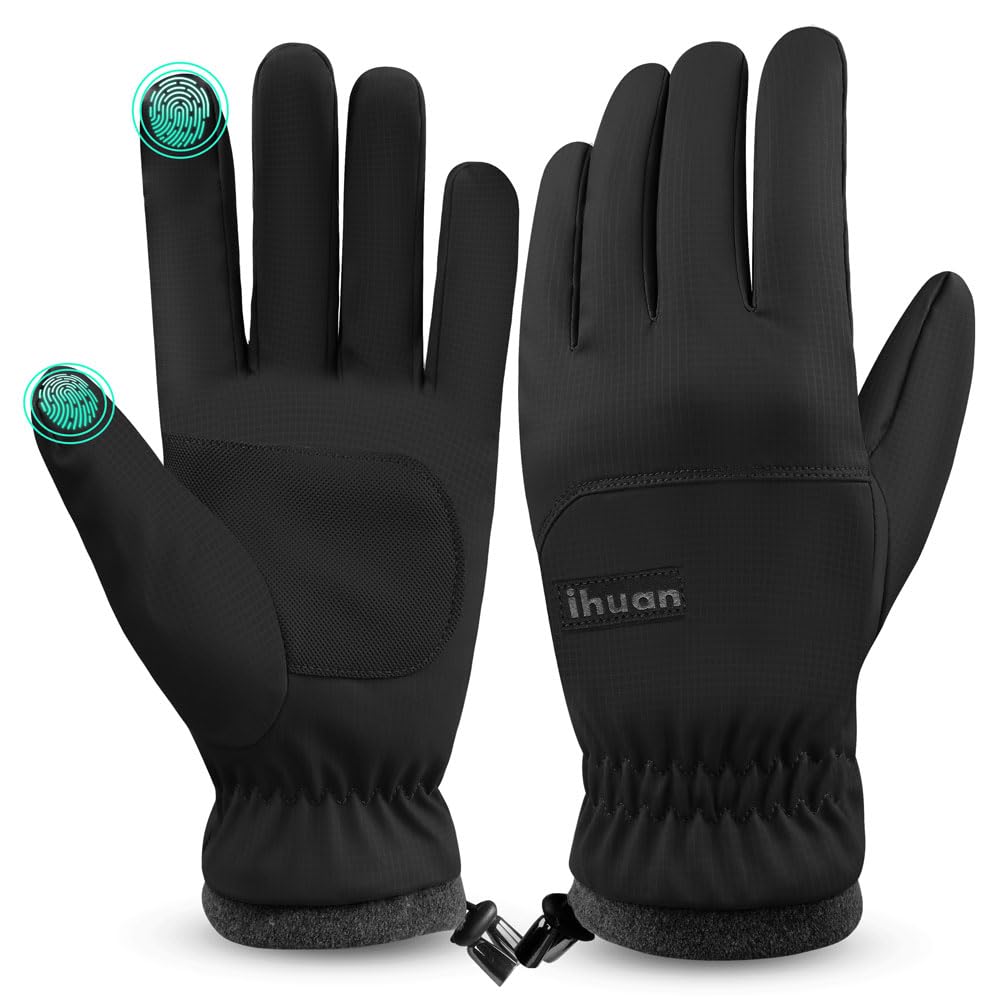
The ihuan gloves stand out as the only model explicitly designed for hiking, with soft cotton insulation that feels comfortable against the skin. They pack light and provide decent warmth for dry cold conditions. However, the touchscreen function is hit-or-miss, and water resistance can be insufficient in wet snow. These are best suited for casual hikers on a budget who don't rely on touchscreen or expect waterproof performance in sustained wet weather.

💡 In wet snow, these gloves can become saturated — a waterproof shell over them helps extend their usefulness.

Pros

  • Soft cotton insulation feels comfortable against the skin for cold hikes.
  • Good warmth for the price in dry cold conditions.
  • Lightweight and easy to pack for day hikes.

Cons

  • Touchscreen function can be unreliable, often failing to register inputs.
  • Water resistance is mediocre; seams may leak in wet snow.
Our verdict

A decent budget option for dry cold hikes if you can work around the touchscreen and water resistance limitations.

Check Latest Price
5

Sleek and Functional

rivmount 3M Snow Glove

89 /100
Traveler Score Excellent

Key details

Touchscreen
Yes
Water Resistance
TPU insert
Check Details on Amazon

Responsive touchscreen, soft lining, and 3M insulation make the rivmount a solid choice for moderate cold hiking. The anti-slip palm and 7-layer build add to the secure feel, while touchscreen reliability exceeds that of the typical budget 3M Thinsulate glove.

Best suited for hikes where temperatures stay above 20°F and heavy wet snow is unlikely. Some seam tearing has been reported after limited use, so this glove is not intended for frequent or heavy-duty wear.

Pros

  • Soft lining provides all-day comfort during moderate activity.
  • Touchscreen works reliably with capacitive screens without removing the glove.

Cons

  • Water resistance is mixed; the glove may wet through during prolonged snow contact.
Our verdict

For moderate cold hikes where touchscreen access and comfort matter, the rivmount delivers good value at a budget price.

Check Latest Price
6

Occasional Use

MCTi 3M Snow Gloves

93 /100
Traveler Score Outstanding

Key details

Touchscreen
No
Water Resistance
Membrane
Check Details on Amazon

These gloves offer impressive warmth for the price, with comfortable insulation that handles moderate cold well. However, the seams can rip after limited use, and water resistance is inconsistent, making them suited for casual snow shoveling or occasional skiing rather than frequent hiking.

Pros

  • Keeps hands warm and dry in moderate cold.
  • Good value for the warmth provided.

Cons

  • Seam durability can be a concern with regular use.
Our verdict

Best for budget-conscious buyers who need a warm glove for occasional outdoor tasks like shoveling or a short ski trip, not for regular hiking.

Check Latest Price
7

Dry Cold

MOREOK -30°F Gloves

88 /100
Traveler Score Excellent

Key details

Touchscreen
Yes
Water Resistance
TPU membrane
Check Details on Amazon

The MOREOK gloves deliver decent value for mild winter hiking, combining a TPU weather-resistant membrane with touchscreen compatibility on the thumb. For dry cold down to 20°F, they balance comfort and affordability. However, the advertised -30°F rating is ambitious; in practice, warmth drops off below freezing, and water resistance can be inconsistent in wet snow. These gloves suit budget-conscious hikers tackling dry winter trails, not extreme cold or wet conditions.

Pros

  • Comfortable build with good overall quality for the price.
  • Weather-resistant membrane adds a layer of protection against light snow and wind.

Cons

  • In dry cold below 20°F, warmth may not be enough for extended hikes.
Our verdict

Best suited for budget-conscious hikers on dry winter trails in mild cold, where the gloves’ touchscreen and weather resistance are a fair trade for limited warmth.

Check Latest Price
8

Mild Weather

TRENDOUX Knit Gloves

89 /100
Traveler Score Excellent

Key details

Touchscreen
Yes
Water Resistance
None
Check Details on Amazon

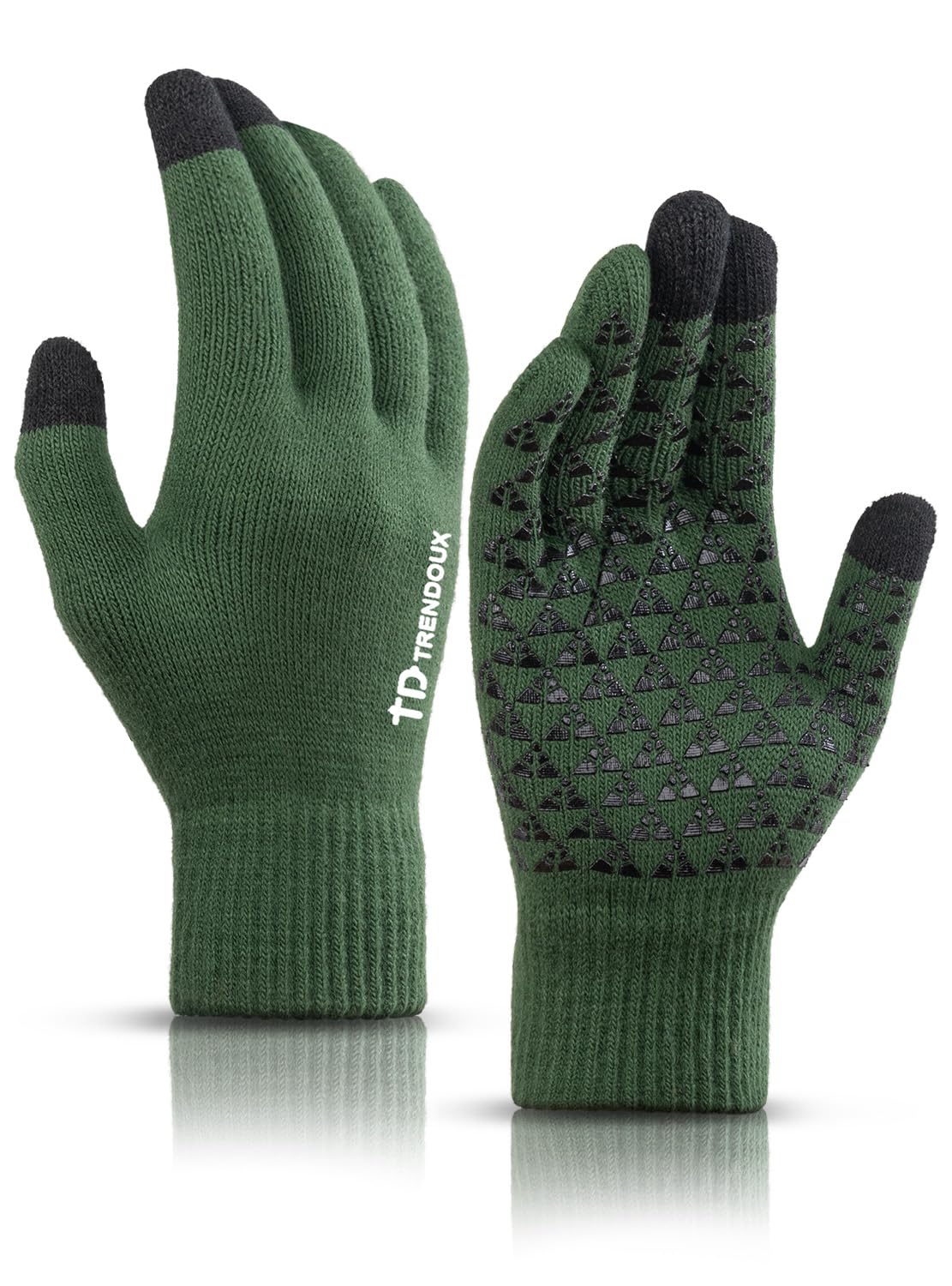
These knit gloves offer a soft, well-fitting design with silicone grip dots that work well for driving or light activity in mild weather. The lightweight fleece lining does not retain enough heat for temperatures below 40°F, and the conductive yarn touchscreen can lose responsiveness over time. For winter hiking, a more insulated and water-resistant glove is a better fit.

Pros

  • Very comfortable and soft
  • Excellent fit with silicone grip

Cons

  • Lightweight insulation limits use to mild weather above 40°F
Our verdict

Best suited for driving or cool-weather walks, not for winter hiking.

Check Latest Price
9

Cool Running

OZERO Running Gloves

88 /100
Traveler Score Excellent

Key details

Touchscreen
Yes
Water Resistance
Coating
Check Details on Amazon

A lightweight glove that's comfortable and flexible for running in cool weather, with a packable design that's easy to stash. However, the fleece lining provides limited warmth below 40°F and the water-resistant coating soaks through quickly — not suitable for winter hiking. Best for driving, light outdoor work, or cool-weather runs where dexterity and packability matter.

Pros

  • Comfortable and flexible for active use
  • Good value for the price

Cons

  • For winter hiking in cold or wet conditions, the thin fleece and weak water resistance are inadequate
Our verdict

Ideal for cool-weather running or driving, but not a winter hiking glove.

Check Latest Price

How to Choose

Warmth and Temperature Rating

Insulation thickness and material matter more than the number on the label. 3M Thinsulate and fleece linings trap body heat differently: Thinsulate retains warmth even when damp, while fleece breathes better but loses insulation quickly when wet. Gloves rated for -20°F or lower often rely on bulky insulation that kills dexterity, making it hard to handle zippers, trekking poles, or a phone.

For most winter hiking in the 20-32°F range, a glove with 100-200g of insulation (or a fleece-lined ski glove) is sufficient. Below 20°F, look for a sealed membrane combined with a midweight liner. Active hikers generate heat quickly, so overheating is a real risk—choose a glove with breathable panels or a removable liner if you tend to run hot.

Water Resistance vs. Waterproofing

A water-resistant coating (DWR) sheds light snow and mist but fails in sustained rain or wet snow that melts on contact. A TPU or PU membrane—common in ski gloves—provides true waterproofing as long as seams are taped. The trade-off is breathability: membranes trap sweat vapor, leading to clammy hands on long climbs.

The wrist closure is the weakest link. Gloves with elastic cuffs allow snow to drip inside when you reach up; those with drawcords or gauntlet cuffs keep moisture out. If you hike in wet conditions frequently, prioritize a glove with a sealed gauntlet over a simple knit cuff.

Touchscreen Reliability

Conductive yarns and PU-coated fingertips enable screen use, but they wear off after a few machine washes. The position of the conductive patch matters: thumb and index finger are essential for navigating a phone or camera; middle finger is useful for double-tapping. Gloves that claim touchscreen capability on only one finger limit usability.

Hand washing and air drying can triple the lifespan of conductive fibers. Avoid fabric softener and bleach, which coat the conductive threads. If you rely heavily on your phone for navigation or photos, test the touchscreen response with your gloves on before buying—reviews often flag inconsistencies.

Fit and Sizing Accuracy

Most winter gloves—especially from Asian brands—run small. Ordering one size up is the single most reliable fix for fit complaints, as long as the fingers aren't so long that they bunch at the tips. A glove that's too tight restricts blood flow and makes hands colder; too loose reduces grip and insulation efficiency.

Measure your hand circumference at the widest part (excluding thumb) and compare to the brand's size chart. Brands that provide a measurement-based chart (instead of S/M/L) tend to have fewer fit complaints. Also check the cuff length: a short cuff means jacket sleeves must overlap properly to seal out cold.

Durability of Seams and Materials

Seam construction is the first thing to fail. Single-stitched seams rip under strap tension or frequent grasping; reinforced double-stitching or welded seams hold up much longer. The palm material also matters: microfiber leather lasts longer than silicone prints, which peel after a season of rock contact.

For occasional hikers, a glove with silicone grip patches and single stitching can still last a season or two. If you hike multiple times per week, invest in a glove with aramid or Kevlar-reinforced palm and taped seams. Checking reviews for 'seam failed' or 'lining separated' after 10 uses is the quickest way to estimate real-world durability.

Frequently Asked Questions