7 Best Minimalist Hiking Shoes of 2026: The Ones That Fit Right Away

Best minimalist hiking shoes for travelers who want a true barefoot feel, roomy toe box, and dependable trail grip without sizing guesswork.

Most minimalist hiking shoes promise the same thing: wide toe box, zero drop, close to the ground. The real difference shows up after you put them on and walk a rocky mile or two. Fit and durability vary more than price suggests.

For travelers, this matters because trail days usually share time with town strolls and long flights. A shoe that fits from the first wear is one less thing to plan around; one that wears out after a few hikes forces an unplanned replacement.

The trade-off is ground feel versus underfoot protection. Thin soles give the natural feedback barefoot hikers want, but they demand a short adaptation period on rocky terrain. Match that thickness to the terrain you plan to hike, not to the marketing copy.

1

Best Overall

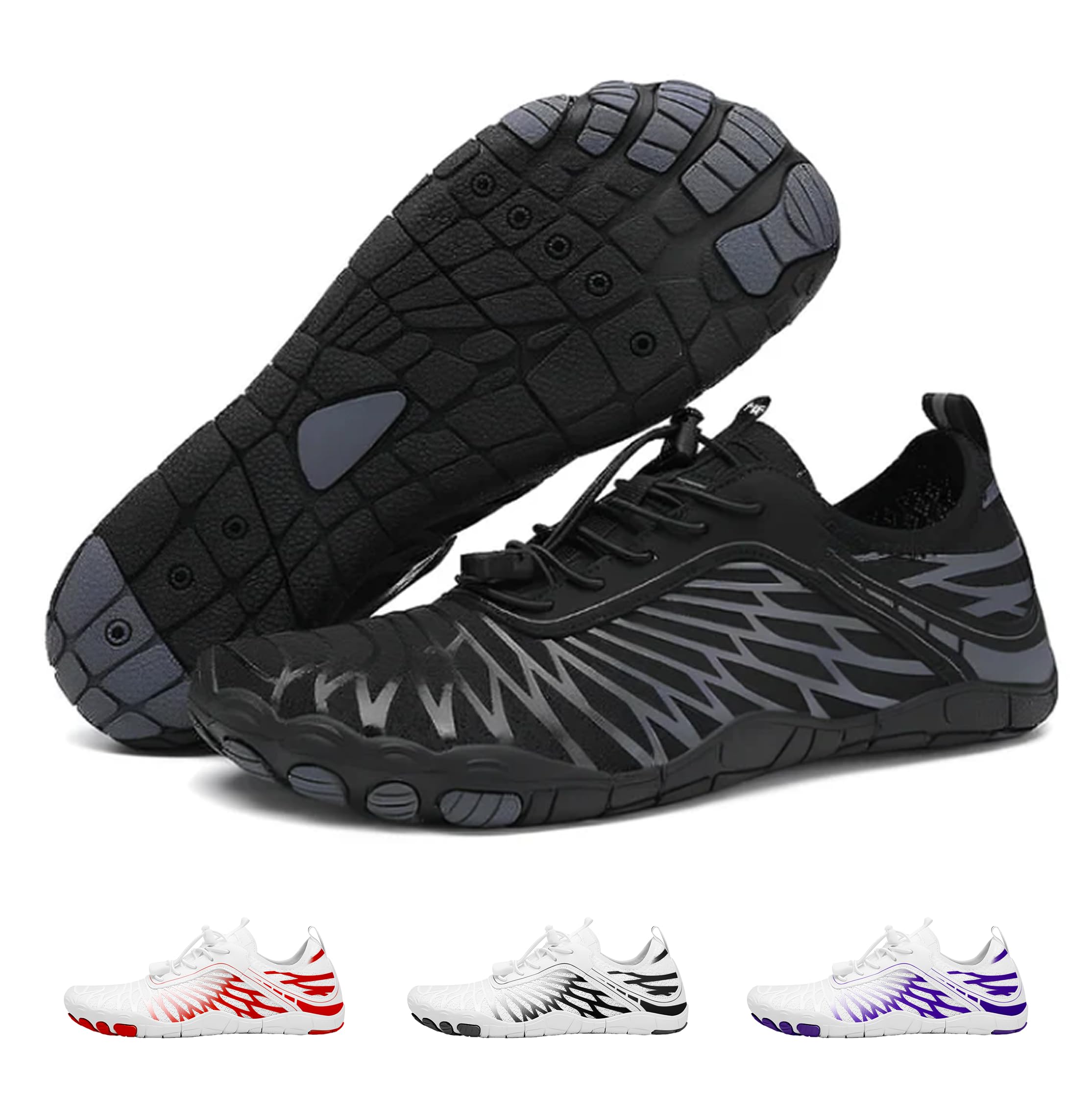
WHITIN W20

89 /100
Traveler Score Excellent

Key details

Drop
Zero drop
Toe Box
Wide toe box
Traction
High-traction outsole
Sole Feel
Flexible barefoot feel
Check Details on Amazon

The WHITIN W20 is a zero-drop lace-up trail shoe with a wide toe box and a flexible sole that gives unpaved trails a direct, ground-first feel. The roomy toe box lets toes splay naturally, which is the core appeal for hikers who find conventional shoes cramped. The outsole tracks well on dirt, gravel, and varied surfaces, and the lightweight, breathable upper keeps it comfortable for all-day walks. This is a true minimalist ride rather than a cushioned trail shoe, so the tradeoffs are clear from the start.

It suits first-time barefoot hikers, walkers, and runners who want a wide toe box and zero-drop stance without moving to premium-priced models. First-time barefoot buyers get the wide-toe comfort and ground feel that introductory minimalist shoes promise, without a steep learning curve or a steep price. The lace-up closure gives a secure midfoot hold, which matters on uneven downhill tread. Durability varies: sole wear and seam separation can occur with regular trail miles, so repeated rough alpine or high-mileage use calls for a more protective, lugged boot. For unpaved paths, everyday outdoor training, and mellow-to-moderate trails, the W20 delivers the essentials of minimalist hiking at a budget-friendly price.

Pros

  • Wide toe box and true barefoot feel keep toes comfortable and splayed on unpaved trails.
  • Strong build quality for the price
  • Lightweight, breathable upper with solid trail grip on varied surfaces.

Cons

  • Sizing consistency varies, so a half-size adjustment may be needed depending on foot shape.
  • Minimal underfoot protection is noticeable on sharp, rocky trail sections.
Our verdict

For budget-minded hikers who want a genuine zero-drop trail shoe, the W20 covers unpaved trails at a price that leaves room for other gear.
Check Latest Price
2

Best Zero-Drop Trail Shoe with Protection

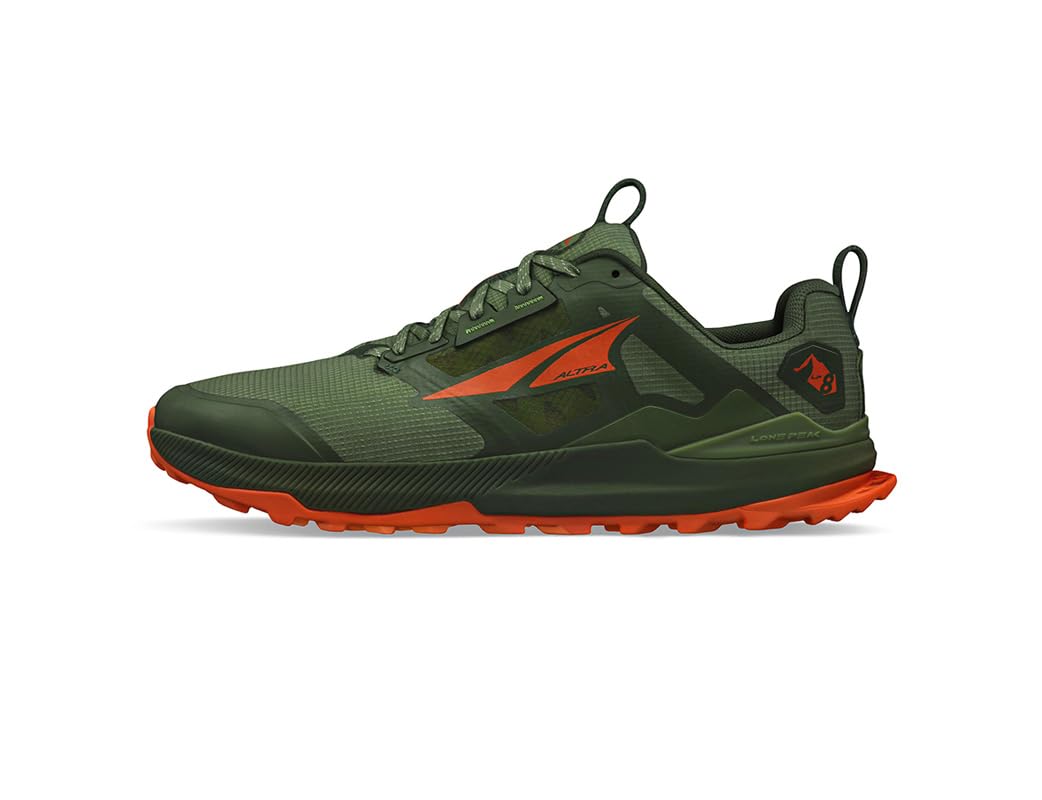
Altra Lone Peak 8

89 /100
Traveler Score Excellent

Key details

Drop
Zero drop
Toe Box
Wide toe box
Traction
Grippy dirt, rock, mud
Sole Feel
Cushioned zero-drop feel
Check Details on Amazon

The Lone Peak 8 is a zero-drop trail runner with a wide toe box, grippy outsole, and enough cushioning to handle long, rocky miles. That cushioning separates it from the minimalist shoes in this roundup: it protects feet on sharp terrain while keeping the foot-positioning benefits of a flat zero-drop platform.

This suits hikers who want low-profile ground feel but aren't committed to barefoot-thin soles. The extra midsole absorbs trail chatter, and the roomy toe box relieves crowding for wide feet. A premium price buys that protection, though sole and upper durability can be inconsistent for the cost.

Pros

  • Zero-drop platform with generous cushioning protects feet on long, rocky trails
  • Wide toe box relieves crowding for wide feet and Morton's neuroma
  • Outsole grips slippery dirt, rock, and mud

Cons

  • The cushioned midsole mutes ground feel, which moves it outside the true barefoot category.
Our verdict

For rockier trails, the Lone Peak 8 delivers the zero-drop positioning and toe space that minimalist hikers want, with enough cushioning to keep sharp stones from dominating the day.

Check Latest Price
3

Best Women's Budget Barefoot Trail Shoe

Joomra Trail Barefoot

88 /100
Traveler Score Excellent

Key details

Drop
Zero drop
Toe Box
Wide toe box
Traction
Non-slip trail grip
Sole Feel
Flexible ground feel
Check Details on Amazon

Unlike the lace-up all-rounder at the top of this list, the Joomra is a women's-specific zero-drop trail shoe with slipper-like comfort and dependable non-slip grip for trail, camp, and everyday walking. Its flexible rubber outsole handles packed dirt and slickrock well, and the low weight makes it easy to keep on after the hike ends.

This is aimed at women who want one budget-friendly pair for varied unpaved days and whose feet fall in the medium-width range; those needing generous toe room should factor the fit into their size choice. Sharp, rocky trails are better left to shoes with more underfoot protection.

💡 Order up a half size if your forefoot is broad; the toe box suits medium-width feet best.

Pros

  • Slipper-like comfort that holds up through all-day trail wear and hiking.
  • Solid build quality for the price, with a flexible outsole that handles trail conditions.
  • Dependable grip on slickrock, trails, and wet surfaces.

Cons

  • Heavy trail use can expose premature sole tread wear or lace wear in some pairs.
  • Despite the wide-toe-box description, fit can run narrow or small for some foot shapes.
Our verdict

A cost-effective women's zero-drop trail shoe that moves from trail to camp without fuss.

Check Latest Price
4

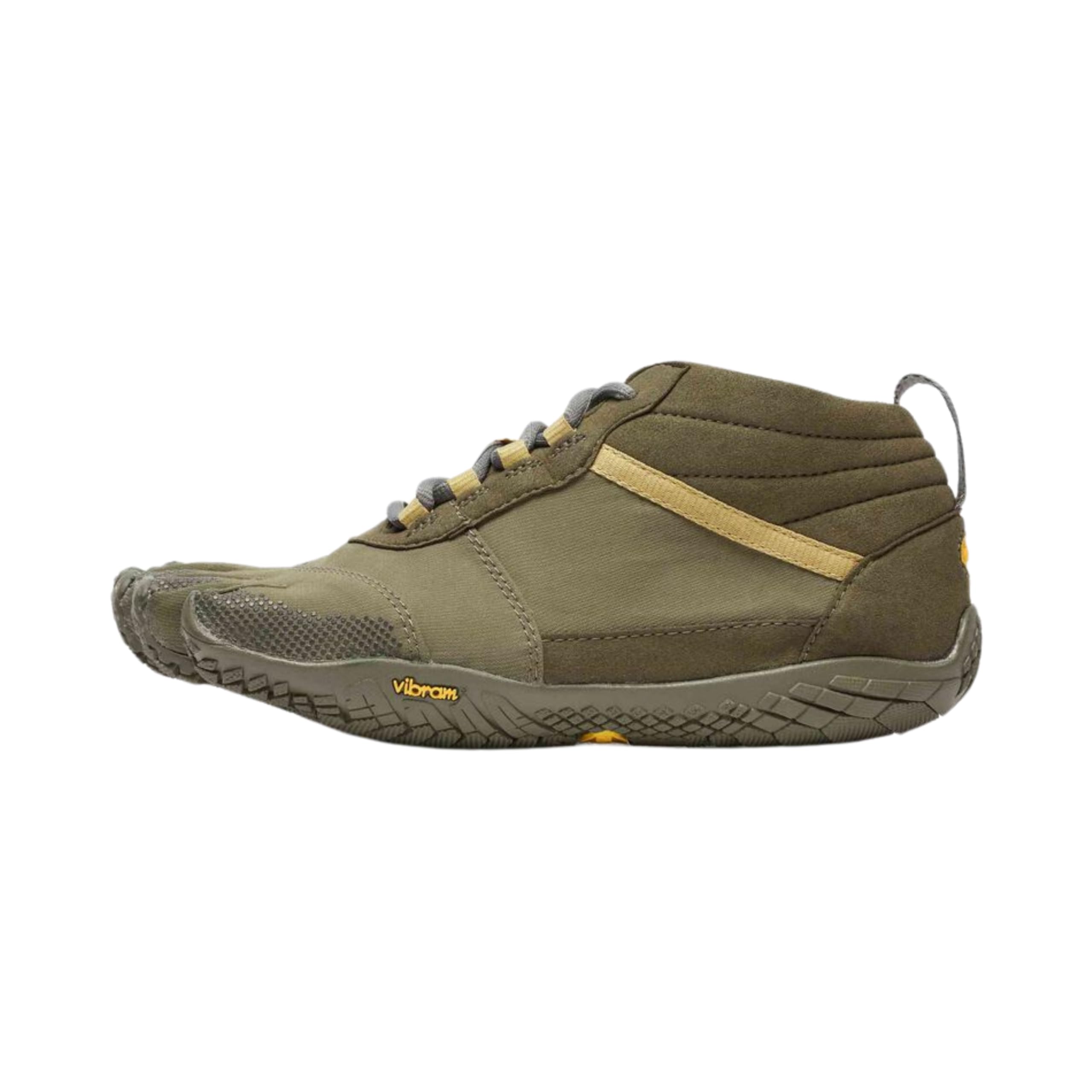
Best Five-Finger Hiking Shoe

Vibram V-Trek

90 /100
Traveler Score Outstanding

Key details

Drop
Zero drop
Toe Box
Individual toe pockets
Traction
Vibram all-terrain tread
Sole Feel
Flexible five-finger feel
Check Details on Amazon

The V-Trek puts Vibram's five-finger design to work on mixed trails: the toe pockets let each toe move naturally while the grippy tread holds on rock, dirt, and wet surfaces. It feels less like a road barefoot shoe and more like a real hiker, which separates it from the slimmer five-finger model in this set.

This is for hikers who already know they want toe-by-toe freedom and are willing to manage a fussy fit. Buyers new to five-finger shoes or expecting one wide toe box should start elsewhere. Five-finger sizing can be tricky, and upper tears or sole separation are possible with hard use.

💡 Seat the toe pockets fully before judging size; a loose heel can make the fit feel longer than it is.

Pros

  • Individual toe pockets allow natural movement and secure ground feel on unpaved trails.
  • Grippy tread holds on wet and dry surfaces across mixed terrain.
  • Five-finger build quality supports the demands of dedicated barefoot hiking.

Cons

  • Five-finger sizing can run too big or too tight, especially around the big toe.
  • Upper tears or sole separation may develop under demanding trail use.
Our verdict

The V-Trek is the five-finger hiking pick for hikers who are already committed to toe pockets and want real trail grip.

Check Latest Price
5

Best Lightweight Travel Barefoot Shoe

Hike Footwear Lazuli

86 /100
Traveler Score Excellent

Key details

Drop
Zero drop
Toe Box
Wide toe box
Traction
Sole Feel
Flexible barefoot feel
Check Details on Amazon

The Lazuli Pro is noticeably lighter and more breathable than the top pick, with a wide toe box and flexible sole that requires almost no break-in. On low-impact unpaved trails and around town, it moves easily and keeps feet comfortable across long walking days. For rugged rocky sections, it lacks the stiffer outsole and underfoot protection that a dedicated trail shoe would provide.

This is a traveler's shoe more than a mountain shoe. It fits barefoot-minded hikers who plan moderate trail days and want a conventional-looking minimalist option. The claimed arch support comes through weaker than advertised, and heel security can be inconsistent on steeper terrain, so buyers who need true arch support or a locked-in heel should consider the top pick.

Pros

  • Ultralight build and breathable mesh make it comfortable for long mixed walking days.
  • Comfortable ride that eases foot and knee strain on light trail days.
  • Good construction without a premium price tag.

Cons

  • Upper or sole wear may appear sooner than expected on rocky, repeated trail use.
Our verdict

For travelers who want one ultralight pair for light trails and town, this shoe delivers easy, foot-friendly mileage without weighing down a pack.

Check Latest Price
6

Slip-On Minimalist Trail

WHITIN W30

88 /100
Traveler Score Excellent

Key details

Drop
Toe Box
Wide toe box
Traction
Sole Feel
Ultra-flexible ground feel
Check Details on Amazon

The W30 slips on easily with a pull-string closure, while the flexible sole and wide toe box offer genuine barefoot comfort on trails. It suits minimalist hikers who want a packable, no-tie shoe for unpaved paths. Toe wear and the velcro strap may wear faster on abrasive terrain, so the lace-up W20 remains the stronger WHITIN pick.

Pros

  • Comfortable barefoot feel straight out of the box.
  • Good build quality for a budget trail runner.

Cons

  • Sizing can be inconsistent, so the right fit may require a half size up or down.
Our verdict

Fits minimalist hikers who want a slip-on shoe for light, non-abrasive trails and camp-to-trail transitions.

Check Latest Price
7

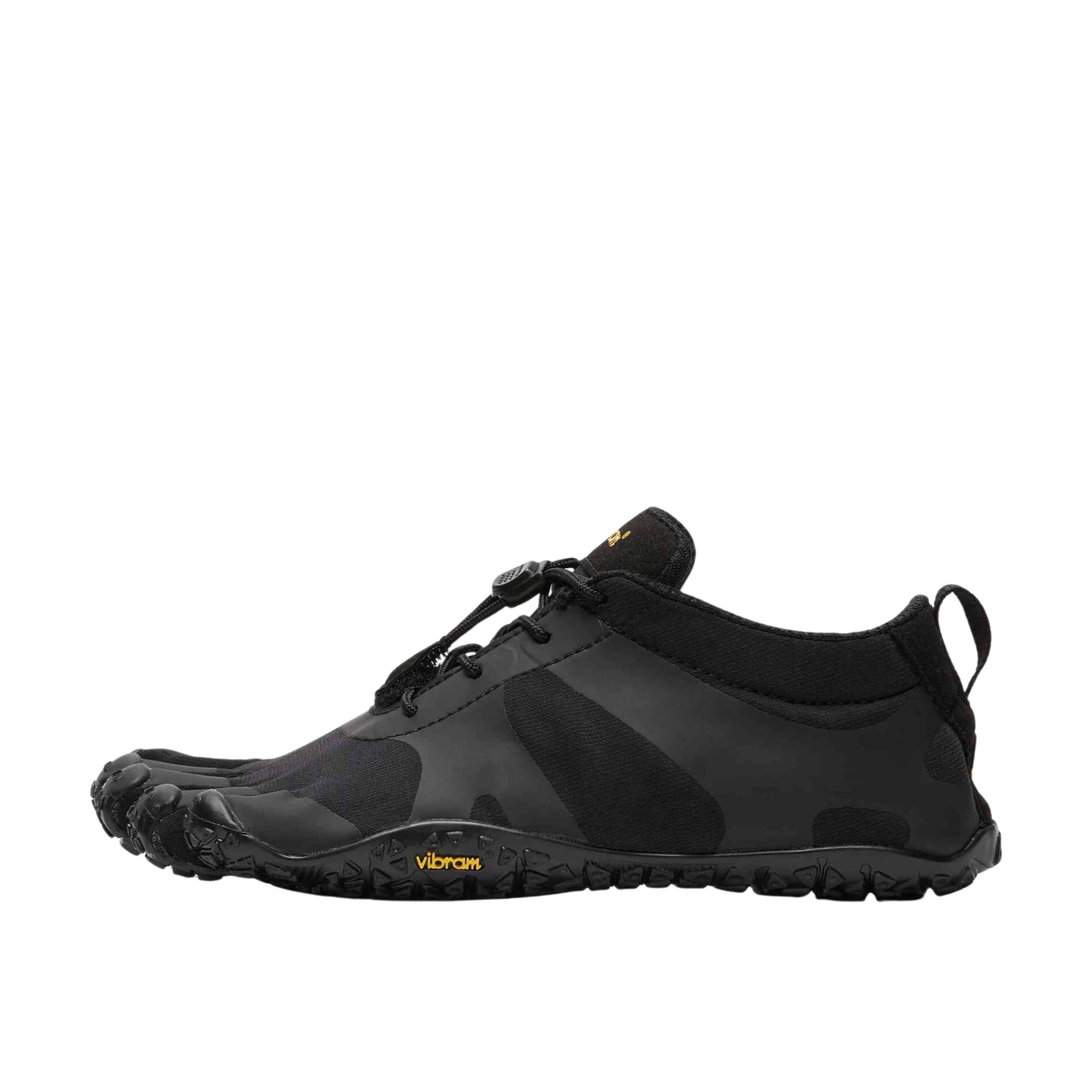
Premium Five-Finger Enthusiasts

Vibram V-Alpha

88 /100
Traveler Score Excellent

Key details

Drop
Zero drop
Toe Box
Individual toe pockets
Traction
Vibram all-terrain tread
Sole Feel
Flexible five-finger feel
Check Details on Amazon

The V-Alpha is a light, low-profile five-finger shoe for unpaved trails if you already know toe pockets work for you. Minimal styling and wet-rock grip are real upgrades for barefoot hikers. But the big-toe pocket is fit-sensitive and the premium price narrows its audience — a niche step up from the more trail-ready V-Trek, not the best first five-finger hiker.

Pros

  • Strong wet-surface grip and a sleeker profile than earlier Vibram five-fingers.
  • Individual toe pockets allow natural foot spread and barefoot ground feel on trail.

Cons

  • In some cases, seams or heel areas can separate sooner than expected.
Our verdict

For dedicated five-finger hikers who want a light, grippy trail shoe, the V-Alpha fits a specific niche.

Check Latest Price

How to Choose

Drop

Zero drop means the heel and forefoot sit at the same height, which keeps your posture more natural and shifts work to your calf and Achilles. The trade-off appears when you switch from a cushioned shoe: those muscles suddenly handle a larger range of motion. Hikers who start with a long trail day often end up with sore calves.

For travel, this matters because your feet are also walking on airport floors, cobblestones, and campsites. A zero-drop shoe changes how you land on every surface. Give your feet a few weeks of shorter wear before relying on them for a full hiking trip.

Toe Box

A wide, foot-shaped toe box lets your toes splay when you push off, improving balance and reducing crowding under load. The trade-off is that a genuinely wide toe box feels loose to narrow feet. Some listings stretch the word 'wide,' so the actual fit can still run narrow.

Trace your foot on paper and measure the widest point before buying. Downhill hiking also pushes toes forward, so leave a little extra room in the toe box to avoid jamming. Half-size adjustments are common in this category for exactly this reason.

Sole Feel

A flexible sole gives you feedback from the trail, which is the core appeal of a minimalist shoe. That feedback has a cost: thin soles transmit sharp rocks and roots directly to the foot. What is a small pebble on a short walk can become a distraction on a long rocky descent.

Match sole flexibility to the trail. Smooth, packed paths reward a flexible sole; talus and exposed rock ask for a more protective outsole under the same zero-drop layout.

Traction

Traction comes from the lug pattern and rubber compound, not just tread depth. Deep lugs bite into mud but feel vague on slickrock; shallow sticky rubber grips rock but clogs in heavy mud. An outsole with dense, low-profile lugs is the most versatile on unpaved trails.

Think about the surfaces you will actually hike: wet roots, loose gravel, hard-packed dirt, or a mix of all three. A shoe with consistent grip across those conditions keeps your stride sure without forcing your toes to over-grip.

Durability

Lightweight barefoot construction has a shorter usable life than a conventional hiking boot. The thin sole and flexible upper that create ground feel also wear faster under abrasion, especially at the toe and heel. Expect a lifespan closer to a trail running shoe than a leather boot.

Rotate two pairs if you hike weekly, and check the outsole after rocky trips. If you need one shoe to last multiple seasons, a cushioned zero-drop model with a more substantial outsole gives more time on trail without giving up the foot-health benefits.

Frequently Asked Questions