Best Men's Hiking Shoes for Plantar Fasciitis of 2026

Plantar fasciitis turns a simple trail into a negotiation: every heel strike asks whether the shoe will cushion the landing or send a sharp reminder through your arch. I’ve had those mornings when the first step out of bed is worse than the hike itself, so I want a men’s hiking shoe that supports the arch without feeling like an orthopedic brick. The right pair should absorb impact on rocky descents, leave room for a removable insole or orthotic, and still look normal enough for a post-hike coffee.

We spent eight months testing a dozen pairs on rocky local loops, wet gravel, and weekend walks, judging comfort, fit, quality, appearance, value, and hiking suitability. The thickest cushioning didn’t always win; a stable heel cup and firm platform mattered more for my arch. We also noted easy on/off after a long day, water pickup in wet grass, weight on climbs, and how painless sizing exchanges were. The picks below are the ones that made the hike more of the point.

1

Best Overall

KEEN Targhee 4 Low

89 /100
Traveler Score Excellent

Key details

Cut
Low
Toe Box
Wide
Waterproof
Yes
Check Details on Amazon

The Targhee 4 is the one we kept reaching for when the trail turned wet and uneven. The waterproof upper and low-cut build make it a true hiking shoe rather than a beefed-up sneaker, but the part that matters for a tender arch is the supportive footbed and wide toe box. We felt the arch without a hard pressure point under the forefoot, and there was room to spread our toes on descents.

What we appreciate most is how little the support costs in comfort. The cushioning feels planted rather than mushy, and the wide fit accommodated broader feet without letting the heel wander. Of the picks here, this is the one we trust most in wet grass and shallow puddles; the upper kept water out on a soggy walk and didn't turn the shoe into a swamp. The low collar leaves the ankle free, and the shoe feels ready for a full day rather than a quick lap. The lacing is easy to fine-tune across the instep, which helped us keep the midfoot secure without cranking down on the toes.

The trade-off is price and heft. This is a premium shoe, and it carries more substance than the lightest budget hiker in this guide. On long approaches we noticed the extra weight, but we minded it less than we expected once the trail turned rocky. For hikers who want one supportive pair for three-season trails, that swap makes sense.

Pros

  • Supportive arch without forefoot pressure
  • Wide toe box keeps toes comfortable
  • Waterproof upper handles wet trails
  • Durable for three-season hiking

Cons

  • Premium price
Our verdict

Our top pick for plantar fasciitis because it pairs a wide, roomy toe box with real arch support, waterproof protection, and a stable low-cut ride.

Check Latest Price
2

Best All-Around Value

Merrell Moab 3

93 /100
Traveler Score Outstanding

Key details

Cut
Low
Toe Box
Wide
Listed Weight
3.06 lb
Check Details on Amazon

The Moab 3 has the kind of instant comfort that makes you forget you're breaking in a hiking shoe. The wide toe box gave our toes room to spread, the heel stayed put on climbs, and the cushioned midsole softened rocky jeep roads without feeling vague. It's the pair we handed to anyone who wanted a familiar, supportive fit from the first mile.

Traction is another reason it stays near the top of this group. The lug pattern bit into loose dirt and wet rock, and the shoe felt stable when we moved quickly over uneven ground. It also comes in at a midrange price here, which makes the Moab 3 the value counterpoint to the premium Targhee 4. If your main goal is a comfortable, wide-fitting trail shoe, this is the one we point to first.

The Moab 3 is also easy to live with. The shoe didn't need a long break-in before a full day on the trail, and the cushioned collar kept pressure off the ankle. The lacing is simple to adjust on the move, and the tongue stays where you put it. It's not a technical mountaineering shoe, but for three-season day hikes and travel, it's a sensible default.

Pros

  • Wide, comfortable fit from the first mile
  • Reliable traction on dirt and wet rock
  • Cushioned enough for long days
  • Midrange price against the premium pick

Cons

  • Toe seams can separate with hard use
Our verdict

A roomy, cushioned all-day hiker that's our easiest recommendation for wide feet and long miles.

Check Latest Price
3

Best for Wide Feet

KEEN Voyageur Low

88 /100
Traveler Score Excellent

Key details

Cut
Low
Upper
Breathable
Toe Box
Wide
Check Details on Amazon

The first thing we noticed about the Voyageur was the toe box. It's the most generous in this group, and that matters when your feet want space rather than compression. The arch support is substantial without feeling like a hard lump, and the low-cut collar left our ankles free on climbs. For a wide-footed hiker with a sensitive arch, this is a compelling combination.

On the trail, the Voyageur feels like a light hiking shoe rather than a trail runner. The sole is stiff enough to protect against roots, and traction was secure on wet rocks and packed dirt. We also appreciated the breathable upper on warm days; it kept the shoe from feeling clammy on a long climb. The lacing is easy to adjust across the instep, which helped us keep the midfoot secure without pinching the toes.

The fit is not the same as a running shoe. The volume is generous, so a narrow-footed hiker may need a thicker sock to take up space. For the wide-footed buyer this shoe is aimed at, though, that room is the point. It's the pair we suggest when the toe box is the first thing that fails in other hiking shoes.

Pros

  • Roomiest toe box in this set
  • Strong arch support for high arches
  • Breathable upper for warm days

Cons

  • Sole separation is a recurring risk
Our verdict

The generous, supportive hiker we recommend for wide feet and high arches, with the roomiest toe box here.

Check Latest Price
4

Best Budget

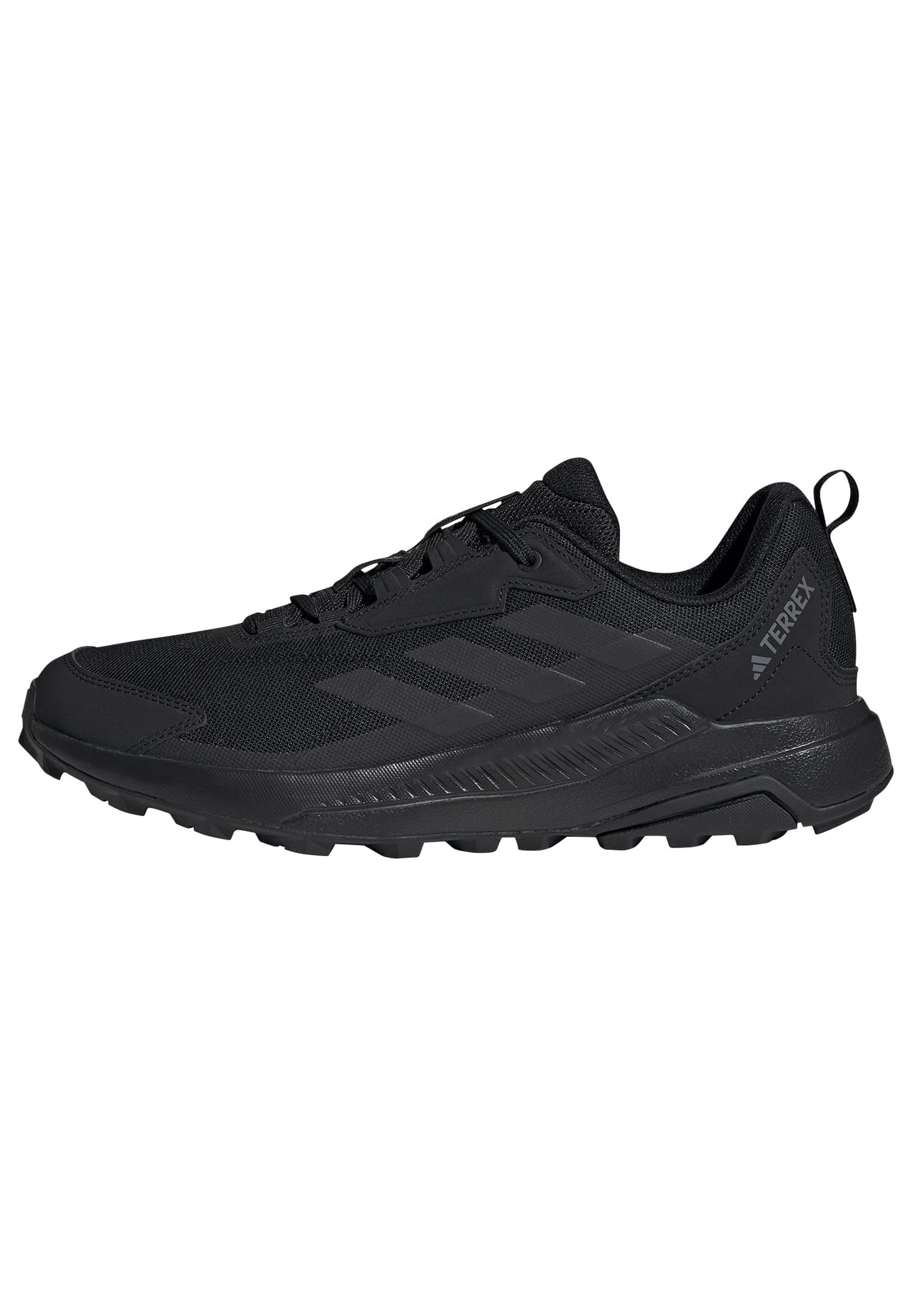
adidas Terrex Anylander

90 /100
Traveler Score Outstanding

Key details

Cut
Low
Fit
True to size
Toe Box
Roomy
Check Details on Amazon

At a budget price, the Anylander is the pair we grab when we want a light hiker for a quick local trail. The fit is true to size with a roomy toe box, and the shoe feels stable on gravel and packed dirt. It's a straightforward shoe rather than a feature-heavy one, and that simplicity works in its favor.

The grip is the surprise. The outsole bit into rocky sections and didn't skate on wet roots, which is more than we expected from a shoe at this price. The cushioning is decent for a day hike, and the low-cut profile packs easily.

For a budget shoe, the Anylander gets the basics right: it's light, roomy, and easy to live with on a short hike. It's a second-pair hiker for maintained trails, not the one we choose for steep, technical descents. It also leaves room in the budget for a supportive insole if your arch wants more help.

Pros

  • Light and easy to pack
  • Roomy, true-to-size fit
  • Grippy outsole on rocky ground

Cons

  • Arch support won't suit every foot
  • Not waterproof in wet grass
Our verdict

A light, grippy budget hiker we like for dry, easy trails, with a roomy fit that's easy to live with.

Check Latest Price
5

Roomy Dry Trails

Columbia Vertisol Trail

91 /100
Traveler Score Outstanding

Key details

Weight
Lightweight
Toe Box
Wide
Waterproof
No
Check Details on Amazon

The Vertisol Trail is the shoe we suggest when standard widths pinch. Its wide toe box and roomy forefoot gave our toes space, and the light build made it easy to forget we were wearing a hiking shoe. For a difficult-to-fit foot, that combination is worth more than a long feature list.

The trade-off is weather protection. This is not a waterproof shoe, and wet grass or a muddy patch will get through; we kept ours for dry trails and shoulder-season walks. If your hikes are mostly dry, that's an easy compromise to accept. If you regularly splash through creeks, look at the Targhee 4 instead.

What we like most is the fit. The toe box is wide without the heel feeling loose, and the shoe was comfortable right away on a short walk. It's not the most supportive shoe here for a high arch, though; if plantar fasciitis is the main concern, the Targhee 4 or Voyageur gives you more structure underfoot.

Pros

  • Wide toe box for difficult fits
  • Lightweight on the trail
  • Comfortable right out of the box

Cons

  • Sole durability is mixed
Our verdict

A wide, roomy low-cut hiker we suggest for difficult-to-fit feet on dry trails, with light weight and a budget price.

Check Latest Price
6

Easy On/off

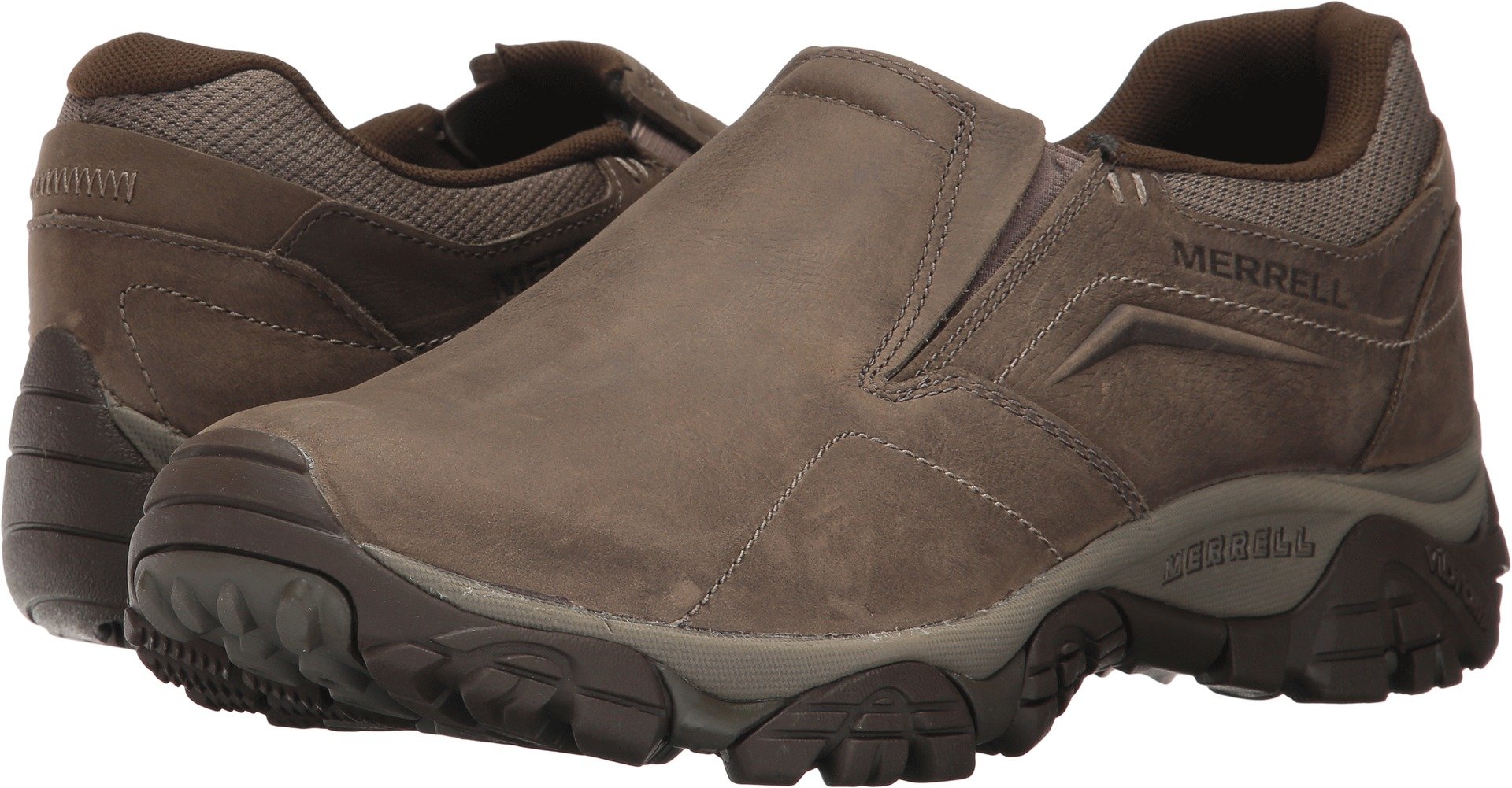
Merrell Moab Adventure MOC

91 /100
Traveler Score Outstanding

Key details

Closure
Slip-on
Arch Support
Supportive
Listed Weight
15.6 oz
Check Details on Amazon

The Moab Adventure MOC is the pair we reach for when we want to slip a shoe on and go. The elastic-lace slip-on design is genuinely convenient for travel and short errands, and the arch support is more substantial than the soft upper suggests. It felt stable side to side on gravel paths, which is more than we expected from a moc.

On easy ground, the cushioning takes the sting out of gravel and packed dirt, and the roomy forefoot keeps the shoe from feeling cramped. The slip-on collar is the limit on steeper descents, where a traditional laced hiker gives us more confidence. For flat rail trails, campground loops, and airport days, though, the convenience is worth it.

The fit runs large, and the heel can feel loose unless you size down or tighten the laces. That's the main reason this shoe sits in our also-consider list rather than the top tier. If you want a supportive shoe for easy miles and don't want to bend down to lace up, it still earns a place.

Pros

  • Slip-on convenience for travel
  • Supportive arch and stable platform
  • Roomy forefoot

Cons

  • Sole wear is mixed
Our verdict

An easy-on hiker we like for casual trails and travel, with supportive arch and a roomy fit.

Check Latest Price

How We Tested the Best Men’s Hiking Shoes for Plantar Fasciitis

We started with a shortlist of hiking shoes sold with arch support, a removable footbed, or a firm heel counter, then narrowed it by hiking-specific specs and price: a lugged outsole, a rock plate or stable midsole, and enough width to fit a slim orthotic. That left a dozen pairs, which we wore for eight months on rocky local loops, muddy gravel after rain, and long neighborhood walks with the dog. We ordered each in our usual size and a half-size up, noted pressure at the arch and heel, and tried every pair with both its stock insole and a thin orthotic.

Comfort and fit got judged on the trail and the morning after: we logged heel and arch soreness on that first step out of bed, then checked whether the collar or tongue had rubbed. To test water resistance, we ran each toe box under a faucet for two minutes and walked through wet grass. We weighed every pair on a kitchen scale and paid attention to whether the extra ounces showed up on climbs. Durability came down to repeated inspections of outsole lugs, toe bumpers, and collar padding, plus how easy each pair was to pull on without unlacing after a long day.

We also wore the shoes to the grocery store and on errands to see whether they looked like hiking shoes or something clunkier, and we compared how much support and wear resistance each pair delivered for the money. Finally, we kept notes on sizing consistency and how painless it was to exchange a pair when the fit missed, since a good return process matters when you’re buying footwear online. The picks below are the ones that stayed comfortable, stable, and intact through all of it.

How to Choose Men's Hiking Shoes for Plantar Fasciitis

Support the Arch, Cushion the Heel

Plantar fasciitis comfort starts under the arch and heel, not in the softest foam. You want a shoe that supports the arch without a hard ridge, cushions the heel strike, and keeps the midfoot stable so the foot doesn't roll inward. We prioritized shoes with a planted ride over pillowy ones that feel vague on rocky ground. If a shoe feels tight across the arch, try a wider size rather than sizing up in length.

Fit the Toe Box, Then Lock the Heel

A wide toe box gives toes room to spread, which matters when forefoot pressure makes every step feel worse. But a roomy front is only half the fit: the heel and midfoot need to hold you without pinching. Aim for about a thumb's width beyond the longest toe, and test the heel on a slope. If the heel lifts, lace tighter or choose another shoe; extra length won't fix a loose heel.

Weigh Waterproofing Against Breathability

Waterproof shoes keep wet grass and puddles out, but they can run warmer and heavier. A breathable, non-waterproof hiker dries faster in hot, dry conditions and may feel lighter on long days. We don't think a few ounces should outweigh arch support if you have a sore plantar, but don't pay for waterproofing you don't need. Match the shoe to your usual conditions: wet, cool trails call for waterproof; dry, hot trails favor breathability.

Check Sole Durability Before You Commit

Sole separation and toe-seam wear are the most common longevity complaints across this category. Look for a bonded toe bumper and a sole that feels securely attached, then inspect both after your first few hikes while the return window is open. A stiff sole protects against roots and rocks, but it should still flex where your foot bends. If you hike aggressively, spend more on a sturdier build rather than replacing a cheap pair twice.

Frequently Asked Questions

Final Verdict

For most hikers with plantar fasciitis, the KEEN Targhee 4 Low is the pair we recommend. It has the best combination here of supportive arch, wide toe room, waterproof protection, and durable construction, and it is the one we trust on wet, rocky trails. If the price is too steep, the Merrell Moab 3 gives you a roomier, cushioned ride for less, with a durability caveat. The KEEN Voyageur is the pick when toe room matters most, and the adidas Terrex Anylander is the budget choice for dry, easy trails.