Best Hydration Packs for a Large Chest of 2026

Almost every hydration vest starts from the same narrow-shouldered template and then scales up with a longer sternum strap, as if a longer strap were the whole problem. If you have a large chest, you know how it ends: the strap cuts across at the wrong angle, the front pockets land under your arms instead of against your ribs, and by mile four the pack has crept up toward your collarbone. A vest cut for a bigger chest solves it with wider strap spacing, a sternum strap that adjusts through its full range, and stretch fabric that secures without compressing.

I spent six months running, hiking, and riding with a dozen of them, and the differences came down to more than strap length. Storage capacity surprised me — a pack that bounces because your shell and snacks are jammed into the wrong pockets is one you quietly stop wearing. The picks below are the ones that stayed put, held their seams, and earned their price.

1

Best Overall

Unigear Hydration Pack

91 /100
Traveler Score Outstanding

Key details

Weight
1.1 lb
Capacity
2 liters
Chest Fit
27 to 50 inches
Strap Type
Shoulder, chest, waist
Check Details on Amazon

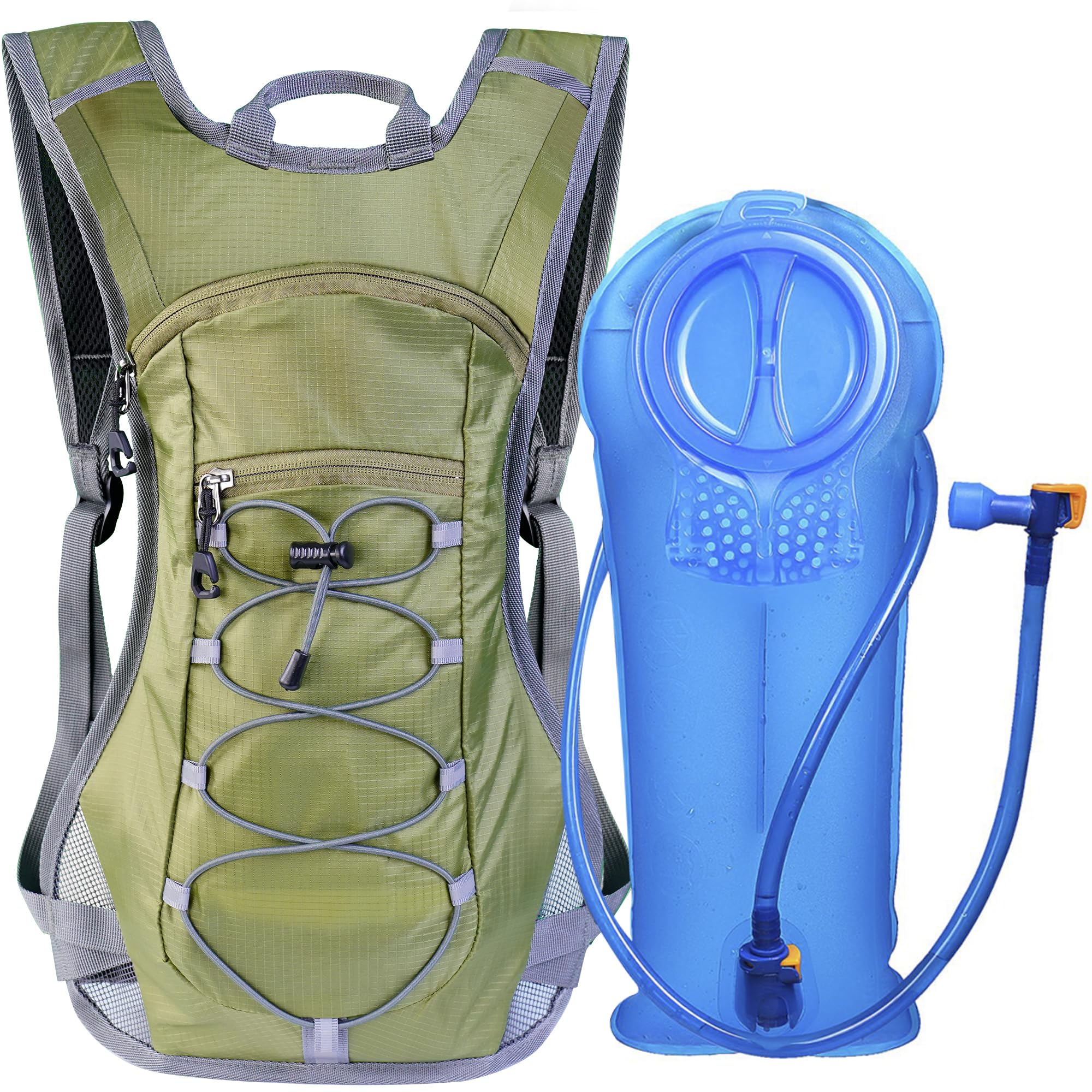
The 50-inch chest fit is the detail that makes this our default for a broad chest. Unigear lists the harness from 27 to 50 inches, and the shoulder, chest, and waist straps all adjust, so there's enough strap to sit the sternum pad flat instead of pulling it into your neck. The pack itself is light, the 2L bladder is included, and the whole setup is simple. We like that it doesn't force you to choose between a running vest and a day pack.

We wore it on a few humid morning walks and one long bike path ride, and the load stayed close without the shoulder straps digging. The waist belt does more of the work than we expected, which matters on a broad chest because you can loosen the shoulders without losing stability. The front pocket is best for keys and a gel, and the bladder opening is wide enough to add ice. We give the hose connection a firm push before filling; that's the one spot to check.

Against the other packs here, the Unigear is the easiest all-rounder. The MOKURA is more locked-in for running, and the Teton carries more gear, but neither is as simple to fit across a wide chest. If you want one pack for hiking, cycling, and travel, start here.

Pros

  • Chest strap adjusts to 50 inches
  • Light 1.1-pound build
  • Shoulder, chest, and waist straps adjust
  • Includes a 2L bladder

Cons

  • Small front pocket limits snacks
Our verdict

For a broad chest, this is the one we reach for first: the 50-inch chest strap and light 2L build make it the easiest all-round fit here.

Check Latest Price
2

Best for Running

MOKURA Running Vest

91 /100
Traveler Score Outstanding

Key details

Weight
9.6 oz
Pockets
5
Capacity
500 ml
Chest Straps
Three adjustable
Check Details on Amazon

Three chest straps is the first thing we noticed, and it's the reason this vest works for a broad chest. Instead of one sternum strap doing all the work, the MOKURA spreads pressure across three points, so you can snug the middle strap without compressing your ribs. The rest of the vest is minimal: a 500ml soft flask, five pockets, and a 9.6-ounce build that disappears once you start moving.

On fast runs, we found the vest stayed quieter than a typical backpack. The stretch waist panels hug your body, and the flask cinches down as you drink, so it doesn't slosh. We did have to set the lowest chest strap first and work upward to keep the fit even; that's the sequence that made the three-strap system feel natural. The phone pocket fit a large Android phone, which is not a given in a vest this light.

For a half marathon or a quick trail loop, this is the running vest we reach for. It won't replace a 2L pack for a long hike, and the SWIFTVEST has more pockets for race-day gear, but the MOKURA is the one that makes a broad chest feel unremarkable. That's the point.

Pros

  • Three chest straps spread pressure
  • Under 10 ounces and barely there
  • Five pockets hold phone, gels, keys
  • Reflective trim for low light

Cons

  • 500 ml is short for long efforts
Our verdict

For a broad-chested runner who wants minimal bounce, the three chest straps make this the easiest vest here to dial in.

Check Latest Price
3

Best Budget Trail Pack

Marchway Tactical Hydration Pack

95 /100
Traveler Score Outstanding

Key details

Capacity
3 liters
Material
1000D nylon
Dimensions
19.5" x 8.7" x 2.6"
Strap Type
Shoulder, sternum, waist
Check Details on Amazon

A 3L bladder and a 1000D nylon shell make the Marchway feel like a small tactical pack rather than a running vest. The 19.5-by-8.7-by-2.6-inch profile sits close to your back, and the sternum, waist, and shoulder straps give you several ways to tune the fit. For a broad chest, that matters: you can open the sternum strap, cinch the waist, and keep the pack from climbing.

We loaded it for a day hike with water, a shell, and snacks, and the pack carried the weight low and stable. The MOLLE webbing is useful if you already have pouches, and the main compartment holds the bladder without it sliding around. The bite valve is easy to use one-handed. We kept the bladder upright while filling and checked the cap; that's the habit this pack rewards.

This is a trail and commute pack. It has more structure than the MOKURA and more capacity than the Unigear, and the MOLLE layout gives it a job beyond hydration. If your outings are hikes, rides, or range days, the Marchway is a lot of pack for the money.

Pros

  • 3L bladder for long days
  • 1000D nylon feels tough
  • Sternum, waist, and shoulder straps adjust

Cons

  • Not a running vest
  • Bladder seal can weep when overfilled
Our verdict

A lot of pack for the money, and the sternum and waist straps give a broad chest a stable fit on hikes and rides.

Check Latest Price
4

Best for Day Hikes

Teton Oasis Trailrunner

91 /100
Traveler Score Outstanding

Key details

Weight
2 lb
Bladder
2 liters
Capacity
18 liters
Rain Cover
Sewn-in
Check Details on Amazon

The sewn-in rain cover is the detail that makes the Teton Oasis Trailrunner a day-hike pack rather than a bare hydration sleeve. You get 18 liters of storage, a 2L bladder, and a harness that adjusts at the shoulders and waist. For a broad chest, the low-profile cut is the useful part: the pack sits against your back instead of hanging off the shoulders.

We packed it with a shell, lunch, a first-aid kit, and the bladder, and the pockets kept the small stuff from disappearing. The bungee cord is handy for a jacket, and the butterfly opening makes the main compartment easy to see into. The fit runs large, which is good news if you're broad and wearing layers, but smaller frames may find it too much pack.

Against the Unigear, the Teton trades a little simplicity for real gear capacity and weather protection. It's the one we take when the forecast is uncertain and the hike is long. The harness is comfortable enough for a full day, and the rain cover is always there when you need it.

Pros

  • 18L of gear space plus 2L bladder
  • Sewn-in rain cover
  • Full harness adjustment for layers
  • Pockets for layers, tools, snacks

Cons

  • Waist strap durability is a weak point
  • Bladder can retain a plastic taste
Our verdict

For a gear-heavy day hike, this is the roomiest pack here that still has a harness wide enough for a broad chest, and the rain cover is a real bonus.

Check Latest Price
5

Best Insulated Storage

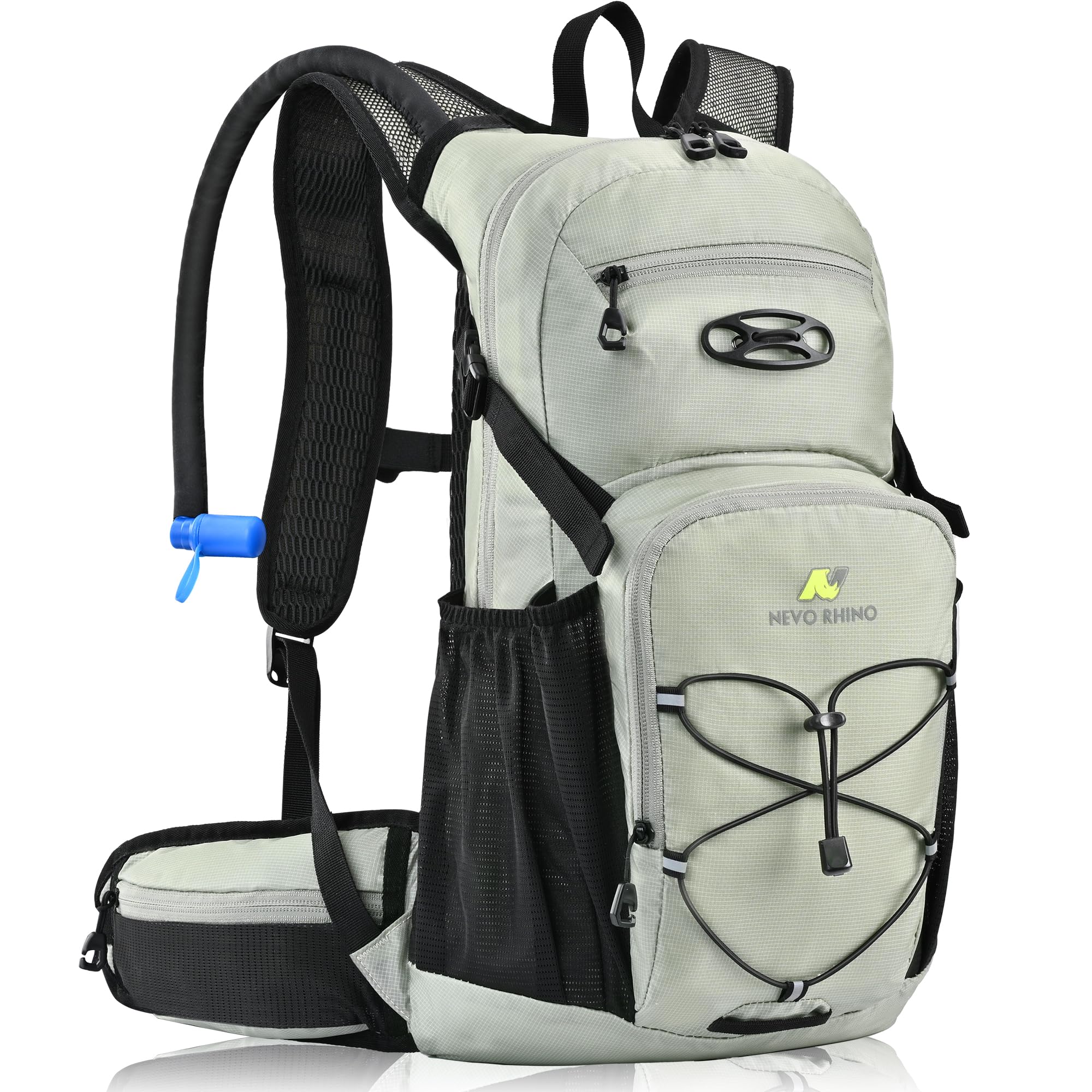
NEVO RHINO 18L

92 /100
Traveler Score Outstanding

Key details

Bladder
3 liters
Capacity
18 liters
Insulation
Up to 5 hours
Strap Type
Adjustable
Check Details on Amazon

The insulated bladder compartment is the reason to look at the NEVO RHINO. It holds a 3L bladder and is rated to keep water cool for up to five hours, which is the kind of feature you notice on a hot, exposed hike. The pack itself is 18L, so there's room for a layer, lunch, and a small first-aid kit alongside the water.

We loaded it for a warm-weather hike and appreciated the ventilated back panel and shoulder straps. The weight sits close, and the waist belt keeps the bottom of the pack from swinging. The multiple zippered pockets are easy to organize, and the bladder sleeve is separate from the main compartment, so you can pull the reservoir out without unpacking everything.

The harness adjusts widely enough for a broad chest, though it doesn't have the same three-point chest system as the MOKURA. That's fine for hiking; you're not asking it to stay silent on a tempo run. The insulation is the feature that earns its place, especially if you fill the bladder with cold water and ice.

Against the Teton, the NEVO is the better hot-weather pick and the slightly more comfortable carry for a heavy bladder. If you hike in wet weather, pack a shell or a separate cover. For day hikes where cold water matters, this is the one we reach for.

Pros

  • 3L bladder plus 18L of gear space
  • Insulated compartment keeps water cool
  • Ventilated back and shoulder straps
  • Multiple zippered pockets

Cons

  • Bottom seam and mouthpiece are weak points
Our verdict

If cold water and room for a layer matter more than a race fit, this is the pack we hand you; the 3L bladder and ventilated back make long hot hikes easier.

Check Latest Price
6

Best for Phone Carry

SWIFTVEST Running Vest

89 /100
Traveler Score Excellent

Key details

Weight
10.1 oz
Pockets
6
Capacity
500 ml
Phone Pocket
Waterproof
Check Details on Amazon

The waterproof phone pocket is the feature that sets the SWIFTVEST apart from a plain running vest. It zips shut, sits on the front, and keeps a phone dry in rain or sweat. Around it are five more pockets for keys, gels, and a small flask, plus reflective trim on the front and back. The whole vest weighs 285 grams, so it disappears once you put it on.

We wore it on a fast road loop and found the fit stayed close without flopping. The neoprene padding softens the edges, and the adjustable straps let you snug it down without cutting into your arms. The 500ml soft flask is included and compresses as you drink, so it doesn't slosh. The phone pouch is the kind you can zip and forget, which is exactly what we want on race day.

This is a race-day and short-run vest. It has more pockets than the MOKURA and a more purposeful phone setup, but the MOKURA's three chest straps give a broader chest more tuning. If your runs are phone-heavy and you want a race vest, the SWIFTVEST is the easier carry.

Pros

  • Six pockets including a waterproof phone pouch
  • Reflective front and back
  • Light 285 g build
  • Stable, no-flop fit

Cons

  • Phone pocket is tight for thick cases
Our verdict

For race day or a phone-heavy run, this vest keeps the essentials close and reflective, and the six pockets are the reason to pick it.

Check Latest Price
7

Long Day Hikes

Maelstrom 20L Hydration Pack

89 /100
Traveler Score Excellent

Key details

Weight
1.2 lb
Bladder
2 liters
Pockets
8
Capacity
20 liters
Check Details on Amazon

The 20L capacity and eight pockets are the reason the Maelstrom earns a place. It's a hydration backpack first, with a 2L bladder and a hose that routes over the shoulder, but it's also a small day pack. The bottom compartment can hold a light shell, and the zippered pockets keep snacks and tools from turning into a mess.

We loaded it for a long day hike and found the weight carried comfortably. The shoulder straps are padded, the waist belt stabilizes the load, and the back panel doesn't feel like a sheet of plastic. For the amount of storage, the pack stays reasonably close to your back.

This is not a race vest, and it doesn't try to be. Against the Teton, the Maelstrom has more pockets and a slightly lower profile, but the Teton's rain cover and harness feel more polished. If you want one pack for gear-heavy day hikes and don't need a running fit, this is the storage-first choice.

Pros

  • 20L capacity with 8 pockets
  • 2L bladder included
  • Comfortable for day hikes
  • Good value for the storage

Cons

  • Strap and seam durability is mixed
Our verdict

If you want one pack for gear-heavy day hikes and don't need a race vest, this is the storage-first choice.

Check Latest Price
8

Front-Access Cycling

Criuage Running Vest

89 /100
Traveler Score Excellent

Key details

Weight
1.65 lb
Bladder
2 liters
Pockets
8
Capacity
5 liters
Check Details on Amazon

The front-facing chest pack is the reason to consider the Criuage. It puts two zippered pockets and a phone sleeve where you can reach them without taking the pack off, which is handy on a bike or a moto. The 2L bladder sits in its own back pocket, and the whole rig carries 5 liters of gear across eight pockets.

We wore it on a ride and appreciated the front access. A phone, snack, and small tool stayed within reach, and the back compartment held the bladder without pressing into the spine. The material feels thick and sturdy, and the straps have plenty of adjustment at the waist. It's a more purposeful layout than a plain hydration backpack.

The Criuage is not as breathable as a running vest, and it sits higher on the chest, so it's a different kind of fit. For cycling, fishing, or motorcycling, that trade is worth it. The front pockets are the feature that makes it useful, not just another place to stash water.

Against the Marchway, the Criuage gives you front access instead of MOLLE, and it's the better choice if you want to keep essentials on your chest. The front access is the reason to choose it, and the rest of the harness has enough room for a day of riding. For the right rider, it's a clever setup.

Pros

  • Eight pockets with front access
  • 2L bladder in its own pocket
  • Stable for cycling and hiking
  • Good value

Cons

  • Shoulder straps may not tighten enough for broad builds
Our verdict

For cycling or moto trips where you want gear on your chest, this front-access pack puts the essentials where you can reach them.

Check Latest Price

How We Tested Hydration Packs for a Larger Chest

We started with spec sheets. Any pack that only offered a single sternum position got cut, as did anything that topped out below an XL chest measurement; we also cross-checked customer reviews for repeated complaints about chafing, ride-up, and front pockets that sit too far apart to reach. That left 12 packs, which we wore over six months on pavement runs, a loaded 10-mile day hike, a few mountain bike loops, and more treadmill intervals than I'd like to admit.

On each outing we noted where the sternum strap landed, whether it stayed there when we picked up the pace, and whether the front pockets were reachable without unclipping anything. We filled the back panel with a shell, a liter of water, and snacks, then checked whether the load shifted the vest or pulled the shoulders back.

Bladders got a pass of their own: filled, inverted, squeezed, and left in a hot car for a week, then checked at the seams and bite valve. Durability came down to strap anchors, mesh, and zipper pulls after months of use, not a first-impression squeeze. We also measured how much sternum strap travel each pack offered and tried adjusting it one-handed mid-run, since the whole point is a fit you can tune. Value got the last word: we weighed price against how many seasons each pack looked built for.

How to Choose Hydration Packs for a Large Chest

Start With the Chest Strap

The chest strap is the first thing we check, because a short one turns a good pack into a shoulder-strain machine. Look for a listed chest range or more than one sternum strap: the Unigear lists a fit up to 50 inches, and the MOKURA uses three chest straps to spread pressure. Measure around the fullest part of your chest before you order. If a pack has no chest range, compare its harness to one you already know fits.

Match the Harness to the Activity

A running vest needs to sit close and stay quiet; a hiking pack can carry more and ride a little looser. For running, prioritize a vest with wide chest panels and a waist band that hugs your ribs, like the MOKURA or SWIFTVEST. For hiking and cycling, a pack with a real waist belt and load lifters is more comfortable, which is where the Teton and Marchway fit. The trap is buying a big day pack for fast runs: extra volume turns into bounce, no matter how well the chest strap fits.

Choose Water and Storage for the Outing

A 500ml flask is a race-distance amount; a 2L bladder is the practical minimum for a half-day hike, and 3L gives you margin in heat. Storage is the other half of the decision. If you carry a shell, lunch, and a first-aid kit, look at 18 to 20 liters, like the Teton, NEVO RHINO, or Maelstrom. If you only need phone, keys, and gels, a vest with five or six pockets is easier to live with. Insulation is worth paying for only if you hate warm water.

Check the Bladder and Seams

Leakage is the most common disappointment in this category, and it usually starts at the hose connection or the fill cap. Fill the bladder at the sink, invert it, and watch the seams before you head out. Push the hose firmly onto the bite valve and check the cap threads. A wide opening makes cleaning easier, and a bladder that can be turned inside out dries faster. If you plan to use the pack for years, a replaceable bladder is a better long-term bet than a sealed one.

Fit the Torso, Not Just the Chest

Shoulder straps should sit flat on your back, not pull the pack into your neck. A large chest can push the sternum strap high, so look for a sliding sternum strap and a waist belt that lands on your hip bones. Load the pack with the water you plan to carry, loosen everything, then tighten the waist first, shoulders second, and chest strap last. The Teton runs large for smaller frames, but that extra room is useful if you are broad and wearing layers.

Frequently Asked Questions

Final Verdict

Start with the Unigear Hydration Pack if you want one broad-chest pack for hiking, cycling, and everyday trail time. The 50-inch chest strap is the most useful fit detail in this group, and the 2L bladder is enough for most half-day outings without turning the pack into a load.

If your runs are short and you want three chest straps, choose the MOKURA. If you need 18L of gear and a rain cover, the Teton is the better day-hike tool. The Unigear remains the easiest default because it fits wide and does enough without overcomplicating the carry.