Best Hydration Packs for Day Hiking of 2026

The worst moment of a day hike usually isn't the climb — it's reaching for water and getting a mouthful of warm plastic, or feeling a slow seep spread across your shoulders two miles from the trailhead. A hydration pack is the piece of gear that quietly decides how the day goes: enough water for the hours you're out, snacks and a rain shell within reach, and straps that stay put when the trail tilts upward. Choose badly and you'll spend the whole hike tugging, sipping, and second-guessing.

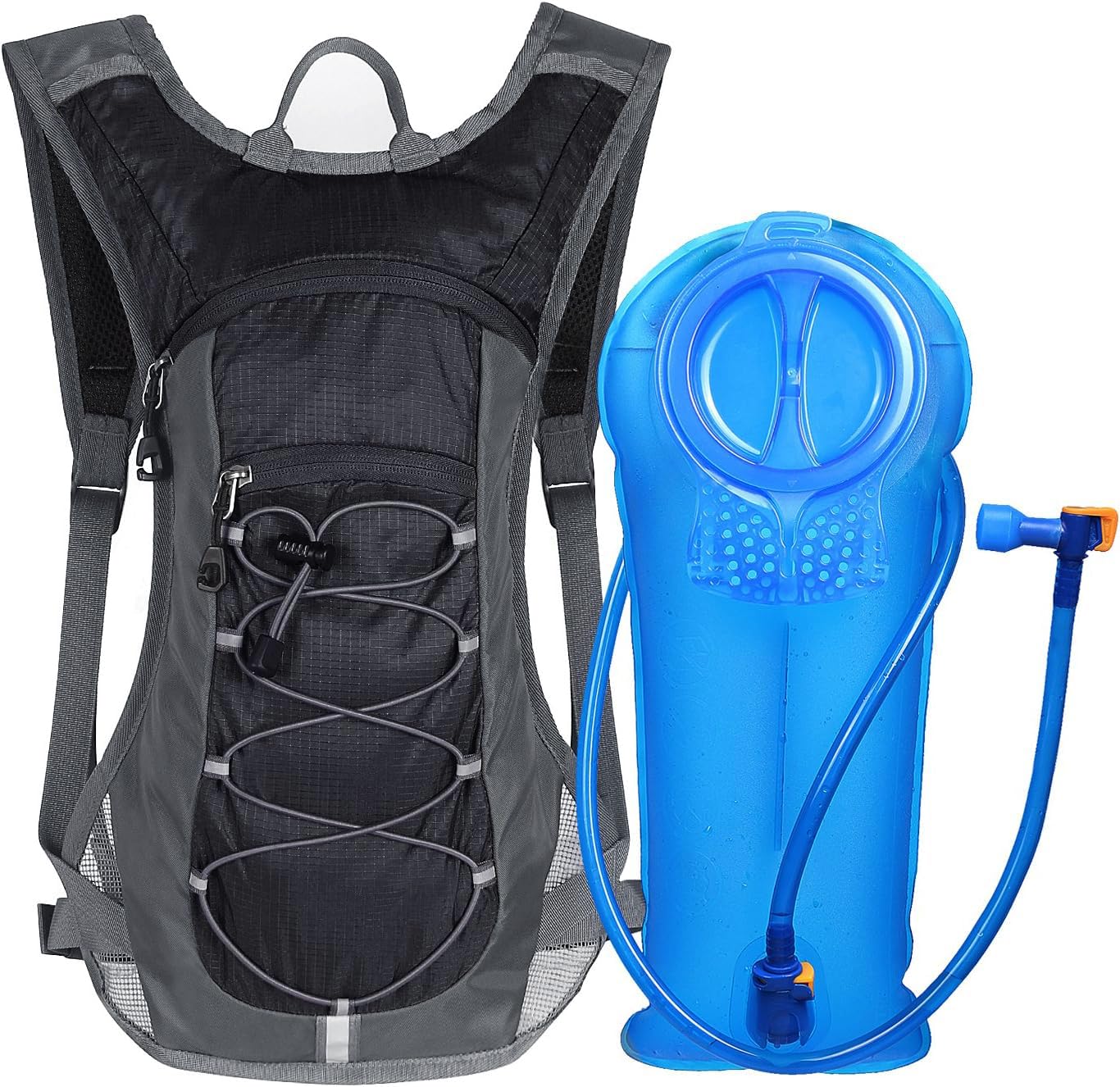
I've learned to judge a pack less by its feature list or price than by the small things — whether the bite valve actually seals, whether the reservoir opening is wide enough to get a hand inside, whether the hip belt carries weight or just squeezes. My team and I have hiked with 12 packs over the past seven months, from quick after-work loops to full days above treeline, and the gaps between them show up fast. What follows is what held up.

1

Best Overall

Teton Oasis Trailrunner

91 /100
Traveler Score Outstanding

Key details

Weight
2 lb
Pack Capacity
18 liters
Bladder Volume
2 liters
Rain Protection
Sewn-in rain cover
Check Details on Amazon

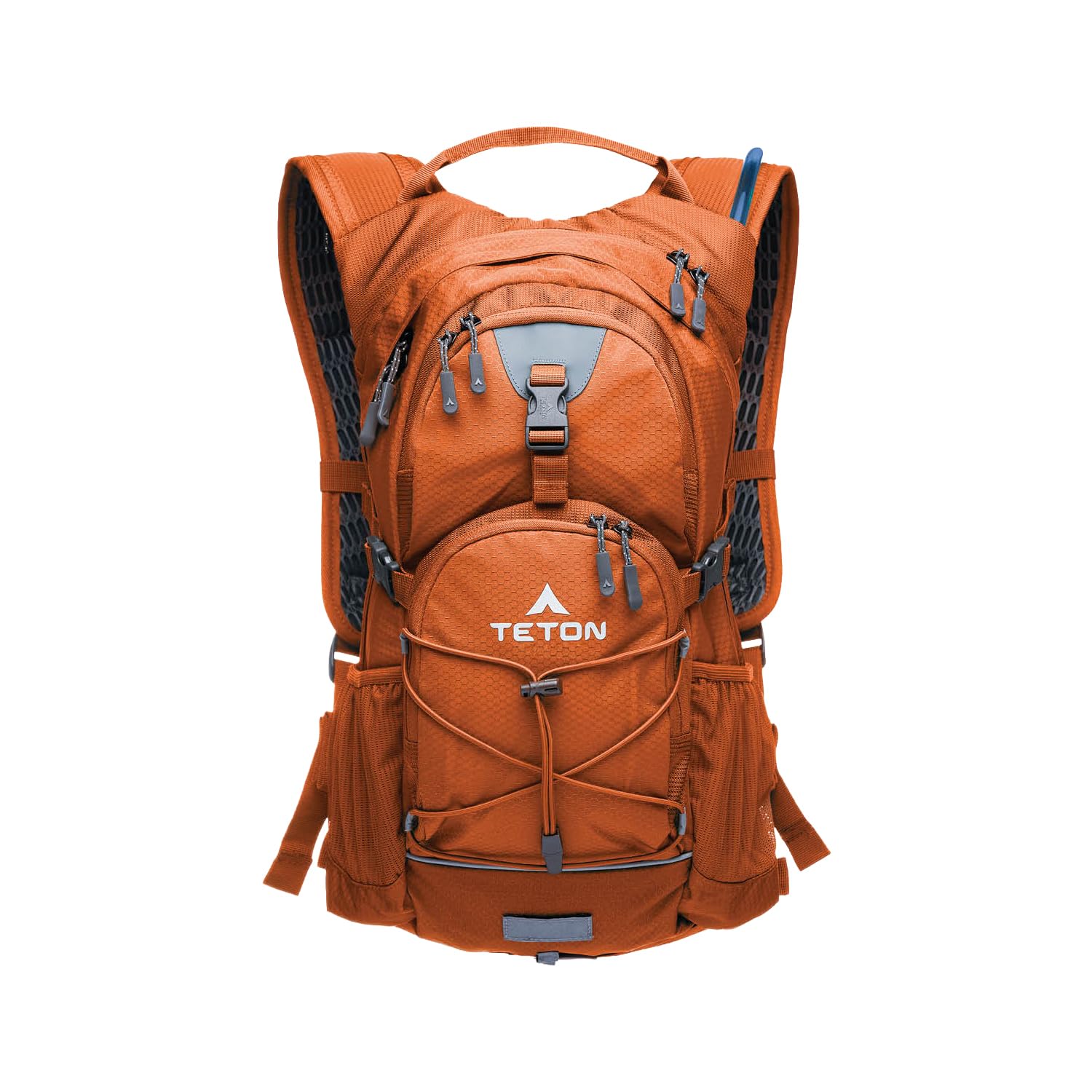
The sewn-in rain cover is the detail that sold us on the Teton Oasis Trailrunner for day hiking: it tucks away at the base and pulls out without unpacking the pack when the weather turns. That matters on exposed ridges where you don't want to stop and dig. The 18L body is big enough for a light layer, lunch, first-aid kit, and a compact camera, while the 2L bladder sits in an insulated pocket and the hose routes over the shoulder. We found the butterfly opening and weather-guarded zippers make the pack feel more organized than its price suggests.

The harness is where the Teton asks you to pay attention. The padded shoulder straps and waist belt carry a full bladder comfortably on a long climb, and the bungee cord gives wet layers somewhere to go. On a narrower torso, though, the pack can feel broad across the back. That's not a dealbreaker for everyone, but it's the first thing to check if you usually size down in unisex packs.

The rest of the layout is thoughtful: a main compartment, a secondary pocket, a front organizer, and a bungee that holds a shell or trekking poles. The rain cover is a light shell, best for showers rather than an all-day soaker, but it's more protection than most packs here offer without a separate purchase. The 2L bladder is enough for a moderate full day, and the wide opening makes ice and rinsing easier. If you need three liters, look at the N NEVO RHINO 18L instead; for most day hikes, the Teton's balance is the one we recommend.

Pros

  • Sewn-in rain cover adds real weather protection
  • 18L holds a layer, lunch, and first-aid kit
  • Padded harness carries a full bladder well
  • Organized pockets and bungee for wet layers

Cons

  • Waist strap can tear at the seam
  • Bladder can retain a plastic taste
Our verdict

For most day hikers, this is the pack we recommend first: an 18L body, a 2L bladder, and a rain cover that earns its keep.

Check Latest Price
2

Best for Hot Days

N NEVO RHINO 18L

92 /100
Traveler Score Outstanding

Key details

Pockets
3
Insulation
Up to 5 hours
Pack Capacity
18 liters
Bladder Volume
3 liters
Check Details on Amazon

Warm water is the small failure that makes a hot hike feel longer. The N NEVO RHINO 18L tackles it with an insulated bladder compartment designed to keep liquids cool for up to five hours, and a 3L reservoir that gives you enough to share or to stretch a long, exposed day. The 18L body is roomy enough for a shell, lunch, and a first-aid kit, and the ventilated back panel and shoulder straps help on climbs where a sweaty pack becomes its own problem.

We think this is the pack to choose when heat is the main variable. The insulation is the feature we noticed most: it keeps the bladder away from a hot back panel and makes a mid-afternoon drink less of a punishment. The three pockets are useful rather than abundant, with room for a phone, snacks, keys, and a small layer, but a bulky camera cube starts to crowd the main compartment. The 3L bladder also adds weight when full, so it's best for hikes where you'll actually drink that much.

The 3L bladder is the other trade-off: full, it makes the pack noticeably heavier, so it rewards hikers who drink steadily rather than those who fill it just in case. The mouthpiece delivers water quickly and the hose routes cleanly over the shoulder. Set against the other 18L packs here, this is the one that makes a hot-weather hike more comfortable, provided the extra water weight suits your pace.

Pros

  • Insulated compartment keeps water cold up to 5 hours
  • 3L bladder suits long, hot hikes
  • 18L body holds a day's gear
  • Ventilated back and straps reduce sweat

Cons

  • Bottom seam can rupture under load
Our verdict

For hot, exposed hikes where cold water keeps you moving, this insulated 18L pack is our first choice.

Check Latest Price
3

Best for Gear-Heavy Trails

MARCHWAY Tactical

95 /100
Traveler Score Outstanding

Key details

Weight
2 lb
Dimensions
8.7"W x 19.7"H
Bladder Volume
3 liters
Shell Material
1000D nylon
Check Details on Amazon

The 1000D nylon shell is what makes the MARCHWAY feel different from the nylon daypacks here: it's stiff, abrasion-resistant, and built to shrug off brush, rock, and the back of a pickup. At 19.5 by 8.7 by 2.6 inches, the pack stays close to your back, and the adjustable sternum, waist, and shoulder straps keep a full 3L bladder from bouncing. That combination is what we want for rough trails where a light pack would get shredded.

Storage is more practical than the slim profile suggests. The main compartment holds the 3L TPU bladder without shifting, and the two pockets take snacks, wallet, keys, and a windbreaker; MOLLE webbing lets you add a pouch for a first-aid kit or tool. The bite valve is sturdy and the hose is easy to route, though the bladder's top seal needs a careful press to seat fully. That's a small habit to build, not a reason to avoid the pack.

The slim shape is a benefit on narrow singletrack, but it comes at the cost of bulkier gear: a puffy layer or a big lunch will crowd the main pocket quickly. We also found the waist belt does more for stability than for load transfer, so keep the weight modest. For a day hike with tools, a jacket, and three liters of water, the MARCHWAY is the tough, adaptable option we reach for.

Pros

  • 1000D nylon resists abrasion
  • 3L bladder with sturdy bite valve
  • MOLLE webbing adds flexible storage
  • Slim profile stays close on rough trails

Cons

  • Right strap can tear from the bottom
Our verdict

If your day hikes are rough on gear, this tough, slim 3L pack is the one we trust to keep up.

Check Latest Price
4

Best Budget Day Pack

Miracol Hiking Hydration Pack

93 /100
Traveler Score Outstanding

Key details

Weight
16 oz
Insulation
Insulated bladder sleeve
Pack Capacity
15 liters
Bladder Volume
2 liters
Check Details on Amazon

The case for the Miracol is simple: it covers the day-hike basics at the budget end of this group. For the money, you get a 15L pack, a 2L bladder, an insulated sleeve designed to keep water cool for four hours, and a harness with a sternum strap and waist belt. That's a lot of function for a pack that weighs about a pound.

The layout is friendly on the trail. Mesh waist pockets hold a phone or snacks, the front pocket takes keys and sunscreen, and the main compartment swallows a light shell, lunch, and a first-aid kit. We found the 15L body works best for a lean day hike rather than a camera-heavy one. The insulated sleeve is a real plus on warm afternoons, even if it isn't as protective as the dedicated compartment on the N NEVO RHINO 18L.

We think this is the budget pick to beat for a lean day hike. The insulated sleeve keeps water cool, the harness adjusts enough for different layers, and the pockets are placed where you reach for them. It won't replace a 20L pack for bulky gear, but that's not the job. For a first hydration pack, a spare, or a value-minded day hike, the Miracol gets the important things right.

Pros

  • 15L body covers a lean day hike
  • Insulated 2L bladder keeps water cool
  • Mesh waist pockets hold phone and snacks
  • Light 16-ounce carry

Cons

  • Inner pocket can tear after use
  • Bladder seal can rip
Our verdict

This is our budget pick for day hikers who want insulated water and a capable 15L layout without paying for a premium harness.

Check Latest Price
5

Best Lightweight and Fast

N NEVO RHINO 12L

91 /100
Traveler Score Outstanding

Key details

Weight
8.5 oz
Pack Capacity
12 liters
Bladder Volume
2 liters
Shell Material
PU-coated nylon
Check Details on Amazon

At 8.5 ounces, the N NEVO RHINO 12L is the pack that disappears on a fast hike. The vest-style shoulder straps sit close, the chest strap adjusts through a wide range, and the 2L bladder is enough for a quick morning or a long trail run. That combination keeps the load close on the move, which is why the pack feels lighter than its size suggests.

We think this is the pack for fast, weight-conscious hikes. The 12L body is deliberately lean: a shell, phone, snacks, and a small first-aid kit fit, and the front and shoulder pockets keep the things you reach for close. It is not the pack for a camera cube or a group lunch, but that's the trade for the weight. The 2L bladder is easy to fill, and the hose routes over the shoulder without fuss.

What surprised us is how stable the vest harness feels with a full bladder; the load stays close instead of swinging. The fabric is light, which is the point, so treat it as a fast-day pack rather than a bushwhacking one. If you want one pack for both fast hikes and casual full days, the Miracol or Teton is more versatile. For a dedicated light-and-fast day, this is the one we take.

Pros

  • 8.5-ounce build disappears on fast hikes
  • Vest-style straps stay stable
  • 12L holds shell, snacks, and first-aid
  • 2L bladder with leakproof bite valve

Cons

  • Bottle holders fit little beyond a phone
  • Chest clips can stick
Our verdict

For fast, light day hikes where every ounce counts, this is the pack we grab first.

Check Latest Price
6

Best Low-Profile Tactical

SOG Opcon

92 /100
Traveler Score Outstanding

Key details

Weight
1.9 lb
MOLLE Webbing
Yes
Pack Capacity
18.2 liters
Bladder Volume
2 liters
Check Details on Amazon

The SOG Opcon's compact tactical layout is the reason it earns a place here: an 18.2L body, a 2L reservoir, MOLLE webbing, and a yoke-style harness that sits close to the back. It looks like a small rucksack, but the main compartment, secondary pocket, front organizer, and top accessory pocket keep gear sorted without a separate packing cube.

The harness is comfortable for all-day wear. Padded shoulder straps, a sternum slider, and a webbed waist belt hold a full bladder steady, and the low profile stays out of the way on overgrown trails. We found the 2L reservoir easy to drink from; the bite valve is simple and the hose routes cleanly. It's not as insulated as the N NEVO RHINO 18L, so warm water is the trade on hot days.

Storage is the SOG's strongest hand. Two large pockets and the front organizer swallow a shell, lunch, first-aid kit, and small tools, and the MOLLE rows let you add a pouch without buying a bigger pack. The 18.2L capacity is enough for a full day if you pack lean, though it's not a load hauler for bulky camping gear.

We think this is the tactical-style pack to choose when organization matters more than ultralight weight. It carries a full day of gear close to the back, and the MOLLE rows add flexibility without bulk. For a low-profile day pack that can take a few extras, the SOG is a smart choice.

Pros

  • 18.2L body with multiple compartments
  • MOLLE webbing adds optional pouches
  • Padded yoke harness and waist belt
  • Low-profile tactical shape

Cons

  • Zippers can fail or lose pulls
Our verdict

This is the tactical-style pack we recommend when you want 18L of organization in a low-profile package.

Check Latest Price
7

Short, Light Hikes

Unigear Hydration Pack

91 /100
Traveler Score Outstanding

Key details

Weight
1.1 lb
Dimensions
8"W x 16.5"H
Front Pocket
1
Bladder Volume
2 liters
Check Details on Amazon

The tiny front pocket is the first thing you notice on the Unigear, and it sets the terms: this is a pack for water, keys, phone, and a snack, not a full day's gear. At 1.1 pounds with a 2L bladder, it's one of the lightest ways to carry a drink on a short hike, and the adjustable shoulder, chest, and waist straps keep it from bouncing. It suits a fast afternoon loop or a festival where a bigger pack is overkill.

We appreciated the replaceable 2L bladder, which is a real advantage if you already own a reservoir you trust, and the wide screw cap makes filling and rinsing easier than a narrow roll-top. The pack itself is compact and aerodynamic, with a main compartment that holds the bladder and a light layer. The hose routes over the shoulder and the bite valve is easy to use one-handed.

We think the Unigear earns its place as the minimal option: low weight, a replaceable bladder, and a fit that adjusts down for smaller frames. It is a short-hike specialist, and it works best when you treat the bladder as the main event and pack around it. If your day includes a camera, lunch, and a rain shell, step up to the Miracol or Teton; if you want water and almost nothing else, this is the lightest way to do it.

Pros

  • 1.1-pound total weight
  • Replaceable 2L bladder
  • Adjustable shoulder, chest, and waist straps
  • Low-cost entry into hydration

Cons

  • Hose connection can leak
  • Mouthpiece can break off
Our verdict

This is the pack for a short, fast hike when you want water and almost nothing else.

Check Latest Price
8

Short Day Hikes

MIYCOO Hydration Backpack

90 /100
Traveler Score Outstanding

Key details

Pockets
5
Insulation
4 hours
Pack Capacity
10 liters
Bladder Volume
2 liters
Check Details on Amazon

Five pockets on a 10L pack sounds like overkill until you're on a short hike and don't want to open the main compartment every time you need sunscreen. The MIYCOO puts a front zipper pocket, a main pocket, a bladder pocket, and two strap pockets within reach, and the 2L bladder sits in an insulated sleeve designed to keep water cold for four hours.

The 10L body is sized for a lean day: a shell, lunch, phone, and first-aid kit fit, but a bulky layer or a camera starts to crowd it. We found the strap pockets useful for a phone and a snack, and the mesh shoulder straps keep the pack from feeling clammy on a climb. The 2L bladder is easy to fill through the wide opening, and the hose routes cleanly over the shoulder.

The insulation is a nice touch on warm days, though it isn't as effective as a full insulated compartment. The pack is also heavier than the ultralight options here, so it makes more sense for a relaxed half-day than a fast push. We noticed the difference most when the bladder was full: the pack carries well, but it isn't the one to choose if you count ounces.

For short hikes where you want a place for everything and don't need a big load, the MIYCOO is a sensible small pack. It has enough pockets to keep a phone, snack, and small essentials separate, and the insulated water is a real comfort on a hot loop. It is the small-pack option we pack when the route is short and the weather is warm.

Pros

  • 10L body with five pockets
  • Insulated 2L bladder for four hours
  • Strap pockets fit a phone
  • Mesh shoulder straps stay comfortable

Cons

  • Bladder leakage can develop
  • Bladder is hard to dry fully
Our verdict

For short day hikes where you want water, a phone, and a snack organized, this small pack is an easy choice.

Check Latest Price

How We Tested a Dozen Day-Hiking Hydration Packs

We started by gathering every day-hiking pack we could find with a reservoir included or a dedicated sleeve for one, then narrowed by capacity, weight, and price until 12 remained. Cost mattered at this stage: a pack that sells the bladder separately starts behind one that doesn't. Over the next seven months, those 12 logged miles on after-work loops, half-day climbs, and one long, humid August hike where everyone drained a full bladder before lunch, rotating among testers of different heights and torso lengths so no single body type drove the results.

Each pack carried the same kit — a rain shell, lunch, a first-aid pouch, phone, keys, and a liter of water — and we noted whether it all fit without bulging into the back panel, plus whether a snack or a map came out without taking the pack off. On descents we watched for bounce and checked whether the hip belt carried load or just pressed on the ribs. We logged how much we drank each hour to judge whether a given reservoir size suited a half-day or was overkill.

Back home, every reservoir was filled, sealed, and laid upside down on a towel overnight; the ones that wept got flagged, then retested inside the pack. For cleaning, we turned bladders inside out, checked whether a bottle brush cleared the opening, and whether the hose detached without a fight. Zippers were worked one-handed mid-walk and deliberately overstuffed to see where seams strained. After seven months, the hardest-used packs showed us what matters: frayed bottom stitching, gritty pulls, a bite valve that stopped sealing.

How to Choose Hydration Packs for Day Hiking

Match pack capacity to the day, not the label

A 10L pack is plenty for a half-day hike with a shell, lunch, phone, and first-aid kit; step up to 15-18L when you carry a camera, extra layer, or group gear. The number that matters less is bladder volume: a 2L reservoir is not 2L of cargo, and a full bladder eats into the main compartment. We like the 18L Teton for full-day flexibility and the 10L MIYCOO for quick local loops. If you routinely carry more than a shell and lunch, start at 15L rather than squeezing a bigger day into a running vest.

Decide how much water, and whether it stays cold

2L is enough for many three- to five-hour hikes in mild weather; 3L gives margin for heat, exposure, and a shared dog bowl. Insulation is the difference between a cold sip and a warm mouthful. The N NEVO RHINO 18L uses an insulated bladder compartment, while the Miracol keeps a 2L bladder cool with a simpler insulated sleeve. Remember that 3L adds several pounds when full, so a bigger bladder is also a heavier pack. Choose the volume you'll actually drink, then add insulation only if your hikes run hot.

Fit and stability matter more than a long feature list

Look for a sternum strap and a waist belt that can transfer weight to your hips; vest-style straps help on fast hikes but can feel fussy on a relaxed walk. Fit is the place where smaller hikers get overlooked: the Teton's 18L body suits broad torsos better than narrow ones, while the N NEVO RHINO 12L adjusts down to a 19-inch shoulder strap. Load the pack with a full bladder before deciding. If the waist belt floats above your hip bones or the shoulder straps gap at the collarbone, the size or model is wrong.

Check the bladder, hose, and cleaning routine

The first places to check are the hose connection and bite valve, not the fabric. A wide-mouth bladder is easier to fill with ice and to rinse; a hose that disconnects at both ends dries faster. The MARCHWAY's 3L TPU bladder and the Unigear's replaceable 2L bladder are different approaches, but both need a test fill at home. Fill, invert, and watch the seal for a minute before you trust it on trail. Rinse with fresh water after every hike and dry the bladder fully open.

Weather protection and pockets earn their weight

Rain covers and weather-guarded zippers are worth the small weight penalty if you hike in shoulder seasons or mountains. The Teton's sewn-in rain cover deploys without stopping, and the SOG's multiple compartments keep small gear sorted without a separate organizer. Pockets should match what you reach for while moving: phone, snack, map, sunscreen. Too many pockets add bulk and seams; too few turn every stop into an unpacking session. Choose a hose route you can clip to the sternum strap so the bite valve stays within reach.

Frequently Asked Questions

Final Verdict

If you want one pack for most day hikes, start with the Teton Oasis Trailrunner. Its 18L body has room for a layer, lunch, and first-aid kit, the 2L bladder is easy to fill, and the sewn-in rain cover is the detail that makes it a true three-season pack. If you hike in heat and want colder water for longer, the N NEVO RHINO 18L and its insulated 3L compartment is the better call.