Best Hiking Shoes for Women with Arch Support of 2026

The wrong hiking shoe rarely fails at the trailhead. It waits until mile five, when your arch starts to ache on a rocky descent and your toes slide forward into the toe box. I learned that the hard way on a wet, root-covered loop that should have been an easy afternoon. A good women's hiking shoe with real arch support fixes that: it holds your midfoot steady, cushions the strike without feeling mushy, and gives you enough traction to trust your footing when the trail turns slick.

Over six months, I hiked in 12 pairs on rocky ridgelines, muddy trails after rain, and a few long days with a light pack. Fit was the biggest divider: some shoes ran narrow or short, and a few had arch support that disappeared by lunch. The pairs that made the list felt comfortable from the first mile, held my heel in place on descents, and still looked like something I'd wear off the trail. The picks below are the ones I kept reaching for.

1

Best Overall

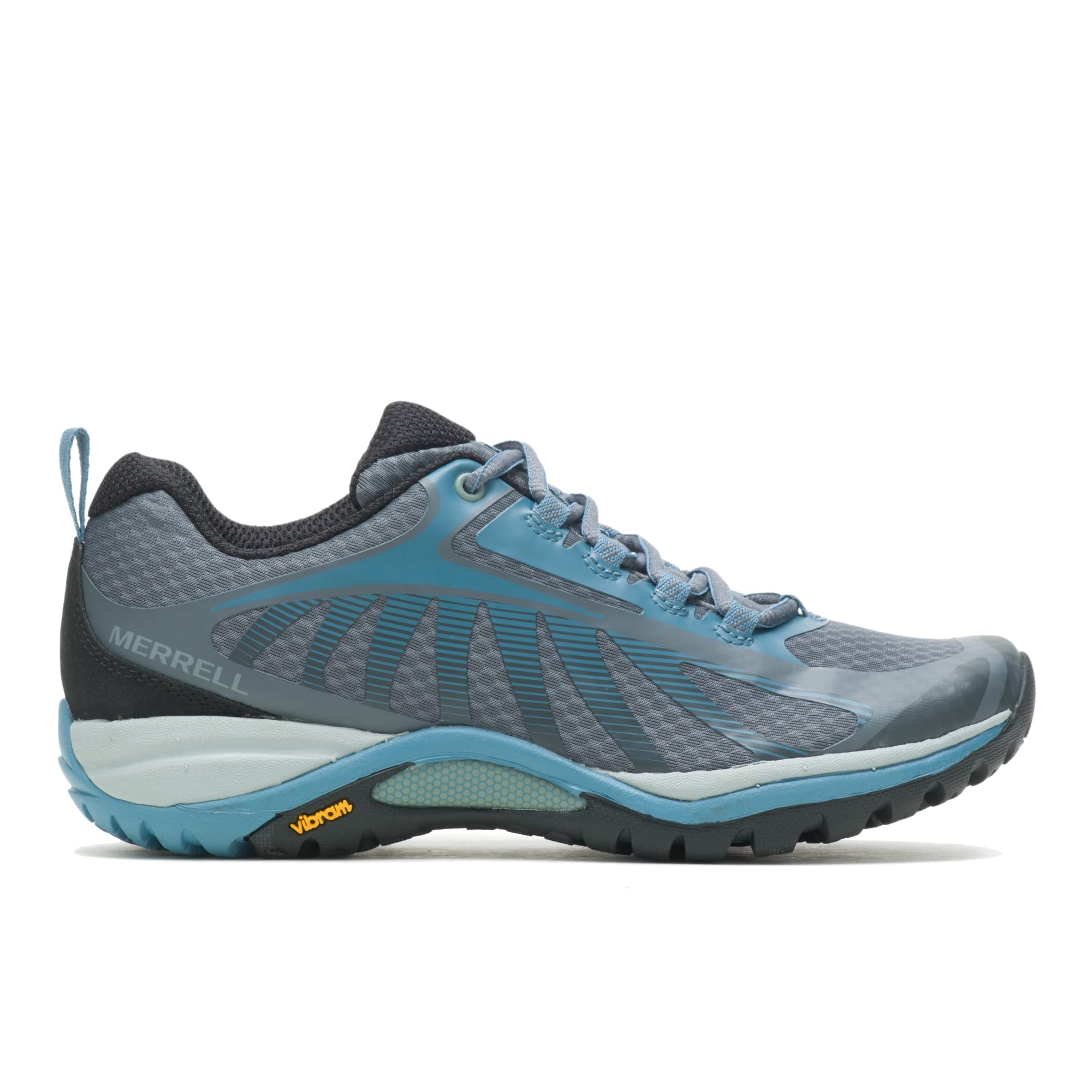
Merrell Moab 3

91 /100
Traveler Score Outstanding

Key details

Shoe Type
Hiking shoe
Model Number
J036344W
Listed Package Weight
2.6 lb
Check Details on Amazon

Arch support is the reason this guide exists, and the Moab 3 has the most convincing version of it in the group. The midfoot is built up rather than padded out, so your foot lands on something that holds its shape instead of sinking into foam, and the shoe stays steady under the middle of the foot when the ground underneath isn't. On rocky, root-crossed trail it was the pair we trusted not to let the outside edge roll away.

We didn't have to break these in. The collar is soft from the first mile, nothing rubs at the ankle, and the toe box leaves enough length that your toes don't jam on a long descent. Sizing runs true, with space for a thicker sock without pressure across the top of the foot — handy once the weather turns and you're layering up.

Wet rock and loose gravel are where a low-cut hiking shoe usually gives itself away; this one kept its footing on both. What settles it for us is how little thought the shoe demands — lace it, walk, forget it, which is not something we can say about every pair here.

Pros

  • Most convincing arch support of these picks
  • Roomy toe box with no break-in period
  • Grip holds on wet rock and gravel
  • Solid build that takes regular use

Cons

  • The heaviest shoe in this guide
Our verdict

If arch support is the reason you're shopping, start here: the most structured midfoot in this guide, a roomy toe box, and grip that holds on wet rock.
Check Latest Price
2

Best for Travel

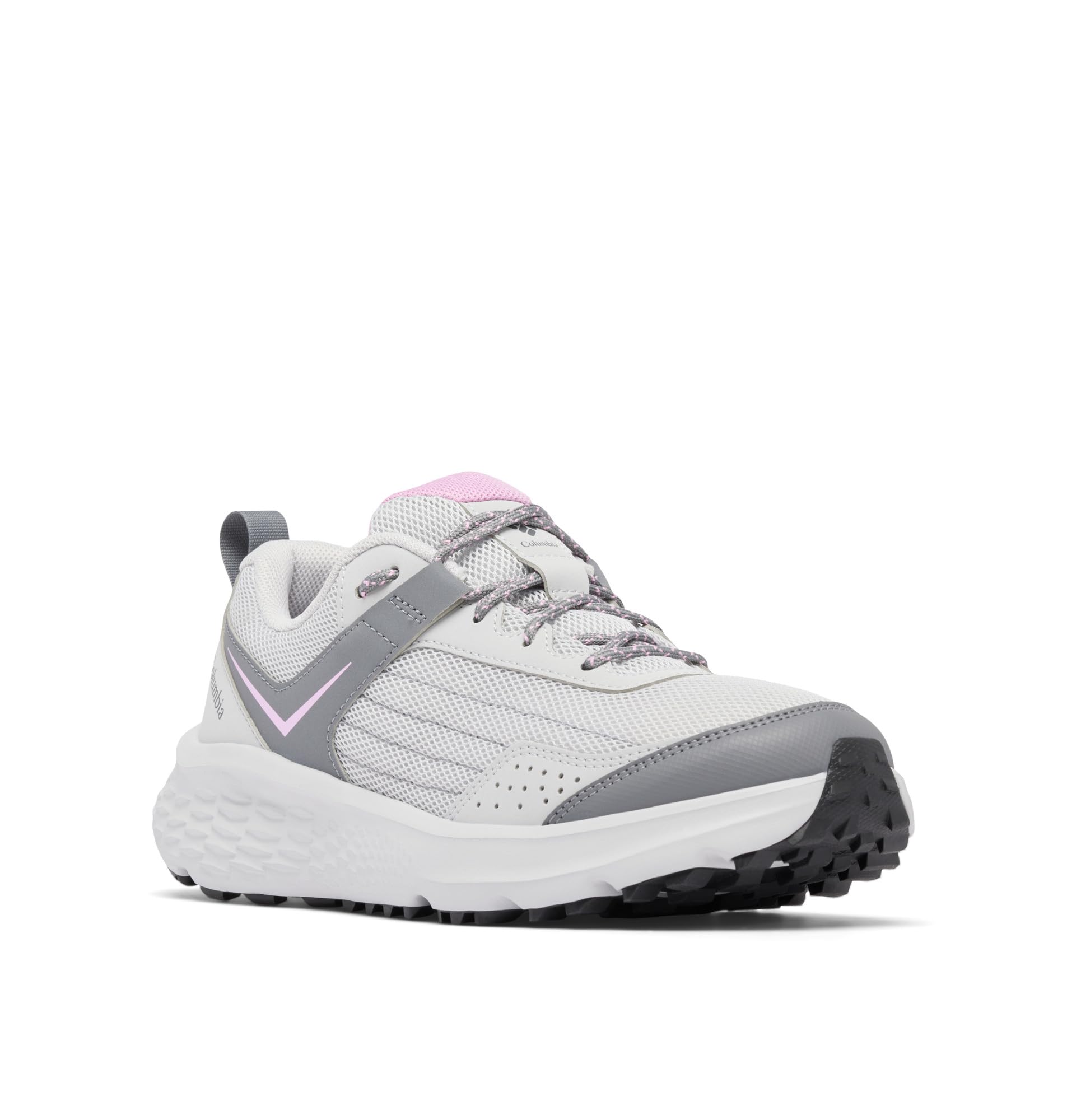
Columbia Vertisol Trail

89 /100
Traveler Score Excellent

Key details

Shoe Type
Hiking shoe
Department
Women's
Model Number
207737
Check Details on Amazon

Nothing about the Vertisol Trail announces itself as a hiking shoe. The shape sits closer to a sneaker than to trail kit, and there is nothing orthopedic about the look — which matters more than it should when you are packing one pair for a week and want to wear it to dinner as well as to a viewpoint.

That is the case for it, and we think it is a strong one: this is the lightest-feeling way to get real structure under the arch on a maintained trail. The footbed has support through the midfoot without the stiffness of a burlier shoe, the upper is soft from the first wear, and there is room across the toe for a wider forefoot.

Wet boardwalk, damp rock, and loose gravel all held, and we never felt the sole skate on a turn. It is the pair that goes in the carry-on rather than the pair by the front door, and for a trip that mixes sidewalks with dirt, that is exactly what you want.

Pros

  • Light enough to pack and wear all day
  • Arch support without the orthopedic look
  • Grip held on wet and dry surfaces
  • Room across the toe for wide forefeet

Cons

  • Light-duty build, not for rough or loaded hikes
Our verdict

We point travelers here: the Vertisol Trail is light, good-looking, and supportive enough for the maintained trails and town miles most trips actually involve.

Check Latest Price
3

Best Lightweight

Merrell Siren Edge 3

89 /100
Traveler Score Excellent

Key details

Shoe Type
Hiking shoe
Department
Women's
Listed Package Weight
1.74 lb
Check Details on Amazon

The Siren Edge 3 is the lightest trail shoe here, and the shape is what makes it interesting: narrow through the midfoot, high under the arch, with a toe box that has length without being sloppy. If your foot is narrow and your arch is high, it is the closest thing to a made-for-you last in this group.

Sizing runs true, with enough room at the front that your toes stay off the end on a descent rather than jamming into it. Grip on steep, pebbly ground is better than a shoe this light has any right to — the sole bites and the shoe stays underneath you instead of skating away.

Long rocky descents are the real test, and the middle of your foot doesn't ache at the bottom of one the way it can in a soft shoe, because the arch is held rather than cushioned. Against the Moab 3 it gives up some of the calm on genuinely rough ground; for gentler trails and long travel days it is the one we pack.

Pros

  • Lightest of the trail-capable picks
  • Arch support that steadies rocky ground
  • Grip bites on steep, pebbly descents
  • True to size with room at the toe

Cons

  • Firmer insole than the rest of this list
Our verdict

For high arches in a light shoe, this is our pick: it is steady on rock, true to size, and easy to pack.

Check Latest Price
4

Best for Wide Feet

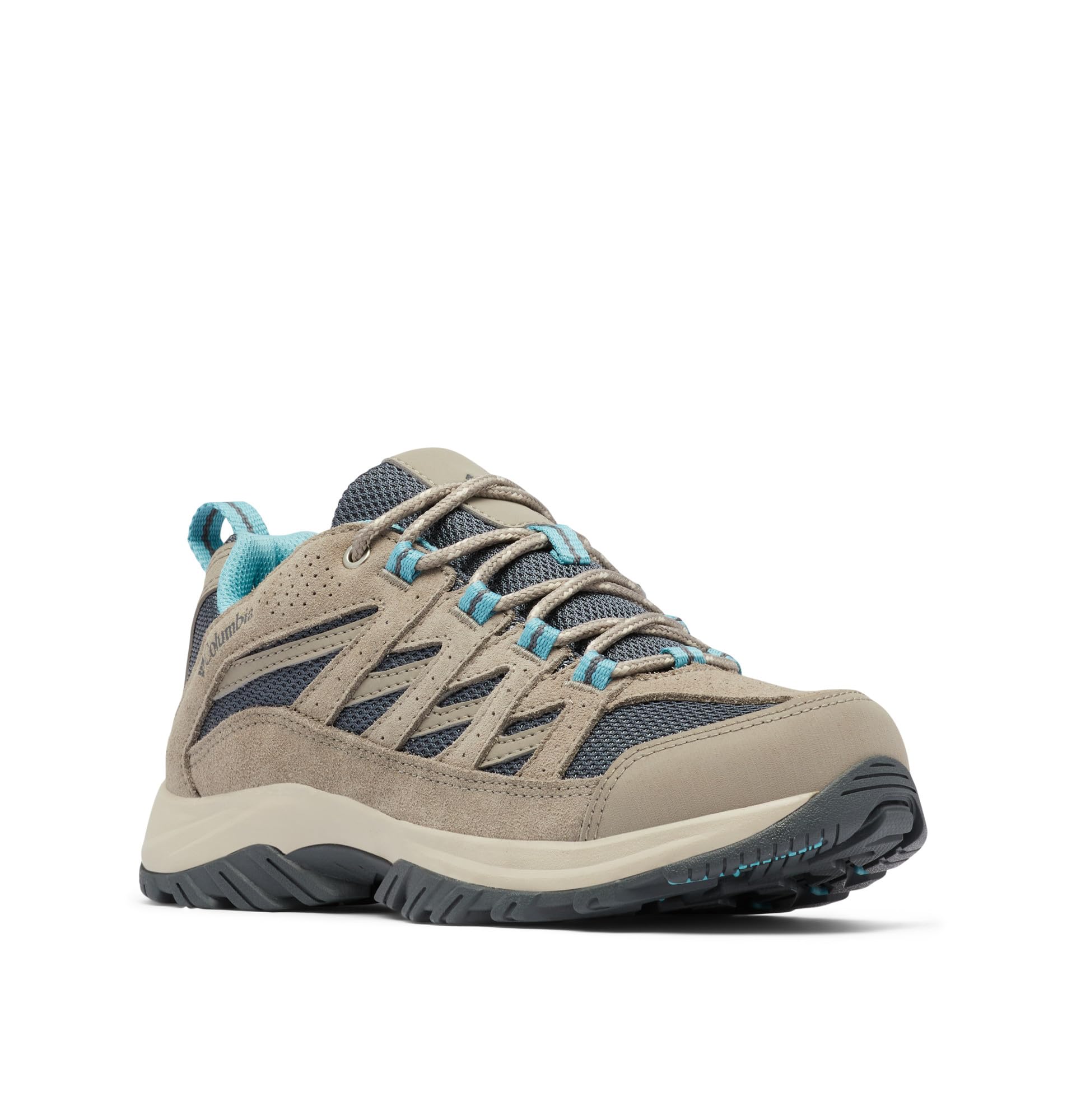
Columbia Crestwood

90 /100
Traveler Score Outstanding

Key details

Shoe Type
Hiking shoe
Department
Women's
Model Number
178114
Check Details on Amazon

If your feet are the reason you are shopping — a bunion, a sore arch, a toe that dislikes every shoe it meets — the Crestwood is the one to try first. It comes in wide sizes, the toe box is properly roomy, and the upper is soft enough that nothing presses where it hurts. That is a plain recommendation, and we are happy to make it.

The comfort is the unglamorous, all-day kind. This is a shoe you stop noticing halfway through a long walk or a shift on your feet, with enough support under the arch that high arches don't complain by mid-afternoon.

Rock, soft dirt, and wet roots all held, and the sole is coping with daily wear better than a shoe this simple has any right to. It ends up doing everything — the dog walk, the commute, and the easy trail on Saturday.

Pros

  • Wide sizes with a properly roomy toe box
  • Comfortable for bunions and plantar fasciitis
  • Grip holds on rock and soft dirt
  • Sole wears well over time

Cons

  • Mesh upper wets through in rain and wet grass
Our verdict

Our pick for difficult feet: wide sizing and a genuinely roomy toe box give bunions and sore arches somewhere to live.

Check Latest Price
5

Wet-Weather Budget Hikes

OUTJET Hiking Shoes

82 /100
Traveler Score Excellent

Key details

Shoe Type
Hiking shoe
Model Number
OJWH-001-L25
Waterproofing
Waterproof
Check Details on Amazon

Water is where this shoe earns its keep. It is sold as waterproof and that is the claim that holds: rain, wet grass, puddles, slush — your feet come out dry at the other end, which is more than most shoes at this end of the range manage.

Wet roots and slick boardwalk are where a cheap trail shoe usually slides; this one holds. The toe box is roomy enough to take a thicker sock or a pair of orthotics without cramping your toes, and for the least money in this guide that is a lot of shoe.

Under the midfoot there is not much structure at all — the footbed is there, but your own insoles do more for this shoe than anything else you can add. Treat it as the wet-weather pair you keep by the door and it earns its place.

Pros

  • Keeps feet dry in rain and slush
  • Grip holds on wet, slippery trails
  • Room in the toe for an orthotic
  • The cheapest pick in this guide

Cons

  • Sizing runs small; order up
  • Durability is the weakest of these picks
Our verdict

Our budget pick for wet weather: it keeps feet dry and grips well, and it is worth buying if you plan to fit your own insole.

Check Latest Price

How We Tested Women's Hiking Shoes With Arch Support

We began by pulling together more than 40 women's hiking shoes with arch support, then narrowed the field by available size range, replaceable or removable insoles, listed water resistance, and price. From that group, we tested 12 pairs over six months. My team and I wore each pair on local trails at least three times: a rocky climb with steep switchbacks, a flat forest loop after rain, and a longer day with a light pack. I also wore them for errands and school pickup to see how they felt on pavement.

For arch support, I stood on one foot in each shoe, walked on a hard floor, and noted whether the arch felt supported or collapsed after an hour. For fit, I wore my usual hiking socks, checked heel slip on climbs and toe room on descents, and compared the brand's size chart with how each pair actually felt. Cushioning got judged on long days: whether my feet felt fresh at the end or I was shifting weight to avoid hot spots. Traction was tested on wet roots, loose gravel, and a slick rock slab, and water resistance by walking through wet grass and shallow puddles to see if socks stayed dry.

Comfort and quality came down to repeat use. I checked seams, lace hardware, and lug wear after each hike, and noted where shoes rubbed or felt sloppy. Appearance mattered too: some pairs looked bulky with shorts, others cleaned up well enough for a coffee run. The shoes that stayed in rotation earned it mile after mile.

How to Choose Hiking Shoes for Women with Arch Support

Start With the Midfoot

Press your thumb into the arch area of the shoe from the inside. You want to feel structure — a midsole that resists the pressure instead of squashing flat — because that is the part you cannot change. The footbed you can change, and with a high arch you often should: swapping the stock insole for your own orthotic does more than any built-in feature. Bring your insoles when you try shoes on, or choose a pair with enough depth that they sit in without lifting your heel.

Fit: Room at the Toe, Hold at the Heel

Your feet swell over a day of walking, and on descents everything slides forward. A hiking shoe should therefore feel roomy at the front and snug at the heel when you try it on, not snug everywhere. The common mistake is sizing up to fix an arch that feels wrong; that buys you a longer shoe with the same problem. Fix the arch with the footbed, fix the length with the size. Bunions and broad forefeet do better in a dedicated wide fit, which several shoes here offer.

How Much Shoe Your Trails Need

A light low-cut shoe is a pleasure on maintained trails, park paths, and travel days, and it is the right call for most walking most people actually do. The sturdier end of this group buys a more planted feel on rock, more protection underfoot, and a sole that keeps its shape over years of weekend use — paid for in weight you notice on a long, hot day. Match the shoe to the ground you walk rather than to the trip you are imagining.

Waterproof or Breathable

A waterproof membrane keeps rain and puddles out, and it also keeps heat and sweat in, so those shoes run warmer and dry far more slowly once water comes over the collar. Mesh uppers are the opposite: cool and quick to drain, but they wet through in wet grass and steady drizzle. Choose the waterproof version for cold, wet, shoulder-season hiking, and mesh for hot, dry trips where airflow matters more than a barrier.

Frequently Asked Questions

Final Verdict

The Merrell Moab 3 is the shoe we recommend to most people shopping for arch support: the most structure under the midfoot in this guide, a toe box that does not squeeze, and grip that holds when the rock is wet. Choose the Columbia Vertisol Trail instead if the shoe has to work as hard in town as on the trail — lighter, better looking, and enough for maintained paths. If width is the problem, try the Crestwood first.