Best Hiking Shoes for Men with Wide Feet of 2026

If you have wide feet, you already know the workaround: size up half a size, loosen the laces over the ball of your foot, and hope your pinky toe isn't screaming by mile three. A shoe built on an actual wide last changes the whole day — toes splay instead of stack, the heel stays locked on descents, and you stop thinking about your feet entirely. That's what these picks are for: hiking shoes that treat width as a fit, not an afterthought.

I have a wide forefoot myself, so this search is personal. Over the past eight months, my team and I have put 12 pairs of wide-width men's hiking shoes through mud, scree, and a fair amount of pavement in between. One thing I've learned: wide isn't a single measurement — some shoes are generous at the ball of the foot and still crush your little toe, while others feel roomy up front but let your heel swim. The ones below got both right, and they're still in my rotation for a reason.

1

Best Overall

Merrell Moab 3

93 /100
Traveler Score Outstanding

Key details

Outsole
Vibram tread
Toe Box
Roomy
Wide Widths
Available
Check Details on Amazon

Merrell builds the Moab 3 in a wide width, and the front of the shoe is generous even in the standard fit, two things that matter more than any number printed on a size chart. Toes lie flat instead of curling under their neighbors, and the heel still locks down, which is what wide sizing usually gives up.

Comfort is why it's our top pick. The padding around the collar and tongue is soft enough that a full first day didn't leave the hot spots we were braced for, and the shoe flexes at the ball of the foot instead of fighting every step. The Vibram outsole handles the rest: it bit into wet rock and loose gravel on descents where we expected a slide.

This is a trail shoe first and a sneaker second, and it looks it, with a chunky sole and a workmanlike upper that makes no claim to being sleek. What keeps it at the top is range. It's the pair we reach for on a day hike, a muddy dog walk, or a travel day when one shoe has to cover everything.

Pros

  • A real wide width, not just extra volume
  • Heel stays locked down despite the room
  • Vibram outsole grips wet rock and gravel
  • Walkable from the first day

Cons

  • Toe bumper and sole edge can peel with hard use
Our verdict

For most wide-footed hikers we tested with, the Moab 3 is the pair to buy: a real wide width, a roomy toe box, and grip that holds on wet rock.

Check Latest Price
2

Best for Very Wide Feet

KEEN Targhee 4 Low

89 /100
Traveler Score Excellent

Key details

Toe Box
Extra roomy
Wide Widths
Available
Waterproofing
Waterproof
Check Details on Amazon

The Targhee 4 is the most expensive shoe in this group, and the money goes exactly where a wide forefoot needs it: the roomiest toe box here, cut to give bunions somewhere to sit instead of pressing against the upper. It's the pick for feet that are genuinely broad, not simply a little wider than average.

Waterproofing is the second reason to pay. Water stayed out through wet grass, muddy trail, and a long drizzle, and the upper wiped clean rather than soaking through. There's a real midsole underneath it too, soft enough that pavement doesn't beat you up and supportive enough that rocks don't come through the sole.

Ruggedness turned up in the details: a rubber bumper across the toe, a sole that hasn't rounded off at the edges, laces that have held. Nothing about this shoe feels delicate, which is what we want from something asked to carry a wide foot over rocky ground season after season.

What it isn't is subtle. If your feet are only slightly wide, the volume up front feels like too much shoe and the Moab is the better fit. For anyone whose feet are the reason shoes go back, that extra room is the entire point.

Pros

  • Roomiest toe box in this group
  • Waterproofing that holds on wet trails
  • Durable build with a rubber toe bumper

Cons

  • Heavier and stiffer out of the box than the rest of this set
Our verdict

Worth the premium if your forefoot is genuinely broad or bunions make most shoes painful, because nobody else here gives this much room up front with waterproofing that holds.

Check Latest Price
3

Best Budget

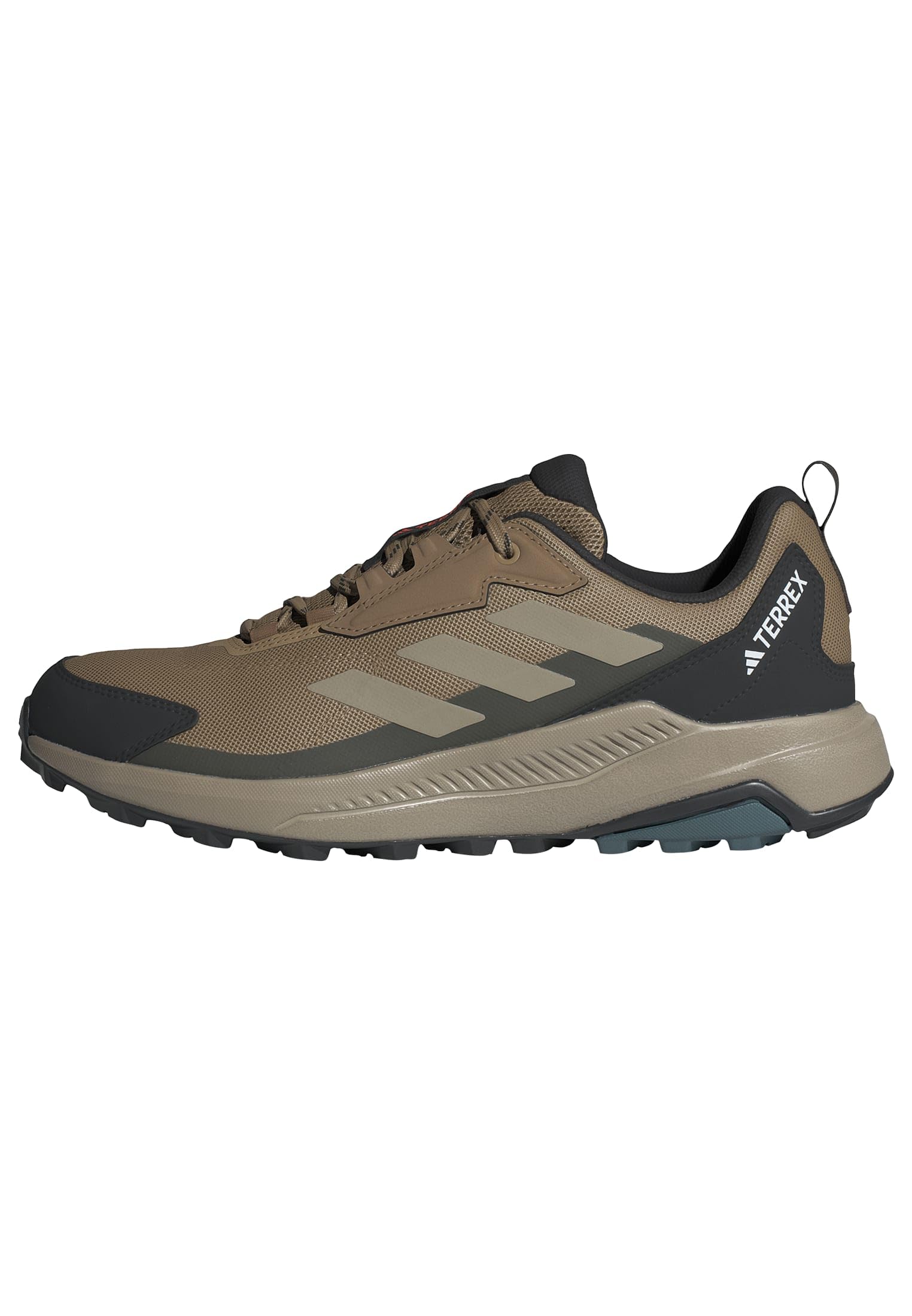
adidas Terrex Anylander

90 /100
Traveler Score Outstanding

Key details

Outsole
Aggressive lug pattern
Toe Box
Square and roomy
Water Resistance
Water-resistant only
Check Details on Amazon

Boxy is a compliment here. The Anylander's toe box runs square across the front rather than tapering toward the tip, which is the shape a wide forefoot actually wants, toes side by side instead of the big toe shoved inward. It costs a good deal less than our top pick and gives up less than the price suggests.

Grip is the surprise. The lug pattern is aggressive for a shoe at this end of the range, and it held on rock slabs and loose dirt through a wet morning without skating on the paved mile back to the trailhead. They're light enough to forget you're wearing hiking shoes and stiff enough that sharp gravel doesn't come through, and they read more like a trail sneaker than a hiker, which makes them easy to pack as the only pair for a trip.

Arch support is the thing to sort out before a long day. The shoe carries a pronounced arch that suits some feet and fights others, so if you normally wear a flat insole, pull the stock one out and drop yours in. There's room for it, and the wide front means your toes won't pay for the swap.

Pros

  • Square toe box leaves the toes room
  • Aggressive lugs grip rock and loose dirt
  • Capable shoe at a low price

Cons

  • Soaks through in wet grass and heavy dew
Our verdict

We point wide-footed hikers on a budget to the Anylander: square-toed room, confident grip, and a price that leaves room for a better insole.

Check Latest Price
4

Best Value Waterproof

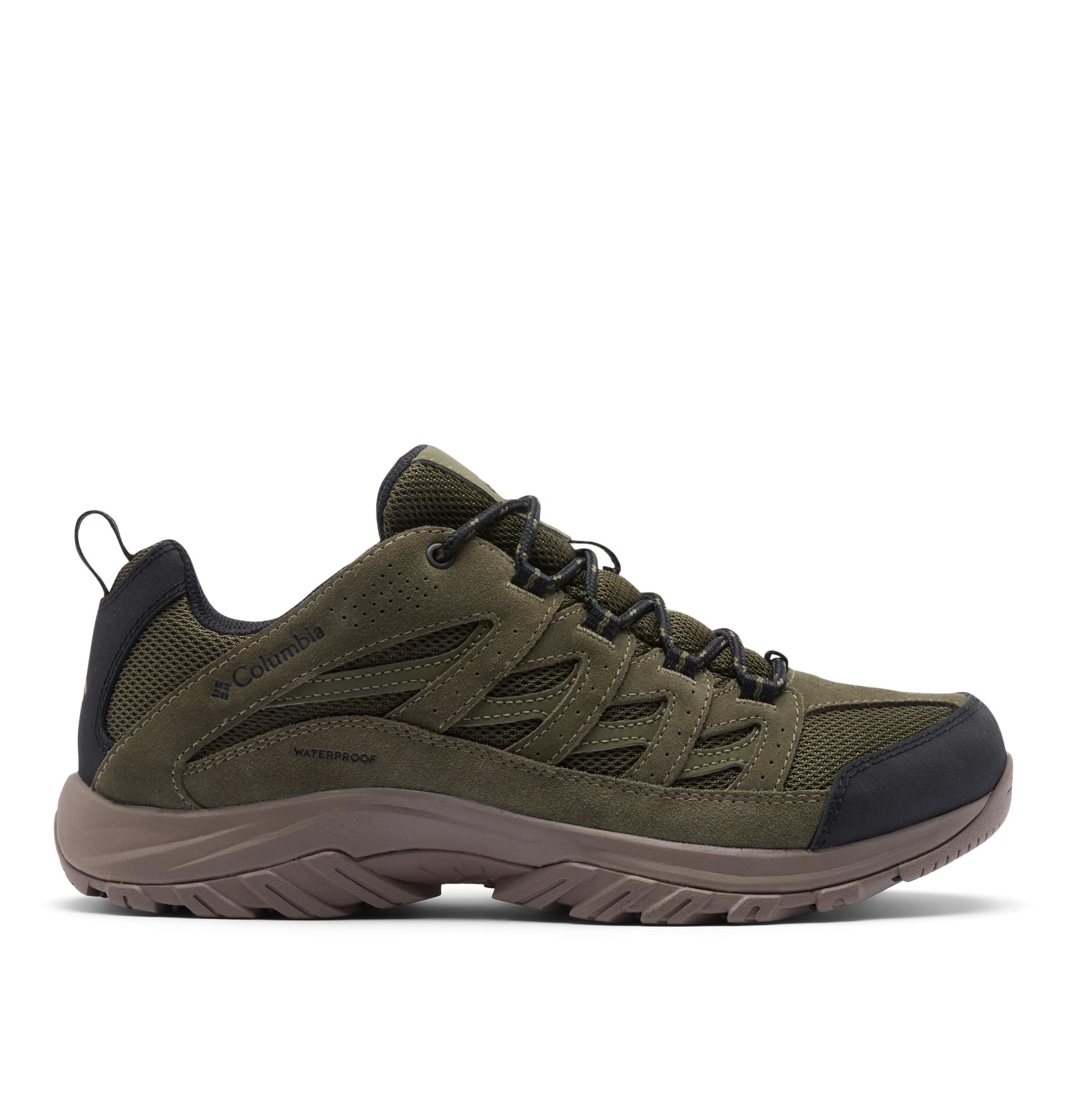
Columbia Crestwood

88 /100
Traveler Score Excellent

Key details

Weight
Lightweight
Traction
Secure on wet ground
Waterproofing
Waterproof
Check Details on Amazon

Wet grass, a muddy mile, and a forecast that turns at lunch: that's the day the Crestwood earns its place. It's a waterproof hiking shoe at the mid-range end, and it doesn't ask you to carry the weight of a boot to stay dry.

The build is light for a shoe with a membrane in it, light enough that we wore ours for errands without noticing them, and traction on slick rock and packed dirt was secure. Our feet stayed dry through puddles and a stretch of drizzle, with no clammy feeling by the end of the day.

Sizing is the one thing to get right. Our pair fit snug at the stated size, so order a half size up, especially if you plan on thicker socks. Do that and this is the pair we reach for on damp shoulder-season hikes, when the trail is wet but the day isn't cold enough to justify a boot.

Pros

  • Waterproof protection at a mid-range price
  • Unusually light for a waterproof shoe
  • Secure traction on wet ground

Cons

  • Waterproofing can vary from pair to pair
Our verdict

A light, grippy waterproof shoe at a mid-range price, so we send hikers who walk wet trails but don't want a heavy boot or a premium bill straight to it.

Check Latest Price
5

Cheapest Waterproof Option

NORTIV 8 Low Top

86 /100
Traveler Score Excellent

Key details

Toe Box
Roomy
Toe Cap
Rubber bumper
Waterproofing
Waterproof
Check Details on Amazon

The rubber bumper wrapped over the toe tells you what this shoe is for: scuffed trails, wet ground, yard work, anything that chews through a sneaker. It's the cheapest pair here, and it's built as though it expects to be abused.

The value is real. Waterproofing is part of the deal, with feet staying dry in shallow water and wet grass, and the toe cap keeps the front from soaking through first. The fit is roomy across the ball, which is the reason it's on this list at all, and it's the sort of shoe you stop worrying about after the first muddy week.

Two things to know before you order. Sizing swings between pairs, some running big and some running narrow, so buy where returns are easy, try them on carpet, and keep the tags on until you've walked a mile. And traction is fine on dirt but not on smooth wet tile, so treat these as trail and yard shoes rather than wet-weather commuters.

Pros

  • Rubber toe bumper protects the front
  • Waterproof at the lowest price here
  • Roomy across the ball

Cons

  • Heavier and bulkier than the lighter picks here
  • Lining can wear through before the sole does
Our verdict

You get a genuinely waterproof, roomy shoe with a rubber toe cap for the least money here, so buy it where returns are simple because the sizing swings.

Check Latest Price

How We Picked and Tested Wide Hiking Shoes

We started by rounding up every men's hiking shoe we could find that comes in a true wide width — 2E and up — rather than a standard shoe sized up. That narrowed the field fast. From there we filtered by price, weight, and whether the brand actually kept wide sizes in stock, then ordered all 12 pairs online so we could judge the purchase experience itself: how closely the sizing charts matched reality, how long shipping took, and how easy it was to exchange a pair that ran narrow.

Each pair went into the same eight-month rotation: rocky climbs and rooty descents on local trails, a few wet mornings, one loaded overnight pack, and plenty of dog walks and errands on pavement. Before the first hike we measured each toe box with calipers and marked where the pinky toe sat, then re-measured after break-in to see whether the width held or stretched into sloppy. We noted heel slip on steep descents, hot spots at the arch on long days, and whether the arch support felt like it was under the foot rather than off to one side.

Every shoe got weighed on a kitchen scale, then tracked over a set mileage count to see how the outsole lugs wore down, whether seams and toe caps frayed, and if the upper kept its shape once broken in. We wore them around town too, since a hiking shoe that looks like a medical device tends to stay in the closet — appearance counted for something. The pairs that held their width, their tread, and their comfort after months of use, at a price that made sense for how often most people actually hike, are the ones that made the list.

How to Choose Hiking Shoes for Men with Wide Feet

Width Where You Actually Need It

Most wide feet need room at the ball and across the toes, not extra volume behind the ankle. A shoe that is simply built bigger everywhere lets your foot slide forward on descents, and that is how wide-fit hikers end up with sore toes and blisters. Look for a toe box that stays broad all the way to the tip and a heel that holds without cranking the laces.

That combination is why we put the Merrell and the KEEN at the front of this group. Both keep the front open and the back snug; the KEEN simply has more room up front. If your heel is narrow and your forefoot wide, that distinction is the entire purchase.

Sizing Varies by Model, Not Just Brand

Don't carry a size across models. The same maker can build one shoe tight at the stated size and another generously: our Columbia pick runs snug enough that a half size up is the right call, while the KEEN comes out roomy. Read the size chart for the specific model, not the brand's general page.

Order your usual size first, keep the tags on, and walk a mile indoors before you commit. If you are trying a wide width for the first time, expect the shoe to feel loose across the middle before it feels right at the toes.

Waterproof or Breathable

A membrane is worth paying for on wet grass, muddy trails and cold mornings, and it is why the KEEN and the Columbia earn their places here. It also traps heat and slows drying, so a shoe that soaks through and dries fast can be the better call in hot, dry country.

Be honest about the hiking you do. Most three-season day hikers in wet climates get more from the membrane than they give up. If your summers are 90 degrees and dry, a breathable shoe and wool socks will be more comfortable than any waterproof claim.

Soles, Toe Caps and Where Shoes Fail

Judging traction is easy: deeper, softer lugs bite into loose dirt, while harder rubber lasts longer on rock. The parts that fail first are the toe bumper and the bond where the sole meets the upper, and a wide foot widens the flex at the ball, which works that seam harder.

Run a thumb along that junction when the shoes arrive and again after a month. A rubber cap over the toe, like the one on our NORTIV 8 pick, is worth having if you scramble.

Weight and Break-In

Lighter shoes are easier over long days and pack smaller if you travel with one pair. Stiffer, heavier ones protect the sole of your foot on rocky ground and hold up better under a pack.

Most of these felt walkable straight from the box, but a wide shoe can still rub at the collar on the first mile. Wear new pairs for short errands and one easy walk before a real hike, and save the long day for after that.

Frequently Asked Questions

Final Verdict

For most men with wide feet, the Merrell Moab 3 is the shoe to buy: a wide width that exists, a toe box that lets your toes lie flat, grip that holds on wet rock, and no break-in to plan around.

Pay for the KEEN Targhee 4 only if your forefoot is genuinely broad or bunions decide the fit, because that extra room is what the money buys. On a tight budget, the adidas Terrex Anylander delivers most of the same comfort for far less.