Best Hiking Boots for Wide Feet of 2026

If you've ever finished a hike with numb toes and a hot spot on your pinky, you know the problem: most hiking boots are built for feet that aren't yours. I've spent years squeezing my wide feet into standard-width boots, and the difference a proper fit makes is not subtle. A good wide-foot boot gives you room in the toe box without letting your heel swim, so you can think about the view instead of your feet. Over the past eight months, my team and I have put 12 pairs of wide-width hiking boots through mud, rocks, and long days on our feet, and the standouts share a pattern.

Width isn't about the toe box alone—it's how the whole boot holds your midfoot and heel, and whether the lacing dials in without pressure points. Some wide boots feel roomy at first but break down; others start stiff and mold after a few miles. The picks below cover priorities from lightweight day hikers to waterproof bruisers to budget-friendly options, so you can find the pair that fits your feet and your plans.

1

Best Overall

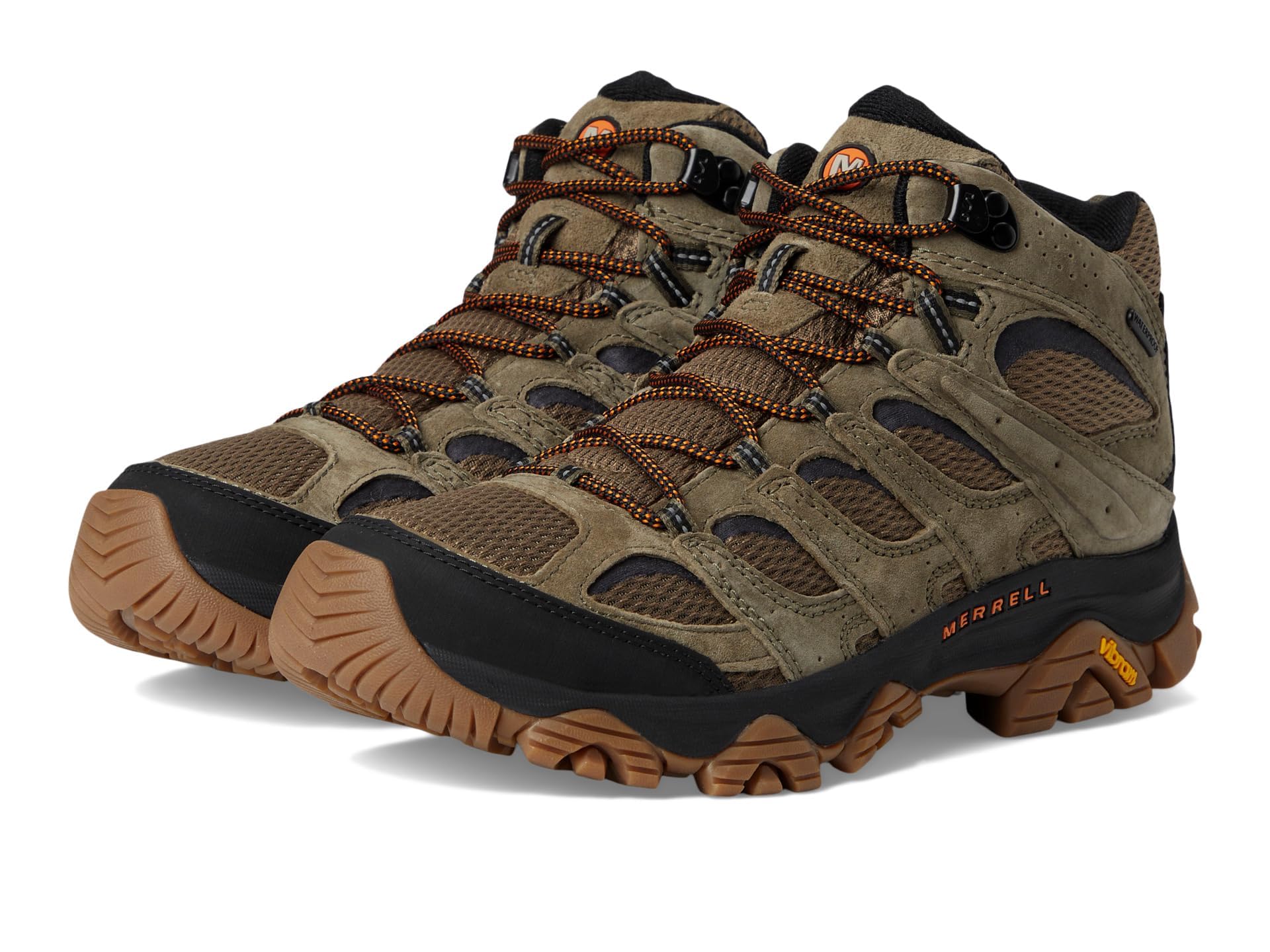
Merrell Moab 3 Mid Waterproof

91 /100
Traveler Score Outstanding

Key details

Cut
Mid
Department
Men's
Waterproofing
Waterproof
Check Details on Amazon

The Moab 3 Mid is the boot that made a wide forefoot feel normal. There's room across the ball of the foot for toes to spread, and the mid cut wraps the ankle without pressing on the outside of the foot. We wore it on mixed dirt and rock, and the cushioning stayed supportive rather than turning mushy under a long day.

What separates it from the other wide-friendly boots here is the balance. The toe box is roomy, but the boot doesn't feel like a slipper; the lacing lets you snug the midfoot without crushing the toes. The waterproofing is the compromise. It's labeled waterproof, yet wet grass and sustained rain are where it gets inconsistent, so we treat it as a wet-weather day hiker rather than a stream-crossing boot.

Durability is the reason it holds the top spot. The Moab 3 has the strongest durability story in this group, and the outsole and seams hold up to repeat trail use better than the budget picks. That matters for a wide-foot buyer because a boot that fits this well is worth keeping longer.

Sizing is the one thing to watch. The fit can run a half size small, so if you're between sizes, order up and keep the return window open. For the wide-foot hiker who wants one boot for three-season day hikes, this is the pair we recommend first.

Pros

  • Roomy forefoot with a secure midfoot
  • Cushioned support for long days
  • Strong durability for this group
  • Mid-cut ankle coverage

Cons

  • Sizing can run a half size small
Our verdict

For wide-footed hikers who want one comfortable, durable boot for three-season day hikes, the Moab 3 Mid is the pair we recommend first.

Check Latest Price
2

Best Wide-Width Fit

Timberland Mt. Maddsen Waterproof

91 /100
Traveler Score Outstanding

Key details

Style
Hiking boot
Department
Men's
Listed Weight
3 lb
Waterproofing
Waterproof
Check Details on Amazon

The Mt. Maddsen is the boot we point to when you want to order a wide width and stop thinking about it. The 11-wide version has room for toes to move, and the boot feels comfortable from the first wear rather than asking for a break-in period. That combination is rare enough in this group to make it a runner-up.

It also handles wet weather better than most. The waterproofing held up in slush and a shallow creek crossing, and the boot stayed light enough for a long day. The fit is generous without feeling clumsy, which is the balance wide-foot buyers usually have to hunt for. The mid cut gives useful ankle coverage without stiffness, and it looks tidy enough for town wear, too.

The trade-off is longevity. If you hike mostly maintained trails and want a wide boot that feels easy immediately, this is a strong fit. For rocky, repeated abuse, the Merrell is the safer long-term pick.

Pros

  • Dedicated wide-width option
  • Comfortable from the first wear
  • Reliable wet-weather protection
  • Light enough for long days

Cons

  • Seams can separate with hard use
Our verdict

Buy the Mt. Maddsen for a dedicated wide-width fit that feels comfortable on day one and keeps feet dry on wet trails.

Check Latest Price
3

Best Lightweight

Columbia Newton Ridge Plus II

91 /100
Traveler Score Outstanding

Key details

Cut
Mid
Department
Unisex adult
Listed Weight
1.12 lb
Waterproofing
Waterproof
Check Details on Amazon

The Newton Ridge Plus II is the lightest-feeling boot in this group, and the wide-size version has enough room through the forefoot for a wide foot without a break-in fight. The toe box isn't as cavernous as the Merrell's, but the wide size is roomy enough for most wide feet. The upper flexes easily, and the boot feels more like a sneaker than a mountaineering boot.

That lightness is the reason to choose it. For travel, day hikes, and long walks on maintained trails, the reduced weight matters more than a stiff shank you never use. The 13-wide version has room for thick socks, and the mid cut gives useful ankle coverage without bulk. We also like that it looks neat enough to wear into town after the trail.

Water resistance is decent for wet grass and shallow puddles, but the tongue is the limit; don't treat it as a wading boot. This is a boot for light trail miles rather than rocky abuse.

For a wide-footed traveler who wants one pair for easy trails and city miles, this is the boot we take. If you need a boot for rocky scrambles or sustained wet weather, the Merrell is worth the extra weight.

Pros

  • Light enough for travel and day hikes
  • Wide-size fit accommodates thick socks
  • Comfortable, flexible upper

Cons

  • Outsole bonding can fail with hard use
Our verdict

For wide-footed travelers and day hikers who want a light, comfortable boot, the Newton Ridge Plus II is an easy pick.

Check Latest Price
4

Best for Casual Trails

Skechers Relment-Pelmo

89 /100
Traveler Score Excellent

Key details

Style
Hiking boot
Department
Men's
Listed Weight
3.28 lb
Check Details on Amazon

The Relment-Pelmo is the soft, roomy option in this group. The toe box has plenty of space, and we found the boot is built for comfort first: the footbed feels cushioned, the upper doesn't need much breaking in, and the 14-wide version fits a broad foot without pinching.

It's also one of the more affordable boots here, which makes it tempting for casual hikers and walkers. The boot feels best on easy paths rather than rocky climbs. If you need an orthotic, try it before you commit; the fit is roomy, but adding a bulky insert can change where your toes sit.

Durability is the real caveat. The sole and upper can come apart under daily hard use, and the laces are not the strongest part. For weekend walks and light trails, that may be enough. For a boot you want to keep for several seasons, the Merrell and Timberland picks are safer.

In short, this is a comfort-first boot for wide feet, not a mountain boot. Buy it for easy trails, errands, and travel where a soft ride matters more than technical support.

Pros

  • Roomy toe box for wide feet
  • Soft, easy break-in
  • Light on the foot
  • Budget-friendly

Cons

  • Minimal arch support
Our verdict

For easy trails and everyday wear on a wide foot, the Relment-Pelmo is a comfortable, low-cost pick with a roomy toe box.

Check Latest Price
5

Best for Women

Foxelli Women's Hiking Boots

91 /100
Traveler Score Outstanding

Key details

Use
Trails and travel
Upper
Suede leather
Department
Women's
Waterproofing
Waterproof
Check Details on Amazon

The Foxelli boots come with a pair of hiking socks and a spare set of laces, which is a nice touch at this price. The 8.5-wide version has a generous toe box with room for thicker socks, and there's enough depth for an orthotic. The boot is cushioned enough to feel supportive without clamping the forefoot.

This is the women's pick we recommend first. The ankle support is reassuring on uneven ground, the waterproofing holds up in steady rain, and the suede upper looks better than most trail boots. We also like that the boot is easy to wear straight out of the box; no long break-in. The colors are fun without being loud.

The caveat is that the fit runs generous, so if you're between sizes, try the smaller one or plan for thicker socks. We haven't put as many miles on this brand as on Merrell or Columbia, so treat the long-term durability as less proven. Nothing suggests early failure, though, and the value is strong for a women's-specific boot.

Pros

  • Generous women's-specific toe box
  • Cushioned, supportive ride
  • Strong rain protection
  • Socks and spare laces included

Cons

No notable drawbacks to flag.

Our verdict

For women with wide forefeet, the Foxelli is the most comfortable, supportive boot here, and the included socks and spare laces are a nice bonus.

Check Latest Price
6

Budget Day Hikes

NORTIV 8 Waterproof Lightweight

89 /100
Traveler Score Excellent

Key details

Style
Lightweight hiking boot
Department
Men's
Waterproofing
Waterproof
Check Details on Amazon

The NORTIV 8 lightweight boot is the lowest-cost way into a roomy fit in this group. We found the wide version leaves space for thick socks, the footbed feels more solid than the price suggests, and the boot is light enough to wear all day without thinking about it.

That makes it a sensible choice for short day hikes, travel, and yard work. It's not a precision trail boot, but the lacing can be snugged down, and the ankle height gives a little more coverage than a low shoe. The boot is flexible from the start, so there's little break-in.

The bigger question is wet weather. Waterproofing is inconsistent, with some pairs keeping feet dry and others soaking through in wet grass. The sole and upper can also start separating after hard daily use. If you mostly hike dry trails and want to spend as little as possible, it earns a place. For wet, rocky hikes, step up to the Columbia or Merrell.

Pros

  • Roomy fit for thick socks
  • Very light on the foot
  • Solid footbed for the price

Cons

  • Ankle collar can rub on some feet
Our verdict

If you need a wide, lightweight boot for short day hikes and want to spend as little as possible, the NORTIV 8 is a reasonable budget choice.

Check Latest Price
7

Travel, Dry Trails

SHULOOK Waterproof Hiking Boots

88 /100
Traveler Score Excellent

Key details

Cut
Mid-top
Use
Hiking and trekking
Department
Men's
Waterproofing
Waterproof
Check Details on Amazon

The SHULOOK is the featherweight of this group, and that is the reason to consider it. It weighs little, flexes immediately, and has a roomy fit that works for a wide forefoot on easy trails. The upper is breathable enough for warm days, and the boot doesn't feel heavy at the end of a walk.

The fit is roomy rather than truly wide, so don't treat it as a substitute for a dedicated wide-width boot. The ankle cut is low enough to feel flexible, and the laces can be snugged down without pinching across the top of the foot. We did notice some rubbing above the ankle when laced to the top, so leave the upper eyelets a little looser if that happens. The shoelaces are long enough to tie easily, which sounds small until you're wearing gloves.

Wet rock is the limit. The outsole can feel sketchy when the surface turns slick, which makes this a dry-trail and travel boot rather than a wet-weather hiker. If your trips are mostly fair-weather walks and you want to keep weight and cost down, it makes sense. For anything steep or wet, spend more.

Pros

  • Very light for travel
  • Roomy forefoot
  • Flexible, easy break-in

Cons

  • Waterproofing is inconsistent in sustained wet conditions
Our verdict

For dry, easy trails and travel when weight and cost matter most, the SHULOOK is a light, roomy choice with an easy break-in.

Check Latest Price

How We Tested Wide-Foot Hiking Boots

We started by pulling together every wide-width hiking boot we could find from brands known for roomy lasts, then narrowed the list to 12 pairs that spanned different materials, waterproofing claims, and price points—from budget-friendly options to more premium leather builds. Each pair arrived in a standard width and a wide width when available, so we could compare how the sizing actually translated on foot. We weighed every boot on a kitchen scale and noted the listed weight, then wore them around the house for an hour to flag any immediate pressure points before hitting the trail.

Over eight months, we wore these boots on day hikes across rocky ridgelines, muddy paths after rain, and long stretches of pavement on approach walks. We paid close attention to the toe box: whether toes could splay without rubbing, and whether the heel stayed locked in on steep descents. We also tested water resistance by stomping through puddles and wet grass, then checking for dampness inside after an hour. Traction got a workout on slick rock and loose dirt, and we noted any slipping or scrambling confidence.

Comfort and fit were tracked over time—we recorded break-in periods, hot spots, and how the lacing system handled wide midfeet without pinching. After each hike, we cleaned the boots and checked for scuffs, delamination, and sole wear to judge durability and appearance. Value came down to how they held up against their price: a budget pair that lasted the full eight months scored as well as a premium pair that needed fewer adjustments. Lightweight models were judged on how they felt on long days, not just the scale number.

How to Choose Hiking Boots for Wide Feet

Width Options vs. a Roomy Toe Box

A boot labeled wide is not automatically right, and a standard boot with a roomy toe box is not automatically wrong. The useful distinction is where the volume sits: a true wide width adds space across the ball of the foot, while a roomy toe box may open up only at the toes. If your forefoot is the widest part, start with a dedicated wide option such as the Timberland Mt. Maddsen or the Columbia Newton Ridge Plus II. If your toes are cramped but your midfoot is average, a roomy standard boot like the Merrell Moab 3 Mid can work.

Sizing and Break-In

Wide feet often get pushed into a longer size to find forefoot room, which leaves too much space at the heel. A better test is simple: your toes should have room to move without sliding forward on descents, and the lacing should let you snug the midfoot without pressure across the ball. If you're between sizes, choose the pair that leaves a thumb's width at the toe and use a heel-lock lace to stop the foot from sliding. The Merrell's sizing is the one to watch here; it can run a half size small, so keep the return window open. Don't count on leather or synthetic uppers to stretch into a wide fit; buy the fit you need from the start.

Waterproofing and Breathability

A waterproof membrane is useful for wet grass, mud, and shallow puddles, but it is not a wading rating. The tongue and collar are usually the first places water gets in, and a boot that keeps rain out can also trap sweat on a hot climb. If you hike mostly in dry heat, a breathable non-waterproof boot may be more comfortable; if you hike in wet climates, accept the trade-off and choose a boot with a consistent water-resistant build. The Columbia Newton Ridge Plus II is a good example of the light end of that trade-off, while the Merrell Moab 3 Mid is better treated as a wet-weather day hiker than a stream-crossing boot.

Traction and Ankle Support

Wide feet need a stable platform, not just extra volume. A mid-cut boot adds ankle coverage, but the outsole matters more on loose dirt, roots, and wet rock. Look for a lug pattern that matches your terrain and a sole that feels secure when you edge sideways. The SHULOOK is a reminder that low weight can come with a wet-rock penalty; if your trails turn slick, choose a boot with more aggressive traction. Ankle support should feel like guidance, not a cast; if the collar digs in or the heel lifts, the fit is wrong.

Durability and Value

Budget boots can be a smart way to cover easy trails, but the savings often show up first at the sole bond and seams. Check the return policy, inspect the stitching around the toe and heel, and don't assume a waterproof label means the boot will stay waterproof forever. A premium pair like the Merrell Moab 3 Mid makes more sense if you hike often and want one boot to last; a budget pair like the NORTIV 8 or SHULOOK makes sense if your hikes are short and dry. Spend on fit and traction first, then on waterproofing and finish.

Frequently Asked Questions

Final Verdict

For most wide-footed hikers, the Merrell Moab 3 Mid Waterproof is the pair we recommend first: the toe box has room, the ride is comfortable for long days, and it holds up better than most of this group.

If you want a dedicated wide-width fit and an easier break-in, choose the Timberland Mt. Maddsen. If your hiking is light, dry, and travel-focused, the Columbia Newton Ridge Plus II saves meaningful weight.