12 Best Women's Light Hiking Boots of 2026: The Ones That Actually Stay Comfortable

Find lightweight hiking boots that deliver real comfort and support for day hikes without misleading waterproof claims or painful break-ins.

The hiking boot aisle is full of promises: lightweight, waterproof, no break-in. Yet many boots labeled 'waterproof' let in moisture after a few months, and ultra-light models often skip the ankle support that keeps you stable on uneven ground.

The trick is understanding that a boot's weight and its support are inversely related. A featherlight shoe won't hold up to a rocky descent, and a burly mid boot can feel like concrete on a long dry trail. The right choice depends on the balance you need for your typical trail.

This guide cuts through the marketing to highlight which boots actually deliver on their claims, where they cut corners, and how to match a boot's strengths to the hikes you actually take.

1

Best Overall

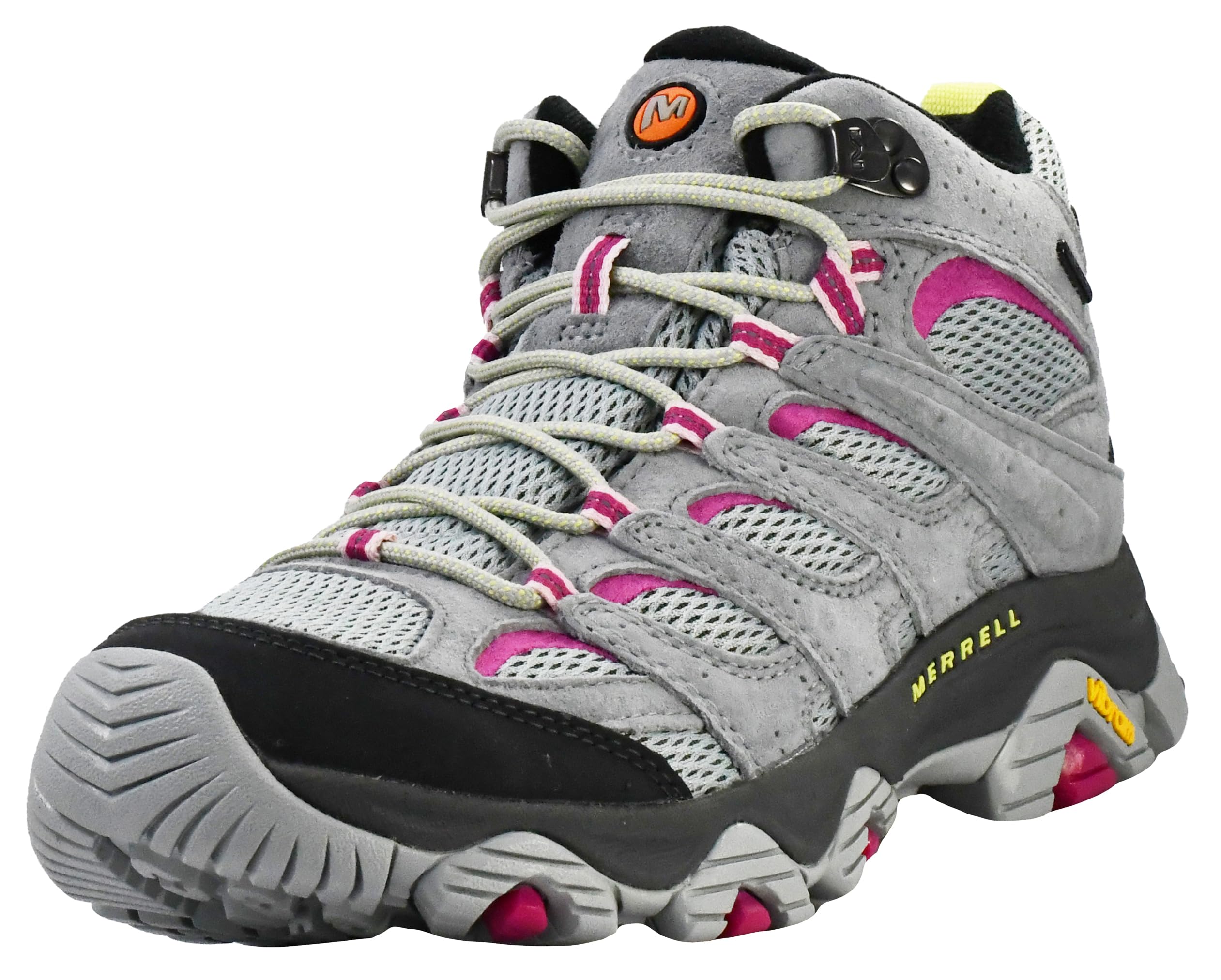
Merrell Moab 3 Mid

92 /100
Traveler Score Outstanding

Key details

Mid-Height
Yes
Waterproofing
Yes (M-Select)
Out-of-box Comfort
Yes
Check Details on Amazon

The Moab 3 Mid delivers comfort straight out of the box — no break-in period needed. The mid-height cut provides steady ankle support on uneven trails, and the leather-and-mesh upper feels substantial without restricting movement.

The Vibram outsole offers confident grip on packed dirt and gravel, with enough cushioning to absorb shock on descents. The M-Select DRY membrane handles rain and puddles effectively, but deep creek crossings that submerge the boot above the ankle can let water in — a tradeoff for a breathable mid-height boot.

Wide-foot-friendly sizing is available, a rare find in this category. Women with narrow feet may find the standard width a bit roomy, but the overall fit runs true to size.

Best suited for day hikers on well-maintained trails who value immediate comfort and solid ankle support. It's not for ultralight backpackers or those who need to ford streams. The boot is slightly heavier than many lightweight options, but the support and durability gain is noticeable.

💡 Keep the laces snug above the ankle for best support, and treat the leather periodically to extend the water-repellent finish.

Pros

  • No break-in period required
  • Ankle and arch support keep feet stable on long hikes.
  • Stitched leather and mesh construction with attention to detail.

Cons

  • Waterproofing is effective for rain and puddles but may not hold up in stream crossings above the ankle.
Our verdict

If your day hikes stick to dry trails and you prioritize comfort over featherlight weight, the Moab 3 Mid is a consistent performer that holds up mile after mile.
Check Latest Price
2

Most Durable & Versatile

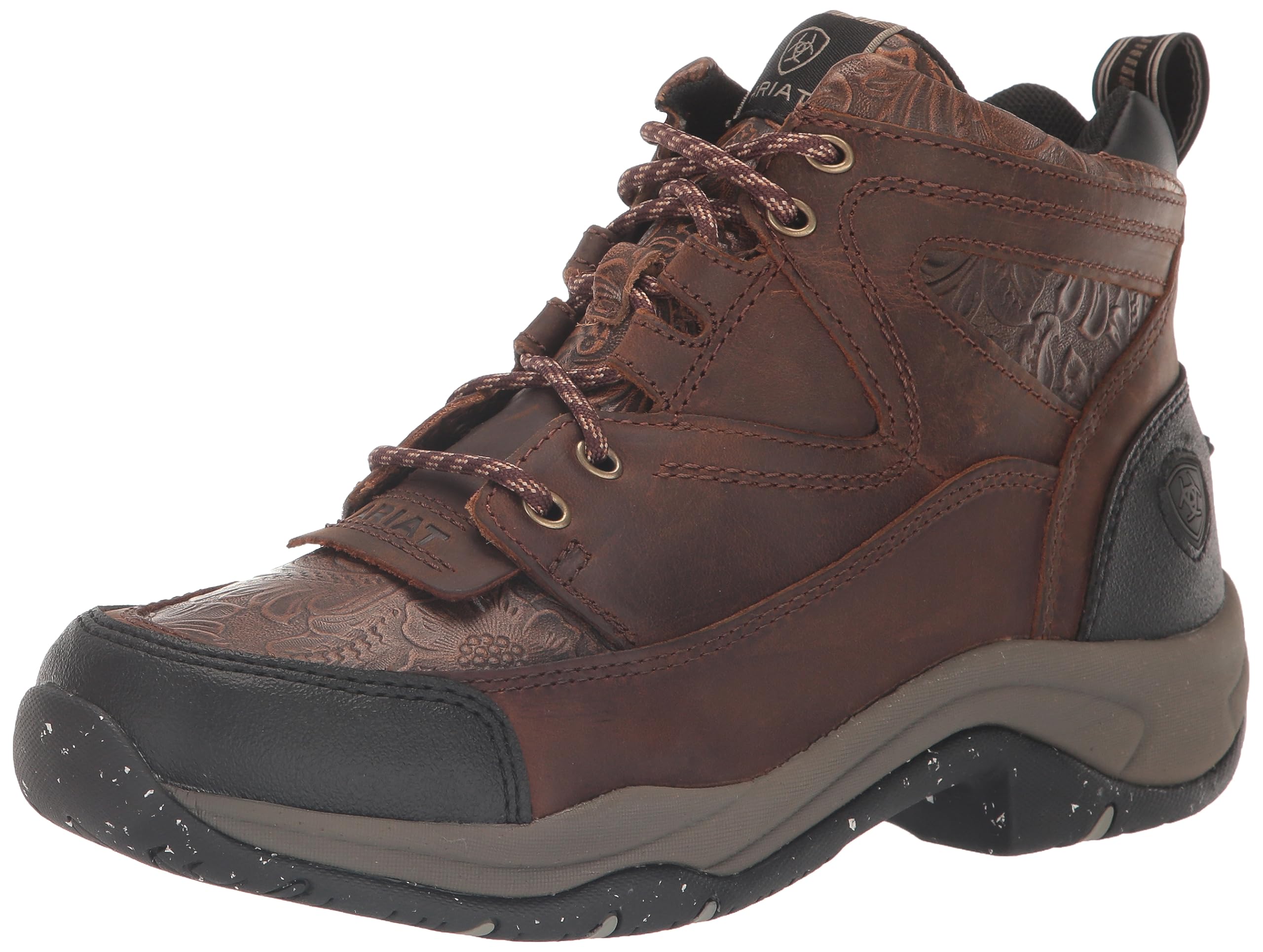
ARIAT Terrain WP

93 /100
Traveler Score Outstanding

Key details

Mid-Height
Waterproofing
Yes
Out-of-box Comfort
Yes
Check Details on Amazon

Exceptional out-of-box comfort and heavy-duty build set this boot apart from lighter options in the category. Designed for ranch work, hunting, and repeated soaking, it holds up where many day-hiking boots would wear quickly. The cushioning feels supportive from the first step, and the waterproof membrane keeps feet dry through puddles and mud.

This boot suits ranchers, riders, and outdoor workers who need a tough, everyday shoe rather than a featherweight hiker. For the day-hiker seeking minimal weight on well-maintained trails, the ARIAT is heavier than ideal and its traction on wet rock or snow can be inconsistent. Additionally, the sizing runs large – ordering a half size down is a practical move.

💡 Order a half size down from your usual shoe size for the most secure fit.

Pros

  • Comfortable straight out of the box with minimal break-in needed.
  • Withstands heavy ranch work, hunting, and repeated wet conditions without falling apart.
  • Performs well for hiking, horseback riding, and daily chores in one boot.

Cons

  • Sizing runs large
  • On wet rock or snow, grip can fall short
Our verdict

If your days involve tough work, long miles, and varied terrain, the ARIAT Terrain earns its keep – just don't expect it to excel on slick surfaces or compete with ultralight hikers.

Check Latest Price
3

Best for Comfort & Style

Foxelli Hiking Boot

91 /100
Traveler Score Outstanding

Key details

Mid-Height
Waterproofing
Yes
Out-of-box Comfort
Yes
Check Details on Amazon

The Foxelli boots deliver exceptional out-of-box comfort with arch support that feels more like a cushioned sneaker than a traditional hiking boot. Lighter than the industry standard, they suit day hikes and travel where weight matters more than load-bearing support.

These boots are best for women with narrow to normal feet who value immediate comfort and a stylish suede look. The arch support is notably effective for plantar fasciitis, and the true-to-size fit with a generous toe box works well for most. Women with wider feet should consider sizing up, as the toe box can feel snug.

💡 Allow a few short walks to break in the suede leather before tackling longer hikes.

Pros

  • Sneaker-like comfort that eliminates blisters from the first wear.
  • True-to-size fit with a roomy toe box for natural foot movement.
  • Arch support that alleviates plantar fasciitis pain effectively.

Cons

  • For women with wider feet, the toe box may feel tight even after break-in.
  • The suede leather can feel stiff initially and requires a brief break-in period.
Our verdict

For women with narrow to normal feet who prioritize lightweight comfort and style on day hikes, the Foxelli is a strong alternative to the Moab 3.

Check Latest Price
4

Best Budget All-Rounder

NORTIV 8 Seeker

91 /100
Traveler Score Outstanding

Key details

Mid-Height
Yes
Waterproofing
Claimed
Out-of-box Comfort
Yes
Check Details on Amazon

The NORTIV 8 Seeker delivers plush cushioning and a sleek look that punches above its price point. While it's heavier than the ultra-light options in this roundup, the trade-off is noticeable comfort right out of the box with no break-in period.

This boot suits budget-focused day hikers and casual walkers who prioritize comfort and style over ultralight weight. The waterproofing is inconsistent, so treat it as a dry-trail shoe rather than a rain-ready boot. If you need reliable wet-weather protection, the top pick is a safer bet.

💡 A periodic treatment with a waterproofing spray can help extend the boot's resistance to light moisture.

Pros

  • Comfortable from the first wear with minimal break-in needed
  • Great value
  • Stylish design that looks good on and off the trail

Cons

  • Can feel bulky for a boot marketed as lightweight
  • Waterproofing may not hold up over time, especially in sustained rain
Our verdict

If your hikes are mostly dry and you value comfort and style over minimum weight, the NORTIV 8 Seeker is a smart budget pick. Just don't count on it to keep your feet dry in a downpour.

Check Latest Price
5

Best Lightweight Hiking Shoe

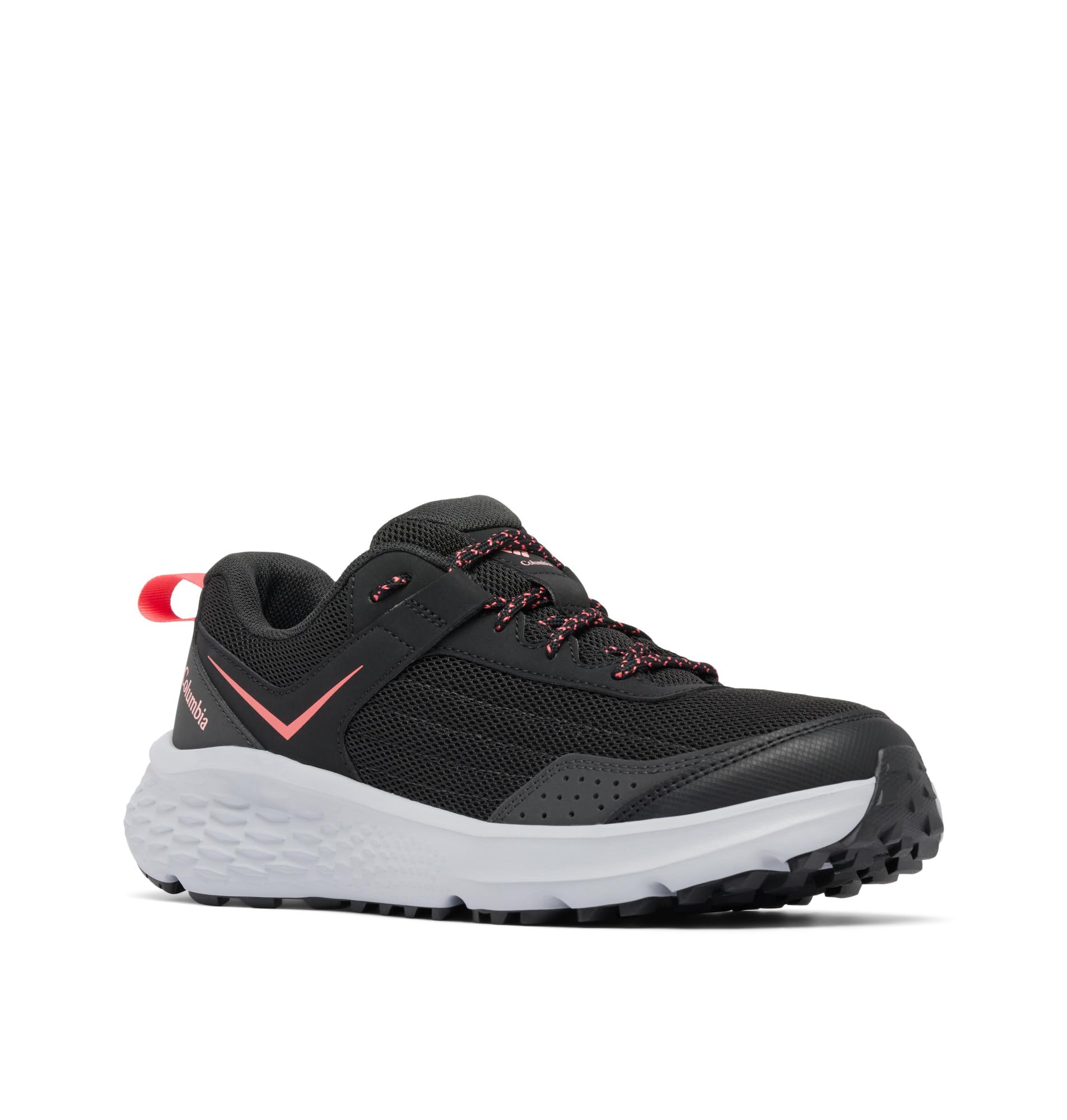
Columbia Vertisol Trail

89 /100
Traveler Score Excellent

Key details

Mid-Height
No
Waterproofing
No
Out-of-box Comfort
Yes
Check Details on Amazon

The Columbia Vertisol Trail delivers the lightest, most packable hiking footwear in this set, slipping into a daypack with room to spare. Compared to traditional mid boots like the Slider option here, it trades ankle support and weather protection for weight savings and immediate out-of-box comfort — no break-in period required.

This shoe fits day hikers and travelers who prioritize low weight and breathability over ankle stability and waterproofing. The mesh upper keeps feet cool on warm trails but soaks through in rain or wet grass, making it a dry-weather companion rather than an all-condition boot. Those who want support for uneven terrain or need to keep feet dry in damp conditions should look at the mid-height alternatives in this roundup.

💡 The open mesh design dries quickly after a stream crossing — just avoid prolonged rain if dry feet are a priority.

Pros

  • Comfortable straight out of the box
  • Weighs so little you will forget it is on your feet, ideal for fast-paced days and packing light.
  • Traction on dry trails is dependable, giving confidence on loose gravel and packed dirt.

Cons

  • Low-top design offers minimal ankle support
  • Mesh upper breathes well but soaks through quickly in rain or wet grass
Our verdict

For day hikers who value feather-light weight and immediate comfort over ankle support and weather protection, the Vertisol Trail is a smart, budget-friendly choice.

Check Latest Price
6

Day Hikers, Travelers

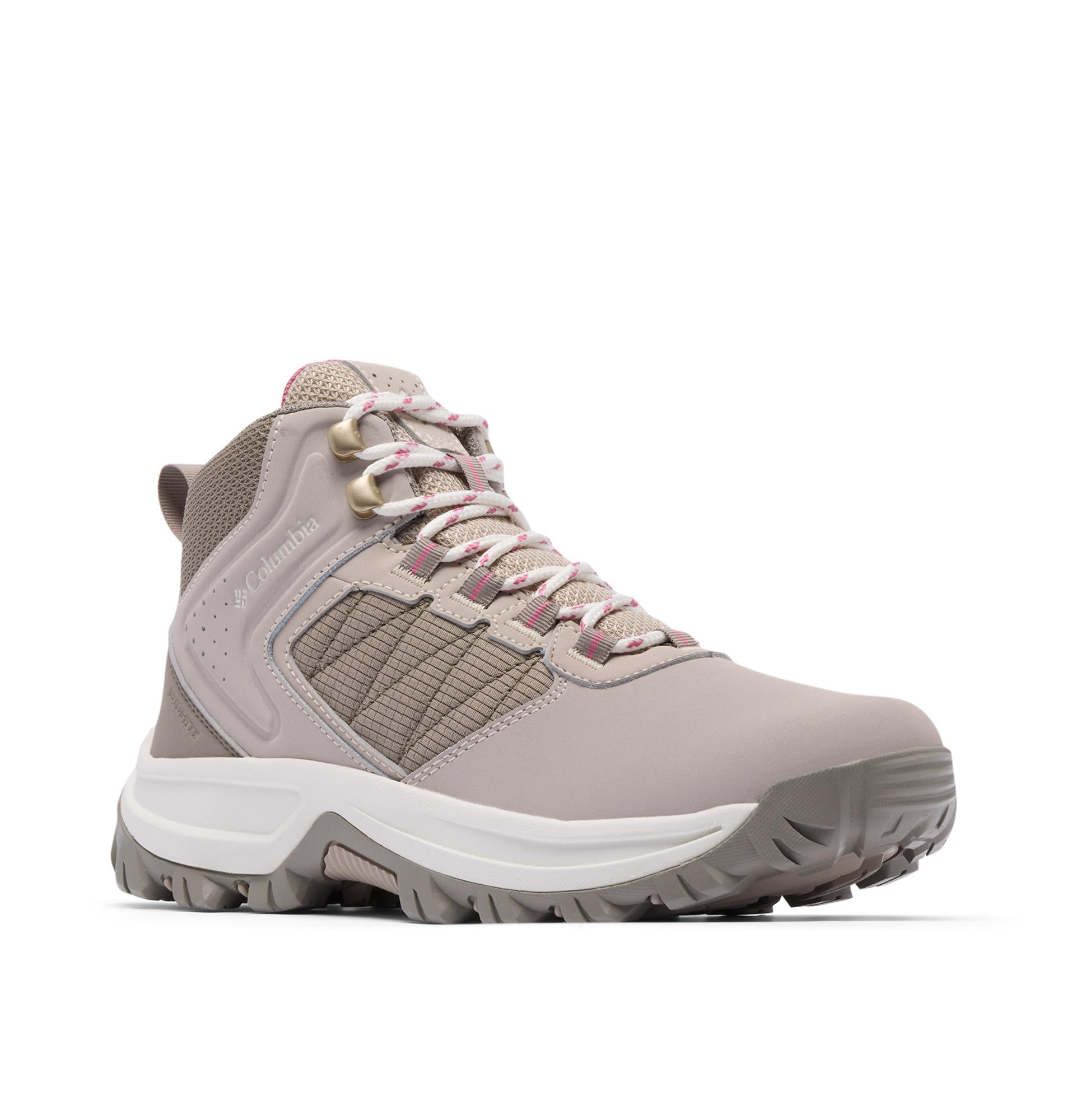
Columbia Transverse Suede

91 /100
Traveler Score Outstanding

Key details

Mid-Height
Waterproofing
Yes
Out-of-box Comfort
Yes
Check Details on Amazon

The Columbia Transverse Suede keeps feet dry through rain and puddles, and its light weight makes it comfortable from the first wear. The slim suede silhouette gives it a distinctly feminine look that works well on maintained trails and travel. The narrow fit with no wide option limits who can wear it comfortably, and some boots have shown sole separation after a few months — so this is best for occasional day hikes rather than frequent rugged use.

Pros

  • Comfortable from first wear with no break-in needed.
  • Waterproofing handles rain and puddles effectively.

Cons

  • Sole separation may occur after months of use, reducing boot lifespan.
  • Fit is narrow and no wide width option is available.
Our verdict

Suits day hikers on maintained trails who want a lightweight, feminine boot and can accept a narrow fit and average durability.

Check Latest Price
7

Occasional Hikers

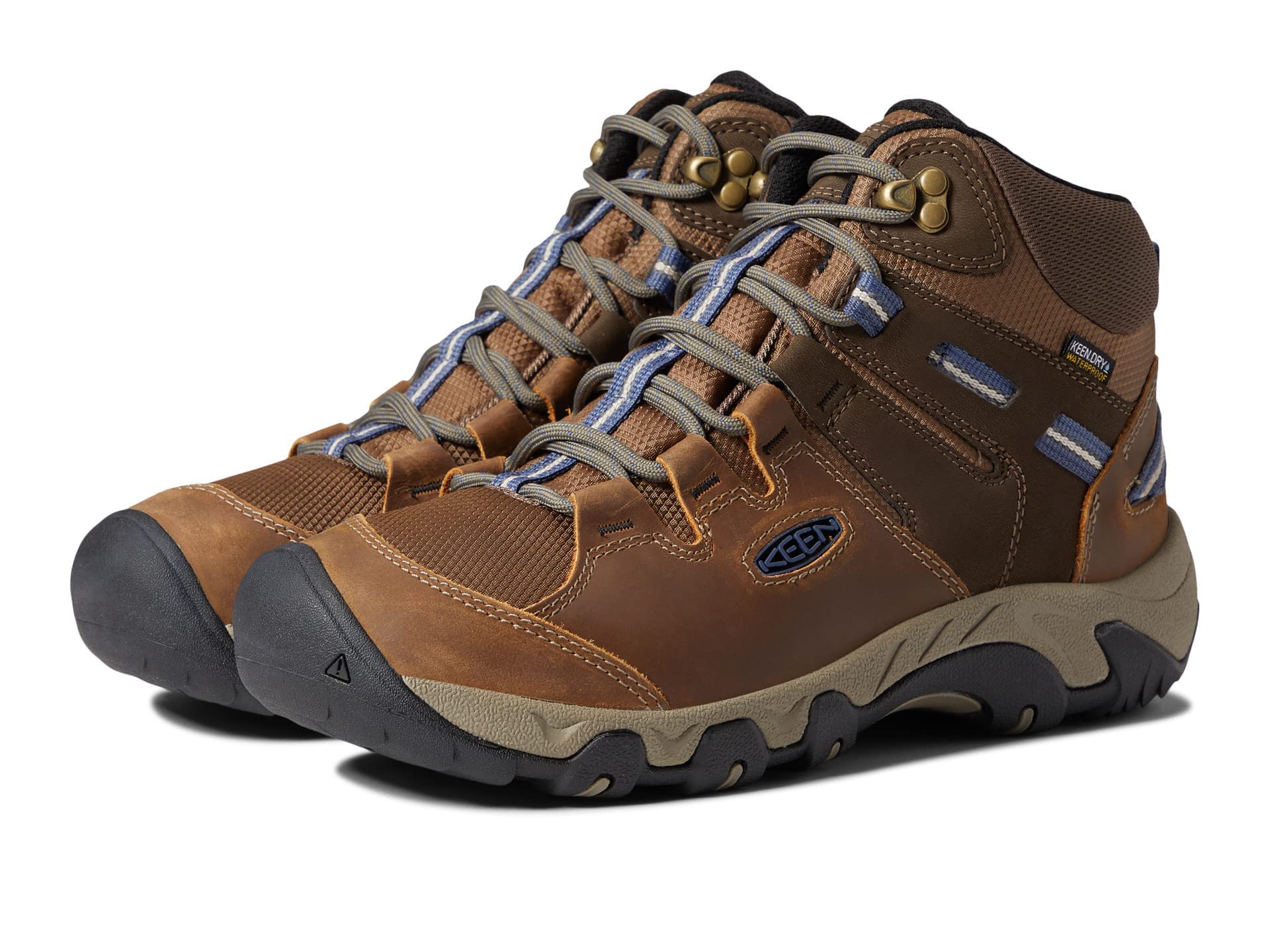
KEEN Targhee III Mid

88 /100
Traveler Score Excellent

Key details

Mid-Height
Yes
Waterproofing
Yes
Out-of-box Comfort
Yes
Check Details on Amazon

The KEEN Targhee III Mid offers immediate comfort and solid traction on wet or uneven terrain, making it a capable option for occasional day hikes on maintained trails. However, durability is a notable concern — some pairs experience sole separation or cracking within the first year of use. The fit can also be inconsistent, with some finding the boot too narrow or too large. These limitations make it better suited for short-term use or as a backup pair rather than a long-term hiking companion.

Pros

  • Very comfortable from first wear
  • Strong traction on wet and rocky terrain

Cons

  • Sole separation or cracking can develop within the first year of use
  • Fit may run narrow or large depending on the pair
Our verdict

Best suited for short-term day hikes or as a backup boot when you need comfort without long-term commitment.

Check Latest Price
8

Dry Trail Hikers

NORTIV 8 Light Ankle

90 /100
Traveler Score Outstanding

Key details

Mid-Height
Waterproofing
Claimed (poor)
Out-of-box Comfort
Yes
Check Details on Amazon

The NORTIV 8 is genuinely lightweight and comfortable right out of the box, making it a good match for warm-weather day hikes on dry trails. However, the waterproof claim is misleading – these boots offer little resistance to moisture, so feet get wet in wet grass or puddles. Sizing also varies, with some needing to size up or down. This boot works best for budget-conscious hikers who stick to dry, well-maintained paths and don't need ankle support.

Pros

  • True lightweight feel
  • Very comfortable and cushiony out of the box

Cons

  • Sizing is inconsistent
  • Waterproofing is essentially absent
Our verdict

This boot is a solid choice for dry-weather day hikes when budget and weight are top priorities – just be sure to avoid rain and wet trails.

Check Latest Price
9

Cold-Weather Hikers

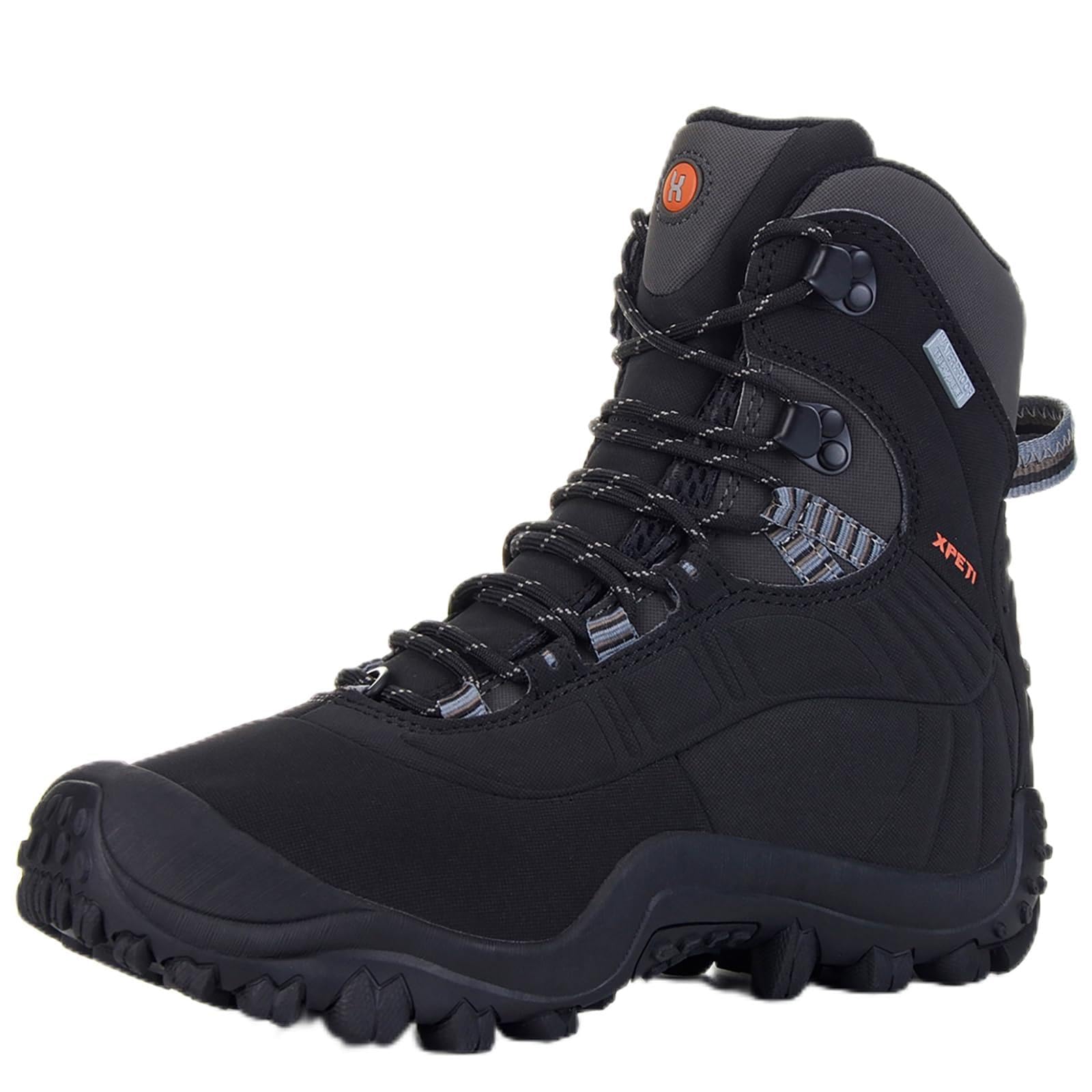
XPETI Thermator Mid

87 /100
Traveler Score Excellent

Key details

Mid-Height
Yes
Waterproofing
Yes
Out-of-box Comfort
Yes
Check Details on Amazon

The XPETI Thermator Mid offers impressive warmth and waterproofing at a budget price, making it a smart pick for cold-weather day hikes on well-maintained trails. However, its insulated design adds weight, so it is not ideal for those prioritizing lightweight boots. Sizing runs small — plan to order 1–1.5 sizes up — and durability is a compromise: the lining may bunch and soles can separate with regular use. If you need a warm, affordable boot for winter walks and can adjust sizing, it delivers solid value.

Pros

  • Very warm for cold-weather hikes
  • Comfortable support for longer walks

Cons

  • Sizing runs small; ordering 1–1.5 sizes up is necessary
  • Durability: lining may bunch and soles can separate with moderate use
Our verdict

Best for winter hikers on a budget who don't mind sizing adjustments and moderate durability.

Check Latest Price
10

Occasional Hikers

R CORD Hiking Boot

90 /100
Traveler Score Outstanding

Key details

Mid-Height
Yes
Waterproofing
Claimed
Out-of-box Comfort
Yes
Check Details on Amazon

The R CORD boot delivers impressive comfort and cushioning straight out of the box, with extra insoles and laces included for adjustability. The materials feel decent for the price, making it a tempting budget option. However, the boots are prone to accelerated wear - the sole and upper can degrade within months, so this is best treated as a short-term solution for very occasional outings like a single day hike or backup pair. Sizing may run small, so checking fit or ordering up is advisable.

💡 If between sizes, order a half size up for a better fit.

Pros

  • Cushioned comfort from first wear; suitable for light day hikes.
  • Decent build quality for the budget price point.

Cons

  • Sizing can be inconsistent - some wearers need a larger size.
  • Durability is limited; the boot may show wear after a few months of use.
Our verdict

If you only hike a few times a year and want minimal upfront cost, this boot works - just plan for a short lifespan.

Check Latest Price
11

Narrow Feet, Occasional

KEEN Siskiyou II Mid

87 /100
Traveler Score Excellent

Key details

Mid-Height
Yes
Waterproofing
Yes
Out-of-box Comfort
Yes
Check Details on Amazon

The KEEN Siskiyou II Mid offers a lightweight feel and comfort from the first wear, with water resistance that handles wet grass and light rain. However, the fit runs large for some and the toe box is narrow, so it suits narrow-footed hikers best. Durability concerns, including possible sole separation, make it more appropriate for occasional day hikes than regular use.

Pros

  • Comfortable from first wear with no break-in period needed.
  • Lightweight for a mid-height boot, reducing fatigue on short outings.

Cons

  • Fit may run large for some and the toe box is narrow, limiting options for wider feet.
  • Sole separation has been noted in some cases, affecting long-term reliability.
Our verdict

A lightweight, comfortable mid boot for women with narrow feet who only hike occasionally — especially worth considering if the price drops.

Check Latest Price
12

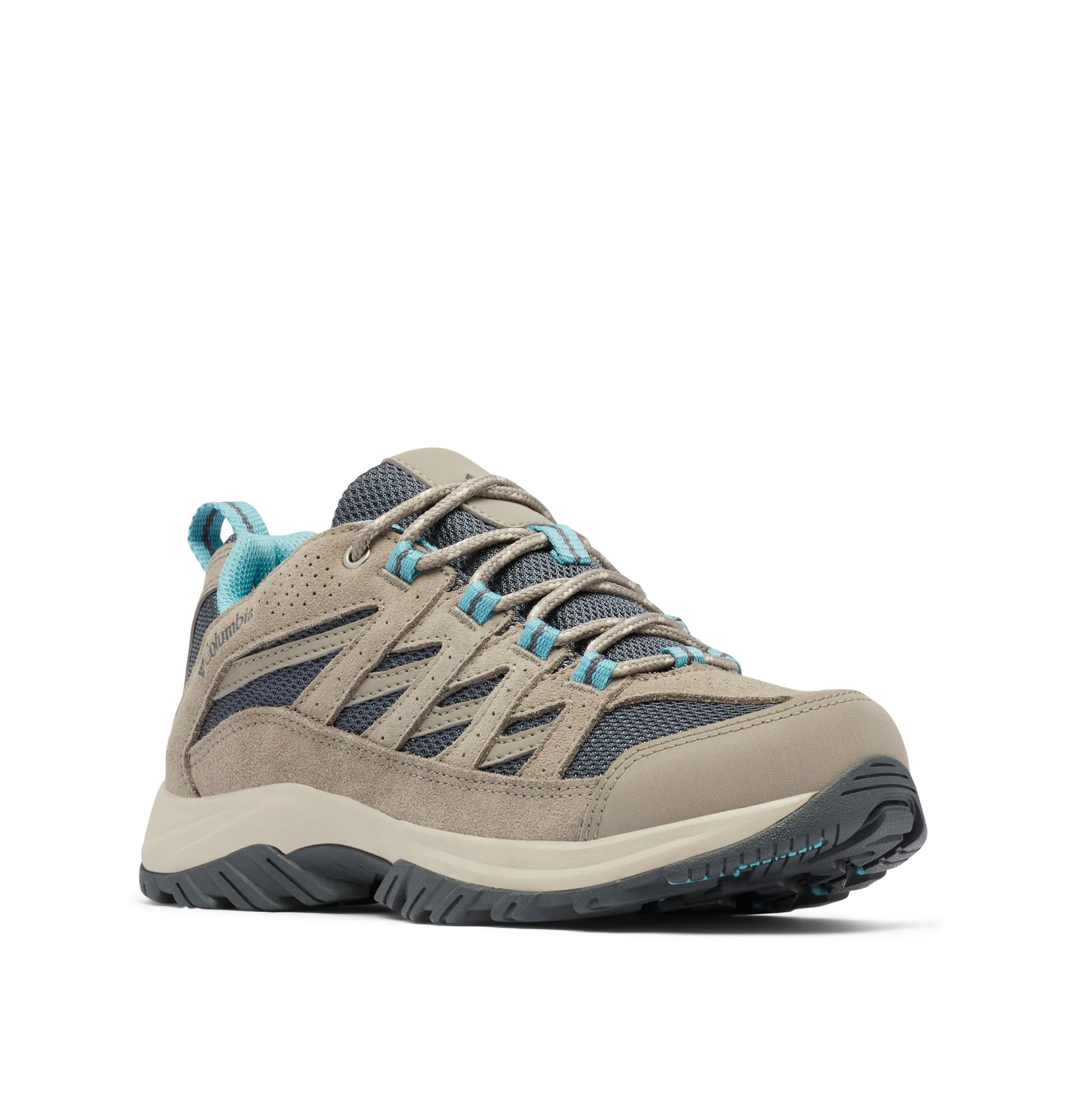
Dry-Weather Walkers

Columbia Crestwood

90 /100
Traveler Score Outstanding

Key details

Mid-Height
No
Waterproofing
Claimed (disputed)
Out-of-box Comfort
Yes
Check Details on Amazon

Columbia's Crestwood offers good cushioning and solid traction on dry dirt paths at a budget-friendly price. Its low-top design suits casual walking but provides no ankle support. The main tradeoff: the waterproof claim does not hold up — moisture seeps through in damp conditions, so treat this as a dry-weather shoe only.

Pros

  • Cushioned comfort that holds up through full day hikes.
  • Solid build quality that outlasts the price point.

Cons

  • Waterproof claim does not hold up
Our verdict

Good for budget-conscious hikers who stick to dry, well-maintained trails and don't need ankle support.

Check Latest Price

How to Choose

Weight vs Support

Every ounce you save in weight typically comes from thinner materials, less cushioning, or a lower cut. A boot under 1.5 pounds per boot will feel fast on flat trails but offers less protection against rocks and ankle twists on uneven terrain.

If your day hikes include rocky descents or stream crossings, a mid-height boot with a bit more heft provides the stability that prevents rolled ankles. For paved paths and dry single-track, a lighter shoe is perfectly fine.

Waterproofing Reality

Most budget boots use a waterproof membrane that works well in light rain but fails when submerged above the ankle or after months of wear. The difference is in the quality of the membrane and how it's sealed - a boot with a full inner bootie (like M-Select DRY) holds up longer than one with a simple spray-on coating.

A waterproof boot also traps heat and moisture inside, making your feet sweat on warm days. For consistent wet conditions, accept the trade-off. For mostly dry trails, a non-waterproof shoe breathes better and dries faster.

Mid-Height Ankle Support

Mid-height boots wrap the ankle with rigid material that limits lateral movement. This protects against rolls but also reduces flexibility when scrambling over boulders or walking on flat ground. The collar height should extend at least one inch above your ankle bone to be effective.

Low-top hiking shoes offer no ankle support - they rely on your own strength. If you have weak ankles or carry a pack, a mid-height boot is worth the extra weight.

Out-of-Box Comfort

Boots that claim no break-in period use softer materials and more padding. This feels great on the first hike but can compress faster, leading to sore spots six months later. Stiffer boots last longer but require a careful break-in process of short walks.

The sweet spot is a boot that feels 80% comfortable out of box and stiffens only where needed (heel cup and toe bumper). Avoid anything that causes immediate pressure points - those rarely go away.

Traction on Trails

The rubber compound and lug pattern determine grip. Soft rubber grips wet rock well but wears quickly on pavement. Harder rubber lasts longer but slides on slick surfaces. For well-maintained trails, a moderate compound (hardness 60-65 Shore A) strikes the best balance.

Look for lugs that are at least 4mm deep and spaced widely enough to shed mud. Boots with a pronounced heel brake help on steep descents.

Frequently Asked Questions