Best Full-Frame Travel Cameras of 2026

The best full-frame travel camera has to solve a conflict: full-frame image quality usually comes with bulk, short battery life, or controls that demand two hands and a quiet moment. On a trip, that's a problem—you're shooting through a bus window, chasing a kid down a street, or grabbing a blue-hour shot before dinner. The right camera disappears into a day bag, wakes up fast, locks focus without fuss, and still gives you files with enough dynamic range and clean detail to edit later. Over nine months, our team put six full-frame travel cameras through trips to find the ones that earn a place in the bag.

What surprised me wasn't the spec sheet; it was how often frustrations—a battery that quits before afternoon, menus that fight you in the cold, autofocus that hunts in a dim restaurant—cost more shots than a slightly softer lens. Value matters too: the best pick isn't the cheapest or the most capable, but the one whose picture quality, autofocus, and performance justify what it asks you to carry and spend.

1

Best Overall

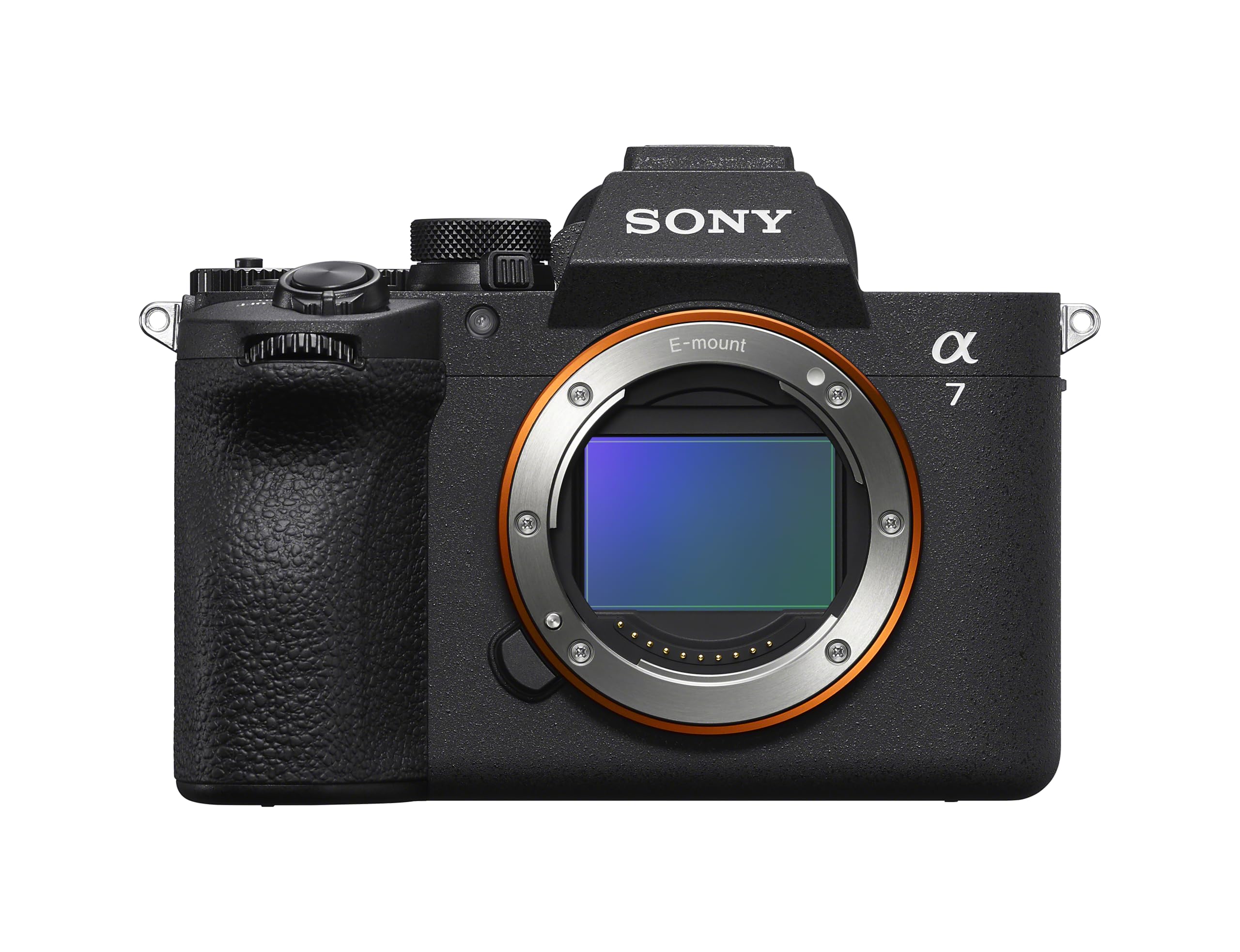
Sony Alpha 7 IV

92 /100
Traveler Score Outstanding

Key details

Video
4K 60p 10-bit 4:2:2
Sensor
33MP full-frame CMOS
Card Slots
2 (CFexpress Type A / SD)
Continuous Shooting
10 fps
Check Details on Amazon

Thirty-three megapixels, in-body stabilization, and 4K at 60p for well under what the a7 V asks: that arithmetic is why the a7 IV is the camera we hand to most people planning a serious trip. The back-illuminated 33MP sensor gives you room to crop a crowded market scene or a distant ridgeline and still hold a file worth printing, which is exactly what you need when one zoom has to do the work of three primes.

The autofocus is what settled it. Real-time Eye AF keeps a face locked while someone walks toward you through a crowd, and the hybrid phase-detect system picks up in dim interiors where contrast-based systems start hunting. Handling is quietly good as well: the grip is deep enough to balance a zoom one-handed, and the two slots take different card types, CFexpress Type A in one and SD in the other, so you can mirror a day's shooting onto a card you already own instead of buying a matched pair.

Video separates it from the cheaper picks. That is 4K at up to 60p in 10-bit 4:2:2 with full pixel readout, 7K oversampling at 30p, and the S-Cinetone profile for color that needs less work on a laptop in a hotel room. It is the rare travel body where we did not feel we were giving something up by leaving the second camera at home.

One caveat we cannot wave away: the camera can lock up mid-session and need the battery pulled before it comes back. It does not happen on every body, and plenty of trips pass without a hiccup, but a charged spare and a formatted second card turn a dead afternoon into a thirty-second reset. If your travel is mostly stills of things that stand still, treat it as a footnote; if you are being paid to come home with the shot, weigh it.

Pros

  • 33MP leaves real cropping room
  • Real-time Eye AF holds moving subjects
  • Two slots, two card types for backups
  • 4K 60p 10-bit 4:2:2 video

Cons

  • Screen tilts but will not face you
Our verdict

We recommend the a7 IV to anyone who wants one full-frame body that handles landscapes, low light, and 4K video without a second camera in the bag.

Check Latest Price
2

Best Value

Canon EOS RP Kit

90 /100
Traveler Score Outstanding

Key details

Sensor
26.2MP full-frame CMOS
Kit Lens
24-105mm f/4-7.1 IS STM
Body Weight
16 oz
Continuous Shooting
5 fps
Check Details on Amazon

Twenty-four to 105 millimeters in one lens, with five stops of stabilization built into the glass, is the reason this kit works for travel. A wide plaza at the short end, a face across a table at the long end, and, the detail that surprised us, half-size close-ups from about five inches in the center-focus macro mode. That last one is how you end up photographing tilework, pastries, and flower stalls without ever changing lenses. The body itself is 16 ounces, the lightest here.

Twenty-six megapixels does not sound like much beside the 33MP Sonys, and it is not, but the files are smaller, the cards go further, and the color coming out of the DIGIC 8 processor needs very little coaxing. The three-inch screen articulates fully, which matters more than any line in a specification list when you are shooting over a crowd or down at a low angle, and Dual Pixel autofocus puts thousands of selectable points across a wide spread of the frame.

What you give up is speed and redundancy. Five frames per second is the slowest burst in this group, and a single SD slot means no in-camera backup, so on a long trip we pair it with a spare card and download every night. Neither limit reaches a traveler photographing buildings, landscapes, and people who hold still, which is most of what a first full-frame kit gets pointed at anyway.

Pros

  • One lens covers 24-105mm
  • Half-size macro from the kit zoom
  • Lightest body in this group
  • Fully articulating touchscreen

Cons

  • Single card slot, no in-camera backup
  • 5 fps is the slowest burst here
Our verdict

A first full-frame camera and a one-lens travel kit for the least money: that is the RP's case, and it makes it well.

Check Latest Price
3

Best Body for the Money

Nikon Z 5

89 /100
Traveler Score Excellent

Key details

Sensor
24.3MP full-frame CMOS
Card Slots
2
Body Weight
1.3 lb
Stabilization
5-axis in-body
Check Details on Amazon

Four and a half frames per second is the slowest burst here and 24.3 megapixels is the least resolution in this group, and neither has once made us put the Z 5 down. It is the least expensive body on this page, and the money you do not spend on it goes into the lens, which is what actually determines how your pictures look. Add five-axis in-body stabilization, which steadies any glass you mount, and you have the most sensible first full-frame camera for a stills-first traveler.

The stabilization is the part we leaned on. It lets you handhold at shutter speeds that would otherwise need a tripod, so a blue-hour street or a dim museum stays sharp without hauling legs around a city. Eye detection finds people, dogs, and cats and tracks them around the frame, the 3.2-inch tilting touchscreen is fine for waist-level work, and USB power delivery means the camera runs from a battery pack or charges in a car, which is the sort of thing that saves a road trip.

Two card slots at this price is unusual and welcome, because it lets you back up every frame as you shoot. The compromise is the box: there is no lens in it, so budget for glass before you compare totals with the Canon kit. And 4.5 fps will not follow a running dog into the surf. If that is your trip, look further up this list.

Pros

  • 5-axis stabilization in the body
  • Two card slots at a budget price
  • USB power delivery for travel charging
  • Eye detection for people and pets

Cons

  • Body only, no lens in the box
  • 4.5 fps limits fast action
Our verdict

The Z 5 is the sensible stills-first buy: stabilized, twin-slotted, and cheap enough to leave real budget for the lens that matters.

Check Latest Price
4

Best for Video

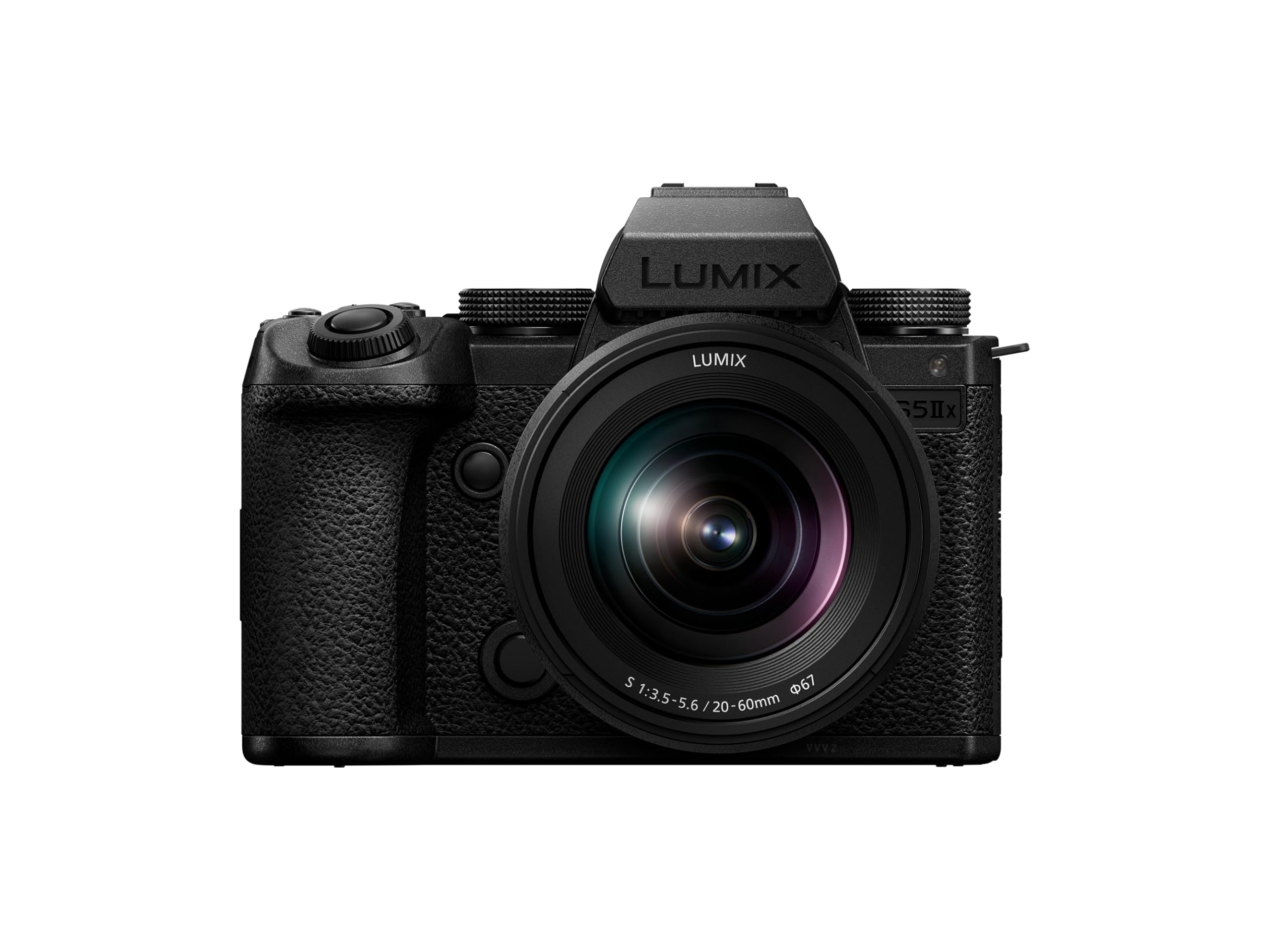
LUMIX S5IIX Kit

88 /100
Traveler Score Excellent

Key details

Video
6K, unlimited recording
Sensor
24.2MP full-frame CMOS
Kit Lens
20-60mm f/3.5-5.6
Body Weight
1.63 lb
Check Details on Amazon

Unlimited recording is the headline. A small internal fan and a heat sink mean the S5IIX keeps shooting 6K until the card fills or the battery runs out, rather than stopping at a timer. For a traveler who wants clips between the stills, that changes how you work, because you can leave it running through a market without watching a countdown in the corner of the screen.

Phase Hybrid autofocus is the reason this camera made the list at all. Contrast-based autofocus was the weak spot of earlier Panasonic bodies we have used, and the phase-detect array here, with subject detection and metering that hangs on through backlight, fixes it. The 20-60mm kit lens starts wider than anything else in this group, a real advantage in temples, alleys, and small hotel rooms.

For stills it is the more modest choice at 24.2 megapixels and 9 fps, and you can feel the video priority in features like Real Time LUT, which bakes a look into the file instead of into an editing session. V-Log with 14+ stops of dynamic range, plus Active I.S. that steadies walking shots, rounds out the case. Shoot seventy percent stills and the Sonys are better balanced; shoot both in equal measure and this is the body we take.

Pros

  • Unlimited 6K recording with internal fan
  • Phase Hybrid autofocus with subject detection
  • 20-60mm kit starts wider than the rest
  • Active I.S. for walking video

Cons

  • 24MP and 9 fps are modest for stills
Our verdict

If your trips produce as much video as stills, the S5IIX is the pick: unlimited 6K, a fan that keeps it going, and phase-detect focus that behaves.

Check Latest Price
5

Best for Action

Sony Alpha 7 V

89 /100
Traveler Score Excellent

Key details

Sensor
33MP partially stacked CMOS
Body Weight
1.4 lb
Stabilization
Up to 7.5 stops
Continuous Shooting
30 fps
Check Details on Amazon

Thirty frames per second, a partially stacked sensor that reads out roughly four and a half times faster than the a7 IV's, and AI subject recognition that Sony rates about 30 percent better at reading a human pose. The a7 V is built for the trip where something is moving and you get one pass at it.

In the hand that meant birds lifting off a headland, a horse rounding a bend, a kid sprinting across a lawn: subjects where the previous generation's hit rate was good and this one's is better. Pre-capture buffers frames before you press the shutter, which is the single most useful thing on this camera for wildlife, and the shutter runs to 1/16000, fast enough to hold a wide aperture open in full sun. Stabilization is rated to 7.5 stops at the center of the frame, and the 3.2-inch screen articulates fully.

Whether you should pay for all that depends on how much of your travel involves movement. For architecture, markets, and landscapes the a7 IV does the same job at the same 33MP for a lot less money, and it is the better value of the two. The a7 V earns its price when the holiday is about wildlife, sport, or children who will not sit still, which is a narrower brief than the price tag suggests.

Pros

  • 30 fps with pre-capture buffering
  • AI recognition for people, animals, birds
  • Up to 7.5 stops of stabilization
  • Fully articulating 3.2-inch screen

Cons

  • The most expensive camera here
  • Body only, so budget for a lens
Our verdict

Worth the premium when the trip involves movement: for wildlife, sport, and fast family, its 30 fps and pre-capture are the strongest combination here.

Check Latest Price
6

Social Shooting

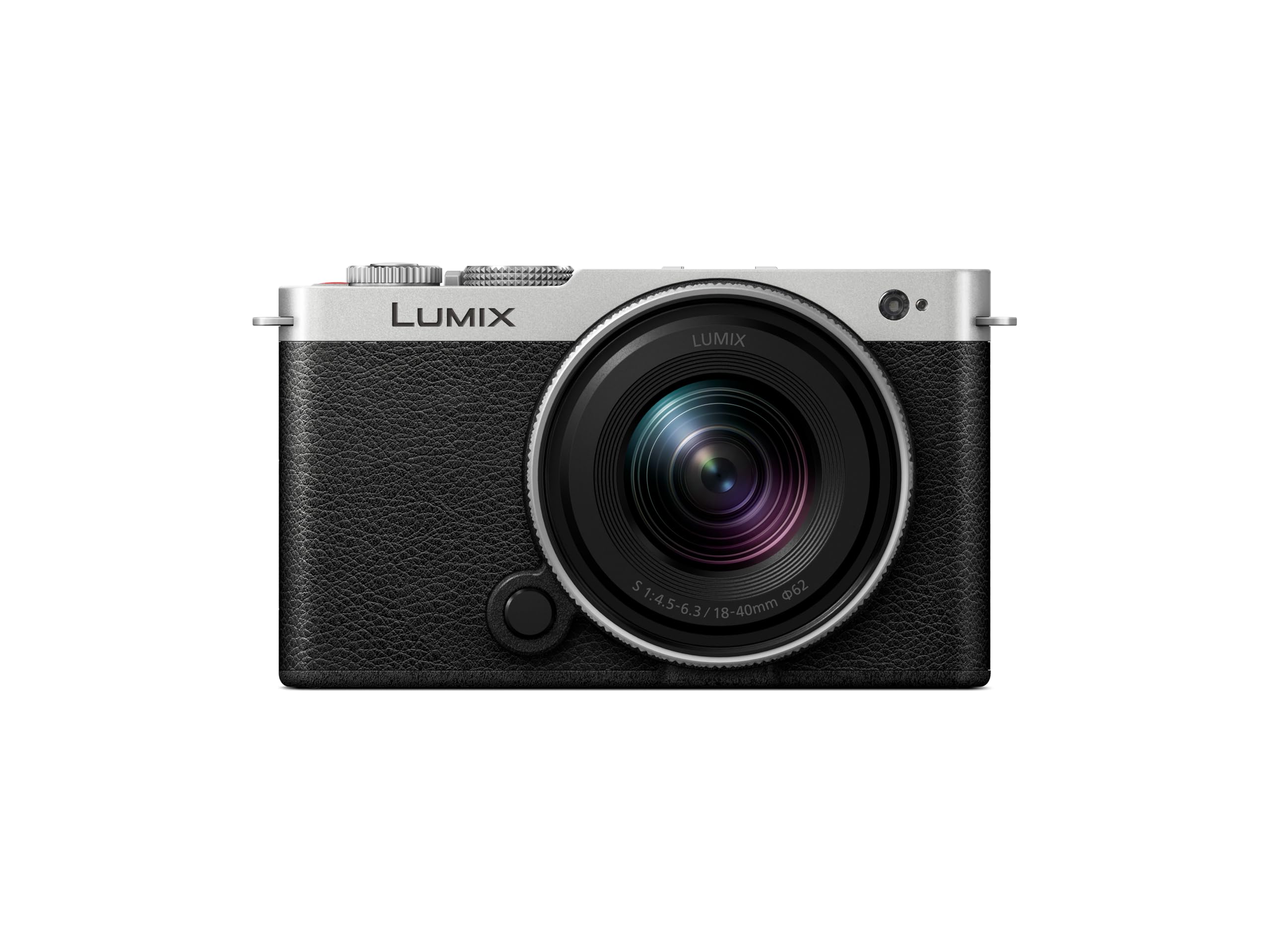
LUMIX S9 Kit

78 /100
Traveler Score Very Good

Key details

Video
6K open gate
Sensor
24.2MP full-frame CMOS
Kit Lens
18-40mm f/4.5-6.3
Continuous Shooting
30 fps
Check Details on Amazon

The S9 is built as a compact travel body, and it is the one camera here that clearly wants to be a phone accessory. LUMIX Lab pushes files straight across over Wi-Fi, and there is a dedicated control for applying a LUT in camera rather than in an app afterwards. Paired with the 18-40mm kit lens it makes a small full-frame setup for street corners and market stalls.

Open gate is the quietly great part. The sensor reads its full area and lets you pull a vertical and a horizontal crop from the same clip, so one take serves a feed post, a story, and a widescreen edit. That is the argument for it: you stop composing twice for two different platforms.

Focus is where it stumbles. The autofocus is depth-from-defocus, contrast-based, and the only system here without phase detection, so it can lose a subject that moves and hunt when the light drops. For a traveler shooting stills on the street and posting from the hotel room, that is liveable. For anything that moves, spend more.

Pros

  • Open gate gives vertical and horizontal from one clip
  • In-camera LUT control and Wi-Fi transfer
  • 30 fps continuous shooting

Cons

  • Kit zoom stops at 40mm
Our verdict

A compact, social-first full-frame that thrives on street stills and quick clips, provided you can live without phase-detect focus.

Check Latest Price

How We Tested Full-Frame Travel Cameras

We started with a shortlist of full-frame cameras that could plausibly travel: compact enough for a day bag, supported by a sensible lens lineup, and priced against what they deliver. From that research, we narrowed to six cameras and spent nine months using them as our main cameras rather than bench-testing them. Each one went on weekend city walks and a weeklong trip, and it came along to hikes, family gatherings, and low-light dinners. We carried them in shoulder bags and daypacks, pulled them out one-handed, and let friends and family shoot a few frames too.

Autofocus got the hardest work: we tracked a dog running toward the camera, photographed kids crossing a playground, and shot street scenes at dusk to see if it grabbed faces or hunted. For image quality, we opened raw files in editing software and compared detail at high ISO, shadow recovery, color, and how much cropping the files could take. We also noted startup speed, burst clearance, and whether the camera felt responsive when we raised it to our eye. Build quality got checked the unglamorous way—bumping around in bags, changing lenses outdoors, and working dials and buttons with cold or slightly wet hands.

Battery life was tracked from a full charge each day; we logged how many shots we took, whether the camera died before dinner, and how often we reached for a spare. Controls and usability were judged while moving: changing ISO, exposure compensation, and autofocus points without taking our eye from the viewfinder, and handing the camera to someone who had never used it. Finally, we weighed each camera's picture quality, autofocus hit rate, battery endurance, and handling against its asking price—because value here means the shots you get without fighting the camera, not the longest feature list.

How to Choose Full-Frame Travel Cameras

Weigh the Whole Kit, Not the Body

Body weight is what the listing leads with, but the lens is what you feel by hour six. The Canon RP kit's 24-105mm covers a wide plaza and a tight portrait in one barrel; the S5IIX's 20-60mm goes noticeably wider and gives up the long end; the S9's 18-40mm buys a small package and a lot of cropping. Pick the range you need first, then find a body that balances it.

One trap: a listing that calls a camera compact is describing the body. The lens still has to fit the sling you own, so check the mounted length before you commit.

Decide How Much Resolution You Need

Twenty-four to twenty-six megapixels is plenty for screens and for prints, and the smaller files are a genuine travel convenience: more shots per card, faster transfers to a phone or tablet, less storage when you get home. The 33MP bodies here, both Sonys, buy cropping room instead, which is how you turn a 105mm frame into something that looks like 150mm.

If you rarely crop and never print large, that resolution is money and card space you can move into a better lens.

Stabilization: In the Body or in the Glass

In-body stabilization steadies every lens you mount, including small primes and older manual glass, and it is a large part of why the Nikon Z 5 is such good value. Lens-based stabilization, like the five stops built into the Canon RP's kit zoom, does the same job for that one lens and nothing else. If you plan to buy one stabilized zoom and stop, either arrangement works.

If you like fast primes for evening streets, pay for the body-based system. For video shot while walking, Panasonic's Active I.S. is the most convincing of this group.

Match the Autofocus to Your Subjects

Phase-detection autofocus, which the Sony, Nikon, and Panasonic S5IIX bodies use, reads distance directly and holds a moving subject better. Contrast-based systems, like the depth-from-defocus setup in the S9, are accurate on still subjects and quicker to hunt once the light drops or someone runs across the frame.

Subject recognition matters more than the point count in a specification list: eye detection for people, dogs, and cats on the Z 5, AI pose recognition on the a7 V. Shoot mostly architecture and landscapes and this is the least consequential choice on the page.

Frequently Asked Questions

Final Verdict

The Sony a7 IV is the camera we recommend to most travelers: 33 megapixels, in-body stabilization, confident eye autofocus, and 4K at 60p in a body that does not force you to choose between stills and video.

Two requirements change that answer. If the budget is the constraint, the Canon EOS RP kit covers 24-105mm in one lens and remains the smallest outlay for a complete full-frame travel bag. If video is the reason for the trip, the LUMIX S5IIX records 6K without a time limit. And if wildlife or action is the point, the a7 V's 30 fps and pre-capture are worth the premium.