9 Best Emergency Sleeping Bag of 2026: Stay Warm Without the Condensation

Find the right emergency sleeping bag for travel, hiking, or car kits — one that reflects heat reliably without trapping dampness.

Emergency sleeping bags all claim 90% heat reflection, but the real difference shows after a few hours. Condensation builds up inside thin mylar, leaving you damp and cold. Most buyers discover this only after sleeping in one, and it's a problem that cheap foil bags don't fix.

Thicker materials and hooded designs retain heat but trap more moisture, so the trade-off is between warmth and dryness. The best bags use reinforced seams and slightly thicker mylar that resists tearing and reduces condensation — a balance that budget options often miss.

Whether you are stashing one in a daypack or building a car emergency kit, the right choice depends on how often you plan to use it. This guide cuts through the marketing to highlight the bags that actually manage the moisture trade-off, so you stay warm without waking up damp.

1

Best Overall

Go Time Gear Life Bivy

93 /100
Traveler Score Outstanding

Key details

Extras
Whistle, 20ft paracord
Durability
PE, seam tear reports
Size Coverage
84 x 36 in
Heat Retention
90% reflected
Check Details on Amazon

The Life Bivy delivers on its 90% heat retention claim, keeping users warm in conditions that would otherwise demand a heavier bag. The reflective interior holds body heat effectively, and the lightweight polyethylene material makes it a practical addition to any day pack or emergency kit.

In real-world use, the mylar surface can tear if snagged on rocks or branches, and moisture from breath may collect inside during nights of continuous use. These are inherent tradeoffs of a sub-5-ounce shelter, not design flaws.

This bivvy is best for hikers, campers, and preppers who want a single, reliable emergency bag they can count on in a pinch. If you plan to sleep in it routinely, the tearing risk on rough ground and condensation buildup are worth noting — but for occasional use or as a backup, the warmth-to-weight ratio is hard to beat.

The included 120dB whistle and 20ft paracord add genuine utility beyond the bag itself. Unlike cheaper two-packs that skimp on extras, this package gives you a signaling tool and shelter-building cord without adding bulk.

💡 To reduce condensation risk, leave the top slightly open for ventilation; avoid laying the bag directly on abrasive surfaces.

Pros

  • Reflects 90% of body heat, providing noticeable warmth in cold conditions.
  • Weighs only 4.1 oz and compresses small for easy pack carry.
  • Comes with a loud 120dB whistle and 20ft paracord for signaling and shelter.
  • Build quality feels durable for its weight class, with attention to seam construction.

Cons

  • During extended overnight use, moisture from breath can collect inside the bag.
  • The mylar material can tear if pulled over sharp rocks or rough ground.
Our verdict

For anyone needing a single, well-rounded emergency bivvy that balances warmth, weight, and extras, this is the most straightforward recommendation in the category.

Check Latest Price
2

Best Budget 2-Pack

Leberna 2-Pack Bivy

94 /100
Traveler Score Outstanding

Key details

Extras
Drawstring hood
Durability
Mylar, inconsistent tear
Size Coverage
84 x 36 in
Heat Retention
90% claimed
Check Details on Amazon

The Leberna 2-Pack Bivy stands out for its exceptional value — two hooded mylar bags at a price that undercuts most single-bag options. While the top-pick Go Time Gear Life Bivy includes extras like a whistle and paracord, the Leberna focuses on the essentials: a drawstring hood that traps heat and a compact pack size that fits in a glove compartment.

This kit suits budget-conscious emergency kit builders who need multiple bags for car kits or day packs. The thin mylar means it's best kept away from rough surfaces — a sleeping pad or liner helps protect it from tears. For sub-freezing conditions, layering with a sleeping bag or extra clothing is advisable to stay warm.

The bags measure 84 by 36 inches, covering most adults adequately. The drawstring hood seals well in still air, though condensation can build up during overnight use in humid environments. At 2.8 ounces each, they pack down to a size that disappears into a daypack or glovebox, making them a practical backup for hikers.

💡 To reduce tear risk, repack the bag loosely and avoid sharp creases along folds.

Pros

  • Consistent performance in emergency kits
  • Ultra-light at 2.8 oz per bag
  • Priced to outfit multiple kits

Cons

  • When contacting rough surfaces or during repacking, the thin mylar can tear
  • In sub-freezing conditions without additional insulation, warmth may not be sufficient.
Our verdict

For those building emergency kits on a budget, the Leberna 2-pack offers a practical way to cover multiple vehicles or bags without overspending.

Check Latest Price
3

Most Feature-Rich

Survival Frog Tact Bivvy 2.0

92 /100
Traveler Score Outstanding

Key details

Extras
Para-tinder, whistle, carabiner
Durability
HeatEcho, tear reports
Size Coverage
84 x 36 in
Heat Retention
90% +20°F
Check Details on Amazon

The para-tinder drawstring is a genuinely useful addition — simply pull out a strand and spark it to start a fire. This feature, combined with the reflective HeatEcho material that lifts internal temperature by 20°F, gives the bivvy a clear role in emergency kits where warmth and ignition are both priorities. At 4.8 ounces and packing down smaller than a soda can, it fits easily into any day pack. The included survival whistle and carabiner add to the kit's readiness, though the focus remains on the fire-starting drawstring.

The Tact Bivvy targets ultralight backpackers and preppers who value having fire-starting ability built into their shelter kit. However, the material is thin and can tear when used over rough ground or with heavy gear — something to account for if you expect repeated use. Those needing a bag that stands up to regular camping trips may want a thicker option, like the top pick, which balances durability with a broader feature set.

💡 Store the bivvy in a protective pouch or inside your pack to avoid punctures from sharp gear.

Pros

  • Para-tinder drawstring enables fire-starting without carrying separate tinder.
  • Reflective material retains heat effectively, boosting warmth by 20°F.
  • Ultra-compact and lightweight at 4.8 oz, packs small.

Cons

  • Single-bag price may be higher than multi-pack alternatives, reducing value for bulk buyers.
  • Tears may occur on abrasive surfaces due to the thin material
Our verdict

Buy this if you need an emergency bivvy that doubles as a fire starter for ultralight trips; choose the top pick if durability and multi-pack value matter more.

Check Latest Price
4

Best with Built-In Hood

DDITW Hooded Bivy Sack

94 /100
Traveler Score Outstanding

Key details

Extras
Built-in hood, camo
Durability
Extra-thick mylar
Size Coverage
84 x 36 in
Heat Retention
90% + hood
Check Details on Amazon

The DDITW bag stands out from the top pick by adding a sewn-in hood that retains more heat around your head and using thicker mylar that resists tearing better than standard emergency bags.

This design is best for overnight campers in cold, dry climates who want to keep their head warm without sacrificing too much packability. The hood does increase condensation inside, especially in humid conditions or when fully sealed.

While the thicker material improves durability, it is still mylar — some users have noted tears along seams or from sharp objects. Treat it as an emergency backup rather than a rugged bivy sack.

💡 Crack the hood slightly for ventilation to reduce condensation buildup.

Pros

  • Built-in hood retains up to 10% more body heat
  • Extra thick mylar resists tears better than standard bags
  • Effective warmth for its weight

Cons

  • Condensation can build up inside when hood is fully sealed
  • Occasional tearing can still occur despite thicker material
Our verdict

For campers who sleep cold and value head warmth, this hooded design is a practical upgrade over standard mylar bags — especially in dry conditions.

Check Latest Price
5

Best for Larger Frames

Ironstripe XL 2-Pack Bivy

91 /100
Traveler Score Outstanding

Key details

Extras
Whistle, hood
Durability
Polyester/Mylar, seam concerns
Size Coverage
94.5 x 49.2 in XL
Heat Retention
90% reflected
Check Details on Amazon

The Ironstripe XL Bivy Sack stands out for its generous dimensions — 94.5 inches of length fits campers up to 7 feet comfortably, and the 49.2-inch width provides shoulder room that standard bivvies lack. The integrated hood and built-in whistle add useful utility for emergency situations. This is a notable advantage over the other XL option in this comparison, which has fewer reviews and unproven long-term durability.

This bivvy is best for tall individuals or those who want extra space for car camping and emergency kits. The polyester/mylar construction feels more robust than budget mylar blankets, but the material does produce a noticeable crinkling sound that may disturb light sleepers. At 15.5 ounces total for the two-bag set, it is heavier than standard single-bag models, so it is not suited for ultralight backpacking. Seam separation has been noted in some cases, particularly with repeated folding and rough handling.

💡 Pack the bag by rolling rather than stuffing to reduce stress on the seams and minimize crease-related wear.

Pros

  • XL dimensions accommodate taller users and allow extra room for layering or tossing.
  • Build quality feels sturdier than typical mylar bags, with thicker material that resists punctures better.
  • Each bag includes a built-in hood and an emergency whistle for added safety.
  • Despite its size, the 2-pack remains light enough for car camping kits and grab-and-go storage.

Cons

  • The mylar material produces a crinkling sound that can be distracting in quiet environments.
  • Seam durability may be a weak point if the bag is packed or unfolded aggressively.
  • Heavier than single-bag emergency shelters, making it less practical for ultralight hikers.
Our verdict

For tall campers or anyone prioritizing room over minimal weight, the Ironstripe XL delivers good coverage and thoughtful extras at a fair price — just plan for the noise and handle it gently.

Check Latest Price
6

Day Hikers

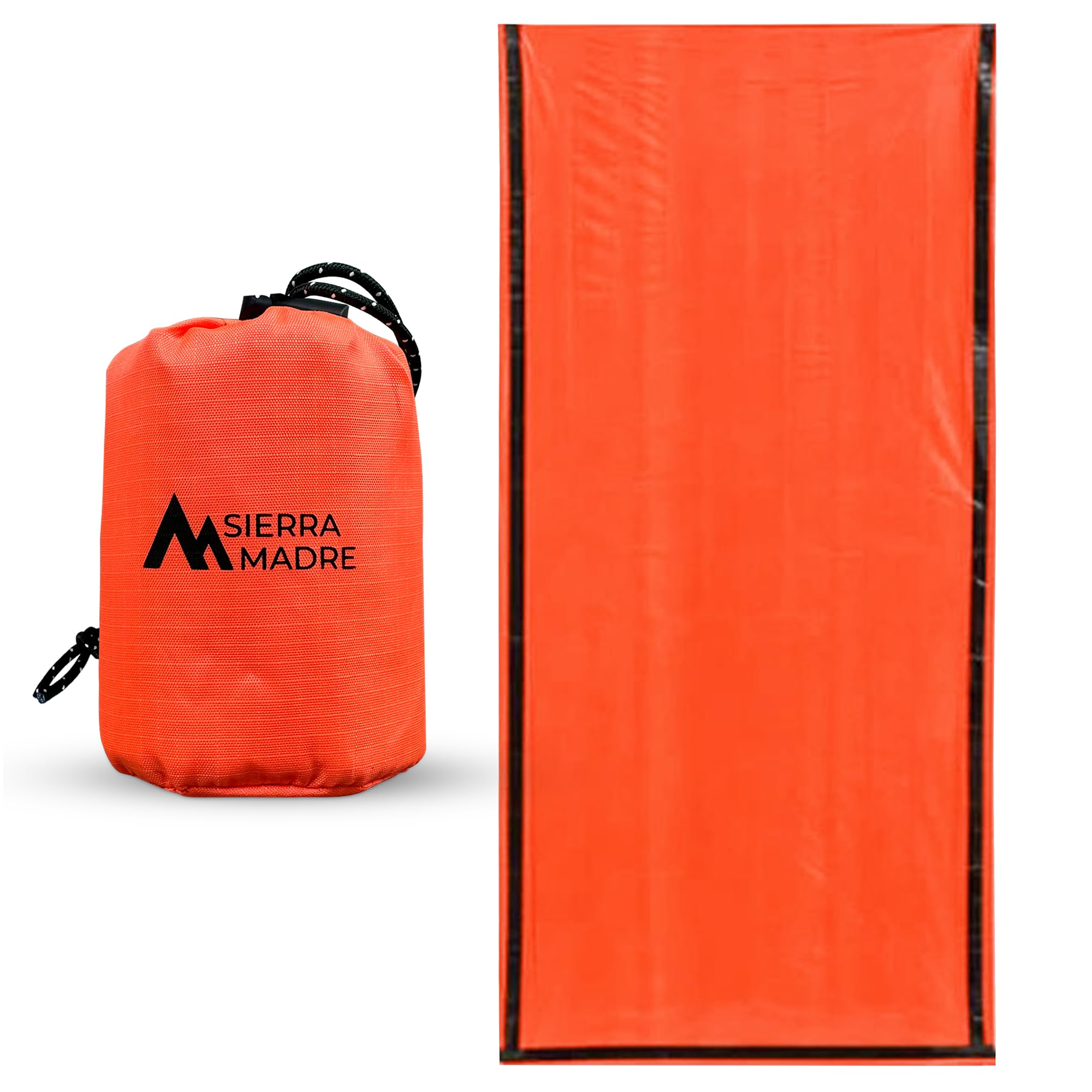
Sierra Madre Thermal Bivy

92 /100
Traveler Score Outstanding

Key details

Extras
None
Durability
PP/PET, puncture risk
Size Coverage
84 x 36 in
Heat Retention
90% claimed
Check Details on Amazon

Weighing just 6 ounces and packing down to palm size, this bivy sack delivers a strong warmth-to-weight ratio for solo day hikers and ultralight backpackers. The polypropylene/PET material feels sturdier than basic mylar blankets, and users report effective heat reflection in moderate cold. However, this single-bag design offers no room for groups, and the thin material can puncture when snagged on rocks or brush – a tradeoff for the low weight. It also lacks the built-in whistle and paracord of the top pick, making it a focused, no-frills emergency layer rather than a multi-tool survival kit.

Pros

  • Excellent warmth-to-weight ratio retains 90% body heat in moderate cold.
  • Compact and easy to pack
  • Good build quality for the price

Cons

  • Material can puncture if snagged on sharp objects like rocks or branches.
Our verdict

Best for solo hikers who prioritize light weight and compact packing over multi-person coverage and extra survival tools.

Check Latest Price
7

Budget Preppers

Esky 2-Pack with Compass

92 /100
Traveler Score Outstanding

Key details

Extras
Compass, whistle
Durability
Nylon/Mylar, tear reports
Size Coverage
84 x 36 in
Heat Retention
90% claimed
Check Details on Amazon

This two-pack offers an affordable way to equip a car kit or daypack with a thermal bivy sack, plus a compass and whistle as extras. The bag is compact and retains heat well for short-term emergency use. However, the included compass can be inaccurate – better treated as a novelty than a reliable navigation aid. Durability is consistent with budget mylar: the bag may tear if used on rough surfaces or repeatedly. For a basic emergency backup where weight and cost matter, this set delivers good value.

Pros

  • Great value for a two-pack with extras
  • Compact and lightweight, easy to pack
  • Provides adequate warmth for emergency use

Cons

  • Included compass can be inaccurate, making it a novelty rather than a useful tool
  • The mylar bag may tear on rough surfaces, limiting reusability
Our verdict

Best suited for budget car emergency kits where the compass is an extra, not a primary tool.

Check Latest Price
8

General Prep

Zmoon 2-Pack Mylar Bivy

92 /100
Traveler Score Outstanding

Key details

Extras
None
Durability
Nylon/Mylar, average
Size Coverage
78 x 47 in
Heat Retention
90% claimed
Check Details on Amazon

This two-pack of mylar bivy bags is a common choice for roadside emergency kits and bug-out bags, offering lightweight portability and quick deployment. The foil material provides decent heat retention for short-term shelter, though average durability means it can tear on rough surfaces, and condensation may form inside during extended overnight use. These tradeoffs are typical for budget mylar construction, making the bags best suited as occasional backup rather than a primary sleep system. The open design without a closure buckle requires careful tucking to retain warmth.

Pros

  • Weighs only 8.5 oz for two bags, packs small enough for glovebox or daypack.
  • Affordable way to equip multiple vehicles or share with a partner.
  • Reflective inner layer holds body heat well in calm conditions.

Cons

  • Open bivy design lacks a closure, so body heat can escape if the bag is not tucked properly.
  • Not intended for repeated use; material can degrade with folding and unfolding.
Our verdict

Best for emergency car kits or short-term preparedness where low weight and low cost are priorities over long-term durability or condensation management.

Check Latest Price
9

Bulk Preppers

NovaMedic 5-Pack Bivy

94 /100
Traveler Score Outstanding

Key details

Extras
None
Durability
Mylar, degradation over time
Size Coverage
84 x 36 in
Heat Retention
90% claimed
Check Details on Amazon

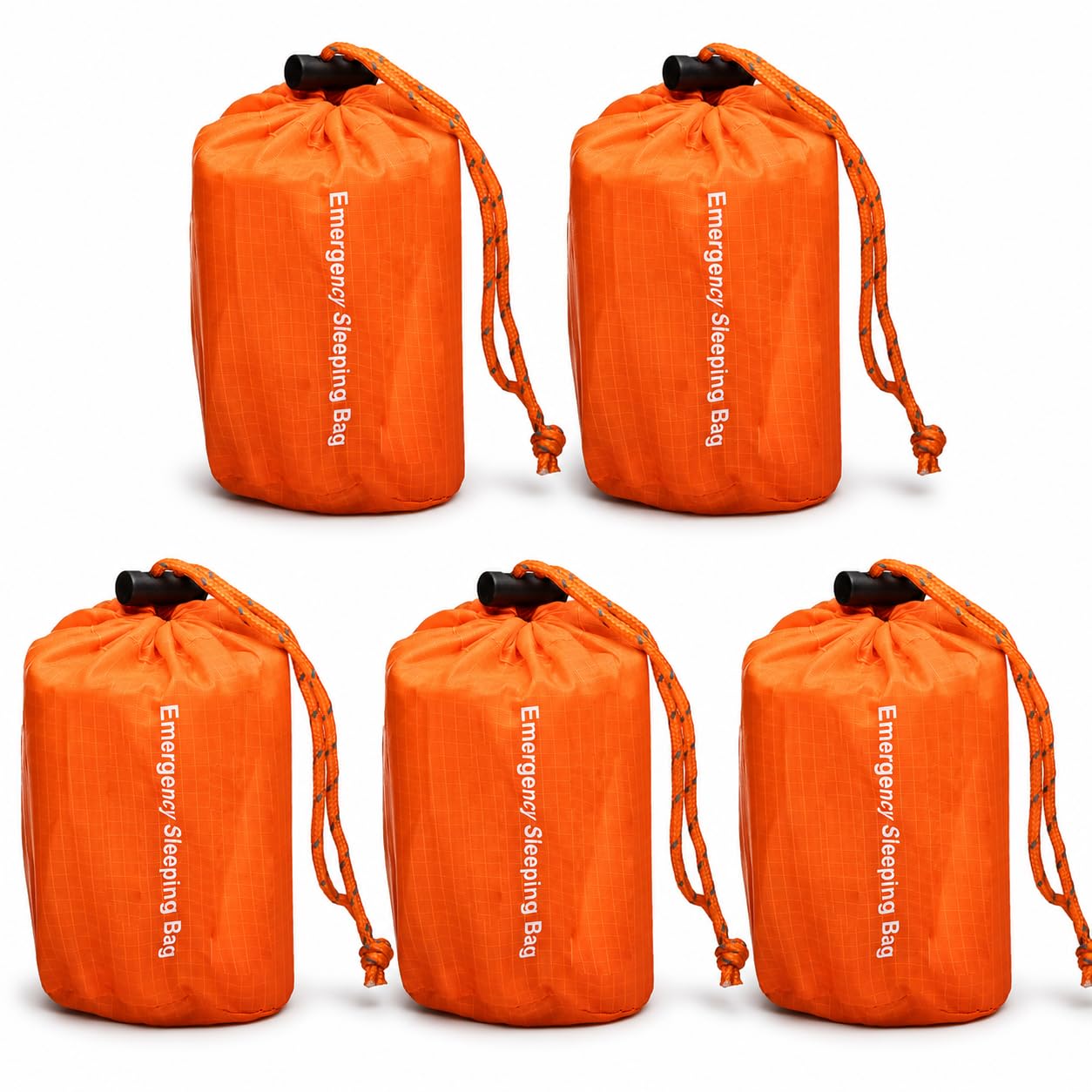
The 5-pack price makes this the cheapest per-bag option in the category, ideal for equipping multiple car kits or group emergency supplies. Each bag retains heat well for short-term use and packs down small. However, the mylar material can degrade and crack over time, and warmth is limited in freezing conditions without additional layering. This is a disposable-use product suited for one-time emergencies rather than repeated outings.

Pros

  • Lowest per-bag cost for bulk emergency kits
  • Compact and lightweight despite 5-pack size
  • Adequate heat retention for short-term emergency use

Cons

  • Mylar material may crack or degrade with repeated use
  • In extreme cold, warmth is limited without additional insulating layers
Our verdict

Buy this 5-pack if you need to stock multiple vehicles or donation kits on a tight budget, but plan for single-use scenarios and avoid relying on these bags for extended cold-weather trips.

Check Latest Price

How to Choose

Heat Retention

Mylar reflects body heat back to you, but the amount depends on how well the bag seals. A bag with a drawstring hood keeps heat from escaping around the head — a major loss point. Hoods also trap moisture, so venting occasionally helps. For below-freezing conditions, pair the bivvy with a sleeping bag liner or extra clothing; no film bag alone will keep you warm in extreme cold.

Weight & Packed Size

Lighter bags use thinner material, which saves space but sacrifices durability. A 2-ounce bag folds into a palm-sized package, perfect for day hikes, but it may tear after one use. Heavier bags around 6 ounces use thicker film that resists punctures and can be reused several times. For a car emergency kit, the weight difference matters little; for backpacking, every gram counts.

Durability

The primary failure point of emergency sleeping bags is tearing — either from sharp objects on the ground, stress at seams, or repeated folding. Thicker mylar (like that used in the DDITW and Sierra Madre bags) resists tears better, but no film bag is fully rip-proof. Seam quality varies: reinforced taped seams last longer than simple heat seals. If you plan to use the bag more than once, look for reinforced edges and a sturdier material blend.

Size Coverage

Standard emergency bags are 84 inches long and 36 inches wide — enough for most adults up to 6 feet. Taller users need an XL bag like the Ironstripe or Oudain, which add length and width. A hood adds coverage around the head and shoulders but can feel restrictive. If you sleep on your side, wider bags give more room to move without stressing the seams.

Extras

Whistles, compasses, and paracord are common add-ons, but their quality varies. A 120dB whistle can be genuinely useful for signaling; a cheap compass is often inaccurate and should not be relied on. Paracord from a drawstring can double as tinder (Survival Frog) or shelter line. Before depending on any included tool in a real emergency, test it at home — especially the compass.

Frequently Asked Questions