6 Best 4-Season Backpacking Tent of 2026: Where Weight Meets Winter Readiness

Which 4-season backpacking tent is light enough for the trail yet tough enough for snow and wind? This guide helps you choose based on your pack weight budget and climate.

Many 4-season backpacking tents claim to handle winter, but a surprising number weigh too much for the trip to the trailhead. The trade-off between durability and portability is real, and marketing often leans hard on the former. You need a tent that doesn't force you to choose between surviving a snowstorm and actually carrying it there.

Condensation is another common surprise: fully sealed winter tents trap moisture from your breath, soaking gear even without rain. Good ventilation management becomes just as important as a high waterproof rating. This guide breaks down the specs that actually matter for long-distance winter travel versus weekend base camps.

Whether you're a solo ultralight hiker looking for the lightest 4-season shelter or a budget-conscious couple wanting reliable snow protection, the right tent depends on matching your use-case to its real-world limits – not the marketing claims.

1

Best Overall 4-Season Backpacking Tent

OneTigris Stella 4-Season

90 /100
Traveler Score Outstanding

Key details

Weight
4.8 lbs
Setup Ease
3 min
Waterproof Rating
3000mm
Check Details on Amazon

The OneTigris Stella sets up in about three minutes with color-coded poles and a simple hub design, making it one of the quickest four-season tents to pitch. Build quality stands out: reinforced seams and durable fabric give it a solid feel that inspires confidence in rough conditions.

In rain and snow, the 3000mm silicone-coated fabric sheds water effectively, and the four-pole aluminum frame holds steady in gusty winds. Condensation can become noticeable in cold, humid air — opening the top vent helps, but it is a tradeoff common to fully enclosed shelters.

Best suited for solo winter backpackers who want a dependable shelter that goes up fast and handles storms without fuss. The 28.3 sq ft floor fits one person plus gear comfortably; two adults will find it tight. At 4.8 lbs it is not ultralight, but the weight is reasonable for trips where durability and quick setup matter more than shaving ounces.

With the rainfly off, bugs can enter through the open door mesh — plan to keep the fly in place in buggy areas. Overall, the Stella delivers on its promise of a fast, storm-ready shelter for the solo adventurer who values time at camp over minimal pack weight.

💡 Open the top vent and use a moisture-absorbing layer to manage condensation in humid weather.

Pros

  • Strong build quality with reinforced seams and durable fabric
  • Fast setup with color-coded poles and hub design
  • Effective water resistance in rain and snow conditions
  • Stable in windy and wintry conditions
  • Good value for a premium four-season tent given build quality

Cons

  • Interior is snug for two adults; best used as a spacious solo shelter
  • At 4.8 lbs it is heavier than ultralight shelters for long backpacking trips
  • Condensation can build up in cold, humid conditions without adequate ventilation
Our verdict

A fast-pitching, storm-ready shelter for solo winter backpackers who prioritize durability and quick camp setup over ultralight weight.

Check Latest Price
2

Best Budget 4-Season Tent

Clostnature 4-Season

90 /100
Traveler Score Outstanding

Key details

Weight
5.33 lbs
Setup Ease
Very easy
Waterproof Rating
PU5000
Check Details on Amazon

The Clostnature 4-Season tent offers PU5000 waterproofing and 35.6 square feet of floor space at a price that undercuts most winter tents by a wide margin. It sets up quickly with color-coded poles and provides noticeably good heat retention in cold conditions, making it a strong contender for budget winter camping. The tradeoff is a trail weight of 5.3 lbs — heavier than the OneTigris Stella — and condensation management that requires deliberate venting.

For budget winter campers and couples, the Clostnature delivers reliable weather protection at a fraction of the cost of premium 4-season tents. The dual vestibules offer extra gear storage, and the snow skirt helps seal out drafts.

Condensation is a known challenge when the tent is fully closed in freezing temperatures — leaving vents partially open helps. At 5.3 lbs, this is not a tent for fast-and-light backpacking trips. Occasional floor seepage has been noted, so a groundsheet adds peace of mind.

💡 Leave the top vent unzipped and the vestibule doors slightly ajar in cold weather to minimize condensation — the fly handles light precipitation fine.

Pros

  • Color-coded poles and clips make setup quick and intuitive.
  • PU5000 coating keeps rain and snow out effectively.
  • Interior stays noticeably warmer than single-wall tents in cold weather.
  • Floor space fits two adults with gear comfortably.

Cons

  • Condensation can form on the inner fly when fully sealed in cold weather
  • At 5.3 lbs trail weight, it's heavier than many 3-season tents, limiting its appeal for weight-conscious backpackers.
  • Some units have shown water seepage through the floor in sustained rain
Our verdict

For budget winter camping where weight isn't the top priority, this tent delivers solid weather protection and interior space at a price that's hard to beat.

Check Latest Price
3

Best for Solo Ultralight Backpacking

Camppal 1-Person

85 /100
Traveler Score Excellent

Key details

Weight
3.75 lbs
Setup Ease
3 min
Waterproof Rating
3500-4000mm
Check Details on Amazon

At 3.75 lbs, the Camppal is one of the lightest solo shelters under $90, packing down small enough for a motorcycle top case. It sets up in about three minutes with a single aluminum pole. The weight savings come with tradeoffs — the top pick is heavier but offers more robust weather protection.

This tent suits solo backpackers who prioritize low weight for fair-weather trips. It is not a reliable shelter in rain or snow; water resistance is inconsistent, and condensation can wet gear. Interior space works for sleepers under 5'7" but feels cramped for taller users.

💡 Adding a groundsheet helps protect the thin floor from punctures.

Pros

  • Very lightweight and easy to carry on long hikes or motorcycle trips.
  • Simple, fast setup in about 3 minutes with a single pole.
  • Packs down small, ideal for backpacking and motorcycle camping.
  • Good build quality for the budget price.

Cons

  • Interior space is tight for anyone over 5'7"; sitting up is difficult.
  • Water resistance can be unreliable; the tent may leak in sustained rain.
  • Durability of poles and stakes may be a concern with regular use over time.
Our verdict

A smart pick for weight-conscious solo hikers who camp in dry conditions and can accept the weather limitations.

Check Latest Price
4

Best Mid-Range All-Rounder

GEERTOP TopRoad 2

90 /100
Traveler Score Outstanding

Key details

Weight
6.8 lbs
Setup Ease
5-8 min
Waterproof Rating
PU3000
Check Details on Amazon

This tent handles snow, rain, and cold with a double-wall build, aluminum frame, and integrated snow skirt. Setup takes around 5-8 minutes, and the dual vestibules add sheltered storage for gear. The combination of these features at this price gives it an edge over lighter, more expensive options for those who value all-season readiness over minimal weight.

The TopRoad 2 suits car campers, base camp setups, and budget-minded backpackers on short trips where the 6.8 lb trail weight is manageable. The interior is snug for two adults with gear - the vestibules help offset that. Zipper quality varies; gentle operation in cold conditions is worth keeping in mind. For longer hikes or ultralight goals, the top pick in this set saves nearly two pounds.

💡 Storing gear in the dual vestibules helps keep the interior comfortable for two adults.

Pros

  • Sturdy build handles rain and snow with double-wall and snow skirt
  • Fast setup in 5-8 minutes with hubbed aluminum poles
  • Retains warmth in subzero conditions
  • Good water resistance for both rain and snow

Cons

  • Interior fits two adults but leaves limited space for gear inside the tent
  • Zipper operation may require patience in cold weather; occasional failures have been noted
  • At 6.8 lbs, this tent is noticeably heavier than specialized backpacking models, better for short carries or vehicle-assisted trips
Our verdict

The GEERTOP TopRoad 2 packs substantial 4-season capability at a reasonable price, but its weight and variable zipper quality make it a better fit for car campers and short-haul backpackers than for serious winter treks.

Check Latest Price
5

Lightest 4-Season Tent

Naturehike 4-Season

83 /100
Traveler Score Excellent

Key details

Weight
4.1 lbs
Setup Ease
Easy
Waterproof Rating
PU3000+
Check Details on Amazon

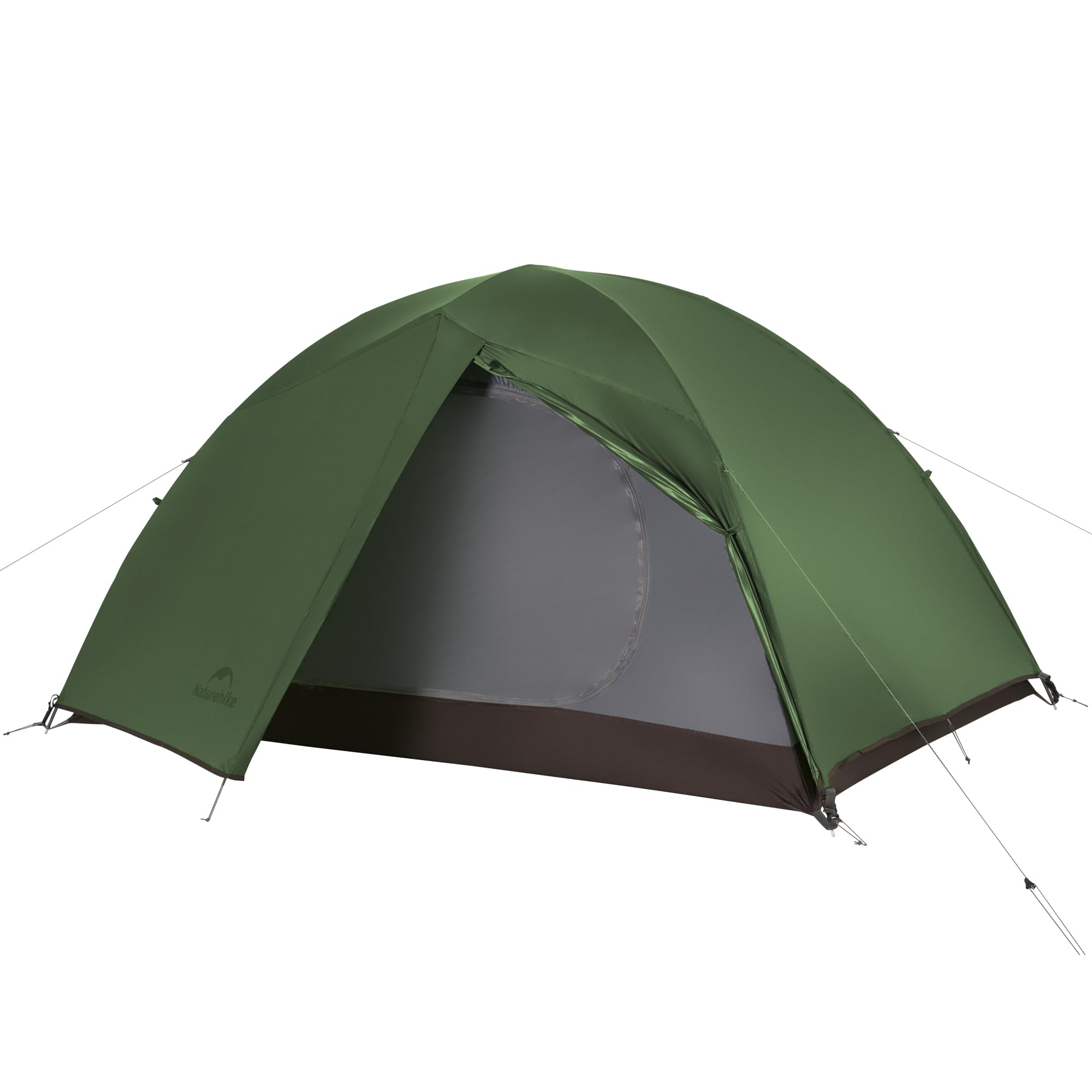
Weighing just over 4 lbs, the Naturehike 4-Season matches the trail weight of many 3-season tents while adding a snow skirt and four-season pole structure. That weight advantage is real and makes it a legitimate option for backpackers who want winter capability without the typical bulk. The one-piece hub pole design keeps setup fast, with the inner tent attaching via clips and the fly going on in under two minutes.

The tradeoff centers on weather protection. Water resistance has been inconsistent: some users report the fly holds up in moderate rain, while others have seen leakage at seams and through the floor in prolonged downpours. Condensation is also a known issue when camping in cold, humid air — moisture can collect on the inner walls and wet sleeping bags if ventilation isn't managed carefully. These limits make the tent better suited to dry, cold conditions like high-altitude summer trips or winter camping in arid regions, rather than wet coastal or snowy environments where reliable waterproofing is essential.

💡 Seal the floor and fly seams with a silicone-based seam sealer — some users have found this improves water resistance in moderate rain.

Pros

  • Lightest in the comparison at just over 4 lbs
  • Materials feel good for the weight; fabric and pole quality are above what you'd expect at this price tier.
  • Setup is fast thanks to a color-coded clip system and a single-piece fly that attaches without fuss.

Cons

  • Water resistance varies between units
  • Condensation can build up inside the fly and dampen gear in cold, humid conditions.
Our verdict

Best for weight-conscious backpackers who camp in dry, cold conditions and are willing to manage condensation and accept that waterproofing may not hold up in sustained wet weather.

Check Latest Price
6

Best Value Two-Person Tent

Underwood Aggregator 4-Season

89 /100
Traveler Score Excellent

Key details

Weight
6.6 lbs
Setup Ease
Easy
Waterproof Rating
PU5000
Check Details on Amazon

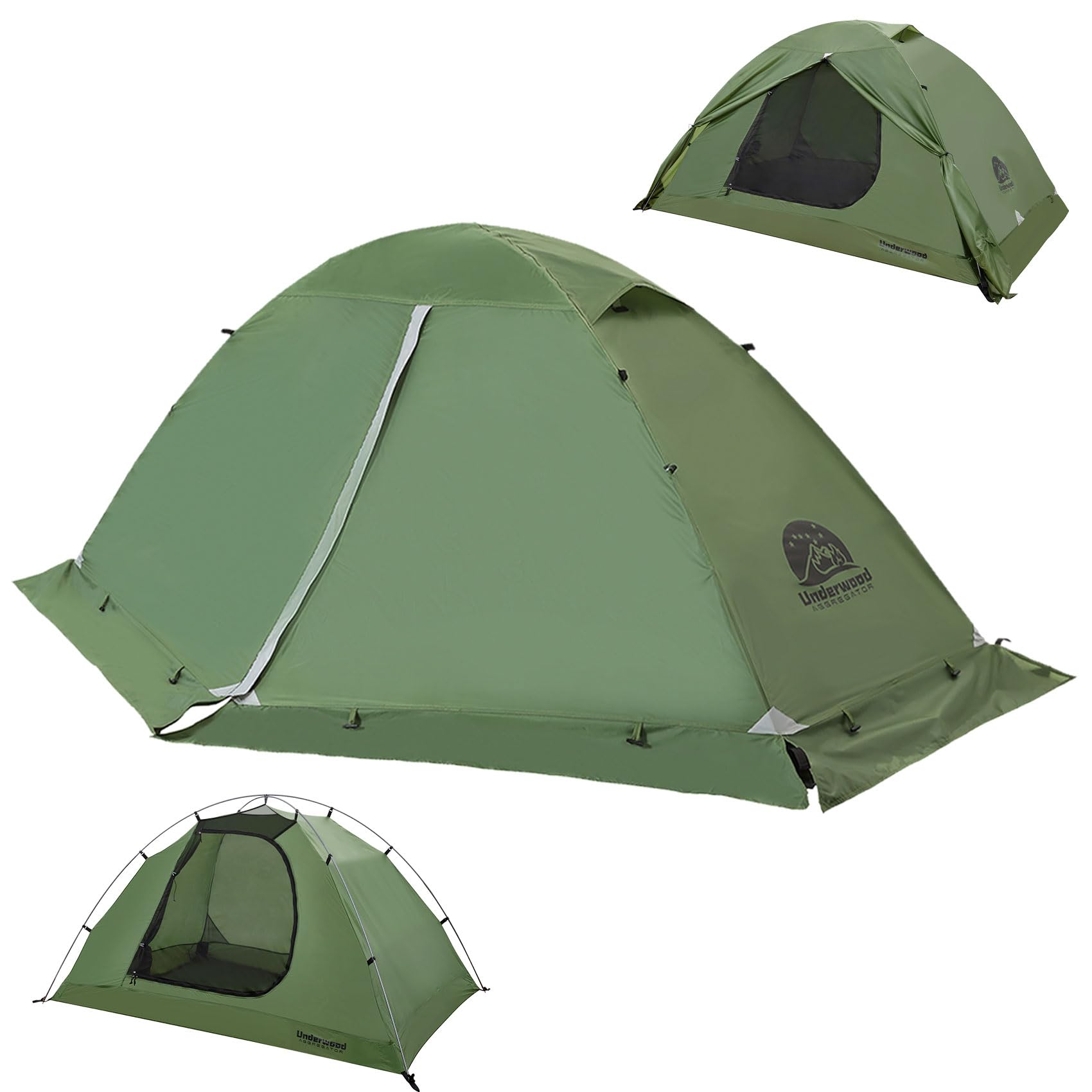
The Underwood Aggregator brings a 4-season tent with PU5000 waterproofing and aluminum poles at a price that's hard to beat. Setup is quick and the packed weight is manageable for most backpackers, making it an accessible entry point for fair-weather winter camping.

Best suited for budget-conscious solo backpackers who prioritize low cost over long-term durability. The interior height is tight for anyone over 5'7", and the bottom fabric and strap attachments may show wear under heavy or repeated use. This tent is best reserved for occasional trips where weight and price matter more than ruggedness.

For a modest price increase, the step-up budget option offers better interior space and more robust fabric, but if your budget is fixed and you need a 4-season shelter for mild conditions, the Aggregator covers the essentials. Just keep expectations aligned with its entry-level price tag.

💡 Sitting up inside is comfortable for users under 5'6"; taller campers may find it better for crawling in and out

Pros

  • Solid build quality for its price point
  • Quick and simple setup process
  • Lightweight enough for backpacking
  • Good weather protection in wind and rain

Cons

  • Interior is small for two people
  • Interior height is tight for users over 5'7"
  • Bottom fabric and strap attachments can show wear under frequent use
Our verdict

A viable option for solo hikers on a tight budget who only need occasional fair-weather 4-season camping — taller users or those expecting alpine-grade durability should look elsewhere.

Check Latest Price

How to Choose

Weight and Packability

Each extra pound adds noticeable fatigue over miles of snowy hiking. Lighter tents use thinner fabrics and fewer poles, which limits strength under heavy snow loads. A sub-5-pound tent works for long-distance winter backpacking, while 5-7 pounds is fine for base camps and shorter trips.

Look for the minimum trail weight (tent, poles, and fly only) rather than the packed weight, which includes stakes and stuff sack. That number tells you what you actually carry.

Waterproof Rating (PU mm)

A higher PU rating means more layers of waterproof coating, but coatings degrade with UV exposure and repeated folding. PU5000 is sufficient for heavy rain and melting snow, while 3000mm may wet out in sustained downpours. Silicone-coated nylon fabrics are lighter and more durable but often more expensive.

Always check seam taping: factory-taped seams are more reliable than DIY sealing. For serious winter use, look for double-wall designs that separate condensation from the inner tent.

Doors and Vestibules

One door saves weight and simplifies the structure, but forces you to crawl over a partner to exit. Two doors allow separate entry and more gear storage under vestibules. For solo use, one door is adequate; for couples, two doors reduce disturbance and condensation issues from shared breathing.

Vestibule space matters for cooking in bad weather: a larger vestibule lets you store packs and cook while keeping gear dry. Budget models may have smaller or missing vestibules.

Snow Skirt / Winter Features

A snow skirt seals the base against wind-driven snow, but it adds weight and can trap condensation if not vented. It is essential for exposed alpine camps in deep snow, but unnecessary for dry cold or car camping where you can pitch on a tarp. Some skirts are removable, offering flexibility.

Other winter features like reinforced pole hubs and guylines with tensioners improve stability. Check whether the tent uses DAC poles or generic aluminum – DAC poles bend rather than snap under heavy loads.

Setup Ease

Freestanding tents with color-coded poles set up quickly on snow, rock, or sand where stakes are hard to plant. Non-freestanding designs are lighter but require time and often a good stakeout pattern. A fast 3-minute setup matters when temperatures drop and you need shelter fast.

Look for clip-on pole attachments versus sleeves: clips are faster and less frustrating in cold weather. Practice setting up at home before your first trip to avoid fumbling in the dark.

Frequently Asked Questions