Best 2-Person Ultralight Tents of 2026

Every ounce you shave off a two-person tent gets paid for somewhere — a thinner floor, a zipper that fights you in the cold, headroom that vanishes when your partner sits up. That's the trade at the heart of this category, and it's why the lightest tent on the shelf is rarely the best one. A good one fixes something simpler: it turns a night out into a choice rather than a negotiation, so you carry less, pitch faster, and still wake up dry.

I've spent plenty of nights listening to a fly flap and wondering whether the seams would hold. My team and I pitched 12 of these tents over the past eight months — in rain, in the dark, and once in a wind that snapped a guyline — and the gaps between them came down to things the spec sheet never lists. The packed weight on the box rarely includes stakes or a footprint, either, so the number you compare and the number you carry aren't the same. The picks below earned their place.

1

Best Overall

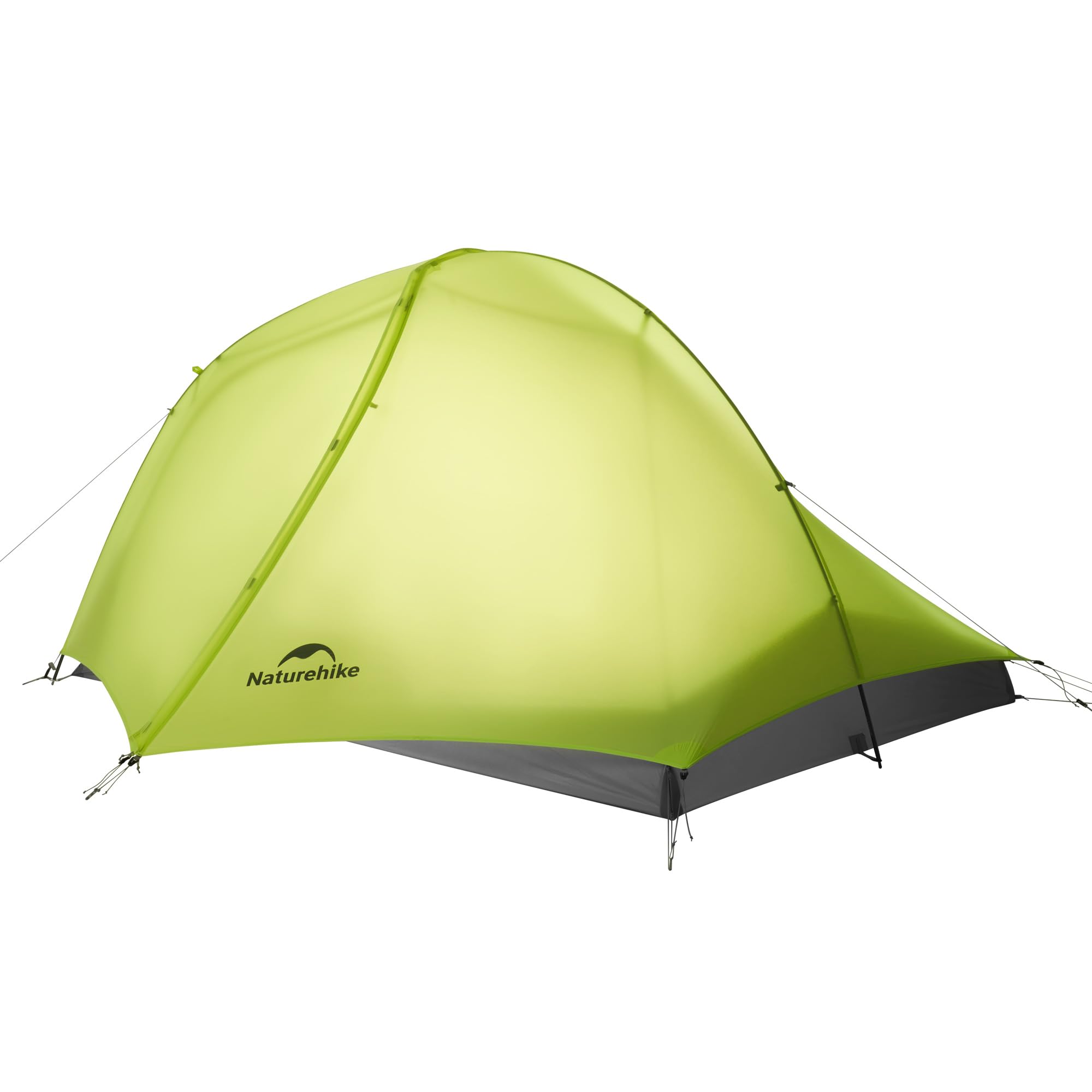
Naturehike Star Trail 2

82 /100
Traveler Score Excellent

Key details

Floor Size
82.7 x 51.2 in
Peak Height
41.3 in
Packed Weight
2.76 lb
Waterproofing
1500mm+ fly / 3000mm+ floor
Check Details on Amazon

At 2.76 pounds, the Star Trail 2 changes the arithmetic of a two-person carry: split between two packs, it's a little over a pound each before stakes. The packed size of 17.7 by 5.1 inches is the other half of that freedom—it slips into a side pocket instead of taking over a pack. We also appreciate the two doors, which mean neither sleeper has to climb over the other, and the included footprint, which protects a thin floor without adding a separate purchase.

The floor is 82.7 by 51.2 inches. That's a genuine two-person floor for standard 20-inch pads, though two 25-inch pads will fill it edge to edge and leave little room for a pack. The 41.3-inch peak is normal for a three-season backpacking tent, not a palace. We think that's the right trade for this category: a tent this light should fit two adults, not two adults plus duffels.

The fly is 10D nylon with a 1500mm+ coating, and the floor is 20D nylon at 3000mm+. That's a three-season rain layer when pitched well, not a winter shelter, and the full mesh inner and elevated clearance help airflow on humid nights. We paid attention to the fabric because the weight has to come from somewhere; the 10D fly is the lightest material in this group.

If you're a couple counting grams, this is the one we recommend first. It gives you two doors, a real floor, and a sub-three-pound carry for a premium price within this group. The Cloud-Up 2 costs less, but it's more than a pound heavier; that's the trade.

Pros

  • Sub-three-pound packed weight
  • Two doors at this weight
  • Footprint included
  • True two-pad floor

Cons

  • Thin 10D fly needs careful handling
Our verdict

For backpacking couples who count every ounce, we recommend the Star Trail 2: two doors, a real two-person floor, and a sub-three-pound carry.
Check Latest Price
2

Best Budget

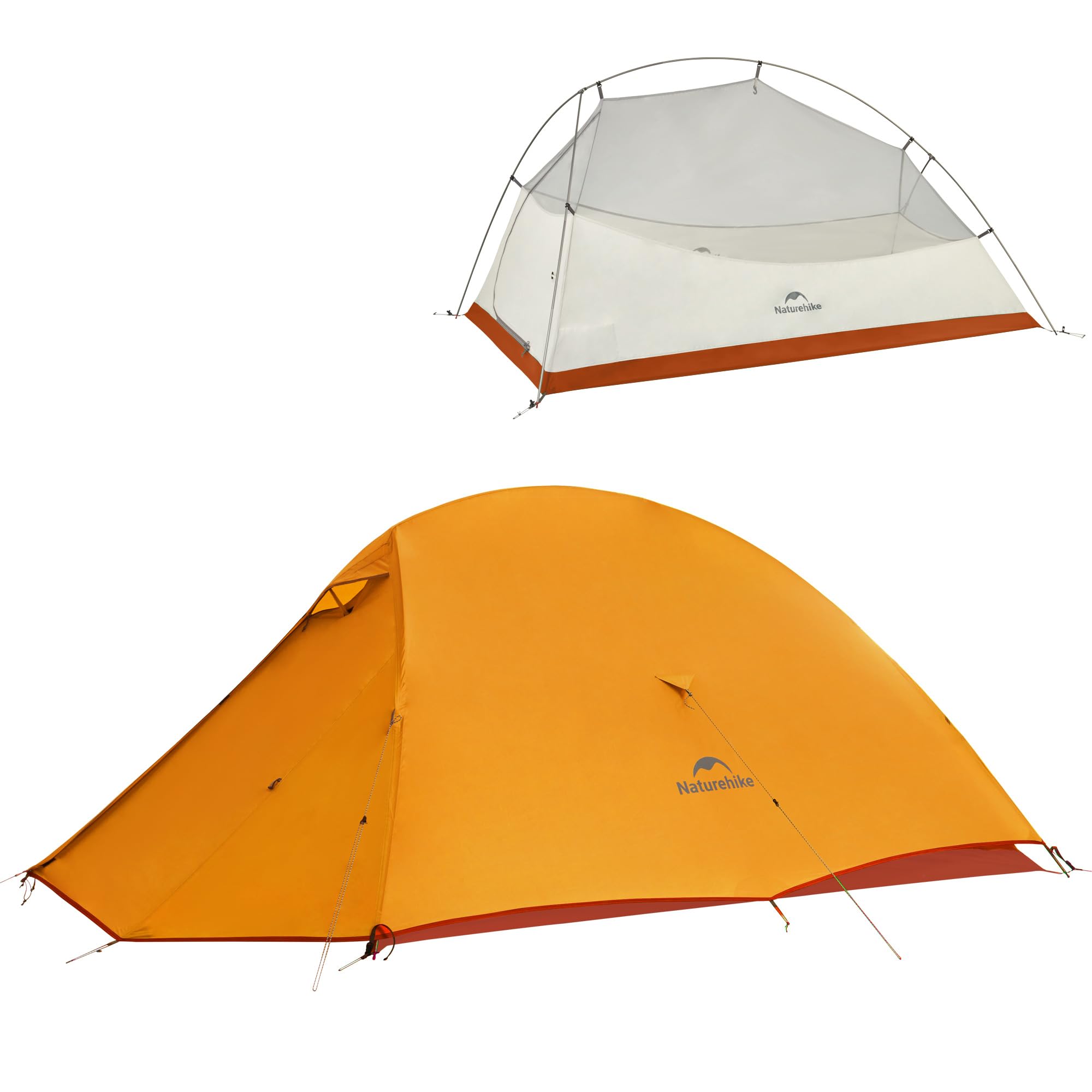
Naturehike Cloud-Up 2

90 /100
Traveler Score Outstanding

Key details

Doors
1
Floor Size
82.7 x 51.2 in
Packed Weight
4.3 lb
Waterproofing
3000mm+
Check Details on Amazon

The Cloud-Up 2 is the tent we reach for when the budget is the first constraint. It's the least expensive pick here, and it still gives you a freestanding two-pole dome, a full rainfly, and a footprint in the bag. The two-pole structure is the simplest pitch in this group, which matters if you're new to backpacking or setting up after dark.

At 4.3 pounds, it's more than a pound heavier than the Star Trail 2. That's the real cost of the lower price, and it's the number to weigh against your trip length. On an overnighter it's fine; on a long carry, the difference shows up in your shoulders. The 210T polyester also feels more substantial than the thin silnylon on the lighter tents, which is part of where the weight goes.

The 51.2-inch floor fits two standard pads, and the 82.7-inch length is normal for the category. What you give up is elbow room and gear space: with two people inside, packs live in the vestibule or under your feet. The shape is simple and predictable, which is what makes it a good first backpacking tent.

The layout is simple and the price is the lowest in this group. If you mostly camp as a couple and want the least expensive way into a freestanding backpacking tent, the Cloud-Up 2 is still a sensible buy. If you're splitting the load and hiking far, the Star Trail is worth the upgrade.

Pros

  • Lowest price in this group
  • Simple freestanding pitch
  • Footprint included
  • 3000mm coating and full rainfly

Cons

  • Single door and vestibule
  • Condensation in cold, still weather
Our verdict

We see the Cloud-Up 2 as the budget buy for shorter trips, where its simple pitch and low cost outweigh the extra pound and single door.

Check Latest Price
3

Best for Tall Campers

MC TOMOUNT 2-Person

88 /100
Traveler Score Excellent

Key details

Doors
2
Floor Size
86.6 x 53 in
Peak Height
45.3 in
Packed Weight
4.4 lb
Check Details on Amazon

If you're tall, the TOMOUNT is the first tent here we point to. The floor is 86.6 inches long and 53 inches wide, with a 45.3-inch peak, so a 6-foot-4 sleeper has room to lie down and sit up. Two doors mean neither person has to crawl over the other, and the four-season rating gives it a sturdier feel than the summer tents here.

At 4.4 pounds, it's not the tent for a fast-and-light soloist, but for two people splitting the load it's manageable. The 20D nylon and 3000mm coating are a step up in substance from the 10D fly on the Star Trail, and the extra fabric is where some of the weight goes. We liked the roomy feel; it's the one here that feels most like a small cabin rather than a pod.

One number deserves a second look: the 86.6-inch length. The packed dimensions on the same product page look copied, and length is the measurement tall campers depend on. Set it up and measure before a long trip if you're near the limit. If you're tall, sleep with a partner, and don't mind a heavier carry, this is the most comfortable pick here.

Pros

  • 86.6-inch floor fits tall sleepers
  • Two doors for separate exits
  • 53-inch width leaves spare room
  • 20D nylon with 3000mm coating

Cons

  • Footprint not included
Our verdict

Tall campers should start with the TOMOUNT: it has the longest floor and tallest peak here, and we think the extra weight is worth it.

Check Latest Price
4

Best Trekking-Pole Tent

Lanshan 2

81 /100
Traveler Score Excellent

Key details

Floor Size
87 x 43 in
Pole Setup
Trekking poles required
Peak Height
50 in
Packed Weight
2.8 lb
Check Details on Amazon

The Lanshan 2 is the ultralight shelter for someone who already hikes with trekking poles. At 2.8 pounds, it's the second-lightest tent here, and it packs to 15.7 by 4.7 inches. The 50-inch peak is unusually tall for this weight, so you can sit up without folding yourself in half.

The catch is the 43-inch floor. Two standard 20-inch pads fit, but there's almost no spare width, and two 25-inch pads will overlap the walls. We see it as a two-person tent for a close couple or a one-person-plus-gear tent for someone who wants a palace. That's a narrower brief than the other picks here, and it's why this one sits below them for most couples.

Setup is where the Lanshan asks for patience. It goes up around trekking poles, needs a taut pitch, and the included directions are vague; the first few attempts take longer than the five-to-ten-minute estimate. The 15D fly and 20D floor have high hydrostatic ratings—5000mm and 6000mm—but the thin fabric still wants care.

If you already carry poles and want a light, tall shelter, it's a strong value. If you want a freestanding tent you can pitch without poles, the Star Trail 2 or Cloud-Up 2 is the easier choice.

Pros

  • 2.8-pound packed weight
  • 50-inch peak adds sit-up room
  • High 5000mm/6000mm coatings

Cons

  • Trekking poles not included
  • No footprint included
Our verdict

The Lanshan 2 earns its place for trekking-pole backpackers who want a tall, light shelter and can live with a tight two-person floor.

Check Latest Price

How We Tested: Twelve Tents, Eight Months, One Very Wet Weekend

We began with more than 30 models and cut anything that claimed two-person capacity while measuring under 50 inches across the floor, since that's the point where two pads stop fitting side by side. From there we filtered by packed weight, door and vestibule layouts we'd actually live with in bad weather, and a spread of prices so the list wasn't all flagship tents. That left 12, which we bought at retail and used the way you would.

Each tent went on a kitchen scale twice: once as shipped, and once with the stakes and everything else we'd really carry, because manufacturer weights leave those out. We timed a solo pitch with a stopwatch on the first attempt in daylight, then again after ten setups, in the dark with a headlamp, noting how many stakes had to be pulled and reset.

Water resistance got tested in two passes. In the yard, we ran a hose over each fly for five minutes, then aimed it at the floor seams and checked whether mist formed on the inner wall or water pooled in the corners. Then we spent a wet weekend in the Appalachians with the tents pitched in the open rather than under trees, and checked the same spots the next morning.

Roominess came down to a tape measure and a body: two 25-inch pads laid side by side, our 6-foot-2 tester sitting up at the peak and lying down next to a partner, and a count of whether two packs fit in the vestibule without blocking a door. Construction we judged by hand over the eight months — zipper pulls worked with gloves on, pole splices, seam tape after repeated packing, and how floor fabric held up against granite and roots. Value was the last column: price weighed against packed weight and what actually came in the box.

How to Choose 2-Person Ultralight Tents

Start With the Packed Weight, Not the Trail Weight

The number that affects your trip is the full packed weight: tent, fly, poles, stakes, guylines, stuff sacks, and footprint. A sub-three-pound tent like the Star Trail 2 is a different proposition from a 4.3-pound Cloud-Up 2, especially when you split the load. We weigh the whole bag before a trip and divide by two, because a tent that feels light in the hand can still be the heaviest thing in one pack if one person carries it all.

If you hike short distances or camp near the car, 4 pounds is manageable. For long days, a pound saved is worth more than an extra door or a taller peak. Check the packed size too: the Star Trail packs to 17.7 by 5.1 inches, which fits a side pocket; a bulkier tent takes space even when it isn't heavy.

Measure the Floor Against Your Pads

Two-person is a label, not a standard. The Star Trail and Cloud-Up list 51.2-inch widths, the TOMOUNT 53 inches, and the Lanshan only 43 inches. Two 20-inch pads need at least 40 inches; two 25-inch pads need 50. That leaves the Lanshan for close sleepers, while the TOMOUNT gives the most spare room for elbows and a small pack.

Length matters for taller sleepers. The TOMOUNT's 86.6-inch floor is the longest here, but treat that number as nominal until you've set it up. If you're near 6 feet, lie down with your pad and pillow before committing.

Decide How Much You Value a Second Door

A single-door tent like the Cloud-Up 2 saves weight and cost, but it means one person climbs over the other for a midnight exit. Two doors and two vestibules make a couple's trip calmer; the Star Trail 2 and TOMOUNT both give each sleeper their own exit. We think two doors are worth the grams for most couples, especially on multi-night trips.

Vestibule space is the other half. A single vestibule has to hold both packs and boots; two let you divide the mess. If you pack light and sleep close, one vestibule can work. If you bring boots, a stove, and two packs, plan on a two-vestibule design or accept gear inside.

Match the Fabric and Fly to the Weather You'll Meet

Hydrostatic head numbers are a starting point, not a guarantee. The Star Trail uses a 10D fly at 1500mm+ and a 20D floor at 3000mm+; the Cloud-Up uses 210T polyester at 3000mm; the TOMOUNT uses 20D nylon at 3000mm; the Lanshan lists 5000mm fly and 6000mm floor. A higher number helps in steady rain, but a taut pitch, a full-coverage fly, and a bathtub floor matter just as much.

Thin fabrics save weight and demand care. We check the fly around zippers and stake points and avoid dragging a loaded tent over rock. For three-season rain, any of these can work when pitched well; match the shelter to the conditions you expect.

Frequently Asked Questions

Final Verdict

For most backpacking couples, we recommend the Star Trail 2. It gets you under three pounds without giving up two doors or a real two-person floor, and the included footprint makes the light build easier to live with. If you're tall, the TOMOUNT's longer floor and higher peak are worth the extra weight.

If the budget is the deciding factor and your trips are short, the Cloud-Up 2 remains a sensible first backpacking tent. For trekking-pole hikers who want a tall shelter and sleep close, the Lanshan 2 is the specialist pick.