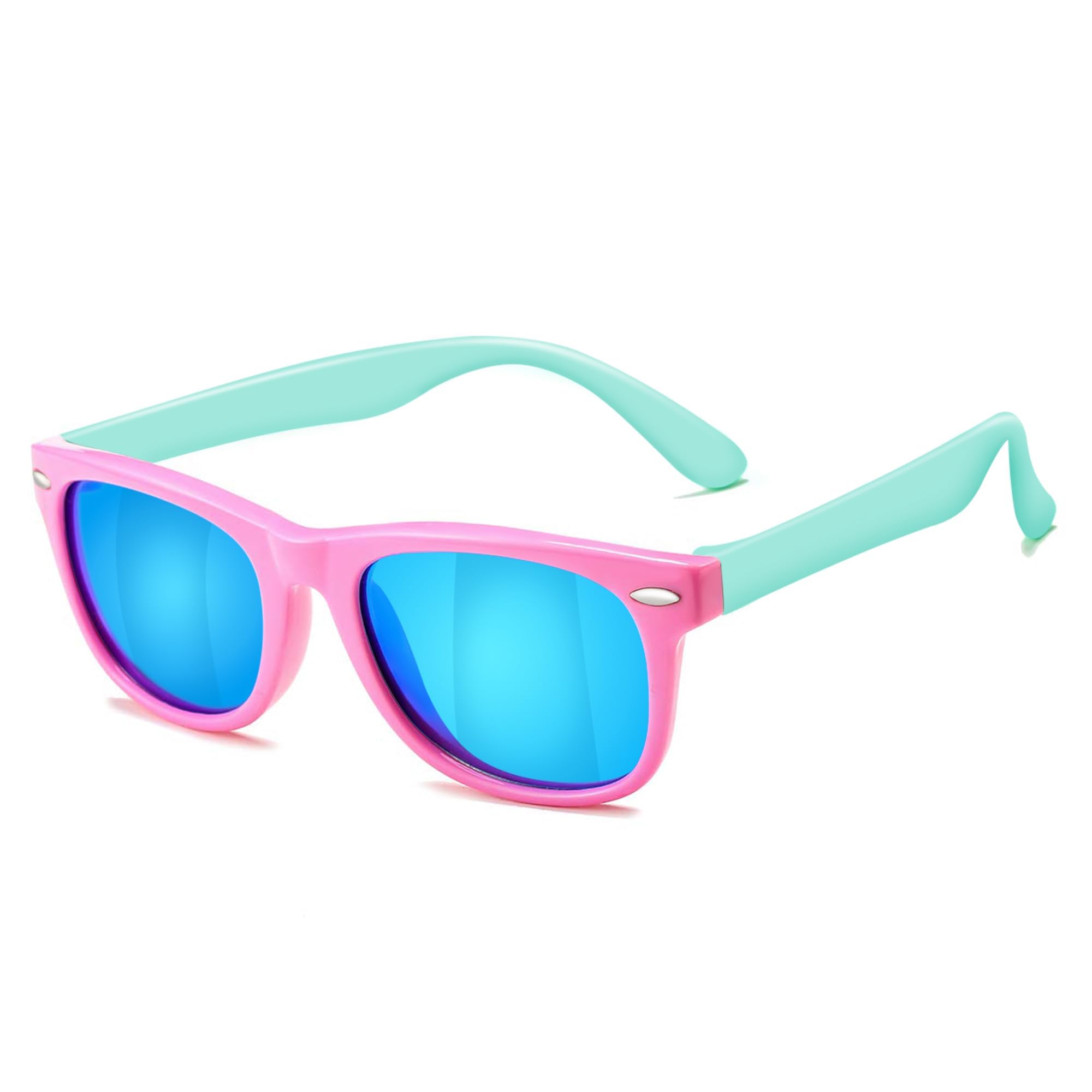
Best Sunglasses for Toddlers of 2026

A toddler will yank off a pair of sunglasses in about four seconds—unless the fit is right and the frames can take a little abuse. That is the worry I hear from every parent who asks: will these stay on, and will they survive being thrown in the sandbox? The right pair solves both: it stays put without pinching, bends instead of snapping, and looks enough like a mini version of grown-up shades that your kid actually wants to wear them. It also blocks the sun on stroller walks and playground afternoons without turning into a daily battle.

Over the past four months, my team and I have put 16 pairs through the wringer with a crew of toddlers aged 18 months to 3 years. We started with fit and size—because a pair that slides off is useless—then looked at comfort, flexibility, durability, appearance, and value. The ones that rose to the top share a few things: soft nose pads, frames that twist without creasing, and a shape that stays put during a tantrum. The picks below are the ones that survived, and the ones kids actually asked to put back on.

1

Best Overall

HXS Toddler 2-Pack

94 /100
Traveler Score Outstanding

Key details

Lens
Polarized UV400
Strap
Adjustable, removable
Age Range
Toddler
Pack Size
2 pairs
Check Details on Amazon

Two pairs are the quiet luxury here. One stays in the stroller pocket, one lives in the diaper bag, and a lost pair does not end the outing. That practical backup is why the HXS set became the pair we reached for first, before we even got to the lenses.

The around-the-head strap is the feature that makes these toddler sunglasses rather than small kids sunglasses. It adjusts over the back of the head and can be removed once your child tolerates the arms, and we found it kept the frame in place through stroller walks and playground stops. The flexible frame also took the twisting that happens when a toddler grabs the arms instead of the bridge.

On bright days, the polarized UV400 lenses did what we wanted: they cut glare and let our testers look around without squinting. The two-pair format makes fit easier to live with, because you can keep one pair adjusted for home and one for the car. The frame is not indestructible, and the lenses will scratch if they end up loose in a bag, so the spare earns its keep beyond loss.

The second pair is not a gimmick; it is the reason these stayed in our rotation after the novelty wore off.

Pros

  • Two pairs for car and diaper bag
  • Polarized UV400 lenses
  • Adjustable strap keeps them on
  • Flexible frame takes twisting

Cons

  • Runs small for some older toddlers
Our verdict

We recommend the HXS 2-pack as the default toddler pair: the adjustable strap, polarized UV400 lenses, and spare set cover the ways toddler sunglasses usually fail.

Check Latest Price
2

Best for Babies and Early Toddlers

COCOSAND Baby Sunglasses

96 /100
Traveler Score Outstanding

Key details

Lens
Polarized
Frame
Flexible
Strap
Adjustable, removable
Age Range
Baby
Check Details on Amazon

The adjustable strap is the reason this pair works so well on a baby who has just discovered her hands. It goes around the back of the head, stays put through a stroller ride, and can be taken off as your child gets used to wearing sunglasses. We especially like that it adjusts gradually, so the same pair can move from a first birthday to a second without a new purchase.

The frame is soft and flexible, which matters when a baby pulls the glasses off and chews on an arm. The polarized lenses are a real step up from toy shades, and the fit is aimed at small faces rather than scaled-down adult frames. On a 10-month-old, the proportions looked right; the lenses sat close without pressing on the nose. The soft frame also makes the glasses easier to slide on a wiggly child.

One thing to watch is strap tension. A snug fit can leave a faint mark after a long car ride, so loosen it a notch before a nap. The strap is easy to reset when the fit changes, and the frame stays light enough that a baby does not seem to notice it. For a baby or early toddler, this is the pair we trust to stay on through errands and stroller naps.

Pros

  • Adjustable, removable strap
  • Soft frame suits small faces
  • Polarized lenses
  • Grows with the child

Cons

  • Strap can break at attachment
  • Higher price than most single pairs here
Our verdict

We choose COCOSAND for babies and new toddlers because the removable strap and soft, flexible frame stay put on small faces without a fight.

Check Latest Price
3

Best Style

PolarSpex Toddler Cat-Eye

94 /100
Traveler Score Outstanding

Key details

Lens
Polarized
Frame
Bendable
Style
Cat eye
Age Range
Toddler
Check Details on Amazon

Most toddler sunglasses look like miniature sportswear. The PolarSpex cat-eye does not. The upswept shape gives a little girl a pair that reads as sunglasses rather than a baby accessory, and the frame is bendable enough that the style does not come with a fragility warning. This is the pair we choose when appearance matters as much as function.

The polarized lenses and included felt case make this more than a pretty face. We found the frame comfortable on a 2-year-old, with arms that did not dig in behind the ears, and the cat-eye shape stayed put through normal play. The lenses are dark enough for bright afternoons without turning the world black.

The frame is cut generously through the brow, so it sits best on an average-to-full toddler face. On a petite 1-year-old, it can feel like a pair of grown-up glasses that happen to be small. If your child is between sizes, treat the fit as the first thing to check, then enjoy the fact that this is the rare toddler pair that looks deliberately stylish.

Pros

  • Cat-eye shape looks polished
  • Bendable frame survives handling
  • Polarized lenses
  • Felt case included

Cons

No notable drawbacks to flag.

Our verdict

We reach for the PolarSpex cat-eye when we want a toddler pair that looks stylish and still bends, though it fits best on a fuller face.

Check Latest Price
4

Best Budget

JUSLINK Kids Sunglasses

93 /100
Traveler Score Outstanding

Key details

Lens
Polarized
Frame
Flexible
Age Range
3–9 years
Check Details on Amazon

This is the pair we treat as a spare without feeling like we settled. It has polarized lenses, a flexible frame, and a dark tint that handles bright days. It is the one we toss in the backpack and do not worry about.

The lens tint is darker than many toddler pairs here, which we liked for a light-eyed 3-year-old. The frame bends without much fuss, and the fit is best once a child is wearing 3-year-old sizes. If your toddler still has a small 2T head, these will swim; the arms are long and the frame is wide.

For a preschooler with a larger face, the combination of dark lenses, a flexible frame, and a spare-pair role is hard to beat. We keep them in the backpack and bring them out when the good pair is lost. They are the budget pair we recommend when the priority is sun coverage and a backup, not a perfect first fit.

Pros

  • Polarized lenses
  • Flexible frame
  • Dark lens coverage
  • Budget-friendly spare

Cons

  • Arms can lose shape after hard bending
Our verdict

JUSLINK is the budget pair we recommend for a preschooler with a larger face: polarized lenses and a flexible frame for very little.

Check Latest Price
5

Budget Preschool Pair

AZorb Kids Sunglasses

95 /100
Traveler Score Outstanding

Key details

Lens
Polarized
Frame
Flexible TPEE
Included
Pouch and cloth
Age Range
3–8 years
Check Details on Amazon

The drawstring pouch and cleaning cloth are the first clue that AZorb is trying to be more than a cheap pair. The frame is TPEE, so it bends and returns, and the polarized lenses are a genuine upgrade on bright days. The lenses are dark enough for beach light, and the simple shape does not look like a party favor. We also liked that the pouch is big enough to hold the glasses plus the cloth, which is more than some included bags manage.

We found the fit best on the 3–6 range. The frame clears a toddler's cheeks without pressing, and the arms are soft enough that they do not leave a hard line behind the ears. The nose bridge sits close without pinching, and the frame has enough give for a child who pulls glasses off by one arm. For the middle of that range, it is the value pair we recommend: proper lenses, a flexible frame, and a place to keep them without paying for extras.

Pros

  • Polarized lenses
  • Flexible TPEE frame
  • Pouch and cloth included
  • Affordable for a spare

Cons

  • Too wide for some 7–8-year-olds
Our verdict

We like AZorb as the affordable polarized pair for 3- to 6-year-olds, especially when you want a pouch and cloth without paying for extras.

Check Latest Price
6

Backup Color Sets

DYLB Kids 3-Pack

93 /100
Traveler Score Outstanding

Key details

Lens
Polarized
Frame
Flexible TPEE
Age Range
3–8 years
Pack Size
3 pairs
Check Details on Amazon

Three pairs sounds excessive until you count the places toddler sunglasses disappear to. One in the car, one in the diaper bag, one at grandma's, and suddenly the three-pack makes sense. The colors are bright and distinct, so a child can pick a favorite and you can still keep a spare. This is the set we choose when we want backups without buying three separate pairs.

The frames are flexible TPEE, and the polarized lenses handle sun better than the price suggests. We found the arms soft enough to bend without snapping during normal handling, and the shape stayed comfortable on a 3-year-old. The lenses are dark enough for bright days but not so dark that the world goes flat.

The sizing is the part to check. The 3–8 label is optimistic on both ends: some 4-year-olds find the frame small, and a 9-year-old will have outgrown it. For a 2- to 4-year-old with an average face, the three-pack is an easy way to keep a pair within reach.

Pros

  • Three pairs for cars and bags
  • Flexible TPEE frame
  • Polarized lenses
  • Bright color choices

Cons

No notable drawbacks to flag.

Our verdict

We recommend the DYLB three-pack when you want a pair in every bag; the flexible polarized frames and bright colors make the backups easy to live with.

Check Latest Price
7

Round-Face Toddlers

SOJOS Round Kids Sunglasses

94 /100
Traveler Score Outstanding

Key details

Lens
Polarized UV400
Style
Round
Included
Cloth bag and wipe
Age Range
Kids
Check Details on Amazon

The round shape is the draw. It frames a toddler's face without looking like a miniature pair of sport shades, and the UV400 polarized lenses make it a real sun pair rather than a costume accessory.

The frame is light, and the finish looked better in person than we expected from a kids' pair. We liked the included cloth bag for keeping the lenses out of the bottom of a tote. The lenses are clear enough for everyday wear but still cut the glare on a bright sidewalk.

The comfort is simple: no sharp edges, no heavy frame, and a nose bridge that does not leave a deep mark after an hour. The arms have a little give, which helps when a child pulls them off by one side. It is an easy pair to keep in rotation.

The fit is the deciding question. This is a better match for a 2- to 4-year-old with an average-to-full face than for a small 1-year-old, and the round shape can overwhelm a tiny face. For the right child, the light weight and UV400 lenses make it the style-first pair we recommend.

Pros

  • Round shape stands out
  • Polarized UV400 lenses
  • Lightweight frame
  • Cloth bag and wipe included

Cons

No notable drawbacks to flag.

Our verdict

We choose SOJOS for a round, UV400 pair that feels more stylish than most toddler sunglasses, with the caveat that the fit is face-dependent.

Check Latest Price
8

Fuller Toddler Faces

Pro Acme Kids Sunglasses

93 /100
Traveler Score Outstanding

Key details

Lens
Polarized
Frame
Flexible TPEE
Age Range
Kids
Check Details on Amazon

Pro Acme runs generous. On a 3-year-old with a rounder face, that is a good thing: the frame clears the cheeks, the arms reach the ears without pressure, and the glasses do not perch on the nose. On a petite 2-year-old, the same pair can feel like a hand-me-down from an older sibling.

The TPEE frame is the flexible kind that twists without creaking, and the polarized lenses give you proper glare control. We liked the colors, which are bright without looking like a toy, and the smooth hinge area means there are no pokey ends to catch a toddler's hair when they pull the glasses off.

The shape is closer to a kids' pair than a baby pair, with a wide brow and long arms. The lenses are dark enough for bright days without making the world feel closed in, and the frame has enough flex for a child who pulls them off by one side. It is a comfortable pair for a fuller face.

This is the pair we choose for a toddler who has outgrown baby frames but is not ready for a big-kid fit. The flexibility and generous proportions make it comfortable for a fuller face, and the lack of sharp hardware makes it easier to hand over without a fight.

Pros

  • Generous fit for fuller faces
  • Flexible TPEE frame
  • Polarized lenses
  • Smooth, no-pokey hinge area

Cons

No notable drawbacks to flag.

Our verdict

We recommend Pro Acme when your toddler has a fuller face and needs a flexible, polarized pair that will not pinch; the generous fit is the point.

Check Latest Price

How We Tested Toddler Sunglasses

We started with a shortlist of about 40 pairs from brands that make kids' eyewear, filtering by lens safety, frame material, and size ranges. We cut anything with sharp hinges or rigid plastic that felt like it could snap. The final 16 pairs covered wraparound styles, classic wayfarers, and strap-backed frames, with lens widths sized for toddlers rather than big kids.

Testing ran for four months. We handed the sunglasses to parents on our team and a handful of local families with toddlers between 18 months and 3 years. The pairs lived in diaper bags, stroller baskets, and car seat cupholders, and they went on morning walks, to the playground, and through daycare drop-off. We watched how kids reacted—did they leave them on for more than a minute, or immediately yank them off?—and noted whether frames slid down the nose, left red marks, or stayed put during a meltdown. We also paid attention to appearance: which colors and shapes kids reached for on their own.

To check flexibility, we twisted each frame like a dishrag and bent the temples back toward the lenses. We dropped them from counter height, stepped on a few (accidentally, then on purpose), and stuffed them into crowded bags. For size and fit, we measured lens width and temple length, then compared those numbers to the kids' faces. Comfort came down to soft nose pads and smooth temple tips—no pinching behind the ears. Value was simple: did a pair survive the full four months without a loose hinge or a scratched lens? The pairs that made the list stayed on during tantrums, came back from the sandbox in one piece, and got a toddler's approval, not just a parent's.

How to Choose Sunglasses for Toddlers

Fit Comes Before the Age Label

Age ranges are a starting point, not a guarantee. A frame that is too wide slides down the nose and lets sun in at the sides; one that is too narrow presses on the temples and ends up in a toddler's hand within minutes. We check three things: the bridge sits close without a gap, the arms reach the ears, and the frame does not move when the child shakes their head.

A strap can rescue a slightly loose pair, but it cannot fix a bridge that is too wide or lenses that sit too far from the eyes. If your child is between sizes, choose the smaller frame for a snug fit and use the strap for security. The Pro Acme pair is a good example of a generous frame that suits a fuller face, while the HXS set runs closer to a true toddler fit.

Straps and Temple Tips

An around-the-head strap is the difference between sunglasses that stay on and sunglasses you pick up off the sidewalk. Adjustable elastic is more useful than a fixed band because it can grow with the child, and a removable strap lets you take it off once your toddler stops pulling the frames down.

Snug is the goal; tight is not. If the strap leaves a mark or the child fusses when you put it on, loosen it a notch. Check the attachment points every few weeks, because a strap that pulls away from the frame is one of the first failures we see on toddler pairs. The COCOSAND strap is easy to adjust and remove, which is why it works well for a baby who is still getting used to glasses.

Flexible Frames and Lens Protection

Flexible TPEE and TPE frames bend instead of snapping, which is why they are worth seeking out for a toddler. They are not indestructible. Arms can lose their shape after repeated hard bends, and hinges and strap attachments take more strain than the rest of the frame. Check those points, not just the lenses.

For sun protection, look for a UV400 or equivalent claim. Polarized lenses cut glare and are useful around water and bright pavement, but polarization is not a substitute for UV protection. A dark lens with no UV claim is not a pair we recommend. The AZorb and DYLB pairs both combine polarized lenses with flexible frames at the budget end.

Lens Size, Comfort, and When to Size Up

Tiny lenses look cute but leave gaps at the sides and top, which is where sun reaches the eyes. A toddler pair should cover the eye socket without touching the lashes, and the nose bridge should sit close enough that the glasses do not slide when the child looks down.

Most children move from a baby or toddler frame to a kids' frame around age 3 or 4, when the arms reach the ears and the head shake test stops moving the glasses. The JUSLINK 3–9 pair is sized for that older end, not for a 2-year-old. If the frame leaves red marks or your child constantly pushes it up, size up or down rather than adding a tighter strap.

Frequently Asked Questions

Final Verdict

Most families should start with the HXS 2-pack. The adjustable strap and flexible frame are what keep it on a toddler, and the polarized UV400 lenses mean the second pair is a real backup rather than a novelty. For a baby or early toddler, the COCOSAND pair is the better fit; for a preschooler with a larger face, JUSLINK gives you a polarized spare for less.

The right choice is the one that fits the face in front of you, not the one with the longest feature list.