10 Best Power Bank for Hiking 2026: Reliable Power, No Solar Hype

Which power banks for hiking actually hold up on the trail, charge your devices fast, and don't rely on gimmicky solar panels — plus which ones to skip.

Many hikers are drawn to solar power banks for the promise of free energy on the trail. In reality, the solar panels on most models are too small to charge a phone in a day of hiking — they add weight and cost without delivering usable power.

What actually matters on a hike is battery capacity that matches your trip length, durable construction that survives drops and rain, and fast charging so you spend less time tethered to a wall. The best hiking power banks are those that charge reliably before you leave and hold that charge when you need it.

This guide focuses on the specs and real-world feedback that make a difference on the trail: waterproofing, weight, build quality, and charging speed. The right choice depends on whether you're doing day hikes or multi-day backcountry trips.

1

Best Overall

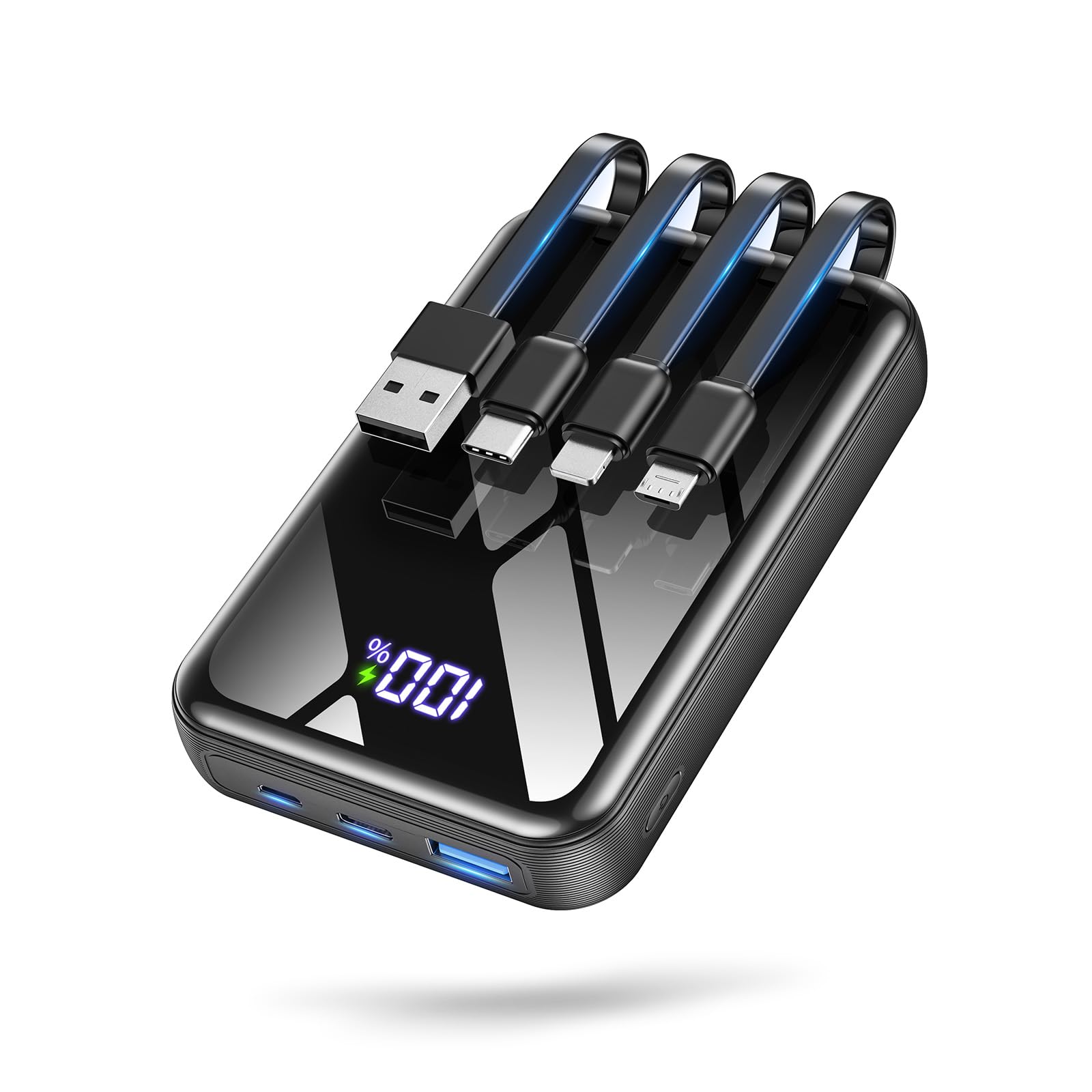
aswayke P20 20000mAh Rugged

86 /100
Traveler Score Excellent

Key details

Capacity
20000mAh
Waterproof
IP68
Fast Charging
USB-C PD
Built-in Cables
Check Details on Amazon

The aswayke P20 combines IP68 waterproofing, a 420-lumen lantern, and 20W USB-C PD fast charging into a single rugged unit. User feedback consistently highlights the solid build and dependable charging output. The lantern is a practical addition for campsite tasks or emergency signaling, with multiple brightness modes that extend runtime when needed.

This power bank is best suited for hikers and campers who prioritize waterproofing and a built-in light source over absolute weight savings. The 1.5-pound weight is noticeable on long day hikes, making it a better fit for shorter trips, basecamp use, or emergency kits where ruggedness matters more than ounces. It is not designed for ultralight backpackers.

The 20,000mAh capacity provides enough power to fully recharge a typical smartphone three to four times, and the USB-C PD fast charging tops up both the pack and devices quickly. The lantern’s 420 lumens is sufficient for reading or setting up camp, and the multiple modes help conserve battery when brightness isn’t critical.

Some users have noted that the lantern attachment can feel loose or fail to make a solid connection. While not a widespread issue, it’s a good idea to verify the fit before relying on the light in critical situations. For most casual use around camp, the light functions reliably.

💡 When attaching the lantern, make sure it clicks into place fully; a partial connection can cause flickering or disconnection.

Pros

  • IP68 waterproof and shockproof design withstands immersion and drops.
  • Built-in 420-lumen lantern with multiple brightness modes is a practical tool for camp.
  • 20,000mAh capacity delivers reliable charging for multiple device recharges.
  • USB-C PD fast charging reduces downtime for the pack and compatible devices.

Cons

  • Weighs 1.5 pounds
  • Occasional loose fit or malfunction of the lantern attachment may affect reliability.
Our verdict

For hikers who need a waterproof power bank with a built-in lantern, the aswayke P20 delivers rugged performance at a fair price — just be prepared to trade weight for that durability.
Check Latest Price
2

Best for Day Hikes & Ultralight

Anker A1229 10000mAh

91 /100
Traveler Score Outstanding

Key details

Capacity
10000mAh
Waterproof
Fast Charging
5V/3A (15W)
Built-in Cables
Check Details on Amazon

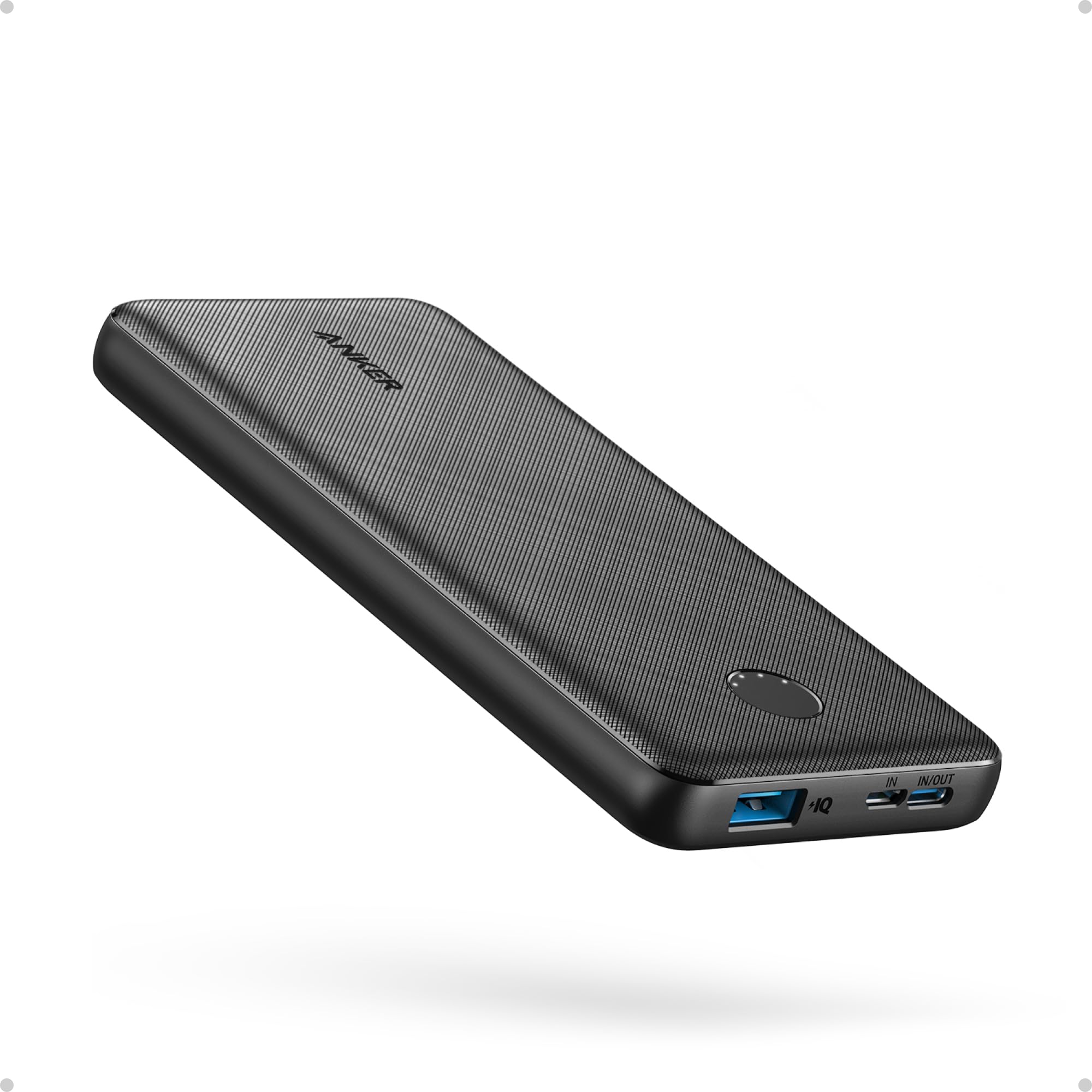
The Anker A1229 weighs just 8.6 ounces and fits comfortably in a hip belt pocket, ranking among the lightest 10,000mAh power banks available. Its build quality and consistent charging have drawn positive feedback from users who value portability, but it lacks the waterproofing and higher capacity of the rugged Aswayke P20 — this Anker is best for fair-weather day trips, not multi-day backpacking.

This power bank suits day hikers seeking a lightweight backup for a single phone charge. The 10,000mAh capacity provides about one full charge for most smartphones, and the 15W output means a full recharge takes roughly 90 minutes — fitting naturally into a lunch break. Battery capacity may decline after months of regular use, so it works best as an occasional companion rather than a daily driver.

On the trail, the charge rate is adequate for topping up a phone during a rest stop but not for quick boosts between short breaks. Many day hikers find this pace perfectly fine for a mid-hike recharge while eating, and the small size means it doesn't add noticeable weight.

💡 Plug it in overnight before a hike — the 15W output suits a phone's slow charge cycle.

Pros

  • Ultra-lightweight design fits in a hip belt pocket.
  • Dependable charging for day hikes.
  • Good value for everyday backup use.

Cons

  • No weather resistance
  • 15W charging is slow for modern phones
  • Battery capacity can degrade over months of regular use.
Our verdict

If you want a pocket-sized power bank that consistently delivers on basic charging without weighing you down, this Anker is a good match for day hikes.

Check Latest Price
3

Best Solar Charger (Promising)

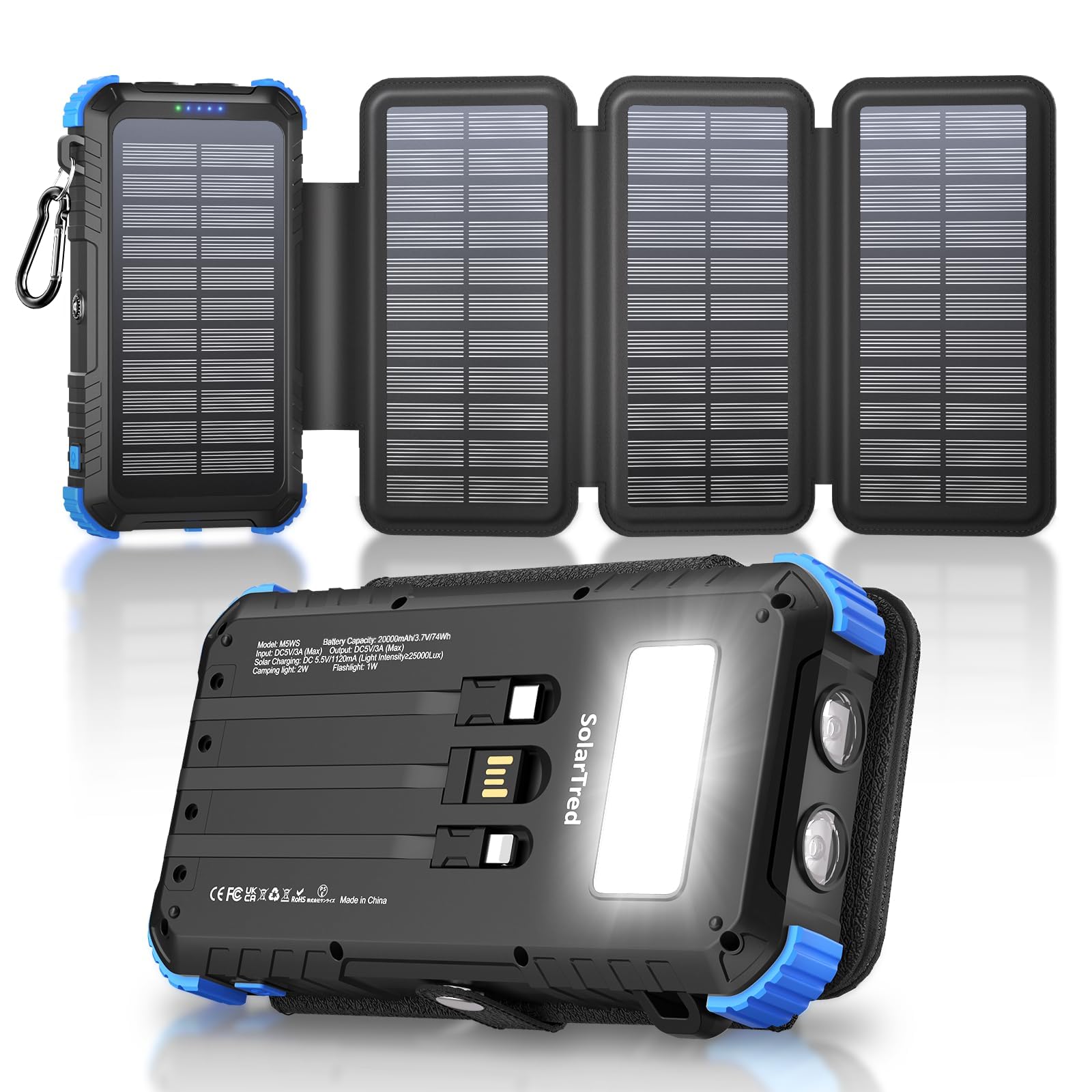
SolarTred M5WS 20000mAh

92 /100
Traveler Score Outstanding

Key details

Capacity
20000mAh
Waterproof
IP67
Fast Charging
15W
Built-in Cables
3 cables
Check Details on Amazon

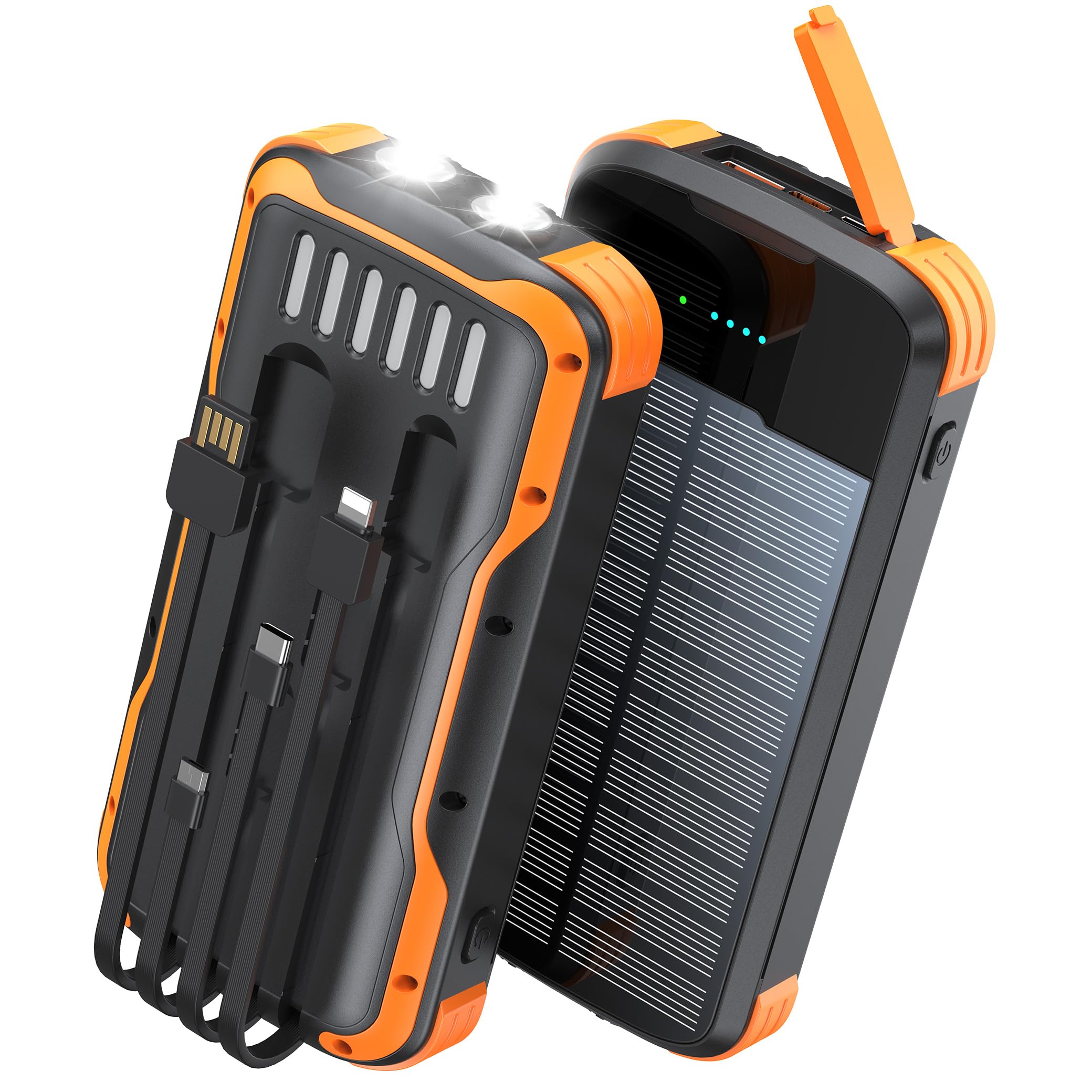
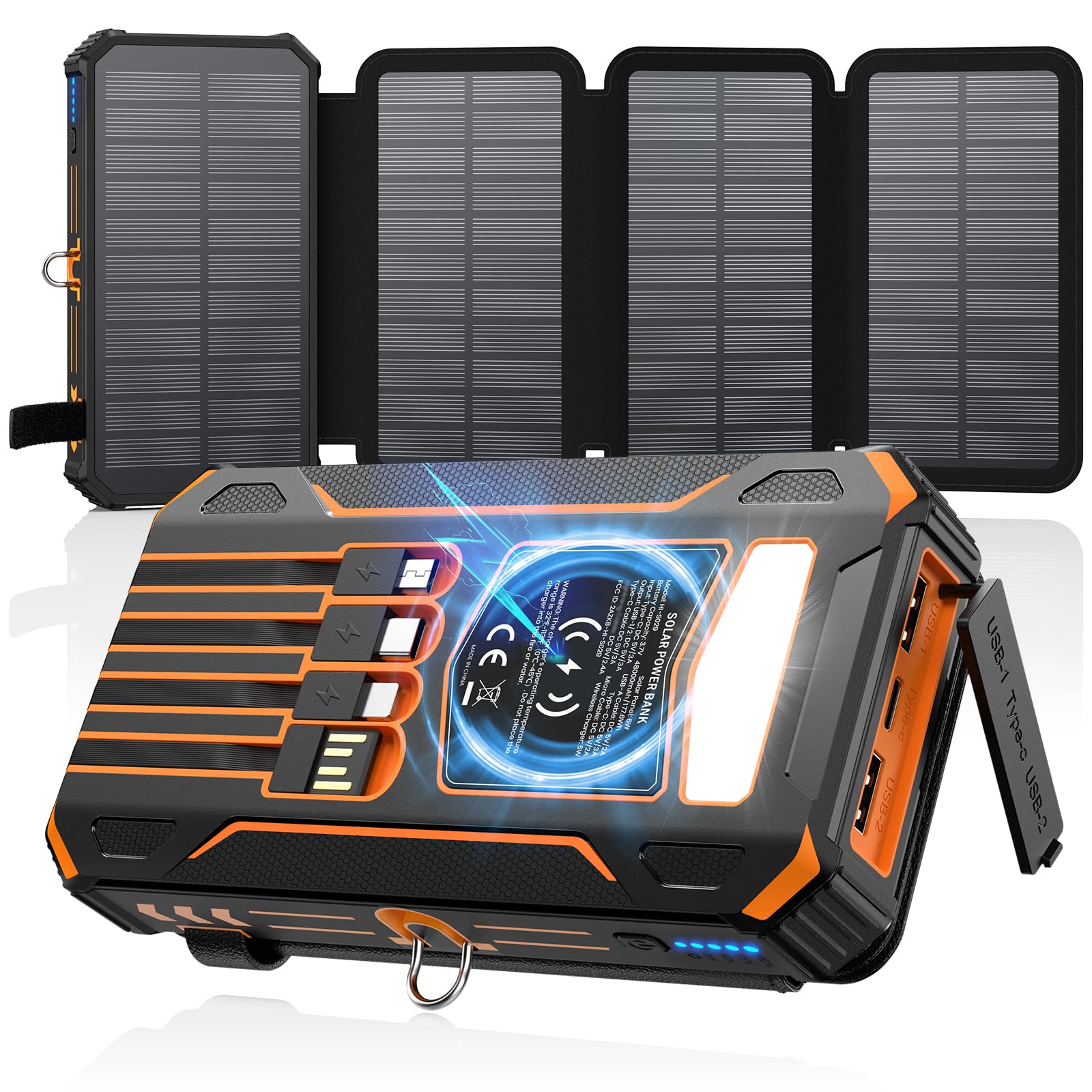
The SolarTred M5WS stands out with four solar panels that can recharge the 20,000mAh pack during daylight hours. Combined with IP67 waterproofing and three built-in cables, it's a practical alternative to the aswayke P20's lantern-focused design.

The 15W fast charging via the built-in cables refuels a typical smartphone to 50% in about 30 minutes. The 20,000mAh capacity can fully charge a modern phone three times, with enough leftover for a small camping light. Solar charging is slower - expect a full day of direct sunlight to add about 50% to the power bank's internal charge.

The three cables (USB-C, Lightning, Micro-USB) cover most devices. The dual light modes are controlled by a single button: a quick press for flashlight, hold for camping light. The IP67 rating gives confidence in wet conditions, but the unit is not designed for submersion.

This is a good match for early adopters and hikers who want to try a newer solar design without compromising on capacity or build quality. If you need a well-tested long-term hiking companion, the aswayke P20 with its IP68 rating and lantern is the established choice instead.

Pros

  • 20,000mAh capacity provides multiple full phone charges for weekend hikes.
  • Sturdy IP67 waterproof construction handles rain and rough handling.
  • Three integrated cables eliminate the need to carry separate charging cords.
  • Four solar panels provide supplementary charging during daylight trips.

Cons

No notable drawbacks to flag.

Our verdict

For hikers wanting a solar charger with built-in cables and lights, the SolarTred M5WS delivers on its promises.

Check Latest Price
4

Most Versatile with Extra Features

GOODaaa PN-W33 24000mAh

88 /100
Traveler Score Excellent

Key details

Capacity
24000mAh
Waterproof
Splash-resistant
Fast Charging
15W
Built-in Cables
4 cables
Check Details on Amazon

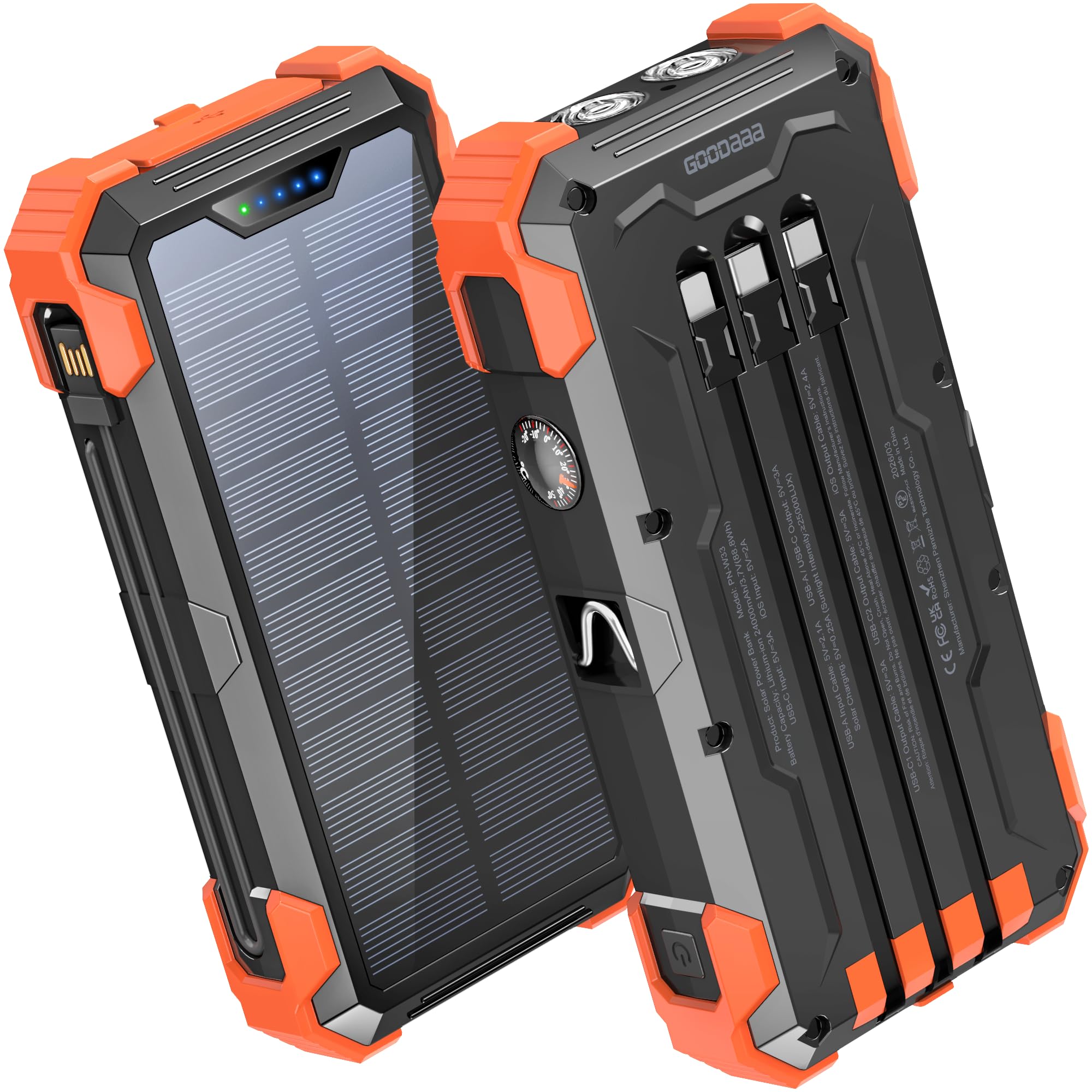
A digital thermometer, SOS flashlight, and four built-in cables set this power bank apart from simpler outdoor chargers. The 24,000mAh capacity can recharge a smartphone several times, and the integrated cables eliminate the need to carry separate cords. This feature set appeals to hikers who enjoy having extra tools at hand without extra bulk.

This power bank suits hikers who value added tools over absolute reliability — the thermometer and SOS light are useful for day trips where a backup charging source is welcome. However, charging consistency and solar performance can vary between units: some owners find the solar panel ineffective and the USB ports may stop delivering power after a few weeks. Durability has also been inconsistent, with occasional reports of casing or internal issues under regular use. Treat it as a versatile secondary option rather than a primary power source.

💡 For best results, charge the power bank via USB before heading out — treat solar as a slow top-up, not a primary charge method.

Pros

  • Built-in thermometer and SOS flashlight add situational awareness for outdoor use.
  • Four integrated cables mean no need to carry separate charging cords.
  • 24,000mAh capacity can fully recharge most phones multiple times.

Cons

  • Solar charging effectiveness is limited
  • Charging reliability has been inconsistent between units, with USB outputs possibly stopping delivery after several weeks of use.
  • Durability has varied, with occasional reports of casing or internal components developing issues under regular outdoor use.
Our verdict

A feature-rich power bank for hikers who want extra tools like a thermometer and SOS light, but be aware that charging and solar consistency can vary — best suited as a secondary backup rather than a primary power source.

Check Latest Price
5

Budget Solar Powerhouse

YELOMIN PS36K 38800mAh Solar

83 /100
Traveler Score Excellent

Key details

Capacity
38800mAh
Waterproof
IP65
Fast Charging
22.5W USB-C PD
Built-in Cables
4 cables
Check Details on Amazon

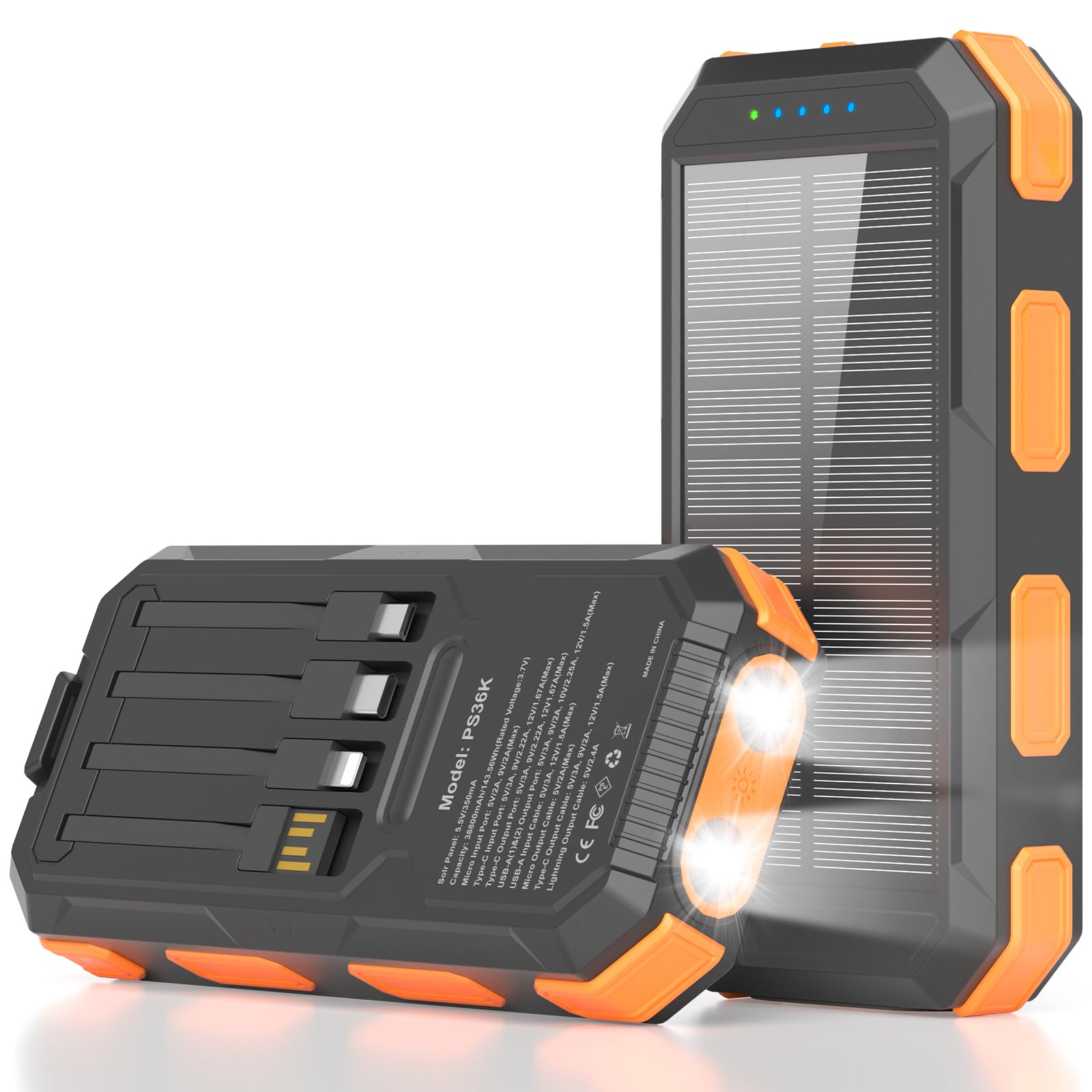
The YELOMIN PS36K offers the highest capacity per dollar among outdoor power banks, with 38,800mAh and four built-in cables that keep your gear bag light. For group trips or heavy phone users, this means topping off multiple devices without hunting for cords.

Budget hikers and campers who prioritize capacity over speed will find this a strong match. The solar panel only provides a slow trickle in direct sunlight - treat it as a backup for emergencies, not a reliable charging method. The IP65 rating and dual LED flashlights add outdoor practicality, but the bank itself takes several hours to recharge via wall outlet.

Pros

  • Huge 38,800mAh capacity at a budget-friendly price - ideal for multi-day trips without breaking the bank.
  • Four built-in cables eliminate the need to carry separate cords for different devices.
  • Solar panel provides emergency trickle charging in direct sunlight when outlets are unavailable.

Cons

  • Recharging the power bank itself can take several hours - plan overnight wall charging before a trip.
Our verdict

If your priority is maximum capacity per dollar and you can work around slow recharging, this is the cost-effective choice for group outings or basecamp use.

Check Latest Price
6

Backup Short Trips

SOXONO L24S 40000mAh Solar

84 /100
Traveler Score Excellent

Key details

Capacity
40000mAh
Waterproof
IP67
Fast Charging
20W PD
Built-in Cables
4 cables
Check Details on Amazon

With 40,000mAh, IP67 waterproofing, 20W PD fast charging, and four built-in cables, the SOXONO L24S packs a lot of features at a budget-friendly price. The capacity is enough to recharge a phone multiple times, and the integrated cables reduce the need for extra accessories — helpful for quick trips where you want minimal gear. However, the solar panel is too weak to be a meaningful power source on the trail, and more critically, some units may not hold a charge after the first use. This makes the L24S a risky primary power source for hiking. Instead, it fits best as a secondary backup in a car emergency kit or for short outings where you can afford to bring a second unit.

Pros

  • High 40,000mAh capacity at a budget-friendly price.
  • Four integrated cables eliminate the need to carry separate cords.
  • IP67 waterproofing and built-in flashlight add outdoor utility.

Cons

  • In some cases, the unit may lose its ability to charge after the first use.
  • Solar charging is slow and may not effectively top off the battery outdoors.
Our verdict

This power bank works best as a secondary backup in a vehicle emergency kit where you can afford to carry two for redundancy — not as a primary power source for a multi-day hike.

Check Latest Price
7

Ultra-Compact Fast

INIU 10000mAh 45W

88 /100
Traveler Score Excellent

Key details

Capacity
10000mAh
Waterproof
Fast Charging
45W PD
Built-in Cables
Check Details on Amazon

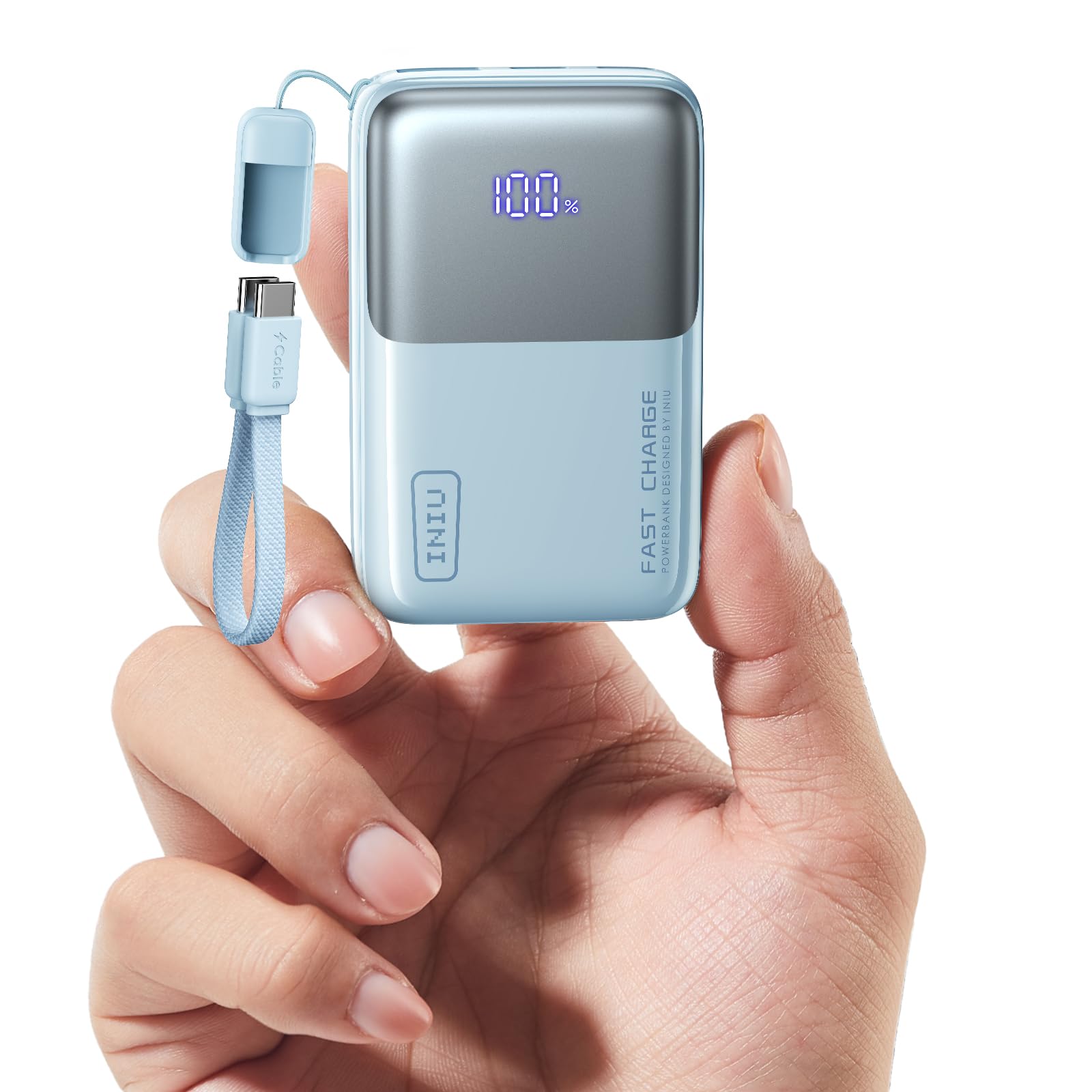
The INIU 10000mAh 45W charger delivers fast charging in a remarkably small and light form factor, making it a good companion for day hikes where every ounce counts. However, its 10,000mAh capacity is sufficient for only one full phone charge, and the lack of a waterproof rating means rain or splashes can cause damage. It is best suited to fair-weather day trips, not multi-day backpacking or wet conditions.

💡 Store the charger in a dry bag or inside a jacket pocket when rain is expected.

Pros

  • 45W PD output charges phones and small devices quickly.
  • Weighs only 8.6 oz with an ultra-compact footprint.

Cons

  • Only 10,000mAh capacity
  • No waterproofing
Our verdict

A solid pick for day hikers who value a lightweight, fast charger over ruggedness and capacity — not for multi-day trips or wet weather.

Check Latest Price
8

High Capacity Travel

YBYP N14 50000mAh

87 /100
Traveler Score Excellent

Key details

Capacity
50000mAh
Waterproof
Fast Charging
22.5W
Built-in Cables
4 cables
Check Details on Amazon

The YBYP N14 delivers high capacity in a notably compact shell, with four integrated cables (USB-C, Lightning, Micro-USB) and 22.5W fast charging that can top off phones and tablets quickly. The digital display shows remaining charge clearly. But this pack is designed for airport lounges and hotel rooms, not rocky switchbacks. It lacks any waterproofing or dust sealing, and the smooth plastic case offers no drop protection. Without user feedback on how it holds up in real outdoor conditions, its durability on the trail remains an open question.

Pros

  • Massive 50,000mAh capacity keeps multiple devices charged for several days.
  • Four built-in cables eliminate the need to carry separate cords for different devices.
  • Compact footprint for a power bank of this capacity

Cons

  • No water or dust resistance
  • Plastic case provides little impact protection; a drop onto rocks could cause failure.
Our verdict

Works well for airport travel and hotel stays where bulk matters less, but leave it at home for anything beyond a fair-weather day hike.

Check Latest Price
9

Campsite Base Charging

SOARAISE HI-S029 48000mAh

87 /100
Traveler Score Excellent

Key details

Capacity
48000mAh
Waterproof
Fast Charging
5V/3A
Built-in Cables
4 cables
Check Details on Amazon

This SOARAISE pack packs a massive 48,000mAh capacity and offers wireless charging plus four built-in cables, making it easy to top off multiple devices without hunting for cords. The solar panels add a theoretical outdoor edge, but in practice the bank itself charges slowly, and some units have stopped working after a period of use. At over 1.5 pounds, it is too heavy for backpacking; think of it as a base-camp power station rather than a hiking companion.

Pros

  • Extremely high 48,000mAh capacity charges phones many times over
  • Versatile charging with wireless, four built-in cables, and solar panels

Cons

  • At over 1.5 pounds, it is too heavy for hiking
  • Charging the power bank can be slow, and some units may stop functioning after limited use
Our verdict

For car camping or base camp setups where you need a large power reserve and can accept the weight and occasional quirks, this power bank delivers massive capacity and multiple charging options.

Check Latest Price
10

Apple Watch Users

BLAVOR PN-W39 20000mAh

87 /100
Traveler Score Excellent

Key details

Capacity
20000mAh
Waterproof
Fast Charging
20W
Built-in Cables
4 cables
Check Details on Amazon

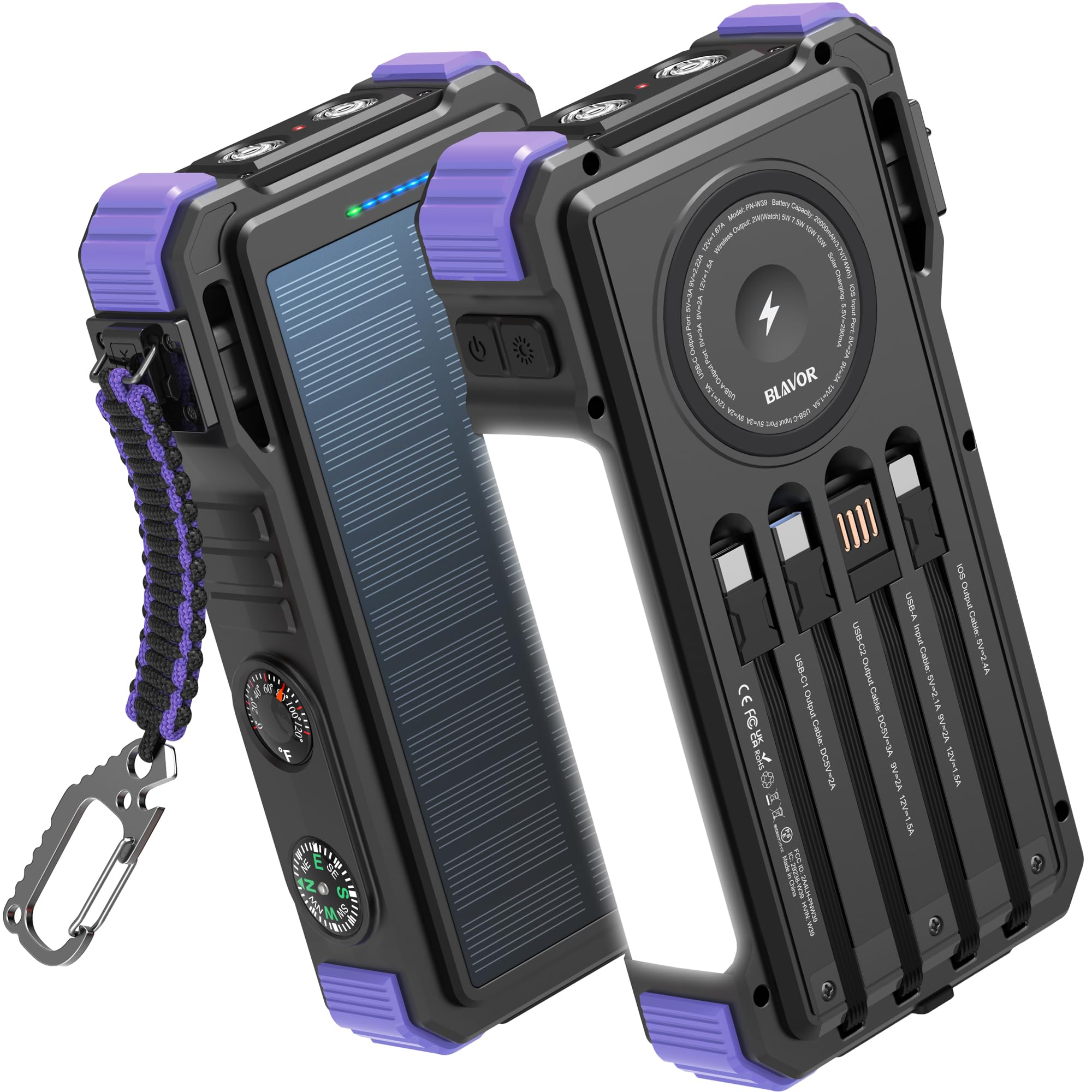
The BLAVOR PN-W39 stands out for its Apple Watch wireless charging plate and four built-in cables, eliminating the need to pack separate chargers for different devices. The 20W fast charging and 20000mAh capacity can keep a phone and watch topped off during a car camping trip. However, the solar panel offers minimal practical benefit — it requires hours of direct sunlight to add a meaningful charge, and some units have shown inconsistent overall charging performance. The weight of over a pound and bulky design make it impractical for backpacking or ultralight hiking. For hikers who carry an Apple Watch and want a single power source for basecamp use, this is a sensible option — just don't expect solar to serve as a primary charging method.

Pros

  • Wireless charging for Apple Watch eliminates the need for a separate watch charger.
  • Four built-in cables cover Lightning, USB-C, Micro-USB, and the watch cable.
  • Solid build quality with integrated flashlight and camping light adds outdoor utility.

Cons

  • For hikers expecting solar to extend multi-day trips, the solar panel delivers very little
  • At over a pound, the weight is noticeable in a hiking pack
Our verdict

Best for Apple Watch users on car camping trips who value all-in-one convenience and won't rely on solar charging.

Check Latest Price

How to Choose

Battery Capacity

Choose capacity based on trip length and device usage. A 10,000mAh bank charges a phone about twice; 20,000mAh handles a weekend. Multi-day trips or group hikes need 40,000mAh or more.

Higher capacity comes with weight trade-offs: a 50,000mAh bank weighs over 1.5 lbs. If you’re carrying it miles, that extra weight adds up fast.

Waterproof Rating

An IP67 or IP68 rating means the bank can survive rain, splashes, and brief submersion. For hiking in wet conditions, this is critical — a non-rated bank can die from a single downpour.

IP ratings like IPX5 handle splashes but not full submersion. If you ford streams or expect heavy rain, IP68 is the safer bet.

Fast Charging

Fast charging (USB-C PD or QC) cuts the time to recharge your phone from over two hours to under one. Look for 20W or higher for modern smartphones.

The bank’s own charging speed matters too: a high-capacity bank with slow input may take 10+ hours to refill from a wall outlet. Check input wattage.

Built-in Cables

Built-in cables are convenient — no searching for a cord at the trailhead. But they’re often short and fixed length, which can be awkward when charging a phone in your pack.

If a cable breaks, the whole bank may need replacement. Carry a separate spare cable as backup.

Weight

Weight directly affects how far you can comfortably hike. A 200g (7oz) bank is pocketable for day hikes; anything over 600g (1.3lbs) is better left at base camp.

Prioritize capacity-to-weight ratio. For example, an 8.6oz 10,000mAh bank is excellent for ultralight, while a 1.5lb 50,000mAh bank is more suited for car camping.

Frequently Asked Questions