5 Best Mountaineering Tent of 2026: Match Your Climb's Altitude and Snow Load

Which 3-season shelters actually hold up on alpine treks without breaking your back or budget.

Searching for a 'mountaineering tent' usually brings up heavy expedition domes meant for deep winter. But most high-altitude backpacking happens in summer and shoulder seasons, where snow is light and the real challenge is wind, rain, and weight.

The tents here are all 3-season shelters, not four-season bomb shelters. That distinction matters: they handle strong gusts and moderate snowfall but aren't designed for sustained blizzard loads. The trade-off is a lighter pack and lower cost.

This guide focuses on picking the right shelter for alpine treks where weather is variable but not extreme. We've prioritized proven durability, real-world feedback, and honest sizing so you don't end up with a tent that's either too heavy or too fragile for your route.

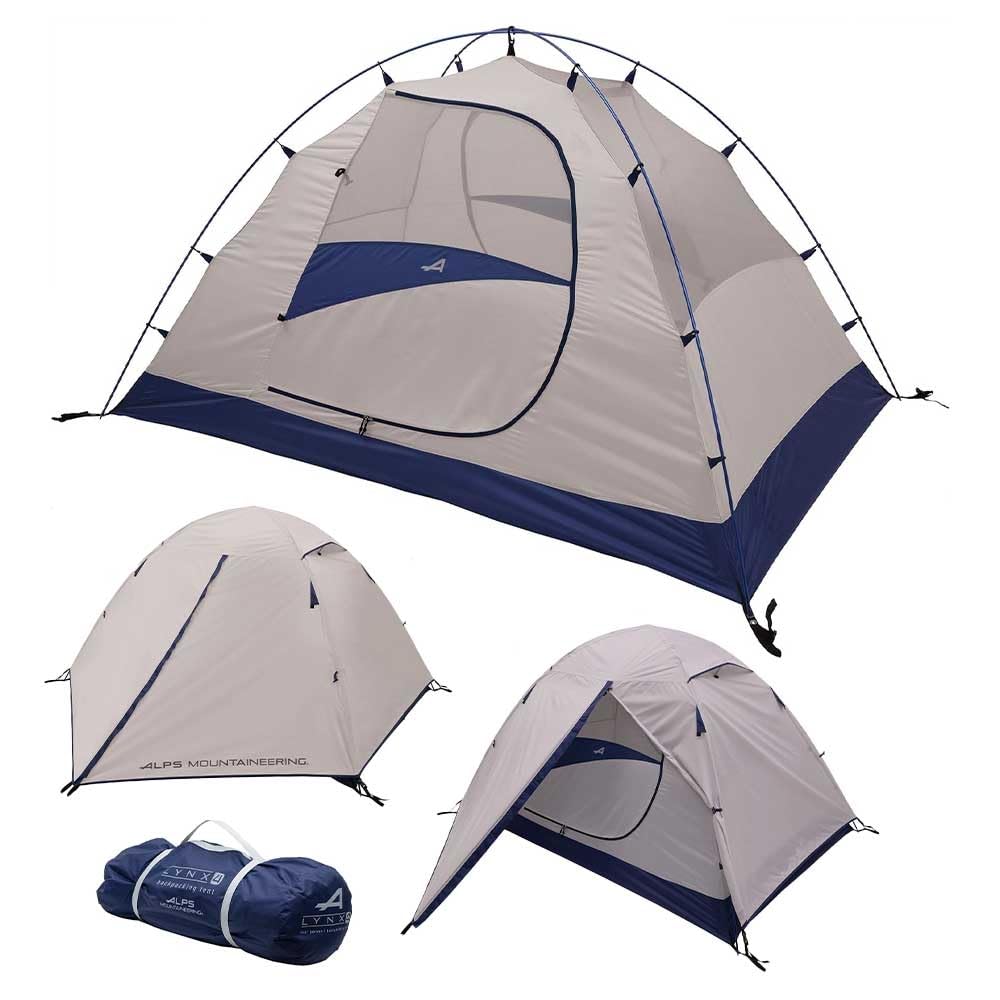
1

Best Overall Mountaineering Tent for Duos

ALPS Lynx 2

92 /100
Traveler Score Outstanding

Key details

Weight
5 lbs 13 oz
Capacity
2 Person
Pole Material
7000 series aluminum
Weather Resistance
1500mm / 2000mm
Check Details on Amazon

Setting up the Lynx 2 is straightforward even in low light, thanks to color-coded clips and symmetrical poles. At 46 inches center height and a 90x60 inch floor, two adults have room to sit up and store gear. The 2000mm floor and 1500mm rainfly coatings handle sustained rain when properly staked.

In moderate winds and rain, the tent holds shape without excessive flapping. The vestibules offer protected storage for packs and boots. Some users note that the rainfly needs taut staking to prevent pooling — a standard requirement for most entry-level tents.

This tent fits couples or friends sharing a backcountry shelter on a budget. First-time backpackers will appreciate the forgiving setup and roomy interior. It is not for ultralight enthusiasts seeking sub-4-pound loads, nor for mountaineers facing heavy snow loads — its 3-season design handles summer and shoulder-season alpine treks but lacks snow-load capability. Weight-conscious duos may prefer the lighter option in this set, which saves nearly a pound at the cost of some interior space.

💡 Check pole sections for bends or cracks before each trip, especially after heavy use in windy conditions.

Pros

  • Easy setup with color-coded clips and symmetrical pole design.
  • Spacious interior allows two people to sit upright and store gear comfortably.
  • Solid build quality using 7000-series aluminum poles and durable fabrics.
  • Good weather resistance when properly staked and taut.
  • Budget-friendly price combined with durable materials and roomy design.

Cons

  • At 5 lbs 13 oz, the tent is heavier than ultralight alternatives
  • Occasional pole breakage has been noted after several uses; inspecting poles before each trip can reduce risk.
Our verdict

For backpackers who prioritize interior space and easy setup over minimal weight, the Lynx 2 offers a well-tested balance of durability, weather resistance, and cost.

Check Latest Price
2

Lightweight & Well-Ventilated

OneTigris COSMITTO 2

90 /100
Traveler Score Outstanding

Key details

Weight
~5 lbs
Capacity
2 Person
Pole Material
Aluminum alloy
Weather Resistance
1500mm / —
Check Details on Amazon

The OneTigris COSMITTO 2 cuts about a pound compared to the ALPS Lynx 2, making it a lighter carry for multi-day hikes. Its mesh-heavy design and dual vents move air through the tent efficiently, which matters in damp or rainy climates where condensation builds up quickly. The 1500mm rainfly coating has held up in sustained rain, keeping the interior dry without the clammy feel that traps moisture.

This tent suits couples or solo backpackers who rank low weight and breathability above heavy-duty floor fabric. The 75D nylon floor can tear when pressed against cot legs or sharp rocks, so a footprint is necessary on abrasive campsites. For hikers who stick to established trails and softer ground, the tradeoff is straightforward: you sacrifice a bit of ruggedness for a noticeably lighter pack.

💡 Use a footprint — the floor fabric benefits from a protective layer on rocky or abrasive ground.

Pros

  • Hubs and color-coded clips make setup quick
  • Interior fits two adults with gear comfortably; hexagonal shape gives useful floor space.
  • Mesh panels and vents reduce condensation, keeping the tent breathable in humid weather.

Cons

  • Floor fabric can tear under pressure from cot legs or sharp objects; a footprint is recommended for rough terrain.
Our verdict

A lightweight, well-ventilated choice for backpacking duos who accept the floor's sensitivity in exchange for a lighter load and better moisture management.

Check Latest Price
3

Best Solo Shelter

ALPS Lynx 1

92 /100
Traveler Score Outstanding

Key details

Weight
4 lbs 1 oz
Capacity
1 Person
Pole Material
Aluminum
Weather Resistance
1500mm / 2000mm
Check Details on Amazon

At 4 lbs 1 oz and under $115, the ALPS Lynx 1 is the most weight- and budget-friendly option in the group. Setup takes minutes with its color-coded poles and clip construction, and the aluminum frame holds up well in gusty conditions. Compared to the larger Lynx 2, it trades headroom and floor area for a significantly smaller pack load.

This tent fits solo hikers who need a compact shelter for summer and shoulder-season trips. The 90-by-32-inch floor is snug — hikers over 6 feet will find legroom tight, and the ventilation slots on the rainfly can allow moisture in during heavy downpours if the fly isn't pitched with enough clearance. It is a 3-season design; not intended for winter snow loads.

💡 Pitch the rainfly with a gap between the vent and tent body to reduce the chance of water ingress in downpours.

Pros

  • Extremely easy to set up with color-coded poles and clips.
  • Lightweight for solo backpacking at 4 lbs 1 oz.
  • Good build quality with aluminum poles and 2000mm floor coating.
  • Great value for the price given the weight and features.

Cons

  • Interior length may be too short for hikers over 6 feet to stretch out fully.
  • Rainfly can let moisture enter through ventilation slots during sustained heavy rain if not positioned carefully.
Our verdict

For solo backpackers who keep trips to mild weather and don't need extra legroom, the Lynx 1 delivers a winning mix of low cost and light weight.

Check Latest Price
4

ALPS Zephyr 2

91 /100
Traveler Score Outstanding

Key details

Weight
Capacity
2 Person
Pole Material
7000 series aluminum
Weather Resistance
1500mm / —
Check Details on Amazon

The ALPS Zephyr 2 brings pre-bent poles that create more interior shoulder space than typical two-person tents, plus two doors and vestibules for independent access and gear storage. Its 3-season design and 7000-series aluminum poles suit summer and shoulder-season backpacking. However, the listing lacks any customer reviews or detailed specs, so weather resistance and durability remain unverified. Without confirmed performance data, this tent is a risk for anyone needing reliable protection on high-altitude trips.

Pros

  • Pre-bent poles provide noticeably more headroom and shoulder space than standard 2-person tents.
  • Two doors and two vestibules allow separate entry and protected gear storage for each occupant.
  • 7000-series aluminum poles offer a good strength-to-weight ratio for a mid-range tent.

Cons

  • Weather resistance and long-term durability cannot be confirmed due to absence of user feedback
  • 3-season rating limits use to summer and shoulder-season; not designed for heavy snow loads or winter storms.
Our verdict

For backpackers willing to test an unproven design on moderate summer trips, the Zephyr 2 offers appealing headroom. But without confirmed durability, it's a risk for serious alpine use.

Check Latest Price
5

Family Car Camping

ALPS Lynx 4

89 /100
Traveler Score Excellent

Key details

Weight
7 lbs 9 oz
Capacity
4 Person
Pole Material
7000 series aluminum
Weather Resistance
1500mm / 2000mm
Check Details on Amazon

The Lynx 4 is a spacious 4-person tent with rugged 7000-series aluminum poles and 2000mm floor coating, built for repeated family car camping use. Setup is quick thanks to clip-on pole attachments, and the 52-inch center height allows standing room for most adults. However, the rainfly design limits airflow, which may trap condensation in damp climates, and the 7 lb 9 oz weight and large packed size make it impractical for backpacking or alpine mountaineering — this tent belongs near the trailhead, not on a high-altitude ridge.

Pros

  • Heavy-duty build with aluminum poles handles rough campsite conditions.
  • Clip-on poles make assembly fast for setting up after dark.
  • Interior fits four people plus duffel bags without feeling cramped.

Cons

  • Nearly 8 lbs pack weight limits it to car camping and base camps.
  • Limited ventilation with rainfly can cause condensation on humid nights.
Our verdict

Best suited for family car camping trips where weight and pack size are secondary to interior space and durability.

Check Latest Price

How to Choose

Total Weight

Weight directly affects how far and fast you can travel. A difference of one pound over a day of hiking adds up to 20-30 extra pounds of cumulative effort. For alpine routes with steep approaches, every ounce matters.

The sweet spot for a two-person mountaineering tent is 5 to 6 pounds. Lighter tents (under 4.5 lbs) often use thinner fabrics that puncture more easily on rocky ground. Heavier tents (over 7 lbs) are better suited for base camps where you don't carry them all day.

Capacity and Layout

A '2-person' tent rarely fits two full-size adults plus gear comfortably. Manufacturers measure floor space with sleeping pads side by side, leaving no room for packs or boots inside. Look for an interior width of at least 55 inches for two people to avoid hip-to-hip contact.

Vertical walls from pre-bent poles (like the Zephyr 2) increase usable headroom but add weight. Clip-on pole attachments are faster to set up than sleeves, but sleeves distribute wind loads more evenly. Consider how you'll use the tent: if you spend hours inside waiting out storms, extra space is worth the weight.

Weather Resistance

Rainfly and floor coatings are measured in millimeters of water column. 1500mm on the fly is adequate for moderate rain; 2000mm on the floor resists puddling. But these numbers only matter if seams are factory-sealed. Unsealed seams let water through stitch holes, so check that the tent comes with sealed seams or carries seam sealer.

A bathtub-style floor with taped seams prevents ground moisture from seeping in. Tents with a high bathtub (3-4 inches) keep water out during heavy puddling. On snow, a solid floor with a footprint protects against sharp ice crystals that can abrade thin nylon.

Pole Material and Design

Aluminum poles are standard for mountaineering because they bend under load and spring back, unlike fiberglass which snaps. 7000-series aluminum is stronger and slightly heavier than 6000-series. Pole diameter (8.5mm to 9.5mm) affects stiffness; thicker poles handle wind better but add weight.

Clip-on pole attachments make setup fast and intuitive, but the grommets can wear over time. Sleeves distribute pole tension evenly and are quieter in wind, but they make the tent harder to pitch in the dark. For alpine use where speed matters, clips usually win.

Ventilation

Condensation is the most common complaint in 3-season tents at altitude. When the inside air is warmer and more humid than outside, water condenses on the fly and can drip onto you. The solution is adjustable vents on the rainfly that allow moist air to escape without letting rain in.

Mesh panels near the top of the inner tent help airflow but reduce warmth. Some tents have a 'vent window' on the fly that can be propped open with a pole. If you camp in humid coastal mountains, prioritize tents with at least two fly vents; in dry alpine environments, single vent designs are usually fine.

Frequently Asked Questions