12 Best Lightweight Backpacking Sleeping Pad 2026: Foam vs Air

Find the best lightweight backpacking sleeping pad for your sleep style: closed-cell foam for no-leak simplicity, inflatable for packable comfort.

Lightweight backpacking pads split into two physical approaches: closed-cell foam and inflatable air. Foam pads shrug off thorns, never leak, and need no setup, but their firm surface can pressure hips. Inflatable pads pack down to bottle size and cushion side sleepers, yet every one carries a real leak risk. Choosing well means deciding which trade-off your trail style can live with.

The category also uses 'ultralight' loosely. Some pads marked ultralight weigh over two pounds, and uninsulated inflatables can feel cold on cold ground. A useful lightweight pad is not the lightest listing; it is one whose weight, warmth, and packed size fit your typical trip.

This guide sorts the options by the decisions that matter: foam versus air, R-value for ground warmth, packed size, and inflation method. The right pad is the one you will actually carry every mile and still want to sleep on after dark.

1

Best Overall

Therm-a-Rest Z Lite Sol

93 /100
Traveler Score Outstanding

Key details

Durability
No leak possible
Packed Weight
14 oz
Thickness / Width
0.75 in, 20 in
Pack Size / Method
Accordion fold, strapped outside
Check Details on Amazon

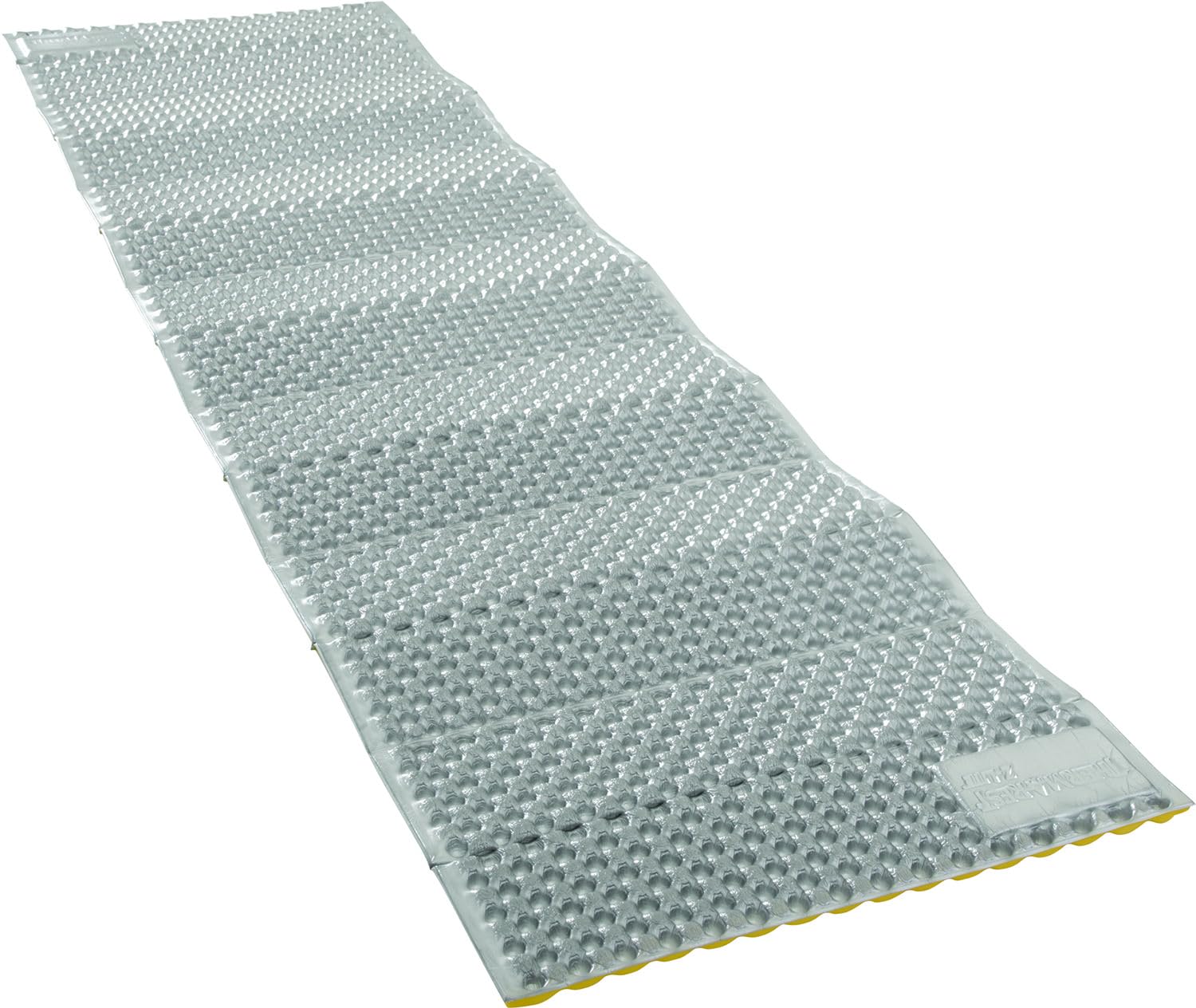
The Z Lite Sol pairs a 14 oz closed-cell accordion with an R-2.6 rating, and because there is no air chamber, it needs no pump, valve, or patch kit. Unroll it on any flat ground and the foam is ready immediately. The reflective coating adds noticeable warmth for a foam pad, while the accordion folds into a compact block that straps to the outside of a pack, preserving interior space for other gear. Closed-cell foam holds up through years of rocky campsites and repeated packing, with no air retention to monitor. On the trail, the pad doubles as a sit pad and can be dropped on gravel without the care an inflatable demands. The R-2.6 rating covers three-season ground insulation without adding bulk inside the pack.

This is the zero-maintenance ground layer for ultralight hikers, thru-hikers, and mountaineers who prefer foam over inflatables. The firm 0.75-inch profile is the main boundary: it can pressure hips for side sleepers who need thick cushioning, and the reflective Mylar coating can wear over time. Back and stomach sleepers, or anyone who accepts a firm night in exchange for a no-inflate design, will take that tradeoff without issue.

💡 Side sleepers can soften the firm surface by placing a thin sit pad under the hips.

Pros

  • At 14 oz, the accordion folds into a compact block that straps to the outside of a pack and leaves interior space free.
  • Closed-cell foam holds up through years of trail use with no air loss and no puncture repair.
  • The R-2.6 reflective coating adds noticeable warmth for a foam pad.

Cons

  • The reflective Mylar coating can wear or flake after heavy use.
  • Firm 0.75-inch foam can pressure hips for side sleepers.
Our verdict

The Z Lite Sol is the no-inflate ground layer for backpackers who accept a firm sleep surface in exchange for zero-maintenance warmth.

Check Latest Price
2

Budget Ultralight Inflatable

Sleepingo Ultralight Mat

88 /100
Traveler Score Excellent

Key details

Durability
Pinhole leaks reported
Packed Weight
14.4 oz
Thickness / Width
2 in, 21.5 in
Pack Size / Method
Water-bottle size, mouth inflate
Check Details on Amazon

At 14.4 oz, the Sleepingo is one of the lightest cushioned pads in this set and rolls down to water-bottle size, with pump-free inflation that takes a few breaths. The 2-inch air surface keeps the weight low while still giving a softer night than foam. This suits budget-conscious ultralight backpackers and 3-season hikers in mild conditions. There is no R-value rating, so cold ground will pull warmth; keep it for trips where ground warmth isn't a concern.

Pros

  • At 14.4 oz, it disappears into a pack without adding noticeable weight.
  • Mouth inflation is quick and deflation is fast, so setup is pump-free.
  • Rolls down to water-bottle size, making it easy to stash for travel.

Cons

  • Air retention can be inconsistent, and pinhole leaks may develop in some units.
Our verdict

For mild-weather backpackers packing light, the Sleepingo delivers a comfortable night without a heavy or bulky pad.

Check Latest Price
3

Best Foam Comfort Alternative

NEMO Switchback

92 /100
Traveler Score Outstanding

Key details

Durability
No leak possible
Packed Weight
14.8 oz
Thickness / Width
Pack Size / Method
Hexagonal fold, no inflation
Check Details on Amazon

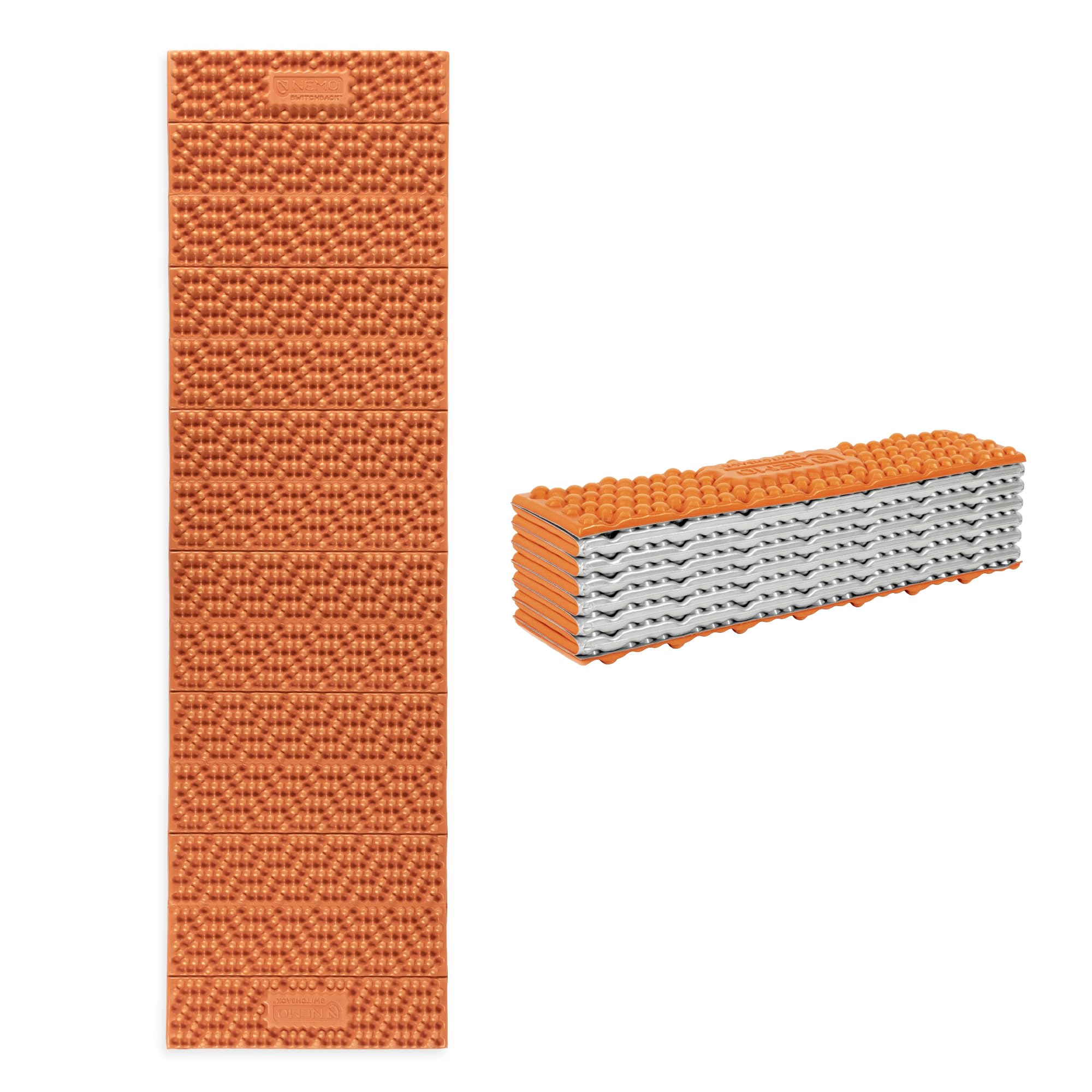
The Switchback's hexagonal nesting foam softens the usual closed-cell feel while holding weight at 14.8 oz and removing the need to manage air. It straps to the outside of a pack, folds into a compact block, and delivers R-2 warmth for three-season trips. Build quality feels solid for a closed-cell foam pad, and the top pick still offers a higher R-value.

This is the pad for hikers who want a dependable no-air sleep layer without a setup routine. Back sleepers and stomach sleepers will get the most from it; side sleepers who need thick cushioning should look to an inflatable.

💡 A folded layer of clothing under the hips can soften the surface if needed.

Pros

  • Lightweight 14.8 oz pad straps to the outside of a pack without wasting pack space.
  • Folded shape stays compact at 20 x 5 x 5.5 in, fitting neatly under pack straps.
  • Build quality feels solid for a closed-cell foam pad.

Cons

  • Firm foam can pressure hips when sleeping on your side.
Our verdict

Anyone set on a zero-inflate foam pad gets the softer alternative to the top pick without taking on extra pack weight.

Check Latest Price
4

Best for Cold-Weather Backpacking

Gear Doctors ApolloAir

88 /100
Traveler Score Excellent

Key details

Durability
Leak reports occasional
Packed Weight
17 oz
Thickness / Width
3.2 in, 22 in
Pack Size / Method
Pump sack inflation
Check Details on Amazon

The ApolloAir pairs R-5.2 insulation with a 17-ounce pack weight, which makes it the warmest ultralight inflatable in this roundup. Its pump sack inflates the 3.2-inch loft without introducing breath-moisture, and the pad packs down small enough to live inside a winter pack.

This is the pick for 4-season hikers who count ounces and want a compact sleep system. The 22-inch taper is the main fit boundary: broad-shouldered side sleepers may feel the edges. Air retention can vary between units, so a two-minute pressure check before a multi-night carry is a sensible habit.

💡 Inflate to full pressure and lie on the pad before a backcountry trip to confirm shoulder room.

Pros

  • Comfort holds up across a full night on the trail, with the 3.2-inch loft cushioning hips and shoulders.
  • At 17 ounces, it is light for a winter-rated pad, so cold-weather trips don't demand a foam roll strapped outside.
  • Given the R-5.2 rating, the premium price maps to a warmer sleep system than other ultralight pads at this weight.

Cons

  • On a 22-inch taper, broad-shouldered side sleepers may find their shoulders at the edge.
  • Air retention can vary between units, so a pre-trip pressure check is worthwhile.
Our verdict

Cold-weather backpackers who prioritize warmth per ounce will get a compact, lighter-than-looks R-5.2 sleep system; wider frames should compare the fit against a 25-inch pad.

Check Latest Price
5

Ultralight Budget with Pump

Gear Doctors Ether

85 /100
Traveler Score Excellent

Key details

Durability
Pinhole leaks reported
Packed Weight
17.5 oz
Thickness / Width
3.35 in, 25 in
Pack Size / Method
Pump sack inflation
Check Details on Amazon

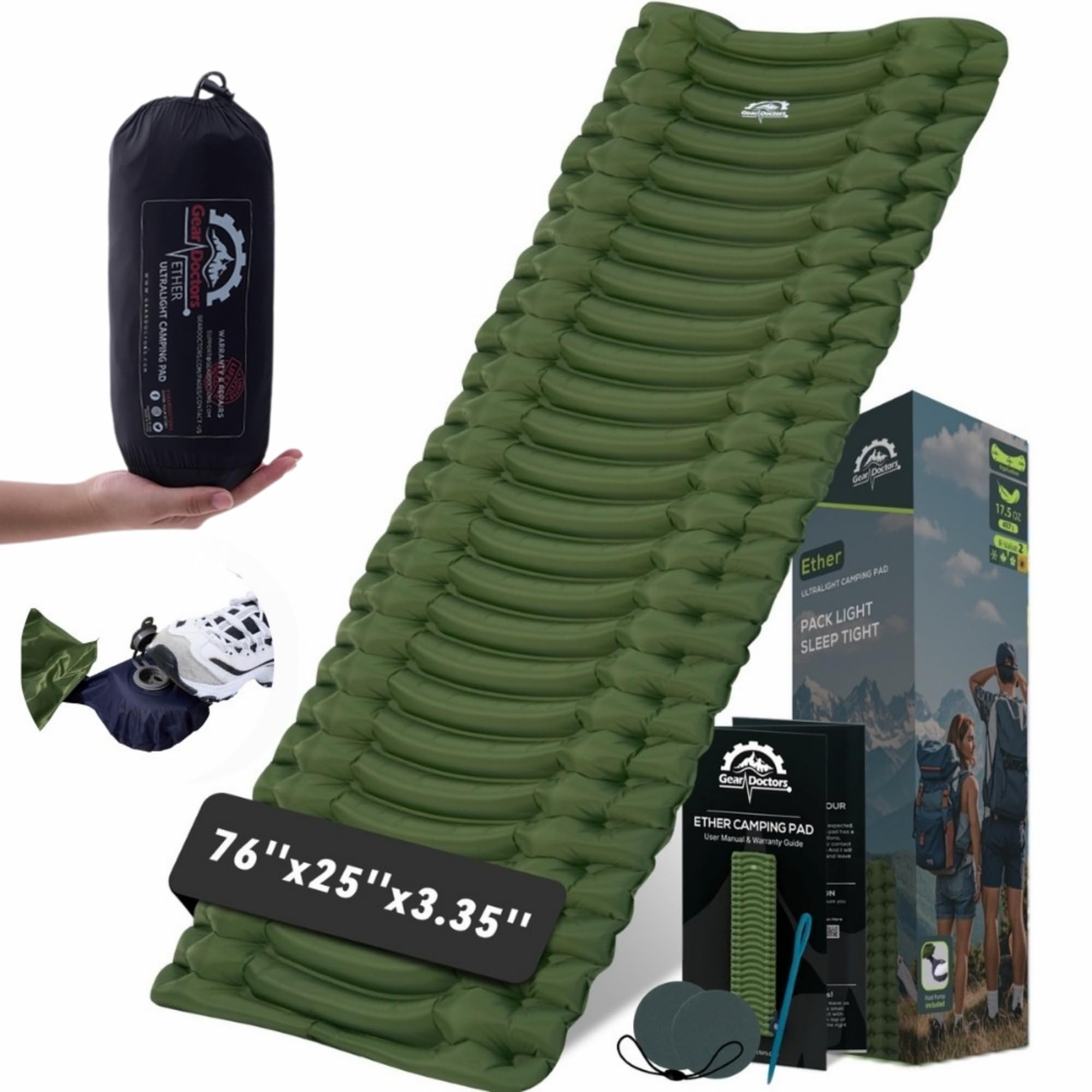
The Ether pairs pump-sack inflation with a 25-inch-wide air platform at 17.5 oz, offering softer sleep than closed-cell foam in the budget ultralight class. It packs down small enough for inside-the-pack storage, and the included pump sack fills the pad in a few presses without the breathless routine of mouth inflation.

This suits 3-season backpackers who want soft inflatable sleep at a budget price. With an R-value of 2, it covers summer and shoulder-season trails - winter camping is outside its scope. Average-to-broader sleepers will find the 25-inch width roomy; those who need an extra-wide pad should look at wider options.

Pros

  • A 25-inch-wide platform with raised edges keeps side sleepers supported without the roll-off feel of narrower pads.
  • Included pump sack inflates the pad quickly and eliminates mouth inflation.
  • Packs down small enough to fit inside a backpack rather than strapping to the outside.

Cons

  • Occasional pin-hole leaks can develop, a concern on multi-night backcountry trips.
Our verdict

For 3-season backpackers, the Ether delivers soft inflatable sleep, a compact roll, and pump-sack ease at a weight that stays ultralight and a price that stays budget-friendly.

Check Latest Price
6

Ergonomic 3-Season Inflatable

Klymit Static V

89 /100
Traveler Score Excellent

Key details

Durability
Valve/leak reports
Packed Weight
18.7 oz
Thickness / Width
2.5 in, 23 in
Pack Size / Method
Mouth inflation, packs small
Check Details on Amazon

Body-mapped V-chambers support hips and shoulders at 18.7 ounces, giving side sleepers a lighter alternative to the thicker high-loft pad in this group. The 2.5-inch loft packs down small enough to ride inside a backpack.

R-value 1.3 is strictly mild-weather, so this suits 3-season trips without frozen ground. Some units can lose air; test it before a multi-night outing.

Pros

  • V-chamber shape cushions hips and shoulders without extra loft
  • 18.7-ounce weight keeps it practical for backpacking
  • Packs down small for a wide 23-inch sleeping surface

Cons

  • Cold ground pulls heat through the 1.3 R-value, making this a warm-weather-only pad.
  • Air retention can vary between units, so a pre-trip inflation check is worth it.
Our verdict

For mild-weather backpackers who side-sleep and want a pad that packs smaller than foam, this is a cost-effective fit.

Check Latest Price
7

3-Season Backpackers

Trekology UL80

89 /100
Traveler Score Excellent

Key details

Durability
Air leaks reported
Packed Weight
26.5 oz
Thickness / Width
3.9 in, 22.4 in
Pack Size / Method
Mouth inflation, packs small
Check Details on Amazon

At 26.5 oz with a 3.9-inch loft, the UL80 delivers side-sleeping comfort and a compact packed size at a budget price. The sub-2 R-value places it behind warmer, lighter trail pads in this set, and some units can lose air overnight; checking a unit for leaks before a backcountry trip keeps the risk manageable.

Pros

  • Four-inch loft cushions hips and shoulders well for side sleepers.
  • 26.5 oz weight and compact packed size fit backpackers without overloading the pack.

Cons

  • Setup is slower than with a pump-sack pad because inflation happens by mouth.
Our verdict

A reasonable choice for 3-season side sleepers on a budget who want inflatable comfort without a premium price.

Check Latest Price
8

Larger Side Sleepers

Trekology UL140

89 /100
Traveler Score Excellent

Key details

Durability
Air leaks reported
Packed Weight
37 oz
Thickness / Width
4.9 in, 29.9 in
Pack Size / Method
Built-in pump, pillow
Check Details on Amazon

The 29.9-inch width and 4.9-inch loft give tall, broad side sleepers more cushion and stability than typical lightweight inflatables. The built-in pump and pillow speed setup. Overnight air loss can occur in individual pads, so checking pressure before sleep is worthwhile. This fits backpackers who put sleep quality ahead of load math.

Pros

  • Wide, thick platform gives larger side sleepers room to move without bottoming out.
  • Built-in pump and pillow eliminate extra inflating gear and simplify camp setup.

Cons

  • At 37 ounces, it misses the sub-2 lb benchmark for lightweight backpacking.
Our verdict

For backpackers who make a restful night the priority, this wide inflatable is the comfort-first alternative in a lightweight pad lineup.

Check Latest Price
9

Budget Campers

FUN PAC Camping Pad

88 /100
Traveler Score Excellent

Key details

Durability
Packed Weight
24 oz
Thickness / Width
3 in, 27 in
Pack Size / Method
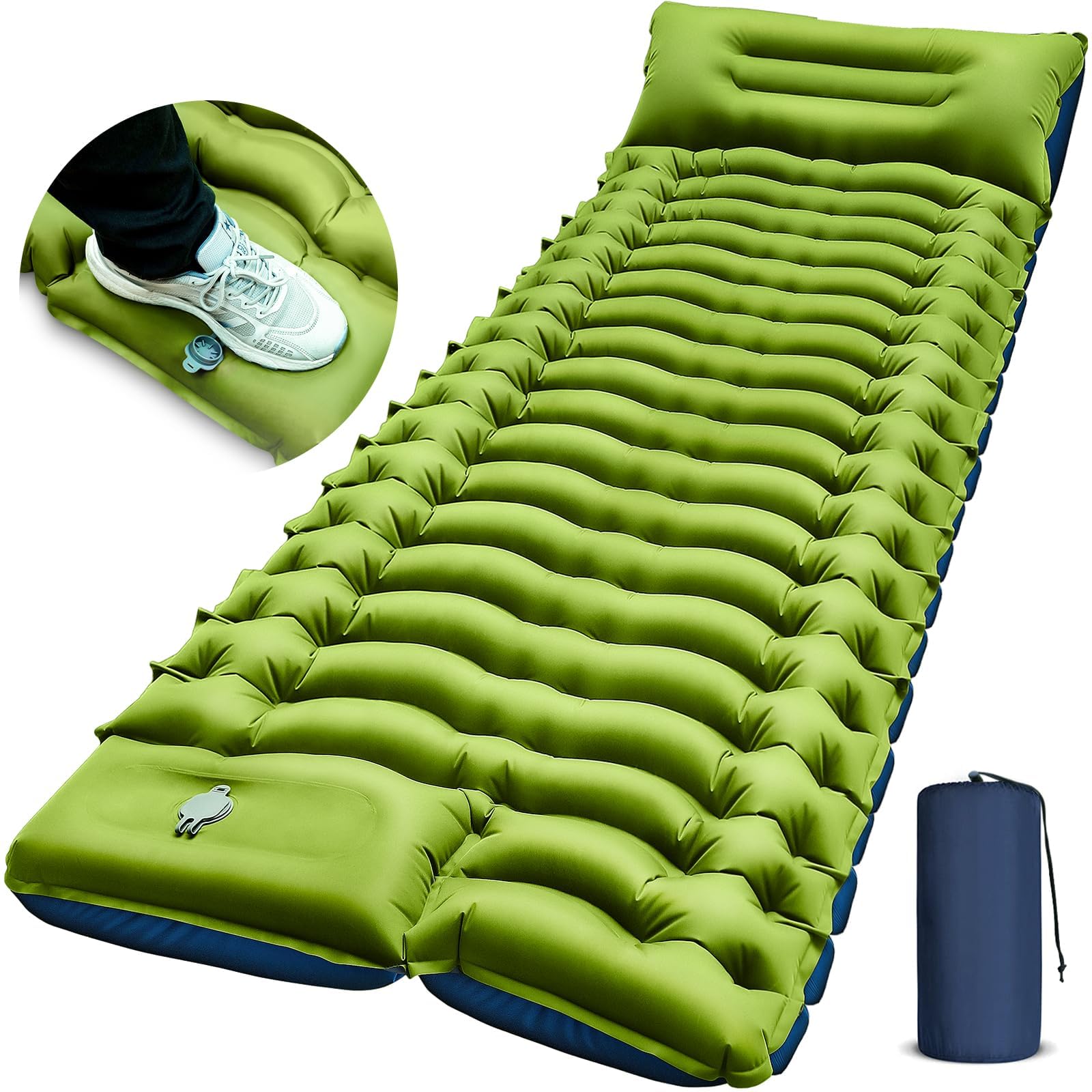
Built-in foot pump
Check Details on Amazon

The built-in foot pump and integrated pillow make this a notably convenient budget pad for quick camping trips. It packs small and sets up without extra gear, suiting backpackers who want a quick camp routine. The 27-inch width can feel tight for larger or broad-shouldered sleepers, which keeps it from ranking with the top air pads.

Pros

  • Built-in foot pump and integrated pillow make setup quick and remove the need to carry a separate pillow.
  • Packs easily and carries well for trips where fast setup and integrated comfort matter more than extreme weight.

Cons

  • At 24 oz, ultralight purists will want a lighter pad
Our verdict

A practical budget choice for campers who want fast setup and a built-in pillow without spending much.

Check Latest Price
10

Budget Car Campers

MOXILS Sleeping Pad

87 /100
Traveler Score Excellent

Key details

Durability
Leaks reported
Packed Weight
30.4 oz
Thickness / Width
2.7 in, 24.5 in
Pack Size / Method
Built-in foot pump
Check Details on Amazon

The built-in foot pump makes setup quick, and 2.7 inches of loft offers decent comfort at a budget-friendly price. Air-retention issues can appear in individual units, so this pad suits car camping and spare-pad duty rather than backcountry trips where a slow leak would be a problem.

Pros

  • Foot-pump inflation keeps your breath out of the pad and sets up quickly.
  • Compact rolled size and 30.4 oz weight make it easy to stash as a spare.

Cons

  • In an overnight tent setup, a slow air leak can leave you on the ground by morning.
Our verdict

Best as a compact spare or car-camp pad when you can inflate before sleeping; air retention may vary between units.

Check Latest Price
11

Budget Side Sleepers

ZOOOBELIVES Airlive2000

86 /100
Traveler Score Excellent

Key details

Durability
Deflation reported
Packed Weight
33.6 oz
Thickness / Width
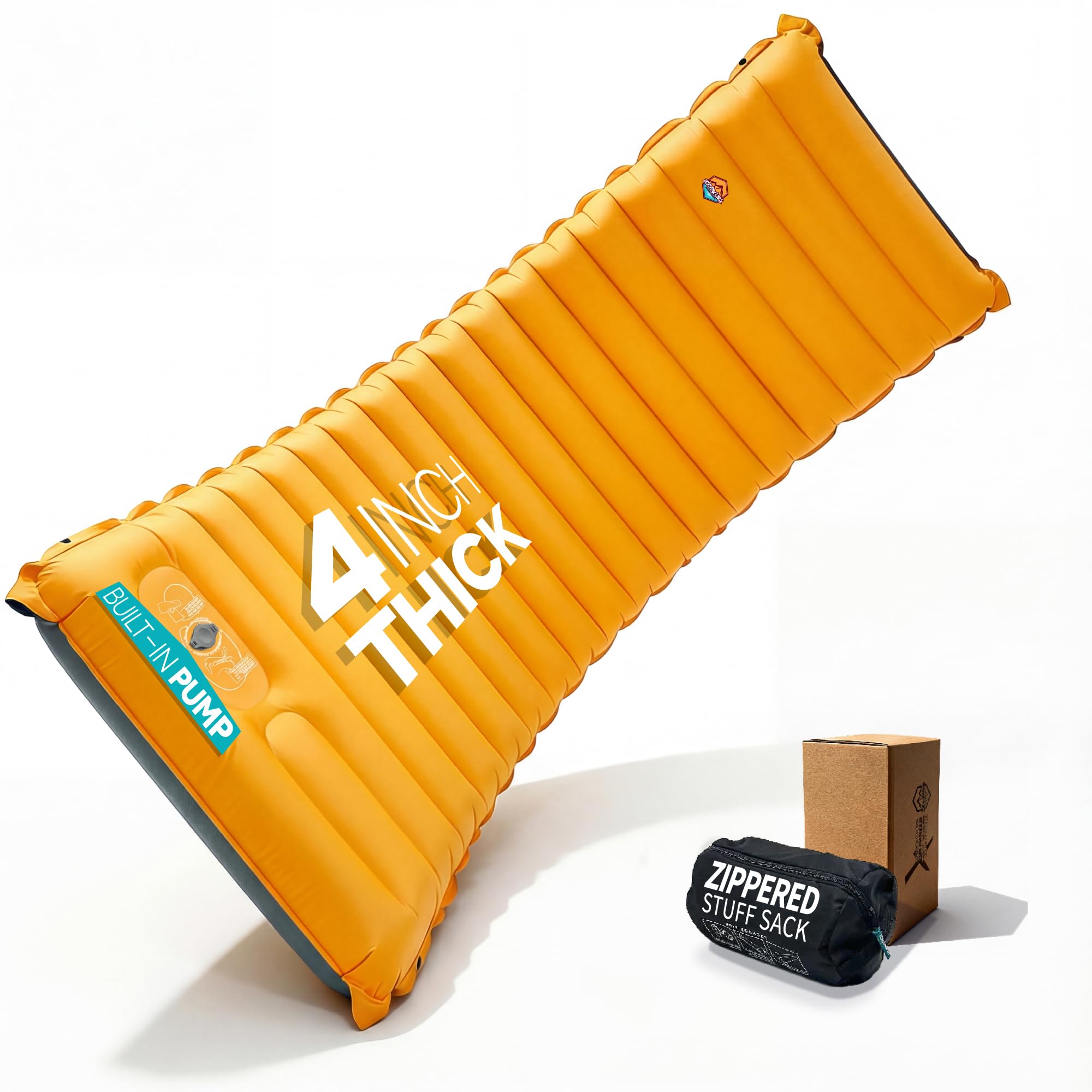
4 in, 24 in
Pack Size / Method
Built-in foot pump
Check Details on Amazon

The Airlive2000 pairs a 4-inch inflatable loft with a built-in foot pump, giving side sleepers a comfortable platform at a budget price. Durability and air-retention issues, including seam tears, can surface, so it suits car camping and festival trips more than backcountry use.

Pros

  • The 4-inch loft cushions hips and shoulders, a real plus for side sleepers.
  • Built-in foot pump gets it inflated without a separate pump or bag.

Cons

  • For backpackers counting ounces, 33.6 oz sits above the 2 lb target, so a lighter pad will suit that use case better.
Our verdict

This is the comfort-first budget pick for trips where a second pad or vehicle is never far away.

Check Latest Price
12

Multipurpose Travelers

Wakeman Foam Pad

86 /100
Traveler Score Excellent

Key details

Durability
Tears on rough ground
Packed Weight
9.6 oz
Thickness / Width
1 in, 24 in
Pack Size / Method
Roll-up mat, no inflation
Check Details on Amazon

At 9.6 ounces and 1 inch thick, this EVA roll covers yoga, sitting, and emergency backup duty, and the water-resistant surface handles damp camp floors. The same thin foam is a compromise for full-night side sleeping — pack it as a backup layer, not the main trail bed.

Pros

  • Extremely lightweight, so it adds almost nothing to a daypack.
  • Decent quality for the low price, with no inflation hardware to maintain.

Cons

  • On rough ground, the thin foam can tear or disfigure.
Our verdict

For day-hike sit pads, yoga travel, and emergency backup, this water-resistant roll carries its weight.

Check Latest Price

How to Choose

Packed Weight

Weight is the first number backpackers check, but the real trade-off sits in the foam-versus-air split. Closed-cell foam pads around 14 oz can be strapped outside a pack, saving internal volume. Inflatable pads in the same weight class roll down smaller than foam, but they add a valve and an air chamber that need care.

A 1 lb pad only helps if the bulk works with your pack and the warmth works for your season. A slightly heavier pad with better insulation and a wider platform can be the smarter carry for a full night's sleep.

R-Value and Insulation

R-value measures how well the pad resists heat loss to the ground. An uninsulated inflatable with an R-value around 1.3 lets ground cold pull heat from your body all night; the air inside does not trap much warmth. Closed-cell foam delivers more warmth per ounce because the foam itself holds still air in place.

For 3-season backpacking, an R-value of 2 or higher covers most mild nights. For shoulder-season or snow camping, look for R-4 or higher, or lay a closed-cell foam pad under an insulated air pad.

Thickness and Width

Thickness controls how far your hip or shoulder sinks before the ground stops you. Side sleepers generally need around 3 inches of loft; back sleepers can manage with less. Width controls whether your arms stay on the pad: a 20-inch pad is fine for narrow shoulders, but broad-shouldered or restless sleepers will want 23 inches or more.

Taller sleepers should also check the length, because a hip that slides off the end of the pad is a cold night, no matter how thick the foam is.

Packed Size and Inflation Method

Packed size determines whether the pad fits inside your pack or has to ride on the outside. Foam pads are the most reliable in that sense because they never need inflation, but their stiff shape is awkward in a full pack. Inflatables roll into a stuff sack, and the inflation method changes the carry weight and setup effort.

A pump sack adds only a little weight and keeps moisture out of the pad. A built-in foot pump is convenient but adds ounces that stay on every mile. Mouth inflation is the lightest option, but it takes effort and pushes damp air into the pad.

Durability and Leaks

The biggest reliability difference is foam versus air. A closed-cell foam pad cannot deflate; an inflatable can lose air through a pinhole, a cracked valve, or a seam separation. That does not mean foam is always the right call, because foam is firm and can be damaged by sharp rocks in a different way.

If you choose an inflatable, carry the repair kit, know how to use it, and test the pad at home before a multi-night trip. Even highly rated pads can have units that lose air, so checking the valve and seams matters more than the average score.

Frequently Asked Questions