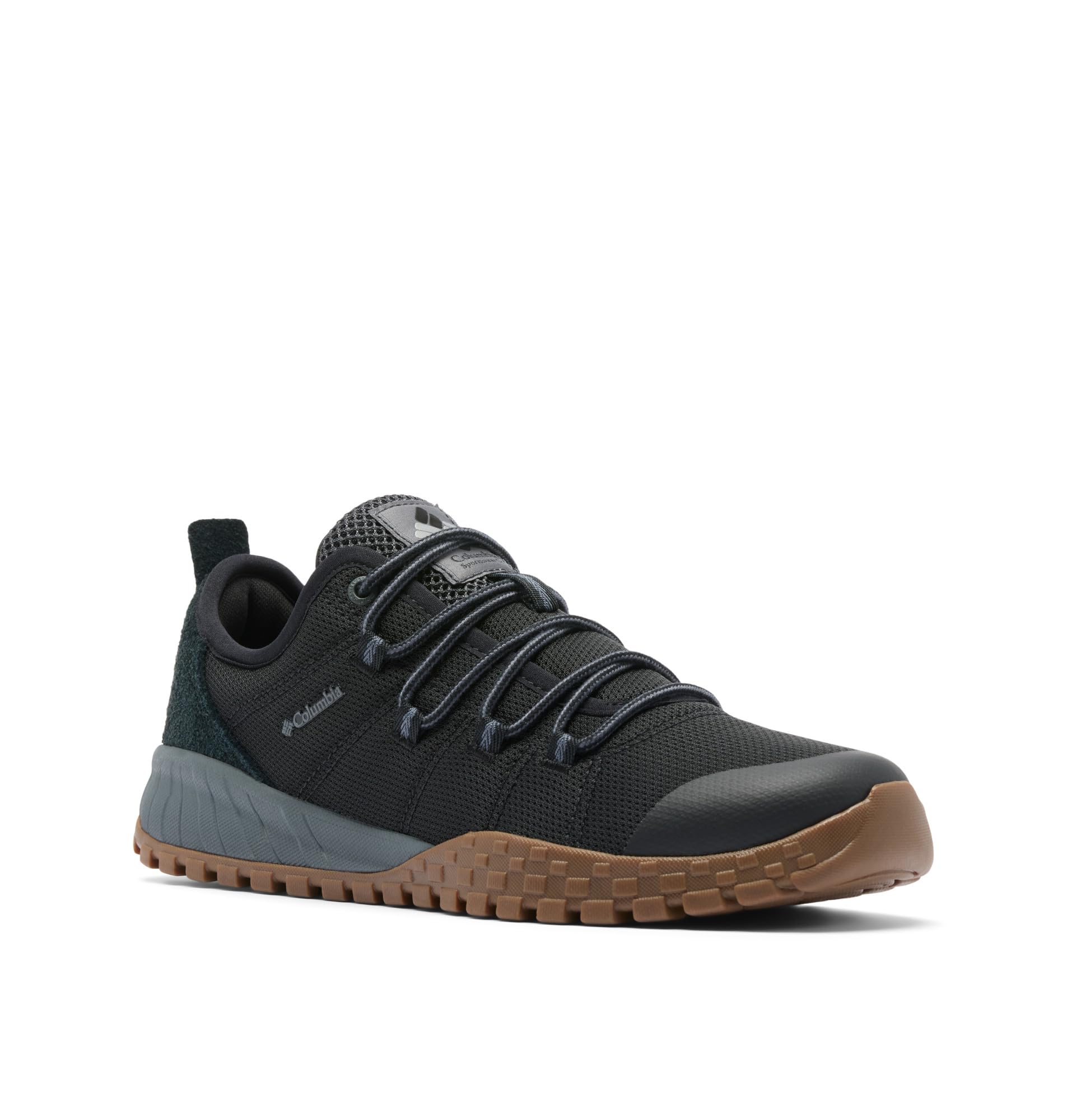
10 Best Hiking Shoes of 2026: Trail-Tested Comfort and Durability

Find the best hiking shoes for travel and day hikes – balancing comfort, durability, and reliability without overpaying.

Many hiking shoe labels claim 'waterproof' but the truth is simpler: most under $100 deliver only water resistance. That gap between marketing and real-world performance is why buyers often end up with wet feet after light rain.

This guide cuts through that confusion by focusing on what actually matters for trail use: outsole grip, cushioning for long days, and fit consistency. Whether you need a lightweight shoe for dry trails or a waterproof boot for wet weather, the right choice depends on matching the shoe's actual strengths to your hiking habits.

1

Best Overall

Merrell Moab 3 Shoe

93 /100
Traveler Score Outstanding

Key details

Fit
Runs small; wide available
Weight
3.06 lb pair
Outsole
Vibram
Cushioning
EVA midsole, arch support
Check Details on Amazon

The Moab 3 combines a Vibram outsole with plush cushioning that grips well on loose gravel and rocky sections without any break-in period. The immediate comfort and arch support let you hit the trail straight out of the box, reducing fatigue on all-day walks.

Long-term users report the shoes holding up for years of regular day hikes, with the Vibram tread maintaining traction across varied terrain. That said, some have noted sole peeling after moderate use - a possibility worth checking on particularly wet or abrasive surfaces. The overall construction handles typical hiking abuse well for most buyers.

This shoe suits day hikers and travelers who prioritize comfort and durability over waterproofing. It is not suitable for wet conditions or stream crossings, and those with half-sizes may need to size up or choose the wide version for a better fit. Lightweight backpackers seeking minimal weight should look at lighter options.

💡 Keeping the shoes dry and avoiding prolonged heat exposure may help sole adhesion last longer.

Pros

  • Exceptional out-of-the-box comfort with no break-in needed
  • Durable construction that holds up for years of daily use
  • Excellent traction on varied terrain
  • Good arch and heel support for all-day wear

Cons

  • Fit may run slightly small for half-size users; wider feet may need the wide version
  • Sole peeling can occur after moderate use in some cases
Our verdict

For day hikers and travelers who don't need waterproofing, the Moab 3 offers immediate comfort and dependable traction that make its premium price a worthwhile investment.

Check Latest Price
2

Best Women's Waterproof Boot

Merrell Moab 3 WP Mid

92 /100
Traveler Score Outstanding

Key details

Fit
Runs small; size up for socks
Weight
1.5 lb pair
Outsole
Vibram
Cushioning
EVA midsole, arch support
Check Details on Amazon

The Moab 3 Mid uses M Select DRY waterproofing to keep feet dry on wet trails, paired with a Vibram outsole for grip on slick rocks and mud. The mid-cut design provides ankle support that helps on uneven terrain, and the boot is comfortable straight out of the box with good arch support. The Vibram outsole maintains traction over miles, and the mid height offers added stability without being overly tall.

This boot suits women who need waterproof protection for day hikes and light backpacking in rain or snow. Some cases of waterproofing performance declining after several months have been reported, and the fit runs snug when wearing thick socks — ordering a half-size up is recommended. Those with narrow feet or who prefer low-cut shoes will find other options more appropriate. For women who hike primarily in dry conditions, the low-top Moab 3 is a lighter alternative, but this mid version excels when water and ankle support are priorities.

💡 Ordering a half-size up accommodates thick socks without compromising fit.

Pros

  • Keeps feet dry in rain and snow
  • Comfortable immediately with good arch and ankle support
  • Durable construction holds up on rugged terrain

Cons

No notable drawbacks to flag.

Our verdict

A dependable mid for wet-condition hiking, best for women who prioritize waterproofing and are comfortable with sizing adjustments.

Check Latest Price
3

Best Value Waterproof for Men

Columbia Transverse WP

92 /100
Traveler Score Outstanding

Key details

Fit
Narrow; wide version available
Weight
Lightweight
Outsole
Omni-Grip
Cushioning
Techlite EVA
Check Details on Amazon

The Columbia Transverse Hike Waterproof delivers reliable wet-weather protection without the usual premium price. Omni-Tech lining keeps feet dry during rain and stream crossings, while the lightweight build and Omni-Grip outsole handle moderate trails with ease.

This boot suits hikers who need waterproofing on a budget but have narrower feet. The standard width may feel snug for wide-footed buyers, so ordering the wide version or sizing up is recommended. Waterproof performance holds up well for day hikes, though the membrane may lose effectiveness under frequent heavy use over several months — a tradeoff to consider if you hike daily in wet conditions.

💡 Order the wide version if you have broader feet — the standard fit runs narrow.

Pros

  • Roomy toe box and solid arch support keep feet comfortable on long hikes.
  • Omni-Tech lining keeps water out during rain and stream crossings.
  • Lightweight design feels less clunky than traditional boots while holding up to regular use.

Cons

  • Standard width may feel snug for wider feet; order the wide version if needed.
  • Waterproof membrane can lose effectiveness under frequent heavy use over several months.
Our verdict

A cost-effective waterproof boot for narrow-footed hikers who want reliable wet-weather performance without the premium price.

Check Latest Price
4

Best for Wide Feet

Columbia Crestwood Boot

91 /100
Traveler Score Outstanding

Key details

Fit
EE wide width available
Weight
1.25 lb pair
Outsole
Omni-Grip
Cushioning
EVA midsole
Check Details on Amazon

The Crestwood stands out with its EE wide width option — a rare find at this price point — and a lightweight, breathable upper that suits warm-weather trail use. It lacks waterproofing, so it is best kept on dry terrain.

This boot fits hikers with wider feet who prioritize breathability over wet-weather protection. The Omni-Grip outsole provides decent traction on dry, rocky trails, though the tread can wear faster on abrasive surfaces.

💡 Keep this boot on dry paths and avoid wet grass — the breathable mesh is not designed for moisture.

Pros

  • EE wide width accommodates broader feet comfortably
  • Lightweight and breathable for warm-weather hiking
  • Good traction and stability on dry trails

Cons

  • Feet get wet quickly in damp grass or light rain
  • Tread wears faster than expected on rocky terrain
Our verdict

For hikers with wide feet who stick to dry trails, the Crestwood offers reliable comfort and traction at a fair price — just do not expect waterproofing or long-lasting tread on rough rock.

Check Latest Price
5

Best Budget Boot for Men

NORTIV 8 Armadillo Boot

89 /100
Traveler Score Excellent

Key details

Fit
Inconsistent sizing
Weight
Lightweight
Outsole
Rubber
Cushioning
EVA midsole
Check Details on Amazon

The NORTIV 8 Armadillo delivers a lightweight build and acceptable comfort that rivals boots costing twice as much. Its low weight reduces fatigue on day hikes, and the outsole provides decent grip on packed dirt and gravel. For the price, the value is hard to beat for someone who hikes a few times a year.

This boot is best for budget-conscious hikers who need an affordable option for dry, easy trails and are willing to treat it as a disposable pair for muddy conditions. The waterproofing can fail in moderate rain or standing water, and sole separation has been noted after a few months of regular use. If you only need a boot for light, occasional outings, the tradeoff is reasonable.

💡 If between sizes, consider sizing up — some find the fit runs narrow.

Pros

  • Exceptional price-to-comfort ratio for budget shoppers
  • Lightweight design that reduces leg fatigue on longer hikes
  • Decent water resistance for light rain or dewy grass

Cons

  • Feet can get wet in moderate rain or standing water
  • Sole separation can occur within months of regular hiking use
Our verdict

For occasional hikers on a tight budget who want a lightweight boot for dry trails, the NORTIV 8 Armadillo offers surprising comfort at an entry-level price — just don't count on it for wet weather or heavy use.

Check Latest Price
6

Women Wet-Weather Hikes

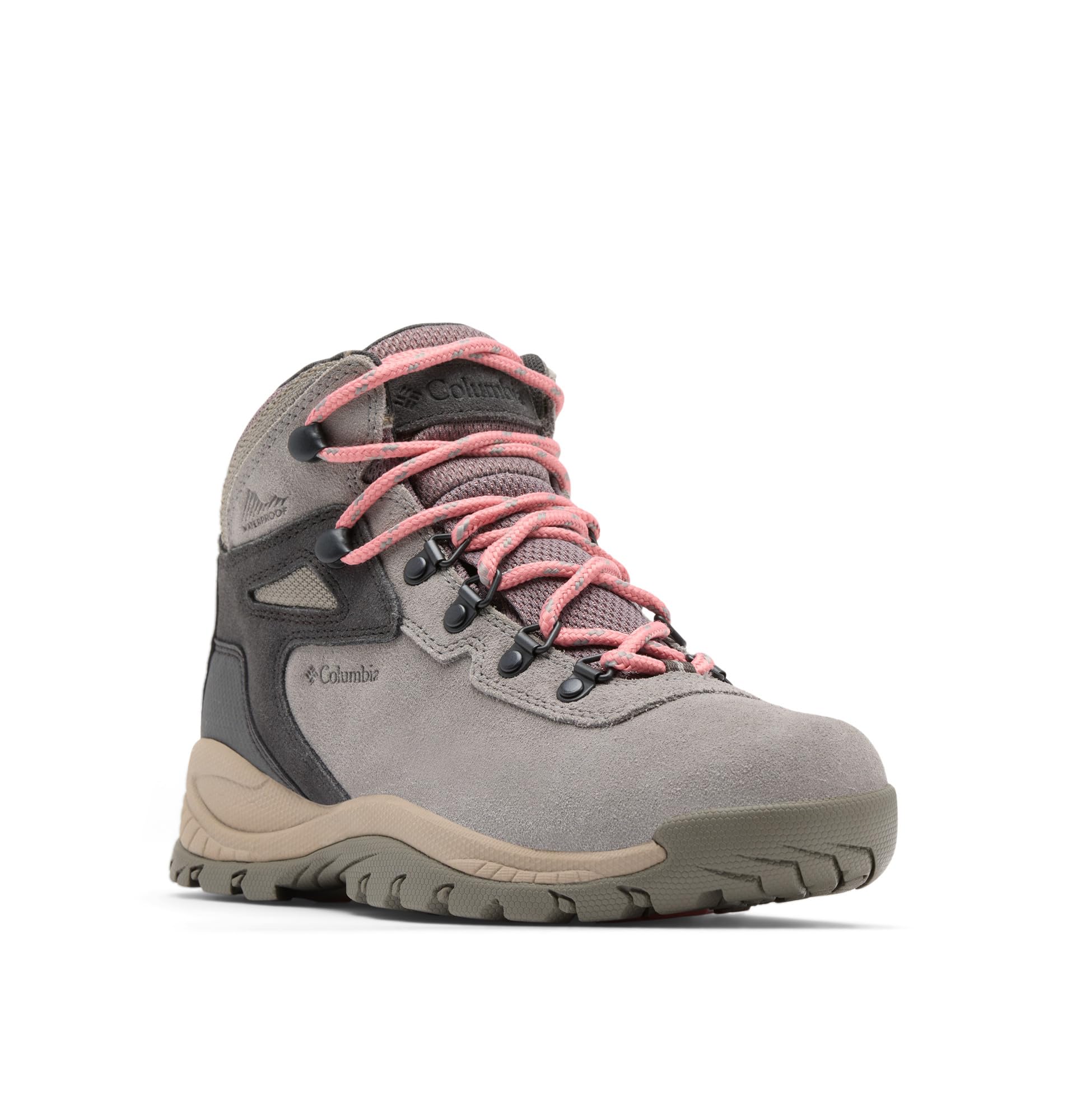
Columbia Newton Ridge WP

92 /100
Traveler Score Outstanding

Key details

Fit
Narrow; wide available
Weight
Lightweight
Outsole
Omni-Grip
Cushioning
Techlite EVA
Check Details on Amazon

This boot keeps feet dry in rain and slush thanks to its Omni-Tech membrane, with a lightweight feel and Omni-Grip outsole that provide dependable traction on maintained trails. The fit runs narrow, so ordering the wide size is advisable for those with wider feet. Over rugged, rocky terrain, sole separation has been noted over extended use, making this a better match for day hikes on moderate paths rather than off-trail backpacking.

Pros

  • Keeps feet dry in rain and slush with effective Omni-Tech waterproofing.
  • Lightweight build with Omni-Grip traction offers secure footing on day hikes.

Cons

  • Fit runs narrow; wide size recommended for comfort.
  • Sole separation may occur on rocky, uneven terrain over time.
Our verdict

A strong waterproof performer for day hikes on maintained trails, provided you order the wide version if needed. Not ideal for rugged backpacking trips.

Check Latest Price
7

Men Day Hikers, Backpackers

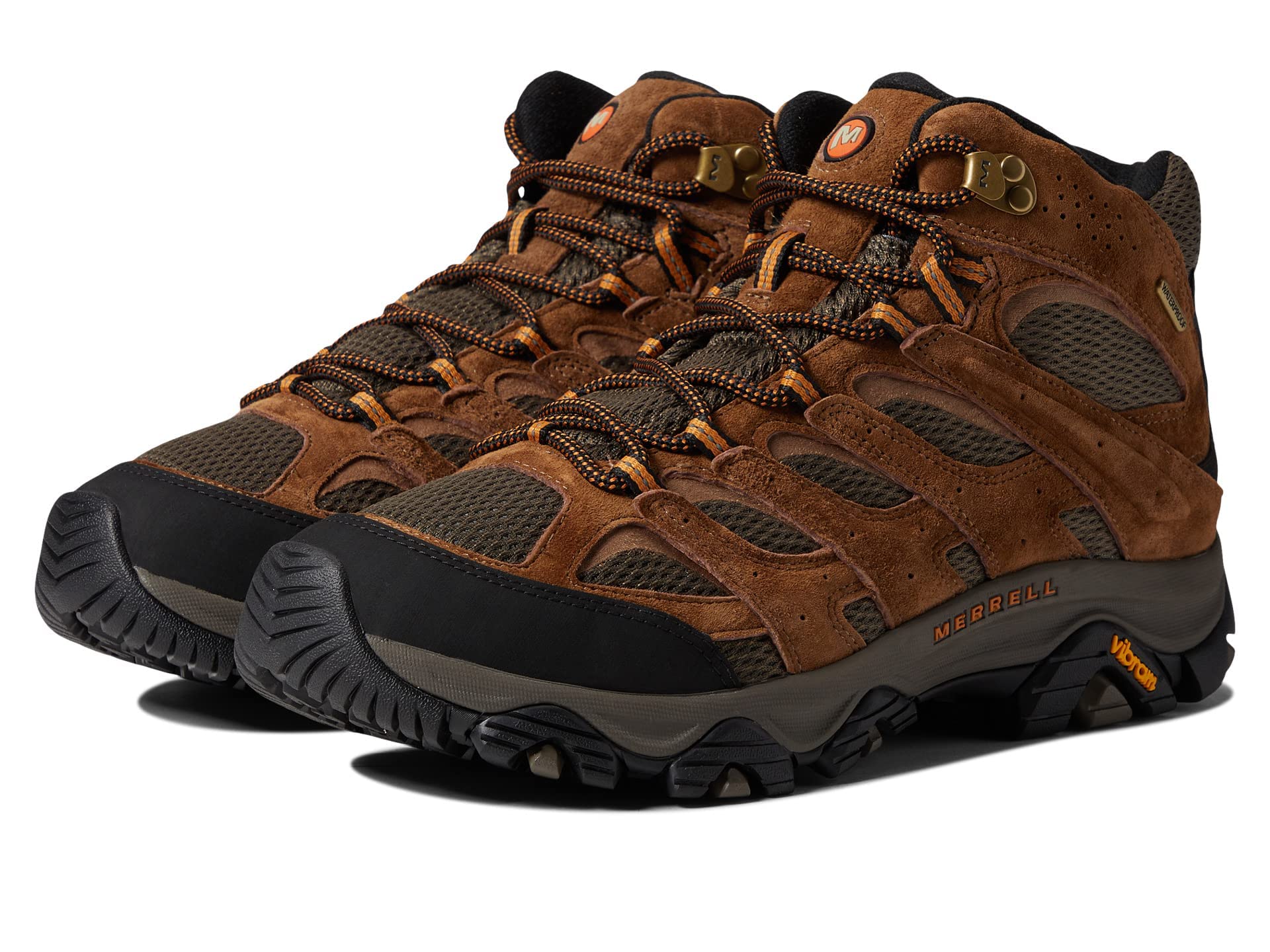
Merrell Moab 3 Mid WP

91 /100
Traveler Score Outstanding

Key details

Fit
Runs small; size up
Weight
11.68 oz per boot
Outsole
Vibram
Cushioning
EVA midsole, arch support
Check Details on Amazon

The Moab 3 Mid delivers the same Vibram outsole and M Select DRY waterproofing as the low-top version, but with added ankle support for uneven trails. However, waterproofing can be inconsistent — some hikers report damp feet after wet grass, so this boot suits dry to moderate conditions rather than consistently wet hikes.

Pros

  • All-day comfort with a feel that breaks in immediately
  • Vibram outsole delivers stable traction on uneven terrain

Cons

  • Sizing can run small for some foot shapes, so trying on is advised
Our verdict

A capable mid-cut boot for hikers on dry to moderate trails who accept that waterproofing may not hold in wet grass.

Check Latest Price
8

Women Travel, Dry Trails

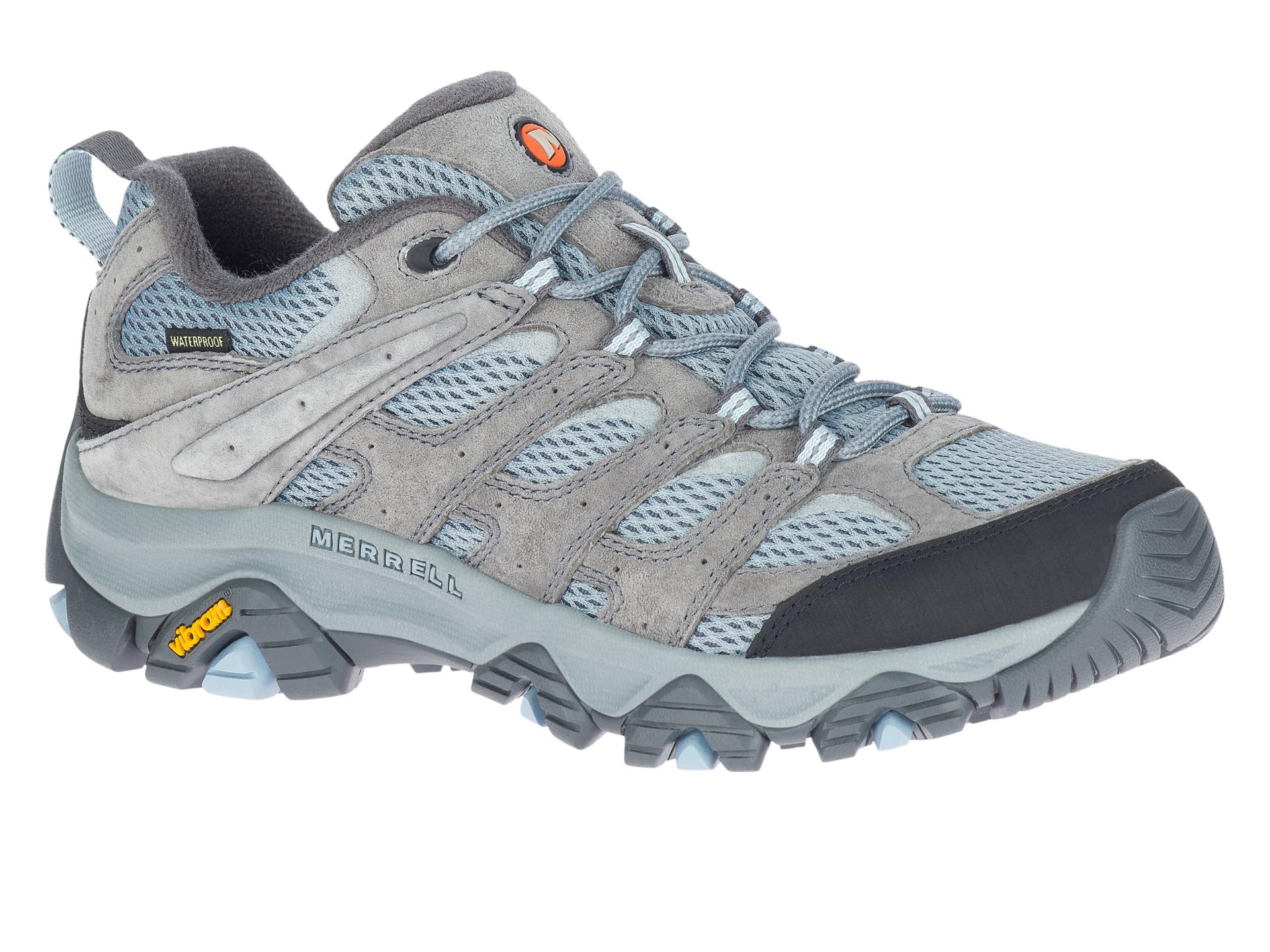
Merrell Moab 3 WP Low

91 /100
Traveler Score Outstanding

Key details

Fit
Runs large; roomy toe box
Weight
Lightweight
Outsole
Vibram
Cushioning
EVA midsole, arch support
Check Details on Amazon

The Moab 3 WP Low combines Vibram outsoles with M Select DRY waterproofing and arch support that eases foot fatigue on uneven ground. At a premium price point, the shoe runs roomy through the toe - narrow-footed buyers may need thicker socks or an insole insert. Waterproofing has been noted to lose effectiveness after months of heavy use, so this works best for light rain and dry trails rather than sustained wet conditions. Travelers who want ankle support should look at the mid-cut version of this shoe.

Pros

  • Supportive all-day comfort with arch support that benefits flat feet or plantar fasciitis.
  • Vibram outsole gives solid grip on wet rock and loose dirt.

Cons

  • Toe box may be too roomy for narrow feet, requiring thicker socks or insoles.
  • Waterproofing can degrade after extended use in sustained rain.
Our verdict

A capable low-top for travelers who prioritize arch support and traction over ankle support, provided they check fit and accept possible waterproofing variability.

Check Latest Price
9

Men Wet-Weather, Narrow Feet

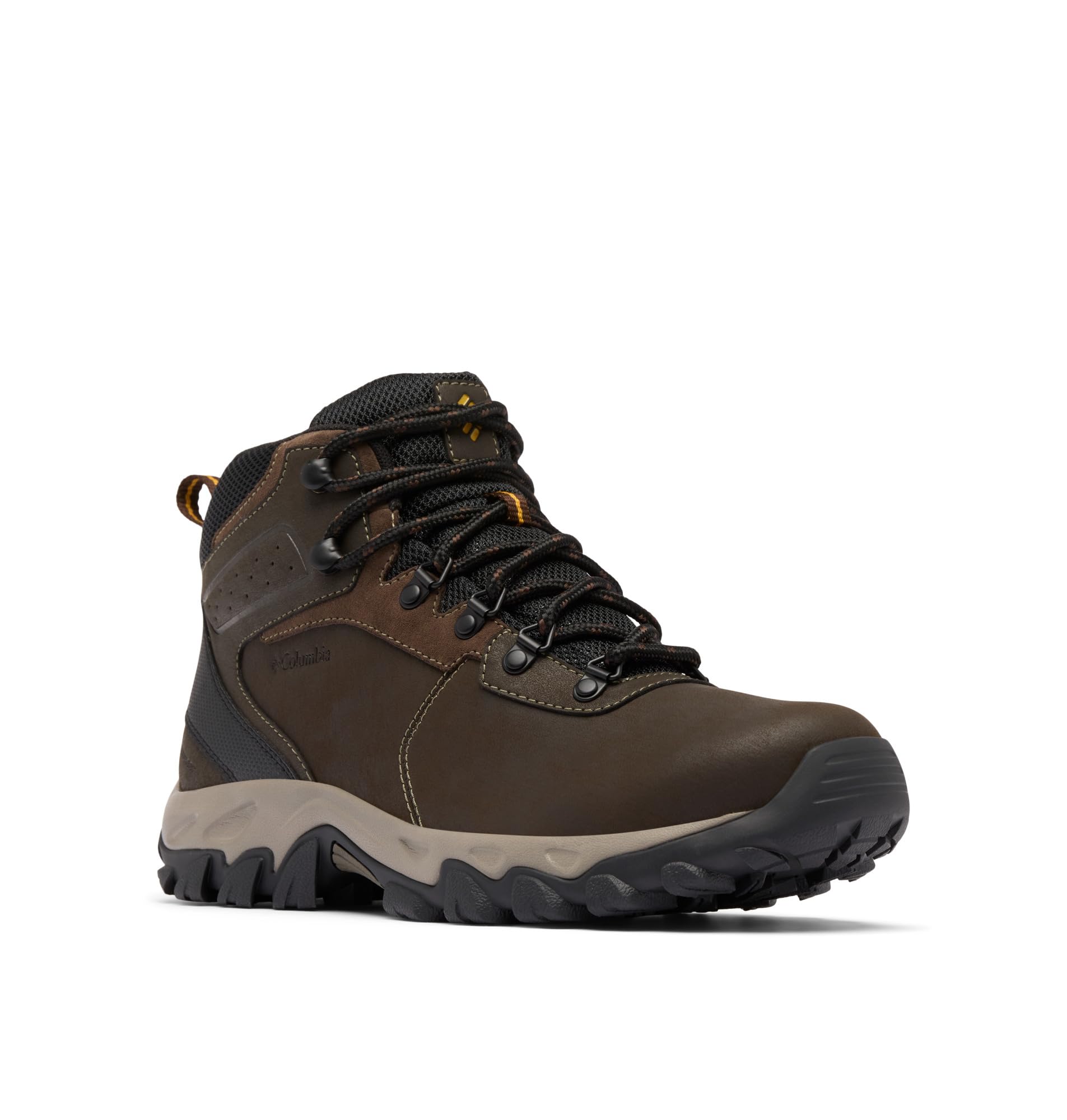
Columbia Newton Ridge II

89 /100
Traveler Score Excellent

Key details

Fit
Narrow; size up
Weight
Lightweight
Outsole
Omni-Grip
Cushioning
Techlite EVA
Check Details on Amazon

The Newton Ridge II delivers on its waterproofing promise at a price that undercuts many competitors, making it a solid option for day hikes in wet weather. However, the fit is narrow, and durability concerns with eyelets and soles surface under frequent use — better suited for occasional hikers with narrow feet than for those seeking a long-term boot.

Pros

  • Effective waterproofing keeps feet dry in rain and wet trail conditions.
  • Lightweight build supports all-day comfort on day hikes.

Cons

  • Fit is narrow; those with wider feet may need to size up for comfort.
  • Eyelets and sole separation can occur under heavy or rocky trail use.
Our verdict

A budget-friendly waterproof shoe for day hikers with narrow feet who don't expect daily rugged use.

Check Latest Price
10

Ultra-Light Travel

Columbia Fairbanks Low

89 /100
Traveler Score Excellent

Key details

Fit
True to size
Weight
Very lightweight
Outsole
Omni-Grip
Cushioning
EVA midsole
Check Details on Amazon

The Fairbanks Low is remarkably light and comfortable, with good grip on dry surfaces and a roomy toe box that suits casual hikes and city walks. The tradeoff: it lacks waterproofing, so dew or light rain soaks through, and the build may show sole separation after a few months — fine for occasional use but not a primary hiking shoe for wet or frequent trips.

Pros

  • Extremely lightweight and comfortable for casual hikes and daily walks
  • Solid grip on dry trails and pavement

Cons

  • Not waterproof; feet get wet in dew or light rain
  • Sole separation may occur after a few months of use
Our verdict

Best as a lightweight travel shoe for dry climates where pack weight matters more than long-term durability.

Check Latest Price

How to Choose

Waterproofing Reliability

Waterproof membranes like Gore-Tex and Omni-Tech block moisture but also reduce breathability. A shoe that is truly waterproof keeps feet dry in rain and puddles, but many budget models use a water-resistant coating that fails after a few wet encounters.

Look for an integrated membrane rather than a spray-on treatment. Even with a membrane, expect the waterproofing to degrade over time as the outer fabric wears. For occasional wet conditions, a water-resistant shoe may be sufficient, but for regular rain, choose a boot with a proven membrane.

Outsole Traction and Tread

Outsole rubber compound determines grip and durability. Softer rubber grips better on wet rock but wears faster on pavement. Harder compounds last longer but slide on slick surfaces. Vibram and Omni-Grip are known for balanced performance.

Tread pattern matters: deeper lugs for loose dirt, shallower for hardpack. A shoe with a multi-directional tread provides better braking and climbing traction on varied terrain. For everyday trails, a moderate lug depth is best.

Cushioning and Arch Support

Cushioning absorbs shock and reduces fatigue. Memory foam molds to your foot but compresses over time. EVA foam is lighter and retains shape longer, but can bottom out on long hikes. For all-day comfort, a dual-density midsole with arch support is ideal.

Arch support is especially important for hikers with flat feet or high arches. Many shoes allow you to swap the insole for an orthotic. If you need custom support, choose a shoe with a removable insole.

Fit Consistency

Sizing varies significantly between brands and even models. Half-size up if you plan to wear thick wool socks. A shoe that fits snugly in the heel but allows toe splay is best. Wide-footed hikers should look for EE or wide-specific models, as many standard widths are narrow.

Inconsistent fit is the most common complaint across all price points. Always try boots with the socks you‘ll hike in. If buying online, check return policies for fit exchanges.

Weight

Lighter shoes reduce fatigue on long days but often sacrifice support, cushioning, and durability. A sub-2 lb pair is ideal for day hikes. Heavier boots (over 3 lb) provide more protection and stability for backpacking but slow you down.

For travel, a lightweight shoe that doubles for city walking is a smart choice. But don‘t trade all durability for weight – a shoe that falls apart after a few trips is no bargain.

Frequently Asked Questions