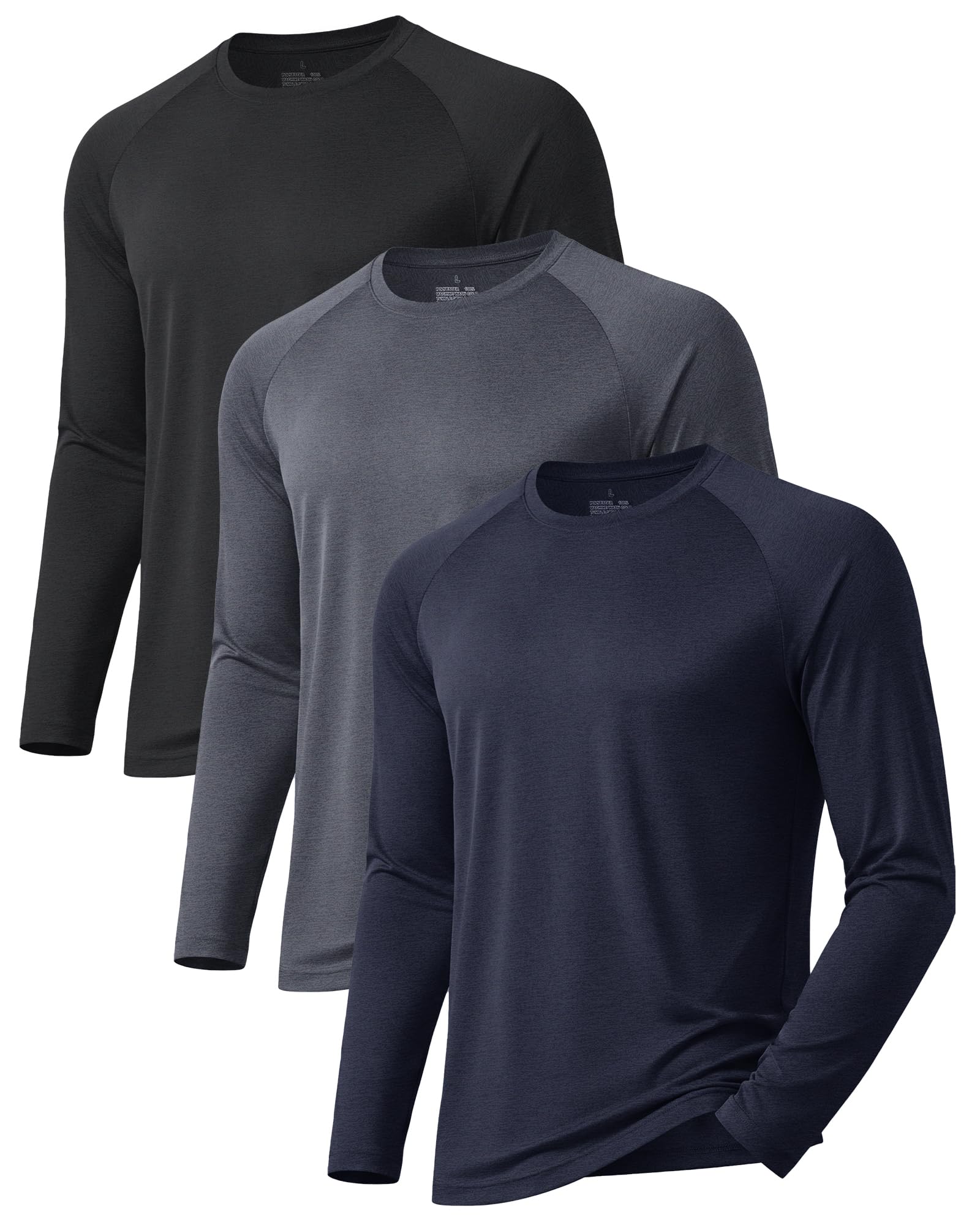
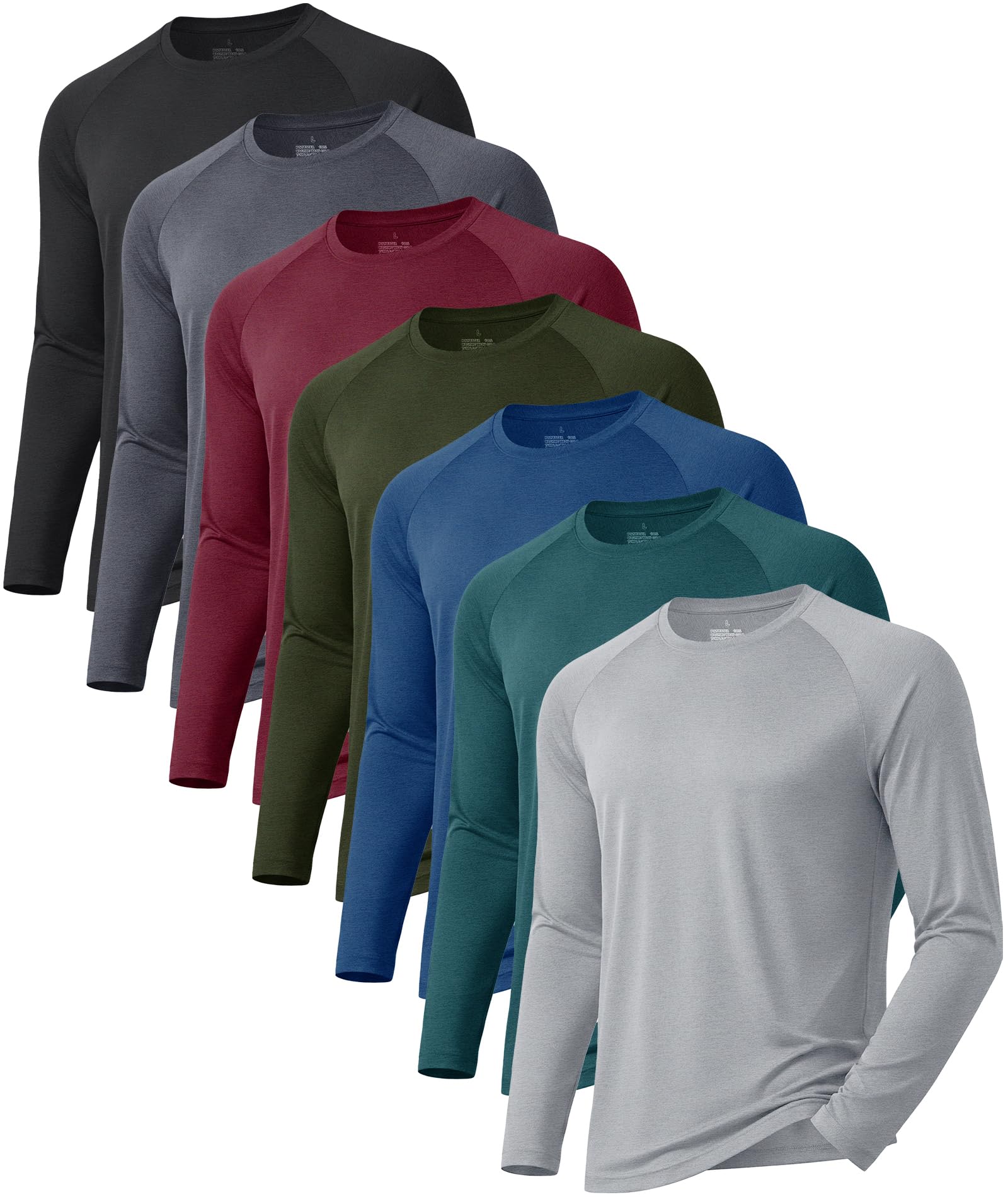
Best Hiking Shirts for Men of 2026

A cotton T-shirt is fine for the first mile. It's the second mile — shirt stuck to your back, pack straps grinding damp fabric into your shoulders — that you start thinking about what you're wearing. The right hiking shirt moves sweat off your skin, keeps the sun off, and still smells presentable at the trailhead diner. Getting all three in one shirt is rarer than the shelves suggest.

My team and I have hiked in 14 of them over the past six months to see which ones actually do. The size on the label means less than you'd think — chest measurements on a men's medium varied by nearly four inches — and sleeve length is the quiet decider, since long sleeves only protect your arms if they roll up and stay rolled. Fabric thickness is a trade-off rather than a ranking: the lightest shirts dried fastest but let the most sun through. Color mattered more than I expected, too, once salt rings showed up by mile five. The picks below earned a permanent spot in the rotation.

1

Best Overall

MAGCOMSEN UPF 50+ Sun Shirt

93 /100
Traveler Score Outstanding

Key details

Weight
7.05 oz
Sold As
Single shirt
Sun Protection
UPF 50+
Check Details on Amazon

The MAGCOMSEN reads like a hiking shirt first and a workout shirt second, and the UPF 50+ on the label is why. Sun protection without a number is a marketing claim; a rating is something you can compare, and on an exposed ridge in July that difference matters more than the cut or the color. It's also the shirt in this set whose sun protection holds up in use, not just on the product page.

At 7.05 ounces it's the heaviest shirt in this roundup, and that weight is doing the work. The knit is dense enough to stay opaque when you sweat through it, and the fabric feels closer to a light fishing shirt than to the sheer shirts that make up most of this set. We noticed the difference most in wind and above treeline, where a thinner shirt flutters and this one just sits there. On a humid, windless climb it's the shirt that holds the most heat, so it's the one we leave in the pack on a 90-degree afternoon and pull on for the exposed section above the trees.

Comfort is strong: smooth against the skin, no itch at the seams, and it stays cool as sweat evaporates. What we appreciate most is that it's sold as a single shirt. A pack is cheaper per shirt, but it locks you into one size across six or seven of them, and sizing is the one thing worth settling before you buy in bulk. Wear one for a long day first.

Pros

  • Stated UPF 50+ on the label
  • Dense knit stays opaque when wet
  • Smooth fabric that doesn't itch
  • Sold singly, so you can test the fit

Cons

  • Cut runs large through the chest
  • Pricier per shirt than the packs
Our verdict

Our default hiking shirt: a stated UPF 50+ with a dense, smooth fabric that blocks sun convincingly and stays comfortable on a long day.
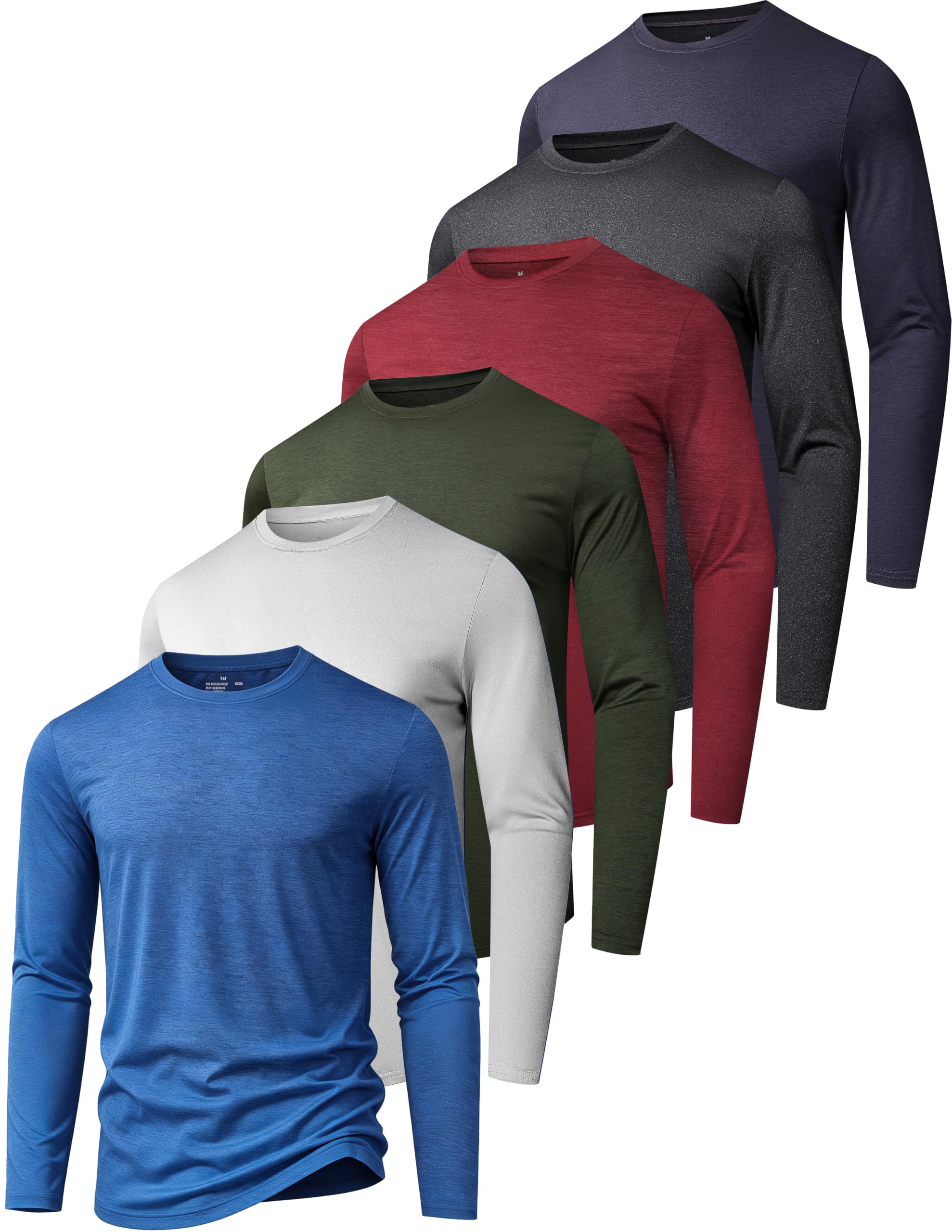
Check Latest Price
2

Best Multi-Pack Value

OYGSieg UPF 50+ 6/7 Pack

95 /100
Traveler Score Outstanding

Key details

Fabric
Quick dry
Pack Size
6/7 pack
Sun Protection
UPF 50+
Check Details on Amazon

Sun protection by the pack is the whole argument for the OYGSieg. Six or seven shirts, each carrying a UPF 50+ label, for about what two of the single shirts here cost — that's a different kind of purchase from everything else on this list. For a thru-hike, a week at altitude, or a season of trail work, the math is hard to argue with: rotate them, rinse one in a sink, and never start a day in a damp shirt.

We were pleasantly surprised by the fabric. It has a cool, silky hand-feel that reads more expensive than the pack price, it stays opaque when you hold it up to the light, and the collar keeps its shape through washing. Soft, opaque and rated is an unusual combination in this set, and it's why this pack finishes ahead of the other multi-packs here.

Seams are where corners got cut. Loose, stringy stitching turns up on some shirts, usually along a cuff or a side seam — the kind of thing you trim with a lighter and forget about until it unravels. The other constraint is structural: one size covers all seven shirts, so the pack is only a bargain if you already know your size. Order what you wear in a t-shirt, not what you plan to shrink into.

Pros

  • UPF 50+ on every shirt
  • Silky fabric that stays opaque
  • Six or seven shirts for about two singles
  • Collar holds its shape in the wash

Cons

  • Loose stitching on some shirts
Our verdict

The pick if you want a week of rated sun protection in one order, and the fabric feels better than the pack price suggests.

Check Latest Price
3

Best for Hot Weather

Opna Long Sleeve Athletic

91 /100
Traveler Score Outstanding

Key details

Fabric
Moisture wicking
Weight
3.8 oz
Sold As
Single shirt
Check Details on Amazon

At 3.8 ounces, the Opna is the lightest long-sleeve in this set — closer in feel to a running top than to a sun shirt with a rating on the label. It earns its place on humid climbs where the air doesn't move: the fabric barely registers on your shoulders, wicks hard, and dries fast enough that a soaked shirt is comfortable again by the time you stop for lunch.

What you give up is the number. The listing promises UV protection but never rates it, so on a glacier, a high-desert ridge, or anywhere with snow glare we still reach for the rated MAGCOMSEN and treat the Opna as a hot-weather shirt for shaded or humid trails. That's a boundary rather than a knock: in humidity, breathability does more for you than a fabric rating, and this is the shirt that moves the most air.

Everything else is quietly good. The fabric is smooth, the collar doesn't gape, and it doesn't itch when you're sweating through it. It's also the cheapest of the single shirts here, which makes it the low-risk way to find out whether a long-sleeve synthetic is something you'll actually wear on a trail.

Pros

  • Lightest shirt here at 3.8 ounces
  • Wicks and dries fast on humid climbs
  • Smooth, non-itching fabric
  • Cheapest of the single shirts

Cons

  • Sleeve length varies from shirt to shirt
Our verdict

Our choice for hot, humid days: the lightest shirt here, and the one that moves the most air, though the sleeves are a gamble.

Check Latest Price
4

Best Relaxed Fit

LalaHooK 3-Pack Quick Dry

91 /100
Traveler Score Outstanding

Key details

Cut
Loose through the body
Fabric
Quick dry
Pack Size
3 pack
Check Details on Amazon

If every performance shirt you've tried has ended up glued to your ribs by the second mile, start here. The LalaHooK three-pack is cut loose through the body — it drapes rather than stretches across your shoulders — and the fabric is as soft as the listing claims, a silky synthetic that doesn't grab at your skin when you're sweating. It's the shirt in this set that feels least like technical clothing, which is why it ends up in the bag for a humid valley trail and the drive home afterwards.

Three shirts is a sensible number for a long weekend, and it's the least you can spend here to end up with more than one. Sizing is honest — the cut is loose, so take your normal size rather than sizing up out of habit — and a shirt rinsed in a sink at night is dry by morning. What you don't get for the money is a trim, technical cut: this is a relaxed shirt that works on a trail and around town, not a fitted layer for under a shell.

Pros

  • Loose cut that doesn't cling
  • Silky-soft fabric
  • Three shirts for about one single
  • Dries overnight after a sink wash

Cons

  • No UPF rating on the listing
Our verdict

Our pick when you hate a clinging shirt: loose, silky, and sold three at a time for less than a single shirt elsewhere here.

Check Latest Price
5

A Week of Hiking

MLYENX 7-Pack Long Sleeve

93 /100
Traveler Score Outstanding

Key details

Colors
Multiple, do not fade
Fabric
Quick dry
Pack Size
7 pack
Check Details on Amazon

Seven shirts in one order is the entire pitch, and for the right trip it's a good one: hike in one, sleep in another, and skip laundry for a week. The fabric is light enough to move in a breeze and dries fast after a soaking, so a shirt rinsed at dinner is ready by morning.

Colors hold up better than the price suggests — no fading after repeated washing — and the shirts came out the other side without shrinking or pilling. The body is long enough to stay tucked under a hipbelt, which matters when you're reaching overhead on a scramble.

The catch is at the shoulders and cuffs. These run small, and the sleeves run short with them, so a large fits like a medium and the cuffs stop above the wrist bone. Order a size up and the pack works; if you're tall or long-armed, the BOOJO's longer arms will suit you better. As a cheap way to put a week of sun coverage in a duffel, it's hard to beat.

Pros

  • Seven shirts for a week without laundry
  • Colors hold through washing
  • Dries fast after a soaking
  • Long body stays tucked under a pack

Cons

  • Sun protection claimed without a UPF rating
Our verdict

Seven shirts for very little money: the simplest way to stop doing laundry on a week-long trip, provided the fit works for you.

Check Latest Price
6

Hot Weather

BOOJO 7-Pack Quick Dry

92 /100
Traveler Score Outstanding

Key details

Fabric
Quick dry
Sleeves
Run long
Pack Size
7 pack
Check Details on Amazon

The BOOJO shirts are the thinnest in this set by a noticeable margin, and on a hot day that's a feature: the fabric sits cool against the skin, dries almost instantly, and never feels like it's holding heat. We wore them through the kind of afternoon where anything heavier ends up slung over a shoulder, and they stayed comfortable.

Fit is friendly to long frames. The sleeves run long enough to cover the back of your hand, the body has room through the chest without hanging like a tent, and it doesn't cling when you sweat. Comfort is the thing that stands out most — nothing scratches, nothing binds, and you forget you're wearing a synthetic shirt.

Where they stop making sense is a long exposed day. Treat these as hot-weather, low-altitude shirts; above treeline we reach for a rated one. Count the shirts when the bag arrives, too — packs have turned up a shirt short.

Pros

  • Thin fabric stays cool in heat
  • Sleeves long enough for tall frames
  • Doesn't cling when sweaty
  • Colors hold in the wash

Cons

  • Sun protection stated without a UPF rating
Our verdict

The thinnest, coolest shirt here, with sleeves that suit long arms; treat it as a hot-weather shirt rather than sun armor.

Check Latest Price

How We Tested 14 Hiking Shirts on Real Trails

To build the shortlist, I started with more than 40 shirts from brands we've trusted on trails for years, then cut cotton-heavy blends, anything without a real return window, and anything offered in only one fabric weight. That left 14 shirts, from featherweight sun hoodies to thicker knit tees.

Before anyone wore them, I laid each shirt flat and measured chest width, body length, and sleeve length with a tape measure — a men's medium is not the same medium across brands, and some ran a full size small. Each one went through three washes before its first hike so shrinkage showed up before the trail did. I also weighed every shirt dry, then again after a ten-minute soak, to see how much water the fabric held.

Then came the hiking: four- to eight-mile days with a 20-pound pack, a muggy weekend when nothing dried overnight, and a shadeless ridge in dry heat. I checked shoulder seams and hip-belt contact points for rubbing, noted whether fabric clung or hung loose once soaked, and gave each shirt the sniff test after a second day of wear. Back home, every shirt was rinsed in a sink and hung to dry with an hourly check, and I held each one up to a bright window to judge how much sun came through.

At the end I compared cost per wear across the six months and ran each shirt through five more wash cycles to see which colors faded first. The ones that held their shape, dried fast, and didn't stink stayed in the bag; the rest went back.

How to Choose Hiking Shirts for Men

Look for a UPF Number, Not the Word Sun

Sun protection on a hiking shirt means little without a rating. UPF 50+ means roughly one-fiftieth of the ultraviolet that hits the fabric gets through; a listing that says sun protection with no number gives you nothing to compare. Two products here, the MAGCOMSEN and the OYGSieg, carry a 50+ rating, and those are the ones we start with for exposed trails, snow and water.

Unrated shirts aren't useless — a long sleeve is most of the benefit on a shaded forest trail — but you're relying on coverage and sunscreen rather than a tested fabric. If your hiking is mostly green tunnels and humid valleys, that's a reasonable trade for the money. If it's above treeline, pay for the number.

Match Fabric Weight to Your Worst Day

The shirts here run from 3.8 ounces to just over 7 ounces for a long sleeve, and that gap is the difference between a shirt you forget about on a humid climb and one that feels like a layer. Thin knits breathe better and dry faster; denser knits hold their shape, block sun more convincingly, and stay opaque when wet.

Pick for the worst day you expect rather than the average one. Humid, low and shaded calls for the lightest shirt you can find. Exposed, windy or high calls for the denser knit, even though it holds more heat. Either way, a looser cut moves more air than a tight one — a slim performance fit is the wrong instinct for hot weather.

Get the Size Right Before You Commit to a Pack

Most of what's here is sold in packs of three to seven, which turns sizing into the biggest risk in the purchase: you're committing several shirts to one decision. Sizing across these listings is genuinely inconsistent. Some run small with short sleeves, some run large, and one is deliberately loose through the body.

Order the size you wear in an ordinary t-shirt, size up if you're between sizes or broad through the shoulders, and check the return window before you wash anything. If you're unsure, buy a single shirt first and treat the pack as the second purchase.

Decide Between One Shirt and a Pack

Per shirt, the packs are far cheaper — a seven-shirt pack costs about what two singles do — but that saving only counts if the fit works. A single shirt lets you test the cut and the fabric, and find out whether you actually like a long sleeve in summer, before you commit to a week of them.

Packs earn their place on long trips, at basecamp, or on a job outdoors, where a dry shirt waiting in the duffel matters more than the exact color. If you're tall, check sleeve length specifically: a sun shirt that stops above the wrist leaves a burn line, and several of these run short in the arm.

Frequently Asked Questions

Final Verdict

The MAGCOMSEN is the one we recommend first: a stated UPF 50+, a fabric that feels like cloth rather than plastic film, and a single-shirt purchase that lets you settle the sizing before you commit to a week's worth. If you would rather buy once and be done, the OYGSieg pack puts a rated 50+ shirt on your back every day for roughly what two single shirts cost.

If your hiking is humid, low and airless, the 3.8-ounce Opna is the one that disappears on your shoulders — just accept that the sleeves and the missing UPF number are a gamble.