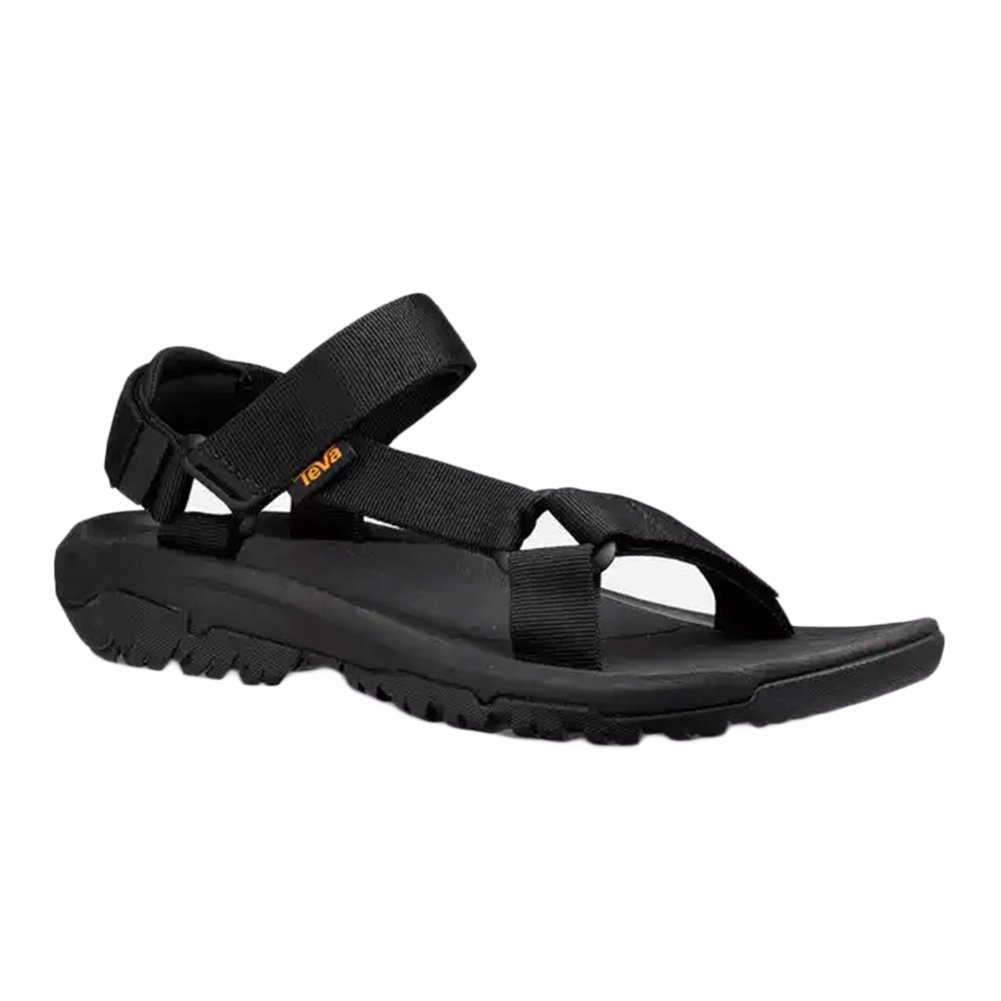
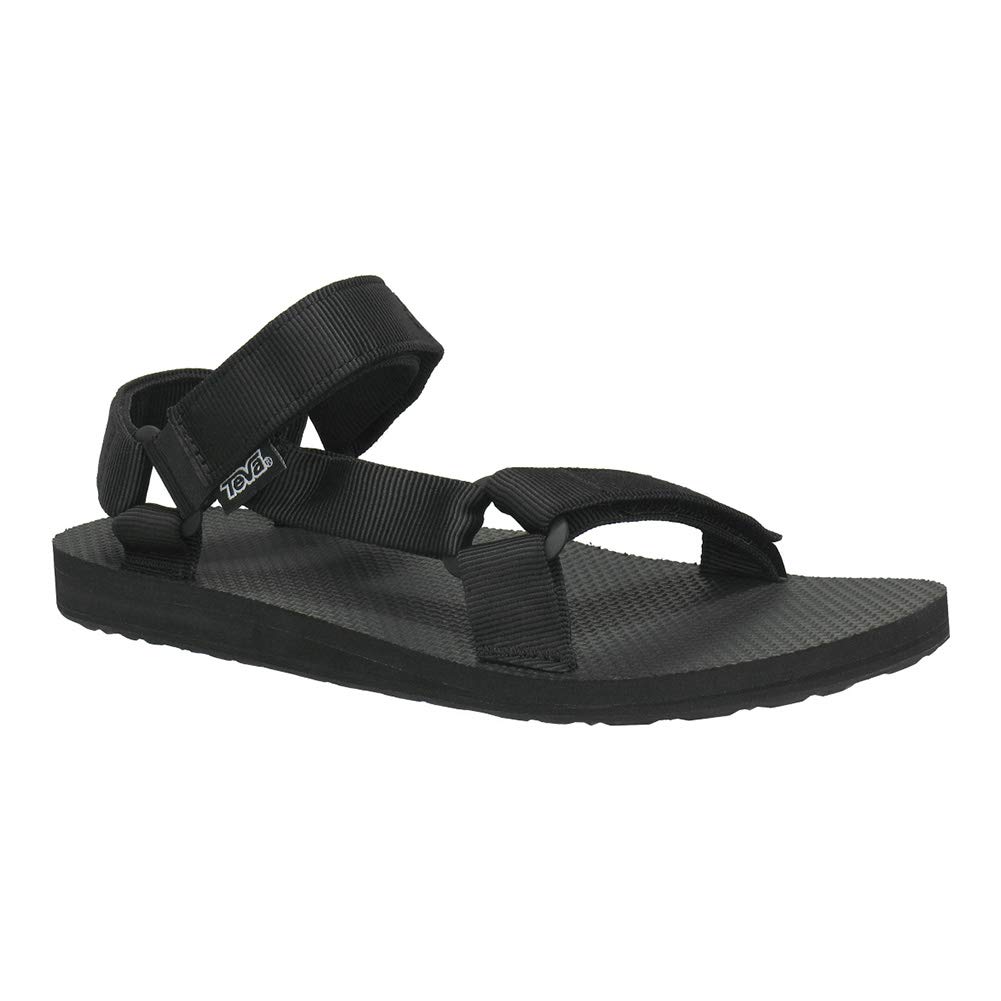
Best Hiking Sandals for Men of 2026

A hiking sandal has to pull off a contradiction: protect your feet on rocky ground, then feel open and cool enough that you forget you're wearing them. I've had pairs that handled the climb and shredded my toes on the descent, and pairs that felt great in camp but folded under a loaded pack. What you're really shopping for is arch support, grip, and straps that stay put without biting—one hot spot at mile three can sour the whole day. A good pair keeps you cool, handles a creek crossing, and still feels secure when the ground turns ugly.

Over six months, my team and I hiked, camped, and ran errands in 12 pairs. Some felt plush in the store and turned slippery on wet rock; others looked sharp enough for a post-trail lunch but pinched across the toes. I cared most about whether the arch felt supportive after hours, if straps stayed put without constant tugging, and whether I finished blister-free. The winners held their shape, felt worth the money, and still made me want another day outside.

1

Best Overall

KEEN Arroyo 2

91 /100
Traveler Score Outstanding

Key details

Sizing
Runs large
Outsole
Aggressive lug pattern
Listed Weight
15 oz
Toe And Heel Coverage
Closed toe, closed heel
Check Details on Amazon

Two sandals here close the toe, and the Arroyo 2 is the one built for the trail rather than the river. A thick rubber bumper takes the hits from roots and scree, the heel is closed instead of strapped, and the outsole carries an aggressive lug pattern. On loose, steep ground with a daypack on, it is the pair we trusted most and the one we stopped thinking about.

Trail duty is the design brief here, not an afterthought. The footbed carries enough arch for a full day on your feet, and the closed heel keeps the sandal from sliding forward on a descent, which is the thing that turns an open sandal into a stubbed toe on a downhill. It is also the pick that got us through a wet, rooty stretch without a single pebble working its way underfoot.

Sizing is where this one gets messy. The fit runs large for some feet and wide for others, so order from somewhere with easy exchanges and get them on your feet well before a long hike rather than at the trailhead. Fifteen ounces on the spec sheet is more than the webbing sandals here, and that weight is the price of the protection.

Pros

  • Closed toe and heel keep grit and rocks out
  • Aggressive lug pattern grips loose, rocky ground
  • Supportive footbed for long days under a pack

Cons

  • Most expensive pick in this group
  • 15-ounce build is heavier than the webbing picks
Our verdict

The pair we send a hiker to first: closed-toe protection, a lugged sole, and a footbed that holds up under a pack. Budget for a sizing exchange.

Check Latest Price
2

Best Arch Support

Chaco Z/1 Classic

91 /100
Traveler Score Outstanding

Key details

Straps
Adjustable webbing
Footbed
Sculpted
Outsole
Extra-grippy
Listed Weight
1.7 lb
Check Details on Amazon

At 1.7 pounds on the spec sheet, the Z/1 is the heaviest sandal we looked at, and it earns the weight. The footbed is sculpted rather than flat, with a heel cup and a pronounced arch, and the outsole is the grippiest thing in this group on wet, sloped rock. On a long descent that is the difference between walking and shuffling.

We take the Z/1 when the day is long and the ground is honest. The webbing takes a few minutes to dial in the first time, since it is a fit you build rather than buckle, but once it sits right it doesn't move, and this is the pick we reach for when arch support is the deciding factor. It is also the sandal that convinced us a firm footbed beats a soft one on real terrain.

Two things to know before you order. The strap tails run long enough to hang past the sole if you leave them, which is a two-minute fix with scissors or a tuck. And the outsole bond is what decides how many seasons you get, so check that seam when the pair arrives. For a flat foot that wants cushioning, the KuaiLu below is the softer and cheaper direction.

Pros

  • Sculpted footbed that holds a high arch
  • Grippy outsole on wet, sloped rock
  • Stays put on long descents

Cons

  • Costs more than most picks here
Our verdict

Buy this one if your arch is the thing that decides whether you can walk at the end of the day; the heft is the price of a footbed that holds you.

Check Latest Price
3

Best Closed-Toe for Water

KEEN Newport H2

91 /100
Traveler Score Outstanding

Key details

Closure
Bungee lace with locking slide
Water Use
Quick-drying
Heel Strap
Fixed, non-elastic
Toe Coverage
Closed toe
Check Details on Amazon

Getting into the Newport H2 takes a tug. The heel strap has no stretch, so you loosen the bungee, hook a finger through the pull loop, and work your foot back. It is a few seconds more than a slide, and it stops mattering the moment you are standing in moving water and the sandal doesn't budge.

Water is where this design makes sense. The upper drains, the toe bumper takes the hits a river bottom hands out, and the closed front means sand moves through instead of grinding under your toes. We wore ours through a wet, sandy week and stopped thinking about our feet, which is the whole review.

The footbed is the pleasant surprise: enough arch for a full day and cushioning under the heel that doesn't flatten by noon. It also fits a wide forefoot generously, so if the Chaco above pinches across the toes, this is the roomier shape.

For us it is the one-sandal travel pick, the pair that handles a rocky trail, a boat ride, and a wet walk back to the hotel. If the trip is mostly trail, the Arroyo 2 above is the better tool; if it is mostly water and town, this one does more.

Pros

  • Drains fast and dries without holding grit
  • Closed toe guards against river rocks and stubs
  • Supportive footbed for all-day wear

Cons

  • Outsole-to-upper seam is the long-term weak point
Our verdict

The travel sandal we pack when the trip mixes trail, boat, and beach: it drains, it guards your toes, and it stays on in a current.

Check Latest Price
4

Best Lightweight All-Rounder

Teva Hurricane XLT2

91 /100
Traveler Score Outstanding

Key details

Sizing
Whole sizes only
Footbed
Cushioned
Outsole
Anti-slip tread
Toe Coverage
Open toe
Check Details on Amazon

Cross a stream in the Hurricane XLT2 and you keep walking. The webbing sheds water, the footbed drains, and the tread held on a wet, shaded slab of rock where we expected a slip. It is the least fussy sandal in this group, and the one that needs the least planning.

For mixed use this is our pick. The footbed is cushioned rather than sculpted, and it molds to your foot within a few days, so start with the straps snug rather than loose. They come in whole sizes only, which forces a half-size foot to choose; go with the snugger of the two and let the footbed do the rest.

The rough webbing across the instep is the part to manage. On a long, gritty day it can rub, particularly if you cinch it hard at the start, so rinse the straps after sand and snug them before a descent rather than after. The sole is the other watch point: when these fail, they fail at the bond, not the tread.

Pros

  • Sheds water and grips wet rock
  • Cushioned footbed that molds to the foot
  • Wider toe box than the closed picks

Cons

  • Sole bond can separate with heavy use
Our verdict

The one sandal we take for a week that mixes a morning trail, an afternoon in town, and a boat ride, at a mid-range price.

Check Latest Price
5

Best Budget

visionreast Athletic Sandal

89 /100
Traveler Score Excellent

Key details

Sizing
Runs small
Closure
Three hook-and-loop straps
Midsole
Air cushion
Toe Coverage
Open toe
Check Details on Amazon

Cheap sandals usually give themselves away at the straps, so that is where we looked first, and this is the budget pair we keep recommending. The parts that normally fail got the attention: the panels take up real width, and the stitching around the uppers is doubled and tidy.

Three hook-and-loop panels let you take up length and width separately, which is why they work on a wide forefoot or over a bandage. The air-cushion midsole is soft underfoot and the arch is modest but present. Order up if you are between sizes, because these run small.

Where it stops: this is a sandal for day hikes, warm weather, and paved mileage, not for a loaded pack on sharp scree, since the sole is far less aggressive than the lugged KEEN and Chaco outsoles and the toe is open. For the role it fills, we haven't found a cheaper way to get adjustable straps that actually fit.

Pros

  • Three straps adjust length and width separately
  • Soft, cushioned ride for pavement and easy trails
  • Lowest price in the set with tidy construction

Cons

  • Hook-and-loop closures lose grip over time
Our verdict

The least expensive sandal here, and the one we buy for a first trip, a spare pair, or a foot that needs width rather than support.

Check Latest Price
6

Sore Heels

KuaiLu Hiking Sandal

88 /100
Traveler Score Excellent

Key details

Sizing
Half sizes available
Straps
Three adjustment points
Footbed
Orthopedic arch support
Check Details on Amazon

If a sore heel is what sent you looking, try this one first. The footbed is built around arch support rather than a flat pad, the straps are a soft, neoprene-like material that doesn't cut in, and the whole sandal is cushioned enough that a full day on pavement doesn't leave you limping.

Three straps do the fitting, across the toes, over the instep, and behind the heel, so a wide forefoot or a bunion gets room without the sandal sliding around. It also comes in half sizes, which is rarer here than it should be, and that alone settles it for a foot sitting between two whole sizes.

We keep it for pavement, easy trail, and long days standing, and we like how soft it feels against a bare foot. The hesitation is longevity: the sole can start separating within the first months of steady wear, and this is the newest design here, so its record is the shortest. If you want a pair to last several seasons, that argument favors the Chaco; if you want your heel to stop hurting on Saturday, it favors this one.

Pros

  • Cushioned arch-support footbed that eases sore feet
  • Three adjustment points hold a wide forefoot
  • Half sizes available, unlike most of this group

Cons

  • Sole separation can appear within months
Our verdict

Start here if a sore heel sent you shopping: the cushioned, arched footbed and half sizes make it the friendliest fit for painful feet.

Check Latest Price
7

Camp and Riverbank

Teva Original Universal

90 /100
Traveler Score Outstanding

Key details

Closure
Adjustable webbing straps
Footbed
Textured nubbin surface
Outsole
Flexible, thin profile
Check Details on Amazon

Not every sandal here is trying to be a hiking boot, and this one isn't. The Original Universal is the light, flat, packable option: thin enough to feel the ground under you, thick enough that sharp rocks don't come through, and it rolls into a duffel without taking up room.

It is at its best at a river, on a beach, walking to the camp bathroom at night, or on a short trail with a light pack. The footbed has a textured, nubbly surface that keeps a bare foot from sliding, and the webbing straps adjust without hook-and-loop to clog with sand.

We keep a pair for the water-and-camp half of a trip rather than the hiking half. Size up if you are between sizes, since these run a little small, and expect the straps to feel stiff for the first few outings before they soften and settle.

Pros

  • Packs flat and drains fast
  • Textured footbed holds a bare foot in place
  • No hook-and-loop to clog with sand

Cons

  • Modest arch support for long days
  • Footbed can feel slick under a wet foot
Our verdict

The packable camp and river sandal we toss in a duffel for the non-hiking half of a trip, not the pair for a loaded descent.

Check Latest Price

How We Tested These Hiking Sandals

We began with a shortlist of more than 30 men's hiking sandals from brands with a track record on trail and a few newer pairs with strong reviews. We filtered by price, available sizes, closure type, and whether the sole looked aggressive enough for loose dirt and wet rock, then bought 12 pairs to test for six months. Every pair went to two testers with different foot widths, because a sandal that fits one man's instep can strangle another's.

Testing happened where sandals get worn: rocky day-hike loops, shallow creek crossings, gravel roads, campground washes, and hot pavement on the walk back to the car. We started each pair with a sockless walk, then wore it on a short climb to see where straps landed across the instep and toes. We adjusted every buckle and Velcro tab from loose to snug, noted whether strap ends dragged or ran out of length on wider feet, and checked after hikes whether closures had crept or collected grit. At creek crossings, we timed how fast we could get in and out, then re-tensioned wet straps. Each month, we inspected the Velcro to see whether it still grabbed or had begun to fuzz.

Comfort and arch support got judged on tired feet. We wore each pair for two full days, including one long descent, and recorded where pressure showed up: under the arch, across the instep, between the toes. Any hot spot that became a blister got logged by mile. We noted whether the outsole bit into loose gravel and wet rock and whether the footbed stayed planted when we side-hilled. At six months, we compared soles, strap anchors, and footbeds against day-one notes. The pairs that held their shape, looked presentable after the trail, and still felt worth the money made the list.

How to Choose Hiking Sandals for Men

Closed Toe or Open Toe

A closed toe changes what the sandal is for. It keeps gravel, roots, and river stones off your toes, which is why both KEEN picks here are closed, and it lets you walk a rough trail without watching your feet. The trade is weight and drainage: a closed sandal holds water longer and dries slower than webbing.

Open sandals drain in seconds and pack smaller, but your toes are exposed and a stubbed toe ends a hike. If your trips include rocky ground, choose closed; for camp, beach, and easy trails, open is lighter and cooler on the foot.

Straps, Adjustment Points, and Sizing

Count the adjustment points before anything else. Two is the minimum for a secure fit; three lets you take up width separately from length, which is what wide feet and bunions need, and the visionreast and KuaiLu both do it. Hook-and-loop is fast and precise but ages; webbing is slower to dial in and lasts longer, though long tails need trimming.

Sizing is the other trap. Several picks here run a full size large or small, and some come in whole sizes only. Order from somewhere with easy exchanges and try them on before a big day rather than at the trailhead.

Footbeds, Arch Support, and Break-In

A soft footbed feels wonderful in the store and can pack down over a season; a firm, sculpted one takes a few days to feel right and then holds its shape. If you have plantar fasciitis or a high arch, arch height matters more than cushion: the Chaco Z/1 is the firm, sculpted end of this group and the KuaiLu is the cushioned end.

Neither is wrong, they suit different feet. Whichever you pick, put a few short local walks in before a long one, and tighten the straps once your foot has settled.

Traction, Weight, and the Terrain You'll Actually Walk

Look at the outsole, not the product name. Plenty of sandals labeled for hiking are lifestyle shoes with a flat sole. A lugged, grippy outsole matters most on wet rock, loose gravel, and descents, which is where the KEEN Arroyo 2 and Chaco Z/1 earn their price.

Weight matters twice: on your foot over a long day, and in your pack if the sandals are a backup pair. A 15-ounce sandal is fine for a trail day and heavy in a duffel. Match the sole to the ground you walk most.

Frequently Asked Questions

Final Verdict

For most men shopping this category, the KEEN Arroyo 2 is the answer: a closed toe and heel, a lugged sole, and a footbed that holds up under a pack. It is the priciest sandal here and the fit needs a real try-on, but it is the pair we take when the trail is the reason for the trip.

If a high arch decides whether you can walk at the end of the day, buy the Chaco Z/1 Classic instead. It is the firm, sculpted option of the two, and the strap tails take a trim. If the itinerary is half water, the KEEN Newport H2 dries faster and asks less of your budget.