10 Best Hiking Gloves of 2026: Warmth and Phone Access That Last

Find the right hiking gloves for your trips — with honest guidance on warmth, dexterity, touchscreen reliability, and when to size up.

Buying hiking gloves looks simple until a pair that felt fine in the store leaves you with numb fingers on the trail or shredded seams after a few hikes. The problem is not a shortage of options. It is that lightweight gloves are often sold with broad claims like thermal and water-resistant that outpace what the materials can actually do.

The key is matching the glove to the conditions you expect, not the conditions you hope for. A thin liner that works for a frosty morning run will not carry you through a wet, windy winter hike. A heavily insulated mitt will feel clumsy if you need to pull out your phone at every viewpoint.

The strongest hiking gloves balance warmth, grip, dexterity, and weather resistance without pretending one pair can handle every season. That balance is exactly what this guide helps you find, with clear trade-offs laid out so you can decide which compromises fit your travel plans.

1

Best Overall

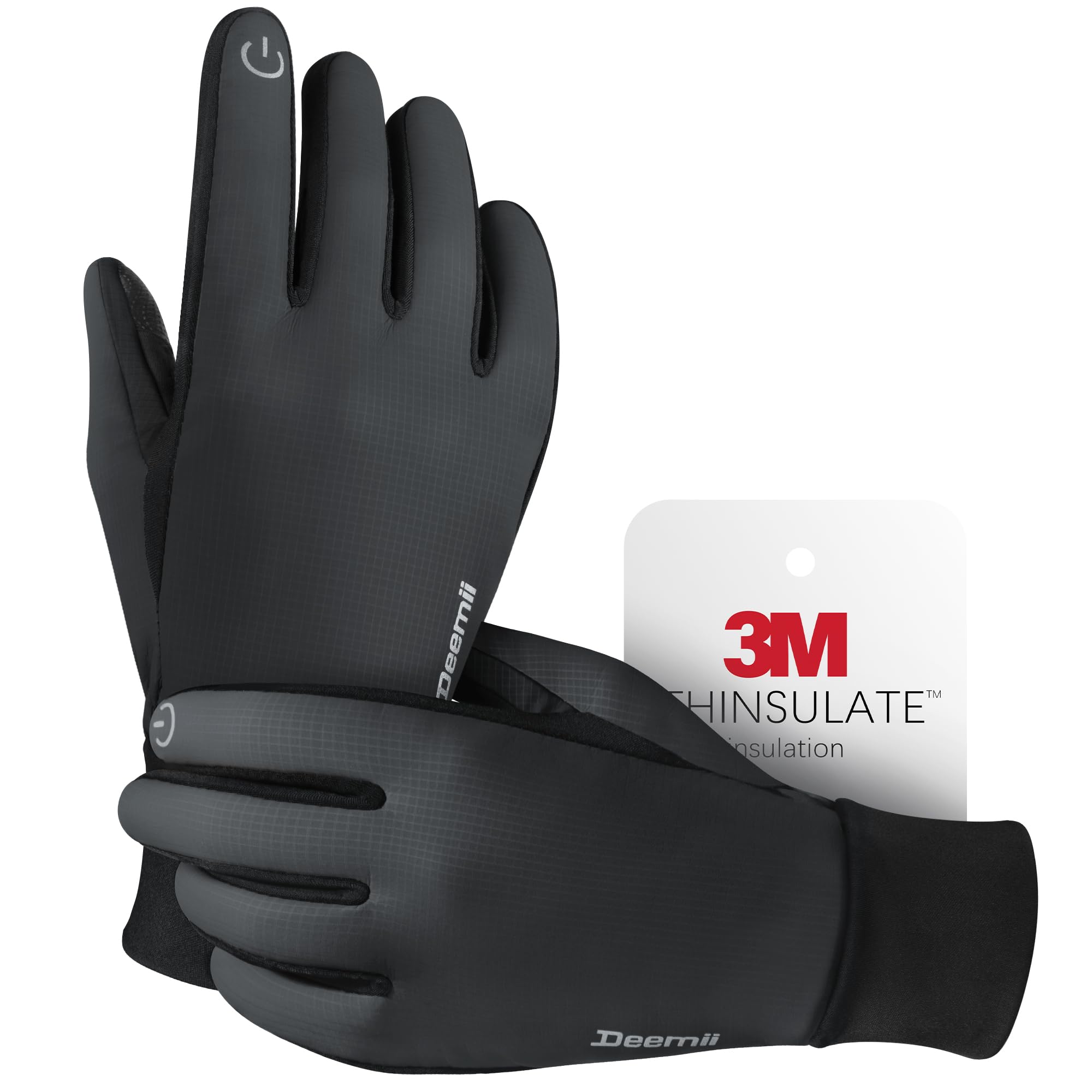
Deemii 3M Thinsulate Gloves

89 /100
Traveler Score Excellent

Key details

Grip
Silicone stripes
Sizing
Accurate fit
Warmth
3M Thinsulate C40
Touchscreen
High-sensitivity PU
Check Details on Amazon

The Deemii pairs 3M Thinsulate C40 insulation with a weather-shedding shell and silicone palm grip in a shape that stays warm at 23°F without feeling like a ski mitt. The thumb and index touchscreen patches respond to phones and GPS devices, and the silicone stripes on the palm and fingertips keep a hold on trekking poles, bike handlebars, and pack straps. The overall construction reads as built for repeated wear rather than throwaway cold-weather gear. The palm grip gives confident control when grabbing rocks or adjusting a pack mid-trail, and the cuffs are compact enough to layer under a jacket sleeve without bunching.

On cold, dry trails the glove runs warm without overheating during steady climbing. The fit is snug enough that zippers, camera screens, and trail snacks stay easy to handle, and the outer layer blocks wind better than basic knit or fleece gloves. It handles light snow and drizzle, while the cuff keeps cold air from sneaking in during stops. The lining stays comfortable against the skin during longer outings. The usual tradeoff in this price range pits warmth against dexterity; this glove sidesteps that by keeping insulation lean and the cut precise.

This glove suits active day hikers, travelers, cyclists, and commuters who want a single pair for temperatures around 23°F and up. It is not a wet-weather glove: the water-resistant shell handles light rain and snow, but sustained wet weather can seep through. For wet-snow or prolonged rain hikes, a fully waterproof glove is the right companion. It is better suited to someone moving than to someone standing around, since the warmth pairs well with body heat from hiking or cycling.

Pros

  • Stays warm at 23°F with 3M Thinsulate while keeping a slim profile for active movement.
  • Stitching and shell materials feel built to last through a normal hiking season.
  • Accurate fit and smooth interior keep hands comfortable through a full hike.
  • Thumb and index touch spots work with phone screens, and silicone palm stripes hold steady on grips.

Cons

  • Extreme sub-zero mountaineering needs a heavier mitt than the C40 insulation provides.
  • Wet-snow slogs or heavy rain can work through the shell, so a fully waterproof glove is better for those trips.
Our verdict

For active cold-weather use, this is a well-balanced glove that covers warmth, grip, and phone access. Keep it for dry and lightly snowy trails, and carry a fully waterproof pair when rain is the main forecast.

Check Latest Price
2

Best Value Warmth

Bruvoalon Winter Gloves

89 /100
Traveler Score Excellent

Key details

Grip
Anti-slip
Sizing
Form-fitting
Warmth
3M thermal
Touchscreen
Conductive pads
Check Details on Amazon

The Bruvoalon Winter Gloves deliver 3M thermal insulation without the bulk or the cost of comparable insulated hiking gloves. The Lycra shell and anti-slip palm keep hands secure on leashes and trekking poles, while the form-fitting cut preserves dexterity for zippers and small adjustments. Stitching is tidy and the fabric has a solid feel for a budget glove. It undercuts the best-balanced hiking glove in this lineup on price while staying close on warmth and comfort.

This pair suits cold-weather hikers on a budget, dog walkers, and daily winter errands where warmth matters more than phone access. It is not for buyers who need dependable touchscreen access or prolonged rain and snow exposure; those needs point to the best-balanced hiking glove in this lineup. For dry-cold days, the tradeoffs are easy to live with.

💡 Tap the touchscreen pads with a firm press instead of a light swipe for the best response.

Pros

  • Warm without bulky layers, thanks to 3M thermal insulation that keeps hands comfortable on cold walks.
  • High-quality construction holds up to regular winter use, with a snug Lycra fit that moves with the hand.
  • Form-fitting design preserves dexterity for zippers, leashes, and quick adjustments.

Cons

  • Touchscreen response can require extra pressure, which slows quick phone checks.
  • Water resistance is limited; wet snow or light rain can soak the shell over time.
Our verdict

Strong budget warmth for dry cold-weather days; choose the best-balanced hiking glove if wet snow or constant phone use is part of the plan.

Check Latest Price
3

Best Lightweight & Liner

Aegend Lightweight Gloves

89 /100
Traveler Score Excellent

Key details

Grip
Non-slip
Sizing
Accurate fit
Warmth
Lightweight thermal
Touchscreen
Conductive tips
Check Details on Amazon

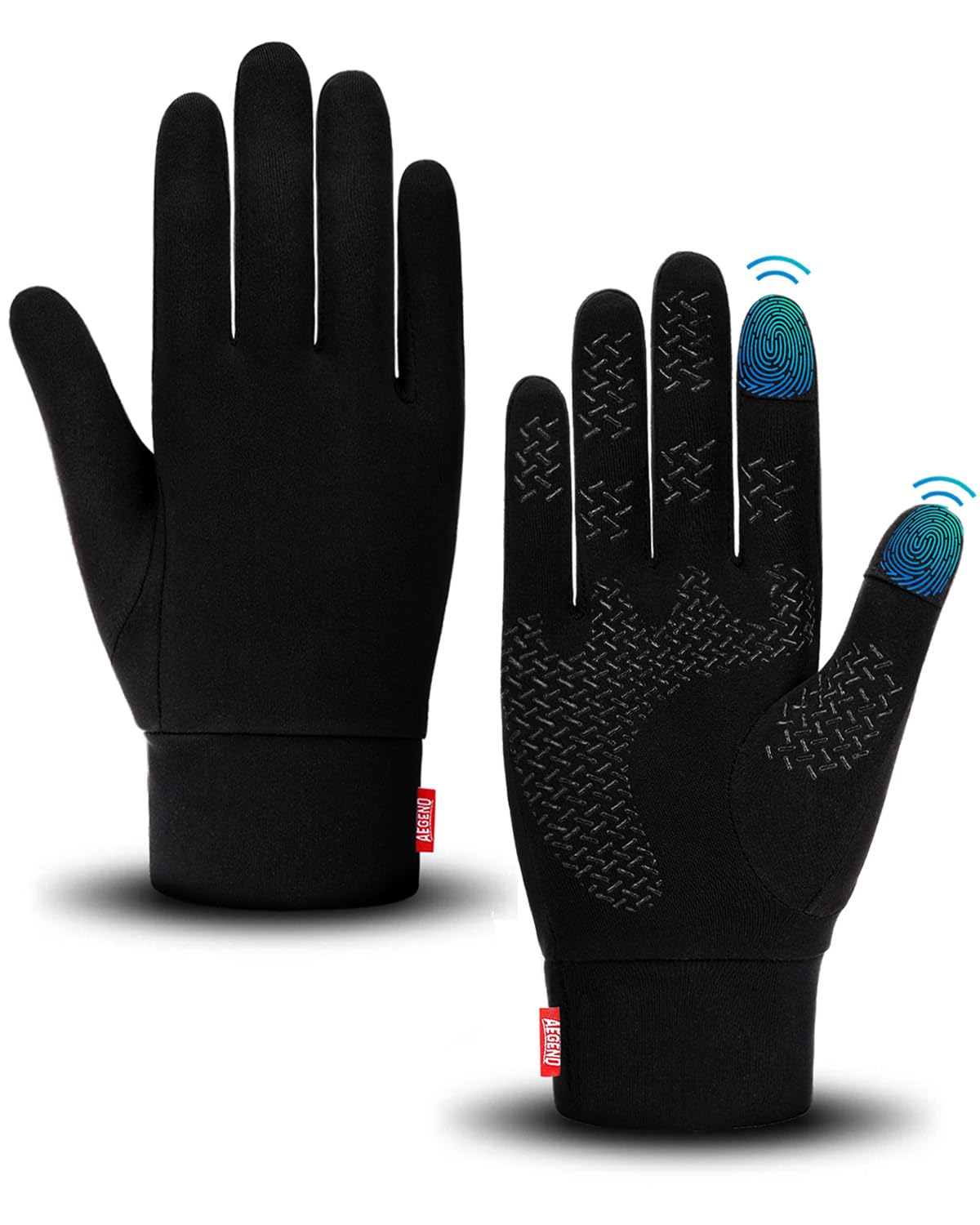
The Aegend preserves finger freedom better than any heavier glove in this comparison, and the non-slip palm keeps water bottles and trekking poles secure. It is the slimmest option here, so it works naturally as a liner under a thicker shell when temperatures drop. The elastic cuff keeps out drafts without pinching, and the fit allows natural movement without feeling baggy.

This low-bulk glove suits runners, ultralight hikers, and commuters who want a barrier against cool wind without sacrificing fine-motor control. Deep-cold hikers need a heavier standalone; the thin knit is at its best above freezing or as a liner. Seams can split under hard use, and touchscreen response may require extra pressure, but the comfort and dexterity payoff is real for active wear. It is a cost-effective way to add a useful layer to a cool-weather kit.

💡 Layer these under a heavier shell for cold stops; the elastic cuff keeps the liner in place when you pull the outer glove over it.

Pros

  • Lightweight build keeps fingers agile for zippers, snacks, and quick gear changes.
  • Comfortable for extended wear and slim enough to layer under mitts.
  • Works across running, cycling, and hiking at a budget price.

Cons

  • Touchscreen response can be inconsistent; conductive fingertips may need extra pressure.
  • Seams can split after limited use, especially when pulling the gloves on and off.
Our verdict

Buy these for high-output cool-weather days or as a liner under the warmer all-rounder in this set.

Check Latest Price
4

Best-Selling Budget Pick

SIMARI Winter Gloves

88 /100
Traveler Score Excellent

Key details

Grip
Non-slip palm
Sizing
Comfortable fit
Warmth
Fleece-lined thermal
Touchscreen
Touchscreen tips
Check Details on Amazon

SIMARI Winter Gloves deliver the comfort and phone access that budget-hiking-glove buyers actually ask for, in a flexible fleece-lined package that feels more refined than its entry-level price suggests. They trade the top pick's weather-ready shell for a slimmer, more phone-friendly build — the non-slip palm adds grip on trekking poles, and the slim cut keeps dexterity high enough for adjusting gear without stripping down.

Touchscreen compatibility covers the thumb and index fingers, so quick photo grabs and route checks don't stop the hike. The tradeoff is warmth: these are a mild-weather pick, and near-freezing temperatures can leave fingers cold — a liner layer or shell over the top extends their range.

For hikers and commuters who run warm, spend more time checking phones than standing around in the cold, and want a low-cost glove for fair-weather days, this fits the bill. It is not the durability pick; the seams and fabric can fray or rip after weeks of regular use, so plan on treating them as a seasonal pair rather than a long-term workhorse.

Pros

  • Flexible fleece-lined fit keeps hands comfortable during active use.
  • Perceived quality is higher than the budget price suggests.
  • Touchscreen fingertips respond well enough for quick phone checks.

Cons

  • In near-freezing temperatures, fingers can get cold
  • Seams and fabric can fray or rip after weeks of regular use, so treat these as a seasonal pair.
Our verdict

For mild-weather hikers who want a comfortable, phone-friendly glove at a budget price, this fills that role neatly.

Check Latest Price
5

Best Mid-Range Active Glove

UA Storm Fleece Gloves

89 /100
Traveler Score Excellent

Key details

Grip
Protective palm print
Sizing
Runs small
Warmth
Fleece lining
Touchscreen
Tech Touch palm
Check Details on Amazon

Under Armour’s Storm Fleece takes the active slot in this roundup: a lightweight shell with water-repellent treatment and full-palm Tech Touch keeps phone checks quick on a moving hike. The fleece lining stays warm without bulk, and the athletic cut keeps fingers agile around zippers, trekking poles, and trail snacks. Compared with the top pick’s thicker 3M insulation, this one favors pace over parked-in-the-cold warmth.

This is for hikers jogging along moderate trails in 40–50°F weather who want a glove that disappears during movement. The sizing runs small for some, and the palm can feel slippery on very smooth surfaces, so a roomier order and dry-trail expectations fit this model best. The fleece lining stays comfortable against bare skin through steady climbs, and sub-freezing or sustained-wet conditions are beyond its intended range.

💡 Size up if you are between sizes; on wet rock, plan for less palm grip.

Pros

  • Warmth without bulk for active use; the soft fleece lining stays comfortable through steady movement.
  • Full-palm Tech Touch makes quick phone checks easy without pulling the glove off.
  • Moves easily between running, cycling, and hiking in moderate cold.

Cons

  • Hands between sizes may find the fit snug; ordering up is the workaround.
  • The palm has no rubber grippers, so smooth wet surfaces can feel slippery.
Our verdict

For hikers who move steadily in moderate cold, the Storm Fleece offers the right warmth-to-mobility balance without the bulk of a deep-winter mitt.

Check Latest Price
6

Best Premium Touchscreen Glove

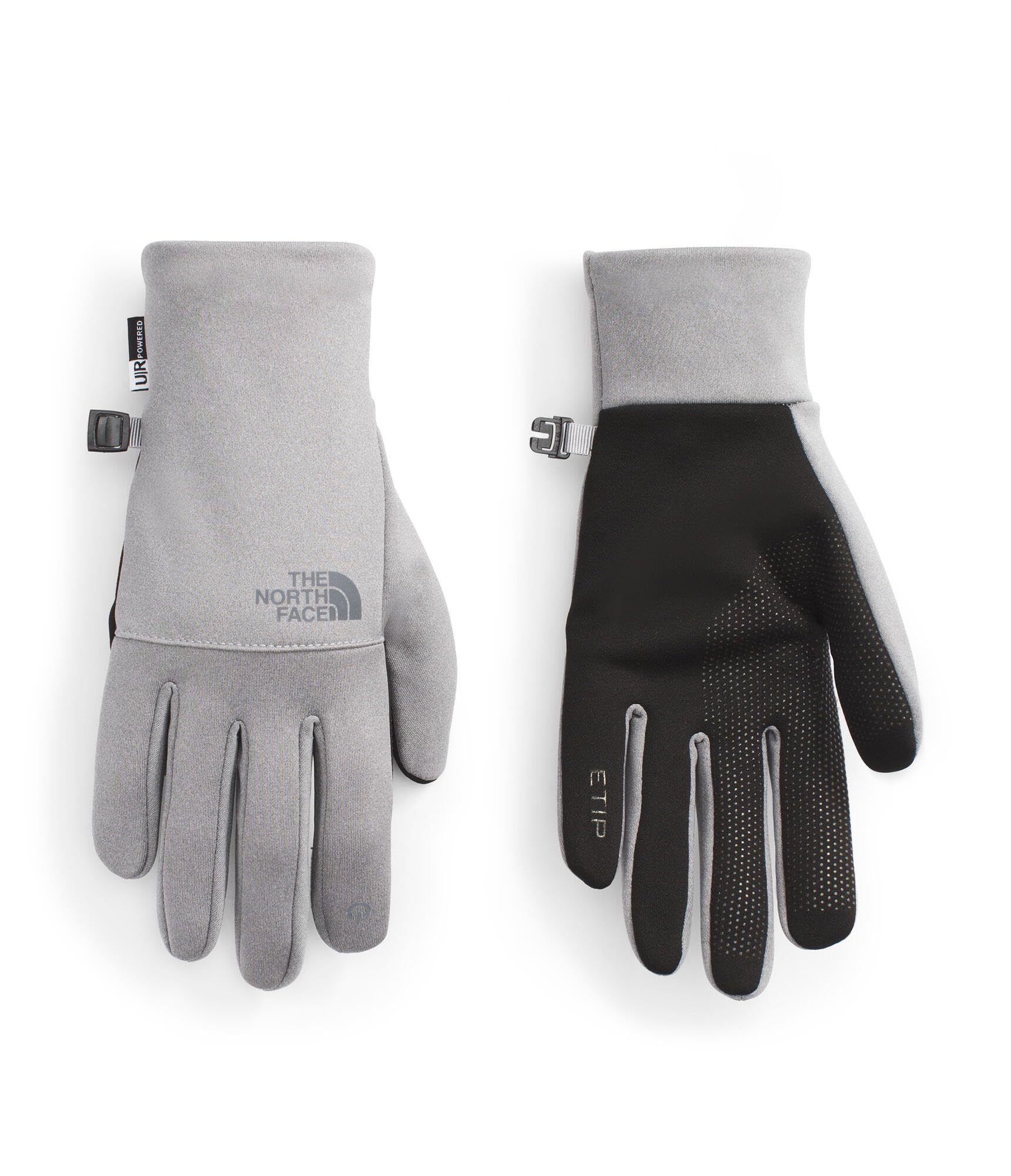
TNF Etip Fleece Recycled

89 /100
Traveler Score Excellent

Key details

Grip
Sizing
Runs small
Warmth
Recycled fleece
Touchscreen
Etip compatible
Check Details on Amazon

The ETip touchscreen system is the main reason to reach for these gloves on a cool-weather hike: simple phone checks work without pulling the glove off or fumbling with mittens. The fleece lining is comfortable enough for steady wear, and the tailored look keeps the glove from feeling like a purely functional accessory. It is the more polished option in this set for hikers who want outdoor performance to blend into daily life.

This is a glove for cool-weather commuters, style-conscious hikers, and phone-heavy travelers who treat their hands as part of the outfit. Seam durability and a small-running size are the main compromises; neither prevents everyday cool-weather use, but both are worth checking before a first outdoor trip.

For trail use, the dexterity makes it easy to switch between phone, zipper, and pack-strap tasks without the stiffness of a heavily insulated glove.

Pros

  • ETip touchscreen yarn allows quick phone checks without removing the glove.
  • Soft fleece lining stays comfortable during long daily wear.
  • Clean styling pairs with casual trail-to-street outfits.

Cons

  • For rough, repetitive work, a reinforced glove is the more appropriate tool; this knit shell prioritizes comfort and phone access.
  • Below freezing, the fleece warmth runs out quickly; plan for a heavier glove or a shell over the top.
Our verdict

For hikers and commuters who prioritize phone access and a clean look, this is the touchscreen glove to keep in a cool-weather kit.

Check Latest Price
7

Budget Casual Hikers

OZERO Winter Gloves

88 /100
Traveler Score Excellent

Key details

Grip
Silicone gel particles
Sizing
Satisfying fit
Warmth
Fleece lining
Touchscreen
Conductive fabric
Check Details on Amazon

This budget-friendly glove pairs a comfortable fleece lining with a wind-resistant shell and silicone grip for short outdoor use. It suits drivers, casual hikers, and quick errands on dry days. Warmth drops below freezing, and touchscreen taps may require repeated attempts. That limited cold-weather range keeps it below the more complete insulated gloves in this roundup, though the fit and price make it an easy choice for mild-weather outings.

Pros

  • Good quality and comfort for the price.
  • Strong perceived value for budget-conscious drivers and casual hikers.

Cons

  • In steady rain, the thin shell can soak through; this is a dry-day glove, not a wet-weather pick.
Our verdict

For short, dry errands and casual hikes in mild weather, this is a comfortable budget choice.

Check Latest Price
8

Cycling Commuters

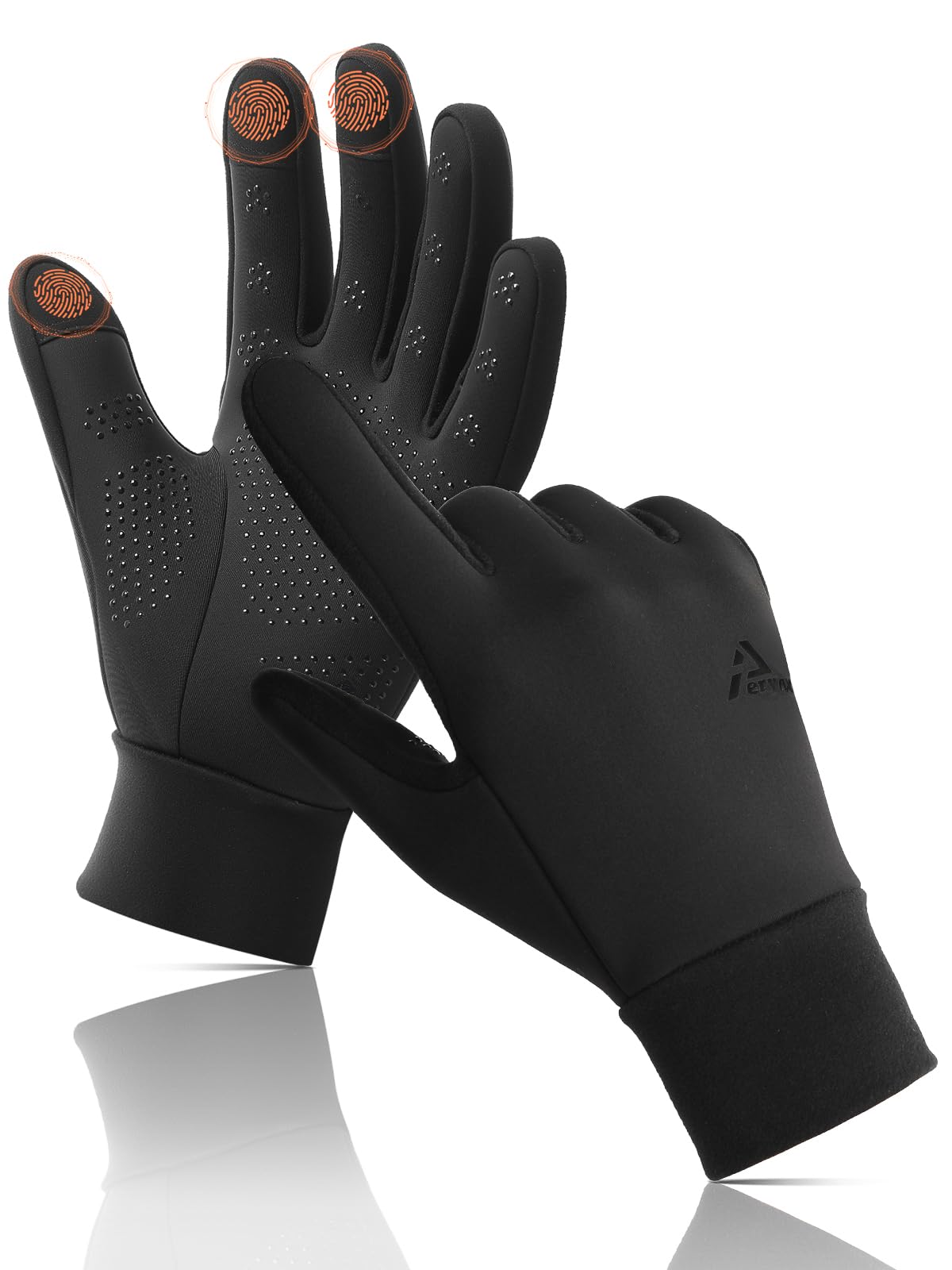
Aerynx 3-Layer Winter Gloves

89 /100
Traveler Score Excellent

Key details

Grip
Silicone palm
Sizing
Accurate fit
Warmth
320gsm fleece
Touchscreen
Conductive yarn
Check Details on Amazon

The Aerynx 3-layer build keeps hands comfortable from 32°F up, with a grippy silicone palm and conductive fingertips that work without glove removal. It suits day hikes, walking, and commuting where dexterity matters more than arctic protection. The main compromise is consistency: stitching and durability can vary between units, so the glove sits just below the top pick. For trail days in the 32–50°F range, that tradeoff is manageable.

Pros

  • Keeps hands warm and comfortable in the mild-cold range that typical spring and fall hikes demand.
  • Accurate fit and conductive yarn on three fingertips keep phone access and grip usable on trails.

Cons

  • Stitching and seam durability can vary between units, so a cleanly sewn pair matters.
Our verdict

Mild-weather hikers and commuters who want a light glove with phone access can use this as their everyday layer.

Check Latest Price
9

Wet-Trail Hiking

HYLA Waterproof Wool Gloves

83 /100
Traveler Score Excellent

Key details

Grip
Non-slip grip
Sizing
Comfortable fit
Warmth
Wool blend
Touchscreen
Conductive fibers
Check Details on Amazon

The waterproof membrane handles damp trails and light rain without turning hands clammy. Non-slip palm keeps a firm hold on fishing rods and tools, and wool-blend insulation adds warmth without bulk. Touchscreen fingertips stay responsive enough for quick phone checks on the move. This is a cool-weather wet-trail specialist, which means the all-round top pick is the better match for broader cold-and-dry hiking conditions.

Pros

  • Water resistance holds up in damp, cool trail conditions.
  • Strong grip and dexterity for fishing, outdoor work, and trail use.

Cons

  • Warmth drops quickly in windy or below-40°F conditions, so this glove suits cool, damp trails, not deep winter.
  • Heavy or sustained rain can penetrate the membrane, so full dry-hand certainty is not guaranteed.
Our verdict

For cool, damp trail days and fishing trips, this glove is a worthwhile specialist.

Check Latest Price
10

Mild Winter Walking

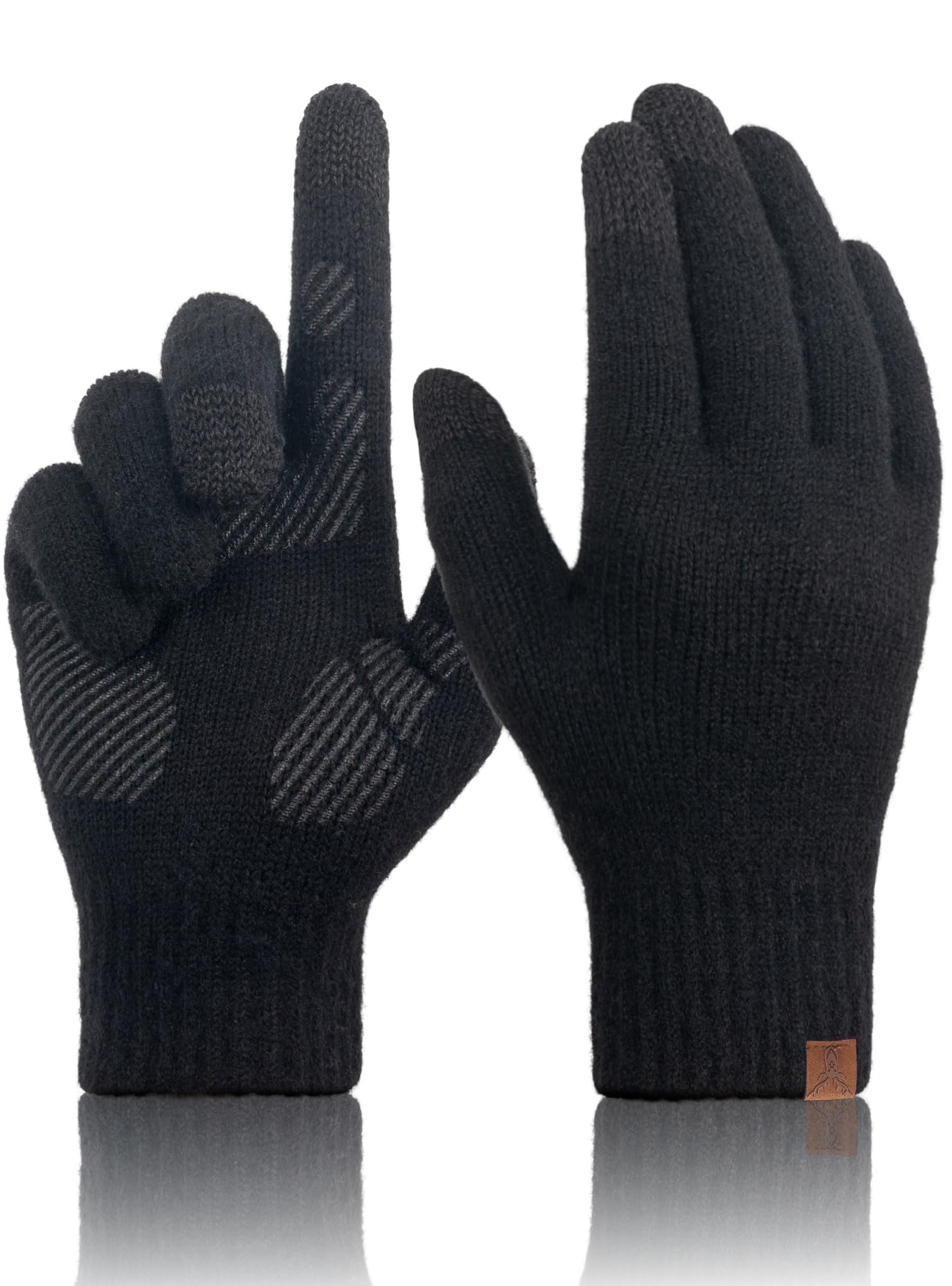
TRENDOUX Merino Wool Gloves

87 /100
Traveler Score Excellent

Key details

Grip
Non-slip
Sizing
Snug fit
Warmth
Merino wool blend
Touchscreen
Touchscreen
Check Details on Amazon

The TRENDOUX merino blend brings natural wool warmth without bulk, and the snug fit keeps hands comfortable on cool-weather walks. The knitted fabric stays flexible enough for everyday errands or a short hike, while the non-slip palm helps hold a trekking pole. Its limits show up in wet or snowy weather, where the open knit offers no meaningful water resistance. That makes it a budget-friendly choice for mild, dry days.

Pros

  • Merino blend keeps hands warm without bulky insulation, a good match for cool morning walks.
  • The snug fit and clean stitching offer a quality feel at a budget price.

Cons

  • Below-freezing active hikes call for more insulation than this knit glove provides.
Our verdict

For cool, dry days and light walking, these gloves offer budget-friendly warmth.

Check Latest Price

How to Choose

Warmth and Insulation

Insulation type matters more than the word thermal on the label. Fleece-lined gloves trap moderate heat and stay flexible, while 3M Thinsulate uses synthetic fibers that hold warmth in a thinner, less bulky layer. For active hiking, breathability also matters: a glove that is too warm for the effort level will leave your hands sweaty, and once moisture cools, that sweat makes you colder than if you had worn a thinner layer.

Match the glove to your activity and expected temperature. Lightweight liners work from roughly 32°F to 50°F for active use. Once temperatures drop below freezing, you need either a dedicated insulated glove or a liner under a windproof shell, because wind chill strips heat from exposed hands far faster than still air.

Touchscreen Reliability

Touchscreen gloves rely on conductive yarn or pads sewn into the fingertips. The yarn connects your finger's natural electrical charge to the screen, but the signal only works when there is enough contact between your finger, the conductive material, and the glass. Thin gloves with large conductive panels tend to work more consistently, while thick insulation between your finger and the screen weakens the signal.

Many buyers find that touchscreen pads require extra pressure or work better on some fingers than others. If phone access is central to your hike, look for gloves with touch capability across the thumb and index finger, and remember that washing can degrade the conductive coating over time.

Grip and Dexterity

Palm grip comes from silicone or gel coatings that create friction between the glove and your trekking pole, camera, or rock surface. A good grip pattern covers the thumb-index area where most precision gripping happens, not just the center of the palm. Heavy coatings improve hold but can reduce breathability and make the glove stiffer.

Dexterity is a function of material thickness and construction. A snug, articulated fit with stretch fabric lets fingers move naturally, while bulky insulation creates a rounded finger shape that makes zippers, buckles, and phone screens harder to operate. Consider what you will actually do on the trail: if you need to adjust gear frequently, prioritize flexibility over maximum warmth.

Water and Wind Resistance

Water-resistant and waterproof are different performance levels. A water-resistant coating causes light rain or snow to bead up and roll off, but sustained moisture eventually soaks through the shell. A waterproof membrane blocks liquid water but tends to be less breathable, which can leave your hands clammy from sweat during high-output hiking.

Wind resistance is often the more underrated factor in cold-weather comfort. A windproof outer layer stops the chill that makes a 40°F day feel like freezing, without the bulk of heavy insulation. For hiking, think of wind and water resistance as a system: a water-repellent soft shell with a fleece lining covers most three-season trails, while a fully waterproof glove is best saved for wet, above-freezing conditions.

Sizing Accuracy

Glove sizing is inconsistent across brands, and the same size number can fit completely differently depending on the cut and cuff design. Measure the circumference of your dominant hand around the knuckles and compare with each brand's size chart, then look for reviewers with similar hand sizes to check whether the fit runs small or large.

Pay attention to cuff length and wrist closure. A shorter cuff is easier to pull on and works well for mild weather, but a longer cuff or adjustable closure traps warmth and keeps snow out. Buyers between sizes should generally size up for cold-weather hiking, because a slightly roomier glove traps more air and leaves room for a liner underneath.

Frequently Asked Questions