Best Hiking Backpacks for Women of 2026

A hiking backpack is a compromise you feel in your shoulders: every extra liter of capacity means another pound or two riding on your hips by mile six. The packs that get this right put the load on your hip belt instead of your collarbones, and for women that usually comes down to a shorter torso range, narrower shoulder straps, and a belt that curves where it should. I've hauled tent poles and one regrettable watermelon up trails in packs that fit badly, and the difference shows up fast on the first steep stretch. Over the past eight months, my team and I have loaded and hiked 12 women's backpacks to find the ones that don't fight you.

What separates a good pack from a great one is rarely the headline number. It's whether the hip belt pocket swallows a phone, whether the lid still closes when the puffy goes in last, and whether the bottom fabric shrugs off granite or starts to fuzz after a season of being set down in the dirt. We kept notes on all of it, including how much each pack actually weighed empty. The picks below stretch from two-hour loops to three-day traverses.

1

Best Overall

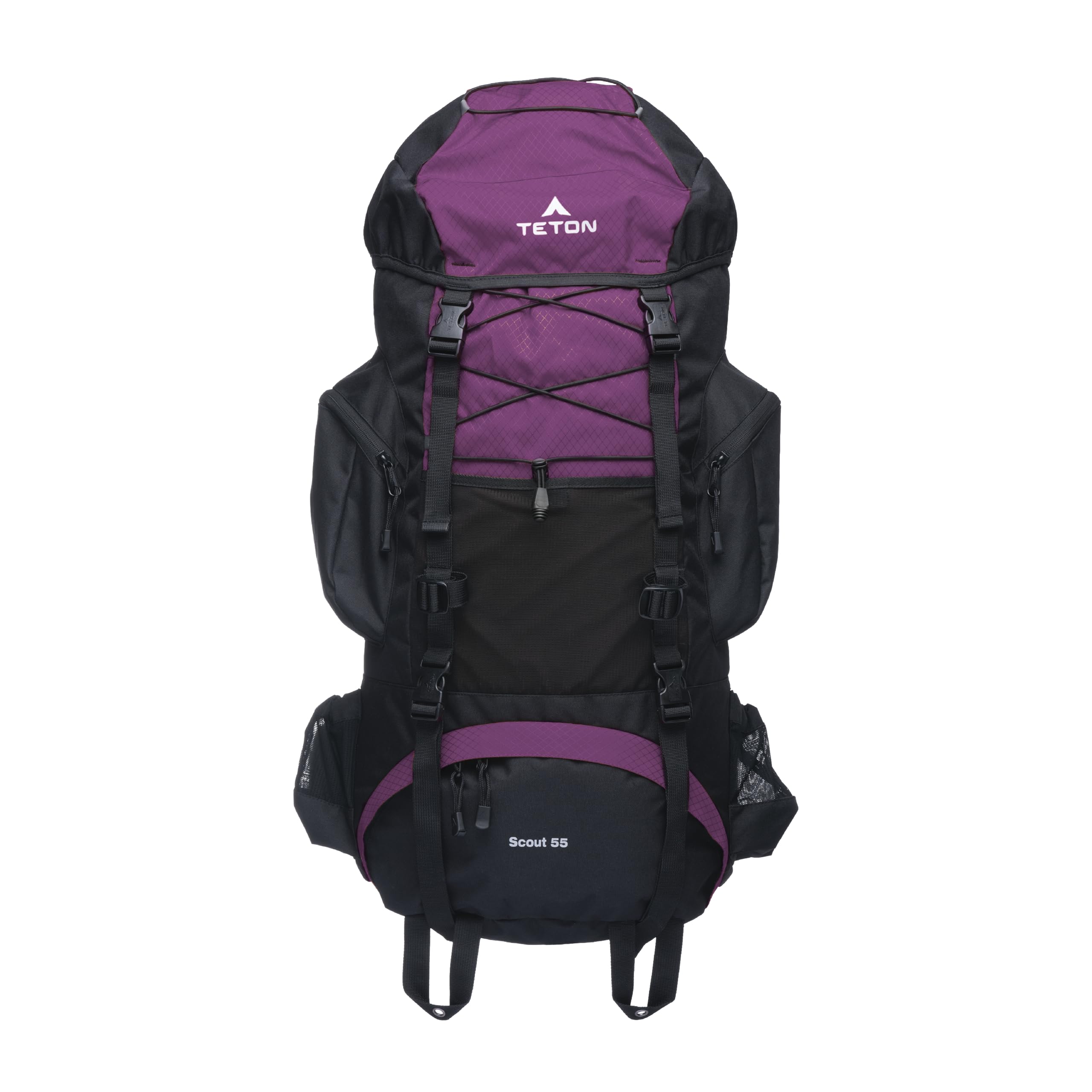
Teton Scout 55L

95 /100
Traveler Score Outstanding

Key details

Pockets
11 pockets and compartments
Capacity
55 liters
Torso Fit
Adjustable; good for smaller torsos
Rain Cover
Included
Check Details on Amazon

The detail that makes the Scout worth recommending first is not the 55-liter capacity; it is the adjustable torso that the pack is listed as a good fit for smaller torsos. That matters because a backpacking load should sit on your hips, and a harness built around a longer back will fight you all day. Add the internal frame, 11 pockets, and included rain cover, and the Scout covers the practical checklist for a weekend or a lightweight multi-day trip.

We loaded it with a tent, sleeping bag, stove, and food for an overnight, and the hip belt is what made the difference. The wide lumbar pad and molded back channels kept the load off our shoulders, and the compression straps pulled a part-full pack in tight. The sleeping-bag compartment keeps a bag separate from the rest of the load, and the rain cover lives in its own pocket rather than taking up main-pack space.

The details are sensible for the money: dual side bottle holders, a hydration pocket, and enough adjustment in the back panel to move the shoulder straps up or down. We also like that the 600D ripstop feels like trail fabric rather than a stuff sack. It is a full-size pack, so it earns its place on trips with at least one night, not quick afternoon walks.

Pros

  • Adjustable torso fits smaller backs
  • 55L holds a weekend or multi-day kit
  • Internal frame and hip belt carry weight
  • Rain cover included

Cons

  • Sleeping-bag compartment is sized for mummy bags
  • Bottle pockets run snug with wide bottles
Our verdict

For a supportive women-suitable backpacking pack at a reasonable price, the Teton Scout 55L is the one we put first.

Check Latest Price
2

Best Daypack

SKYSPER 20L Daypack

93 /100
Traveler Score Outstanding

Key details

Fabric
600D polyester and 210D nylon
Weight
1.1 lb
Capacity
20 liters
Hiking Features
Trekking pole fixtures and anti-theft zipper
Check Details on Amazon

The 1.1-pound SKYSPER is the daypack we reach for when we want pockets and a breathable back panel without a frame. The 600D polyester and 210D nylon shell feels more substantial than a stuffable travel bag, and the grooved back panel and wide shoulder straps keep it from turning into a sweaty slab. The chest and waist straps let you snug it down on descents, and the compact 16.9-inch body is easy to manage on a crowded trail.

The pocket layout is the reason we keep coming back. There are enough zippered compartments to separate a shell, snacks, and a first-aid kit, and the anti-theft zipper is useful on travel days. The side bottle pockets are easy to reach, and the trekking pole fixtures are a small touch that makes it feel purpose-built for hiking rather than commuting.

We did notice the stitching at the strap anchors is the first place to inspect. The pack carries a light day load well; fill it to the brim with heavy camera gear and the unpadded waist belt does less than a framed pack. That is the boundary: it is a daypack, not a load hauler.

Pros

  • Light 1.1-pound carry
  • Plenty of pockets for day gear
  • Breathable back panel and wide straps
  • Trekking pole fixtures

Cons

  • Bottle pockets tight for wide bottles
  • Strap-anchor stitching needs a close check
Our verdict

The SKYSPER 20L is our pick for a light, organized daypack; it is not the pack for a multi-day load.

Check Latest Price
3

Best for Light Overnights

Maelstrom 40L

91 /100
Traveler Score Outstanding

Key details

Weight
2.2 lb
Pockets
10 pockets and 7 zippered compartments
Capacity
40 liters
Rain Cover
Included
Check Details on Amazon

Forty liters is the sweet spot for a lot of women: enough for a night or two, not so much that a part-full pack collapses. The Maelstrom is the pack we point to when the trip is one or two nights and you want a framed carry without a big-pack weight penalty. It weighs 2.2 pounds, has a rain cover, and uses a ripstop nylon shell with reflective accents. The 10 pockets and seven zippered compartments make it easy to separate a sleep kit from food and layers, and the trekking pole holders are a useful trail detail.

We loaded it for an overnight with a light tent, bag, pad, and stove, and the padded hip belt and shoulder straps did a reasonable job of keeping the weight close. The back panel is ventilated enough for a warm climb, and the compression straps take up slack when the pack is half full. The 40L size is the reason it works for a light overnight; for a full week, it is too small.

The rain cover is included and lives in its own pocket, and the reflective accents are a nice safety touch on dusk walks. The fabric feels sturdy for the price, and the compression straps and trekking pole holders make it a practical trail pack. We do treat the stitching and zippers as the long-term question, so give them a look after a few trips.

Pros

  • 40L suits 1-2 night trips
  • 2.2 pounds is light for a framed pack
  • Rain cover and reflective accents
  • 10 pockets and 7 zippered compartments

Cons

  • Unisex harness may not suit very short torsos
Our verdict

We like the Maelstrom 40L for one- or two-night trips: it is light for a framed pack and has room for a sleep kit and layers.

Check Latest Price
4

Best Packable

SKYSPER 15L Packable

93 /100
Traveler Score Outstanding

Key details

Weight
0.75 lb
Capacity
15 liters
Chest Strap
Included, with safety whistle
Folded Size
7.9 x 6.7 inches
Check Details on Amazon

The 15-liter SKYSPER folds into a 7.9-by-6.7-inch pouch, which is the reason it lives in our daypack or suitcase until we need it. It is not a substitute for a framed pack, but it is a genuinely useful hiking daypack for short trips, travel days, and as a backup. At 0.75 pound, it adds almost nothing to a suitcase, and the chest strap with a safety whistle is a real upgrade over a basic stuffable bag. The 15-liter body holds a shell, water, snacks, and a small camera, and the side pockets are deep enough for a 32-ounce bottle.

We used it on a few short hikes and liked the wide shoulder straps and the way the chest strap keeps the pack from swaying. The fabric is water-resistant, so it handles a passing shower. The zippered compartments are easy to reach with the pack on, and the whistle on the chest strap is a small detail that makes it feel more considered than the average packable.

The 15L body is best for a light day load: a shell, water, snacks, and a small camera. It is the pack we leave in the car for spontaneous short hikes, and the chest strap makes it feel more secure than a plain stuff sack.

Pros

  • Folds into a small pouch
  • Chest strap with safety whistle
  • Deep side pockets fit large bottles
  • Light 0.75-pound carry

Cons

  • No hip belt or frame for heavy loads
  • Folding takes practice
Our verdict

We keep the SKYSPER 15L for short hikes and travel; it is a packable daypack, not a framed pack for long days.

Check Latest Price
5

Budget Weekends

Loowoko 50L

91 /100
Traveler Score Outstanding

Key details

Weight
2.8 lb
Capacity
50 liters
Dimensions
7.9 x 11.8 x 23.6 inches
Rain Cover
Included
Check Details on Amazon

The Loowoko is the budget pack in this set that still includes a rain cover and a 50-liter body. It has a large main compartment and enough pockets to keep a sleep kit, clothes, and food separate. The 2.8-pound weight is genuinely light for a 50-liter pack, and the adjustable straps make it manageable for smaller frames.

We packed it for a two-night trip and appreciated the top-loading access and the compression straps that kept a part-full load from shifting. The rain cover is a real bonus at this end of the market, and the side pockets are easy to reach with the pack on. The hip belt is padded enough for a moderate load.

The 50L size is the reason it works for a long weekend, but it is more pack than a day hiker needs. For a lighter-load trip where you want a rain cover and do not want to spend much, it is a sensible choice.

Pros

  • 50L holds a weekend kit
  • 2.8 pounds is light for the capacity
  • Rain cover included
  • Many pockets for organization

Cons

  • Shoulder-strap seams are a durability weak point
Our verdict

Budget-minded women taking lightweight weekend trips should look at the Loowoko 50L; we like the rain cover and low carry weight.

Check Latest Price
6

Travel and Day Hikes

MIYCOO 35L Packable

90 /100
Traveler Score Outstanding

Key details

Weight
12.8 oz
Pockets
5 pockets and 8 compartments
Capacity
35 liters
Water Resistance
Water-resistant, IPX4
Check Details on Amazon

A 35-liter pack that folds into its own pocket sounds like a travel gimmick until you need a daypack for a hike from a hotel. The MIYCOO 35L has a 35-liter main compartment, a wet pocket for a damp layer, anti-theft zipper clips, and a survival whistle on the chest strap. The water-resistant fabric is rated IPX4, which is enough for splashes and light rain.

We carried it on a day hike with water, a shell, lunch, and a camera, and the adjustable shoulder straps and chest strap kept the load from bouncing. The side pockets hold a bottle, and the zippered compartments make it easy to separate a wallet and phone from a damp shell. The wet compartment is a clever detail for travel: a damp swimsuit or rain shell does not soak the rest of your gear.

The 35L capacity is more than you need for a short walk, which makes it a better travel-and-hike hybrid than a pure summit pack. For that role, it is a smart, light choice.

Pros

  • Folds into its own pocket
  • 35L holds a day kit and more
  • Wet compartment separates damp gear
  • Anti-theft zipper clips and whistle

Cons

  • No hip belt or frame for heavy loads
Our verdict

The MIYCOO 35L is our travel-and-hike hybrid: a packable daypack for short hikes, not a framed pack for heavy loads.

Check Latest Price

How We Chose and Tested 12 Women's Hiking Backpacks

We started with spec sheets — volume in liters, empty weight, torso-length range, frame type, and price — and cut anything that didn't offer a women's-specific or adjustable torso fit. From roughly 40 contenders we landed on 12 packs, spanning daypack volumes up to multi-day haulers, then spent eight months using them the way a pack really gets used: stuffed in the back of a car, hauled up a rainy ridge, dropped in the dirt at lunch, and crammed into an overhead bin.

Each pack was loaded to about 25 pounds with a sleeping bag, a stove, layers, and a gallon of water, then carried on the same five-mile loop with a steep middle mile so we could feel where the weight landed and whether the hip belt stayed put. We counted pockets and then filled them — phone in the hip belt, snacks in the lid, a one-liter bottle in the side pocket to see whether it came out one-handed without shucking the pack. Two testers of different heights wore every pack to check how the torso adjustments changed the carry, and we sized each one up and down to see where its capacity stopped being comfortable.

For durability, we dragged loaded packs over granite slabs, pushed through brush on overgrown sections, and inspected bottom fabric, zipper pulls, and shoulder-strap stitching at the start, middle, and end of the test period. We also weighed each pack empty on a kitchen scale, since listed weights and real ones don't always agree, and noted which packs carried their volume quietly and which turned into a sack of loose bricks by the second mile.

How to Choose Hiking Backpacks for Women

Fit Comes Before Capacity

A women's hiking pack should put the hip belt on your hip bones, not your waist. Women's-specific packs usually shorten the torso and reshape the shoulder straps and hip belt; a unisex pack with a genuinely adjustable torso can work too. The Teton Scout is the clearest example here: its adjustable back panel is listed as a good fit for smaller torsos. Try the pack on with weight, not empty. If the hip belt floats above your hips or the shoulder straps dig in, the torso length is wrong.

Match Volume to the Trip

For a day hike, 15 to 25 liters is usually enough for water, layers, snacks, and a small emergency kit. A 35- to 50-liter pack covers an overnight or a light two- to three-day trip; 55 liters and up is multi-day territory. The trick is not to buy the biggest pack you might need. A part-full 55-liter pack is heavier and floppier than a 20-liter daypack, and the SKYSPER 20L is the easier carry for a straightforward day out. If you want one pack for both day hikes and overnights, a 40-liter pack like the Maelstrom is the more flexible compromise.

Load Transfer and Harness

The hip belt is the part that carries the weight; the shoulder straps mainly keep the pack against your back. Look for a hip belt that wraps the iliac crest, a frame or framesheet that stops the load from folding, and shoulder straps that curve around the chest rather than pressing into it. A sternum strap helps, but it should not be so tight that it restricts breathing. Women with shorter torsos often need a pack with adjustable shoulder-strap height, not just a shorter overall length. Load the pack with about the weight you plan to carry and walk around; if the weight pulls you backward, the harness is not transferring load to your hips.

Durability and Weather Protection

Trail packs take abrasion from rock, brush, and bus floors. A heavier ripstop fabric and burlier zippers generally last longer than the thin fabrics used in packable daypacks, but they add weight. A rain cover is worth having in sustained rain; water-resistant fabric alone is not a substitute. Check the stitching at strap anchors and the zipper pulls before a trip, because those are the failure points we watch in this category. The Teton and Maelstrom both include rain covers; the packable SKYSPER and MIYCOO rely on water-resistant fabric.

Pockets and Access

Pockets should match the way you hike: a bottle you can reach without taking the pack off, a top pocket for a map and snacks, and a separate space for a wet shell or sleeping bag. Too many tiny pockets can be worse than a few useful ones. Load your pack the way you will on the trail and see what you can reach with the pack on. The SKYSPER 20L is the most organized small pack here; the Teton Scout's sleeping-bag compartment is useful for overnights.

Frequently Asked Questions

Final Verdict

Start with the Teton Scout 55L if your trips include at least one night. It is the most convincing women-suitable backpacking pack in this set because the adjustable torso, internal frame, and included rain cover solve the expensive parts of the purchase, and the 55-liter capacity covers a weekend without forcing you into a premium price.

For day hikes, the SKYSPER 20L is the pack we reach for; for a pack that lives in a suitcase, the SKYSPER 15L is the lighter, simpler choice.