11 Best Drone for Outdoor Photography 2026: Sub-250G Travel Picks

Which sub-250g drones deliver stable 4K footage without registration hassles? Find the one that balances weight, gimbal, and range for your travel photography.

Outdoor photography drones have gotten impressively small and capable, but the gap between advertised specs and real-world use remains wide. Many sub-250g models claim 30-minute flight times and 4K footage, only to deplete batteries in 20 minutes and produce shaky video in a gentle breeze. The key to a satisfying purchase is knowing which trade-offs matter for your style of shooting.

This guide focuses on drones that actually hold up to the demands of travel photography: stable 3-axis gimbal stabilization, reliable transmission for open landscapes, and batteries that don't leave you rushing back. Whether you're hiking mountain trails or capturing coastal sunsets, the right drone balances weight, image quality, and endurance without requiring FAA registration.

1

Best Overall for Most Travelers

DJI Mini 4K Combo

90 /100
Traveler Score Outstanding

Key details

Weight
246g
Flight Time
62 min (2 bat)
Camera Quality
4K UHD, 3-axis gimbal
Transmission Range
10 km OcuSync
Check Details on Amazon

The DJI Mini 4K Combo captures smooth, detailed 4K video through its 3-axis mechanical gimbal, a feature typically reserved for more expensive models. OcuSync transmission reaches up to 10km, maintaining a clear video feed over open fields and coastlines. The 246g weight keeps it under the FAA registration threshold, and Level 5 wind resistance allows confident flights in breezy conditions that would challenge other sub-250g drones.

Flight time per battery falls closer to 20-25 minutes in moderate outdoor conditions, short of the advertised 31 minutes. With two batteries included, total flight time reaches 40-50 minutes – enough for a single outing. The controller relies on your phone screen for live view, which can be hard to see in direct sunlight and drains your phone battery. A sunshade helps, but the setup works best on overcast days or in shaded areas.

This combo suits first-time drone buyers who want DJI's flight dynamics without a steep learning curve. It also fits budget travelers and content creators who need a portable sub-250g drone for daytime outdoor shoots. Those who require native vertical shooting or 48MP stills should look at the Mini 3 or Air 3 instead. Some units may exhibit gimbal calibration errors or motor startup issues – testing the drone before your first major shoot is advisable.

💡 Charge your phone fully before flying – it serves as the controller's display and flight planning tool.

Pros

  • 3-axis gimbal paired with 4K UHD keeps footage steady even in light wind
  • 10km OcuSync transmission range provides stable video feedback over long distances without dropouts.
  • Beginner-friendly controls and GPS-assisted features like Return-to-Home make first flights reassuring.

Cons

  • Each battery delivers roughly 20-25 minutes of real-world flight, short of the claimed 31 minutes
  • The controller uses your phone screen for live view, which can be inconvenient in bright light and drains your phone battery.
Our verdict

At $299, the Mini 4K Combo is the safest entry into DJI's ecosystem for outdoor photography – stable footage, long-range transmission, and no FAA registration required.

Check Latest Price
2

Best Value Fly More Combo

Potensic ATOM 4K Fly More

93 /100
Traveler Score Outstanding

Key details

Weight
Under 249g
Flight Time
96 min (3 bat)
Camera Quality
4K/30fps, 3-axis gimbal
Transmission Range
6 km PixSync 3.0
Check Details on Amazon

The Potensic ATOM Fly More bundle includes three batteries, a fast charger, and an SD card for a price below the top pick's single-battery kit. It still packs a 4K30fps camera with a 3-axis gimbal, 6km PixSync transmission, and sub-249g weight. The tradeoff is that battery cell longevity is less consistent – some units lose charge capacity after months of use.

This drone suits travel vloggers and beginners who want a lightweight, gimbal-stabilized camera with enough batteries for a full day of shooting without paying the DJI premium. However, the variance in battery longevity means it works best for those comfortable with the possibility of replacing a pack over time – a small inconvenience for the upfront savings.

💡 Store batteries at partial charge and avoid full discharges to extend lifespan.

Pros

  • Exceptional value from the Fly More bundle
  • Sharp 4K video with a 3-axis gimbal that handles wind well
  • Easy setup and intuitive controls for first-time pilots

Cons

  • Battery cell longevity can vary
Our verdict

If you want maximum flight time per dollar and accept the possibility of swapping a battery pack down the road, this bundle delivers more value than any alternative in its class.

Check Latest Price
3

Best Image Quality in Sub‑250g

DJI Mini 5 Pro

88 /100
Traveler Score Excellent

Key details

Weight
249g
Flight Time
36 min per bat
Camera Quality
1-inch CMOS, 4K/60 HDR
Transmission Range
OcuSync 4 (20+ km)
Check Details on Amazon

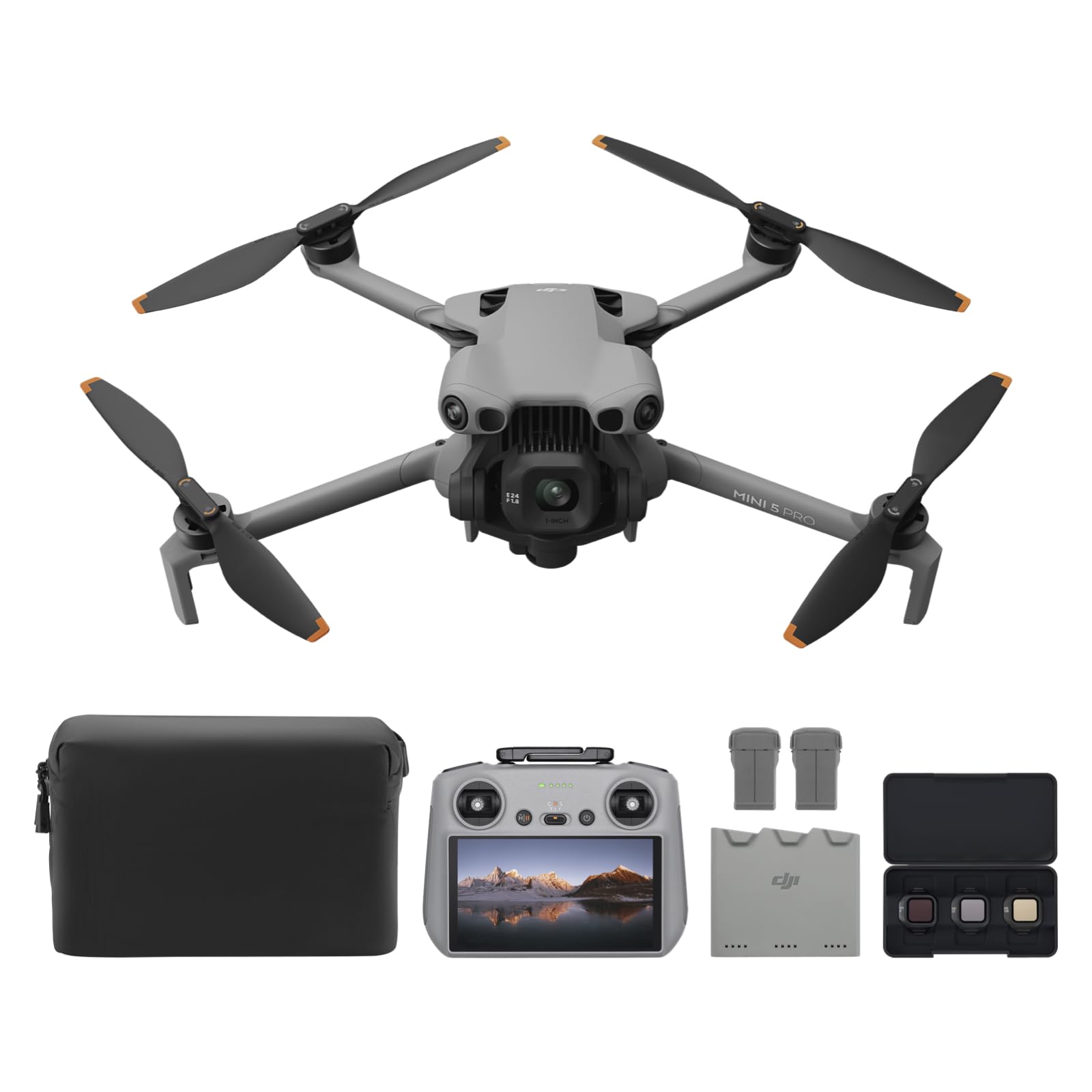
The 1-inch CMOS sensor and 10-bit color capture footage that stands out among sub-250g drones – sharp, cinematic, and rich in dynamic range. Where the top pick offers established value at a lower cost, this model trades affordability for pro-grade imaging and full omnidirectional obstacle avoidance. Wind stability is excellent thanks to ActiveTrack 360°, and the OcuSync 4 transmission keeps the feed solid over long distances, making it consistent for outdoor photography.

This combo is best for travel photographers and serious hobbyists who demand cinematic quality and want the safety of full obstacle avoidance in a lightweight 249g frame. The higher price and 36-minute per-battery flight time mean it's not for casual flyers or budget-conscious buyers – the included three batteries provide enough total flight time for a session, but swapping is required. For those who shoot in low light or need professional-grade color, the investment pays off.

💡 Keep the spare batteries charged and on hand to swap quickly between flights – the 36-minute per-battery limit suits planned shooting sessions.

Pros

  • 1-inch CMOS sensor with 10-bit color depth delivers sharp, cinematic footage.
  • Omnidirectional obstacle sensing and ActiveTrack 360° keep the drone stable and safe in windy conditions.
  • Intelligent flight modes and OcuSync 4 transmission make operation simple for all skill levels.

Cons

  • Premium-priced compared to entry-level sub-250g drones.
  • Flight time per battery (36 minutes) is modest
Our verdict

For travel photographers who prioritize image quality above all else in a portable package, the Mini 5 Pro delivers without compromise – just be prepared for the premium price.

Check Latest Price
4

Best Newcomer with Full Safety

SKYROVER X1

86 /100
Traveler Score Excellent

Key details

Weight
Under 249g
Flight Time
96 min (3 bat)
Camera Quality
4K/60 HDR, 3-axis gimbal
Transmission Range
15 km SkyBridge
Check Details on Amazon

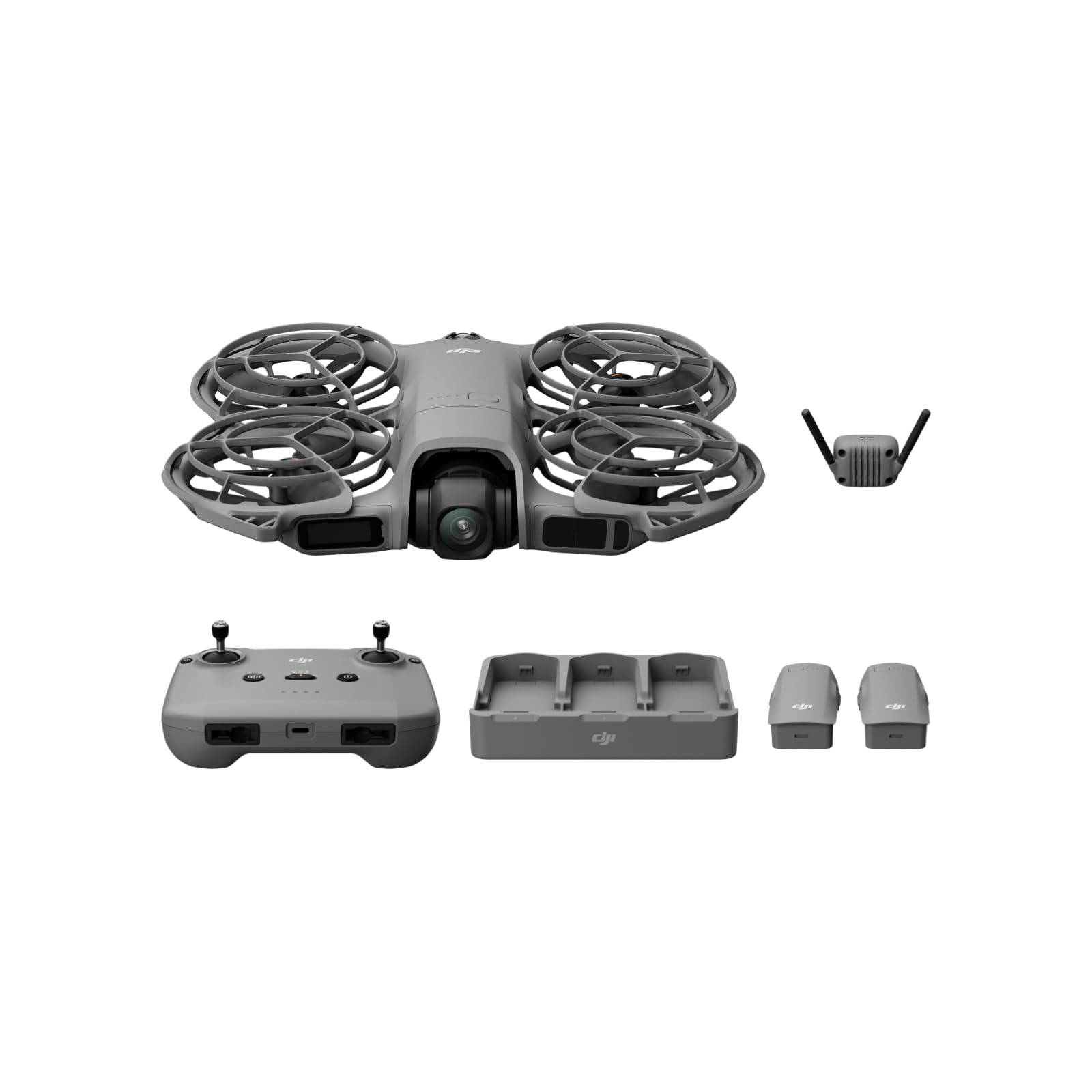
The SKYROVER X1 packs omnidirectional obstacle sensing and a 4K/60 HDR camera into a sub-249g frame – a combination typically found only in pricier DJI models. The three-axis gimbal keeps footage steady, and the included three batteries deliver roughly 30 minutes each, enough for multiple sessions without recharging.

This drone suits travelers and tech-savvy hobbyists who want safety features without paying the DJI premium. The brand is new, though, so long-term durability and support are unproven. Some units may have controller gimbal issues that affect precision – a potential concern for buyers who need consistent performance right out of the box.

💡 Run the controller calibration routine in the app before your first flight to identify any gimbal quirks early.

Pros

  • 4K/60 HDR video with a large sensor and f/1.7 aperture for sharp, vivid outdoor footage.
  • Full 360° obstacle avoidance in a sub-250g package, boosting confidence in tight spaces.
  • Three batteries provide a total of 96 minutes of flight, with each lasting nearly 30 minutes in real use.

Cons

  • Controller gimbal issues may appear in some units, requiring calibration or replacement.
Our verdict

For buyers who prioritize obstacle avoidance and strong camera specs over a long-track-record brand, the X1 offers compelling value – just factor in the risk of early QC hiccups.

Check Latest Price
5

Best for Social Media & Vertical Content

DJI Mini 3

90 /100
Traveler Score Outstanding

Key details

Weight
248g
Flight Time
38 min
Camera Quality
4K HDR, 3-axis gimbal
Transmission Range
10 km OcuSync
Check Details on Amazon

Vertical video creators get a dedicated tool here: the camera rotates 90 degrees in-camera for portrait 4K HDR, and the RC controller with integrated screen eliminates the need to mount a phone. The same 3-axis gimbal and wind handling (Level 5) that make DJI's entry-level model a favorite carry over, though obstacle avoidance is absent — you'll need to keep a clear line of sight.

This drone suits travelers and hobbyists who shoot vertical content for social media and want DJI's polished flying experience without the hassle of phone attachment. The tradeoff: real-world battery life runs closer to 30 minutes in warm weather, and reported gimbal or controller errors, while infrequent, may require firmware updates. For photographers who don't need portrait mode, the top pick offers slightly longer flight at a lower price.

💡 Consider carrying extra batteries for travel shoots — the real-world flight time supports multiple short flights rather than one long session.

Pros

  • Rock-steady 4K HDR footage from the 3-axis mechanical gimbal
  • Built-in RC screen removes phone dependency for quick launches
  • Holds stable video in 15 mph winds, maintaining control and image quality

Cons

  • In colder weather, flight time can drop to around 18 minutes
  • Occasional gimbal or controller errors reported; usually resolved by firmware recalibration
Our verdict

For creators who prioritize vertical video and a self-contained controller, the Mini 3 delivers DJI's core flying experience without the burden of phone attachment.

Check Latest Price
6

Photography Enthusiasts

Potensic ATOM 2

90 /100
Traveler Score Outstanding

Key details

Weight
Under 249g
Flight Time
96 min (3 bat)
Camera Quality
4K HDR, 48MP, 3-axis gimbal
Transmission Range
10 km PixSync 4.0
Check Details on Amazon

The Potensic ATOM 2 packs a feature set usually reserved for premium drones: 8K photos, 4K HDR video with a 3-axis gimbal, reliable AI follow-me, and a three-battery combo totaling 96 minutes of flight. The 10km PixSync 4.0 transmission holds up well in open areas, and the sub-250g weight keeps it exempt from FAA registration. However, the absence of omnidirectional obstacle avoidance means pilots need to stay alert in tight spaces. Additionally, early units have shown occasional controller connectivity hiccups, making this a solid choice for budget-focused photographers who can tolerate possible unit variance rather than a safe bet for risk-averse beginners.

Pros

  • Impressive camera with 8K photo and 4K HDR video plus gimbal stabilization.
  • Great value with three batteries, fast charger, and AI tracking below premium pricing.

Cons

  • Controller pairing or connectivity issues may appear in some units.
  • No omnidirectional obstacle avoidance
Our verdict

Best suited for photography enthusiasts willing to accept some unit variance for a feature-packed bundle at a budget-friendly price.

Check Latest Price
7

Night Shooters

Ruko F11PRO 2 Plus

89 /100
Traveler Score Excellent

Key details

Weight
360g
Flight Time
74 min (2 bat)
Camera Quality
48MP, 3-axis gimbal
Transmission Range
6 km
Check Details on Amazon

The 48MP sensor and 3-axis gimbal deliver clean nightscapes outshining many mid-range options. The 74-minute total flight time (two batteries) supports extended survey work. At 360g, FAA registration applies - not a dealbreaker for landowners but a barrier for ultralight travel. Some units have shown performance variability, so buying from a retailer with good return policy is wise.

Pros

  • Captures sharp night photos with minimal noise from dedicated low-light sensor
  • Extended 74-minute total flight time reduces battery anxiety during long sessions

Cons

  • Weight above 250g requires FAA registration - fine for property surveys but not ultralight travel
  • Some units may cease operation unexpectedly - build quality variance means checking unit on arrival
Our verdict

Best suited for night photography enthusiasts and landowners who prioritize low-light performance over portability and long-term consistency.

Check Latest Price
8

Semi-Professional Shooters

DJI Air 3S

92 /100
Traveler Score Outstanding

Key details

Weight
724g
Flight Time
45 min
Camera Quality
1-inch CMOS, dual cam
Transmission Range
20 km O4
Check Details on Amazon

The DJI Air 3S delivers outstanding image quality with its 1-inch CMOS sensor and dual camera system, producing sharp 4K/60 HDR footage and a dedicated telephoto lens for distant subjects. The 45-minute flight time and omnidirectional obstacle sensing add confidence during extended shoots. However, the 724g weight requires FAA registration and the premium pricing limits this to dedicated semi-professional shooters rather than casual or travel users.

Pros

  • Superb low-light performance and color accuracy from the 1-inch sensor.
  • Long 45-minute flight time with reliable obstacle sensing for night flying.

Cons

  • Premium pricing targets semi-professionals, not casual hobbyists.
  • Weight over 250g requires FAA registration, limiting travel convenience.
Our verdict

Best suited for local, image-focused aerial photography where portability is secondary.

Check Latest Price
9

Budget Beginners

Potensic ATOM SE

89 /100
Traveler Score Excellent

Key details

Weight
Under 249g
Flight Time
62 min (2 bat)
Camera Quality
4K EIS, Sony sensor
Transmission Range
4 km PixSync 2.0
Check Details on Amazon

The Potensic ATOM SE delivers strong value for entry-level flyers: a GPS-enabled 4K drone with two batteries for under $250, plus simple controls and stable hover that make it easy to learn. However, the electronic image stabilization (ShakeVanish) cannot match a mechanical gimbal — footage in windy conditions will show jitters, and reliability varies across units. This drone suits beginners or casual travel users who prioritize low cost and flight time over smooth video, but it is not a tool for producing stable outdoor footage.

Pros

  • Exceptional value
  • Easy to learn and fly, with stable hover and simple controls

Cons

  • Electronic stabilization struggles in wind
  • Some units may experience app connectivity or reliability issues
Our verdict

Best for budget-minded beginners learning to fly or casual indoor use where stable footage is not a priority; not for outdoor photography requiring smooth video.

Check Latest Price
10

Action Vloggers

DJI Neo 2

90 /100
Traveler Score Outstanding

Key details

Weight
151g
Flight Time
10-15 min per bat
Camera Quality
4K EIS
Transmission Range
10 km OcuSync
Check Details on Amazon

The DJI Neo 2 is the most beginner-friendly drone we've tested, with full omnidirectional obstacle avoidance and palm launch that make accidental crashes nearly impossible. Gesture and voice controls let anyone start flying immediately. The tradeoff: each battery delivers only about 10 minutes of real flight time, and the lack of a mechanical gimbal means video can look jittery in breezy conditions – so this is a tool for quick selfies and action tracking, not for scenic landscape shoots or long-range exploring.

Pros

  • Full omnidirectional obstacle sensing prevents crashes during learning
  • Intuitive gesture and voice controls let beginners fly without a controller

Cons

  • Short flight time of roughly 10 minutes per battery limits outdoor shooting sessions
  • No mechanical gimbal
Our verdict

Best for first-time pilots and casual self-tracking flights where safety matters more than image stability or flight endurance.

Check Latest Price
11

Casual Selfies

DJI Neo (135g)

91 /100
Traveler Score Outstanding

Key details

Weight
135g
Flight Time
15 min per bat
Camera Quality
4K EIS
Transmission Range
Wi-Fi up to 50m
Check Details on Amazon

The DJI Neo's palm takeoff and gesture controls make it effortless to capture spontaneous selfies without a controller. At 135g, it slips into a jacket pocket — perfect for indoor or calm-weather outings. However, it lacks a mechanical gimbal, so footage can get jittery in a light breeze, and the battery lasts only about 10-15 minutes per charge. For serious outdoor photography with stable video and longer flights, you'd need a gimbal-equipped model like the DJI Mini 4K.

Pros

  • Ultra-light 135g design fits in a pocket for grab-and-go selfies.
  • Palm launch and gesture controls make flying easy for absolute beginners.

Cons

  • Battery lasts only 10-15 minutes per flight, requiring a spare for any extended session.
  • Electronic stabilization cannot compensate for wind, leading to jittery video in moderate breezes.
Our verdict

Best suited for indoor selfies, casual family moments, or calm-weather travel where portability and ease outweigh video stability.

Check Latest Price

How to Choose

Camera Quality and Stabilization

A 3-axis mechanical gimbal is the single most important spec for smooth outdoor footage. Electronic image stabilization (EIS) works for indoor or calm conditions, but in wind it introduces crop, jitter, and latency. The larger the camera sensor (1-inch CMOS vs 1/2.3-inch), the better the low-light performance and dynamic range.

For travel photography, prioritize at least 4K/30fps with a mechanical gimbal. Models with 4K/60 or HDR add flexibility for fast motion and high-contrast scenes like sunsets.

Weight and Registration

Drones under 250g avoid FAA registration in the US and many other countries, which is a major advantage for road trips and international travel. However, sub-250g drones often make trade-offs in wind resistance, battery capacity, or camera sensor size.

If you plan to fly in windy conditions or need longer battery life, consider a heavier model (250g-500g) and accept the registration requirement. Once registered, the drone is tied to you, not the location.

Flight Time and Batteries

Advertised flight times assume ideal conditions (no wind, hovering, warm battery). In real outdoor shooting with GPS, wind resistance, and video recording, expect 20-30% less time. A single battery rarely covers a full hike or sightseeing trip, so a Fly More combo with three batteries is a practical investment.

Battery chemistry affects longevity: LiPo cells degrade faster if stored fully charged or in hot car trunks. Plan for battery replacement every 1-2 years with regular use.

Transmission Range and Stability

Wi-Fi-based transmission (typical in budget drones) drops at 300-800 meters and suffers interference in urban areas. OcuSync or similar RF-based systems maintain a strong link up to 10-20 km in open countryside, even around obstacles.

For outdoor photography in wide landscapes or near cliffs, a drone with OcuSync or PixSync gives you the range to frame distant scenes without losing video feed. Always check real-world range tests rather than spec-sheet maximums.

Frequently Asked Questions