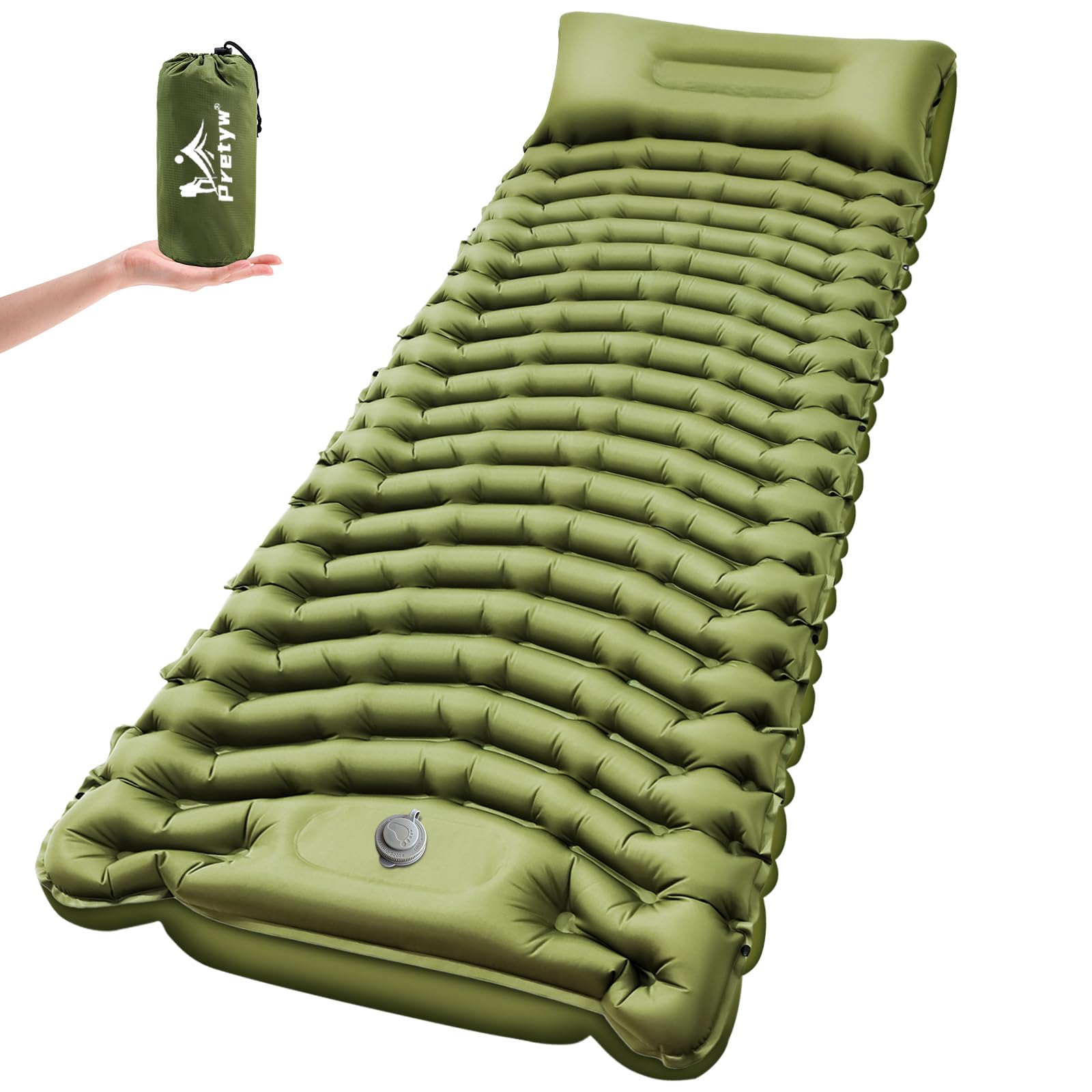
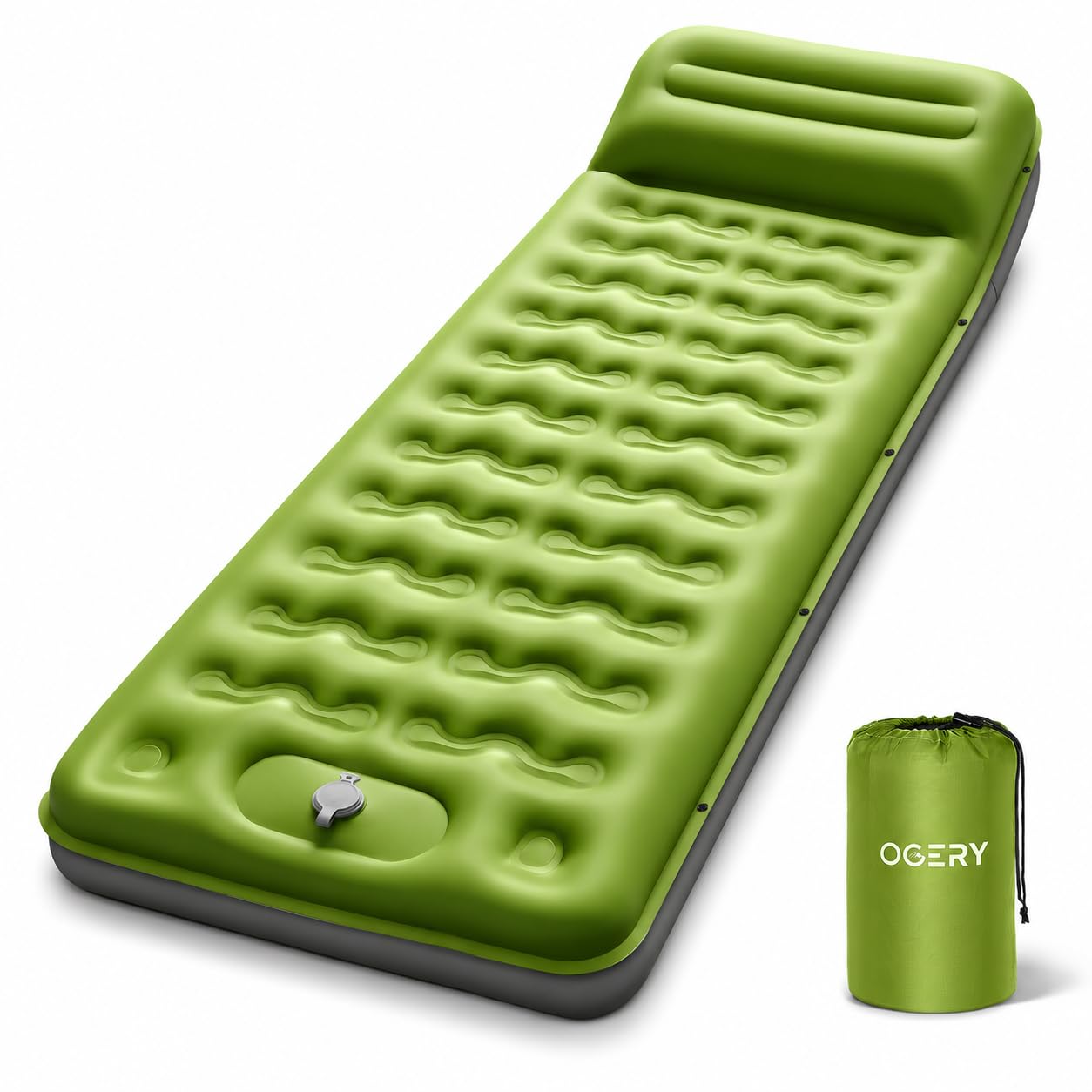
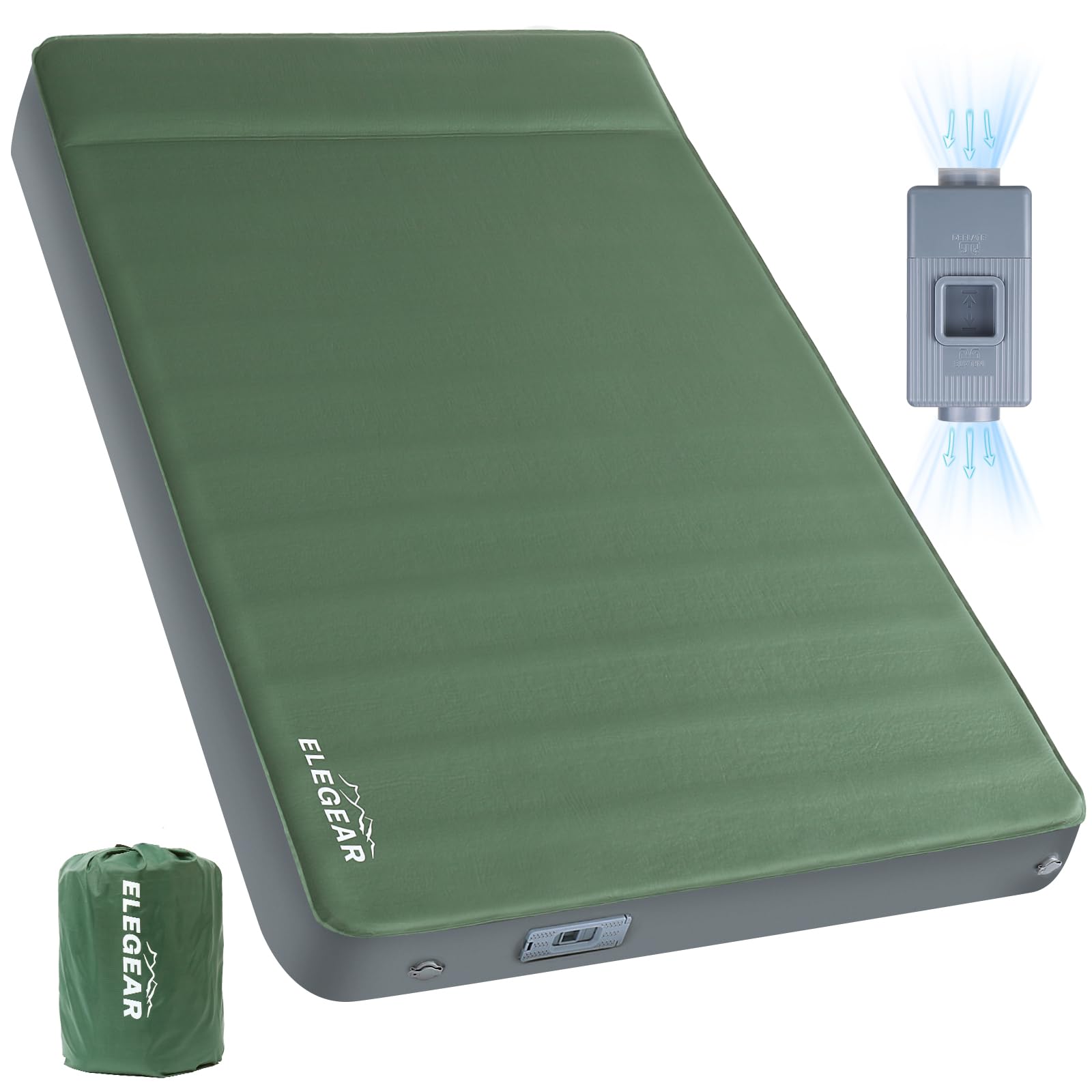
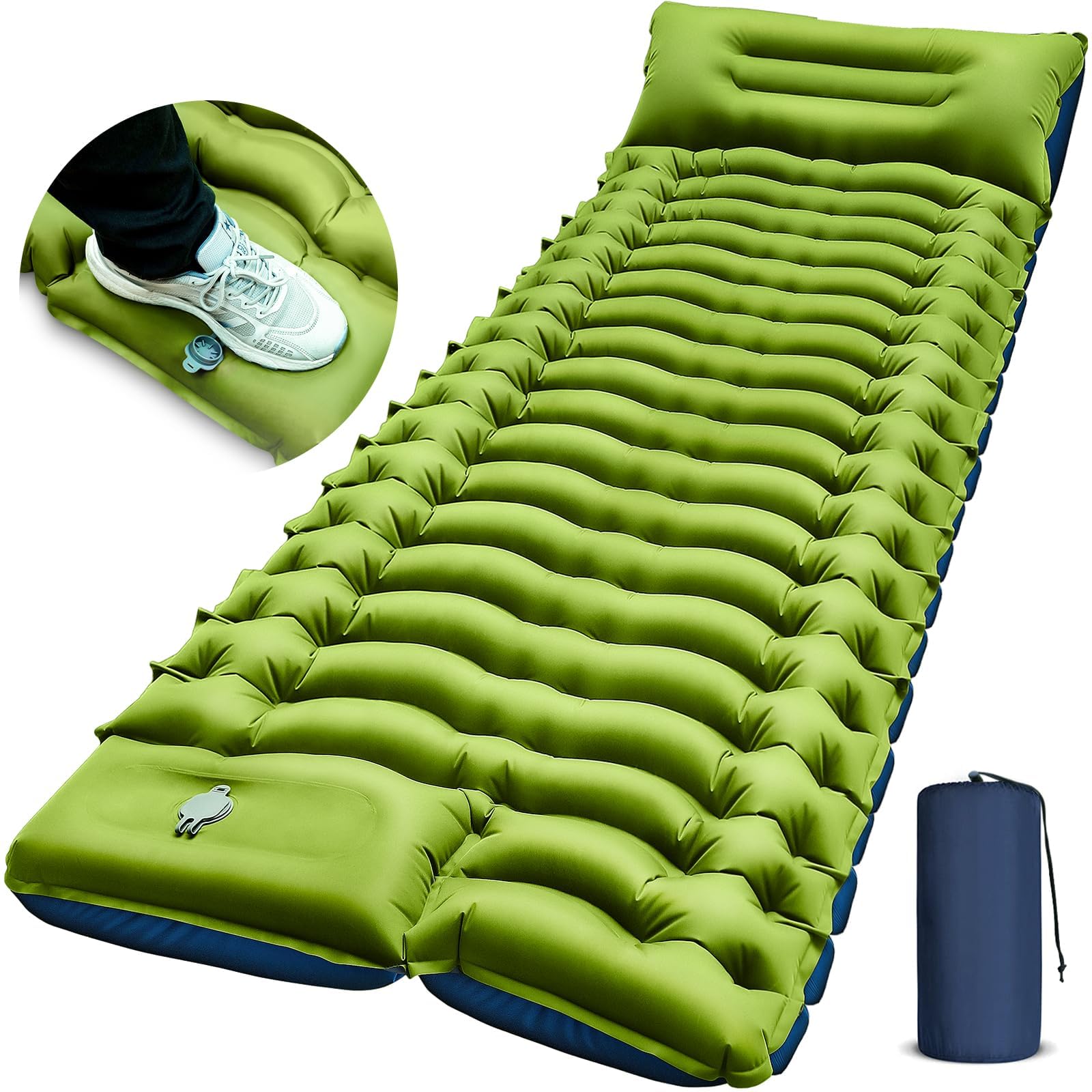
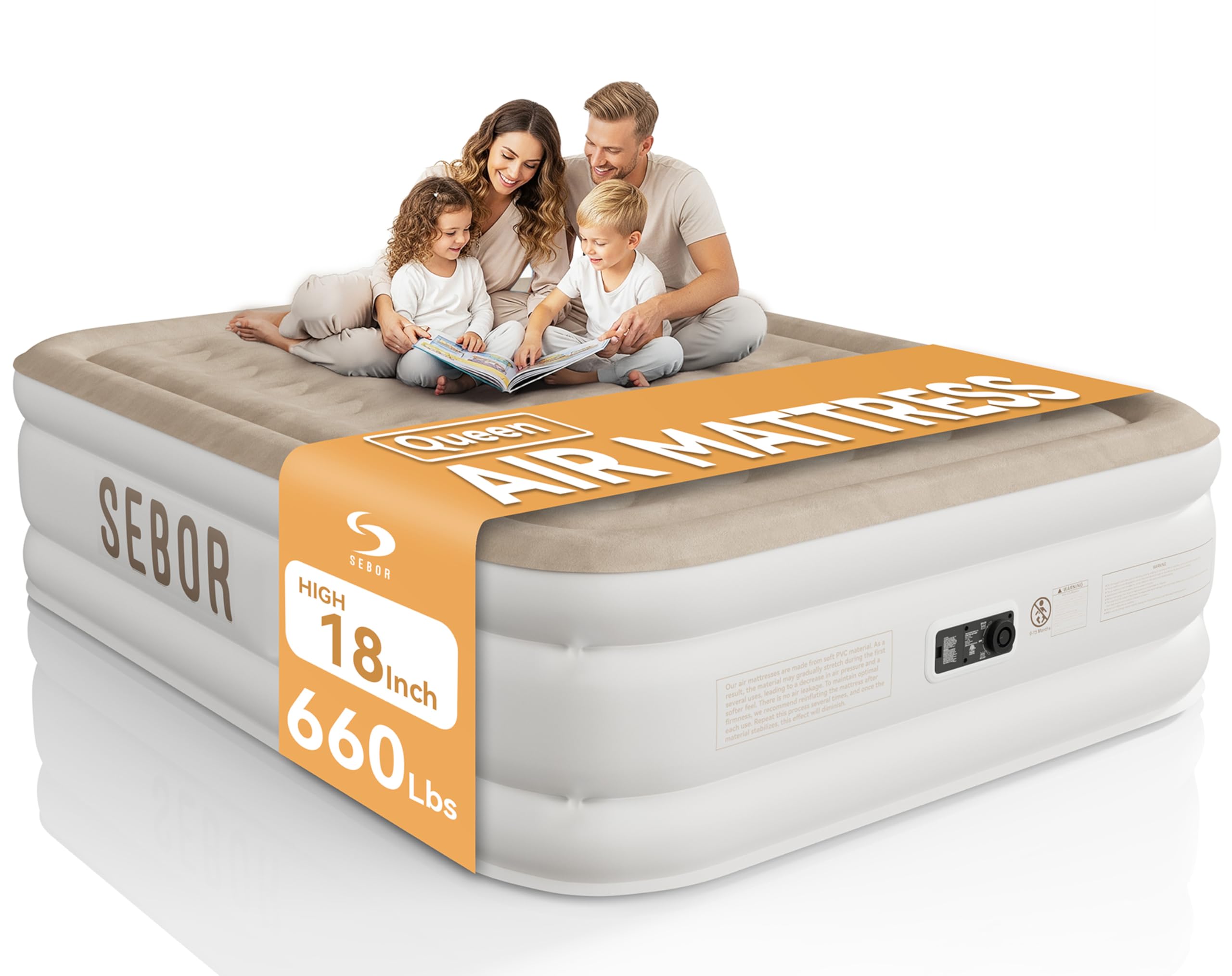
Best Overall

Lost Horizon Foam Camp Mattress
Key details
- Inflation
- Self-inflating + optional pump
- Thickness
- 4.5"
- Weight & Packed Size
- 16 lbs
Self-inflating foam mattresses solve the one frustration that plagues air beds: waking up on the hard ground after a slow leak. The Lost Horizon Option3 layers a solid foam core with an air-filled valve system, so you get the cushioning of a thick pad without depending on airtight chambers. That means the 4.5-inch profile stays supportive all night, even if you shift positions or the temperature drops.
Firmness is tunable. The self-inflating valve fills the pad quickly, and you can add more air for a firmer feel or release some to sink deeper. An electric pump can be used for quicker top-offs, but the manual control is precise enough for most sleepers. The surface is quiet — no crinkle, no squeak — and motion transfer is minimal, so a restless partner won’t ripple across the bed.
Cold-weather campers are the ones who truly feel the R13 insulation. Where uninsulated air pads create a cold bridge to the ground, the dense foam here keeps body heat where it belongs. The mattress has been used comfortably in four-season conditions, from early-spring frost to late-autumn chill, without the clammy feel of an air chamber.
Deflating and packing it away is the tradeoff for that foam reliability. Air leaves the mattress slowly, and rolling it back into a manageable size takes patience and upper-body strength. The packed weight is 16 pounds and the bundle is bulky — not something you’ll want to wrestle with at the end of every trip. Punctures can form in the TPU fabric over extended rough use, though the foam core continues to cushion and insulate unlike a pure air mattress that would go flat immediately.
This mattress is purpose-built for car campers, overlanders, and anyone who values sleep quality over ultralight portability. Side sleepers and those with pressure-point issues find the foam fills in around shoulders and hips. It’s too heavy for backpacking and the pack-up ritual requires effort, so if you want to break camp in 60 seconds, you’ll find the process tedious. For a stationary base camp or a weekend at a lakeside site with the car steps away, the comfort payoff outweighs the packing hassle.
💡 Deflate fully using the valve, then roll tightly from the foot end — using a compression strap helps tame the bulk before stuffing.
Pros
- Thick foam and air support relieve pressure points for side, back, and stomach sleepers.
- R13 insulation keeps you warm in winter camping, verified in four-season use.
- Quiet, stable surface with no crinkle, squeak, or motion transfer.
- Self-inflating valve and optional pump let you dial in softness from plush to firm.
Cons
- TPU fabric can develop punctures with extended rough use, though the foam core continues to cushion.
- Deflating and rolling the mattress back into its carry bag takes real effort
If you refuse to wake up sore or cold and your camping rig can handle a bulky pack, this mattress delivers dependable sleep that no air-only pad can match.