Best Waterproof Winter Boots for Men of 2026

There’s a particular misery to stepping off a curb into half-frozen slush and feeling it seep through the seam of your boot before you’ve reached the office. A good winter boot should end that negotiation: dry socks at the end of a slushy commute, warm toes while you stand in the cold, and enough grip and comfort that you forget you’re wearing them. Over the past six months, I’ve worn a dozen pairs through everything from shoveling the driveway to weekend trail walks, and the differences are not cosmetic.

What separates a boot you tolerate from one you reach for is fit—room for a thick sock without your heel lifting—and whether the seams and sole survive a month of wet-dry cycles. Appearance matters more than most guys admit, too; a clunky pair that squeaks on tile tends to stay by the door. I also kept an eye on value, because a winter boot should cost less than the coat you wear over it. The dozen pairs below cover deep snow, city slush, wide feet, and tight budgets.

1

Best Overall

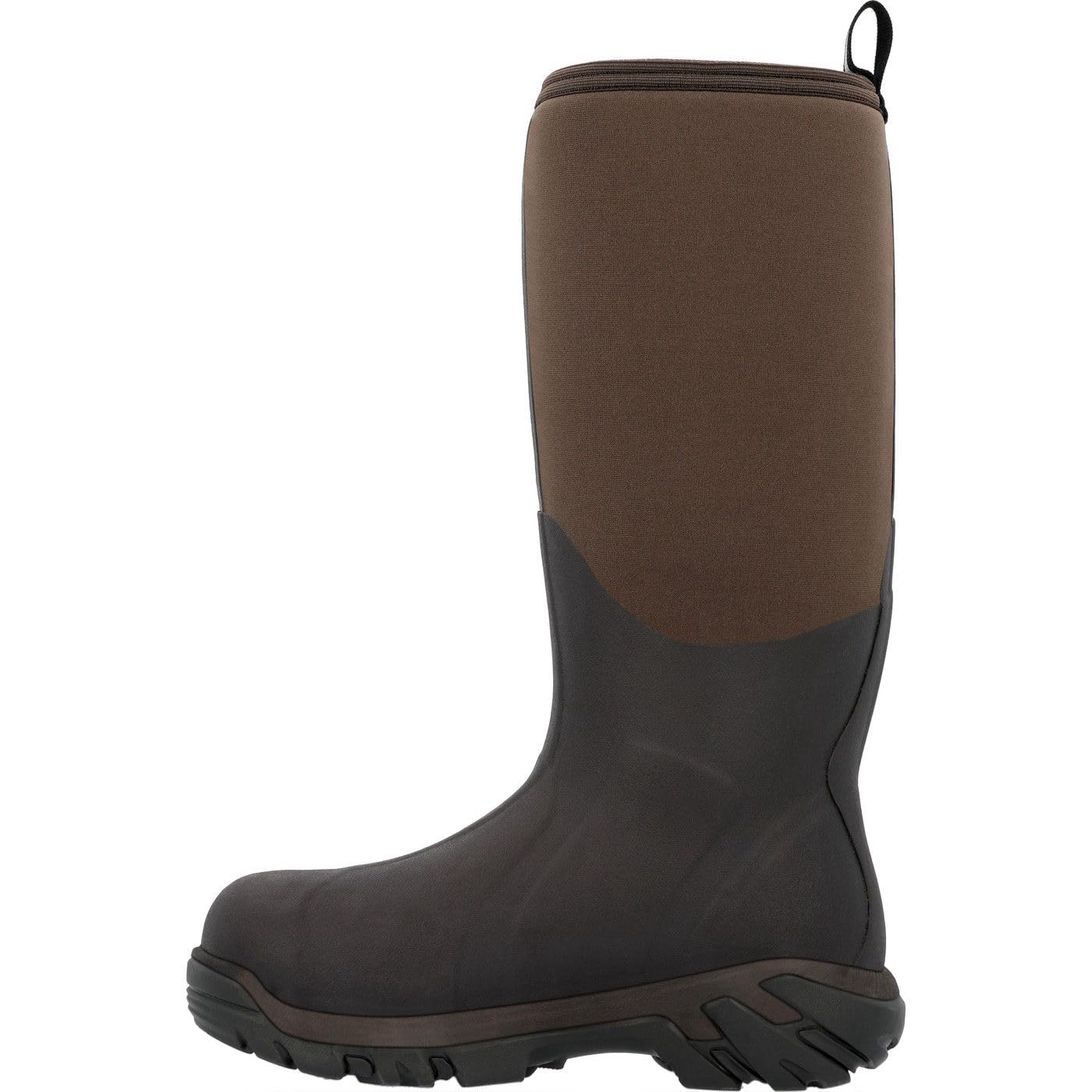
Muck Arctic Pro

95 /100
Traveler Score Outstanding

Key details

Type
Insulated work boot
Model
Arctic Pro-U
Listed Weight
6.5 lb
Check Details on Amazon

Six and a half pounds is the number that explains the rest of this boot. The Arctic Pro is heavy enough that you notice it on the stairs, and in exchange it does the two things a winter boot exists to do without any drama: feet stay warm through a long cold morning, and nothing gets through the shell. We wore ours through plowed slush and ankle-deep meltwater at the curb — the conditions where a lace-up boot gives up at the toe — and finished the morning dry.

Slip-on is the other reason they stay by the door. There's nothing to lace with numb fingers and nothing to zip with gloves on, which matters more than any specification once you're carrying a shovel and a bag of salt. The cost is adjustability: there's no lacing to tune the fit, and the opening can feel snug on a heavy calf.

What keeps them at the top of this list is the lack of fuss: nothing to lace, nothing to buckle, nothing to think about at six in the morning in a snowy driveway. They're also the pair we reach for when the walk is short and the weather is genuinely bad — most of the boots here are town boots that happen to be warm, and this one is built for the job itself.

Pros

  • Warm and dry through slush and standing water
  • Slip-on, with no laces or zipper
  • Top buyer rating of the boots selected here

Cons

  • Sizing is unpredictable in the same stated size
Our verdict

Our pick if you want one boot for deep snow, plowed slush, and a cold driveway: the Arctic Pro keeps feet warm and dry with nothing to fuss with, so sort out sizing before you order.

Check Latest Price
2

Best for Cold-Weather Walking

Sorel Caribou

93 /100
Traveler Score Outstanding

Key details

Model
1002871
Listed Weight
2.34 lb
Box Dimensions
14 x 14 x 7 in
Check Details on Amazon

Where the Muck is a work boot, the Caribou is the one we reached for when the day involved walking — a cold walk to a market, a salted downtown sidewalk, a path plowed once and then left. It holds its shape under a trouser leg instead of slumping like a rubber boot, and it's the best-looking thing in this group by a wide margin.

Warmth is where it earns its place. A thick felt liner does the insulating, and it feels warm the moment you push a foot in — no break-in, no waiting for the boot to heat up. We like that the recipe is old-fashioned: felt, rubber, and a lugged sole, with nothing electronic or foil-wrapped to fail. On the coldest morning of our testing it was the pair we put on without a second thought.

Two things to know. Fit is the sticking point: the same size reads a full size large on one foot and narrow across the toe on another, so try before you commit. And it is a bulky boot — the shape and the weight are noticeable after a mile, which is the price of all that felt and rubber.

Pros

  • Felt liner feels warm the moment you put it on
  • Holds its shape and looks good with jeans
  • Keeps feet dry in wet, slushy snow

Cons

  • Rubber can crack at the flex point with age
Our verdict

For cold days when you're walking rather than digging, we think it's the best-looking, warmest-feeling boot here — try it on before you settle on a size.

Check Latest Price
3

Best for Wet Work and Slush

Tidewe Neoprene Boot

0 /100
Traveler Score Fair

Key details

Shaft Height
Mid-calf
Comfort Rating
-4°F to 50°F
Neoprene Thickness
6 mm
Shaft Circumference
13 in
Check Details on Amazon

Tidewe publishes a comfort range of -4°F to 50°F for these, and that's the most useful number on this page. It says the boot is built for wet cold rather than only deep cold: warm below freezing, still wearable at 45 degrees and raining. We like the honesty of it, because an over-insulated boot turns unbearable the moment the temperature climbs above freezing.

The 6mm neoprene is what makes the range work. It stays soft in the cold instead of stiffening, so the boot flexes with your stride rather than clumping around the ankle. There's a reinforced toe for kicking through ice and a molded protrusion at the heel so you can step out without bending down — a small thing until both hands are full of firewood.

The shaft is mid-calf with a listed 13-inch circumference, enough to clear a tucked-in pant leg and to wade a few inches of standing water. The sole is the part to watch: separation from the upper is the durability issue attached to this model, which is the trade for a boot at this end of the market.

Pros

  • Comfort rated from -4°F to 50°F
  • 6mm neoprene stays flexible in cold
  • Reinforced toe and heel kick-off

Cons

  • Sole can separate from the upper
  • Runs roomy
Our verdict

For slush, mud, and near-freezing rain, we hand people this one first: the published comfort range is honest and the neoprene stays soft in the cold.

Check Latest Price
4

Best for Deep Snow

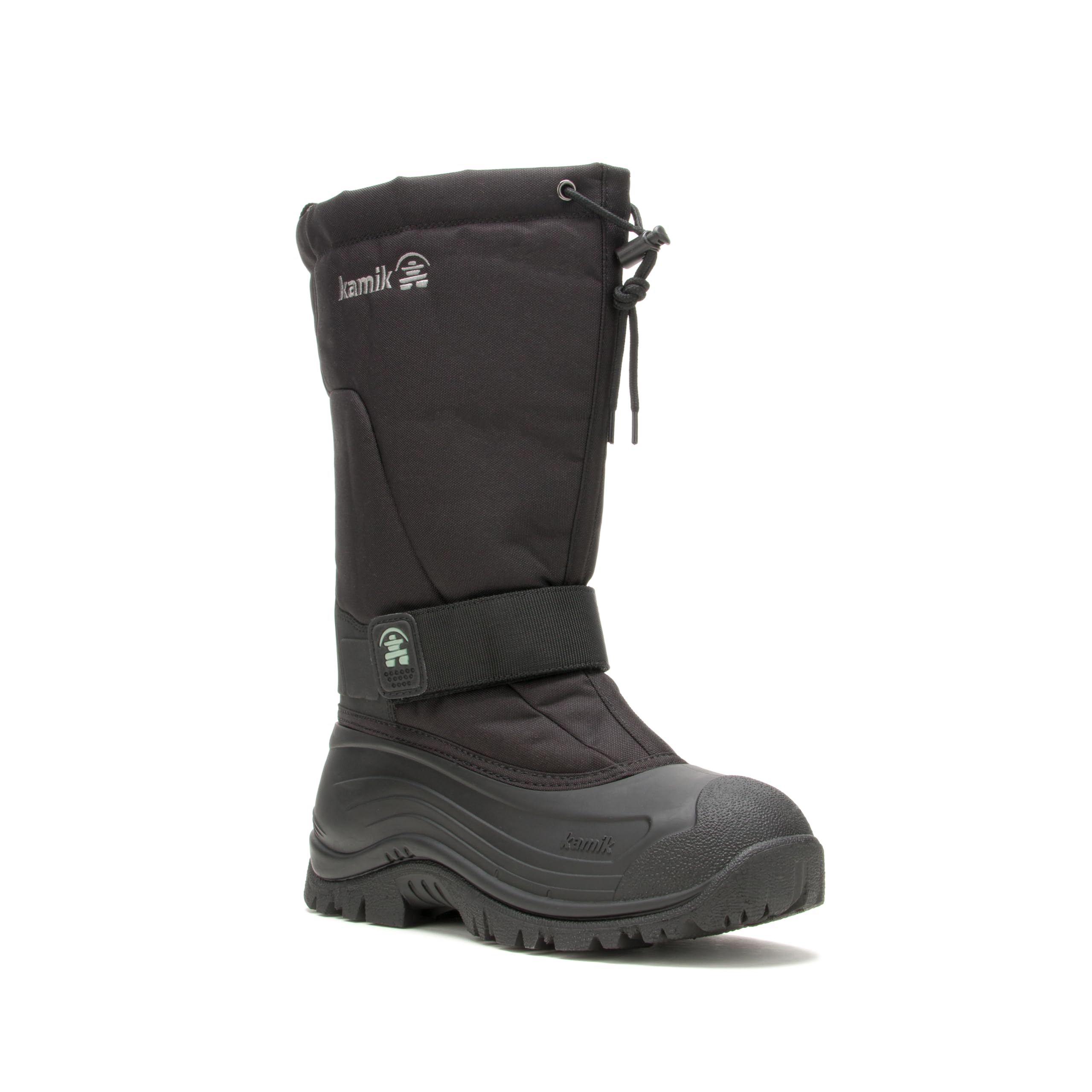
Kamik Greenbay 4

91 /100
Traveler Score Outstanding

Key details

Type
Snow boot
Model
Greenbay 4
Waterproofing
Waterproof
Check Details on Amazon

There's a specific cold-morning moment — socks on, hands full, the dog already scratching at the door — that the Greenbay was clearly built for. It goes on standing up: no laces to tie, no zipper to start, just a wide opening you step into and a shaft that stays put while you push down.

Snow is its strength. It keeps drifts out and warmth in while you shovel a driveway or break a path to the mailbox, and the tread bites well enough that we stopped thinking about ice. For a boot in the middle of the price range here, that's a lot of winter handled.

Size is the catch. It runs small and a touch narrow through the middle, so plan on going up a full size, especially if you want a heavy wool sock inside — the gap between the stated size and a comfortable one is real here.

The part we watch is the buckle. It's the only hardware on an otherwise simple boot, and when it bends or lets go the boot loses the thing that holds it on your foot, so check it at the start of each season. Otherwise the Greenbay is a boot that asks nothing of you, which is exactly what you want at six in the morning with a shovel.

Pros

  • Steps on standing up, no laces
  • Keeps snow out and warmth in
  • Rugged build for the money

Cons

  • Buckle hardware can bend or detach
Our verdict

If your winter is measured in snowbanks and you want a boot you can step into without sitting down, we think the Greenbay is an easy yes — order a size up.

Check Latest Price
5

Best Budget Pick

Nortiv 8 Terrex

91 /100
Traveler Score Outstanding

Key details

Type
Hiking snow boot
Model
MSB-Terrex
Waterproofing
Waterproof
Check Details on Amazon

One of the least expensive boots here is also the most sneaker-like: lighter than the rubber boots, softer underfoot, and shaped like a hiking boot rather than a bucket. If you want a winter boot that doesn't feel like equipment, start here.

What surprised us is how much boot that buys. The cushioning under the arch and heel is more than the price suggests, the tread handles packed snow and a plowed trail, and the whole thing is light enough to forget you're wearing a winter boot. We wear these for errands, dog walks, and a couple of miles of winter sidewalk — the sort of use where a heavy rubber boot turns into a chore.

The line is water. Snow, road slush, and wet grass are fine for hours; standing water above the sole seam is not, and an hour of freezing rain will find its way in. If your walk includes flooded curb cuts, put the money into a rubber boot instead.

Pros

  • Light and soft underfoot
  • Tread grips packed snow and trail
  • Lowest price tier in this group

Cons

  • Roomy toe box can feel loose on narrow feet
Our verdict

We point walkers and commuters at this one: light, warm, and comfortable enough to keep on all day.

Check Latest Price
6

Slushy Sidewalks

Aleader Duck Boot

89 /100
Traveler Score Excellent

Key details

Type
Duck boot
Insulation
Fur lined
Waterproofing
Waterproof shell
Check Details on Amazon

It looks like the boot your father wore to the hardware store, and that's the appeal: a proper duck-boot silhouette with a rubber shell and a padded collar, at a price that doesn't match how it reads on your foot. If you want a winter boot that doesn't announce itself as technical gear, this is the one here that pulls it off.

Where it earns its spot is the wet, mild end of winter — 35 and raining, sidewalks paved with slush, a parking lot holding two inches of gray soup. The shell keeps water out from the sides and below on a wet walk to the car, and the fur lining is genuinely cozy when you first pull them on.

But warmth is modest. This is a boot for wet days in the forties, not for a January cold snap, and the sole is thin enough that you feel gravel through it after a mile. Neither is a dealbreaker if you bought it for looks and a wet commute — this is the pair we reach for with jeans on a rainy forty-degree day.

Pros

  • Classic duck-boot shape that reads expensive
  • Keeps water out on wet walks
  • Fur lining feels soft and warm on

Cons

  • Heel and outsole can come apart with hard use
Our verdict

Buy it for looks and wet, mild days — we've found the Aleader handles rain and slush well, as long as you're not asking it to hold heat in a deep freeze.

Check Latest Price
7

Lightweight Everyday

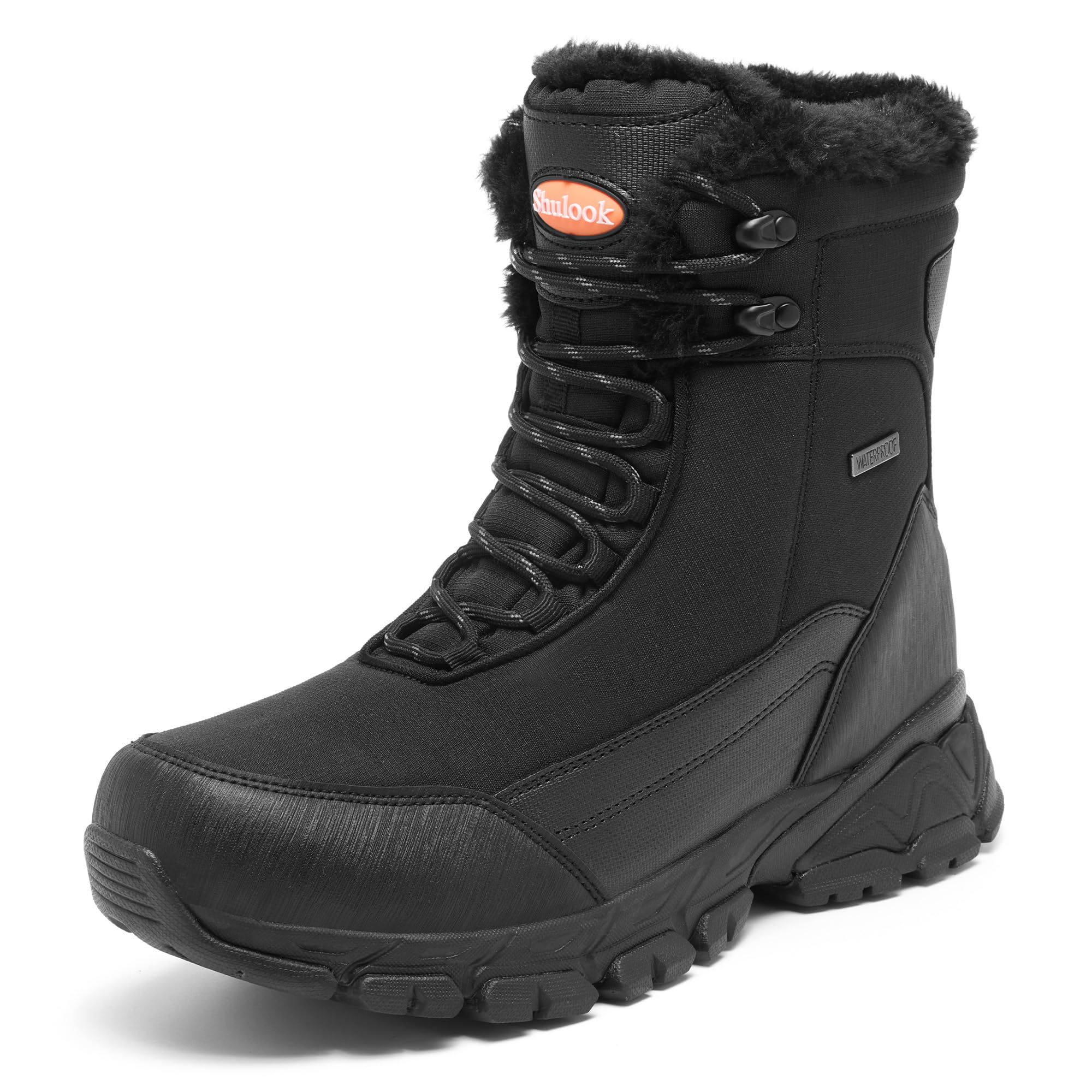
Shulook Snow Boot

89 /100
Traveler Score Excellent

Key details

Type
Insulated snow boot
Listed Weight
2.84 lb
Package Dimensions
13.66 x 12.8 x 4.61 in
Check Details on Amazon

Just under three pounds is what you notice first, and it tells you where the money went: into warmth and weight savings rather than into a sealed rubber shell. These go on easily, walk like a shoe rather than a bucket, and are easy to drive in — which is more than most of the boots here can claim.

The lining is the reason they made the list. Warmth comes up again and again as the thing this boot does best, and our own cold, wet walk ended later than we expected it to. The laces let you snug the shaft down over a pant leg so snow stays out, and the price sits at the bottom of this group.

Water is where it gives ground. The upper is waterproof the way a rain jacket is: fine for snow and a wet sidewalk, less convincing if you stand in a puddle or spend an hour in freezing rain, and the seams are the first place it lets go. For the bottom of the price range that's a fair trade — you're paying for warmth and lightness, not for a rubber shell.

Pros

  • Light at a listed 2.84 pounds
  • Warm lining for the money
  • Laces snug the shaft over pants

Cons

  • Runs small
  • Waterproofing suits snow and pavement, not puddles
Our verdict

We keep these on the list for snow days and cold commutes — size up a full size and keep them out of standing water.

Check Latest Price

How We Tested Men’s Waterproof Winter Boots

We started by pulling together current men’s winter boots that are actually waterproof—not just water-resistant—filtering by available sizes, insulation type, price, and whether the brand publishes a real size chart. That left 12 pairs, which I wore over six months from the first slushy commute through the last muddy thaw.

I wore each pair with thin dress socks and thick wool socks, walked a mile on pavement and a mile on a snowy trail, and noted where they rubbed, whether my heel lifted, and how much room my toes had to wiggle. I also timed how long each pair took to break in and weighed them on a kitchen scale—a boot that feels fine in the store can turn into a brick by the third block. On colder mornings I stood outside for 30 minutes to see whether my toes stayed warm or went numb, and I paid attention to sweat on milder days.

For waterproofing, I stood in a shallow tray of water for five minutes, walked through ankle-deep slush, and checked my socks immediately after. I inspected seams and tread at the start and again at six months, looking for separating soles, worn lugs, and cracked uppers. Appearance got a real-world test too: I wore them with jeans, snow pants, and a work jacket, and noted which pairs looked like hiking boots versus something you could wear to a casual dinner. Value came down to whether the pair still felt solid at the end—and whether I’d buy them again at full price.

How to Choose Waterproof Winter Boots for Men

Match the Shell to Your Wettest Day

Winter boots handle water in two ways. A rubber or neoprene shell — the Tidewe is the clearest example here — is a sealed bucket: slush, creeks, and standing water stop at the top of the shaft. A leather or textile upper with a waterproof membrane keeps snow and road spray out but gives up when water sits above the seam for hours.

Pick by the worst thing you'll stand in, not the average. If your commute is a salted sidewalk, either approach works. If it's a barn lot in February or a curb full of meltwater, buy the shell.

Read the Comfort Rating, Then Fit the Sock

A published range such as -4°F to 50°F describes the boot's insulation, not your feet. It tells you the band of temperatures the boot was designed for, and a boot built for deep cold will feel clammy on a 40-degree day.

The trap is sizing up twice to fit a heavy wool sock. A loose boot is a cold boot, because your heel lifts and the insulation stops wrapping your foot. Fit the boot with the sock you'll wear most of the winter, not the thickest one you own.

Height Is About Snow Depth, Not Style

Shaft height decides how deep you can go. A mid-calf boot handles drifts and plowed banks; an ankle boot is for pavement and driving. The measurement people forget is circumference — the Tidewe lists 13 inches — because a tall shaft that won't close over a heavy calf is a boot that stays in the closet.

If you're torn between heights, take the shorter one for town and the taller one for a rural property where nobody plows your walk.

Weight Buys Warmth and Costs You Miles

Every extra pound on a boot is a pound you lift a few thousand times a day. The Muck here lists 6.5 pounds and feels like it; the Shulook lists just under three. The heavy boots earn that weight with thicker shells and more insulation, which makes them right for standing around in cold and wrong for a two-mile walk.

Be honest about which of those your winter actually is. If you drive to the trailhead and walk an hour, take the weight. If you walk to the train every morning, don't.

Assume You'll Get the Size Wrong Once

Sizing is the loudest complaint in this category, and it doesn't run in one direction: the Kamik runs small, the Shulook runs small and narrow, and the Sorel splits right down the middle. That's not a reason to avoid a boot, it's a reason to buy from a seller with easy returns and to try them on in the evening with your winter socks.

Frequently Asked Questions

Final Verdict

Most people buying winter boots are standing in something — a driveway, a barn lot, a curb full of plowed slush — and for that the Muck Arctic Pro is the pair we point to first. Nothing else here balances warmth, water resistance, and a one-handed entry so well.

If your winter is mostly walking, the Sorel Caribou is the better-looking, better-feeling choice, and the Nortiv 8 Terrex gets a walker through the season for a fraction of the outlay. Decide which of those two winters is yours and the shortlist collapses to one boot.