11 Best Trekking Shoes of 2026: Zero Break-In Comfort

For travelers and day hikers: trekking shoes that fit right away and stay comfortable on trails, sightseeing days, and everything between.

Most trekking shoes advertise a waterproof membrane or a brand heritage. Once they are on your feet, what separates a pair you actually wear from one that stays in the closet is fit and comfort from the first step. It matters more than any spec sheet claim.

Travel adds another layer: your shoes have to handle a morning trail, an afternoon of sightseeing, and a flight the next day. That means weighing the trade-off between light low shoes and taller mid boots. Low shoes are easier to pack and move with your foot; mid boots add ankle support and weather coverage but can feel heavier on pavement.

A trekking shoe that fits well out of the box and supports your foot through mixed terrain is worth more than one with an impressive waterproof label. Start with fit, then decide how much height and weather protection your itinerary actually needs.

1

Best Overall

Merrell Moab 3

93 /100
Traveler Score Outstanding

Key details

Fit & Width
Roomy toe box
Waterproofing
No
Height & Weight
Low, 3.06 lb
Outsole Traction
Check Details on Amazon

The Moab 3 delivers out-of-box comfort and a roomy fit that let you start a day hike without a break-in period. The low-profile silhouette stays light on packed trails, gravel paths, and city sidewalks, while the stable heel and arch support keep the foot settled during all-day walking. Fit is the strength that separates it from stiffer rivals: the toe box gives toes room to spread on descents, and the heel collar holds without creating hot spots. A wide version is available for broader feet. The tread grips dry rock and loose dirt well on moderate climbs, and the midsole cushions without feeling mushy, so the same pair can cover trail miles and evening strolls.

Day hikers and travelers who want one shoe for trails, sightseeing, and errands will find the support and cushioning sufficient all day. It also looks clean enough for a casual meal, so one pair moves from trail to town. This low shoe has no waterproof membrane, so prolonged rain or wet grass can soak the upper; if wet trails are routine, a waterproof Moab variation is the better fit. For stream crossings or ankle support, a mid or boot is the appropriate choice.

Pros

  • Out-of-box comfort and no-blister performance from the first wear.
  • Roomy toe box fits a wide range of foot shapes.
  • Stable heel and arch support carry through long walking days.

Cons

  • Fit runs slightly small for certain foot shapes; wide sizing helps, but a half-size up may be needed.
  • Sole adhesion can vary between units; heavy trail use may expose outsole peeling in some pairs.
Our verdict

For day hikes, long walking days, and travel, the Moab 3 is the low hiker that works without a break-in.

Check Latest Price
2

Best Budget Boot

Columbia Crestwood

91 /100
Traveler Score Outstanding

Key details

Fit & Width
Wide available
Waterproofing
Water-resistant
Height & Weight
Boot, 1.25 lb
Outsole Traction
High-traction outsole
Check Details on Amazon

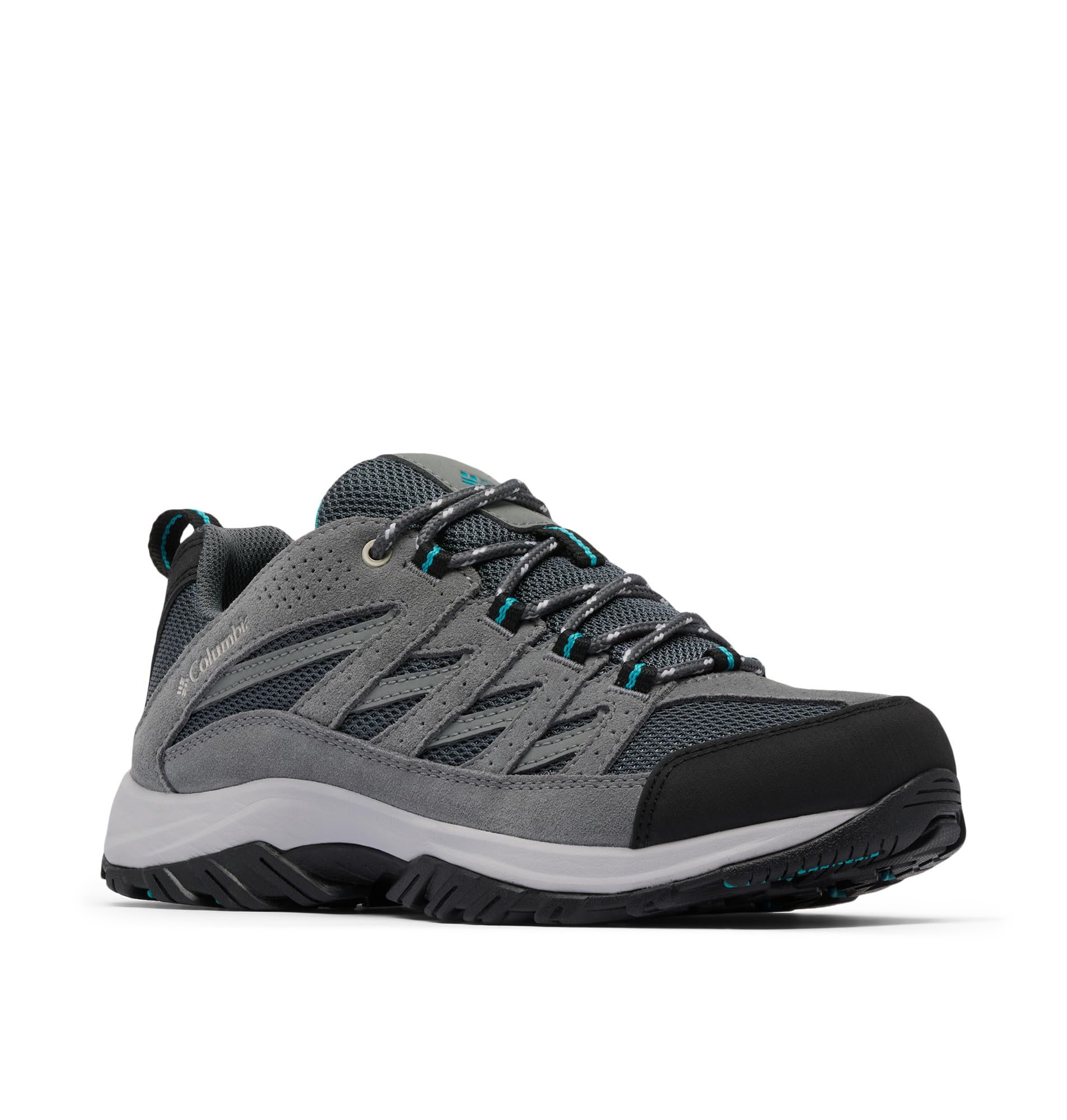
The Crestwood undercuts the top pick on price, adds a boot collar, and keeps the fit generous through the toe and midfoot. Its high-traction outsole handles dirt, gravel, and easy trail walking without a long break-in.

This is for budget-conscious men with wide feet who want a low-cost boot for day hikes, travel, and dry trails. Sole durability can vary between units, so it suits lighter use rather than heavy backpacking or demanding mountain terrain.

Pros

  • Roomy fit through the toe and midfoot suits wide feet.
  • High-traction outsole grips dirt and gravel with little break-in.
  • Quality construction and foot protection at a budget price.

Cons

  • Water resistance is limited; wet grass and steady rain can soak through.
Our verdict

Budget-conscious wide-footed hikers get a roomy, grippy boot for light-to-moderate trail days.

Check Latest Price
3

Best Waterproof Low Hiker

adidas Terrex Swift R2

91 /100
Traveler Score Outstanding

Key details

Fit & Width
Narrow fit
Waterproofing
Gore-Tex
Height & Weight
Low
Outsole Traction
Wet-condition traction
Check Details on Amazon

The Terrex Swift R2 is the low waterproof hiker here: Gore-Tex keeps feet dry on wet trails, the outsole holds on slick surfaces, and the quick-lace closure makes adjustments fast. The light, low-profile build packs easily, and the construction feels well made for regular trail use.

This shoe fits narrow-to-average feet best, and the ride is firmer than plush trail shoes — both are use-case boundaries. Wide-footed hikers and anyone chasing pillow-soft cushioning should look elsewhere. For wet-weather day hikes and travel, the waterproofing and low profile are the payoff.

Pros

  • Gore-Tex lining keeps feet dry in wet conditions.
  • Outsole traction holds on slick trail surfaces.
  • Well-constructed build holds up on regular trail use.

Cons

  • Closure hardware can wear out, so replacement laces may be needed.
Our verdict

For hikers who want a lightweight, waterproof low without a boot collar, the Terrex Swift R2 is the one to grab on wet days.

Check Latest Price
4

Wide-Fit Waterproof Hiker

KEEN Targhee 3

89 /100
Traveler Score Excellent

Key details

Fit & Width
Wide toe box
Waterproofing
Waterproof
Height & Weight
Low, 2.14 lb
Outsole Traction
Check Details on Amazon

The KEEN Targhee 3 pairs a genuinely wide toe box with solid waterproofing in a low-cut hiker, making wet grass and rain less of a concern on long trail walks. It prioritizes all-day comfort over ankle support or technical terrain, and the roomy forefoot sets it apart from slimmer options in this lineup.

That fit suits wide-footed hikers who want a low waterproof shoe for wet trails; narrower feet may find the midfoot snug, and sole separation can show up on some pairs after heavy use.

Pros

  • Roomy toe box and cushioned footbed keep feet comfortable for full days on the trail.
  • Waterproof upper handles wet grass, rain, and puddles without soaking through.
  • Sturdy construction and arch support give the shoe a well-built, supportive feel.

Cons

  • Chunky, outdoorsy styling won't appeal to anyone after a sleek, low-profile athletic look.
Our verdict

This is the low hiker for wide-footed walkers who want waterproofing and all-day comfort on wet trails.

Check Latest Price
5

Best Women's Mid Waterproof

Merrell Moab 3 Mid WP

92 /100
Traveler Score Outstanding

Key details

Fit & Width
Roomy toe box
Waterproofing
Waterproof
Height & Weight
Mid, 1.5 lb
Outsole Traction
Wet-weather traction
Check Details on Amazon

The Moab 3 Mid WP brings the low Moab's out-of-box comfort to a mid waterproof cut, with a taller collar for ankle support and a membrane that handles rain and snow. For day treks and mixed weather, this boot feels settled and secure without a long break-in.

This suits women who want one boot for mud, rocky trails, and wet-weather walks. Some feet will need a half size up or wide width, and the waterproof membrane can vary between units, so treat deep-puddle crossings as a bonus rather than a guarantee.

Pros

  • Out-of-box comfort means no break-in before the first day hike.
  • Ankle and arch support are strong enough for rocky, uneven trails.
  • Water resistance handles snow and rain during day treks.

Cons

  • Not a light, low-profile shoe for hikers who prefer a nimble trail feel.
  • Hot-weather breathability is limited by the waterproof construction.
Our verdict

The Moab 3 Mid WP is the practical pick for women who want day-hike ankle support and wet-trail protection without sacrificing first-wear comfort.

Check Latest Price
6

Best Budget Women's Boot

Columbia Women's Crestwood

90 /100
Traveler Score Outstanding

Key details

Fit & Width
Wide available
Waterproofing
Water-resistant
Height & Weight
Boot
Outsole Traction
Rock-grip tread
Check Details on Amazon

The Crestwood pairs no-blister comfort with a grippy outsole at a budget price. A roomy toe box gives wide feet plenty of space, and the tread holds up on rugged and gravel paths. It looks presentable beyond the trail, which makes it an easy travel companion for city stops and light day hikes. It also suits hiking, walking, and everyday outdoor use.

It is best for budget-conscious day hikers and travelers walking dry terrain. Water resistance is limited, so wet grass and steady rain can soak through; leave this one home for consistently damp conditions.

Pros

  • No-blister comfort on longer hikes.
  • True-to-size fit with plenty of toe room for wide feet.
  • Good quality at a budget-friendly price.

Cons

  • Fit can vary between production runs, so a half-size up may work better for some.
Our verdict

If you want a comfortable, low-cost boot for light trails and travel, this is the one to grab.

Check Latest Price
7

Best for Mountain Trails

Salewa Mountain Trainer

89 /100
Traveler Score Excellent

Key details

Fit & Width
Waterproofing
Gore-Tex
Height & Weight
Mid mountain boot
Outsole Traction
Check Details on Amazon

The Salewa Mountain Trainer is a Gore-Tex mid mountain boot with a stiff, supportive ankle collar and a sole built for rock and scree. It provides more control on uneven ground than the cushioned mid boots in this lineup.

This is for mountain hikers and backpackers who want ankle protection, durable construction, and minimal break-in. The firm ride is overbuilt for casual walking paths, and the premium price sits above everyday trail hikers; a soft, flexible trail shoe is the better fit for that use.

💡 Keep the firm chassis on uneven trails; it is less at ease on flat pavement.

Pros

  • Ankle collar holds firm on rocky, rooty trails.
  • Needs little break-in even as a stiff mountain boot.
  • Rugged construction holds up under mountain use.

Cons

  • On easy, flat trails, the stiff mountain-boot chassis can feel restrictive.
Our verdict

Reserve the Salewa for rocky trail days when ankle support and a planted sole matter more than cushion.

Check Latest Price
8

Light Trail Walking

adidas Terrex Anylander

90 /100
Traveler Score Outstanding

Key details

Fit & Width
Narrow midfoot
Waterproofing
No
Height & Weight
Low, 2.43 lb
Outsole Traction
Trail tread
Check Details on Amazon

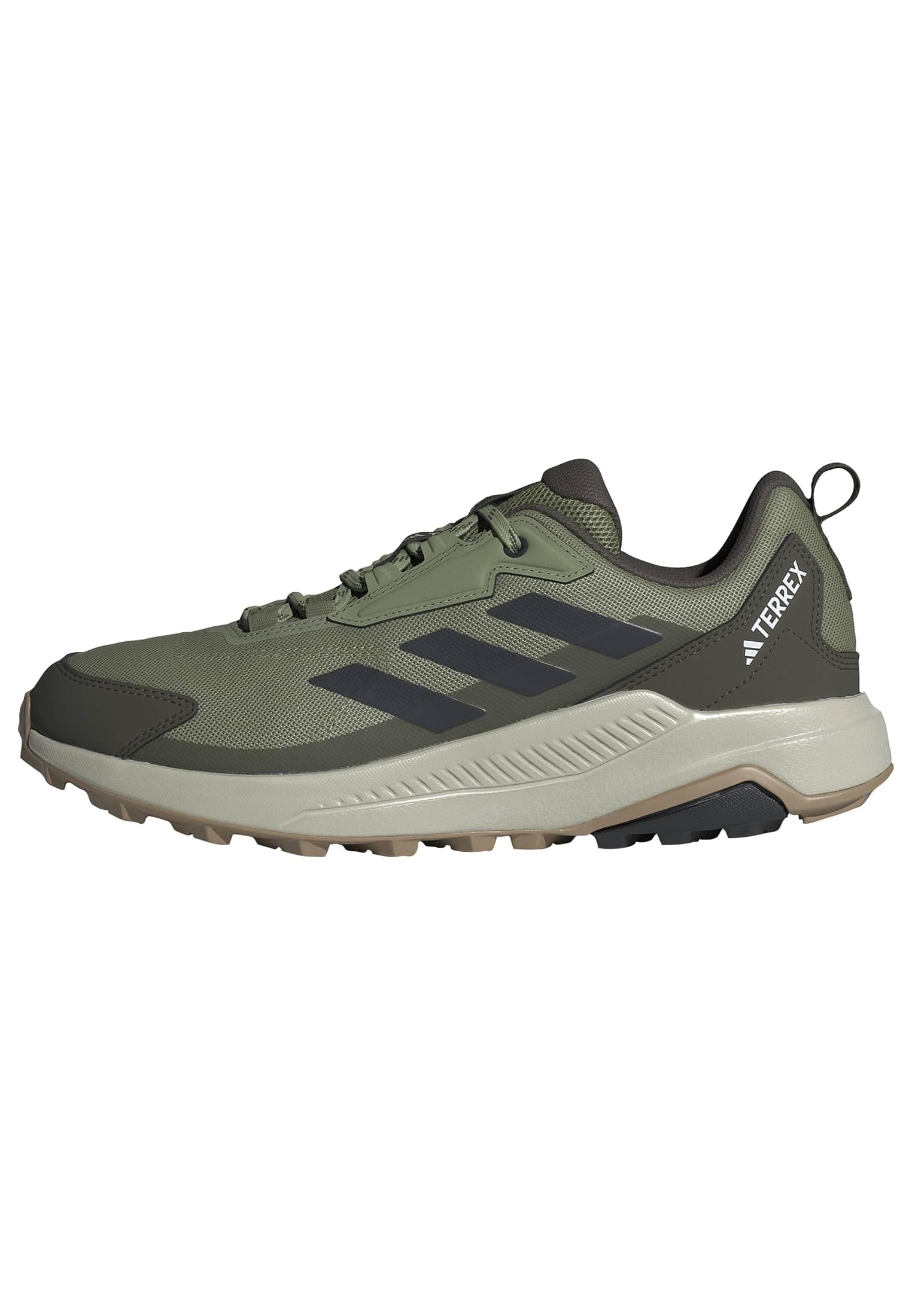
The Anylander is an easy-wearing low hiker with a stable platform and trail tread for light trails and city-to-trail travel. It has no waterproofing, the midfoot runs narrow, and long-term outsole wear on rocky trails is uncertain. This entry-level Terrex is less technical than the waterproof Swift R2 in this lineup.

Pros

  • Easy-wearing low hiker that stays comfortable for everyday walking and light trail use.
  • Stable platform and trail tread deliver a budget-friendly package for travel and trail-to-town use.

Cons

  • Wide-footed buyers may need a half-size up to avoid midfoot pressure.
Our verdict

Buy it for dry-weather day hikes and city-to-trail trips where a light, low-cost hiker is enough.

Check Latest Price
9

Occasional Trails

SHULOOK Waterproof Mid

88 /100
Traveler Score Excellent

Key details

Fit & Width
Roomy fit
Waterproofing
Claimed
Height & Weight
Mid, 2.95 lb
Outsole Traction
Rock & concrete traction
Check Details on Amazon

The SHULOOK Waterproof Mid pairs sneaker-like comfort and a true-to-size fit with a mid-cut ankle collar at a budget-friendly price. That makes it a practical choice for occasional trail walks and outdoor work. Heavy-use durability can fall short after a couple of months, so frequent backpackers will want a stronger-built boot.

Pros

  • Lightweight build keeps it easy to wear for hours without feeling clunky.
  • Traction holds securely on rocky trails and wet concrete.

Cons

  • Waterproofing can vary between pairs, so a given boot may behave more water-resistant than fully waterproof.
Our verdict

For occasional trail walks and casual outdoor work, this is a comfortable, low-cost way to get an ankle boot.

Check Latest Price
10

Warm-Weather Hiking

KEEN Voyageur

88 /100
Traveler Score Excellent

Key details

Fit & Width
Wide toe box
Waterproofing
No
Height & Weight
Low
Outsole Traction
Check Details on Amazon

The Voyageur delivers breathable comfort, a roomy toe box, and good arch support for warm-weather trail walking. Its low, airy build suits light hikes and everyday walking, but wet-weather and heavy-trail jobs belong to other models. Sole separation has been noted after hard miles, which holds it back from the top pick for long-haul durability.

Pros

  • Roomy, wide-friendly toe box makes for immediate comfort on warm-weather trails.
  • Low-profile, breathable design works for hiking, casual walking, and light trail use.

Cons

  • Sizing can vary between pairs; wide-foot buyers may need to size up.
Our verdict

Reserve it for dry-weather walking and day hikes; rugged-miles buyers will want a sturdier, more substantial hiker.

Check Latest Price
11

Day Hiking

Mammut Mercury IV Low GTX

89 /100
Traveler Score Excellent

Key details

Fit & Width
Waterproofing
Gore-Tex
Height & Weight
Low
Outsole Traction
Vibram sole
Check Details on Amazon

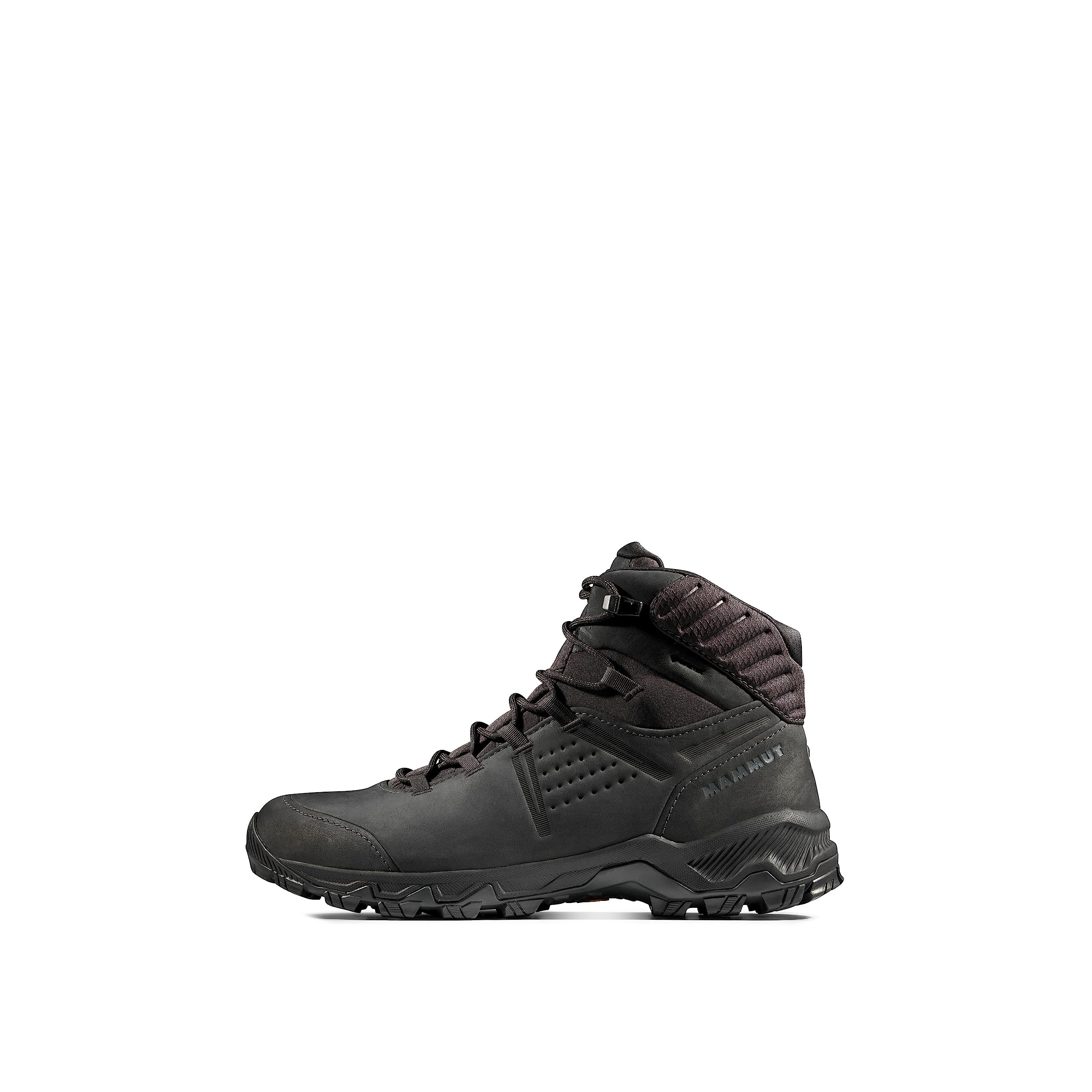
The Mercury IV Low GTX pairs Gore-Tex waterproofing, a Vibram sole, and 3D Memo Foam cushioning in a low-cut day hiker. The premium price is the limiting factor: value-focused hikers can get similar trail performance for less, so the extra cost only makes sense if you already know Mammut's fit and materials.

Pros

  • Gore-Tex waterproofing and a Vibram sole cover wet trails and varied terrain in a low-cut shoe.
  • 3D Memo Foam cushioning gives plush underfoot comfort on long day hikes.

Cons

  • The price assumes brand loyalty, so first-time Mammut buyers get less obvious value for the outlay.
Our verdict

Fits hikers who want a premium GTX/Vibram low and already know Mammut's fit; price-sensitive shoppers should look elsewhere.

Check Latest Price

How to Choose

Waterproofing

A waterproof membrane is a sealed layer that also traps heat. Leaks usually come through the collar, seams, or laces, not the membrane itself. That is why a low waterproof shoe can still soak through in wet grass.

For travel, decide whether you need sealed protection. Gore-Tex and Rain.RDY are more consistent than generic 'waterproof' claims, but they run warmer and cost more. A quick-drying low shoe is often the smarter mixed-itinerary choice.

Fit and Width

Shoe lasts differ more than size numbers. A roomy toe box in one brand can feel generous, while another standard width squeezes the midfoot. A too-short shoe blisters; a too-loose shoe slips at the heel.

If a model runs narrow or short, order a half-size up or choose wide when available. Try shoes with hiking socks and check the toe box standing up.

Height and Weight

Low shoes flex with your foot, pack smaller, and feel lighter on pavement. Mid and boot-height collars add ankle coverage on uneven ground, but they also add weight and heat.

The right height depends on load and terrain. A low shoe suits day hikes and city-to-trail travel; a mid boot pays off on rocky, rooty trails with a heavier pack.

Outsole Traction

Tread pattern and rubber compound work together. Deep, spaced lugs bite into mud and loose gravel; shallower lugs roll smoothly on hard trail and pavement. Soft rubber grips wet rock but wears faster on asphalt.

Match tread to your dominant surface. Dry dirt and city streets only need light trail tread; wet rocks and steep descents need pronounced lugs and a wet-traction compound.

Cushioning and Support

Cushioning absorbs shock, but it does not replace arch support. Plush foam compresses under load and can leave feet tired on long descents. A supportive footbed under moderate cushion lasts better over a full travel day.

If you have plantar fasciitis or flat feet, prioritize arch support over thick cushioning. For light daypacks and short distances, softer foam is fine.

Frequently Asked Questions