5 Best Ski Shell Jacket of 2026: True Shells for Layering Skiers

Find the best ski shell jacket for resort and all-mountain skiing: true uninsulated shells with powder skirts, helmet-compatible hoods, and layering room.

A ski shell jacket is supposed to be an uninsulated outer layer, but the category is packed with insulated jackets that carry the word 'shell' in the listing. That makes it easy to buy the wrong warmth profile, especially when a jacket has a strong rating and a convincing ski photo.

The real distinction is construction, not rating. True shells use a waterproof membrane, a helmet-compatible hood, powder skirt, pass pocket, and vent zippers, and they rely on your midlayer for warmth. At 20°F, a shell with a proper base and midlayer is more comfortable than a bulky insulated coat because you can shed the midlayer on warm laps.

This guide sticks to uninsulated shells and treats layered warmth as the intended system, not a workaround. The trade-off is usually between proven owner-tested performance and a cheaper listing with thinner specifications, so the right choice comes down to how you ski and what you are willing to verify yourself.

1

Best Overall

HH Sogn Shell 2.0

86 /100
Traveler Score Excellent

Key details

Shell Type
Uninsulated shell
Waterproofing
Waterproof, DWR
Check Details on Amazon

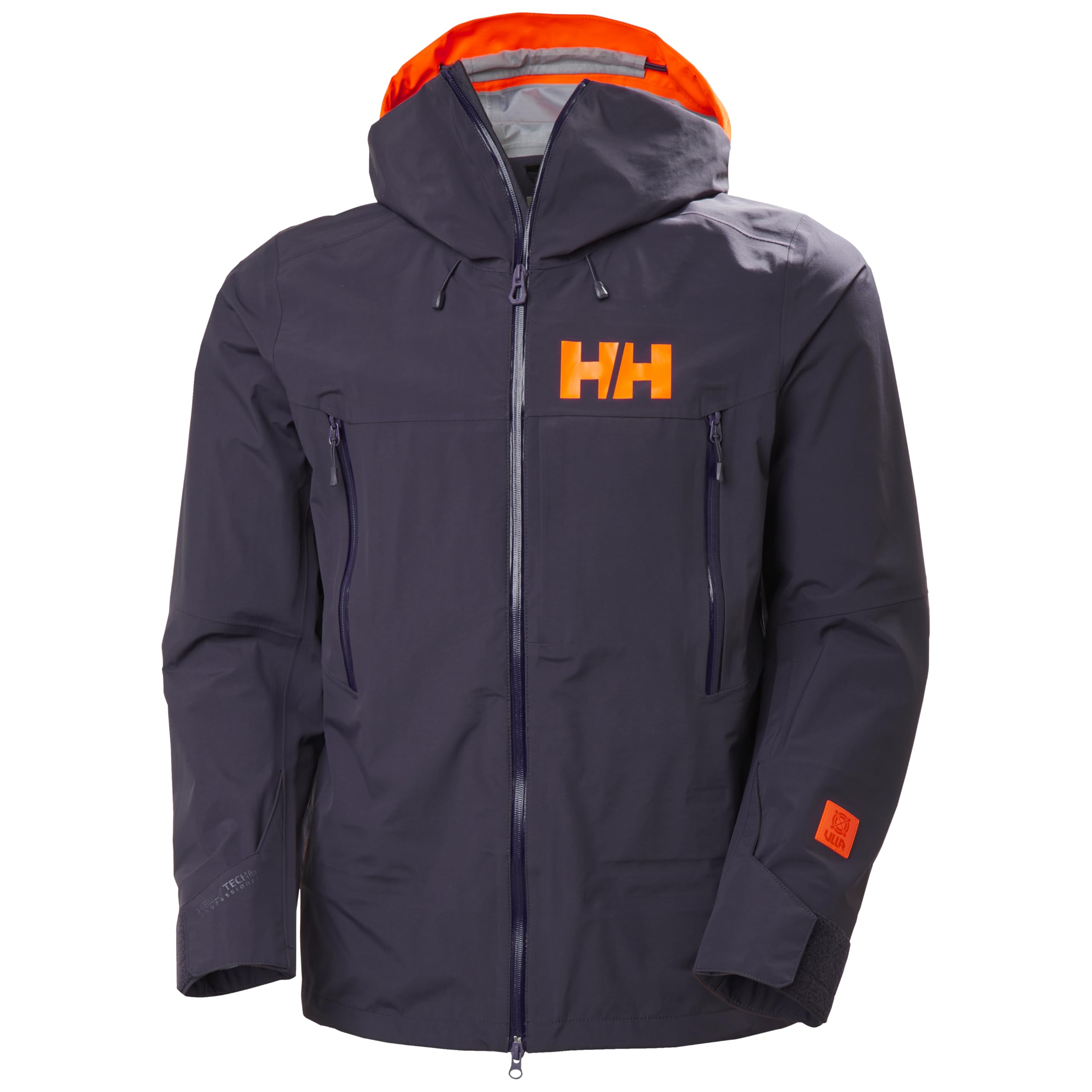
The Sogn Shell 2.0 is a true uninsulated resort shell: helmet-compatible hood, powder skirt, vent zippers, and reinforced high-wear fabric cover the ski-day essentials. The shell fabric feels substantial rather than flimsy, and the fit runs generous enough for mid layers. Cuffs adjust to keep snow out without binding under gloves, and the hood keeps its position over a helmet instead of tugging the collar.

Waterproofing handles wet snow and spring slush, and the vent zippers dump heat quickly when the lift line stalls or the sun comes out. They sit under the arm for easy access with gloves. The shell breathes more easily than an insulated resort jacket when you are hiking to a stash or walking in boots. DWR reactivation is part of routine care to keep water beading.

This works best for all-mountain resort skiers and snowboarders who already own a layering system and want a shell they can keep for multiple seasons. The price is premium next to entry-level resort shells, so strict budget shoppers should weigh whether the extra cost is worth it for them. Skiers who expect insulation built in will find the Sogn too minimal and should choose an insulated jacket instead; for the right buyer, the shell's weather protection is the whole point.

Pros

  • Dense shell fabric and reinforced high-wear panels hold up through heavy resort use.
  • Roomy fit leaves space for mid layers, and cuffs adjust cleanly over gloves.
  • Helmet-compatible hood, powder skirt, and vent zippers keep the ski-day essentials in one package.

Cons

  • The premium price sits above entry-level resort shells, so strict budget shoppers will feel the difference.
  • Skiers who expect built-in insulation will find the shell minimal until they build a complete layering system.
Our verdict

For skiers who treat warmth as a layering decision, the Sogn Shell 2.0 is a durable resort shell that handles weather while your mid layer handles heat.
Check Latest Price
2

Best Value Snow/Snowboard Shell

Oakley Range RC

87 /100
Traveler Score Excellent

Key details

Shell Type
Uninsulated shell
Waterproofing
Waterproof, breathable
Check Details on Amazon

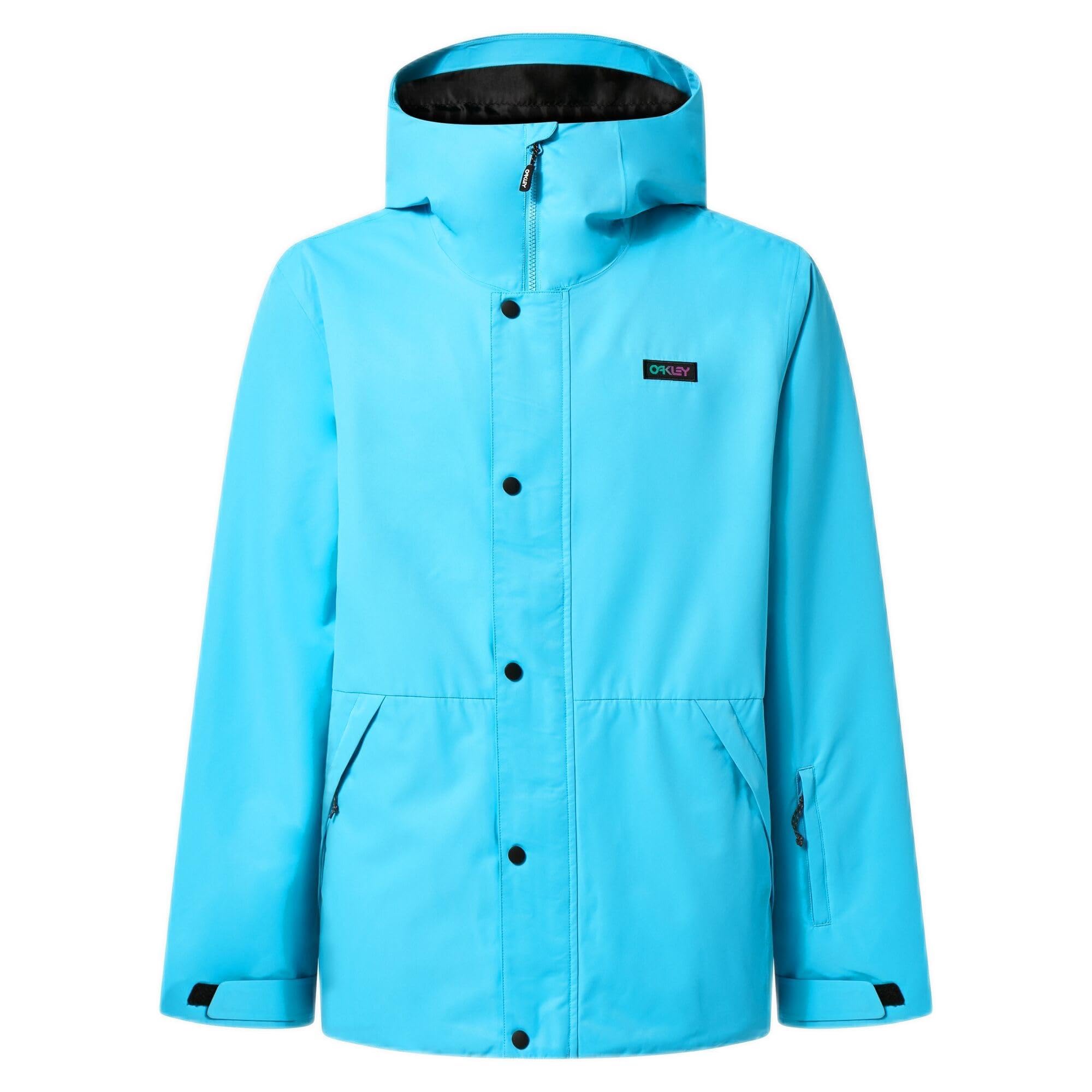
The Range RC pairs a waterproof/breathable shell with a rider-focused pocket layout: sleeve pass pocket, internal goggle pocket, and mesh stash are all standard. It's an uninsulated shell, so warmth comes from whatever you layer beneath; that system stays comfortable at 23°F. For a budget price, this delivers the storage and weather coverage that resort skiers and snowboarders actually use.

This is for value-conscious riders who want goggle and pass storage and plan to layer under a true shell. Official spec transparency is thin, and the listing is snowboard-oriented rather than a detailed ski-spec sheet, so buy it for the feature set, not the spec sheet. If you want insulation built in, look at an insulated jacket instead.

Pros

  • Sleeve pass pocket, internal goggle pocket, and mesh stash keep ride essentials within reach.
  • Layering under the shell stays comfortable at 23°F, so cold resort days aren't a problem.
  • Durable construction and clean finishing hold up to regular resort wear.

Cons

  • Skiers who want a premium membrane brand name should look elsewhere.
Our verdict

For skiers and snowboarders who treat a shell as a layering piece and want their pass and goggles easy to reach, the Range RC delivers that focus at a budget-friendly price.

Check Latest Price
3

Technical 3L Buyers

HH Swift 3L Shell

85 /100
Traveler Score Excellent

Key details

Shell Type
3-layer shell
Waterproofing
Check Details on Amazon

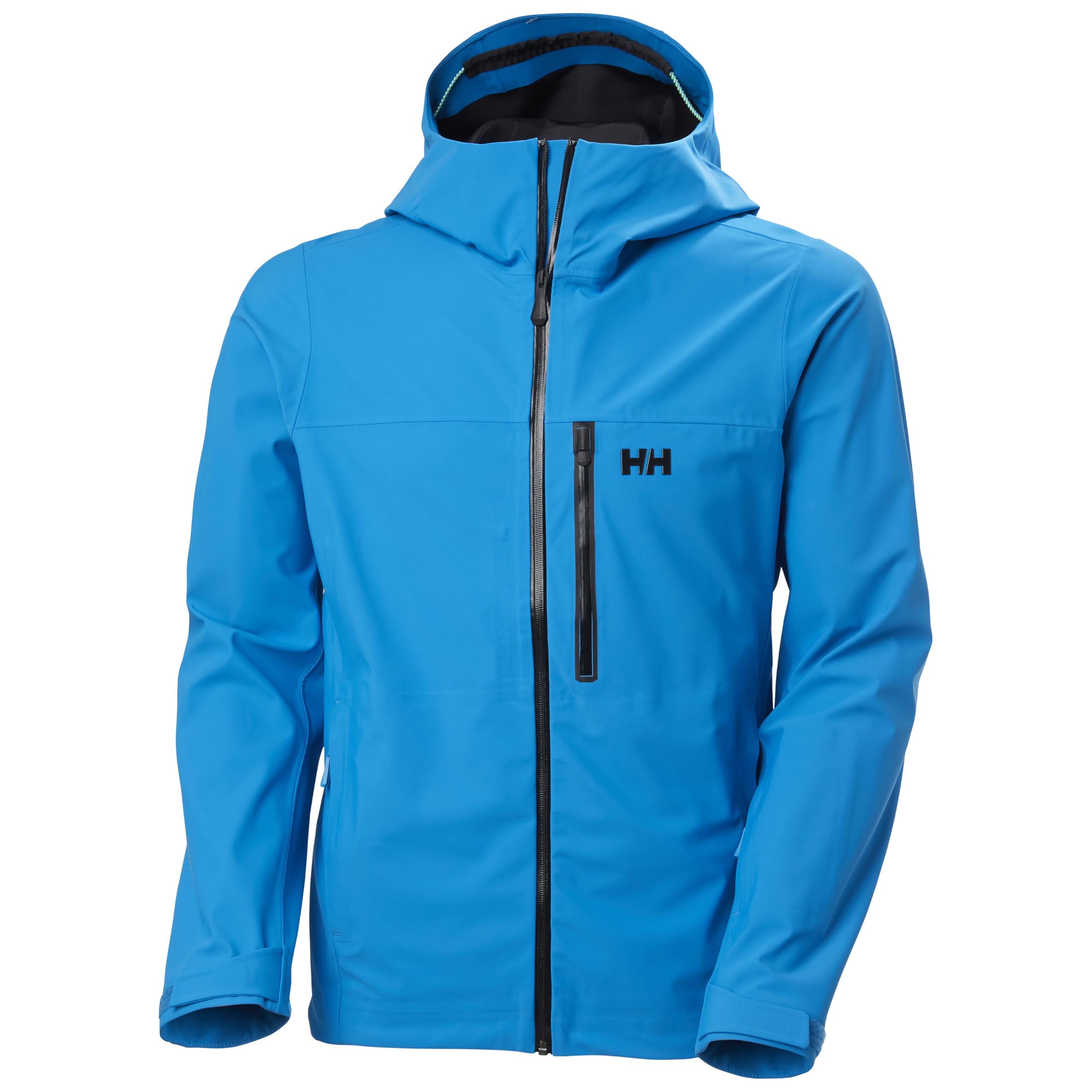
The Swift 3L Shell is an explicit three-layer design at a mid-range price, aimed at skiers who put membrane technology ahead of extra pocket convenience. Sizing and real-world fit are not confirmed in this listing, so plan to try it on before committing; without that, it falls short of the all-mountain shell's day-one usability.

Pros

  • True 3-layer construction keeps the jacket uninsulated, so you control the warmth with your own mid-layers.
  • Mid-range pricing makes it a cost-effective entry into a dedicated shell without resort extras.

Cons

  • In a layering setup, unverified sizing can leave too little room for a substantial mid-layer.
Our verdict

If you can confirm your size before buying, this is a sensible shell for skiers who prioritize 3L fabric over convenience features.

Check Latest Price
4

Style-Conscious Skiers

Oakley Divisional Shell Anorak

87 /100
Traveler Score Excellent

Key details

Shell Type
Recycled anorak shell
Waterproofing
Check Details on Amazon

Oakley's Divisional delivers a recycled anorak shell with a distinctive pullover look at an entry-level price. It is not a classic full-zip ski shell, so anyone who needs a powder skirt or pass pocket should verify those details before buying. This suits style-conscious budget skiers; conventional resort riders should consider the alternate budget shell in this lineup.

Pros

  • The entry-level price for a recycled shell leaves budget room for a separate insulated mid-layer.
  • Anorak cut delivers a clean, modern profile that reads differently from typical resort jacket shells.

Cons

  • Built as an active/performance shell, so it lacks the winter-sports-specific focus of a dedicated ski jacket.
Our verdict

Best for skiers who put anorak styling and entry-level pricing ahead of conventional resort-shell features.

Check Latest Price
5

Backcountry Travelers

Fjällräven Keb Eco-Shell

86 /100
Traveler Score Excellent

Key details

Shell Type
General eco shell
Waterproofing
Eco-Shell membrane
Check Details on Amazon

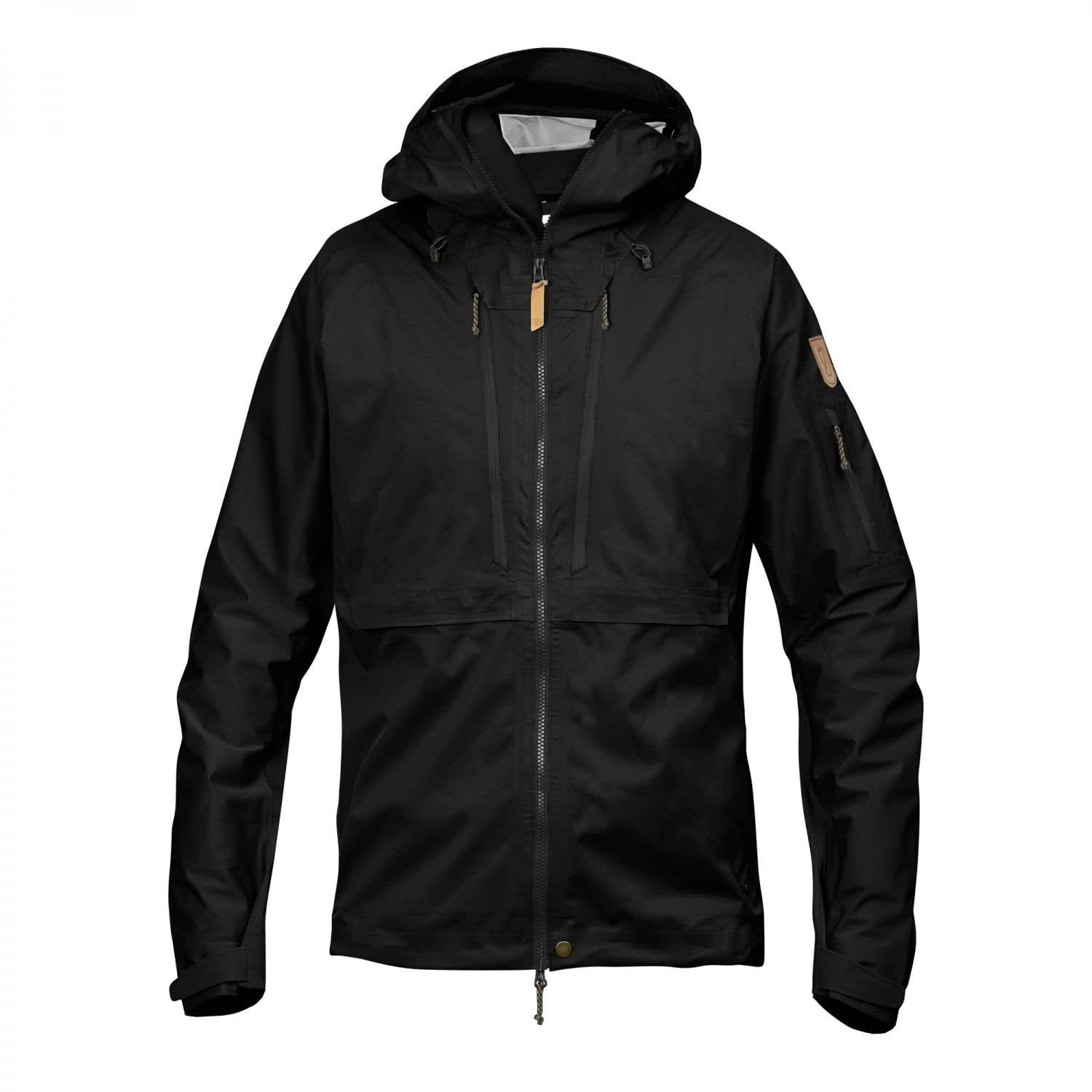
The Keb Eco-Shell uses Fjällräven's Eco-Shell membrane in a premium general-purpose shell for backcountry and multi-sport travel. It suits skiers who split time between skiing and other activities, but this is a general mountain shell, not a dedicated resort ski shell: no powder skirt, pass pocket, or ski-specific fit. Ski-specific performance isn't in its spec; resort-focused buyers should look elsewhere.

Pros

  • Eco-Shell membrane provides waterproofing and breathability for backcountry and multi-sport mountain travel.
  • Shell layout pairs with midlayers for mixed mountain activities, from ski touring to hiking.

Cons

  • Resort skiers expecting powder skirt, pass pocket, or ski-specific fit will need a dedicated ski shell.
Our verdict

Choose this when skiing is one of several mountain activities; for dedicated resort days, keep looking.

Check Latest Price

How to Choose

Shell vs. Insulation

A true shell has no insulation; it is a weatherproof layer that goes over a base and midlayer. An insulated ski jacket combines the shell and warmth into one piece, which is convenient on cold lifts but less flexible when temperatures rise. If you want one jacket for warm spring days and cold winter mornings, an uninsulated shell is the more useful system.

Waterproofing and Breathability

Waterproofing comes from a membrane or coating, not the outer fabric. A fully seam-sealed membrane keeps snowmelt out and lets sweat vapor escape, but breathability drops as you add insulation or heavy coatings. Skiers who work hard on the trail should look for a breathable membrane and ventilation, not just a high waterproof number.

Ski-Specific Features

Powder skirts stop snow from packing in through the hem, and pass pockets and goggle pockets do the same for lift tickets and eyewear. These features add weight and seams, but they save the hassle of digging through a backpack on a chairlift. RECCO reflectors are useful if you ride off-piste, though they do not replace a beacon.

Fit and Layering Room

A shell's fit decides whether layering works. A trim cut hugs a base layer but may not fit a midlayer underneath; a roomy cut gives you space for insulation but can look bulky around town. A helmet-compatible hood, articulated sleeves, and cuffs keep snow and wind out without binding under gloves or straps.

Ventilation Zippers

Ventilation zippers add controlled airflow at the underarm or chest when a membrane gets too warm. Open vents let moisture in during heavy snow, so zippered flaps matter. They are the difference between overheating on the climb and freezing on the descent.

Frequently Asked Questions