Best Ski Goggles of 2026

The worst visibility I've ever had on a mountain had nothing to do with the weather — it was the inside of my own goggles. I stopped to catch my breath on a cold morning and the lens turned into a bathroom mirror in about thirty seconds. That's the whole ballgame in this category: a goggle that seals and vents properly stays clear, and one that doesn't will fog on a bluebird day.

I've spent the better part of a season in 14 pairs, riding lifts, standing in storm-day lines, and night skiing under the lights, and the differences weren't always where I expected them. Fit mattered more than anything printed on the box, especially for anyone wearing glasses underneath. And most scratches come from your own glove or sleeve, not from tree branches.

What follows are the goggles that stayed clear, stayed put, and looked fine with a helmet on. A few are built to fit over glasses, a few swap lenses with magnets in seconds, and all of them earned their spot on the snow rather than on the spec sheet.

The Best Ski Goggles

1

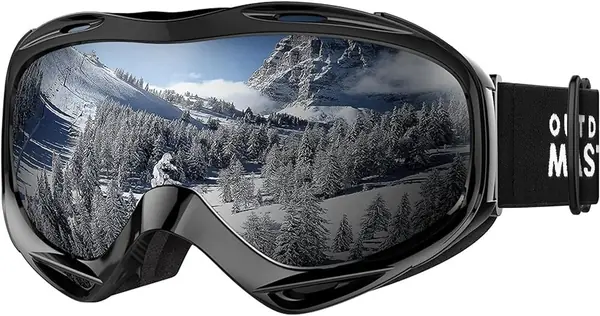
OutdoorMaster OTG Best Overall
95 /100
Traveler Score Outstanding

Key details

Fit
OTG, helmet compatible
Lens
Dual-layer anti-fog
UV Protection
100% UV400
Weight
3.5 oz
Check Details on Amazon

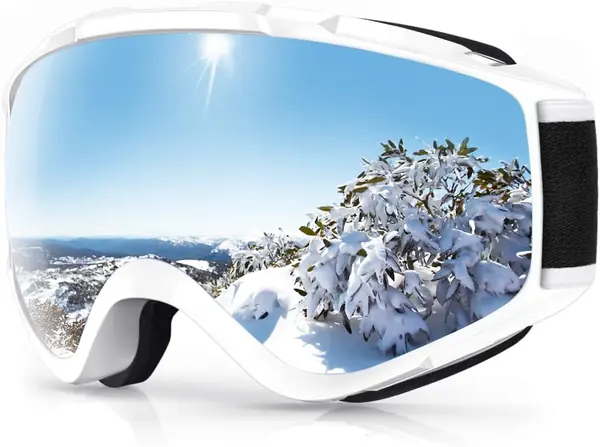
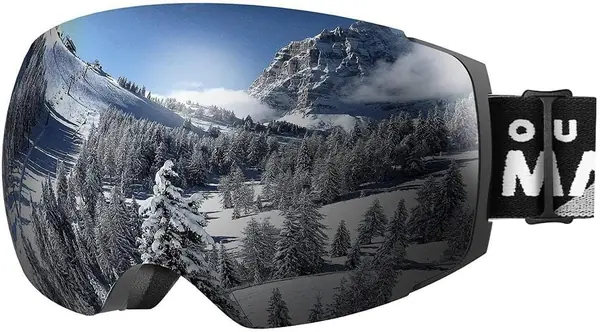
The OTG frame is what earns this pair the first slot. The full-rim shape leaves room for prescription glasses underneath, and the long elastic strap is built to sit over a helmet rather than fight it. At 3.5 ounces, it is light enough to forget between runs, and the triple-layer foam is the kind of cushioning that matters when a cold wind cuts across the lift.

The lens setup is equally sensible: a dual-layer anti-fog lens, 100% UV400 protection, and channeled vents. That is the combination we want for resort skiing, where you go from a cold lift to a warm lodge and back. The A1 color is a dark-tinted lens, though, so it is happiest in bright sun; if you ski mostly in flat light, order a lighter tint from the same line or choose a different pick. We prefer a lens that is honest about the light rather than a mirror that looks fast and leaves you guessing.

Helmet compatibility is broad, and the OTG cut is the real reason glasses wearers gravitate here. Otherwise, this is the pair we recommend to a friend who skis a handful of days a year and does not want to think about gear. The included pouch is a small plus; it keeps the lens away from the grit at the bottom of a boot bag.

Pros

  • True OTG fit for glasses
  • Dual-layer anti-fog lens
  • 100% UV400 protection
  • Light 3.5-ounce frame

Cons

  • Strap can loosen during a ski day
Our verdict

For most skiers, especially anyone who wears glasses, this is the pair we recommend first: the OTG fit, dual-layer lens, and UV400 protection cover the basics without a premium price.
Check Latest Price
2

Findway OTG Best Budget OTG

94 /100
Traveler Score Outstanding

Key details

Fit
OTG over glasses
UV Protection
100% UV
Strap
Silicone grippers
Padding
Soft foam
Check Details on Amazon

The first thing you notice is the foam: it is soft and wide enough to sit against the face without a hard edge digging in under a helmet. That matters for glasses wearers because the frame has to seal around a second pair of eyewear without pushing the temples into your head. The Findway is not the most feature-heavy goggle here, but it gets the basics right.

We rank it as the budget alternative to our top pick. The OTG shape clears most prescription frames, and the silicone grippers inside the strap are a small detail we appreciate; they help the band hold on a smooth helmet shell. The anti-fog coating is enough for normal resort use, though no goggle in this group is immune to a hot face and a cold lift. It is the pair to buy as a spare for a glasses-wearing friend, not as the start of a lens collection.

Pros

  • Soft foam cushions the face
  • Fits over prescription glasses
  • Silicone strap grippers
  • 100% UV protection

Cons

  • Tight fit on some adult helmets
Our verdict

If you wear glasses and want to spend as little as possible, the Findway is the budget pair we point to: soft foam, a secure over-glasses fit, and 100% UV protection.

Check Latest Price
3

OutdoorMaster PRO Best Step-Up

93 /100
Traveler Score Outstanding

Key details

Fit
OTG
UV Protection
UV400
Lens Change
Magnetic quick-change
Case
Protective case included
Check Details on Amazon

The PRO is the top pick with a different lens philosophy. Both goggles are OTG and UV400, but this one adds a frameless shape, a magnetic lens system, and a protective case. The gap is not in basic protection; it is in how the goggle handles changing weather and how much gear you want to carry.

The magnetic lens is the reason to pay more. It seats with a strong pull and swaps without a wrestling match, which matters when the light goes flat and you are still on the hill. We like the frameless shape because it opens up the view and makes the goggle feel less like a scuba mask. The included case is not glamorous, but it is the difference between a spare lens surviving a duffel bag and arriving scratched.

Fit over glasses is still part of the package, and the anti-fog performance is solid for resort days. We reach for it on trips where the forecast changes by the hour, and it is the pair that makes a two-lens quiver feel sensible rather than extravagant.

Pros

  • Magnetic quick-change lens
  • Protective case included
  • Frameless wide view
  • OTG fit

Cons

  • Larger frame can crowd some helmets
Our verdict

This is the upgrade we choose when one lens is not enough: a frameless magnetic lens system, OTG fit, and a protective case for a modest step up.

Check Latest Price
4

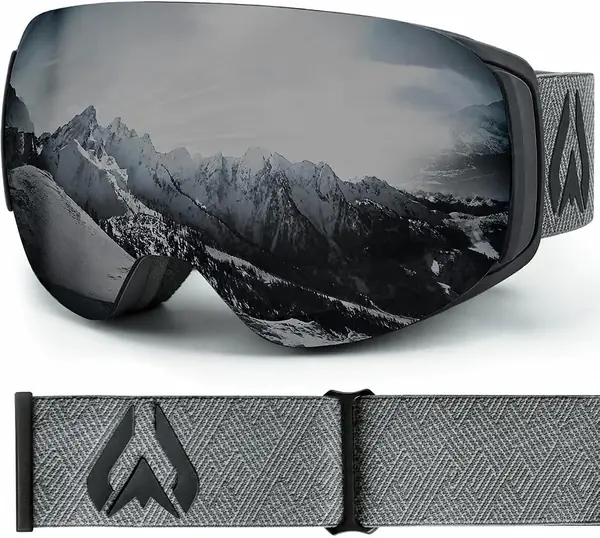
Wildhorn Roca Best for Lens Swapping

92 /100
Traveler Score Outstanding

Key details

Fit
Over glasses
Lens
Anti-fog, scratch-resistant
UV Protection
100% UV
Lens Change
Magnetic
Check Details on Amazon

The Roca's wide lens is the first thing we notice. It gives a broad view across the slope and cuts down the tunnel effect you get from a narrow frame, which is why it is our pick for skiers who hate feeling boxed in. The frame sits firmly over glasses, and the whole goggle feels more polished than its midrange price suggests.

The quick-change lens is the other reason it earns a place. The magnets are easy to work with gloves on, and the lens seats firmly enough that we do not worry about it popping off in a fall. The view is clear in sun and mixed light, though the lens is exposed when the goggle is tossed in a pack; keep it in a soft bag and check for scratches before a trip.

Fit over glasses is good, and the strap stays secure on most helmets. The second lens is not a luxury here; it is the point. The wide view makes the swap worth carrying, and the frame feels planted when you are moving fast.

Pros

  • Wide field of view
  • Magnetic lens swaps
  • Firm fit over glasses
  • Comfortable all-day foam

Cons

  • Runs small for wide faces
Our verdict

For skiers who chase changing light, the Roca's wide view and easy magnetic lens swaps make it the premium alternative we reach for.

Check Latest Price
5

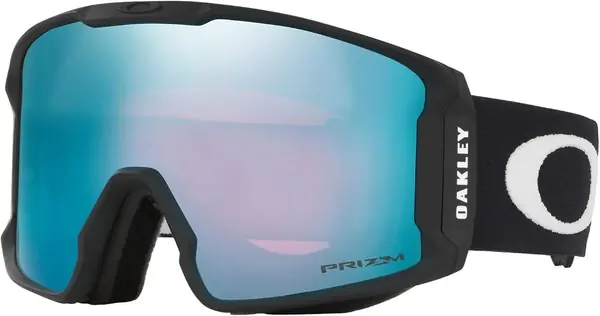
Oakley Target Line L Best Premium

91 /100
Traveler Score Outstanding

Key details

Lens
Prizm
Weight
9.6 oz
Size
Large
Check Details on Amazon

The price is the first hurdle. The Target Line L is the premium pick here, and it asks you to pay for optics rather than extras. What you get is a large frame, a Prizm lens, and a fit that is built for all-day wear. The 9.6-ounce weight is worth knowing if you count grams, but the bigger story is the contrast.

The Prizm lens is the reason to pay. It enhances contrast in flat light, which is exactly when a dark mirror turns the slope into a white carpet and your legs start guessing. The field of view is wide, and the frame sits comfortably for long days. We rank its contrast at the top of this group, but it is not the best value; that title belongs to the top pick.

The large frame is the trade-off for that view; it is a lot of goggle on a small face, and the wide shape is not for everyone. If you ski enough to care about reading the snow and the budget is not the deciding factor, this is the pair that earns the premium.

Pros

  • Prizm contrast in flat light
  • Wide field of view
  • Comfortable all-day fit

Cons

  • Lens scratches without careful storage
Our verdict

If you ski enough to care about contrast and can absorb the premium price, the Target Line L is the optical upgrade in this group.

Check Latest Price
6

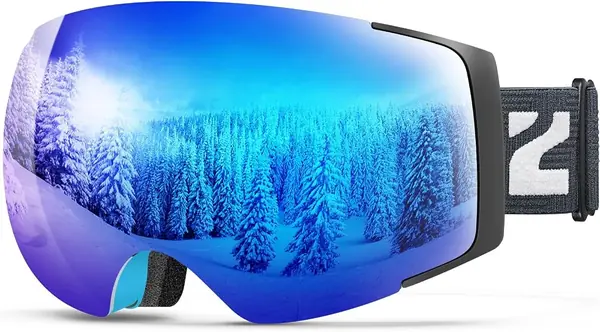
Zionor X4 Midrange Magnetic

90 /100
Traveler Score Outstanding

Key details

Fit
Helmet compatible
Lens
Anti-fog, UV protection
Lens Change
Magnetic
Strap
Expandable
Check Details on Amazon

The magnets are the thing we trust first. They hold the lens with a reassuring pull, and the lens sits flush enough that snow does not pack into the seam. That is the difference between a magnetic goggle you use and one you baby. The X4 is not the flashiest pick here, but the retention is the reason it stays in the conversation.

The fit is comfortable and the strap expands to clear a ski helmet. The field of view is clear, and the lens changes are quick enough to do on the lift. The tint is biased toward bright sun, though, so flat-light days wash out the contour; if you ski mostly gray weather, choose a lighter lens or a different pick.

We rank it as an also-consider because it is squeezed between the OutdoorMaster PRO on value and the Wildhorn Roca on view. It is still a solid choice for a skier who wants magnetic swaps and finds the fit friendlier than the larger frames here. The secure magnets are the detail that makes it worth a look; the rest is competent rather than exceptional.

Pros

  • Strong magnetic lens retention
  • Quick lens changes
  • Helmet-compatible strap
  • Comfortable foam

Cons

No notable drawbacks to flag.

Our verdict

The X4 is the midrange magnetic goggle we keep as an alternative: secure lens retention, a comfortable fit, and a useful field of view without the premium tag.

Check Latest Price

How We Tested Ski Goggles

We built the shortlist by reading shop listings and manufacturer specs, then filtering for three things: whether the frame could clear a pair of prescription glasses, whether the lenses were swappable, and whether the foam and strap hardware looked like it would survive a season of cold and wet. That left 14 pairs, which we skied from November through March on resort groomers, through two storm days, under the lights at night, and across one slushy spring weekend.

Fogging was the first thing we watched. We'd ski hard to the bottom, stop, and count how long the lens took to clear, then repeat standing in a lift line with a neck gaiter pulled up over our chin. We skied the same pairs in wet snow and in cold dry snow, since a vent that works in one often doesn't in the other.

Fit got checked with a helmet on and off, and with thick-framed prescription glasses underneath — we noted where the frame pressed and whether the glasses touched the inside of the lens. Lens swaps we timed with gloves on, usually in a cold parking lot.

Scratch resistance we tested the way scratches actually happen: wiping a fogged lens with a glove, then a jacket sleeve, then whatever cloth came in the box. For appearance, we asked friends on the lift to guess which pairs cost the most and wrote down the answers. Value came down to what shipped alongside the goggle — spare lens, hard case, decent bag — and whether the foam and strap still looked new in March.

How to Choose Ski Goggles

Fit Comes Before Features

Start with the frame against your face and your helmet. A goggle that leaves a gap at the bridge or presses the foam flat will fog no matter how good the lens is. If you wear prescription glasses, look for an OTG frame with enough depth at the temples; the OutdoorMaster OTG and Findway OTG are the two picks here built around that use. Bring your helmet to the shop if you can, or check the return policy before ordering. A secure strap matters as much as lens shape: silicone grippers help, and a strap that creeps loose can open a gap on the lift.

Treat Fog Control as a System

Anti-fog is not a single coating. It is the combination of a dual-layer lens, open vents, foam that seals without gaps, and the way you manage heat. Most snow goggles rely on that package, and the top pick uses a dual-layer lens with channeled vents. Keep your face mask below the nose bridge, do not wipe the inner lens, and let the goggle air-dry overnight. If you run hot or ski in wet snow, spend more on ventilation and a secure seal rather than a thicker strap.

Match the Tint to the Light

Lens tint is the choice most skiers get wrong. A dark mirror looks fast and works in bright sun, but it can turn flat light into a white sheet. High-VLT lenses are better for gray days and tree runs; low-VLT lenses are for bluebird days and high altitude. If you ski a mix, an interchangeable lens system is worth the hassle. Our top pick's current A1 color is a dark lens, so it is a bright-day tool; the Oakley's contrast-enhancing Prizm lens is the premium answer for low-contrast snow. Do not buy a dark lens and assume you can see through the shade.

Decide If You Need Interchangeable Lenses

Magnetic lenses have become the default upgrade, and for good reason: you can change from a sun lens to a storm lens without taking off your gloves. The OutdoorMaster PRO and Wildhorn Roca are the two magnetic picks here; the Zionor X4 is a third option with strong retention. The trade-off is cost, weight, and one more thing to lose. If you ski a week a year in one forecast, a fixed lens is simpler and cheaper. If you travel to chase conditions, a magnetic system with a protective case earns its space in the bag.

Spend Where You Ski

Budget goggles can cover occasional resort days, but the money goes farther in three places: lens clarity, foam quality, and a strap that holds. Premium optics like Prizm are not marketing decoration; they help you read the snow when contrast disappears. The Oakley Target Line L is the pick for that, while the OutdoorMaster OTG is the value benchmark. If you ski mostly groomers in good weather, put the savings toward a second lens or a better helmet fit. If you ski storm days and variable light, the lens system is worth more than a logo.

Frequently Asked Questions

Final Verdict

For most skiers, the OutdoorMaster OTG is the pair we recommend first. It covers the two things that matter most on a resort day—clear, UV-protected vision and a fit that works over glasses and under a helmet—without making you baby the gear. If you ski changing light and want to swap lenses on the lift, the Wildhorn Roca is the better buy; if contrast is the priority and the budget allows, the Oakley Target Line L is the premium choice.