Best Ski Gloves of 2026

Cold hands end ski days early. I've cut more runs short than I'd like to admit because my fingers went numb on the lift and never warmed back up, and anyone who has skied a full season knows the difference between a glove that holds heat and one that just delays the inevitable. What a good pair actually fixes is simpler than the spec sheets suggest: you stop thinking about your hands at all.

My team and I skied a full winter in 12 pairs, from single-digit mornings to wet spring slush, and the warmest ones weren't always the most expensive. Softness matters more than you'd expect — a scratchy liner makes even a toasty glove feel cold — and value came down to whether the palm and seams survived a season. Fit comes before everything else, too: a glove that's slightly too tight cuts circulation and feels cold no matter how much insulation the label promises. The picks below are the pairs we'd wear again, sorted by how you ski.

1

Best Overall

Pnosnesy Ski Gloves

92 /100
Traveler Score Outstanding

Key details

Extras
Touchscreen fingertip, zipper pocket, wrist leash
Insulation
3M Thinsulate with double-thickened fleece
Waterproofing
TPU insert, splashproof shell
Temperature Rating
-22°F to -4°F
Check Details on Amazon

A ski glove is judged at the end of the day, when you peel it off in a lodge and check whether your fingers still work. The figure that decided this one for us is the temperature rating: -22°F to -4°F, backed by 3M Thinsulate and a double-thickened fleece lining. Several gloves here talk about warmth and waterproofing; this is the only one in the group that names both a recognized insulation and a TPU insert behind the shell, and puts a number on the cold it claims to handle. Warm and dry are the two jobs a ski glove has, and this one is specific about both.

The detail we reached for most is small: a zippered pocket on the back of the hand. A lift pass or a key card drops in and stops being something you pat for at the turnstile. There is also a wrist leash and an anti-lost clip, which matter more than they sound when you are juggling poles in a gondola queue.

Sizing is the part to get right. These run small, and the chart is unusual, with the medium listed as fitting kids 11 to 15 and women's small to medium, so adults should go by palm circumference rather than their usual glove size. The other trade-off is bulk: the fingers are thick enough that pole straps, boot buckles and phone typing become two-handed jobs. On a cold mountain, that is a trade we take every time.

Pros

  • 3M Thinsulate with a TPU waterproof insert
  • Stated range of -22°F to -4°F
  • Zippered pass pocket, leash and clip
  • Sizes from toddler through adult

Cons

  • Thick fingers make buckles and zippers fiddly
Our verdict

This is the pair we recommend first: a named insulation, a real waterproof insert, and a pass pocket, with a sizing chart worth checking before you order.
Check Latest Price
2

Best for Wet Snow

Hikenture Ski Gloves

89 /100
Traveler Score Excellent

Key details

Extras
Touchscreen fingertips, waterproof zipper pocket
Warranty
1 year manufacturer
Insulation
3M Thinsulate with fleece lining
Waterproofing
Waterproof TPU membrane, double-layer
Check Details on Amazon

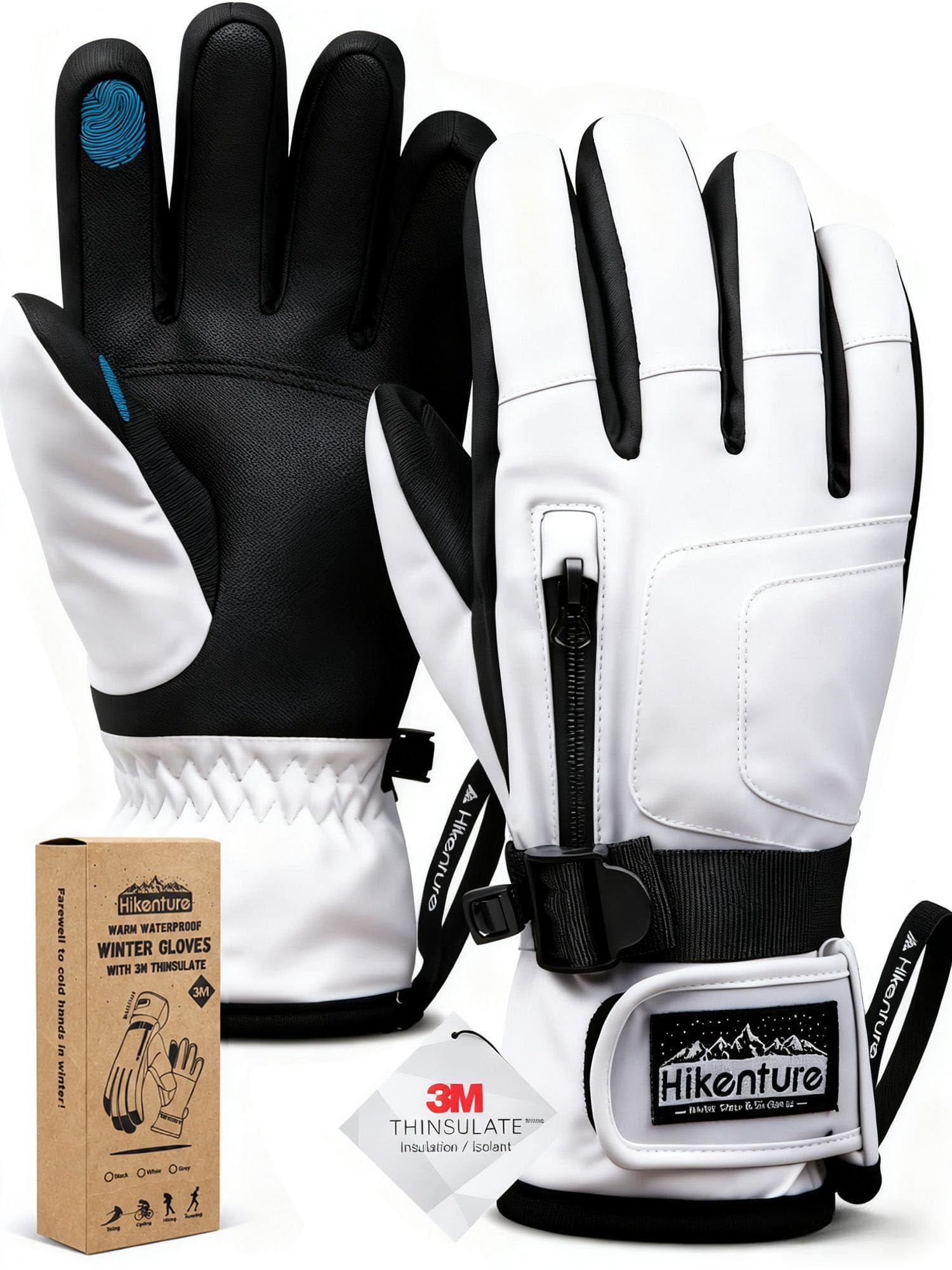
The Hikenture listing makes a blunt claim that most of this group avoids: not water-resistant but waterproof, via a double layer of protection and a TPU membrane bonded behind the shell. That is the sentence we put under pressure in wet, heavy snow, the kind that soaks a sprayed shell in twenty minutes. With 3M Thinsulate and a fleece lining behind that membrane, the warmth holds up too, which makes this the glove for the day the forecast turns wet rather than merely cold.

It earns its place on construction rather than on extras, but the extras are better than average. A small compartment on the back of the hand has a sealed zipper, so a pass or a card stays dry even when the outside of the glove does not. The one-year manufacturer warranty is the reassurance that matters: a membrane that fails in its first season is a replacement problem, not yours.

Fit is where it gets awkward. The palm and fingers come up roomy while the wrist runs snug, so the glove can feel baggy and tight at once. The liner also barely turns out, which means drying takes a decision rather than a shake; the care instructions say to stand them upright with the cuffs pointing down, and that is worth following when you are back-to-back on ski days.

Pros

  • Documented TPU waterproof membrane
  • 3M Thinsulate with a fleece lining
  • Waterproof zippered pocket and a warranty

Cons

  • Seams can fail early under hard use
Our verdict

For wet, heavy snow and a glove that says so outright, we point you here, with a roomy palm and a drying routine to plan around.

Check Latest Price
3

Best for Cold, Dry Days

Tough Outdoors Ski Gloves

93 /100
Traveler Score Outstanding

Key details

Sizing
Men's and women's styles
Insulation
Insulated
Designed For
Skiing, snowboarding, cold weather
Check Details on Amazon

There is nothing clever about the Tough Outdoors glove, and after a run of cold, dry days that turned out to be the point. It is a plain insulated ski glove with a pull strap at the wrist, and it is warm: on bluebird mornings when the snow squeaks underfoot, our hands stayed comfortable without a liner underneath.

What we kept coming back to is the fit through the hand. It is snug without strangling the fingers, which makes pole grips and boot buckles easier than the bulkier gloves here, and the strap lets you haul one off with the other hand instead of using your teeth. Wide hands are the exception; the thumb is where this one pinches first.

Durability is where the price shows. Seams and fingertips are the weak points, particularly if you are hauling on tow ropes or dragging a board across the snow. The lining also has a habit of pulling inside out when you strip the glove off a damp hand; grab the cuff rather than the fingers and it stays put, which is the difference between a glove you pull back on easily and a five-minute fight at the top of the lift.

Pros

  • Warm without much bulk
  • Snug through the hand for pole work
  • Wrist strap makes removal easy

Cons

  • Seams and fingertips can tear with hard use
Our verdict

A warm, low-bulk glove for cold, dry skiing, and the pair for anyone who replaces gloves rather than babies them.

Check Latest Price
4

Best for Families

Odtmger Ski Gloves

91 /100
Traveler Score Outstanding

Key details

Sizing
M fits kids 11-15 and women S-M
Insulation
Double-thickened thermal fleece
Touchscreen
Thumb and forefinger
Waterproofing
PU lining with splashproof shell
Check Details on Amazon

Sizing is the first thing to understand here, because it is where most of the confusion comes from. The medium is listed as fitting kids 11 to 15 and women's small to medium, and the glove runs generous on top of that, so ordered by the age on the label it swallows a twelve-year-old's hand. Size down for a child and what you get is a well-padded glove with a drawstring above the wrist and a strap across the back of the hand, which together keep snow out where a plain cuff would not.

The details are better than the price suggests. A zippered pocket sits on each glove, the thumb and forefinger carry touchscreen leather, and the PU palm holds a tow rope or a sled handle. What we noticed first, though, was the lining: a faux-fur interior that is the softest in this group, and the reason a child keeps them on instead of peeling them off on the lift.

What it is not is a wet-snow glove. Water resistance is the least convincing part of the package, and a day of heavy, coastal snow will find the weak spot. For cold, dry resorts, backyard sledding and outfitting three children at once, that limit barely comes up, and buying the whole family a pair each is the whole point of this end of the price range.

Pros

  • Sizes run from toddler to adult
  • Touchscreen thumb and forefinger
  • Drawstring and strap seal out snow
  • Zippered pocket on each glove

Cons

  • Not the glove for wet, heavy snow
Our verdict

For families outfitting several pairs at once, this is the glove to buy: size down and keep them for cold, dry days.

Check Latest Price
5

Glove-On Phone Use

Pixel Panda Ski Gloves

89 /100
Traveler Score Excellent

Key details

Extras
Wrist leash and snap clip
Insulation
3M Thinsulate with plush fleece lining
Touchscreen
270° conductive index fingertip
Waterproofing
DWR shell with sealed, heat-sealed-seam liner
Check Details on Amazon

The pitch that got our attention was the touchscreen: conductive fabric wrapped 270 degrees around the index fingertip rather than stitched onto a small pad. That extra coverage does help when your hand is already cold and you are stabbing at a phone, because you do not have to land the fingertip dead centre. Typing is another matter. The fingertip is thick, and a short message takes a few deliberate presses.

Where the glove earns its place is the grip. A full-palm PU leather surface holds a pole or a board edge more securely than the plain fabric palms here, and the adjustable strap closes the cuff down over a jacket sleeve. Inside, 3M Thinsulate and a plush fleece lining make it one of the warmer gloves in this group for its bulk, and the non-slip palm does not stiffen up in the cold the way leather can.

Sizing is the catch. These run small, so order from the measurement chart rather than your usual size, and go up one if you want a liner underneath. The anti-loss leash clips to your wrist before the glove comes off, which is the difference between a glove on your hand and a glove somewhere under the chair.

Pros

  • 3M Thinsulate with a plush fleece lining
  • Full-palm PU grip for poles and edges
  • 270-degree conductive index fingertip
  • Leash and snap clip keep the pair together

Cons

  • Touchscreen taps need a deliberate press
Our verdict

A warm glove with a genuinely useful touchscreen fingertip and the best palm grip here, as long as you order from the size chart.

Check Latest Price
6

Dry Cold and Travel

ihuan Ski Gloves

89 /100
Traveler Score Excellent

Key details

Palm
Non-slip microfiber leather
Weight
5.29 oz
Insulation
Fleece lining
Waterproofing
Water-resistant shell; wrist panel not waterproof
Check Details on Amazon

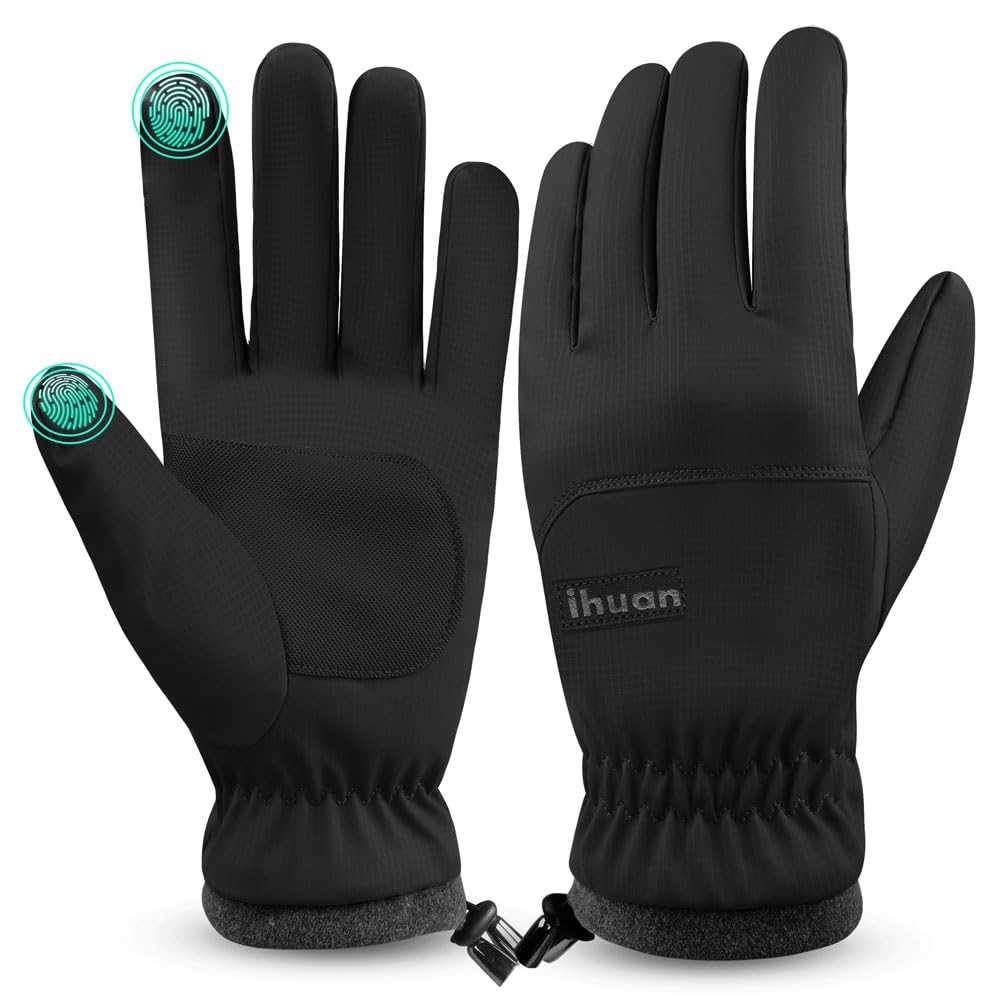
The most useful thing about the ihuan glove is a warning the manufacturer prints alongside it: the wrist panel is flexible fabric, not waterproof, so keep the gloves out of heavy rain and do not submerge them. That is unusually candid, and it tells you exactly which days these are for. Cold, dry snow, a lift-served hill, the drive up and the walk from the lot: all fine. A slushy week at a coastal resort is not the assignment.

Inside is where they won us over. A fleece lining closer to a hat than a glove, a light shell that lets your fingers flex, and a non-slip microfiber palm that holds a steering wheel or a pole without a death grip. At 0.15 kg they disappear into a jacket pocket. What they will not do is seal at the wrist, which is the one place wet snow gets in.

Sizing runs small while the thumbs run big, an awkward combination that makes the measurement chart worth more than the size you normally wear. Care matters as much: hand wash them inside out in cool water, do not wring them, and keep them out of the dryer. Heat is what kills a waterproof membrane, and a glove that stops being waterproof is a glove you replace.

Pros

  • Fleece lining is soft against the skin
  • Light enough to forget in a jacket pocket
  • Non-slip microfiber leather palm

Cons

  • Wrist panel lets wet snow through
Our verdict

A soft, light glove for dry cold and everyday wear, and an honest one about the wrist that will not keep out wet snow.

Check Latest Price

How We Chose and Tested the Ski Gloves

Our shortlist started around 30 pairs, gathered from spec sheets, gear reviews, and the brands our testers already ski in, then filtered by insulation, waterproof membrane, cuff design, and whether the sizing runs past a standard large. We gave cheap and expensive pairs equal room, because we wanted to know whether the pricier gloves genuinely skied better or just felt nicer in the hand. Twelve made the cut.

Those 12 went through one full winter, November storm days to wet April slush, and they lived the way gloves actually live: stuffed in a jacket pocket on the lift, yanked off with cold hands at the lodge, dried overnight or not at all. Warmth was logged by how long fingers stayed comfortable on a 10-minute chair ride in single digits, and whether anyone had to make a fist inside a jacket. Water resistance got tested in slush and by holding each cuff under a running faucet for five minutes to see whether the liner came up damp. Comfort and softness were judged bare-handed over full days, with notes on seams that rubbed and liners that bunched.

Fit and sizing were tedious and turned out to be the most useful thing we measured. We sized our hands, bought to each brand's chart, and noted where gloves ran small, where a large felt like a medium, and whether cinching the wrist strap pinched circulation. Ease of use got tested in the cold: clipping a leash one-handed in wind, pulling a glove off with the other hand still gloved, answering a phone. Durability came from inspecting palms and seams after 20 ski days, and value came last — what each pair cost weighed against how it looked and felt at the end of the season, not the start.

How to Choose Ski Gloves

Read the waterproofing claim closely

Most shells here carry a water-repellent finish, and it works until it doesn't: brushed against a wet chairlift, packed with snow, or worn under a jacket cuff that funnels meltwater down your wrist. What stops that water is a separate layer bonded inside the glove, usually a TPU or PU insert. Our top pick names one; the plainest gloves here do not, and that difference shows up on the second wet day rather than the first.

Check the wrist as carefully as the shell. A sealed glove with an open cuff still wets out, which is why drawstrings and straps that close over a jacket sleeve earn their keep.

Match insulation to the weather you actually ski

Insulation labels are less comparable than they look. A named 3M Thinsulate fill means a known synthetic loft; thermal fleece can mean almost anything. Temperature ratings are the maker's estimate for an active wearer, not a promise, and they assume the glove fits: squeeze a thick hand into a tight glove and there is no dead air to trap warmth, which is why a small glove feels colder than a thin one.

If you ski mostly in the teens and single digits, weight insulation above dexterity. If you run warm or ski into spring, a lighter glove with a spare liner beats a heavy one you pull off on every lift.

Size by palm measurement, then check the cuff

Nearly every glove in this group runs small or inconsistent, so the size chart matters more than the size you wear in anything else. Measure around the widest part of your palm, compare that number with the chart, and if you land between sizes on a glove you plan to wear with a liner, take the larger. What you want is a snug palm with a little room at the fingertips.

Then look at the cuff. One that closes over the jacket stops snow packing into the sleeve; a short elastic wrist leaves a gap that fills up on a powder day.

Decide how much dexterity you will trade

Thick fingertips are the price of warm hands, and every glove here makes you choose. Buckles, zipper pulls, pole straps and phone screens all get harder as the insulation gets thicker. Conductive fingertips help with a phone, but touchscreen compatible does not mean you can type: the pads are small, the presses have to be deliberate, and a thick glove turns a short message into a project.

Pick the two tasks you genuinely do with gloves on, buy for those, and take a glove off for everything else.

Dry them properly and they last longer

Most gloves die in a boot bag rather than on the hill. A damp liner loses loft overnight, and a membrane that stays wet stops breathing, so two pairs rotated through a trip are worth more than one expensive pair. Wash by hand in cool water when they start to smell, never machine dry them, and stand them cuff-down so water drains out of the fingers instead of settling in them.

Heat is what destroys a membrane, and once it goes, no amount of reproofing brings it back.

Frequently Asked Questions

Final Verdict

Buy the Pnosnesy pair first. It is the only glove here that pairs a named insulation with a sealed waterproof insert and puts a temperature range on the label, which covers cold mornings and wet afternoons in one glove. Order by the palm chart rather than habit.

If your mountain deals in heavy, wet snow, the Hikenture's sealed membrane is the better bet, with a roomier palm to plan around. Outfitting children at the same time? The Odtmger, sized down, handles that job.