6 Best Mountaineering Boots of 2026: Spot Real Crampon-Compatible

Find the stiff-soled, crampon-compatible mountaineering boots that handle alpine ice and steep snow, not just rocky trails.

Many boots sold as 'mountaineering' are actually heavy hiking boots with flexible soles and no crampon attachment points. They work fine on rocky trails but struggle on alpine ice and steep snow. The real mountaineering boots have stiff soles, high ankle support, and built-in crampon compatibility.

Within this category, two strong options emerge with different priorities. One leans on classic full-grain leather construction and a proven track record on technical climbs. The other offers a lighter build, Gore-Tex waterproofing, and a lower price point with thousands of positive reviews.

This guide breaks down these key differences and highlights the specs that matter most — stiffness, insulation, and fit — so you can match the boot to your specific climbing goals. Whether you are summiting a glaciated peak or tackling a winter route, the right boot balances performance with comfort for the conditions you face.

1

Best Overall Mountaineering Boot

La Sportiva Makalu

89 /100
Traveler Score Excellent

Key details

Crampon Compatibility
Yes
Check Details on Amazon

The Makalu's full-grain leather upper provides the structural integrity needed for technical terrain, and the stiff sole delivers precise edging on ice or rock. After a break-in period, the boot molds to the foot, supporting long days on mixed ground. This is a boot designed for alpine climbing, not casual trails.

Sizing runs small; expect to order a full size larger than usual to accommodate thick socks. Warmth is adequate for moderate alpine conditions but falls short in extreme cold without additional insulation. This tradeoff is manageable for spring and summer ascents or when paired with insulated gaiters.

💡 Try on with intended sock thickness before committing, and consider sizing up if between sizes.

Pros

  • Full-grain leather upper resists abrasion and holds shape over years of use.
  • Stiff sole and supportive ankle provide reliable edging on steep alpine terrain.
  • After break-in, the boot molds to the foot for all-day comfort on mixed terrain.

Cons

  • Sizing runs small; allow for a full size larger than usual.
  • Insulation is limited; not suitable for extreme cold without additional layering.
Our verdict

A time-tested alpine boot that rewards climbers with durable leather performance, provided you adjust sizing and pair it with insulation for severe cold.
Check Latest Price
2

Best Value for Alpine Climbing

Salewa Crow GTX

88 /100
Traveler Score Excellent

Key details

Crampon Compatibility
Yes
Check Details on Amazon

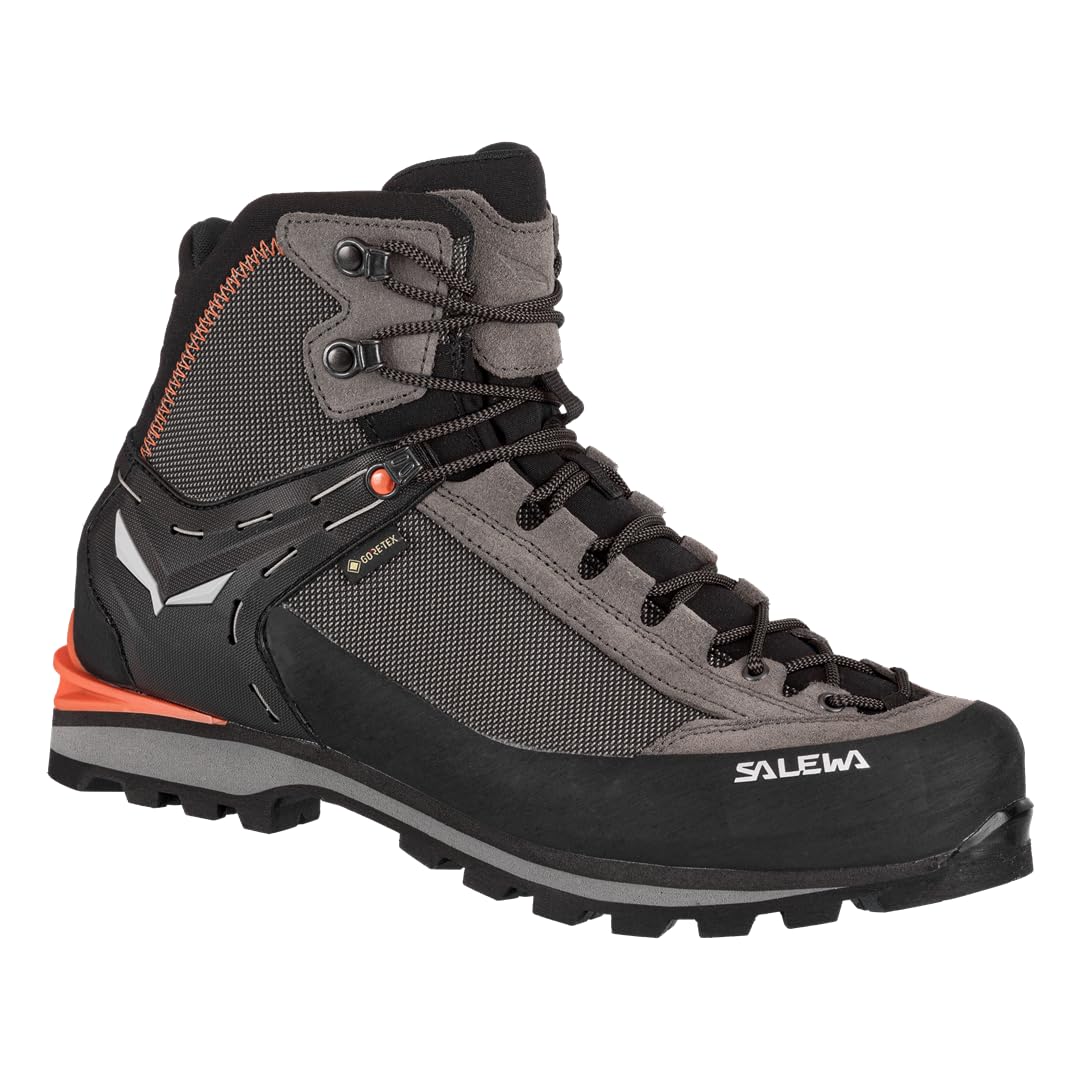
The Crow GTX delivers the stiff sole and Gore-Tex waterproofing required for technical alpine climbing, backed by substantial real-world use from mountaineers. Fit runs narrow, especially in the toe box, so those with wider feet or anyone between sizes should size up or try before buying. Also note that product listings may show this as a women's boot, which can affect sizing expectations — double-check the department label before ordering.

💡 Check the department label when ordering — some units are listed as women's, which may shift sizing expectations.

Pros

  • Stiff sole supports edging and crampon use for technical climbing.
  • Waterproof Gore-Tex membrane keeps feet dry in wet alpine conditions.
  • Excellent traction on rocky and uneven terrain.

Cons

  • Fit may be snug, especially in the toe box; not ideal for wide feet.
  • Product data may list department as women's
Our verdict

A strong mid-range choice for alpine climbers who prioritize stiffness and waterproofing and can work with a narrower fit.

Check Latest Price
3

Mid-Range Alpine

Salewa Condor EVO GTX

86 /100
Traveler Score Excellent

Key details

Crampon Compatibility
Check Details on Amazon

The Salewa Condor EVO GTX is a mid-priced mountaineering boot with a stiff sole and Gore-Tex lining, making it technically capable for alpine climbing. Its long-term performance in technical conditions has less public documentation than competing models, so buyers who prioritize extensively reviewed gear may want to consider more established options like the Crow. It fits a specific need if you find it discounted and accept some uncertainty about durability.

Pros

  • Gore-Tex membrane provides reliable waterproofing for wet alpine conditions.
  • Stiff sole design supports full-automatic crampon attachment.

Cons

No notable drawbacks to flag.

Our verdict

Best suited as a backup if you find it discounted and are comfortable with less field data compared to more reviewed alpine boots.

Check Latest Price
4

Rough Terrain Hiking

Kenetrek Mountain Extreme

91 /100
Traveler Score Outstanding

Key details

Crampon Compatibility
No
Check Details on Amazon

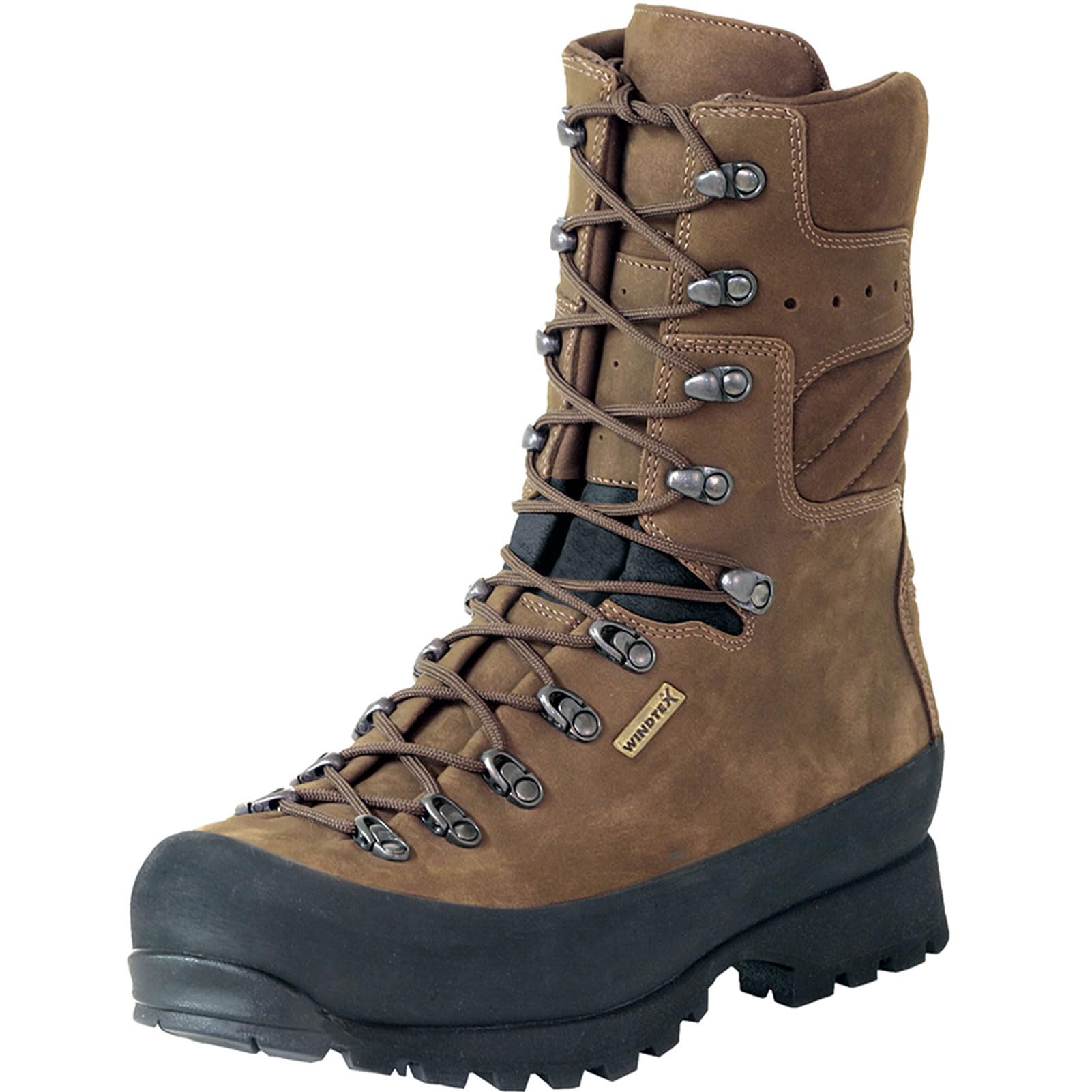
This boot delivers robust build quality, good ankle support, and waterproof protection for rough terrain. However, it lacks crampon compatibility and a stiff sole, making it unsuitable for technical mountaineering, ice, or high-altitude conditions. It is best reserved for backpacking and hunting on uneven ground.

Pros

  • Built to withstand heavy use on rocky trails and uneven terrain
  • 10-inch height and solid ankle support for stability on rough ground

Cons

  • Premium pricing can feel high given the boot is not designed for technical climbing
Our verdict

A tough, waterproof boot for hunters and backpackers on rocky terrain, but not a match for alpine mountaineering or crampon use.

Check Latest Price
5

Day Hiking

Salewa ALP Trainer Mid GTX

90 /100
Traveler Score Outstanding

Key details

Crampon Compatibility
No
Check Details on Amazon

The Salewa ALP Trainer Mid GTX is a lightweight hiking boot that feels comfortable immediately with minimal break-in. It works well for everyday wear and easy trails, though tread wear can be premature in some cases. This boot is not stiff enough for crampons or alpine climbing, making it best suited for travel day hikes rather than technical mountaineering.

Pros

  • Lightweight and comfortable from first wear
  • Minimal break-in required

Cons

  • Narrow fit, especially in the toe area, may not accommodate wider feet
Our verdict

For day hikers and travelers who prioritize comfort and quick break-in, this boot fits the bill—provided your feet are on the narrower side.

Check Latest Price
6

Work and Hiking

La Sportiva Karakorum

85 /100
Traveler Score Excellent

Key details

Crampon Compatibility
No
Check Details on Amazon

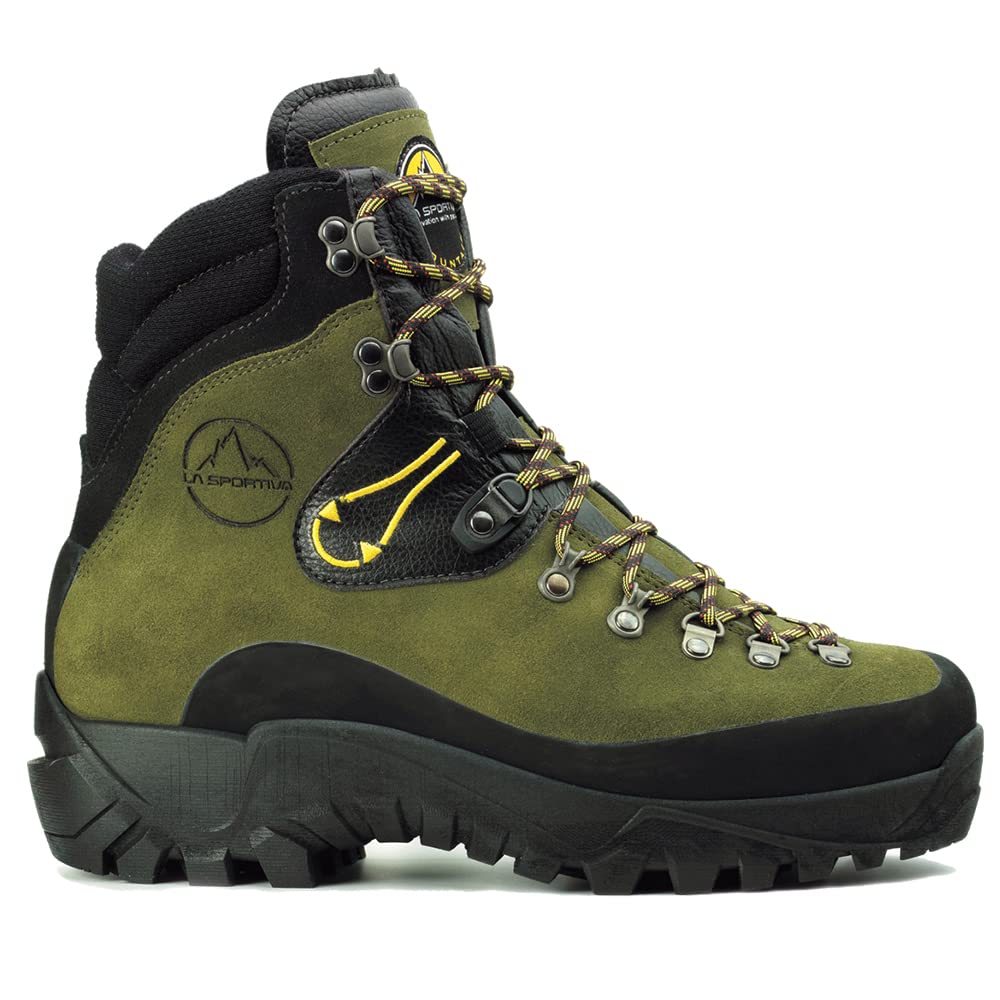
The Karakorum is a well-built, comfortable boot for heavy hiking and outdoor work, but it is not intended for technical mountaineering. Durability issues such as sole separation and lace hardware loosening have been noted, and the boot lacks the stiffness and crampon compatibility required for alpine climbing.

Pros

  • Good quality and well-made construction
  • Comfortable right out of the box

Cons

  • Sole delamination and lace hardware issues may develop over time
Our verdict

Best suited for day hikes and light work, not for alpine climbing or technical terrain.

Check Latest Price

How to Choose

Stiffness and Crampon Compatibility

A boot with a flexible sole cannot securely hold crampons, leading to poor edging and reduced control on steep terrain. Semi-automatic crampons require a heel welt, while automatic crampons need both heel and toe welts. Always verify that the boot has the appropriate welt system for your crampons before buying.

Insulation Level

Non-insulated boots are fine for three-season alpine climbs, but winter and high-altitude conditions demand insulation to prevent frostbite. Over-insulating for summer leads to sweaty feet that can freeze when you stop moving. Match the insulation level to the lowest expected temperature, not the average.

Waterproof Membrane

Gore-Tex and similar membranes keep feet dry across snowfields and wet rock, but they reduce breathability. In hot conditions, a membrane can trap moisture and cause blisters. Leather boots without a membrane can be treated with wax, but they tend to wet out faster in sustained rain or slush.

Ankle Support and Weight

A taller boot offers more stability for uneven terrain and heavy loads, but adds weight that fatigues your legs on long approaches. Boots around 2 pounds per foot are standard; sub-1.5-pound boots save energy but offer less ankle protection. Choose based on the length and technicality of your climbs.

Fit and Sizing

Mountaineering boots are built narrow for precision, so most buyers need to order a full size up to accommodate thick socks and prevent toe bang on descents. A snug heel is critical to avoid blisters, while a roomy toe box allows for toe splay. Sizing varies significantly between brands, so try before you buy or order two sizes.

Frequently Asked Questions